
Helge Langseth is a Professor at the Department of Computer Technology and Informatics , within the Faculty of Information Technology and Electrical Engineering at the Norwegian University of Science and Technology (NTNU). His research focuses on Artificial Intelligence , Machine Learning , and Probabilistic Graphical Models , particularly Bayesian Networks and their applications in Decision Support Systems . Langseth's work addresses Explainable AI (XAI) , Reinforcement Learning , and Recommender Systems . He has contributed to Bayesian Optimization , Probabilistic Modeling , and Robotic Control in oceanic environments. His recent publications emphasize transparency , fairness , and scalability in AI systems, with applications spanning maritime trade, migraine diagnosis, and power grid management. He is affiliated with the Intelligent Systems Research Group at NTNU and actively mentors doctoral and master's students. Co-authored works with Yanzhe Bekkemoen , Sverre Herland , and Jørgen Hanssen reflect his role in advising the next generation of AI researchers.
جستجوی استاد راهنمای دانشگاهی
برای مسیر پژوهشیتان، استاد راهنما، استاد دانشگاه و پژوهشگر مناسب را پیدا کنید و با آنها ارتباط بگیرید.
نمایش ۱-۱۵ از ۱۳۵ استاد راهنما
اطلاعات پروفایلها از صفحات عمومی دانشگاهها گرفته شده و ممکن است بهروز نباشد.

Kristine Jørgensen is a Professor at the Department of Information and Media Studies, University of Bergen. She is affiliated with the Center for Digital Narrative and the Research Group for Emerging Media. Her primary email address is kristine.jorgensen@uib.no. Research Focus: Game Studies, Player Experience, Transgressive Content, Game Audio, Interface Design Projects: Understanding Masculinity and Gaming (2023-2028), Center for Digital Narrative (2023-2033) Key Publications: The Paradox of Transgression in Games (2020), Gameworld Interfaces (2013), Transgression in Games and Play (2018, co-edited with Faltin Karlsen) Her research explores user-oriented perspectives in games, including player interactions with transgressive content, audio design, and hybrid gamer masculinity. She has led multiple projects such as Games and Transgressive Aesthetics (2015-2019) and contributed to 78 publications since 2003. Her recent work examines cultural heritage integration in games and VR embodiment mechanics. Key collaborations include studies on Norwegian game industry evolution and Nordic funding policies. Her 2025 VR embodiment study with de Villiers Bosman et al. demonstrates ongoing research into sensory design impacts. The Center for Digital Narrative (2023-2033) reflects her leadership in long-term digital narrative research.
Hans Petter Hildre is Head of Department at the Department of Ocean Operations and Civil Engineering , part of the Faculty of Engineering at the Norwegian University of Science and Technology (NTNU). His work focuses on maritime engineering, digital twin technology, and marine operations. Research interests include: Digital Twin Applications in Maritime Industry Offshore Operations and Wind Turbine Installation Marine Robotics and Autonomous Systems Wave Field Estimation and Environmental Load Analysis Human-Machine Interaction in Maritime Contexts Co-simulation and Real-time Monitoring Recent publications highlight trends in: Wave shielding effects for offshore vessels Knowledge transfer from automotive/aviation to maritime Crane path planning using digital twins Visual attention zone recognition systems Hydrodynamic modeling and sensitivity analysis Smart city-maritime integration Scientific collaborations span institutions including: European Commission (Future Skills Reports) Royal Institution of Naval Architects The American Society of Mechanical Engineers (ASME) IEEE Transactions on multiple domains Springer Publishing
Eva Falch is a Professor at the Department of Biotechnology and Food Science, Norwegian University of Science and Technology (NTNU). She chairs the Research Council of Norway’s Food and Bioresources Portfolio Board and serves on boards of the European Food Forum and JPI Healthy Diet initiatives. Her academic career includes roles as Vice Dean for Innovation and Education at NTNU. Education: PhD in Biotechnology (NTNU, 2006), Master in Food Science (NMBU), and Bachelor in Food Technology (HiST). Her research focuses on sustainable utilization of marine resources, lipid technology, and food innovation. Key competencies include biotechnology, seafood quality, omega-3 fatty acids, and rest raw material valorization. Research interests emphasize bioeconomy, marine lipid utilization, and cross-industry collaboration. Her work bridges academia and industry, addressing challenges in cardioprotective foods, innovation processes, and student-industry engagement. Recent projects include UP4Food (upcycling side-streams) and OMEGA (fish oil microencapsulation). Publications span food chemistry, marine biology, and biotechnology, with emphasis on seafood processing, protein hydrolysates, and functional ingredients. Her work highlights sustainable practices for waste-to-value conversion in fisheries.
- Bioeconomy
- Biotechnology
- Food Science
- +۵ مورد دیگر
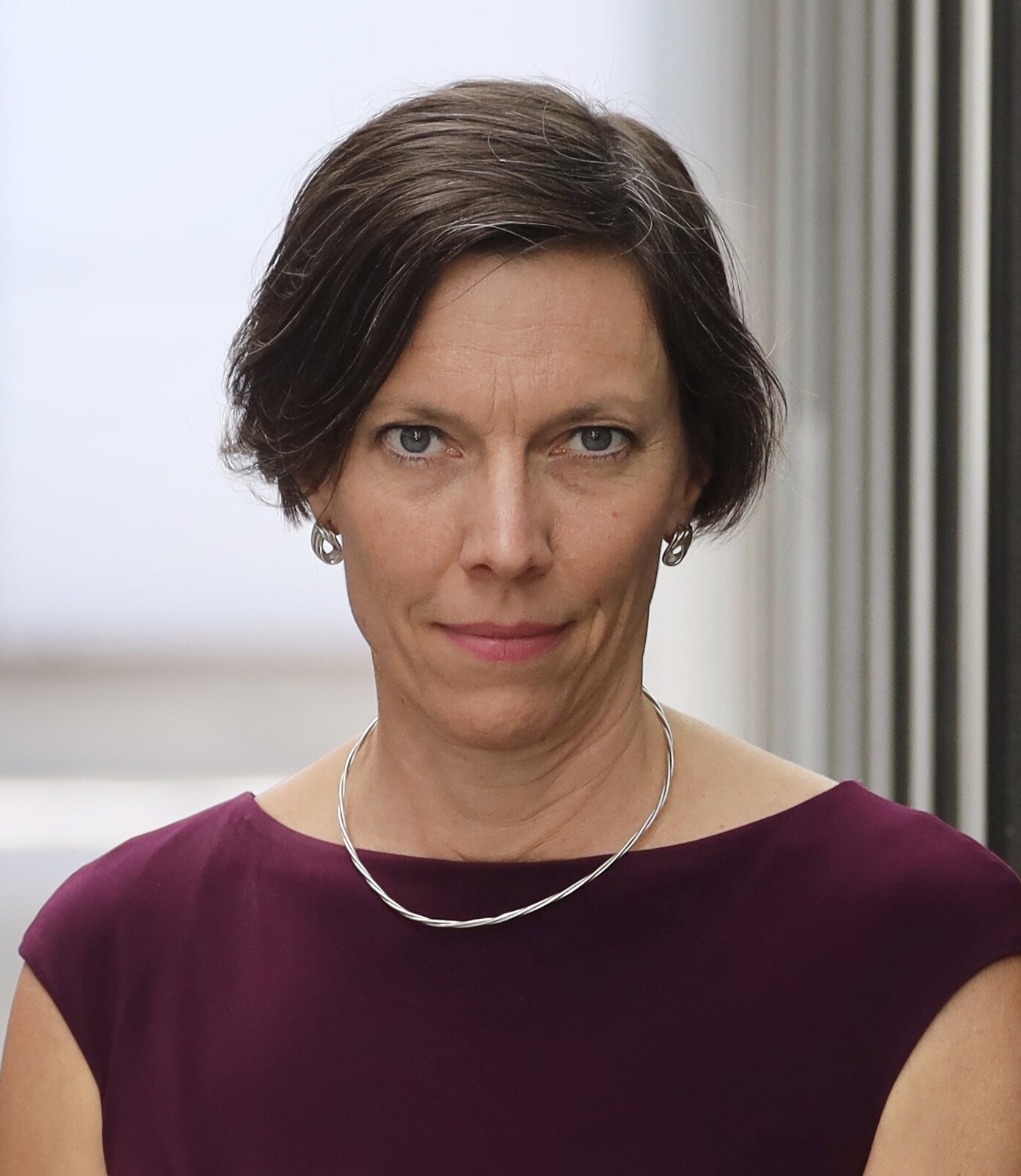
Amanda D. Lotz is a Professor in the Digital Media Research Centre at Queensland University of Technology (QUT), leading the Transforming Media Industries and Cultures research program. Her work focuses on media industries, internet distribution, and the evolving role of television in society. She holds fellowships from the International Communication Association and the Queensland Academy of Arts and Sciences. Her research examines global streaming services, media policy, and the business strategies shaping contemporary media landscapes. Dr. Lotz earned a Ph.D. in Radio-Television-Film from the University of Texas at Austin, with prior academic roles at Washington University in St. Louis, Denison University, and the University of Michigan (2004–2018). Her expertise spans books like The Television Will Be Revolutionized and Media Disrupted , exploring streaming’s impact on traditional media. She advises on policy, consults for media organizations, and hosts the Media Business Matters podcast. Her research highlights the fragmentation of television audiences, the rise of subscriber-funded platforms, and challenges to cultural policy. Key projects include analyzing Australian TV drama production and the global implications of internet distribution. Her recent work addresses generative AI and metaverse media, emphasizing the transformative role of funding models (advertiser, consumer, government) in media priorities. Awardees include the Mellon Post-Doctoral Fellowship and recognition for her teaching. She actively contributes to global media discourse via interviews with major outlets (BBC, NPR, CNN) and serves as a resource for industry workshops on adapting to digital disruption.
Özlem Özgöbekمشاهده پروفایل
دانشیار
Özlem Özgöbek is an Associate Professor at the Department of Computer Technology and Informatics, Norwegian University of Science and Technology (NTNU). Her research spans artificial intelligence, machine learning, and recommender systems with a focus on privacy, fake news detection, and educational technology. NTNU - Department of Computer Technology and Informatics Her work explores multimodal fake news detection, privacy implications in recommender systems, and technology-enhanced classroom interaction. Recent publications analyze digital education trends and classroom tools. Özgöbek collaborates with international researchers and contributes to news recommendation workshops. Her projects address ethical AI, environmental sustainability, and real-time information processing.
Ida-Johanne Jensen is Associate Professor at the Department of Biotechnology and Food Science, Faculty of Natural Sciences, Norwegian University of Science and Technology (NTNU). Her work integrates food science, marine biotechnology and sustainability to valorise marine resources, improve food quality and develop novel functional products. Education & Doctoral Training Dr Jensen obtained her PhD from UiT The Arctic University of Norway (UiT Norges arktiske universitet) in 2014 with the dissertation "Health benefits of seafood consumption – with special focus on household preparations and bioactivity in animal models" , laying the foundation for her expertise in seafood bioactivity and nutrition. Research Interests Her research agenda centres on: Protein chemistry and functionality of marine raw materials and side-streams (brewer’s spent grain, sea cucumber, fish proteins). Development of functional foods and nutraceuticals with antihypertensive, antioxidative and cardioprotective properties. Sensory and technological quality optimisation of foods for extreme environments (military rations, Arctic field meals). Smart packaging and intelligent freshness indicators using natural colorants (anthocyanin-based hydrogel beads). Life-cycle assessment and environmental sustainability of aquaculture and fisheries. Publication Trends Jensen has an extensive publication record (>60 papers since 2009). Recent work (2023–2025) demonstrates a clear pivot towards valorisation of underutilised marine resources (sea cucumbers, brewer’s spent grain) and application-oriented food engineering (freeze-drying, microencapsulation, jerky processing). Reviews on military rations and marine antihypertensive peptides highlight her translational focus on human health and performance. Scientific Awards & Recognition No specific awards are listed in the provided material; however, sustained high-output publication in top-tier journals ( Food Chemistry , npj Science of Food , Marine Drugs ) attests to strong peer recognition. Student Supervision & Grants She has supervised numerous master’s students at NTNU on topics ranging from Arctic field-ration development to protein extraction from brewer’s spent grain, indicating robust external funding and industry collaboration. Laboratories & Collaborations Research is conducted within NTNU’s Department of Biotechnology and Food Science laboratories, with active collaborations across Europe and the Indian Ocean region for marine resource assessments.

Anne Danielsen is a Professor and Deputy Head at the RITMO Center for Interdisciplinary Studies of Rhythm, Time, and Motion at the University of Oslo. Her research bridges musicology, cognitive science, and interdisciplinary studies, focusing on rhythm, music production, and the intersection of music, media, and technology. University: University of Oslo Role: Professor Projects: TIME (NFR TOP RESEARCH), RITMO (NFR Center of Excellence) Danielsen’s work explores microrhythm , groove , and temporal perception in music, with a particular emphasis on popular and African-American music . She investigates how music cognition interacts with sonic features and body posture in performance, integrating psychological and acoustic analysis . Her recent projects include MusicLab Copenhagen , a dataset for interdisciplinary concert research, and studies on beta oscillations and pupil responses in groove perception. Danielsen collaborates across disciplines, examining how personality traits and genetic factors influence musical sensibility through twin studies. In music production , she analyzes how digital audio workstations transform rhythmic structures and investigates acoustic chamber design for sound experiments. Her research also addresses gender patterns in music mediation and the cultural implications of rhythmic aesthetics.

Associate Professor Hilde Norbakken is a vocalist, pianist, songwriter and educator at the Department of Popular Music, Faculty of Fine Arts, University of Agder (UiA). Co-director of the Centre of Excellence CreateMe , she teaches vocal and songwriting, leads the Bachelor in Popular Music programme, and maintains an active artistic career that spans concerts, album releases and theatre productions. Education & Affiliations Faculty of Fine Arts, University of Agder – Department of Popular Music CoE CreateMe – Co-director Study-programme leader – Bachelor in Popular Music Research & Artistic Focus Norbakken’s research profile is rooted in artistic development . She explores vocal technique, genre-specific interpretation, artistic identity and the craft of songwriting. Central themes include the formation of vocal and artistic character, lyric writing, ensemble interaction ( samspill ), live performance practice and the intersection between life experience and musical expression. Her creative output ranges from intimate duo albums such as Open Doors (2014) and Hold You with the Kristiansand Symphony Orchestra, to large-scale concert concepts like Lydhør – en konsertsamtale , where conversation and performance merge. She frequently collaborates with Norwegian artists as a featured vocalist, arranger and pianist, and she produces vocal performances for theatre and symphony productions. Publication Trends Across the last fifteen registered outputs (2020-2024), the work clusters around three strands: (1) live concert-talks that combine dialogue and song to deepen audience engagement; (2) album releases and singles that showcase original songwriting and vocal arrangement; and (3) production and arrangement work for theatre, jazz ensembles and symphony orchestras, highlighting her versatility as both performer and music director. Scientific & Artistic Awards No specific prizes, medals or fellowships are recorded in the supplied material. Teaching & Student Supervision Norbakken teaches individual and group vocal classes, songwriting workshops and genre studies. She is the programme leader for the Bachelor in Popular Music and is actively developing new curricula for Bachelor and Master level songwriting programmes. No named PhD or Master advisees appear in the text. Labs & Teams She is a core member of the research groups Popular Music Performance and Songwriting and Production at UiA, and through her role in CoE CreateMe she contributes to interdisciplinary projects that bridge artistic practice, technology and education.
Katrien De Moor is an Associate Professor at the Department of Information Security and Communication Technology at NTNU. Her work focuses on socio-technical approaches in ICT research, particularly in Quality of Experience (QoE), human-technology interactions, and ethical implications of technology. She co-edits the journal Quality and User Experience and leads the 5-year Master's program in Cybersecurity and Data Communication. Her research emphasizes user-centric innovation, digital ethics, and sustainable HCI. Education: PhD in Social Sciences from Ghent University (2012). Visiting researcher at TU Eindhoven, TU Berlin, and NTNU (Marie Curie Fellow). Research Interests: User Experience (UX) and QoE in immersive technologies Human behavior and ethical design Ecological validity in user studies Cybersecurity in critical sectors Long-term QoE assessment Publications highlight: Recent work explores ethical risks in smart environments, sustainable multimedia design, and user perspectives on parental controls. Her projects include Amplify (EU-funded), PERSEUS Doctoral Programme , and Cryptology and Social Life . Supervision: Active mentor to over 30 PhD students and researchers, focusing on cybersecurity, ethical AI, and human-centered design. Grants: Principal Investigator for the Norwegian TufiQoE project (2020-2024) and grants on digital carbon footprint awareness. Labs/Teams: Member of SFI NORCICS (Norwegian Cybersecurity Center) and the Young Academy of Norway. Leads interdisciplinary projects in human-centric networking and XR security.

Frank Reichert is a Professor of Mobile Systems at the University of Agder (UiA), affiliated with the Department of Information and Communication Technology under the Faculty of Engineering & Science. He served as UiA's Rector (2016-2019) and Dean of Engineering & Science (2007-2015). With over 30 years in fixed/wireless communication systems, he has led national initiatives like the SFI Offshore Mechatronics Center (200 MNOK budget) and established UiA's Mechatronics Innovation Lab. His industry experience includes roles at Ericsson (1995-2005) and founding Ericsson Cyberlab Singapore (1999). Education : PhD in Electrical Engineering from RWTH Aachen University (Germany). Early career included research at the Royal Institute of Technology (Sweden) and Televerket Radio (Sweden). Research Interests : Focus on mobile communication, e-learning innovation, IoT-driven telehealth, and lifelong learning. His work bridges academia and industry, emphasizing user-centric design, rapid prototyping, and future education technologies. Projects include multi-touch collaborative learning systems, AI-assisted educational tools, and digital health twin architectures. Grants & Leadership : Managed EU projects (e.g., FP4-ACTS OnTheMove, PRO-COM) and served on steering boards for Norwegian and EU research bodies. Current roles include advisor to UiA's strategic initiatives and contributor to national bullying/harassment prevention (UHRMOT). Labs & Teams : Co-founded the Mechatronics Innovation Lab, leading projects in VR rehabilitation solutions and smart healthcare systems. Active in research groups like Multimedia and e-Learning, and ReSex (Research in Sexology).
Dag Johansen is a Professor in the Department of Informatics at UiT The Arctic University of Norway, Tromso campus. His work spans multiple research areas at the intersection of computer science, sports science, medicine, health technology, and nutrition science. He leads the interdisciplinary "Corpore Sano" research center and is actively involved in several research groups including the Cyber Security Group (CSG) and Crime Control and Security Law. Professor Johansen's research focuses on developing fundamental software solutions for secure and error-free data processing in heterogeneous distributed systems, ranging from lightweight "Internet of Things" devices and mobile phones to large-scale cloud solutions. His work particularly emphasizes applications in sports technology, edge computing, and compliance technology. His research interests include distributed systems, cybersecurity, sports technology, edge computing, data privacy, AI for sports analytics, multimedia forensics, and compliance technology. His recent publication trends show a strong focus on AI applications for sports video analysis, particularly in soccer and ice hockey, where his team has developed AI-based cropping systems for social media representations. He also has significant work in data privacy and GDPR compliance, especially regarding the "third country problem," as well as applications of AI in sustainable fishing practices. His 2024-2025 publications demonstrate continued work in self-healing microservices, lightweight encryption for video feeds, and virtual reality training environments. Professor Johansen is actively involved in mentoring students and research collaborators, as evidenced by his extensive publication record with numerous co-authors including doctoral students and postdoctoral researchers. His work has received funding through various research projects focused on data analytics, privacy technology, cybersecurity, and sports technology applications. He leads the interdisciplinary "Corpore Sano" center, which brings together researchers from computer science, sports science, medicine, health technology, and nutrition science. His work also involves collaboration with the "Njord" project focused on sustainable fishing through AI applications, and he's involved in developing the "Áika" distributed edge system for AI inference.
Frank Asche is Professor II in Resource Economics at the University of Stavanger, affiliated with the Faculty of Science and Technology and the Department of Security, Economics and Planning. His research focuses on the economic dimensions of aquatic food systems, with emphasis on sustainability, trade dynamics, and policy effectiveness in global fisheries and aquaculture sectors. His primary research interests include: Resource Economics Aquaculture Economics Fisheries Economics Seafood Trade Policy Environmental Economics Sustainability Assessment Asche's recent publications reveal a strong focus on quantifying sustainability through tools like the Aquaculture Performance Indicators (API), analyzing food loss in aquatic systems, and investigating market structures in global seafood trade. His work consistently bridges economic theory with practical industry challenges, particularly in Norwegian and European contexts. He maintains extensive international collaborations with researchers including Taryn Garlock, James Anderson, and Ragnar Tveterås, contributing to major projects on blue food systems and aquaculture sustainability. His work appears in leading journals across ecological economics, fisheries science, and environmental policy domains.
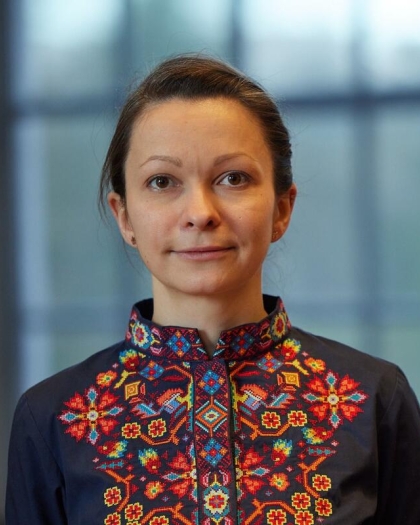
Liliia Oprysk is a Professor at the Faculty of Law, University of Bergen. She specializes in EU Intellectual Property law, digital content regulation, data protection, and IT law. Her research also explores Ukrainian legal harmonization with EU acquis and war-related legal challenges. Affiliation: Faculty of Law, University of Bergen Research Interests: EU Copyright Law, Digital Economy Regulation, EU-Ukraine Legal Integration Her research focuses on: EU copyright harmonization Digital content distribution and consumer rights Data protection in digital markets Ukraine's legal alignment with EU standards Impact of war on legal systems AI and emerging technology regulation Publications highlight her work on: Copyright exhaustion in digital markets Legal implications of streaming services War crimes accountability Ukrainian children deportation analysis EU acquis harmonization Digital consumer contract law She teaches EU Copyright Law (JUS2314/JUS3514) and GDPR & Privacy (DIGI113/DIGI613), serving as course coordinator for JUS2314 since 2025. Her practical experience includes IT operations, digital compliance, and technology contract negotiations.
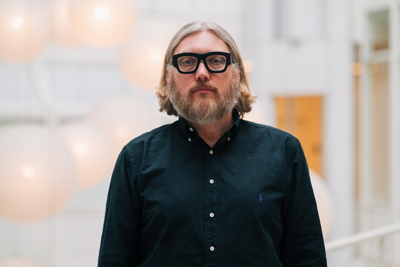
Anders Olof Larsson is a Professor at the School of Communication, Leadership and Marketing at Kristiania University College in Oslo, Norway. Originally from Sweden, he specializes in digital political communication, with particular expertise in social media platforms' role in political processes, journalism, and election campaigns. His research takes a strongly comparative approach across countries, platforms, and time periods. Professor Larsson's research interests focus on political communication in digital environments, with particular attention to how political actors use social media platforms for campaigning and public engagement. His work examines cross-national differences in digital political communication, platform-specific affordances, and longitudinal changes in how political actors utilize emerging technologies. He has conducted extensive research on Facebook, Twitter, Instagram, and newer platforms like TikTok, with special attention to comparative Scandinavian contexts. His recent publications reveal a strong focus on comparative digital political communication across multiple dimensions - comparing different countries' approaches, analyzing various social media platforms' unique characteristics, and examining longitudinal changes in digital campaigning. His work spans theoretical, methodological, and empirical contributions to understanding how digital technologies reshape political communication globally. Professor Larsson actively supervises research and has sought both master's level research assistants and PhD candidates for projects including the 'Scandinavian Political Communication During the Pandemic' initiative. He has organized academic events including the 'Comparative Digital Political Communication' preconference for the International Communication Association. His research is conducted through several collaborative projects including the DigiWorld project and CamforS (Campaigning for Strasbourg), which conducts cross-national comparisons of campaign mobilization in social media. These projects adopt comparative approaches to studying political communication across different contexts and platforms.