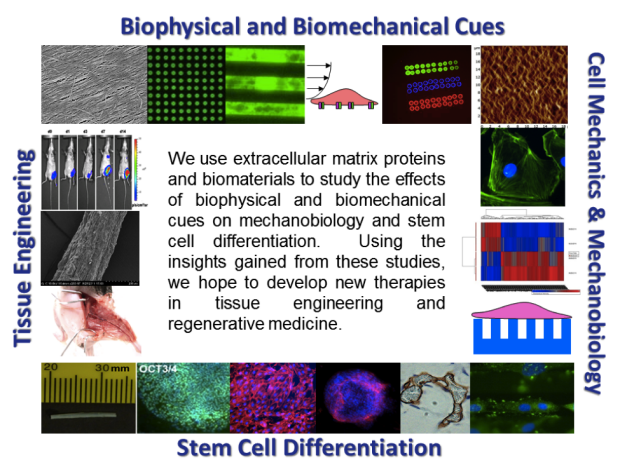
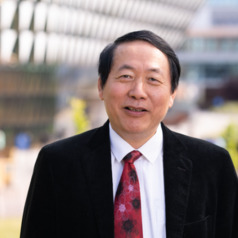
Ngan F. Huang, PhD is an Associate Professor of Cardiothoracic Surgery at Stanford University and a Courtesy Associate Professor of Chemical Engineering . She serves as a Research Career Scientist at the Department of Veterans Affairs and leads the Huang Research Lab at the Center for Tissue Regeneration, Repair and Restoration (VA Palo Alto Health Care System). Key roles: Principal Investigator, Stanford Cardiovascular Institute Research focus: Tissue Engineering , Cardiovascular Regeneration , Stem Cell Therapy , and Biomaterials Her work leverages extracellular matrix (ECM) cues, nanofibrillar scaffolds , and organ-on-a-chip platforms to address conditions like peripheral artery disease , muscle injury , and cardiovascular dysfunction . Recent publications emphasize combinatorial ECM designs , microgravity muscle modeling , and aligned fibrillar structures for cell orientation. Notable awards include the Peripheral Vascular Disease Travel Award (2014) and Robert W Hobson II Early Career Investigator Award (2012). Her lab actively recruits postdoctoral fellows and animal technicians for studies involving vascular disease models and tissue regeneration .
Liam Palmer is a Research Professor of Chemistry at Northwestern University and serves as the Director of Research at the Center for Regenerative Nanomedicine. His academic journey began with a PhD in Chemistry from The Scripps Research Institute in 2005. Research Interests : Controlling materials through molecular design Directional intermolecular interactions (peptide hydrogen bonds, π-π stacking) Nano-to-macroscopic scale material engineering Biological and bio-inspired applications Self-assembly of soft materials Organic and hybrid material systems Scientific Contributions : Leading work in supramolecular polymerization pathways Innovations in light-driven actuation systems Developing bioactive nanofiber matrices Exploring ferroelectric properties in hybrid materials Advancing single-cell encapsulation technologies Investigating molecular dynamics in self-assembling systems
Dr. Ayşegül Doğan is an Associate Professor in the Department of Genetics and Bioengineering at Yeditepe University's Faculty of Engineering, with promotion to full Professor scheduled for 2025. Her academic journey began with dual undergraduate degrees in Biology and Molecular Biology and Genetics at Istanbul University, followed by Master's and PhD studies in Biotechnology at Yeditepe University. Her educational background includes: PhD in Biotechnology (2011-2015), Yeditepe University - Thesis: "A novel chemotherapeutic drug combination for prostate cancer" Master's in Biotechnology (2009-2011), Yeditepe University - Thesis: "Effect of P85, F68 and F127 pluronic block copolymers on osteogenic, chondrogenic and adipogenic differentiation of human tooth germ stem cells (HTGSCs)" Undergraduate degrees in Biology and Molecular Biology and Genetics (2005-2009), Istanbul University Dr. Doğan's research spans multiple frontiers of stem cell biology and regenerative medicine. Her work particularly focuses on: Stem cell differentiation mechanisms and signaling pathways Organoid development for regenerative medicine applications Boron compounds in wound healing and tissue regeneration Cancer treatment using novel drug combinations Stem cell applications in reproductive medicine and endocrinology Analysis of her recent publications reveals an increasing emphasis on stem cell-derived organoids, with particular expertise in parathyroid function, adipose tissue engineering, and neural differentiation. Her research demonstrates sophisticated approaches to creating functional tissue models from pluripotent stem cells, with strong translational potential. Her scientific recognition includes: Multiple patents related to stem cell technology and wound healing formulations Patent Bronze Medal from ISIF and Turkish Patent Institute TÜBA-GEBİP award from the Turkish Academy of Sciences Department and Faculty First Prizes from Istanbul University Dr. Doğan actively mentors graduate students, with seven Master's and PhD theses completed under her supervision in recent years. She serves as principal investigator for multiple research projects funded by TÜBİTAK and other institutions, with current work focusing on stem cell applications in regenerative medicine. Her laboratory develops novel stem cell-based therapies and tissue engineering approaches, with particular emphasis on neuromesodermal progenitors and their therapeutic applications. She maintains active membership in professional organizations including the London Stem Cell Network, AACR, and the International Society for Stem Cell Research (ISSCR).
Rebecca J. Whelan is an Associate Professor in the Department of Chemistry at the University of Kansas, specializing in bioanalytical chemistry. With appointments in both the Chemistry and Bioengineering programs, her research focuses on ovarian cancer biomarker analysis through proteomics, microscale separations, and affinity reagent development. B.A. Chemistry and English, Lawrence University (1996) Ph.D. Chemistry, Stanford University (2003) Postdoctoral Research Fellow, Bioanalytical Chemistry, University of Michigan (2003-2004) Research Interests: The Whelan Lab develops innovative analytical methods for cancer biomarker characterization, including: Structural analysis of CA125 (MUC16) using long-read sequencing and mass spectrometry Development of DNA aptamers as artificial antibodies for biomarker detection Microscale separation techniques (capillary electrophoresis) for clinical proteomics Biosensor development for point-of-care diagnostics Integration of bioinformatics with experimental validation Sample preparation methods for glycoprotein analysis Scientific Awards: Vice Chair-Elect, Gordon Research Conference on Bioanalytical Sensors (2022) Henry Dreyfus Teacher-Scholar Award (2011) W.M. Keck Foundation Fellowship (2008) Research Corporation, Cottrell College Science Award (2006) Walter J. Gores Award for Teaching Excellence (1999) Teaching and Funding: Whelan has received multiple teaching honors including the Professor Props Award finalist. Her lab receives funding from the National Cancer Institute, National Science Foundation, and Dreyfus Foundation. She co-directed the T32 Chemical Biology training program and received the Newmark Award for biochemical research excellence.
Martin H. Distel is a researcher affiliated with the Department of Pediatrics and the Hematology/Oncology Division . His work spans cancer biology, developmental genetics, and advanced imaging techniques in zebrafish models. PhD in Developmental Genetics, Technical University of Munich Postdoctoral Fellow, University of California, San Diego MSc and BSc, Technical University of Munich His research focuses on leveraging zebrafish models to study cancer mechanisms, including Ewing sarcoma and melanoma, and developing targeted therapies. He also investigates optical imaging technologies and their applications in oncology and neuroscience. Recent publications highlight work on drug screening in zebrafish xenografts, ROS-induced cancer cell targeting, and epigenetic regulation in tumors. His studies frequently employ high-content imaging and molecular biology approaches. Martin Distel contributes to preclinical testing of immunotherapies like CAR T-cells and has explored Notch signaling in hematopoietic stem cell differentiation. His interdisciplinary research bridges genetics, pharmacology, and biomedical engineering.
Christina Holmes, Ph.D., serves as an Assistant Professor in the Department of Chemical & Biomedical Engineering within the College of Engineering at Florida A&M University and Florida State University. Her research integrates chemical engineering principles with biomedical applications to develop advanced biomaterials for regenerative medicine and orthopedic solutions. Her educational journey includes: Postdoctoral Fellowship, Department of Neurosurgery, Johns Hopkins University School of Medicine Ph.D., Biomedical Engineering, McGill University, 2013 M.A.Sc., Biomedical Engineering, University of Toronto, 2006 B.A.Sc., Engineering Science, University of Toronto, 2003 Dr. Holmes' research program pioneers biomaterials innovation for spinal fusion and bone regeneration , with emphasis on nanocarrier systems for targeted drug/gene delivery. Her laboratory employs optical coherence phase microscopy for label-free, real-time monitoring of tissue growth in 3D scaffolds—eliminating destructive sampling while enabling precise viability assessment. Current work explores extracellular vesicle therapeutics derived from mesenchymal stem cells and biomimetic growth factor delivery platforms to enhance bone healing. Analysis of her 2019-2024 publications reveals a strategic pivot toward extracellular vesicle optimization and translational orthopedics . Key trends include: (1) systematic comparison of adipose vs. bone marrow stem cell sources for vesicle production, (2) development of radiation-resistant biomaterials for spinal applications, and (3) investigation of pharmacological agents (e.g., ARBs/ACEIs) on fusion outcomes. Her work consistently bridges in vitro models with rat/rabbit spinal fusion studies, demonstrating strong clinical relevance.
Edward Kelly is a Professor and Adjunct Professor at the University of Washington , affiliated with the School of Pharmacy and the Department of Pharmaceutics , as well as the Environmental & Occupational Health Sciences . He is the Co-Director of the Pharmaceutical Bioengineering Program and leads the Kelly Lab , which focuses on microphysiological systems (organs-on-chips) for preclinical toxicology and drug metabolism research. Education : BS, MS, and PhD in Biochemistry from UC Riverside and the University of Washington. His research interests center on ex vivo modeling of human organ physiology and toxicological responses to drugs and xenobiotics, with a focus on liver and kidney ADME organs . His lab is pioneering the use of organs-on-chips to replace animal testing (the 3 Rs) and study disease models and microgravity effects on the International Space Station. His publications highlight the application of microphysiological systems in nephrotoxicity , drug metabolism , and multi-organ coupling . Key themes include toxicology , translational research , and biomedical engineering for preclinical models . Edward Kelly teaches courses such as Biotechnology and Biopharmaceuticals , Drug Disposition Science , and Pharmacokinetics . His lab actively accepts students , and he collaborates with institutions like the Comparative Health Outcomes, Policy, and Economics (CHOICE) Institute and the Program on Pharmacokinetics of Drugs of Abuse during Pregnancy (UWPKDAP) .
Dr. Qunzhou Zhang, PhD, is a Research Assistant Professor in the Department of Oral and Maxillofacial Surgery / Pharmacology at the University of Pennsylvania School of Dental Medicine , Philadelphia, USA, where he has held successive appointments since 2012. He also maintains adjunct/visiting professor affiliations with Guangdong Medical University in China (2008–2016). He earned his doctoral degree in Biochemistry & Molecular Biology from West China University of Medical Sciences (now Sichuan University) in 2000, preceded by an M.Sc. from Guangdong Medical University (1997) and a B.A. in Preventive Medical Sciences from Chongqing Medical College (1990). Dr. Zhang’s research program sits at the intersection of regenerative medicine, stem cell biology, immunomodulation, and cancer . His laboratory focuses on: Immunomodulatory and anti-inflammatory functions of gingiva-derived mesenchymal stem cells (GMSCs) in rodent models of colitis, skin/oral wounds, and allergic dermatitis. Non-genetic induction of neural crest stem-like cells (NCSC) from GMSCs for peripheral nerve regeneration, including 3D bioprinted, scaffold-free nerve grafts . Paracrine mechanisms involving extracellular vesicles (exosomes) secreted by GMSCs that modulate host tissue microenvironments and promote tongue muscle/taste-bud regeneration. Tumor microenvironment studies exploring how mesenchymal stromal cells influence the pathogenesis of ameloblastoma and head & neck squamous cell carcinoma (HNSCC) . Across 50+ peer-reviewed publications since 2004, his work demonstrates a consistent trajectory from basic mechanistic studies to translation-oriented tissue engineering , with particular emphasis on exosome-based therapies and 3D bioprinting technologies . Scientific Awards & Honors Research Support Grant (RSG) , Oral and Maxillofacial Surgery Foundation (2008, 2011, 2014, 2017) Pilot Research Grant , University of Pennsylvania Diabetes Research Center Peter Geistlich Research Award , OsteoScience Foundation (2016) Honored/Adjunct Professor , Guangdong Medical University (2008–2016) Dr. Zhang has served as ad-hoc peer reviewer for more than 25 high-impact journals, including J Invest Dermatol, Stem Cells & Development, Tissue Engineering, PLOS ONE, J Dental Res, Oncotarget and others. While the provided text does not list specific PhD or Master’s students, his role as senior investigator and lab manager implies active mentoring within the university’s research programs. His laboratory is located within the Department of Oral & Maxillofacial Surgery & Pharmacology at Penn Dental Medicine, equipped for in vivo rodent surgery, stem cell culture, 3D bioprinting, and molecular profiling . Future directions include first-in-human trials of GMSC-derived exosome therapeutics and scale-up manufacturing of 3D bioprinted nerve constructs.
Pavak Shah is an Assistant Professor in the Department of Molecular, Cell, & Developmental Biology at UCLA's College of Life Sciences. He co-affiliates with the Institute for Quantitative and Computational Biosciences (QCBio). His laboratory develops advanced imaging and computational methods to study fundamental processes in organismal development. Research Focus: Development of Behavior : Maps neuronal circuit emergence in C. elegans embryos using quantitative imaging, genetics, and single-cell manipulations. Temporal Regulation of Cell Fate : Investigates cell cycle timing as a regulatory input for stem cell decisions via genetic perturbations and temperature-controlled microscopy. Evolution of Development : Builds comparative developmental maps across nematode species using machine learning and spatial transcriptomics, developing automated lineage-tracing tools. Publication Trends: Shah's recent work (2020-2025) centers on: 1) Novel microscopy techniques (label-free imaging, traction force microscopy), 2) Quantitative analysis of developmental heterogeneity, 3) Immune cell biomechanics, and 4) Genetic regulators of neural development in C. elegans . His lab consistently pioneers interdisciplinary approaches integrating biophysics, computation, and genetics. Lab & Resources: The Shah Lab focuses on C. elegans models and develops open-source tools for automated cell lineage reconstruction. Collaborative projects utilize microfabricated platforms for cell sorting and analysis.
Craig C. Malbon is a Leading Professor at Stony Brook University's School of Medicine, holding primary appointments in the Department of Pharmacological Sciences and secondary affiliation with the Department of Family, Population & Preventive Medicine. He directs an active research laboratory established in 1978 and serves as Director-emeritus of the NIH-funded Diabetes & Metabolic Diseases Research Program (1986-2015). Ph.D. in Pharmacology from Case Western Reserve University Postdoctoral training at Brown University and Harvard University M.Div. in Ethics from Union Theological Seminary Visiting Scholar at Princeton Theological Seminary His research focuses on signal transduction mechanisms in development and disease, specializing in molecular scaffold proteins (Dishevelleds and AKAPs) that organize signaling complexes. His laboratory employs advanced techniques including fluorescence correlation spectroscopy, proteomics, and live-cell imaging to study Wnt signaling and GPCR regulation. His 290+ publications reveal consistent emphasis on spatiotemporal aspects of cellular signaling with applications to cancer, metabolic disorders, and developmental biology. Recent work increasingly integrates his dual expertise through investigations into consciousness, moral formation, and bioethics failures . Recipient of the American Cancer Society Research Award (1997) Top 10 Researchers recognition (1990-2000) Goodman & Gilman Award from ASPET (2008) Fellow of AAAS (2008) Overseas Fellow, Royal Society of Medicine (2015) As an ethicist and ordained United Church of Christ minister, he directs bioethics training within NIH postdoctoral programs and has authored three books: Abortion in 21st Century America (2013), Assaulted Personhood (2021), and GUN-AMERICA (2022). His laboratory has trained over 75 doctoral students and 100 NIH fellows through the NIDDK-funded program, with alumni pursuing careers in academia, industry, and clinical research.
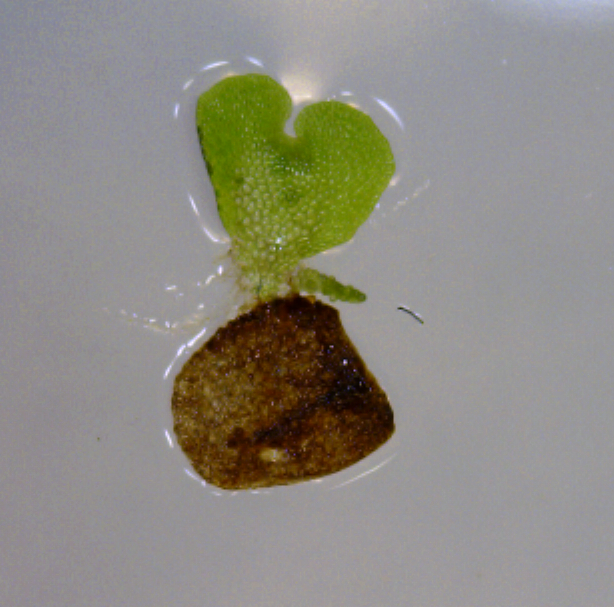
Chi-Lien Cheng is a Professor in the Department of Biology at the University of Iowa, where she investigates fundamental mechanisms of plant development with emphasis on alternation of generations in land plants and vegetative phase change in maize. Her research program leverages the model fern Ceratopteris richardii to dissect asexual life cycle transitions and identify evolutionarily conserved genetic pathways. Education: PhD, University of Connecticut Dr. Cheng's research integrates genetics, molecular biology, and evolutionary perspectives to understand how plants regulate developmental transitions across generations. Her laboratory focuses on molecular mechanisms controlling gametophyte-sporophyte switching in ferns and phase change in maize, utilizing genomic, transcriptomic, and functional approaches to elucidate conserved regulatory networks. This work provides critical insights into the evolution of developmental processes from non-seed to seed plants. Analysis of her 15 most recent publications (2018-2025) reveals three dominant research trajectories: (1) WOX gene family evolution and function in fern gametophyte development, (2) hormonal and epigenetic regulation of vegetative phase change in maize, and (3) molecular adaptation mechanisms in mangroves under environmental stress. Her publications consistently bridge model systems—from ferns to maize to mangroves—demonstrating how comparative approaches uncover universal principles in plant development. Dr. Cheng leads an active research laboratory that pioneered transformation techniques for Ceratopteris gametophytes, enabling genetic dissection of asexual reproduction pathways. Her team's identification of key genes in apogamy and apospory provides foundational knowledge for understanding apomixis in crop plants, with potential applications for agricultural innovation through clonal seed production.
Timothy A Blenkinsop is an Associate Professor at the Icahn School of Medicine at Mount Sinai , affiliated with the Department of Ophthalmology and Cell, Developmental & Regenerative Biology . His research focuses on retinal regeneration, particularly the biology of the retinal pigment epithelium (RPE) , with an emphasis on developing in vitro disease models, epigenetic profiling, and transplantation strategies for RPE-related pathologies. Education: PhD in Developmental Biology, New York University BS in Cell Biology, University of Wisconsin at Whitewater His work bridges regenerative medicine and translational ophthalmology , with key contributions to understanding RPE dysfunction in diseases like Age-Related Macular Degeneration (AMD) and Proliferative Vitreoretinopathy (PVR) . Recent publications highlight advancements in stem cell-derived RPE therapy, contractility inhibition, and viral ocular infection models. Dr. Blenkinsop's laboratory develops 3D eye organoids , epigenetic profiling tools , and NRF2 signaling modulators to address retinal degeneration. His research has implications for therapeutic development, including preclinical models and biofunctional polymers to prevent retinal scarring. Office Location: Annenberg Building, Floor 22, Room A22-08, 1468 Madison Ave, New York, NY 10029 .
Prof. Dr. med. Janine Reichenbach is a full professor and head of the Somatic Gene Therapy department at the University of Zurich, affiliated with the University Children's Hospital Zurich. She holds dual board certifications in Pediatrics and Adolescent Medicine (Germany/Switzerland) and Allergology & Clinical Immunology (Switzerland). Her career spans over two decades of translational research bridging basic science and clinical implementation of gene therapies. Education: MD from Goethe University Frankfurt (1995-1997), medical training in Germany (1997-2000), and specialist certifications in Switzerland (2005-2009). Research Focus: Translational development of hematopoietic stem cell-based gene therapies for primary immunodeficiencies, particularly chronic granulomatous disease (CGD) and ataxia telangiectasia (A-T). Key projects include lentiviral vector design, genome editing at ATM locus, and myeloid-targeted therapies with brain-crossing potential. Awards: Recipient of the 2010 Walther und Gertrud Siegenthaler Stiftung prize. Grants: Leads Swiss National Science Foundation projects, University Research Priority Programs (URPP Itinerare), Clinical Research Priority Programs (CRPP ImmuGene), and Wyss Centre collaborations. Leadership: Principal investigator in EU-FP7 projects CELL-PID and NET4CGD, steering committee member for SCID newborn screening, and co-founder of international research networks.
Maoli Duan is an Associate Professor and Senior Consultant at the Karolinska Institutet , affiliated with the Department of Clinical Science, Intervention and Technology under the Ear, Nose and Throat Diseases division. With over 150 peer-reviewed publications, his translational research bridges animal models and clinical applications in otolaryngology. Academic Rank: Associate Professor (Karolinska Institutet, 2006) Doctoral Degree: Department of Physiology and Pharmacology, Karolinska Institutet (1999) Research Focus Dr. Duan's work centers on gene therapy and stem cell treatments for sensorineural hearing loss , with recent breakthroughs in AAV vector delivery for congenital deafness. His 2025 Nature Medicine study demonstrated hearing restoration in patients with OTOF gene mutations through viral gene replacement. Publication Trends His 15 most recent articles (2023-2025) span biomedical engineering , clinical otology , and translational neuroscience . Key subfields include inner ear drug delivery , cochlear implants , gene therapy protocols , and viral vector optimization . Notably, his team has pioneered non-invasive approaches to treating Meniere's disease and noise-induced hearing loss . Collaborative Networks Dr. Duan collaborates with institutions across Europe , Asia , and North America , with recurring co-authors from Karolinska Institutet , University of Gothenburg , and Shanghai Jiao Tong University . His work appears in Nature Medicine , PNAS , and Advanced Science . Scientific Context Dr. Duan's research aligns with global efforts to address genetic hearing disorders through molecular interventions. His team's clinical trials demonstrate that gene therapy can restore near-normal hearing in OTOF mutation carriers without major adverse events, opening new pathways for non-invasive auditory restoration in both pediatric and adult populations.
Xiaojun Lance Lian is an Associate Professor in Biomedical Engineering at Penn State University, holding affiliations with the Penn State Cancer Institute, Huck Institutes of the Life Sciences, and Center for Neural Engineering. His research spans stem cell bioengineering, CRISPR technology, and regenerative medicine. Recent research trends highlight work in Bioprinting optoelectronically active cardiac tissues CRISPR-mediated immunoengineering for cardiac therapy ModRNA-based direct programming of stem cells Development of lineage-specific reporter systems Scientific awards and grants include National Science Foundation CAREER Award National Institute of Diabetes and Digestive and Kidney Diseases funding National Science Foundation RNA sensing platform development National Institute of Biomedical Imaging and Bioengineering grants His work contributes to UN Sustainable Development Goals through advancements in stem cell therapies and biomedical technologies. Collaborations extend to international research networks in stem cell differentiation and gene editing.