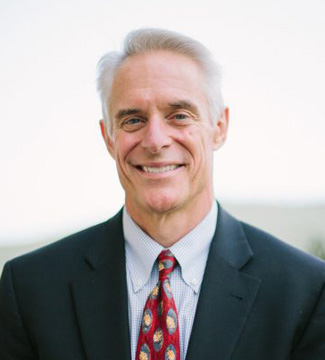
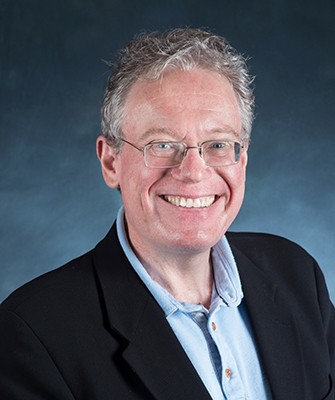
Clare Chambers is a Professor of Political Philosophy and a Fellow at Jesus College, University of Cambridge. Her work bridges feminism , liberalism , and bioethics , focusing on social justice and bodily integrity. Her research spans key areas such as: Gender equality and beauty norms Liberal theories of autonomy Political implications of unmodified bodies Intersectionality in feminist thought Legal and ethical aspects of body modification Recent publications like Intact (2022) and Freedom & Equality (2024) emphasize how bodily autonomy intersects with social justice, critiquing practices from cosmetic surgery to gender recognition frameworks. Academic articles employ analytical and continental philosophy traditions to examine autonomy, equality, and state neutrality. Notable awards include: 2018 David Easton Award She contributes to public discourse through media appearances and serves on editorial boards while holding leadership roles at Jesus College and the Nuffield Council on Bioethics.
Isabel Capeloa Gil is a Full Professor of Culture Studies and the current Rector of Catholic University of Portugal (UCP). Previously, she served as Dean of the Faculty of Human Sciences at UCP from 2005 to 2012. She is an Honorary Fellow at the School of Advanced Studies of the University of London and has held numerous visiting professorships at universities in the United States, Germany, Brazil, Italy, Ireland and Wales. She is the founder of The Lisbon Consortium network and leads the International Doctoral Degree Program in Culture Studies. Additionally, she is a senior researcher and founder of the Research Centre for Communication and Culture. Her educational background includes: B.A. in Modern Languages and Literatures from the University of Lisbon (1987) M.A. in German Studies from the University of Lisbon (1992) PhD in German Language and Culture from Catholic University of Portugal (2001) Professor Capeloa Gil's research spans multiple interdisciplinary fields with a focus on Cultural Studies , particularly examining the intersections of visual culture, memory studies, and contemporary theoretical frameworks. Her work delves deeply into Mythography , analyzing representations of figures like Antigone, Cassandra, and Medea in 20th-century German drama. She has pioneered research in Visual Literacy , exploring how images communicate meaning and shape cultural understanding. Her scholarship on European Identity examines the complex tapestry of cultural identities across the continent. More recently, her work has engaged with contemporary cultural phenomena, including analyses of celebrity culture through figures like Beyoncé, and investigations into post-theoretical approaches to cultural analysis. Her publication record demonstrates a consistent evolution from traditional literary and cultural analysis toward more contemporary, interdisciplinary approaches that engage with visual culture, memory studies, and global cultural phenomena. Early work focused on German literature and European cultural identity, while more recent publications address contemporary issues like digital surveillance, posthumous representation, and the cultural significance of contemporary figures and movements. Her scholarship consistently bridges theoretical frameworks with concrete cultural analysis across multiple media forms. Among her notable recognitions: Honorary Fellow at the School of Advanced Studies of the University of London As an academic leader, Professor Capeloa Gil has mentored numerous graduate students through the master's and doctoral programs in Cultural Studies that she coordinates. Her leadership extends to shaping international academic partnerships and positioning Catholic University of Portugal within the global academic landscape. She has secured funding for research initiatives including The Lisbon Consortium and the Research Centre for Communication and Culture, which foster interdisciplinary collaboration across multiple institutions. Professor Capeloa Gil founded and leads the Research Centre for Communication and Culture, which serves as a hub for interdisciplinary research in cultural studies, media analysis, and visual culture. Through The Lisbon Consortium, she has established an international network connecting scholars and doctoral students from multiple institutions to explore contemporary cultural phenomena through interdisciplinary lenses. Her leadership in these initiatives has created collaborative spaces where researchers from diverse backgrounds can engage with pressing cultural questions of our time.
Nicole Stelle Garnett serves as the John P. Murphy Foundation Professor of Law at Notre Dame Law School, where she has established herself as a leading scholar in property law, land use, urban development, and education reform. She holds multiple significant affiliations including being a fellow of the Institute for Educational Initiatives (where she serves on the faculty executive committee), senior policy advisor for the Alliance for Catholic Education, and principal investigator in the Kellogg Institute's Research Cluster on International Education. Garnett has been a Kellogg Institute faculty fellow since 2020 and maintains active engagement with international education policy discussions, recently co-hosting a conference in Chile on religious liberty and educational pluralism in Latin America and the Caribbean. Garnett's research focuses on the intersection of property law, urban development, and education policy, with particular emphasis on Catholic schools and school choice mechanisms. Her work consistently examines how legal frameworks shape urban communities and educational opportunities, arguing for policies that strengthen neighborhood institutions and expand parental choice. She has testified before Congress and contributed to major legal cases defending school choice programs, demonstrating the practical impact of her scholarship. Her scholarly output reveals a clear trajectory from foundational work on urban land use and policing in her 2009 book 'Ordering the City' toward increasingly focused research on education reform, particularly Catholic education's role in urban communities as explored in her influential 2014 book 'Lost Classroom, Lost Community.' Recent publications show her engaging deeply with contemporary debates around education savings accounts, religious liberty in education, and the legal frameworks governing school choice expansion across the United States. Luksic Family Collaboration Grant (2017-18): 'Global Catholic Education: Setting and Expanding a Social Science Research Agenda' Garnett maintains an active media presence, having been quoted in the New York Times regarding Supreme Court legitimacy and in National Catholic Reporter on racial inequality and Catholic education. Her work regularly bridges academic scholarship and practical policy applications, as evidenced by her involvement in legal cases defending school choice programs and her advisory role with the Alliance for Catholic Education. She has established herself as a key voice in national conversations about educational pluralism, religious liberty in education, and the relationship between property law and community development.
Jakub Mihálik is a philosopher specializing in metaphysical and epistemological questions related to phenomenal consciousness. He works as a Research Fellow in the Department of Analytic Philosophy at the Institute of Philosophy of the Czech Academy of Sciences and serves as an External Lecturer in the Department of Philosophy & Religious Studies at Charles University, Faculty of Arts. He was a Fulbright Visiting Scholar at NYU's Center for Mind, Brain and Consciousness (2022/23) and led The Consciousness & Matter Project at the University of Hertfordshire (2019-2021). Education : PhD in Philosophy (2016) from Charles University under Prof. James Hill Research : Focuses on non-reductive theories of consciousness including Russellian monism, inner awareness, and the metaphysics of subjectivity Grants : Fulbright Commission Grant (2022-23), Ministry of Education Grant (2019-2021), GAČR Grant (2012-15) His publications analyze the relationship between physicalism and consciousness, with a particular emphasis on panqualityism, explanatory gaps, and the problem of 'for-me-ness'. His work frequently engages with philosophers like David Chalmers, Sam Coleman, and Bertrand Russell. He has presented at major conferences including the Association for the Scientific Study of Consciousness and The Science of Consciousness Conference. He currently serves as principal investigator for the Czech Science Foundation-funded project Monism and the Subjectivity Challenge , overseeing a research team including PhD advisee Milan Zeman. His philosophical outreach includes public debates and media appearances discussing consciousness in technology and virtual reality.
Dr John Adenitire is a Senior Lecturer in the School of Law at Queen Mary University of London and a Fellow of the Institute of Humanities and Social Sciences. He holds a PhD from the University of Cambridge and has taught at institutions including Cambridge, Durham, Birmingham, and the UCL Constitution Unit. His research focuses on conscientious exemptions, non-human animal rights, and legal theory, with a particular emphasis on balancing religious and non-religious rights in liberal democracies. Adenitire’s work explores the legal frameworks surrounding conscientious objections to anti-discrimination norms and the extension of constitutional rights to sentient animals. His book A General Right to Conscientious Exemption: Beyond Religious Privilege (2020) has been widely reviewed, including in the Cambridge Law Journal and Medical Law Review . He is currently working on a project advocating for sentience-based constitutionalism to protect non-human animals. His research interests span public law, legal theory, law and religion, and comparative constitutional law. Notable contributions include articles on no-platforming in academia, the role of religion in liberal politics, and animal law. Adenitire has also engaged in public policy work, including drafting constitutional guidelines for Libya and contributing to debates on judicial independence and Brexit constitutional issues. Adenitire’s awards include the Fellowship of the Institute of Humanities and Social Sciences. He frequently participates in interdisciplinary dialogues, such as the Knowing Animals podcast, where he discusses animal rights and legal philosophy. His work bridges academic rigor with public engagement, aiming to influence both scholarly discourse and real-world policy.
Benjamin L. Berger is a Professor and York Research Chair in Pluralism and Public Law at Osgoode Hall Law School, York University, and holds an appointment as Professor (status only) in the Department of the Study of Religion at the University of Toronto. He served as Associate Dean (Students) at Osgoode from 2015-2018 and is a member of the Graduate Program in Socio-Legal Studies at York University. He earned a JSD and LLM from Yale University, with earlier degrees from the University of Victoria and the University of Alberta. His research focuses on law and religion, constitutional law, criminal law, and evidence law, with notable publications such as Law’s Religion: Religious Difference and the Claims of Constitutionalism (2015). He has received awards including the 2010 CALT Scholarly Paper Award and the 2015 CALT-ACPD Prize for Academic Excellence. He teaches courses in criminal law, constitutional law, evidence law, and law and religion, and has been recognized for teaching excellence, including the Osgoode Hall Law School Teaching Award (2013). He leads initiatives such as the Osgoode Colloquium in Law, Religion & Social Thought and directs the Osgoode Professional LLM in Criminal Law and Procedure. Berger has been a key figure in public interest advocacy, appearing before the Supreme Court of Canada and contributing to judicial education. His academic leadership includes roles as Editor-in-Chief of the Canadian Journal of Law and Society (2014–2018) and general editor of Hart Publishing’s Constitutional Systems of the World series. His research explores intersections of law, religion, and constitutionalism, addressing topics like religious pluralism, judicial discretion in sentencing, and the role of constitutional frameworks in multicultural societies. He has collaborated on projects related to immigration detention, evidence law, and wrongful convictions. Berger is affiliated with research centers including the Israel and Golda Koschitzky Centre for Jewish Studies and the Jack and Mae Nathanson Centre on Transnational Human Rights.
Barry P. McDonald is a Professor of Law at Pepperdine University Caruso School of Law, where he has taught since 2000. His expertise spans constitutional law, First Amendment jurisprudence, intellectual property, and contracts law. A former law clerk to U.S. Chief Justice William H. Rehnquist and Judge James K. Logan, he maintains active memberships in the American Bar Association, U.S. Supreme Court Bar, and the Presbyterian Church of the U.S.A. Litigation Advisory Committee. J.D., Northwestern University School of Law (1988, cum laude) B.B.A., Loyola University of Chicago (1981) McDonald's scholarship focuses on constitutional interpretation, government speech doctrine, and the balance between free expression and regulatory concerns. His work addresses controversies involving video game violence, religious liberty, and digital age information flow, often bridging theoretical debates with practical legal challenges. His recent publications analyze the Supreme Court’s emergency docket practices, the erosion of church-state separation, and evolving free speech frameworks in digital contexts. These works reflect a consistent engagement with First Amendment tensions between individual rights and governmental interests. Order of the Coif Arlyn Miner Legal Writing Award Co-author with Erwin Chemerinsky McDonald’s media contributions to outlets like The New York Times and CNN demonstrate his public engagement with constitutional issues. His research also informs professional activities through leadership roles in the AALS Mass Communications Law Section and SEALS scholarly committees.
Prof. Dr. Mehmet Serhat YILMAZ is a distinguished historian specializing in the history of the Republic of Turkey and Atatürk's revolutions. He currently serves as Professor at the Department of History within the Faculty of Humanities and Social Sciences at Kastamonu University, where he also holds the position of Dean. His academic career spans over three decades, with significant contributions to Turkish historical studies, particularly focusing on the National Struggle period and regional history of Kastamonu. His educational journey includes a BA in History from Selçuk University (1984-1989), followed by a Master's degree (1995-1997) and PhD (1998-2004) in Atatürk's Principles and Revolution History from Hacettepe University. BA, History Department, Faculty of Arts and Sciences, Selçuk University (1984-1989) MA, Atatürk's Principles and Revolution History Institute, Hacettepe University (1995-1997) PhD, Atatürk's Principles and Revolution History Institute, Hacettepe University (1998-2004) Prof. YILMAZ's research primarily centers on Atatürk's Principles and the History of the Republic of Turkey, with particular emphasis on the National Struggle period, regional history of Kastamonu, and the socio-political transformations during the early Republican era. His work often explores the intersection of local history with national narratives, examining how regional centers like Kastamonu contributed to and experienced Turkey's transition from empire to republic. His publications reveal a consistent focus on primary source analysis, particularly archival materials, newspapers, and official documents from the period. An analysis of his recent publications shows a strong trend toward examining specific historical events and their local manifestations, particularly the National Struggle period in the Kastamonu region. His work demonstrates methodological diversity, incorporating political, social, and cultural history approaches. A significant portion of his research investigates how national policies and revolutions (such as the Hat Revolution) were implemented and perceived at the local level, providing valuable micro-historical perspectives on macro-historical events. Aylıkla Ödüllendirme (1993) Throughout his career, Prof. YILMAZ has supervised numerous graduate students, with 14 theses listed where he served as the main advisor. His research has been supported by various projects, including the "Historical Independence Road and Campus Digital Museum" project (2021-2023), the "YÖK World Bank National Education Development Project," and research on the "Socio-Economic History of Northwest Anatolia (13th-15th Centuries)." His collaborative work extends internationally, particularly with Azerbaijani scholars on topics related to Turkish-Azerbaijani relations. Prof. YILMAZ is actively involved in academic administration, currently serving as Dean of the Faculty of Humanities and Social Sciences at Kastamonu University. He has held numerous administrative positions including Department Chair, Faculty Board Member, and Director of Research Application Centers. He is also a member of the Scientific Board of the Atatürk Research Center at the Atatürk Culture, Language, and History Supreme Institution, demonstrating his ongoing engagement with national historical discourse.
Professor Seth Jacobs is a historian specializing in 20th-century U.S. foreign policy and Cold War studies at Boston College's History Department. His research examines intersections between domestic culture and foreign policy, with a focus on U.S.-Asia relations. He holds degrees from Yale, the University of Chicago, DePaul University, and Northwestern University (Ph.D.). B.A.: Yale University M.A.: University of Chicago M.F.A.: DePaul University Ph.D.: Northwestern University His research emphasizes U.S. Cold War interventions in Southeast Asia, particularly Vietnam and Laos. Notable works include Cold War Mandarin (2006) and Rogue Diplomats (2020). His scholarship bridges diplomatic history with cultural analysis, exploring themes like religious influences on policy decisions and moral rhetoric in military engagements. Recent publications analyze Laos' role in early Vietnam War strategy and comparative studies between Vietnam and Iraq conflicts. His work has been recognized with the Stuart L. Bernath Prize (article 2002, book 2006) and the James P. Hanlan Book Award (2013). Teaches courses on American military/diplomatic history, the Vietnam War, and Cold War studies. Labs/Teams: Engaged with Boston College's history department research initiatives focusing on global Cold War networks and transnational diplomatic histories.
Gamji Rabiu Abu-Ba'are is an Assistant Professor of Nursing and Public Health at the University of Rochester, holding a joint appointment at the School of Public Health Sciences. He serves as the inaugural Harriet J. Kitzman Endowed Fellow in Global Health Research and co-chairs the Community Capital Alliance for Recovery Research (CARR). His work bridges the Yale Center for Interdisciplinary Research on AIDS as an affiliate member. His educational background includes: Bachelor of Science in Planning, University for Development Studies (Ghana) Master of Arts in Urban Planning and Applied Geography (Health Geography specialty), Binghamton University PhD in Community and Public Affairs (Community Sustainability and Population Health specialty), Binghamton University T32 Postdoctoral Fellowship, Yale School of Public Health Abu-Ba'are's research centers on developing behavioral health interventions for populations facing high exposure to HIV, substance use, and structural barriers. His work integrates implementation science with community-based participatory methods, focusing on peer support systems, mobile health delivery, and provider responsiveness. Key methodologies include the ADAPT-ITT framework for intervention development across global contexts (West Africa, Western Europe, and the United States). He prioritizes addressing intersectional stigma through multilevel interventions targeting structural and place-based barriers. Analysis of his 15 most recent publications reveals dominant themes in HIV self-testing innovation, stigma reduction among sexual and gender minorities, and mobile health applications for marginalized populations. His work consistently emphasizes community-driven solutions in Ghanaian slums, refugee communities in Italy, and U.S. recovery settings, with strong methodological diversity across mixed-methods, qualitative, and clinical trial designs. Key recognitions include: Inaugural Harriet J. Kitzman Endowed Fellowship (2022) Graduate Student Excellence in Service/Outreach Award (2019) 1st Place Student Paper Competition (2016) As Principal Investigator for an NIH Fogarty-funded project at Yale (2023-2026), he leads research on multi-level interventions for intersectional stigma reduction among transgender sex workers. His Behavioral, Sexual, and Global Health Lab develops interventions tested across three continents, with active partnerships in Ghana, Italy, and New York State through CARR. Current projects focus on adapting Many Men Many Voices (3MV) for youth sexual minority males and implementing status-neutral community interventions for YGBMSM in Ghanaian slums.
Dr. Ariane Fichtl serves as an Honorary Research Fellow at the School of History, University of St Andrews, conducting postdoctoral research on British abolitionism and early modern democracy. Her work bridges intellectual history with cultural studies, focusing on the interplay between political thought, religion, and emotions. She actively collaborates with Helsinki University and the Bonn Center for Dependency and Slavery Studies, while serving on the editorial board of History of European Ideas and participating in the British and Irish Association for Political Thought. Education: PhD in History, Université de Lille (France), 2020 Dr. Fichtl's research centers on the intellectual roots of abolitionist strategies and republican discourse, examining how concepts like mutual dependence evolved from ancient Greek, Hebrew, and Kabbalistic traditions into modern political frameworks. Her methodology uniquely integrates historiographical approaches from Thomas Haskell with emotional and religious history to analyze shifts in consumer morality and moral responsibility within slave economies. Current projects investigate eighteenth-century democracy transformations and the replacement of freedom-slavery binaries with dependency-focused analyses. Her publication trends reveal deep engagement with Atlantic-world political thought, connecting imperial history, neutrality debates, and celebrity culture through interdisciplinary lenses. Articles consistently explore transnational idea circulation, particularly how classical republican models radicalized during revolutionary periods and influenced early American foreign policy frameworks. Scientific Awards: Max Weber Fellowship at the German Historical Institute Visiting Fellowship at the European University Institute (Florence) Junior Fellowship at the Turin Humanities Programme (Turin) Dr. Fichtl directs international research collaborations strengthening St Andrews' partnership with Bonn University's Dependency and Slavery Studies center, utilizing their asymmetrical dependency analytical framework. Her work contributes to UN Sustainable Development Goal 16 (Peace, Justice, and Strong Institutions) through historical analyses of political exclusion and moral responsibility frameworks. Current grant activities focus on transnational projects examining eighteenth-century democracy conceptions and abolitionist cognitive techniques. She leads collaborative research networks connecting St Andrews with Helsinki University (early modern democracy project) and Bonn Center for Dependency and Slavery Studies, developing methodologies that replace freedom-slavery binaries with dependency-focused political analysis while examining religious dissenters' roles in antislavery activism.
Prof. Vincenzo Pacillo is a Full Professor of Law and Religion at the University of Modena and Reggio Emilia, Italy. He holds a law degree from the University of Milan (1995) and a PhD in Ecclesiastical and Canon Law from the University of Perugia (2000). His academic career includes teaching and research roles at the Universities of Bern, Leicester, and Istanbul. He founded and directs the ORFECT (Observatory on Religious Freedom in ECtHR Jurisprudence), an interdisciplinary research center focusing on religious freedom, intercultural law, and legal pluralism. His research explores the intersection of law, religion, and culture, with a focus on sustainable secularism, religious minorities, and digital ethics. Prof. Pacillo’s work bridges legal scholarship and cultural analysis, addressing themes such as freedom of conscience, migration’s impact on religious diversity, and the role of artificial intelligence in religious heritage preservation. He has organized international conferences, contributed to the Gratianus program at Paris-Saclay University, and serves on academic editorial boards. His current projects include the ENTER/EXIT cluster on legal dynamics of religious exit and the FARO Center for religious cultural heritage studies. He supervises PhD students including Basira Hussen, Giulia Kakavas, and Alessandra Viani, focusing on topics like Iraqi Kurdistan’s religious autonomy, Greek religious minorities, and digital communication rights. His teaching spans courses on Law and Religion, Canon Law, and Human Rights.
Rena M. Lindevaldsen is a Professor of Law and Bar Exam Success Coordinator at Liberty University School of Law . She holds a J.D. from Brooklyn Law School and a B.A. from Michigan State University. Her work intersects legal scholarship, religious freedom advocacy, and traditional family values. Admitted to practice law in Florida, New York, and Virginia Active in the United States Supreme Court and Courts of Appeal Senior Litigation Counsel at Liberty Counsel (nonprofit legal organization) Research Focus: Constitutional law, family law, religious liberty, and gender identity issues. She has filed landmark lawsuits against same-sex marriage initiatives, defended religious expression in schools, and challenged sex education curricula. Her scholarship critiques the legal implications of gender ideology and advocates for parental rights in education. Publication Trends: Recent works analyze gender identity and discrimination law (2019), constitutional conflicts (2017), and medical-legal ethics (2019). Earlier works focus on parental autonomy (2008) and religious freedom (2010). All work aligns with conservative legal theory and cultural policy debates. Professional Impact: Lindevaldsen has represented major real estate and banking firms, contributed to Broker-Dealer Law and Regulation , and served as Associate Dean for Academic Affairs (2011-2016). She co-authored legal memoranda on federal marriage amendments and state legislation, including Illinois' human rights act.
Wanda Alberts (born 1975) is Professor of Religious Studies at Leibniz University Hannover, where she has served since August 2013. She currently holds the position of managing director of the Institute for Religious Studies and is actively involved in multiple administrative roles including Chair of the Audit Committee, Examination Board for Religion in the Public Sphere, and representation on the Faculty Council of the Faculty of Philosophy. She also represents professors on the Center for Atlantic and Global Studies and serves on the Selection Committee for the Master's Program in Religion in the Public Sphere. Philipps University Marburg: Doctorate in Religious Studies (2006) University of Marburg: State examination for teaching at grammar schools (2002) University of Marburg: Master of Arts (2001) Universities of Mainz, Swansea (Wales) and Marburg: Religious Studies, English and Protestant Theology Professor Alberts' research focuses on critical approaches to religious studies, particularly examining religion in public spaces and secular educational contexts across international settings. Her work consistently challenges conventional paradigms in religious studies, with special emphasis on critiquing the world religions paradigm and developing innovative approaches to religious studies didactics. She has made significant contributions to understanding how religion functions in diverse educational environments, especially in European contexts where secular approaches to religious education must navigate complex cultural landscapes. Her extensive publication record demonstrates consistent scholarly engagement with the intersection of academic religious studies and practical educational applications. Over the past fifteen years, her work has increasingly focused on the challenges of implementing critical, secular approaches to religious studies within educational systems, particularly examining how different European countries handle religious diversity in public schools. A notable trend in her recent scholarship is the critical examination of how religious education can avoid subtle forms of indoctrination ('small-i indoctrination') while maintaining academic rigor and neutrality. Doctoral Prize of the Philipps University of Marburg (Philosophy and Cultural Studies section, 2007) Doctoral Prize 'Religion and Ethics' from the Interdisciplinary Forum for Religion at the University of Erfurt (2007) Postdoctoral scholarship from the German Academic Exchange Service (DAAD) for research at University of Edinburgh (2007) Doctoral scholarship from the German Academic Scholarship Foundation (2002-2005) with research stays in Oxford and Gothenburg European Union 'Socrates' scholarship for study at University of Wales in Swansea (1997-1998) Professor Alberts has held significant leadership roles in academic organizations, including membership on the executive committee of the European Association for the Study of Religions (EASR) since 2008, where she co-founded and leads the EASR Working Group on Religion in Secular Education. She has served on the Joint Implementation Group of the Council of Europe and the European Wergeland Centre, and was organizer of the XXXIII Annual Conference of the German Association for Religious Studies in 2019. Her administrative responsibilities at Leibniz University Hannover include managing the Institute for Religious Studies and serving on multiple examination boards and committees related to religious studies education. As managing director of the Institute for Religious Studies, Professor Alberts oversees research initiatives including the 'Religious studies from a religious studies perspective' project and the 'Handbook Religious Studies in Germany' (co-edited with Horst Junginger, Katharina Neef and Christina Wöstemeyer). She is also involved with the Center for Atlantic and Global Studies, where she participates in interdisciplinary research examining global religious trends, particularly regarding migration and religious diversity. Her work frequently bridges academic religious studies with practical educational applications through collaborations with European educational institutions and policy organizations.
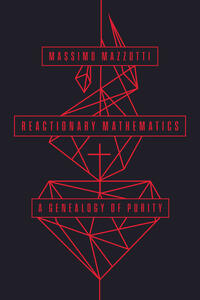
Massimo Mazzotti is a Professor and Thomas M. Siebel Presidential Chair in the History of Science at the University of California, Berkeley. His research bridges the History of Science , Science, Technology, and Society , and Science and Religion , with a focus on mathematics and technology as agents of world-ordering. PhD, Science Studies Unit, University of Edinburgh Laurea in Filosofia, Università di Milano He explores: History of modern mathematics , quantification , and algorithms Mechanization , automation , and industrial design in Mediterranean contexts Catholic Enlightenment and its role in shaping scientific narratives His publications reveal how mathematical and technological practices intersect with politics, religion, and social order. Awards include the AHA 2024 Marraro Prize and AAIS 2023 Book Prize . He directs Berkeley’s Center for Science, Technology, Medicine & Society and engages public audiences via theater , radio , and exhibitions .