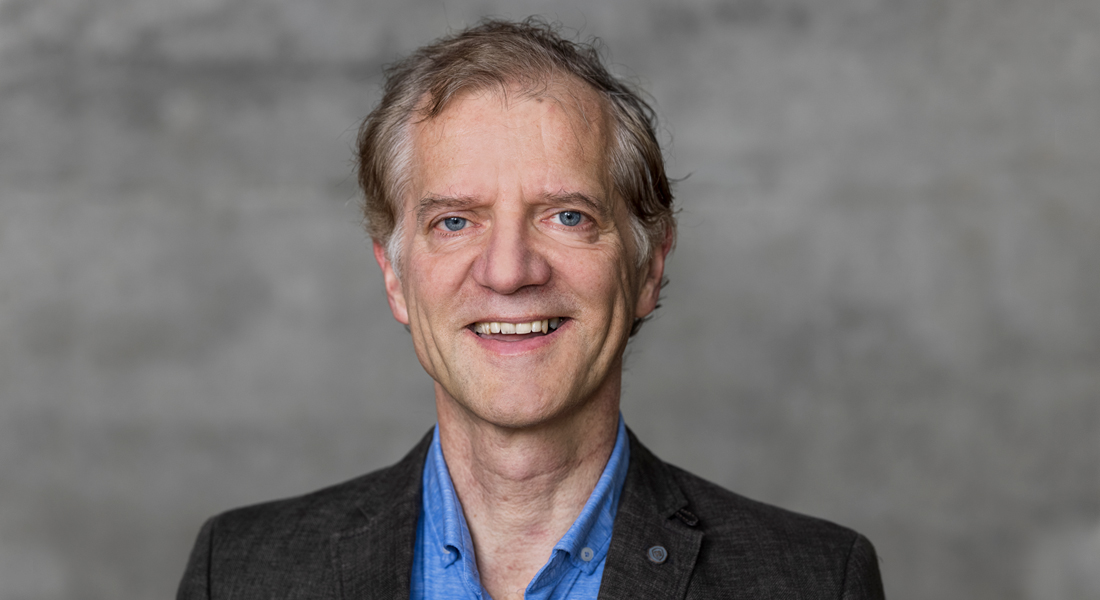
Carina Mallard is Professor of Experimental Perinatal Brain Injury Research and Pro-Vice-Chancellor at the University of Gothenburg since July 2023, where she oversees research infrastructure and chairs the Research Board. She previously served as Deputy Vice-Chancellor (2021–2023) and Head of Core Facilities (2018–2021). Her academic career began with a Physiology degree from Lund University and a PhD in Pediatrics at the University of Auckland (1995), followed by a professorship appointment in 2006. Her research focuses on perinatal brain injury , particularly in premature infants , investigating neuroinflammatory mechanisms maternal dietary interventions neurovascular unit dynamics microglia activation long-term consequences of maternal obesity . Recent publications highlight her work on neonatal rodent models , transcriptomic profiling , and anti-inflammatory therapies . Key themes include RNA degradation , mitochondrial protection , and immune-neurovascular interactions . She has supervised 20 doctoral students since 2004 and collaborates internationally with institutions like King's College London. Contact details include two institutional emails and physical addresses across Gothenburg's biomedical campuses. Her leadership roles span research strategy, doctoral education, and EU-level scientific initiatives.
Manuel R. Amieva is a Professor at Stanford University School of Medicine , holding joint appointments in Pediatrics - Infectious Diseases and Microbiology & Immunology . He is also a member of the Maternal & Child Health Research Institute (MCHRI) . His clinical practice at Stanford Medicine Children's Health focuses on pediatric infectious diseases. Education: Medical Education: Stanford University School of Medicine (1997) Fellowship: Stanford University Pediatric Infectious Disease Fellowship (2004) Internship & Residency: Stanford Health Care at Lucile Packard Children's Hospital (1998-1999) Dr. Amieva's research investigates host-pathogen interactions at epithelial barriers, with specific expertise in Helicobacter pylori , Listeria monocytogenes , Salmonella enterica , and Staphylococcus aureus . His lab develops innovative organoid culture systems with controlled polarity to study microbial colonization and oncogenic mechanisms. Key discoveries include: H. pylori's manipulation of epithelial junctions via the CagA protein Listeria's exploitation of cell extrusion sites for invasion Staphylococcus toxin interactions with adherens junctions Gastric stem cell activation by pathogens Recent publication trends show continued leadership in infectious disease mechanisms (2020-2025), with a focus on: Pathogen-specific epithelial breach strategies Organoid modeling of viral/bacterial interactions Redox-dependent host factor regulation Single-cell spatial transcriptomic analyses Multi-institutional educational frameworks His scientific collaborations span disciplines including: Gastric cancer genomics initiatives COVID-19 lung infection models Stem cell-microbe interactions Medical education reform projects Dr. Amieva maintains active clinical research while mentoring students in both the Microbiology & Immunology and Pediatrics programs. His lab at Stanford employs advanced 3D confocal microscopy and organ-on-a-chip technologies to visualize epithelial colonization dynamics.
Professor Matthias Mann is a world-leading scientist serving as Director of the Proteomics and Signal Transduction department at the Max Planck Institute of Biochemistry in Martinsried, Germany, and Director of the Proteomics department at the Novo Nordisk Foundation Center for Protein Research, Faculty of Health Sciences, University of Copenhagen, Denmark. With an h-index exceeding 277 and over 350,000 citations, he is recognized as the highest cited German researcher and one of the most influential scientists globally in proteomics. His educational background includes: Ph.D. in Chemical Engineering from Yale University (1988) Master's Degree in Physics from Georg August University Göttingen (1984) Bachelor's of Arts in Mathematics from Georg August University Göttingen (1982) Professor Mann's research focuses on advancing mass spectrometry-based proteomics to understand biological systems at the protein level. His work spans technological developments in mass spectrometry, bioinformatics and computational analysis, signal transduction and posttranslational modifications, and clinical proteomics applications for disease diagnosis and treatment. The Mann lab has pioneered groundbreaking methods like SILAC for quantitative proteomics and MaxQuant for proteome data analysis. Their vision is to translate proteomics knowledge into clinical practice for predictive, diagnostic, and preventive medicine, with recent work focusing on AI-guided platforms for analyzing proteomes from minimal tissue samples. Analysis of Professor Mann's recent publications reveals a strong trend toward clinical applications of proteomics, particularly in cancer research, metabolic diseases, and neurodegenerative disorders. His work increasingly integrates spatial proteomics, single-cell resolution techniques, and artificial intelligence approaches to uncover disease mechanisms and identify potential biomarkers, with a clear shift from basic technology development toward direct clinical applications and personalized medicine. Professor Mann has received numerous prestigious awards throughout his career: 2025: Elected member of the American National Academy of Sciences 2024: Dr. H.P. Heineken Award for Biochemistry and Biophysics 2023: Otto Warburg Medal 2019: Nominated member of the Bavarian Academy of Sciences 2013: Elected member of Leopoldina German National Academy of Sciences 2012: Körber European Science Award, Louis-Jeantet Foundation Prize for Medicine, Ernst Schering Prize, and Leibniz Prize Professor Mann leads a highly collaborative research team involved in multiple international networks including the Bill & Melinda Gates Foundation, Michael J. Fox Foundation for Parkinson's Research, CLINSPECT-M, and Munich Heart Alliance. His lab has mentored numerous successful researchers, with several former postdocs receiving prestigious ERC Starting Grants. The Mann group has developed innovative clinical proteomics pipelines for analyzing archived tissue specimens and body fluids, aiming to identify protein markers for early detection of diseases such as diabetes and cancer. The Mann lab operates across two major research centers with state-of-the-art mass spectrometry facilities. Their Clinical Knowledge Graph platform integrates multi-omics data with extensive metadata, creating an ecosystem for machine learning applications in proteomics. Current research focuses on developing highly sensitive methods that can profile thousands of proteins from minimal cell samples, enabling the identification of critical disease-related proteins and supporting the development of individualized therapies.
Prof. Dr. Alex Hall is an Associate Professor at the Department of Environmental Systems Science and Head of the Institute of Integrative Biology at ETH Zürich , Switzerland. He holds a PhD from the University of Edinburgh (2008), followed by postdoctoral work at the University of Oxford and ETH Zürich, including prestigious SNSF Ambizione and Marie Curie Intra-European fellowships. Research Focus: The Hall lab investigates Microbial interactions in human microbiomes Antibiotic resistance evolution Horizontal gene transfer dynamics Computational and in vitro modeling of microbial communities Evolutionary medicine applications Scientific Contributions: His recent studies analyze probiotic treatments for Staphylococcus aureus decolonization, strain-specific ecological success in gut microbiomes, and CRISPR-Cas system roles in plasmid conflicts. The lab employs computational frameworks combined with experimental validations. Scientific Awards: SNSF Ambizione fellowship Marie Curie Intra-European fellowship He also serves on the SNSF PRIMA fellowship evaluation panel and the ETH Zürich Coordination Council Medicine .
Michael Groll serves as Professor and Chair of Biochemistry at the Technical University of Munich (TUM), where he leads structural biology and enzymology research with a focus on proteasome mechanisms and inhibitor development. His laboratory, located at the Ernst-Otto-Fischer-Str. 8 campus in Garching, maintains active collaborations in drug discovery for cancer and infectious diseases. His primary research domains include proteasome inhibition, enzyme catalysis, and natural product biosynthesis, employing X-ray crystallography, biochemical assays, and bioengineering to dissect molecular mechanisms. Recent work emphasizes AI-guided enzyme optimization, bacterial stress response targeting, and structural characterization of halogenation enzymes, reflecting interdisciplinary approaches bridging chemistry and biology. Analysis of his 2023-2025 publications reveals consistent innovation in proteasome-targeted therapeutics, with 15 high-impact papers featuring structural insights into enzyme-inhibitor complexes and biosynthetic pathways. Key trends include engineering megasynthetases for immunoproteasome inhibitors, optical control of protein degradation, and elucidating metal-dependent mechanisms in antibiotic biosynthesis. No scientific awards were documented in the provided source material. While specific grant details and student mentorship records were not disclosed, his extensive publication record indicates leadership in collaborative research projects involving structural biology and chemical biology methodologies. The Chair of Biochemistry under Prof. Groll operates as a hub for structural enzymology, housing facilities for protein crystallography, enzyme kinetics, and natural product characterization. His team actively contributes to TUM's research ecosystem through partnerships with pharmaceutical groups and international structural biology consortia.
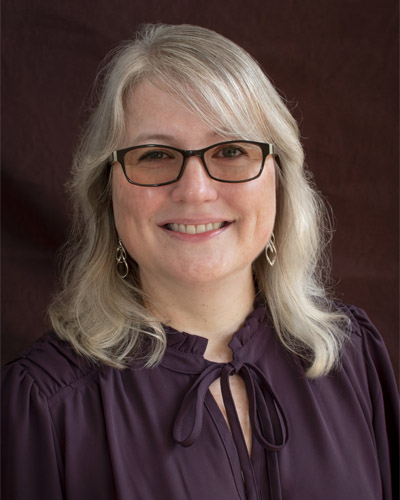
Lauren Andrews serves as Associate Professor and Marvin and Eva Schlanger Faculty Fellow in the Department of Chemical Engineering at the University of Massachusetts Amherst. Her research integrates synthetic biology and genetic engineering to develop programmable cellular systems for biotechnological applications. Education: Postdoctoral Training: Massachusetts Institute of Technology (Biological Engineering and Broad Institute of MIT and Harvard) PhD: University of Colorado Boulder, Chemical Engineering (2012) MS: University of Colorado Boulder, Chemical Engineering (2009) BS: Cornell University, Chemical Engineering (2006) Dr. Andrews' research focuses on establishing genetic design rules for reprogramming cellular regulation and metabolism. Her lab pioneers synthetic gene networks, genetically-encoded biosensors, and high-throughput methodologies for optimizing genetic designs in both model and non-model bacteria. This work enables precise control of cellular sensing, memory, and environmental responses through multiplexed DNA assembly and next-generation sequencing. Analysis of her 15 most recent publications reveals dominant themes in bacterial biosensor development (particularly for bioremediation), quorum sensing engineering, and programmable genetic circuits for probiotic applications. Her research consistently bridges fundamental genetic circuit design with practical implementations in bacterial consortia and non-model organisms. Scientific Awards: Marvin and Eva Schlanger Faculty Fellowship NSF CAREER Award (2020) for "Programmable synthetic microbial consortia for complex multicellular functions" Her grant portfolio demonstrates significant funding for collaborative research in bacterial communication systems and model-guided design of synthetic ecosystems. The Andrews Lab maintains active partnerships with the MIT-Broad Foundry and Cold Spring Harbor Laboratory, where she co-founded the Synthetic Biology Summer Course. Current projects focus on CRISPR-based regulation in non-model bacteria and algorithmic programming of sequential logic in probiotic strains. The Andrews Lab operates within the Life Science Laboratories at UMass Amherst, utilizing advanced facilities for genetic prototyping and high-throughput screening. Her team develops multiplexed tools for exploring genetic design spaces, with particular emphasis on soil bacteria and Gram-positive pathogens for environmental and therapeutic applications.
Dr. Audrey Lamb is a Professor and Chair of the Department of Chemistry at The University of Texas at San Antonio (UTSA), within the College of Sciences. She joined UTSA in 2020 after rising to full professor at the University of Kansas, where she served as interim dean of graduate studies in 2019. Her leadership extends to professional organizations, including serving as an elected council member for the American Society for Biochemistry and Molecular Biology. Dr. Lamb received her B.S. in Chemistry from Furman University in 1993 and her Ph.D. in Biochemistry from Vanderbilt University School of Medicine in 1998. She completed postdoctoral studies in biochemistry at Northwestern University before beginning her academic career at the University of Kansas in 2003. Dr. Lamb's research focuses on understanding bacterial pathogenesis through mechanistic enzymology and structural biology. Her lab investigates how human pathogens biosynthesize metallophores for metal ion scavenging and riboflavin (Vitamin B2) biosynthesis pathways. These studies aim to identify targets for novel antibiotic development against multidrug-resistant pathogens. Her work spans bacterial enzymology, structural biology, and metabolic pathway analysis, with applications in antimicrobial drug design. Analysis of Dr. Lamb's recent publications reveals a consistent focus on enzyme mechanisms in bacterial metabolism, particularly in metallophore and riboflavin biosynthesis pathways. Her work combines structural biology with kinetic analysis to elucidate catalytic mechanisms. Many publications investigate enzymes from pathogens like Pseudomonas aeruginosa, Staphylococcus aureus, and Trypanosoma cruzi, highlighting the translational potential of her basic science research for antimicrobial development. Dr. Lamb has received notable recognition including: Election as a 2022 Fellow of the American Association for the Advancement of Science (AAAS) Award-winning teaching and mentoring at undergraduate and graduate levels Dr. Lamb has mentored numerous students and postdoctoral fellows, with many alumni now in academic, industrial, and research positions. Her lab has received funding from prestigious sources including the National Institutes of Health, National Science Foundation, American Lung Association, and W.M. Keck Foundation. She actively collaborates with researchers at Loyola University Chicago, Texas A&M University, University of Kansas Medical Center, and UTSA's Department of Molecular Microbiology and Immunology. The Lamb Lab maintains a comprehensive suite of equipment for protein biochemistry and structural studies, including multiple AKTA FPLCs, a stopped-flow spectrophotometer, crystallization robot, various spectrophotometers, and HPLCs. This infrastructure supports their research on enzyme mechanisms and structural biology of bacterial metabolic pathways.
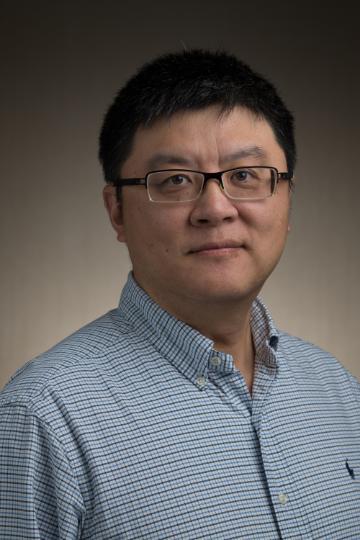
Dr. Zhiwen Jonathan Zhang serves as Associate Professor in the Department of Bioengineering at Santa Clara University's School of Engineering since 2011, with research spanning biomolecular engineering, drug discovery, and BIOAI to combat super-bacterial infections and advance precision protein technologies. Education: Ph.D. in Chemistry and Biochemistry, University of Texas at Austin (2001) Postdoctoral Research, The Scripps Research Institute (2001-2004) His interdisciplinary research pioneers unnatural genetic codes, trM2H systems, site-specific protein cross-linking, and synthetic antibodies. Current focus includes mitochondrial peptide transport, BIOAI design, subcellular protein synthesis, and engineering bacteria for micro-plastics degradation. His lab unraveled molecular dialogues between mammalian and Gram-positive bacterial cells, enabling groundbreaking anti-infective therapies. Publication trends reveal consistent innovation in protein engineering and translational bioengineering, with recent work emphasizing sortase A applications, fluorescent peptide development, and unnatural amino acid incorporation in mammalian systems—demonstrating a trajectory from fundamental biochemistry to industry-ready biotech platforms. Dr. Zhang has mentored 7 post-doctoral researchers, 2 visiting professors, and 5 Ph.D. students while securing grants from NIH NCI R01, NSF SBIR, American Heart Association, Welch Foundation, JOINN Foundation, IBM, and SCU Internal Research. His patented "Biotech+Techbio" platform has co-founded multiple biotech ventures, including two publicly traded companies and a 2024 acquisition. His laboratory maintains active collaborations with Bay Area biotech firms and academic institutions, driving translational research through the patented Biotech+Techbio platform while advancing BIOAI-assisted enzyme discovery for micro-plastics degradation and next-generation antibacterial therapies.
Susan Butler-Wu, PhD, D(ABMM), SM (ASCP) serves as the Director of Medical Microbiology at LAC+USC Medical Center and holds the position of Clinical Associate Professor of Clinical Pathology at the Keck School of Medicine of the University of Southern California. She received her PhD in Molecular Microbiology from Tufts University and completed postdoctoral fellowships in Tuberculosis Pathogenesis at New York University and Medical and Public Health Microbiology at the University of Washington. Prior to her current role, she was the Associate Director of Clinical Microbiology at the University of Washington Medical Center. Research Focus: Rapid diagnostics for infectious diseases, antimicrobial resistance detection, and diagnostic stewardship. Professional Roles: Member of the editorial board of the Journal of Clinical Microbiology; serves on working groups for the Clinical Laboratory Standards Institute (CLSI) and the American Society for Microbiology (ASM). Key Contributions: Extensive publications on MALDI-TOF mass spectrometry, SARS-CoV-2 diagnostics, and antimicrobial resistance trends.
Professor Trevor Lithgow is a Research Professor in Microbiology at Monash University, affiliated with the Monash Biomedicine Discovery Institute. He holds a PhD from La Trobe University (1992) and has held fellowships including the ARC Federation Fellowship (2008) and ARC Laureate Fellowship (2014). His research focuses on bacterial cell biology, antimicrobial resistance (AMR), and phage therapies, leveraging nanoscale imaging techniques like cryo-EM and super-resolution microscopy. He leads the Monash Centre to Impact AMR, an interdisciplinary initiative addressing global AMR challenges through collaborations across engineering, social sciences, and clinical medicine. Key achievements include the HFSP Tenth Anniversary Award (1999), Lemberg Medal (2020), and Royal Society of Victoria Medal (2017). His work on bacterial outer membrane assembly, phage-bacteria interactions, and structural analysis of the mitochondrial TOM complex has advanced understanding of pathogen resilience and novel antimicrobial strategies. Current projects include developing phage therapies and cross-sectoral AMR surveillance frameworks. Education: PhD in Biochemistry (La Trobe University, 1992) Research Interests: Bacterial cell surface visualization, nanoscale imaging, phage biology, AMR mechanisms Leadership: Director of Monash Centre to Impact AMR since 2020 Awards: 10+ national/international honors, including ARC Fellowships Publications span over 250 articles on bacterial membrane biology, AMR dynamics, and phage applications, with recent focus on polymyxin dependence in Acinetobacter and phage-driven resistance resensitization.
Prof Jean Van Den Elsen is a Professor of Biochemistry at the University of Bath , affiliated with the Department of Life Sciences and several research centers including the Centre for Sustainable Chemical Technologies (CSCT) , Centre for Therapeutic Innovation , and Milner Centre for Evolution . They are actively accepting doctoral students and leading multidisciplinary projects at the intersection of structural biology and immunology. Education: Not explicitly mentioned Appointments: University of Bath (current), with collaborations across Chemistry, Biology & Biochemistry departments Research Focus: The laboratory investigates protein structural biology in two major areas: Complement System Interactions: Studying how pathogenic microbes like Staphylococcus aureus evade host immunity through complement system manipulation , with structural analysis of proteins such as C3d and C5 complexes. This work directly informs vaccine design and autoimmune disease treatment . Glycation Mechanisms: Developing diagnostic tools for detecting non-enzymatic sugar modifications linked to diabetes , Alzheimer's , and aging, with commercial partnerships like Abcam . Article Trends: Recent publications demonstrate: Structural analysis of complement evasion proteins (2022-2025) Engineering knob domains as miniature antibodies (2023) Evolutionary studies on cooperative behavior (2021-2025) Advancements in peptide synthesis platforms (2022-2023) Applications of AI protein folding (2020) Scientific Contributions: ORCID: 0000-0002-0367-1956 BBSRC Funding recipient (2023) 100+ citations across 76 research outputs Student Mentorship: Directly supervising 4 current PhD students and 1 postdoc, with a track record of mentoring 11 previous students including Daphne Jackson Fellows and MSCA researchers. Collaborations: Maintains active partnerships with Dr. Tony James (Chemistry), Dr. Rob Williams (Biochemistry), and industry partners UCB Celltech and Porton Biopharma Ltd. Their work contributes to UN Sustainable Development Goals 3 (Good Health), 12 (Responsible Consumption), and 13 (Climate Action).
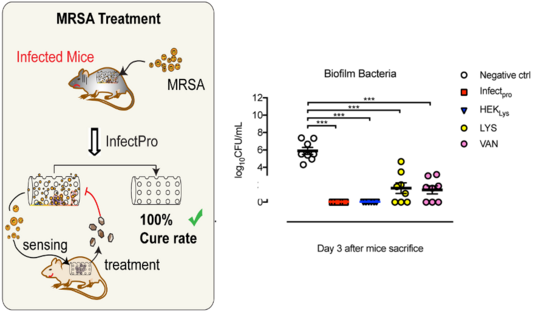
Prof. Dr. Nina Khanna Gremmelmaier leads the Infection Biology research group at the Department of Biomedicine, University of Basel , focusing on host-pathogen interactions in Staphylococcus aureus implant-associated infections and virus-specific T-cell therapies for transplant recipients. Her lab collaborates with the Department of Biosystems Science and Engineering (D-BSSE, ETH Zürich) to develop synthetic genetic circuits expressing lysostaphin for biofilm infection treatment, demonstrating superior efficacy over antibiotics in mouse models. Department of Biomedicine, University of Basel NCCR AntiResist grant recipient (2019) for interdisciplinary antibiotic resistance research Research priorities include: Translational strategies for biofilm-associated infections CD14/TLR-engineered cell-based anti-infective approaches Clinical T-cell therapy trials (NCTO2007356) for post-transplant viral infections Scientific contributions: NCCR AntiResist grant (2019) - University of Basel Contact: nina.khanna@unibas.ch
Balázs Rada is an Associate Professor in the Department of Infectious Diseases at the University of Georgia's College of Veterinary Medicine. His research focuses on mechanisms of respiratory innate immunity, particularly in cystic fibrosis lung disease and host-pathogen interactions involving pathogens like Pseudomonas aeruginosa, Staphylococcus aureus, and influenza virus. Key projects include investigating neutrophil biology, reactive oxygen species in airway defenses, and therapeutic modulation of innate immunity. His lab, the Rada Laboratory, is based in Athens, Georgia, and emphasizes translational research in respiratory disease pathogenesis. Research interests span cystic fibrosis airway inflammation, antimicrobial therapies, and the role of neutrophil extracellular traps (NETs) in lung diseases. Collaborative efforts aim to develop novel treatments targeting innate immune dysfunction.
Professor Kathryn Fairfull-Smith is a Professor in the School of Chemistry & Physics at Queensland University of Technology (QUT). Her research focuses on organic synthesis for applications in materials science and medicinal chemistry, with a particular emphasis on developing strategies to combat bacterial biofilms through nitroxide-functionalized compounds and surface coatings. She leads projects funded by grants such as the QLD-Bavaria collaborative seed grant (2024) and an ARC Linkage Grant (2024). Her work spans organic radical batteries, profluorescent sensors, and antimicrobial hybrids, addressing challenges in biomedical and environmental materials. Education: PhD from Griffith University. Professional memberships include MRACI CChem and MRSC. Awards include the QUT Vice-Chancellor's Award for Excellence in Research (2017) and an ARC Future Fellowship (2014). She actively supervises postgraduate students in topics like nitroxide therapeutics and polymer materials. Her research group is part of the Centre for Materials Science at QUT. Research Grants: QLD-Bavaria collaborative seed grant (2024), ARC Linkage Grant (2024), DP210101317 (2021), FT140100746 (2015) Key Projects: Biofilm eradication via nitroxide-antimicrobial hybrids, light-triggered surface coatings, and polymer degradation monitoring Publications include over 30 peer-reviewed articles in journals such as Advanced Materials Technologies and Antimicrobial Agents and Chemotherapy . Her work bridges fundamental chemistry with real-world applications in healthcare and sustainability.
Dr. John Quale serves as Professor of Medicine in the Division of Infectious Diseases at SUNY Downstate Health Sciences University, where he has maintained continuous affiliation since medical school. For over 25 years, he has been an attending physician in Infectious Diseases at NYC Health + Hospitals/Kings County and currently holds the position of hospital epidemiologist at Kings County Hospital. His educational background includes: MD from SUNY Downstate Health Sciences University Residency at SUNY Downstate Health Sciences University Fellowship at SUNY Downstate Health Sciences University Dr. Quale's research centers on antimicrobial resistance mechanisms in Gram-negative pathogens, with particular expertise in Klebsiella pneumoniae epidemiology. His work investigates porin channel function, KPC carbapenemase expression, and novel antibiotic combinations to overcome resistance. He also focuses on infection control strategies for multidrug-resistant organisms in hospital settings, leveraging his dual role as clinician and epidemiologist to bridge laboratory findings with clinical practice. Analysis of his 2016-2018 publications reveals consistent focus on New York City's resistance landscape, particularly tracking KPC-producing K. pneumoniae evolution and evaluating next-generation beta-lactam/beta-lactamase inhibitor combinations. His studies combine in vitro susceptibility testing, molecular characterization, and epidemiological surveillance to address carbapenem-resistant Enterobacteriaceae threats, establishing him as a key investigator in regional antimicrobial resistance dynamics.