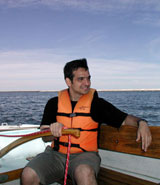
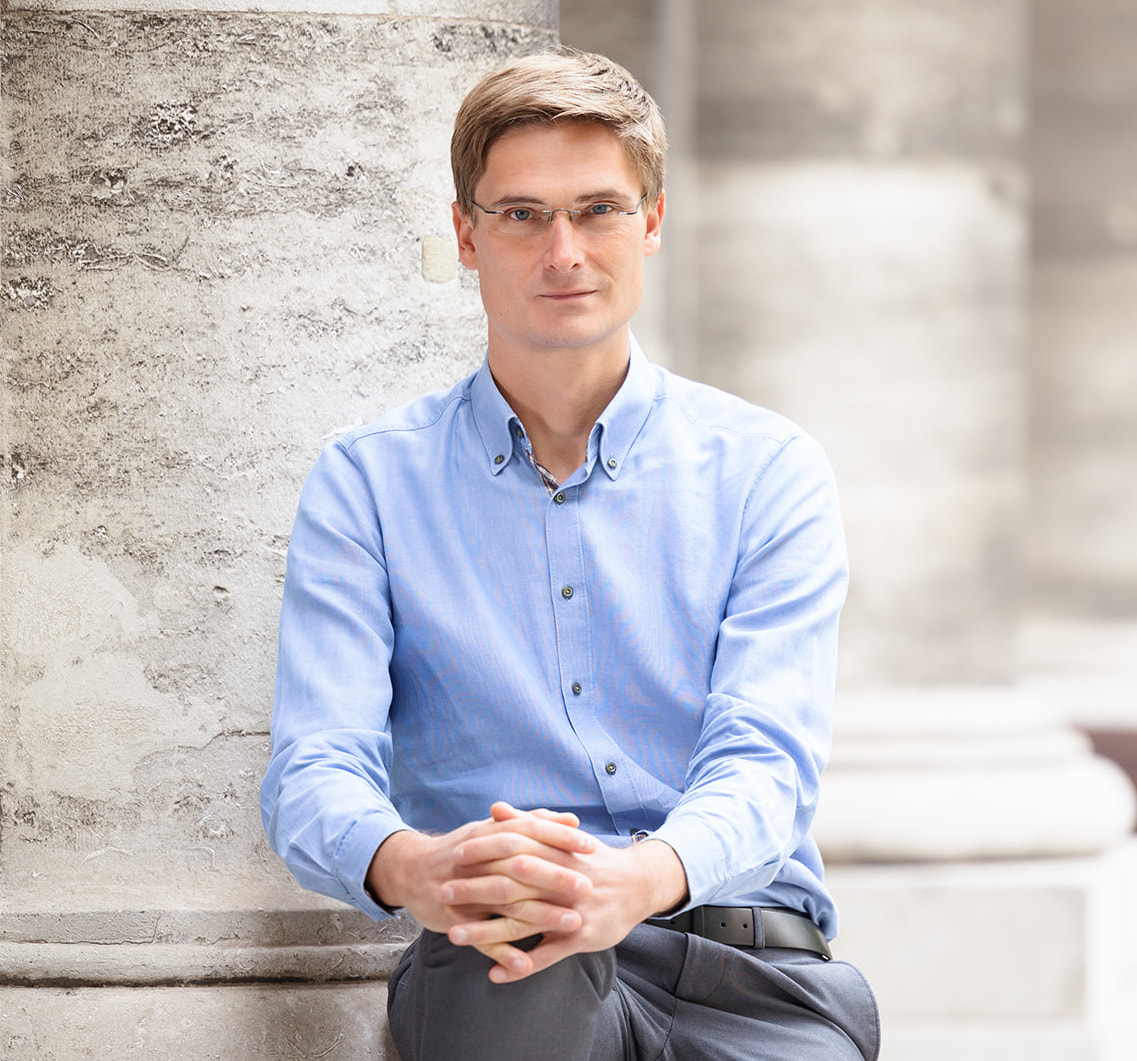
Dr. Emre Alp is an Associate Professor at the Environmental Engineering Department of Middle East Technical University (METU) , where he has served since 2014. Previously, he held roles as Assistant Professor (2011-2014), Instructor (2008-2011), and Part-time Instructor (2008). His research spans Watershed Management , Water-Energy-Food Nexus , and Environmental Economics , with a focus on Diffuse Pollution and Water Quality Modeling using GIS and Remote Sensing . Education : Ph.D. in Civil and Environmental Engineering (2006), M.S. in Environmental Engineering (1999), and B.S. in Environmental Engineering (1997) from METU and Marquette University. Research : His work integrates Environmental Risk Assessment with optimization models like SWAT for nutrient load analysis, economic valuation of ecosystems, and urban waterway pollution control. Key projects include Sustainable Stormwater Management on METU campus and Water-Energy Nexus studies in Turkey. Publications : Over 14 refereed journal articles since 2007, focusing on Urban Hydrology , Environmental Economics , and Watershed Modeling . Awards : Post-Doctoral Scholarship (Marquette University, 2006-2008) and Research/Teaching Assistantships (Marquette, 2000-2006). Students : Supervised 2 Ph.D. and 7 M.S. theses on topics like climate change impacts, water allocation, and pollution control.
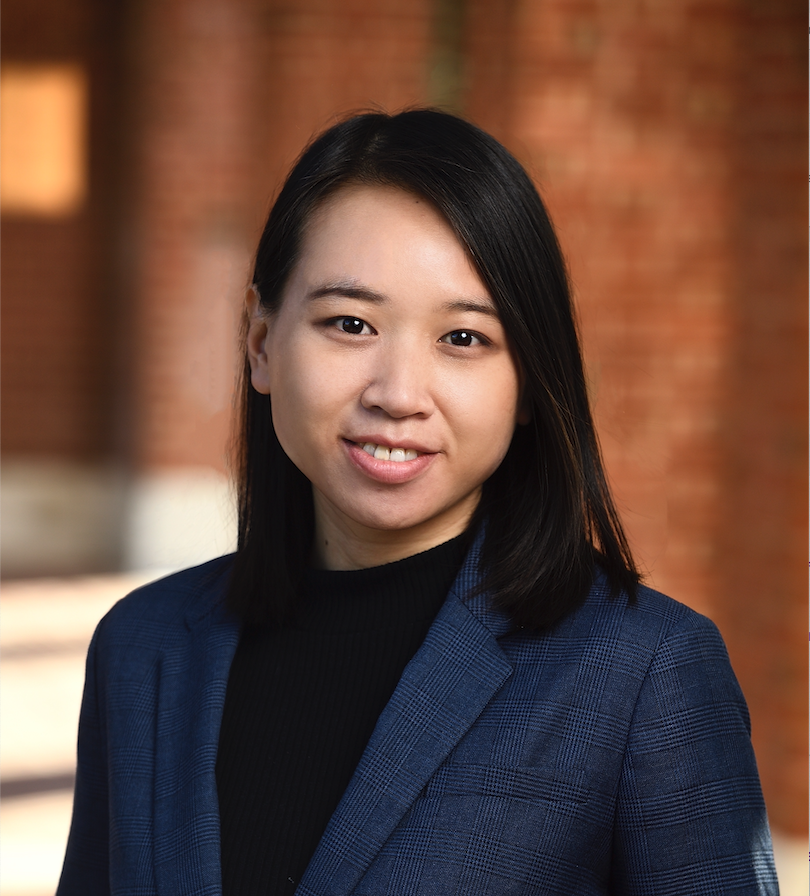
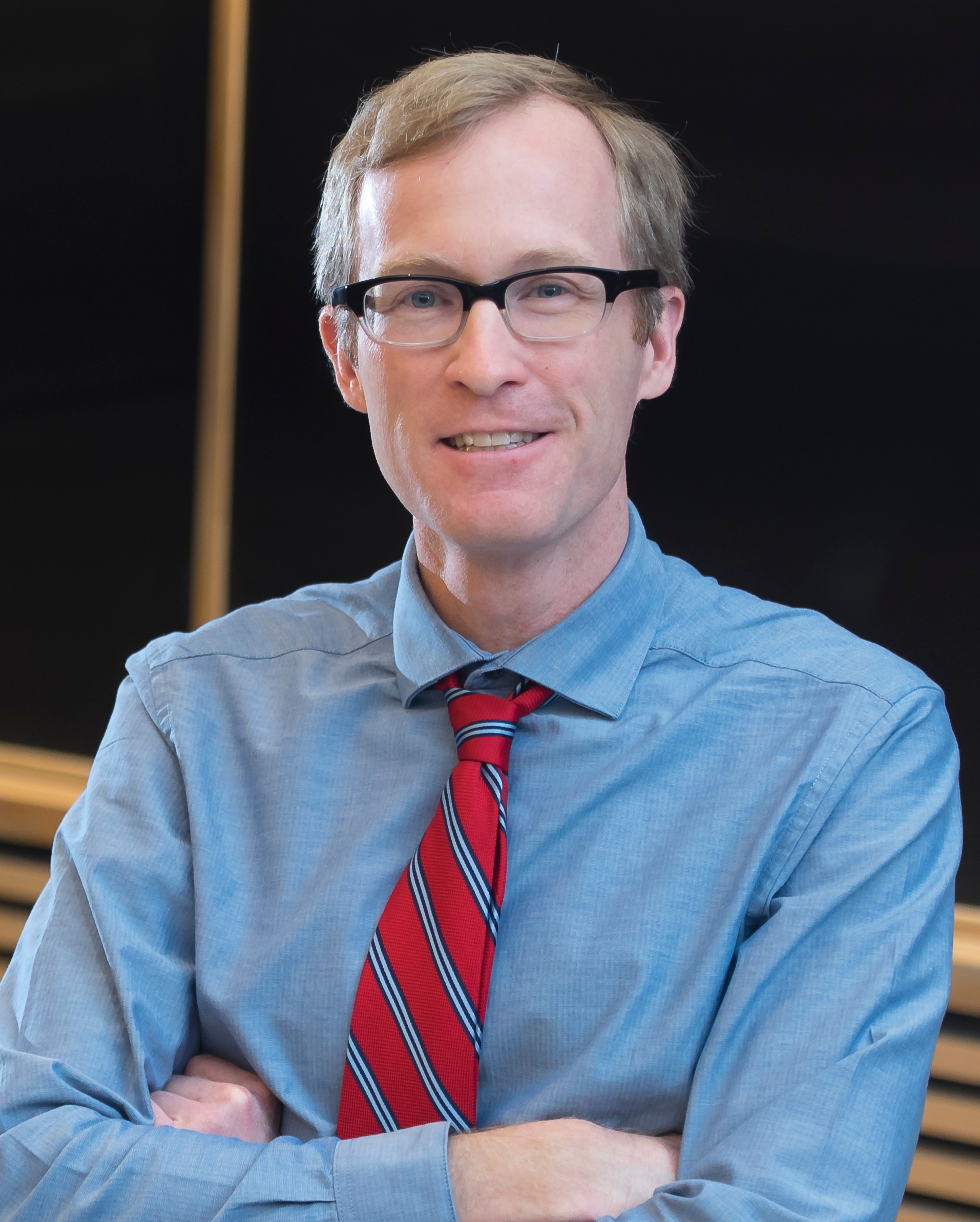
Anqi Liu is an Assistant Professor in the Department of Computer Science at the Whiting School of Engineering, Johns Hopkins University. She maintains significant affiliations with the Johns Hopkins Mathematical Institute for Data Science (MINDS) and the Johns Hopkins Institute for Assured Autonomy (IAA), while also collaborating extensively with the Center for Language and Speech Processing (CLSP) and the Laboratory for Computational Sensing and Robotics (LCSR). Her research focuses on developing principled machine learning algorithms for building reliable, trustworthy, and human-compatible AI systems in real-world applications. Key research areas include: Distributionally robust learning under covariate shift Uncertainty quantification for AI safety and fairness Safe exploration in control systems Fair machine learning under distribution shift Active learning under label shift Dr. Liu's work addresses critical challenges in high-stakes AI applications where reliability, safety, and societal impact are paramount. Her methods ensure AI systems remain robust to changing data environments, provide accurate uncertainty estimates, and incorporate human preferences in interactions. Analysis of her recent publications reveals a strong trajectory in trustworthy AI research with significant contributions to distribution shift handling, uncertainty quantification techniques, and safe decision-making frameworks. Her work bridges theoretical foundations with practical applications across healthcare, robotics, and social media analysis. Amazon Research Award Dr. Liu actively mentors eight PhD students and teaches specialized courses on Machine Learning for Trustworthy AI and standard Machine Learning at Johns Hopkins University, preparing the next generation of researchers to address critical challenges in AI safety and reliability.
Dr. rer. nat. Thomas Hermann is a faculty member at Bielefeld University's Faculty of Engineering, leading the Ambient Intelligence Group and coordinating the Computer Science program. He specializes in sonification, auditory data science, and smart environments. Head of Ambient Intelligence Working Group Computer Science Program Coordinator Member of multiple academic advisory boards His research focuses on interactive sonification for biomedical applications, quantum systems, and smart environments. Key projects include ECG sonification for cardiac diagnosis, real-time auditory feedback in swimming, and sonic interfaces for AR cooperation. Recent publications span 2025 with Python-based sonification tools ( pya AGen ), quantum system sonification, and ST-elevation myocardial infarction monitoring. He contributes to open-access supplementary materials and interdisciplinary workshops. As a researcher , Hermann develops practical sonification frameworks like Panson for facial behavior analysis, CardioScope for portable ECG monitoring, and Base Cube One for smart environments. His work bridges academic research with industry applications.
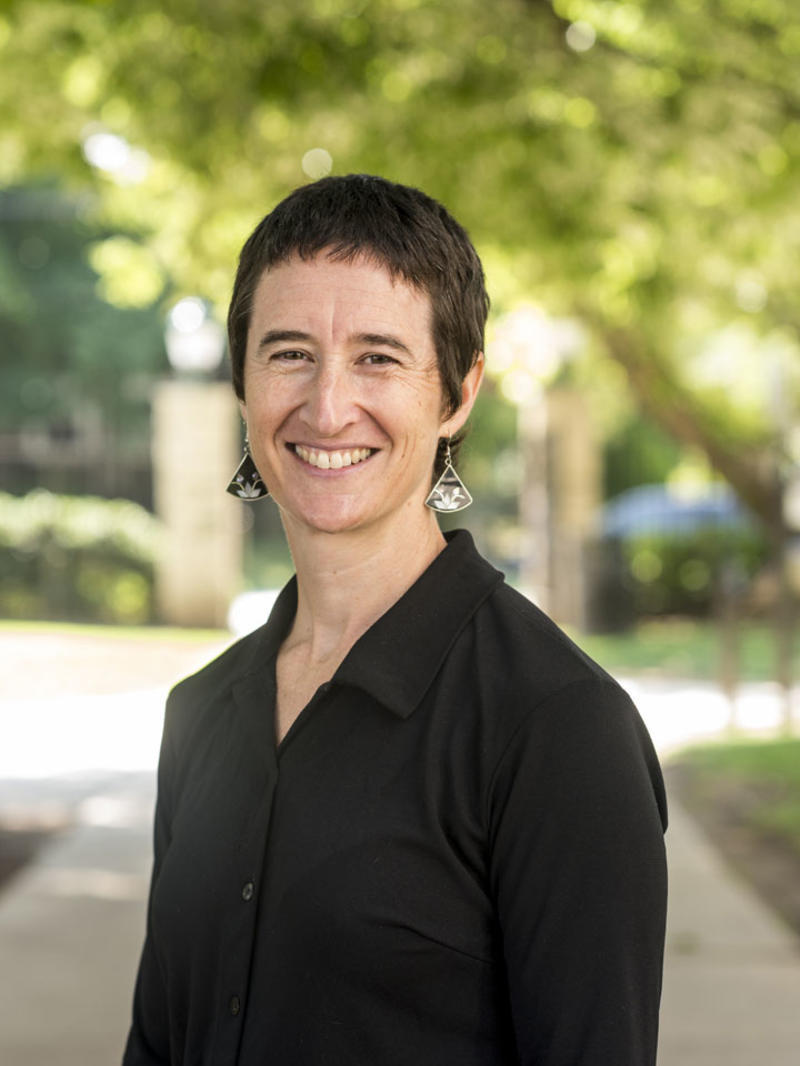
Elaine M Shenk is a Professor of Spanish and Chair of the Department of Languages and Linguistics at Saint Joseph's University. Her work focuses on sociolinguistic phenomena in language contact settings, emphasizing language ideologies, bilingualism, and policy debates across Puerto Rico and the United States. Education : PhD in Spanish-Linguistics from the University of Iowa; MA in Spanish-Linguistics from the University of New Mexico; BA in Liberal Arts from Eastern Mennonite University. Her research explores the symbolic values and political dimensions of language contact, with a focus on Puerto Rican communities, U.S. legislative discourse, and educational contexts. She examines metaphors in language-status dynamics, sociolinguistic variation in intermediate classrooms, and the historical evolution of language policies in Congressional bills. Recent publications address language ideologies in Puerto Rican migration, metaphors in language debates, and policy frameworks. These works span sub-fields like language legitimation campaigns, bilingual education strategies, and discourses on protectionism versus receptivity in language officialization. Scientific Awards : 2019 Ed Brady SJ Faith in Action Award 2019 Alpha Sigma Nu Teaching Award 2016 Honorable Mention, AATSP Outstanding Scholarly Publication Award Multiple research grants including the Michael J. Morris Grant (2014) Service-learning and curriculum development grants (2012-2010)
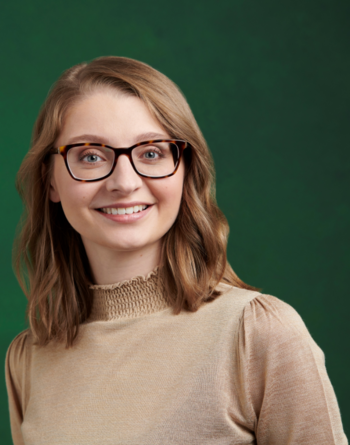
Dr. Wanju Huang is a Clinical Assistant Professor in the Learning Design and Technology program at Purdue University , where she focuses on enhancing online learning experiences through innovative instructional design and emerging technologies. Prior to joining Purdue in Fall 2016, she served as an instructional design manager at Teaching and Learning Technologies and spent six years as a lecturer and instructional designer at Eastern Kentucky University. Education: Ph.D. in Curriculum & Instruction (Technology concentration) from University of Illinois at Urbana-Champaign Her research interests center on technology-mediated online communities, instructor presence in digital learning, augmented reality applications, and faculty development programs. She has published extensively on these topics, including studies on multimedia interventions for teaching presence, immersive technologies in ESL education, and adaptive cyber training platforms. Dr. Huang's publications reflect a strong focus on EdTech innovation , with trends spanning AI integration in K-12 , model-based systems engineering , and microlearning strategies . Her work bridges theoretical frameworks like social constructivism with practical implementations in professional education. Professional memberships include the American Educational Research Association, Association for Educational Communications and Technology, and Quality Matters. She teaches courses on learning design foundations, e-learning systems, and professional competency demonstrations in LDT.
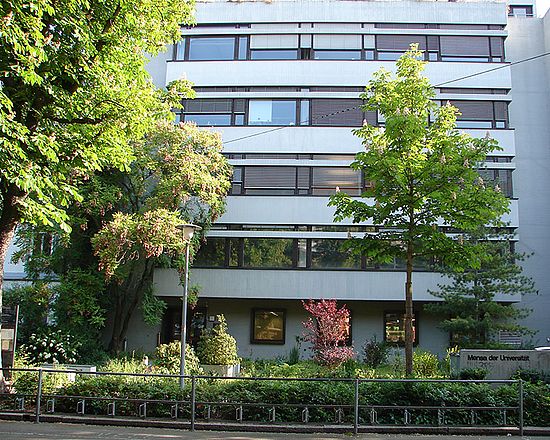
Viktoriya Olari is a researcher at the Didactics of Computer Science department, Freie Universität Berlin. Her work focuses on artificial intelligence literacy, data literacy, and digital education frameworks for K-12 and teacher training programs. She contributes to projects like ENKIS, DigiProMIN, and TrainDL, emphasizing interdisciplinary approaches to computer science education. Key Projects: ENKIS, AMI, Digi4All, siMINT, AI@IT2School Her recent publications address pedagogical methods for AI/data literacy integration, teacher professional development, and physical computing in education. She holds weekly consultation hours for students and maintains research partnerships across Germany. Research Themes: AI education in schools, data-driven pedagogy, digital transformation of teacher training
Gül Varol is a permanent researcher at École des Ponts ParisTech's IMAGINE group, an ELLIS Scholar, and Guest Scientist at Max Planck Institute. She holds a PhD from Inria Paris/ENS with awards from ELLIS and AFRIF. Her academic service includes Program Chair at ECCV'24 and Area Chair roles at major conferences. Current affiliations: IMAGINE group (École des Ponts ParisTech), Max Planck Institute Previous roles: Postdoctoral researcher at University of Oxford Her research focuses on vision-language applications, particularly in 3D human motion synthesis, sign language technology, and audio description generation. Key techniques include text-conditioned diffusion models, temporal context modeling, and synthetic data utilization. Scientific contributions recognized through: Google Research Scholar award (2023) ELLIS PhD Award (2020) AFRIF PhD thesis award (2020) Best application paper at ACCV'20 Recent publications demonstrate expertise in: Text-driven 3D motion editing (MotionFix, 2024) Cross-dataset generalization studies (TMR++, 2024) Temporal action composition frameworks (TEACH, 2022) Sign language dense annotation methods (BOBSL, 2022) Zero-shot audio description generation (AutoAD-Zero, 2024) She actively contributes to dataset development including BOBSL (British Sign Language corpus) and SURREACT synthetic action dataset, while pioneering new evaluation metrics for audio description quality and motion retrieval benchmarks.
Thomas Jaeger is a Professor of European Law at the University of Vienna’s Faculty of Law, specializing in the Internal Market and Competition within European Commercial Law. He leads the Institute for European, International and Comparative Law and serves as President of the Austrian Society for European Law (ÖGER), a member of FIDE, advocating for Austrian perspectives in EU legal developments. His research spans European Commercial Law, State Aid Law, Media Regulation , and Intellectual Property , with notable publications addressing EU legal frameworks for transport, digital markets, and gambling concessions. Recent lectures focus on state aid challenges, constitutional identity conflicts , and merger control . Jaeger supervises dissertations requiring significant scientific contribution and has organized events like the European Law Roundtable with CJEU and State Aid Law Day . He has held visiting roles at Hannover and Munich universities and previously worked at the Max Planck Institute and UNHCHR .
Professor Jaana Kaarina Bäck is affiliated with the University of Helsinki, serving in the Faculty of Agriculture and Forestry's Department of Forest Sciences. She leads the 'Ecosystem processes' research group and oversees ecosystem research at the SMEAR measurement network. Her work bridges forest ecology, atmospheric science, and climate change mitigation, focusing on forest-atmosphere interactions and biogenic volatile organic compounds (BVOCs). PhD in Physiological Plant Ecology (University of Oulu, 1994) Docentship in Forest-Atmosphere Interactions (University of Helsinki, 2010) Docentship in Plant Ecophysiology (University of Oulu, 1998) Bäck's research explores how boreal forests influence atmospheric composition, carbon cycling, and climate dynamics. She investigates BVOC emissions, ecosystem responses to climate change, and feedback mechanisms between vegetation and the atmosphere. Her recent publications (277 total) analyze carbon dynamics after forest thinning, aerosol production in boreal ecosystems, and harmonized environmental observations via eLTER. These works span soil functions, air quality, and climate risk research. Knight, First Class, Order of the White Rose of Finland (2021) Open Science Award (University of Helsinki, 2018) Pro Scientia Award (Finnish Academy of Sciences and Letters, 2017) Bäck supervises 3 postdoctoral researchers, 4 doctoral students as main supervisor, and 12 as co-supervisor. She has secured over 6 M€ in research funding, including EU Horizon grants and Academy of Finland projects.
Janina Grabs is Professor of Sustainability Research at the University of Basel, where she heads the subject area of Sustainability Research within the Department of Social Sciences at the Faculty of Humanities and Social Sciences. She is responsible for social science teaching in the Master's program in Sustainable Development and leads a research group investigating sustainability governance in global value chains, particularly in tropical agricultural commodities. Her academic background includes a PhD in Political Science from Westfälische Wilhelms-Universität Münster (2018), with research stays at Carleton University in Ottawa and Yale University in New Haven. Prior to her current position since June 1, 2024, she worked as an assistant professor at ESADE Business School in Barcelona (2021-2024) and as a postdoc at ETH Zurich (2019-2021). Professor Grabs' research focuses on transnational sustainability governance in global value chains, examining how states, firms, NGOs and other actors can improve environmental and social sustainability in commodity production. Her interdisciplinary work bridges political economy, regulatory governance, and business in society scholarship to investigate who defines sustainability in the marketplace, what rule-making mechanisms exist, their effectiveness, and potential unintended consequences on smallholders' livelihoods. She places special emphasis on coffee, palm oil, and cocoa sectors, exploring how global production and consumption processes can be steered toward more sustainable directions within market frameworks. Analysis of her recent publications reveals a strong focus on zero-deforestation initiatives, supply chain due diligence legislation (particularly the EU Deforestation Regulation), jurisdictional approaches to sustainable commodity governance, and the evolving role of various actors in sustainability governance. Her work spans multiple commodities but shows particular depth in coffee and palm oil sectors, examining both environmental and social dimensions of sustainability through field research in Colombia, Honduras, Costa Rica and Indonesia. Her significant contributions to the field have been recognized with prestigious awards: 2021 Organizations and the Natural Environment Book Award from the Academy of Management 2022 Lynton Keith Caldwell Award for the best book in the field of science, technology and environmental politics from the American Political Science Association Professor Grabs actively mentors doctoral students and postdoctoral researchers including Alexandra Bögner, Charline Depoorter, Lucia Casalegno, Lesly Nassila, and Philipp Dunker. Her research is supported by multiple third-party funded projects such as EXPECT-AGRI (investigating political economy of expectations in agri-food sustainability transformations), PACSMAC (examining paradoxes of climate-smart coffee production), and research on zero-deforestation commitments in the palm oil sector. She also serves as book review editor for the journal Regulation & Governance and participates in professional associations including the ECPR Standing Group on Regulatory Governance and the International Studies Association. She leads the Sustainability Research Group at the University of Basel, which conducts interdisciplinary research on sustainability governance and transformations toward more sustainable socio-economic systems, with particular focus on agri-food, energy, and mobility sectors while addressing critical questions of justice, equity, and inclusivity in sustainability transitions.
Jeremy Brown is a Professor in the Department of History at Simon Fraser University. He specializes in the social and political history of the People’s Republic of China, with a focus on urban-rural dynamics, Maoist-era policies, and the Tiananmen protests. His research integrates oral histories and grassroots sources to challenge state-centric narratives. Brown earned his PhD from the University of California, San Diego (2008), and has held editorial roles for Cambridge Studies in the History of the People’s Republic of China (2014–2021). He is a recipient of the SFU Excellence in Teaching Award (2017) and multiple SSHRC grants. His books include June Fourth: The Tiananmen Protests and Beijing Massacre of 1989 (2021) and Maoism at the Grassroots (2015). He currently supervises graduate students in Asian history and oral history. Education: PhD in History, UC San Diego (2008); Language training at Harbin Institute of Technology (1997) and Tsinghua University (2000–2001). Key Research Themes: Maoist ideology, urban-rural divides, Cultural Revolution, memory studies, and political repression. Grants: SSHRC Standard Research Grant (2010–2013), Henry Luce Foundation Fellowship (2014–2015). His work often examines everyday life under Maoism, including resistance to state policies, grassroots agency, and the legacies of trauma in modern China. Brown is also active in teaching innovation, such as using Wikipedia to engage students with contested historical events.
Shih-Chii Liu holds the rank of Privatdozent (Associate Professor) in the Department of Information Technology and Electrical Engineering at ETH Zürich. He is affiliated with the Institute of Neuroinformatics , a joint institute between the University of Zurich and ETH Zurich. His research focuses on neuromorphic engineering, bio-inspired neural hardware, and edge computing systems, emphasizing energy-efficient algorithms and sensor technologies. Key research areas include neuromorphic sensors for real-time data processing, sparsity-aware neural networks, and adaptive computing architectures for edge devices. His work spans applications such as speech enhancement, wearable health monitoring, and bio-inspired keyword spotting systems. He leads the Sensors Research Group, which develops neuromorphic systems integrating novel sensors, spiking neural networks, and low-power hardware accelerators. Recent projects include the DeltaKWS low-power keyword spotting IC, EFLOP computational cost metrics for spiking networks, and NeuroBench benchmarking frameworks for neuromorphic systems. His contributions emphasize bridging biological neural principles with practical engineering solutions for IoT and embedded systems. Liu teaches courses such as Neuromorphic Engineering I and collaborates on cross-disciplinary projects involving neuroprosthetics, smart wearables, and multimodal sensor fusion. His work is characterized by hardware-software co-design approaches to tackle challenges in real-time, low-latency, and energy-constrained computing environments.
Prof. Dr. med. Franz Lennard Ricklefs is a Senior Physician and Head of the Working Group at the Department of Neurosurgery, University of Hamburg Faculty of Medicine. He is a Medical Specialist in Neurosurgery with cross-disciplinary expertise in neuro-oncology, molecular pathology, and extracellular vesicle research. Affiliations: University Medical Center Hamburg-Eppendorf (UKE), European Liquid Biopsy Society (ELBS), International Consortium on Meningiomas (ICOM) Research Interests: His work focuses on neurosurgical oncology, particularly glioblastoma and meningioma pathobiology. He investigates DNA methylation patterns, extracellular vesicle biomarkers, and liquid biopsy implementation in clinical neuro-oncology. Additional interests include surgical outcomes for epilepsy and aneurysm management. Article Trends: Over the last decade, Dr. Ricklefs has published extensively on: Extracellular vesicle applications as liquid biopsy markers DNA methylation subclasses for glioblastoma and meningioma Multicenter surgical outcome benchmarking Immune evasion mechanisms in neuro-oncology Technological innovations in neurosurgical visualization Molecular characterization of rare CNS tumors Professional Contributions: He co-authored the MISEV2023 guidelines for extracellular vesicle studies and participates in international consensus reviews for meningioma classification. His collaborations span institutions across Europe and North America.
Dr. Arpan Mehta is an Independent Investigator at the MRC Protein Phosphorylation and Ubiquitylation Unit, specializing in neurodegenerative diseases with a focus on Amyotrophic Lateral Sclerosis (ALS) and frontotemporal dementia. He was awarded the 51st Sir John Halliday Croom Medal and Lectureship by the Royal College of Physicians of Edinburgh for his groundbreaking research on ALS mechanisms. His work explores the role of kinases and genetic mutations (e.g., C9ORF72) in neurodegeneration, alongside mitochondrial dysfunction and clinical trial methodologies. Research interests include molecular mechanisms underlying ALS, neuroimmunology, and improving clinical trial designs for neurodegenerative diseases. Dr. Mehta advocates for rigorous research standards, addressing reproducibility challenges, and optimizing therapeutic approaches. His recent studies investigate mitochondrial bioenergetic deficits in ALS motor neurons and the impact of cerebrospinal fluid (CSF) toxicity. Awards: Sir John Halliday Croom Medal and Lectureship (2025) His publications span clinical neurology, neurodegenerative disease mechanisms, and ethical aspects of medical practice. Dr. Mehta emphasizes interdisciplinary collaboration to advance understanding of ALS pathogenesis and translational therapies.
Dr. Seung-gu Lee is a Principal Scientist and Director of the Synthetic Biology Institute at the Korea Research Institute of Bioscience and Biotechnology (KRIBB). He holds a Ph.D. in Biotechnology from KAIST and serves as the President of the Korean Society of Enzyme Engineering. His leadership extends to multiple national research initiatives focused on advancing synthetic biology infrastructure and applications. Dr. Lee is a leading expert in genetic circuits and enzyme engineering for synthetic biology. He pioneered the development of GESS (Genic Enzyme Screening System/Circuits) technology, which enables ultra-high-speed screening of trace enzyme activities at the single-cell level. His research focuses on applying intelligent genetic circuits to biosensors, metabolic control, and bioprocess development. He is actively integrating AI-based automated workflows with synthetic biology to revolutionize the speed and scale of biological research. His work spans multiple disciplines including enzyme engineering, genetic circuit design, metabolic engineering, and biofoundry development. Dr. Lee currently leads several major research initiatives including the Korea-North America Biofoundry Collaboration Global Joint Research Center, the development of core technologies for advanced synthetic biology, and the establishment of biofoundry infrastructure. His research team at KRIBB works at the intersection of synthetic biology, enzyme engineering, and AI-based automation to develop next-generation bio-manufacturing platforms. The lab has made significant contributions to genetic circuit design, biosensor development, and plastic biodegradation technologies.