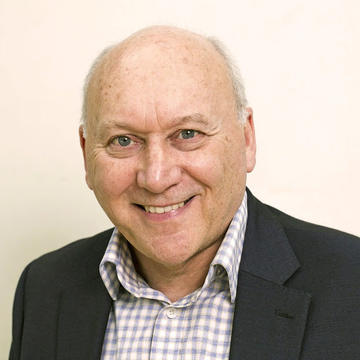
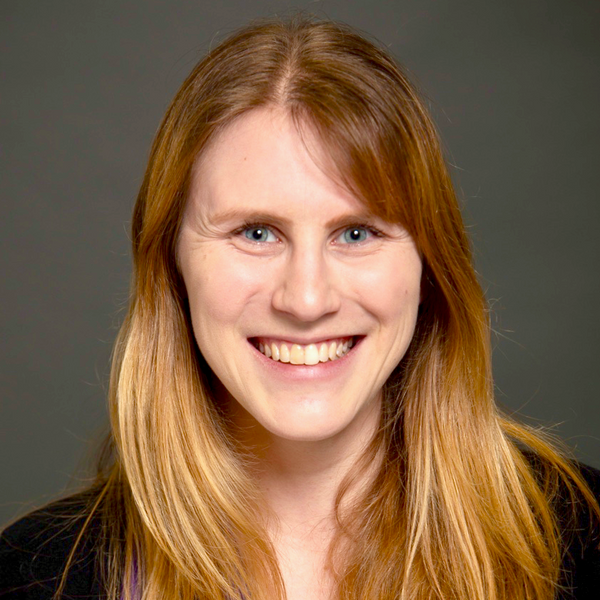
Professor Hanadi Sleiman is a renowned academic in the Department of Chemistry at McGill University, specializing in DNA-based nanomaterials and their applications in drug delivery and supramolecular chemistry. She holds leadership roles, including Director of the NSERC CREATE training program in Nucleic Acids and President of the International DNA Nanotechnology Society (ISNSCE). Her research focuses on engineering DNA nanostructures for targeted therapies, such as cancer treatments, and advancing materials chemistry through DNA-functionalized systems. Education: Ph.D. in Chemistry, Stanford University (1990) Postdoctoral Fellow, University of Louis Pasteur (1993) Research Interests: Professor Sleiman’s work combines synthetic chemistry with DNA self-assembly to create programmable materials. Her lab designs DNA cages for drug encapsulation, explores DNA-minimal approaches to scalable materials, and integrates DNA with nanoparticles, polymers, and metals for biomedical applications. Key areas include cancer therapy, biosensors, and enzyme mimics. Awards & Honors: Fellow of the Royal Society of Canada (2017) Killam Research Fellowship (2018) R. U. Lemieux Award in Organic Chemistry (2018) William Dawson Scholar Award (2004–2012) Grants & Collaborations: She directs the NSERC CREATE program and collaborates with institutions like the Quebec Centre for Advanced Materials (QCAM) and the McGill Centre for Structural Biology (CRBS). Her training initiatives emphasize nucleic acid therapeutics and diagnostics. Labs & Teams: Her Sleiman Group at McGill develops innovative DNA architectures in the Otto Maass laboratory, with a focus on translational research for clinical applications.
Elina Vuorimaa-Laukkanen is a University Lecturer at Tampere University's Faculty of Engineering and Natural Sciences, Department of Materials Science and Environmental Engineering, and a Docent in Pharmaceutical Nanotechnology at the University of Helsinki's Faculty of Pharmacy. She leads the research team Supramolecular Chemistry of Bio- and Nanomaterials , focusing on light-driven studies of biological processes, solid-phase behavior, and drug release activation. Her work spans multidisciplinary collaboration with chemists, pharmacists, biologists, and physicists. Education : Doctor of Philosophy (Technology), Tampere University, 1994 Licentiate of Philosophy (Chemistry), University of Helsinki, 1993 Research Interests : Her expertise includes Photochemistry and Nanotechnology of self-assembling materials (phospholipids, polymers, proteins, oligo/polynucleotides), Time-resolved Spectroscopy , Fluorescence Lifetime Microscopy , and Langmuir-Blodgett Films . She develops methods to track drug nanocarriers interacting with living cells and investigates Extracellular Vesicles for theranostic platforms. Recent Publications highlight advancements in Chitosan-hyaluronate polyplexes for oligonucleotide delivery, Fluorescence Anisotropy for nanocarrier analysis, and Self-assembly of copoly(2-oxazoline)s for drug encapsulation. Collaborations : She works within Tampere University's Chemistry & Advanced Materials Research Cluster , PREIN Photonics Flagship, GeneCellNano, and the EVE Extracellular Vesicle Ecosystem projects. Teaching : Responsible for Physical Chemistry and Lab Safety courses in the chemistry curriculum.
David B. Bensimon is a world-leading biophysicist and Professor in the Department of Chemistry and Biochemistry at the University of California, Los Angeles, holding the prestigious Regent's Professor title since 2007. He maintains a dual academic position, serving as Directeur de Recherche at the French National Center for Scientific Research (CNRS) at the Ecole Normale Supérieure (ENS) in Paris while teaching and conducting research at UCLA for one quarter each year. His academic journey began with a Ph.D. from the University of Chicago in 1986 under Leo Kadanoff, followed by postdoctoral research at Bell Laboratories and ENS Paris. Professor Bensimon's research spans multiple frontiers in biophysics and molecular biology, with particular expertise in single-molecule studies of nucleic acids and their proteins. His laboratory pioneered the Magnetic Trap technique for manipulating individual DNA molecules, enabling groundbreaking investigations into DNA mechanics, topoisomerase interactions, and molecular combing. His recent work has expanded into optogenetics, developmental biology using zebrafish models, and cancer research, with significant contributions to understanding how single-cell oncogene activation leads to tumorigenesis. His research output shows remarkable breadth across disciplines, with recent publications spanning biophysics, developmental biology, cancer research, and genomic technology development. Bensimon's work on opto-chemical tools has particularly transformed how researchers can control biological processes with unprecedented spatiotemporal precision, especially in zebrafish models. His laboratory has developed photoactivatable versions of key molecular tools including Cas9 (OptoCas9) and cyclofen systems that allow precise control of protein activity at the single-cell level. 2007 Regent's Professor at UCLA 1997 Vinci of Excellence Award for phospholipid vesicle research 1994 Jacques Monod Prize for Molecular Combing discovery Special Prize of the French Physical Society for DNA mechanics work ICAM Fellow KITP-UCSB Representative Bensimon has made significant contributions to both basic science and translational applications, co-founding Depixus for nucleic acid sequencing and epigenetic analysis. His laboratory continues to push boundaries in single-molecule biophysics while expanding into developmental biology and cancer research, with recent work demonstrating that activation of kRas in dedifferentiated cells increases tumorigenesis probability by two orders of magnitude. His mentorship has produced notable researchers including X. Michalet, and his theoretical work extends to the philosophical unification of scientific disciplines as evidenced by his book "The Unity of Science".
Quan Liu, M.D., Ph.D., is an Associate Professor at the School of Medicine, Southern University of Science and Technology (SUSTech), where he has been employed since August 2018. He also serves as Deputy Secretary of the Joint Party Committee of the School of Medicine, Chairman of the Joint Labor Union of the School of Medicine, and Vice Chairman of the Transplant Immunology Professional Committee of the Immunotherapy Engineering Branch of the Chinese Society of Biomedical Engineering. Additionally, he holds the position of Associate Chief Physician at the Second Affiliated Hospital of Harbin Medical University. Dr. Liu received his Medical Degree (M.D.) from Harbin Medical University in 2002, followed by surgical training at the Second Affiliated Hospital of Harbin Medical University from 2002 to 2008, specializing in cardiothoracic surgery. He pursued his Ph.D. at the University of Pittsburgh, where he spent over 8 years (2009-2017) at the Thomas E. Starzl Transplantation Institute studying transplantation immunobiology, inflammation regulation, and immunobiology of IL-33 and regulatory T cells (Treg) with Drs. Heth Turnquist and Adrian Morelli. Dr. Liu's research focuses on three primary areas: (1) Alloantigen presentation in transplantation, (2) Immunobiology of IL-33, Treg and ILC2 in settings of transplantation, inflammation regulation and tumor, and (3) Immunotherapy. His work has made significant contributions to the field of transplant immunology, particularly in elucidating the role of donor dendritic cell-derived exosomes in mediating the semi-direct pathway of alloantigen presentation, revealing the role of intra-allograft recipient-derived dendritic cells in maintaining transplant rejection, and investigating the role of IL-33 in tissue protection during acute lung injury and heart transplant rejection. His research findings have been included in the classic immunology textbook Janeway's Immunobiology (10th Ed, 2022). Dr. Liu's publications demonstrate a strong focus on immunology, particularly transplant immunology, with recurring themes of IL-33, regulatory T cells, and mechanisms of immune regulation in transplantation settings. His work spans from basic immunological mechanisms to potential clinical applications in transplantation and cancer. Provincial Science and Technology Progress Second Prize (2007) Provincial Science and Technology Progress Second Prize (2008) Young Scientist Award at the American Transplant Congress (2013) Distinguished Young Talents project of the Second Affiliated Hospital of Harbin Medical University (2017) Dr. Liu has successfully completed a National Natural Science Foundation of China Youth Fund project and is currently leading a National Natural Science Foundation of China General Project (2020-2023). He has supervised doctoral students and has been actively involved in teaching undergraduate courses in Biochemistry, Physiology, and Pathophysiology, as well as graduate courses in Immunology. His laboratory at SUSTech has developed advanced research capabilities including over 30 mouse strains (more than 10 developed independently), access to a Seahorse XFe96 cell energy metabolism analyzer, and a CyTOF Helios mass cytometer for advanced immunological studies. Dr. Liu leads a research group at SUSTech focused on tumor immunity and immunotherapy, neuro-immune-metabolic interactions, and transplant immunity. The laboratory has established significant experimental capabilities including over 30 mouse strains (more than 10 developed independently), access to a Seahorse XFe96 cell energy metabolism analyzer for immunometabolism research, and a CyTOF Helios mass cytometer for advanced immunological studies.
Prof. Dr. Job Boekhoven is an Associate Professor at the Department of Bioscience , TUM School of Natural Sciences , Technical University of Munich . His research focuses on synthetic life , chemically fueled self-assembly , and supramolecular materials , aiming to synthesize life from scratch. Research Interests include creating synthetic cells that compete for resources, replicate, and undergo Darwinian evolution . His lab designs molecules like lipids , peptides , and nucleic acids that self-assemble into active compartments regulated by chemical energy. These systems exhibit life-like hallmarks such as emergence , self-division , and controllable lifetimes . Scientific Awards include: ERC Consolidator Grant (2024) Lecturer Award by Association of the Chemical Industry (2024) ERC Starting Grant (2019) Volkswagen Foundation 'Life?' Grant (2019) Max Planck Fellow (2019) VCI Dozentenpreis (2021) Thieme Chemistry Journal Award (2017) Rubicon Postdoctoral Fellowship (2013) Publications highlight trends in nonequilibrium materials , dynamic combinatorial libraries , and protocell engineering . His work bridges synthetic chemistry with biophysics to explore life's origins and applications in materials science .
Peter Zijlstra is a Full Professor in the Department of Applied Physics at Eindhoven University of Technology (TU/e), leading the Molecular Plasmonics group. His research focuses on single-molecule sensing using plasmonic and nanophotonic approaches to study biomolecular interactions in complex environments. He is a core member of the Institute for Complex Molecular Systems at TU/e, collaborating across disciplines like chemistry, biomedical engineering, and mathematics. Education: MSc in Applied Physics, University of Twente (2005) PhD from Swinburne University of Technology (2009), studying plasmonic nanoparticles in optical data storage Postdoctoral fellowship at Leiden University under Prof. Michel Orrit Research Interests: Developing novel sensing concepts via nanophotonics and super-resolution microscopy. Key areas include plasmon-enhanced fluorescence, real-time biomolecular dynamics, and applications in cancer management. His work contributes to UN Sustainable Development Goals through advancements in biosensing technologies. Awards: 2013 NWO Vidi Award for research on plasmonic imaging of enzymes in living cells Teaching & Activities: Teaches courses like Advanced Optical Microscopy and Electromagnetism Supervised 32 academic works Contributed to conferences and editorial roles for journals like npj Biosensing Labs & Collaborations: Molecular Plasmonics group website: www.molecular-plasmonics.nl Marie Curie ITN SuperCol project: www.supercol.eu
Ben Goddard is a Professor in the School of Mathematics at the University of Edinburgh. His work bridges applied mathematics with real-world scientific challenges, emphasizing interdisciplinary collaboration across engineering, biology, chemistry, and physics. He earned his PhD at the University of Warwick, later completing his final year at TU Munich following his advisor. His research focuses on mathematical modeling, numerical methods, and asymptotic analysis applied to problems such as quantum chemistry, fluid dynamics, and biological systems. Education: Bachelor’s degree in Mathematics (undergraduate details unspecified) PhD in Mathematical Quantum Chemistry (University of Warwick/TU Munich) Research interests include: Dynamic density functional theory (DFT) for complex fluids and nanoparticles Interfacial phenomena and contact line dynamics Numerical optimization and pseudospectral methods Biological systems modeling (e.g., RNA transcription mechanics) Recent work explores applications like ouzo phase behavior, aerosol droplet stability, and opinion dynamics in social networks. His collaborations span diverse fields, including experimental biology at the Welcome Centre for Cell Biology. He advocates for mathematicians’ role in interdisciplinary problem-solving, emphasizing clear communication and adaptability. Advising and grants: While specific grant details are not listed, his projects reflect significant funding and team-based research. He actively promotes STEM engagement through activities like designing math-themed escape rooms with his spouse, a statistician. Labs/Teams: Collaborates extensively with Edinburgh’s Schools of Engineering, Biology, and Informatics, though no specific lab names are mentioned.
Daniel J Brat serves as Chair of the Department of Pathology and holds the Magerstadt Professorship at Northwestern University's Feinberg School of Medicine. He maintains dual professorial appointments in Pathology (Experimental Pathology) and Pathology (Neuropathology), leading significant research initiatives at the Robert H. Lurie Comprehensive Cancer Center. Dr. Brat's research focuses on the biological mechanisms underlying glioma progression, particularly glioblastoma (GBM). His laboratory investigates genetics, hypoxia, tumor microenvironment dynamics, and glioma stem cell behavior. Key research areas include asymmetric cell division regulation, hypoxia-induced microvascular hyperplasia, and the role of vaso-occlusion in tumor necrosis. His team employs patient-derived samples, mouse models, and Drosophila systems to elucidate fundamental cancer biology principles. Analysis of Dr. Brat's publication record reveals consistent research themes spanning molecular mechanisms of glioblastoma progression, with particular emphasis on tumor microenvironment interactions, stem cell regulation, and translational applications. His work demonstrates strong integration of basic science with clinical pathology, leveraging large datasets like TCGA while maintaining experimental validation through sophisticated in vivo models including intravital microscopy. Dr. Brat leads multiple clinical trials focused on pathology specimen collection and analysis, serving as principal investigator for the Pathology Core Facility and Breast Cancer Program tissue collection initiatives. His laboratory currently mentors a diverse team including graduate students, postdoctoral scholars, medical students, and undergraduates, with numerous former trainees now established in academic and clinical pathology positions. The Brat Lab, located in the Montgomery Ward Building at Northwestern's Chicago campus, maintains active research programs in glioblastoma progression mechanisms, asymmetric cell division in glioma stem cells, and in silico brain tumor research. The lab collaborates extensively with the Simpson Querrey Center for Neurogenetics, Simpson Querrey Institute for Epigenetics, and Center for Human Immunobiology, reflecting the interdisciplinary nature of modern cancer research.
Tom Brown is a Professor of Nucleic Acid Chemistry at the University of Oxford's Department of Chemistry. His research focuses on designing and synthesizing chemically modified DNA and RNA for diagnostic and therapeutic applications, including CRISPR systems for genome editing. He has developed Scorpion primers and HyBeacons, used in personalized medicine and rapid forensic analysis. His work has led to the creation of biotech companies like ATDBio and Primer Design, contributing significantly to COVID-19 diagnostics. Research Interests: Brown's group explores nucleic acid modifications, DNA structure-function relationships, and the application of click chemistry for gene assembly. They use techniques like X-ray crystallography and NMR to study DNA interactions with repair enzymes and mutagenic lesions. Key Contributions: Contributions include rapid mutation identification methods, oligonucleotide delivery platforms, and spherical nucleic acids for stem cell isolation. His work bridges chemistry and medicine, with applications in diagnostics, therapeutics, and biotechnology. Awards: While no specific awards are listed, his impactful research has driven industry collaboration and innovation in nucleic acid-based technologies. Labs/Teams: Leads the Nucleic Acids Research Group and the Brown Group, focusing on interdisciplinary projects in chemistry, biology, and medicine.
Marcus Ernst Peter, PhD, is the Tom D. Spies Professor of Cancer Metabolism and holds dual professorships in Medicine (Hematology/Oncology) and Biochemistry and Molecular Genetics at Northwestern University’s Feinberg School of Medicine. He leads the Peter Lab at the Robert H. Lurie Comprehensive Cancer Center, focusing on apoptosis, RNA interference, and novel cancer therapies. His work includes discovering the DISE mechanism (Death Induced by Survival Gene Elimination) and exploring CD95/CD95L signaling in cancer progression. Affiliations: Robert H. Lurie Comprehensive Cancer Center, Skin Biology and Diseases Resource-Based Center Editorial Roles: The EMBO Journal , Apoptosis , Oncogene Research Interests: Cell Death Mechanisms (apoptosis, ferroptosis), RNAi-Based Therapies , Cancer Stem Cells , and MicroRNA Function . His team investigates how toxic RNAs trigger DISE to selectively kill cancer cells while sparing healthy tissue. Recent studies uncovered DISE’s role in Alzheimer’s neurodegeneration and aging. Notable Achievements: Developed nanoparticle-delivered siRNA therapies targeting glioblastoma and ovarian cancer. Awards include the NCI Outstanding Investigator Award (2015) and Lefkofsky Scholar designation (2014). Lab Team: Includes postdoctoral fellows (Monal Patel, Qadir Syed), graduate students (Ashley Haluck-Kangas, Tae-Eun Kim), and research scientists (Andrea Murmann). Contact: m-peter@northwestern.edu , 312-503-1291
Prasannakumar Deshpande is a Project Researcher at the Åbo Akademi University , affiliated with the Faculty of Science and Engineering and the Turku Center for Biosciences . His work focuses on molecular mechanisms underlying neurodegenerative diseases. Research Interests : Proteostasis, Parkinson's disease, LRRK2, KIF5C, chondroitin sulfate, protein synthesis regulation. Key Projects : Development of molecular spherical nucleic acids for neurodegenerative therapeutics; translational repression in Parkinson's fibroblasts. Collaborations : Active in interdisciplinary research networks across Europe. Scientific Contributions : Co-inventor of a diagnostic patent for Parkinson's disease (EP3555319), with significant work on KIF5C mutations and JNK pathway regulation of GABAAR.
Xinsheng Sean Ling is Professor of Physics at Brown University's College of Arts and Sciences, where he has been a faculty member since 1996. A Fellow of the American Physical Society since 2005, he maintains active research in multiple areas of experimental condensed matter physics and has held visiting positions at Delft University of Technology, Wuhan University, and Soochow University in China. Dr. Ling's educational background includes a BS from Wuhan University (1984), MS from the Chinese Academy of Sciences (1987), and PhD from the University of Connecticut (1992). He completed postdoctoral research at Yale University (1992-1994) and the NEC Research Institute (1994-1996). His research spans three primary areas: colloidal physics, vortex physics in superconductors, and nanopore DNA sequencing. His work in colloid physics focuses on 2D colloidal systems, studying defects, glass transitions, and phase behavior in both spherical and rod-shaped particles. In vortex physics , he has made significant contributions to understanding the peak effect and Bragg glass phase transitions in type-II superconductors. His nanopore research explores DNA sequencing technologies with a focus on kinetic proofreading mechanisms to improve sequencing accuracy. His recent publications (2019-2022) demonstrate continued activity across these fields, with particular emphasis on 2D colloidal systems and their phase transitions, Kondo physics in superconducting materials, and nanopore fabrication techniques. His work shows a consistent pattern of combining experimental approaches with theoretical frameworks to address fundamental questions in condensed matter physics. Scientific Recognition: Fellow, American Physical Society (2005) Guggenheim Fellow (2002) Alfred P. Sloan Fellow (1998) Research Corporation Innovation Award (1998) China Thousand-Talent Plan Visiting Professor (2015-2017) Fulbright U.S. Scholar to Argentina (2025) Dr. Ling has successfully secured significant research funding, including an active NSF-DMR grant (2022-2025) on thermally activated dynamics in 2D colloidal systems. His collaborative network includes prominent physicists such as Nobel Laureate J. Michael Kosterlitz and Robert Pelcovits, reflecting his standing in the condensed matter physics community. He has also contributed to educational efforts at Brown through teaching undergraduate physics courses including Basic Physics, Foundations of Mechanics, and Introduction to Relativity, Waves and Quantum Physics.
Dr. Michelle Teplensky is an Assistant Professor in Biomedical Engineering and Materials Science at Boston University, where she directs research on nanomaterial-based immune engineering. Her lab develops nanoparticle platforms for next-generation vaccines and cancer immunotherapies. Research integrates nanotechnology with immunology to create programmable biomaterials that control immune cell interactions. Recent publications focus on: Spherical nucleic acid vaccine architectures Metal-organic frameworks for drug delivery Tumor microenvironment modulation Multi-antigen vaccine optimization Awards include the Beckman Young Investigator Award and AIChE 35 Under 35 recognition for innovations in nanovaccine design.
Alexander H Stegh, PhD, is an Adjunct Professor in the Department of Neurology (Neuro-oncology) at Northwestern University's Feinberg School of Medicine. His research focuses on understanding the genetic program underlying Glioblastoma multiforme (GBM), the most prevalent and malignant form of brain cancer. Dr. Stegh applies cell/molecular biology, oncogenomic and mouse engineering approaches to characterize novel gliomagenic oncogenes and tumor suppressors. Dr. Stegh received his Biochemistry, Immunology, and Biophysics training at Leibniz University in 1997, followed by his PhD from Leibniz University Hannover in 2000. His educational background forms the foundation for his current research in cancer genetics and neuro-oncology. Dr. Stegh's research program is dedicated to systematically characterizing novel gliomagenic oncogenes and tumor suppressors in GBM. His work focuses on functionally delineating and validating these pathways toward pharmaceutical opportunities using sophisticated cell culture and animal models. His laboratory has made significant contributions to understanding microRNA regulation in glioblastoma, particularly with miR-182, and has pioneered the use of spherical nucleic acids for targeted gene therapy in brain cancer. Analysis of Dr. Stegh's publication record reveals a strong focus on translational neuro-oncology research, with emphasis on nanotechnology-based therapeutic approaches for glioblastoma. His work bridges molecular biology, cancer genetics, and nanomedicine to develop novel treatments that can cross the blood-brain barrier. Scientific Awards and Honors Claudia Adams Barr Investigator (2006 - Present) NIH K99/R00 Path to Independence Award (2007) Zell Foundation Scholar Award (2009) Sidney Kimmel Foundation Scholar Award (2010) James S. McDonnell 21st Century Award (2011) Alliance for Cancer Gene Therapy (ACGT) Young Investigator Award (2013) American Cancer Society Research Scholar Award (2014) John McNicholas Glioma Scholar Award (2014) Dr. Stegh serves on the National Cancer Institute (NCI) Glioblastoma Working Group (2015 - Present) and the Scientific Advisory Board of Exicure (2012 - Present). He is an active member of the Society for Neuro-Oncology and the American Association for Cancer Research. His research has been supported by significant grants including the Center for Cancer Nanotechnology Excellence initiative of the National Institutes of Health and the Dixon Translational Research Grants Initiative of the Northwestern Memorial Foundation. Dr. Stegh is affiliated with the Northwestern University Clinical and Translational Sciences Institute (NUCATS) and the Simpson Querrey Institute for Epigenetics, where he collaborates with multidisciplinary teams to advance brain cancer research and develop novel therapeutic approaches.
Brian Meckes serves as an Assistant Professor in Biomedical Engineering at the University of North Texas, with his laboratory situated in Discovery Park (K240D). His academic role involves cutting-edge research in nanobiotechnology and biomaterials, alongside teaching responsibilities in the biomedical engineering curriculum. Dr. Meckes actively contributes to the scientific community through numerous high-impact publications in leading journals. Dr. Meckes' research program centers on engineered nanomaterials for biomedical applications , particularly spherical nucleic acids and light-responsive hydrogels. His work explores how nanoscale interactions govern cell behavior, with applications in targeted cancer therapy, tissue regeneration, and biosensing. Key methodologies include DNA nanotechnology, polymer chemistry, and advanced microscopy. This interdisciplinary approach integrates principles from materials science, molecular biology, and engineering to address challenges in drug delivery and cellular microenvironment control. Analysis of his 15 most recent publications (2020-2025) reveals a consistent focus on dynamic biomaterial systems . Major themes include light-activated cell assembly (2023-2025), biomimetic lung models (2023), and enzyme-responsive nanoparticles for cancer (2022). His work increasingly emphasizes spatiotemporal control in biological systems, using DNA as a programmable tool for precision medicine applications. This trajectory positions his research at the forefront of nanomedicine and regenerative engineering. Based at UNT's Discovery Park, Dr. Meckes leads a research group developing innovative platforms for cellular engineering. His team utilizes advanced nanofabrication facilities and collaborates across disciplines to translate fundamental discoveries into therapeutic strategies, particularly for cancer and fibrotic diseases.