Sheng Li is an Associate Professor of Cancer Biology at the University of Southern California's Keck School of Medicine. She co-leads the Epigenetic Regulation in Cancer Program at the Norris Comprehensive Cancer Center. Her research integrates multi-omics and computational approaches to study epigenetic heterogeneity in blood cancers, aging, and clonal hematopoiesis. Her lab focuses on single-cell spatial multi-omics, 3D epigenomics, and long-read sequencing to map epigenetic drivers of leukemogenesis. Awards include the Leukemia & Lymphoma Society Scholar Award and AACR NextGen Star recognition. She mentors PhD students and postdocs, with her team publishing extensively in high-impact journals. Her publications demonstrate a strong emphasis on computational epigenetics, cancer systems biology, and geroscience. Recent work includes developing tools for spatial transcriptomics interpretation and modeling IDH-mutant AML gene networks.
Skirmantas Janusonis is an Associate Professor in the Department of Psychological and Brain Sciences at the University of California, Santa Barbara (UCSB). He is a core faculty member of the UCSB Neuroscience Research Institute and the Interdepartmental Graduate Program in Dynamical Neuroscience, and a member of the California NanoSystems Institute. His research program lies at the intersection of neuroscience, complex systems, and computational modeling. Education: Ph.D. in Neuroscience and Behavior, University of Massachusetts Amherst Postdoctoral Research, Department of Neuroscience, Yale University School of Medicine B.S./M.S. in Biology, Vilnius University, Lithuania Dr. Janusonis's research focuses on the stochastic (random walk-like) behavior of serotonergic axons in the brain, particularly within the ascending reticular activating system and the broader serotonergic matrix. His work integrates molecular neurobiology, comparative neuroanatomy (from sharks to rodents to humans), advanced microscopy, and supercomputing simulations. He investigates how these complex systems self-organize and their relevance to mental disorders, especially autism and the enigma of platelet hyperserotonemia. His lab collaborates with physicists, mathematicians, and engineers to model anomalous diffusion and fractional Brownian motion in 3D brain spaces. His recent publications reveal a strong trend toward computational and theoretical neuroscience, using high-resolution data and mathematical generalizations to model axonal distributions. Key themes include reflected fractional Brownian motion, self-organization of serotonergic densities, and the interface between central and peripheral serotonin systems. His work challenges traditional views of the blood-brain barrier and proposes interdisciplinary solutions involving immunology, physiology, and computer science. Scientific Awards and Recognition: Elected to the Board of Directors of the Organization for Computational Neurosciences (2024) NSF, NIMH, and California NanoSystems Institute grant funding Multiple student awards under his mentorship, including the Harry J. Carlisle Award and NIH IRTA NSF CRCNS and Frontera supercomputing grants UCSB Art of Science People's Choice Award (awarded to lab member) Dr. Janusonis actively mentors PhD students such as Justin Haiman and Dahyana Arroyo, and has advised alumni including Dr. Angela Chen, Dr. Kasie Mays, and Dr. Melissa Hingorani. His lab has received numerous grants from the NSF and NIH, supporting research on stochastic axon systems and super-resolution imaging. He teaches graduate and undergraduate courses including Neuroanatomy (Psy 269), Neurobiology of Brain States (Psy 136), and Complex Systems (Psy 113L). Research Team and Collaborations: The Janusonis Lab is an interdisciplinary group combining neuroscience, mathematics, and engineering. It collaborates with institutions such as UC San Diego, the University of Pisa, and MIT. The lab is equipped with advanced imaging tools and has access to Frontera, a leading NSF supercomputer. Outreach includes science nights at local schools and public lectures at the Santa Barbara Museum of Natural History.
Julie K. Schwarz, MD, PhD, FASTRO is a tenured Professor of Radiation Oncology at Washington University School of Medicine, where she serves as Vice-Chair of Research and Director of the Cancer Biology Division. She also holds appointments as Professor of Cell Biology and Physiology and is affiliated with the Roy and Diana Vagelos Division of Biology & Biomedical Sciences, specifically within the Cancer Biology and Molecular Cell Biology programs. Dr. Schwarz is a key member of the Siteman Cancer Center and co-leads one of only five centers comprising the NIH's Radiation Oncology-Biology Integration Network (ROBIN). Dr. Schwarz completed her BS in Biology at Duke University (1995) followed by an MD/PhD in Cell and Molecular Biology at Washington University School of Medicine (2004) through the Medical Scientist Training Program. She completed her Internal Medicine internship (2005) and Radiation Oncology residency (2009) at Barnes-Jewish Hospital, becoming board-certified by the American Board of Radiology in Radiation Oncology (2010). Her research program focuses on translational studies of gynecologic cancers, particularly cervical cancer, with emphasis on tumor metabolism, biomarker discovery, and treatment resistance mechanisms. Dr. Schwarz's laboratory maintains one of the largest tumor repositories for cervical cancer, which includes specimens collected before and during chemoradiation treatment. Her work has demonstrated the critical role of pretreatment and post-treatment FDG-PET scanning for cervical cancer patients and has identified alterations in PI3K/Akt pathway genes associated with treatment response. Recent research directions include studying obesity's paradoxical favorable impact on cervical cancer outcomes, glucose and glutamine metabolism as targets for cancer therapy, and the role of tumor immunology in therapy resistance. Analysis of Dr. Schwarz's most recent publications reveals a strong focus on cervical cancer biology, tumor metabolism, and novel therapeutic approaches. Her work integrates clinical data with laboratory research to identify biomarkers and develop improved treatment strategies. Current research emphasizes the interface between tumor metabolism, the microenvironment, and response to therapy, with particular attention to HPV-related cancers, tumor imaging, and metabolic targets for radiosensitization. Fellow of American Society for Radiation Oncology (ASTRO) (2024) Danforth WashU Physician-Scientist Scholar Award (2024) Elected into American Society for Clinical Investigation (2022) Michael Fry Research Award for Outstanding Junior Investigator: Radiation Research Society (2012) Fellow: National Cancer Care Network (2008) RSNA Roentgen Resident/Fellow Research Award (2008) As a dedicated mentor, Dr. Schwarz has guided numerous trainees across all levels including undergraduates, graduate students, medical students, residents, fellows, and postdoctoral researchers. Her Schwarz Lab is highly collaborative and actively recruits students and researchers, with recent successes including Leahan Castillo receiving an Honorable Mention at AACR and Brett Tortelli developing significant research on the vaginal microbiome's relationship to cervical cancer treatment response. Dr. Schwarz is R01-funded and leads multiple research projects, including work on the TARGET Center which focuses on understanding the biologic effects of radiation therapy in cancer treatment. She actively participates in national organizations including the ASTRO/NCI Radiobiology Consensus Workshop, AACR Radiation Oncology Think Tank, and the ASTRO Community of Radiation Oncology Physician Scientists. Dr. Schwarz directs the Schwarz Lab, which is growing and actively recruiting postdocs, staff scientists, and graduate students. The lab employs a multidisciplinary approach combining well-annotated clinical databases, prospectively collected patient tumor banks, and state-of-the-art sequencing technologies. Current research directions include single-cell sequencing approaches to study treatment effects on tumor cells and immune cells within the tumor microenvironment, glucose and glutamine metabolism as targets for cancer therapy, and targeting myeloid-derived cells to improve anti-tumor immunity. The lab is highly collaborative and studies multiple tumor types including cervical, pancreatic, and ovarian cancers.
Filipa Simões is a Group Leader and British Heart Foundation Intermediate Basic Science Research Fellow at the Institute of Developmental and Regenerative Medicine (IDRM), University of Oxford. She holds a Hugh Price Fellowship in Regenerative Medicine at Jesus College, Oxford. Her work focuses on immune cell programming in cardiac repair, leveraging genomics, spatial omics, and in vivo/in vitro models to dissect macrophage roles in heart regeneration. She completed her PhD at the University of Coimbra (Portugal) and postdoctoral research at Oxford, identifying epicardial subpopulations and macrophage contributions to cardiac scarring. Education: BSc Microbiology and Genetics, Faculty of Sciences, University of Lisbon PhD Biochemistry, University of Coimbra (research at Oxford’s Weatherall Institute) Postdoctoral Training: Department of Physiology, Anatomy, and Genetics, University of Oxford Research Interests: Filipa’s lab explores how macrophages are programmed by neighboring cells to repair heart attack damage. Key themes include immune-cell-cardiac crosstalk, fibrosis pathways, and regenerative signaling. Techniques employed span spatial genomics, functional assays, and zebrafish models to map cellular microenvironments. Awards: British Heart Foundation Intermediate Basic Science Research Fellowship British Heart Foundation Centre of Research Excellence Transition Fellowship Teaching: Leads undergraduate courses in Cardiovascular Development, Genomics, and Developmental Biology. Oversees postgraduate modules on cardio-immuno genomics and cardiac regeneration. Labs/Teams: Heads a multidisciplinary team at IDRM, integrating developmental biology, immunology, and regenerative medicine approaches to advance cardiac repair strategies.
Iwijn De Vlaminck is an Associate Professor in the Meinig School of Biomedical Engineering at Cornell University. His research focuses on developing precision medicine technologies, including liquid biopsies for diagnosing infectious and immune-related diseases, and spatial profiling of microbiomes and host-microbiome interactions. He leads the De Vlaminck Lab, which integrates engineering, biophysics, and computational biology to advance diagnostics and therapeutics. Key affiliations include the College of Engineering and interdisciplinary graduate fields such as Biomedical and Biological Sciences and Computational Biology. Education: B.S., Electronic Engineering, Katholieke Universiteit Leuven (2000) M.S., Electronic Engineering, K.U. Leuven (2003) Ph.D., Science and Engineering, K.U. Leuven (2008) Research Interests: His lab develops high-throughput technologies for studying diseases like organ transplant rejection, urinary tract infections, and viral myocarditis. Innovations include spatial transcriptomics and methods to map microbial communities in tissues. Recent work addresses biomarkers for MIS-C in children and applications of cell-free DNA in spaceflight studies. Awards: NIH New Innovator Award (2017) Elected Fellow of the American Institute for Medical and Biological Engineering (2025) Rainin Foundation Synergy Award (2019) Teaching Excellence Awards (2017, 2022) Grants & Collaborations: Recipient of a $3M NSF grant for bio-inspired architecture and a $9.5M NIH grant for chronic fatigue syndrome research. Collaborates with institutions like Weill Cornell Medicine and NASA on spaceflight biology and clinical diagnostics. Labs & Teams: Directs the De Vlaminck Lab, which includes interdisciplinary researchers working on spatial omics, liquid biopsies, and microbiome technologies. Engaged in industry partnerships, including co-founding Kanvas Biosciences.
Neil Lin is an Assistant Professor in the Department of Mechanical and Aerospace Engineering at the University of California, Los Angeles (UCLA), with a joint appointment in Bioengineering. His research focuses on developing 3D-printed tissues that replicate the structure, mechanics, and functionality of human organs, with applications in drug screening and regenerative medicine. Lin leads the Lin Lab - Living Soft Material Engineering , advancing soft and living material engineering through interdisciplinary approaches. Lin holds a Ph.D. and M.S. in Engineering from Cornell University (2016 and 2013) and a B.S. in Engineering from National Tsing Hua University, Taiwan (2008). His work spans biomaterials mechanics, quantitative imaging, and AI-driven biological analysis. Research interests include the structure and dynamics of soft biomaterials, image-based force measurements, and quantitative imaging techniques for material characterization. Recent work explores cell morphology regulation, AI applications in microscopy, and mechanical heterogeneity in live tissues. Lin’s publications highlight advancements in cell trapping, AI-based image translation, and prostate cancer metabolism modeling. He has received prestigious awards, including the Young Investigator Award (2022), Hellman Fellowship, and NIH Maximizing Investigators' Research Award (2022). His lab integrates engineering and biology to address challenges in tissue engineering, with ongoing projects on 3D kidney models, drug response assays, and AI-driven phenotyping of senescent cells.
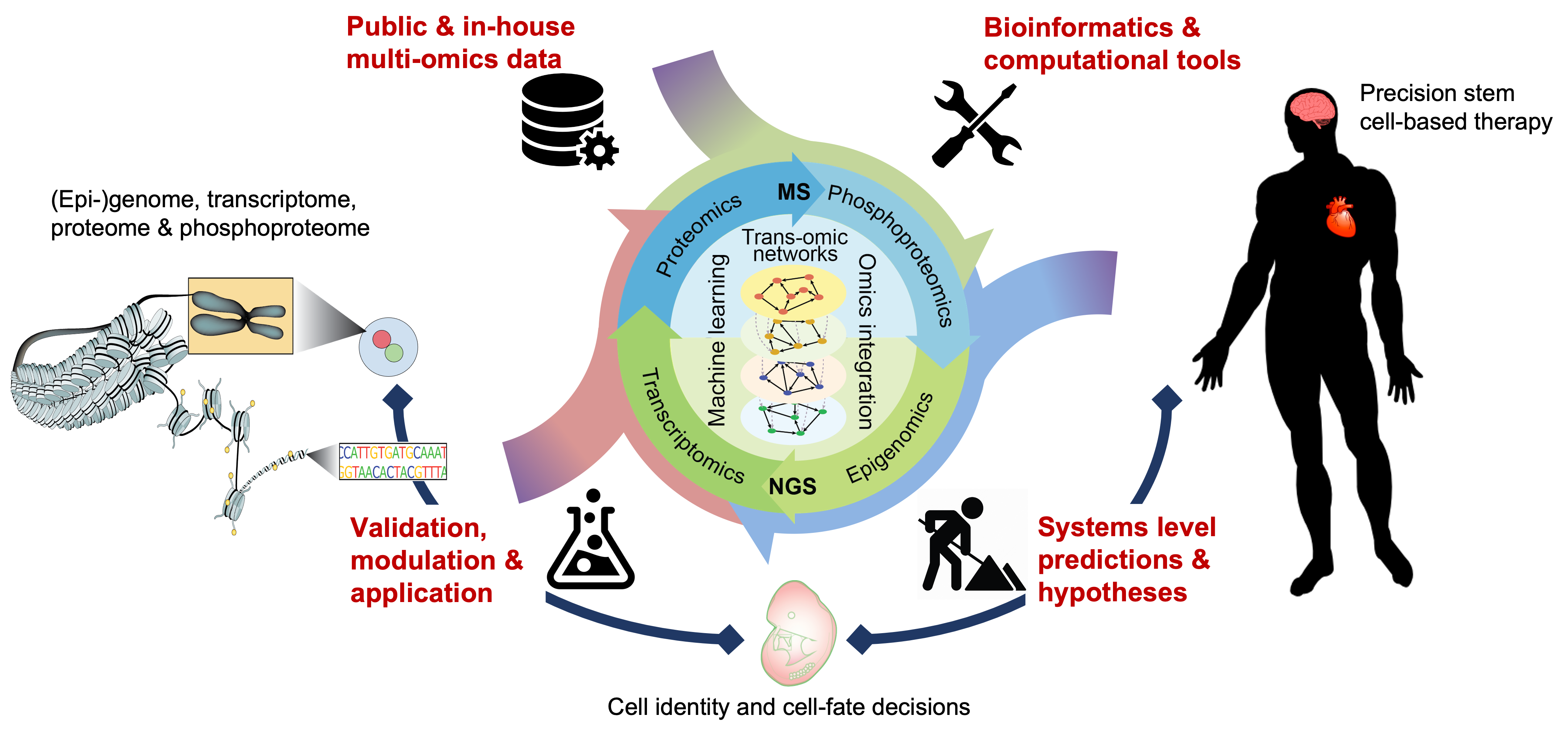
Pengyi Yang is an Associate Professor and University of Sydney Robinson Fellow at the School of Mathematics & Statistics, University of Sydney. He leads the Computational Systems Biology group at the Charles Perkins Centre and holds a conjoint appointment as Unit Head of Computational Systems Biology at the Children's Medical Research Institute (CMRI). His research focuses on computational approaches to understand trans-regulatory networks in stem cells and their applications in regenerative medicine. Yang holds a Ph.D. and has been recognized with awards such as the National Stem Cell Foundation Metcalf Prize (2021). His research spans computational systems biology, machine learning for bioinformatics, and spatial/single-cell omics analysis. Key projects include modeling pluripotency transitions, developing stem cell-derived organoids, and creating computational tools for phosphoproteomics and multi-omics integration. Collaborations include international initiatives like the Laboratory of Data Discovery for Health (InnoHK). Yang advises multiple PhD students and leads grants on topics like stem cell-derived brain organoids and embryonic development modeling. His lab develops tools like Cepo, PhosR, and CiteFuse for omics data analysis. He teaches data science and molecular systems biology at the University of Sydney.
Lars Andreas Akslen is a Professor at the Department of Clinical Medicine, University of Bergen, and serves as the Centre Director of CCBIO (Centre for Cancer Biomarkers). He is based at Haukeland University Hospital and leads a major translational cancer research group focused on biomarker discovery and validation. Position: Professor, Centre Director of CCBIO Institution: University of Bergen Department: Department of Clinical Medicine Location: Haukeland University Hospital, Bergen, Norway Email: lars.akslen@uib.no His research is centered on translational oncology, with a strong emphasis on identifying and validating novel biomarkers for improved biological classification and grading of malignant tumors. His work spans breast cancer , malignant melanoma , prostate cancer , and gynecologic cancers . By integrating human tumor sample analysis with experimental cell and animal models, his team aims to enhance the clinical utility of biomarkers in predicting aggressive tumor behavior and guiding personalized treatment strategies. The recent publications highlight a consistent focus on tumor microenvironment, immune biomarkers, imaging mass cytometry, AI in diagnosis, and age-related phenotypes in cancer. There is a strong trend towards high-dimensional spatial profiling and integration of molecular and clinical data to refine prognostic and predictive models. Lars Andreas Akslen has no listed scientific awards in the provided text. He leads the Tumor Biology Research Group (established in 1995) and the CCBIO center, indicating significant mentorship and leadership in cancer research. While specific students are not listed, his extensive collaboration network suggests active supervision of PhD and postdoctoral researchers. No specific grants are mentioned, but leadership of a national research center implies substantial funding acquisition. He is affiliated with CCBIO and the Tumor Biology Research Group, both based at the Department of Clinical Medicine, University of Bergen, and operating from Haukeland University Hospital. These teams focus on translational cancer biomarker research using advanced molecular and imaging technologies.
Marie Carlén is a Professor of Neuronal Networks at the Department of Neuroscience, Karolinska Institutet, where she leads the Neural Circuits of Cognition research group. Her work focuses on the prefrontal cortex (PFC), a brain region central to cognitive functions such as attention, decision-making, working memory, and goal-directed behavior. She employs cutting-edge techniques including optogenetics, large-scale electrophysiology, calcium imaging, and circuit tracing in rodent models to unravel the cellular and circuit mechanisms underlying cognition and their disruption in psychiatric disorders. Her academic journey began with a Ph.D. in medicine from Karolinska Institutet in 2005, followed by postdoctoral training at MIT’s Picower Institute under Professor Li-Huei Tsai. She returned to Karolinska Institutet in 2010 and was promoted to full Professor in 2022. She is also a Docent (2017) and has held prestigious fellowships including ERC Starting Grant and Wallenberg Scholar (2019, 2024). Marie Carlén's research spans systems and cellular neuroscience, with a strong emphasis on inhibitory interneurons (especially parvalbumin-expressing cells), neural oscillations, and PFC-striatum interactions. Her recent publications reveal a consistent focus on decoding prefrontal circuit dynamics, the role of specific neuron types in cognition, and comparative brain architecture. She collaborates extensively with her partner, Konstantinos Meletis, also a KI researcher. She has been recognized with numerous scientific honors: Member, Nobel Assembly at Karolinska Institutet (2025–) Member, The Royal Swedish Academy of Sciences (2024–) Wallenberg Scholar (2024, 2019) ERC Starting Grant (2013) Wallenberg Academy Fellow (2012) NARSAD Young Investigator Awards (2010, 2008) She actively mentors students and researchers, with open applications welcomed to her lab. Her work is supported by major grants, including from the Knut and Alice Wallenberg Foundation, enabling high-risk, high-reward research in brain function and disease. Her lab investigates the functional definition of the prefrontal cortex across species, develops novel tools for neural recording, and explores circuit imbalances in conditions like autism and schizophrenia. She is a strong advocate for ethical animal research and promotes gender equality in science.
Xavier Darzacq is a Professor of Molecular Therapeutics at the University of California, Berkeley, holding the Edward E. Penhoet Distinguished Endowed Chair in Global Health and Infectious Disease. His research at the intersection of molecular biology and biophysics focuses on understanding how nuclear organization governs transcription regulation during cellular differentiation. Research Highlights: Investigates transcriptional control via non-canonical mediator complexes in fibroblast-to-myofibroblast differentiation. Develops advanced imaging techniques (single-molecule tracking, 3D FISH) to study transcription factor mobility and chromatin interactions. Proposes biophysical models where protein diffusion in the nucleus is guided by DNA/chromatin networks. Technological Innovations: Pioneered methods for single-molecule tracking and super-resolution imaging, enabling nanoscale and millisecond-resolution analysis of nuclear processes. Collaborates with experts in biophysics, chemistry, and imaging to integrate multidisciplinary approaches. Scientific Awards: Edward E. Penhoet Distinguished Endowed Chair (Global Health and Infectious Disease) Nature Structural & Molecular Biology – Selected Article of the Month (2007) His lab (http://tjian-darzacq.mcb.berkeley.edu/) explores how nuclear architecture influences gene expression, particularly in wound healing contexts. Future work aims to leverage advancements in microscopy and genome editing to unravel transcriptional rules in living organisms.
Emily Bayer is appointed as Assistant Professor of Neural Science and Biology at New York University, commencing January 2026. Her research program investigates neural mechanisms of visceral sensation and behavioral outputs, with emphasis on fertility status and sex differences using C. elegans and D. cerebrum (zebrafish) models. Her educational background includes: Ph.D. in Biological Sciences, Columbia University (2019) B.S. in Biology/German, Muhlenberg College (2014) Dr. Bayer's research explores how internal bodily sensations (visceral sensation) modulate behavior and environmental interaction, focusing on molecular and anatomical sex differences in neural circuits. Her lab examines how fertility status influences behavior through genetic and neural mechanisms, revealing conserved principles of neural circuit organization. Key approaches include C. elegans genetics, zebrafish neuroimaging, and behavioral analysis to dissect how reproductive state and sex converge in brain function. Analysis of her recent publications (2025-2016) demonstrates a cohesive focus on sexual dimorphism in neural development and behavior, with increasing integration of genomic and connectomic methodologies. Her work spans molecular genetics, neural circuit mapping, and behavioral phenotyping, consistently highlighting sex-specific differences in neural wiring and function across model organisms. Her scientific recognition includes: Research Fund for Excellent Junior Researchers (University of Basel, 2025) Jane Coffin Childs Memorial Fund for Medical Research Fellowship (2021-2023) Dr. Bayer has secured competitive fellowships supporting her independent research program. Her lab establishes innovative frameworks for studying visceral sensation-behavior relationships, with current work emphasizing monoaminergic signaling in experience-dependent neural plasticity and the role of conserved transcription factors in sexually dimorphic development. Future directions include expanding to vertebrate models to investigate evolutionary conservation of these mechanisms. She leads a research team utilizing C. elegans and zebrafish to dissect neural circuits underlying internal sensation, with particular focus on how fertility signals modulate social and mating behaviors through sex-specific neural pathways.
Associate Professor Simon McIlroy is a microbial ecologist at Queensland University of Technology's Faculty of Health, School of Biomedical Sciences , specializing in visualization and characterization of microorganisms in their natural environments. PhD in Microbiology from La Trobe University Postdoctoral research at Aalborg University's Centre for Microbial Communities Senior Postdoctoral Fellow at University of Queensland's Australian Centre for Ecogenomics Current ARC Future Fellow at QUT's Centre for Microbiome Research His research combines meta-omics and single-cell visualization to investigate anaerobic methanotrophic archaea in freshwater sediments, focusing on: Novel respiratory strategies in archaeal lineages Methane oxidation biogeochemical cycles Environmental microbiology of wastewater systems Microbial community imaging techniques Recent publications demonstrate expertise in: Fluorescence in situ hybridization Multi-heme cytochrome functions Iron-methane redox interactions Protozoal-microbiome dynamics Viral ecology in marine systems Microbial life cycle analysis Scientific recognition includes: ARC Future Fellow for methane-oxidizing archaea research Available for supervision in areas including: Strain-level microbiome characterization Fluorescence microscopy applications Adaptive evolution of methanotrophic archaea Cell sorting and confocal microscopy
Dr. Jing Zhang is an Assistant Professor in the Department of Computer Science at the University of California, Irvine (UCI), affiliated with the Donald Bren School of Information and Computer Sciences. She holds a Ph.D. in Electrical Engineering and Molecular/Computational Biology from the University of Southern California (2012) and completed postdoctoral training in Computational Biology at Yale University. Her research focuses on developing computational methods to unravel gene regulation mechanisms and link genetic variations to diseases, particularly in noncoding regions of the genome. She has contributed extensively to the ENCODE project, co-authoring pivotal studies in Nature and producing over 5,900 experimental datasets. Dr. Zhang’s work bridges engineering, mathematics, and biology, with applications in precision medicine for cancers and psychiatric disorders. She emphasizes the importance of noncoding DNA in disease causation and has pioneered tools like EN-TEx and scENCORE to analyze epigenomes and regulatory elements. Her lab actively seeks to recruit Ph.D. students, postdocs, and interns to advance genomic technologies. Key research areas include single-cell and spatial transcriptomics, gene regulatory networks, and computational methods for multi-omics data integration. Despite pandemic-related challenges, she maintains strong collaborations and teaches courses in bioinformatics. Her future goals include expanding lab interactions and applying computational models to predict disease susceptibility and treatment responses.
Dr. Karol Nowicki-Osuch is a Group Leader at the German Cancer Research Center (DKFZ) , leading a research group focused on tumorigenesis and molecular cancer prevention. His work emphasizes understanding early stages of gastrointestinal tumor development using multimodal techniques like single-cell RNA sequencing, organoid models, and spatial transcriptomics. Key research areas include the molecular mechanisms underlying Barrett's esophagus, gastric intestinal metaplasia, and the transition to adenocarcinoma. Collaborations span institutions in Germany, Poland, the UK, and the US. His team investigates how normal epithelial cells lose molecular identity and progress to precancerous states. Notable achievements include demonstrating that esophageal adenocarcinoma originates from gastric tissue and identifying novel mutational signatures using the mutREAD method. Current projects aim to develop early cancer detection strategies and in vivo models of tumor progression. Dr. Nowicki-Osuch supervises PhD students and employs cutting-edge technologies such as spatial transcriptomics and organoid platforms. His lab integrates computational biology with experimental approaches to address gaps in understanding clonal evolution and somatic mutations in gastroesophageal cancers.
Rui Ponte Costa is an Associate Professor at the University of Oxford's Department of Physiology, Anatomy & Genetics (DPAG). He leads the Neural & Machine Learning group, focusing on computational models of learning in the brain by integrating AI principles. His research emphasizes cortical circuits, neuromodulation, and subcortical regions to understand credit assignment mechanisms. He holds a PhD in Computational Neuroscience and Machine Learning from the University of Edinburgh and has held postdoctoral positions at the University of Oxford, University of Bern, and McGill University. His group's work bridges theoretical and experimental neuroscience, collaborating with institutions like MILA and Google DeepMind. Education: Bachelor's in Computer Science, University of Coimbra (Portugal) PhD in Computational Neuroscience, University of Edinburgh (UK) Research Interests: Neural mechanisms of learning and plasticity Machine learning inspired by biological systems Cerebro-cerebellar interactions Neuromodulatory systems' role in reinforcement learning Collaborators include Christopher Summerfield, Timothy Behrens, and Yarin Gal. His lab's work has been published in Nature Communications , Cell Reports , and top machine learning venues. He co-organizes the Oxford NeuroTheory Forum and has pioneered models explaining cortical dynamics in task acquisition and consolidation. Advising and Grants: No specific grants listed, but active in collaborative research networks. Advising focuses on PhD students in computational neuroscience and AI. Labs/Teams: Neural & Machine Learning Group at DPAG, part of Oxford's broader neuroscience and AI ecosystem.