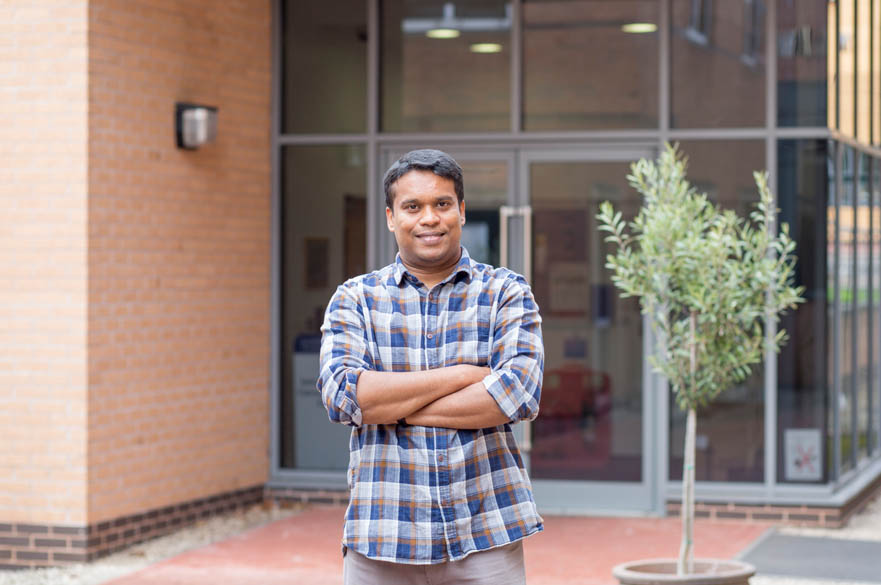
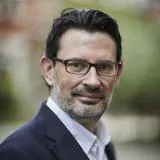
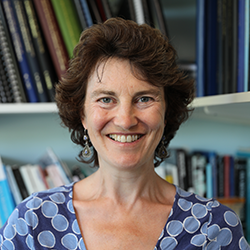
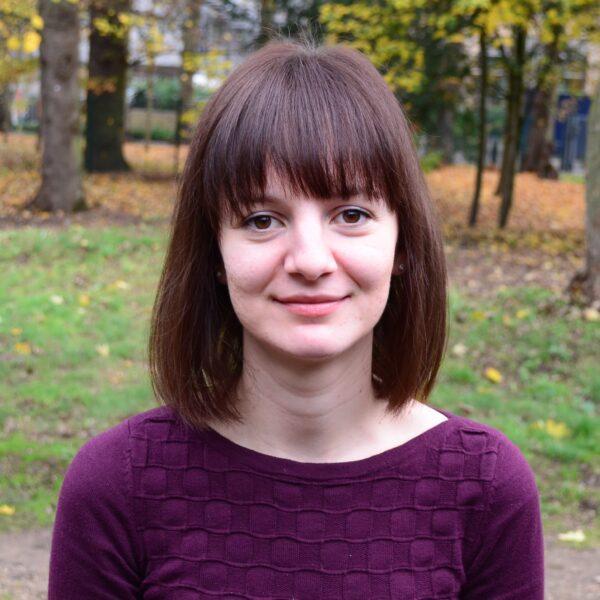
Dr. Jayakumar Vadakekolathu is a Senior Research Scientist at the John van Geest Cancer Research Centre, Nottingham Trent University. He specializes in molecular characterization of tumor microenvironment (TME) in cancers like AML, breast cancer, and colorectal cancer using single-cell/spatial transcriptomics and next-generation sequencing. Current Research: TME interactions in immune evasion, metastasis, and epigenetic regulation via PMTs in adipose-rich breast tumors Key Technologies: NanoString GeoMx, 10X Chromium/Xenium, Illumina sequencing Collaborations: University of Nottingham, Harvard, Ohio State, and European institutions His publications focus on immune gene signatures, cytokine networks, and spatial profiling in cancer. He supervises graduate students and manages advanced genomics platforms. No scientific awards were mentioned in available texts.
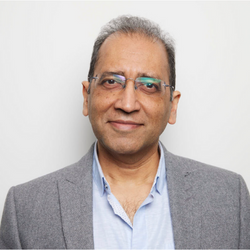
Professor Sanjay Sinha is a British Heart Foundation Senior Research Fellow and Professor in Cardiovascular Regenerative Medicine at the University of Cambridge. Based at the Cambridge Stem Cell Institute and affiliated with the Department of Medicine, he combines clinical cardiology practice at Addenbrooke’s Hospital with pioneering research in stem cell-based cardiovascular therapies. Cambridge Stem Cell Institute - Principal Investigator Department of Medicine - Faculty Member Addenbrooke’s Hospital - Consultant Cardiologist His research focuses on: Developing lineage-specific cardiovascular cell types from human pluripotent stem cells Creating "disease-in-a-dish" models for Marfan and Loeys-Dietz syndromes Engineering collagen-based myocardial patches for heart repair Multiomic mapping of human heart development Investigating smooth muscle cell heterogeneity in aortic diseases Exploring SARS-CoV-2 cardiac infection mechanisms Scientific Awards: British Heart Foundation Senior Research Fellowship The Sinha Group at Cambridge Biomedical Campus includes diverse researchers working on stem cell differentiation, disease modeling, and cardiac bioengineering. Their work has been published in top journals including Nature Biotechnology, Nature Cardiovascular Research, and Development.
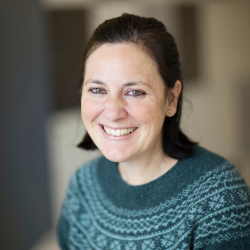
Dr. Mekayla Storer is a Group Leader at the Wellcome-MRC Cambridge Stem Cell Institute and affiliated with the University of Cambridge's Department of Physiology, Development and Neuroscience (PDN). She specializes in stem cell biology and limb regeneration, focusing on digit tip regeneration mechanisms in mammals. Her research employs single-cell transcriptomics and genetic lineage tracing to study blastema formation and cell coordination during regeneration. Education: PhD from the Centre for Genomic Regulation (Barcelona, Spain) under Dr. Bill Keyes. Postdoctoral training at the Hospital for Sick Children (Toronto, Canada) with Drs. Freda Miller and David Kaplan. Current lab members include Lauren Connolly, Camille Dumas, and others. Research interests center on understanding how bone-associated cells contribute to blastema formation and regeneration, with a focus on hyaluronic acid's role in tissue mechanics. Her work bridges developmental biology and regenerative medicine, exploring evolutionary origins of regenerative capacity. Publications highlight breakthroughs in digit tip regeneration mechanisms, embryonic limb cell mapping, and senescence's role in development. Collaborations span stem cell biology, developmental genetics, and tissue engineering. No awards listed in provided texts. Labs/Teams: The Storer Group at the Cambridge Stem Cell Institute conducts interdisciplinary research using in vitro blastema cultures, single-cell analysis, and in vivo models to advance regeneration science.
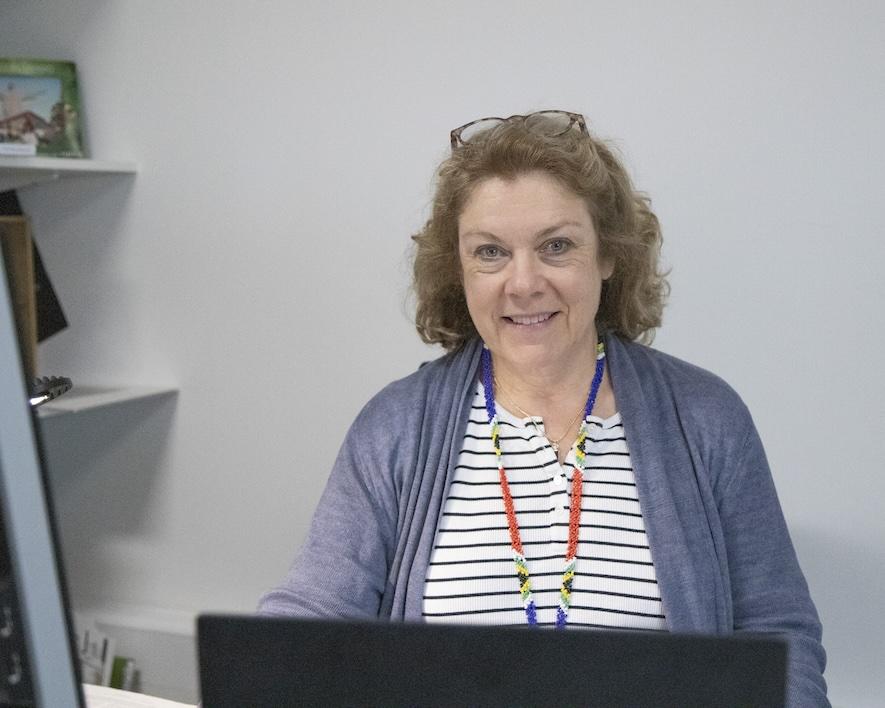
Kathryn Lilley is a Professor in the Department of Biochemistry at the University of Cambridge, affiliated with the Cambridge Centre for Proteomics and the Milner Therapeutics Institute. Her research focuses on developing and applying proteomic technologies to study the dynamic proteome and transcriptome in cells, including spatial proteomics and RNA-protein interactions. Her work addresses mechanisms of cellular processes such as differentiation, stress responses, and disease. Her research group develops methods for high-throughput measurement of protein abundance, localization, post-translational modifications, and interactions. Key areas include studying the spatial distribution of the transcriptome, RNA-protein complexes, and the interplay between proteome and transcriptome dynamics. Collaborations with academic and industrial partners enhance applications in drug discovery and disease modeling. Key methodologies include hyperLOPIT, LOPIT-DC, and orthogonal organic phase separation (OOPS) for comprehensive proteomic and transcriptomic analysis. Lilley’s group also explores the functional implications of protein localization and RNA-protein interactions in contexts like cancer, metabolic disorders, and viral infections.
Professor Oscar Marín is a leading academic in Neuroscience at King's College London, serving as Director of the Centre for Developmental Neurobiology and the MRC Centre for Neurodevelopmental Disorders. His research focuses on cortical interneuron development and its implications for psychiatric disorders like autism and schizophrenia. He holds prominent roles, including leadership in the Institute of Psychiatry, Psychology & Neuroscience (IoPPN), and oversees major initiatives such as the MRC PhD Fellowship Programme and the Wolfson Foundation-funded Centre for Human Brain Development. His work bridges basic science and clinical applications, with significant contributions to understanding neurodevelopmental mechanisms. Key awards include the FENS-EJN Award 2024 and the ECNP Neuropsychopharmacology Award 2023. He collaborates with institutions like Yale University and leads high-impact projects funded by the Wellcome Trust and Simons Foundation. His research spans molecular mechanisms of neuronal migration, interneuron function, and translational studies on auditory hallucinations in psychosis.
Martin Swain is a researcher at the Institute of Biological, Environmental & Rural Sciences (IBERS) at Aberystwyth University. He holds a PhD and has contributed to bioinformatics, genomics, and computational biology since 2008. Active in bioinformatics infrastructure development Specializes in high-performance computing for biological data Collaborates across disciplines (parasitology, agriculture, microbiology) His research focuses on analyzing large biological datasets from diverse organisms: Genome sequencing: tsetse fly, Biomphalaria, sheep, Schistosoma Transcriptomics: snake venom, red clover, arthropod neuropeptides Metagenomics: limpet guts, cryoconite Epigenetics: DNA methylation in flatworms Recent publications (2021-2025) emphasize: Parasitic disease mechanisms (Cryptosporidium, Schistosoma) Computational methods for sequence analysis Cross-disciplinary applications (ceramics in physiotherapy) Microbiome and rumen systems biology
Allison Barry (BSc, MSc, DPhil) is a Canadian-British-German pain neurobiologist currently conducting postdoctoral research at the University of Vienna and University of Texas at Dallas . Formerly a DPhil student at University of Oxford under Prof. David Bennett and Prof. Georgios Baskozos, she specializes in multi-omics approaches to pain pathophysiology, focusing on dorsal root ganglia (DRG) proteomics , spatial compartmental profiling , and iPSC-derived nociceptor modeling . Her work is rooted in open science advocacy and chronic migraine patient perspectives. Education: BSc Neuroscience (2015), Dalhousie University MSc Neurosciences (2017), Max Planck Institute/University of Göttingen DPhil Ion Channels & Disease (2022), University of Oxford Research Focus spans neuropathic pain mechanisms , multi-omics data integration , and sex-specific pain pathways . She employs spatial proteomics , proximity labeling , and synaptosome profiling to dissect sensory neuron subtypes in disease contexts. Her lab-generated DRG Directory database hosts processed sequencing datasets for community reuse. Publication Trends reveal interdisciplinary work bridging neuroscience with bioinformatics , emphasizing TNFα signaling , NKG2D ligand discovery , and neuroimmune interactions . Her methodological critiques (e.g., limitations of silhouette scores in single-cell analysis) highlight rigor in computational pain research . Grants & Collaborations: Funded by NIH, Wellcome Trust, and former Medical Research Council/NSERC support, she collaborates with teams across Harvard , King’s College London , and MDC Berlin . Her work intersects with open science movements and chronic migraine advocacy . Labs & Networks: Previously affiliated with Oxford’s Neural Injury Group, she now contributes to Vienna’s Starkl Lab (immunology focus) and Dallas’ WeirLab (chronic pain reversal strategies). She actively engages with global consortia like Bioconductor and PAIN Journal editorial initiatives.
Sarah Gooding is a Clinician Scientist at the University of Oxford , affiliated with the Chapman Group (Recombination Mechanisms in Immunity and Cancer) since 2021. She also holds an honorary consultant role in the Oxford University Hospitals Haematology Department . Her research bridges clinical practice and genomics to address multiple myeloma 's drug resistance and poor patient outcomes , with a focus on genomic instability and clonal evolution . Academic Rank: Physician Scientist Key Institutions: University of Oxford (WIMM), Oxford University Hospitals Research Themes: Cancer Genomics, Precision Medicine, Bone Marrow Microenvironment, Immune Interactions Her work integrates genetic analysis and transcriptomic profiling to uncover mechanisms of resistance to therapies like IMiDs and proteasome inhibitors , aiming to improve patient survival through personalized treatment strategies. Recent publications highlight her contributions to targeted sequencing , organoid modeling , and BMP signaling inhibition in myeloma. Despite her impactful research, no specific scientific awards are mentioned in the provided text. She has not been associated with formal student advising roles, though her leadership in clinical trials (e.g., TREATT) and multiomics platforms underscores her collaborative and translational approach.
Dr. Robert Knight is a Reader in Developmental Genetics at King’s College London, affiliated with the Centre for Craniofacial & Regenerative Biology and Faculty of Dentistry, Oral & Craniofacial Sciences. He obtained his PhD in Molecular Evolution from the University of Reading in 2000, followed by postdoctoral work at UC Irvine and University of Sheffield, focusing on AP-2 genes, neural crest, and cranial muscle development in zebrafish. His research explores molecular regulation of muscle regeneration and stem cell behavior, combining live imaging, transcriptomics, and zebrafish models. Key findings include the role of Ret tyrosine kinase in facial muscle development and FSHD therapy, RhoA coupling migration/differentiation, and NF-κB in macrophage function during repair. Collaborations span systems biology (Dresden), physiology (Amsterdam), and macrophage signaling (Lyon). Recent publications highlight trends in muscle stem cell dynamics , signaling pathways (Wnt, Notch, Ret), and age-related regeneration . His work aligns with SDGs via health (musculoskeletal diseases) and innovation (AI in biosciences, multiphoton microscopy). Scientific Awards: BBSRC Project Award MDUK Studentship NC3Rs Studentship Royal Society Partnership Award Carl Zeiss Collaboration Current projects address DUX4-activated Ret in FSHD, chromatin organization in aging, and macrophage-stem cell interactions . He leads grants from BBSRC, Dunhill Medical Trust, and Leverhulme Trust.
Professor Rebecca Fitzgerald serves as Professor of Cancer Prevention, Head of the Department of Oncology, and Director of the Early Cancer Institute at the University of Cambridge. She leads the Cambridge Member Centre of the CRUK Alliance for Cancer Early Detection (ACED) and serves as NIHR Senior Investigator. Her clinical role includes Honorary Consultant in Gastroenterology at Cambridge University Hospitals and Director of Studies in Medicine at Trinity College, Cambridge. Her research focuses on cancer early detection with emphasis on gastrointestinal malignancies, particularly esophageal adenocarcinoma arising from Barrett's esophagus. She pioneered the Cytosponge technology – a non-endoscopic capsule sponge device for cellular collection and TFF3 biomarker analysis – now being implemented in UK primary care through NHS pilots. Her work integrates liquid biopsy , molecular diagnostics , and AI-driven analysis to develop population-level screening strategies. Analysis of her 2025 publications reveals dominant themes in real-world implementation of biomarker-based risk stratification (particularly for Barrett's esophagus surveillance), multi-cancer early detection using liquid biopsy, and advanced genomic approaches to predict cancer progression. The research spans technological development, clinical validation, and healthcare system integration. Order of the British Empire (OBE) Fellow of the Royal Society (FRS) Fellow of the Academy of Medical Sciences (FMedSci) NIHR Senior Investigator Honorary Fellow of the Royal Academy of Engineering She leads multiple major initiatives including the CRUK-funded ACED consortium, the OCCAMS cohort study, and BEST clinical trials program. Her team collaborates with industry partners like Cyted Health (recently securing $44M funding) to translate discoveries into clinical practice. Current work focuses on scaling non-endoscopic screening technologies across the NHS and developing multi-cancer detection platforms.
Sian Faustini is a Research Fellow at the University of Birmingham's Institute of Immunology and Immunotherapy within the College of Medical and Dental Sciences. Her research focuses on translational immunology with emphasis on vaccine responses, infectious diseases, and diagnostic development. Her educational background includes a Doctor of Philosophy in Immune responses to pneumococcal immunisation in HIV-infected adults from the University of Birmingham (awarded 2018), a Master of Research in How does CD8 loss impact the immune response to systemic Salmonella infection (2013), and a Bachelor of Science in Cellular Co-receptors required for HIV-1 entry from Washington College (2009). Dr. Faustini's research spans multiple critical areas including SARS-CoV-2 immunology, HIV vaccine responses, autoantibody detection in diabetes, and lateral flow diagnostic development. Her work integrates cellular immunology with clinical applications, particularly examining T cell responses in infectious disease contexts and developing point-of-care diagnostic tools. Current projects focus on maternal vaccination, rapid saliva testing for vaccine monitoring, and monoclonal gammopathy surveillance. Her publication record shows consistent productivity with 79 research outputs including 58 articles, with significant recent contributions in 2024-2025 focusing on multi-omic approaches to COVID-19 pathogenesis, T cell regulation in liver disease, and innovative diagnostic platforms. Her research demonstrates strong interdisciplinary collaboration across immunology, diagnostics, and clinical medicine. British Society for Immunology Travel Grant (2018) British Society for Immunology Travel Grant (2019) BSI Communicating Immunology Public Engagement Award (2019) BSI Early Career Researcher Grant (2023) BSI Travel Grant (2024) Dr. Faustini serves as Co-Investigator on multiple major research projects including IRONMUM (maternal vaccination), MPXV serosurveillance, Diabetes 4ward, and rapid saliva testing for LMICs. Her collaborative activities include the FLARE Investigators network and PITCH Consortium. She has presented at significant venues including the Multiplex Immunoassay Network Meeting and chaired sessions for visiting researchers.
Mirjana Efremova is a Senior Lecturer and Group Leader at Queen Mary University of London, affiliated with the Centre for Cancer Evolution. She leads the Efremova Lab (www.efremovalab.org) and contributes to the Cancer Genomics & Data Sciences MSc Programme at Barts Cancer Institute. Her research focuses on cancer cell plasticity and molecular circuits driving metastasis , with expertise in single-cell omics , cell-cell communication , and computational analysis . Key areas include tumour microenvironment dynamics, therapy resistance mechanisms, and metastatic niche adaptation. 2023-2029: CRUK Career Establishment Award (£1,043,000) 2022: Leukaemia UK John Goldman Fellowship (£150,000) 2021-2024: Chan Zuckerberg Initiative Single-Cell Multi-omic and Spatial Cell Atlas of Pediatric Skin 2020-2023: Barts Charity Grant for Melanoma Metastasis Research Her work integrates single-cell technologies with computational modeling to study cellular interactions in metastatic cancers, particularly colorectal, melanoma, and pancreatic tumors. The lab employs advanced imaging, bioinformatics, and systems biology approaches to unravel therapeutic resistance mechanisms.
Lorenzo Ressel serves as Lecturer in Veterinary Pathology at the University of Liverpool, where he has been a core faculty member since 2011. A diplomate of the European College of Veterinary Pathologists (DipECVP) since 2015 and Fellow of the Higher Education Academy (FHEA), he directs the Immunohistochemistry and Electron Microscopy Services while teaching anatomic pathology with emphasis on neoplasia. His educational foundation includes a veterinary degree (2005) and PhD (2009) from the University of Pisa, where his dissertation explored PTEN protein expression in canine and feline mammary tumours. This early work established his expertise in comparative tumour biology that continues to inform his research. Professor Ressel's research spans veterinary pathology with dual emphases: traditional diagnostic pathology (particularly immunohistochemistry for tumour grading) and cutting-edge computational approaches. His recent publications reveal a strategic pivot toward integrating artificial intelligence and natural language processing into veterinary diagnostics, while maintaining active work in forensic pathology and regenerative medicine. This interdisciplinary focus positions him at the forefront of digital transformation in veterinary medicine. Analysis of his 2025 publications shows strong momentum in AI applications, with multiple papers establishing methodological frameworks for computational pathology. His work bridges species-specific veterinary challenges with broader diagnostic innovation, particularly in image analysis standardization and 3D visualization techniques for both educational and diagnostic purposes. Eusropean Society of Veterinary Pathology (ESVP) Oral presentation Award (2013) European Society of Veterinary Oncology (ESVONC) Junior Research Award (2009) Professor Ressel actively supervises postgraduate research through multiple funded projects including Kidney Research UK studies on regenerative therapies and Horserace Betting Levy Board investigations into equine pulmonary diseases. His grant portfolio demonstrates successful translation of basic research into clinical applications, with particular strength in securing competitive European and UK funding. The Immunohistochemistry Service he developed serves as a critical nexus between diagnostic practice and research innovation. As head of the Immunohistochemistry and Electron Microscopy Services, Professor Ressel oversees integrated diagnostic and research operations that handle hundreds of cases annually. These services provide the foundation for his methodological innovations while supporting the University of Liverpool's veterinary hospital and research community, creating a dynamic environment where diagnostic challenges directly inform research priorities.
Sarah Salisbury is a Postdoctoral Research Fellow at The Roslin Institute, University of Edinburgh, affiliated with The Royal (Dick) School of Veterinary Studies. She works within the Division of Translational Bioscience's Aquaculture division as a key member of the Robledo Group. Her research focuses on salmonid genomics with emphasis on: Genetic mechanisms of sea lice resistance across salmon species Evolutionary genomics of Arctic charr morph differentiation Applications of single nuclei RNAseq and spatial transcriptomics Translating genomic findings to aquaculture breeding programs Dr. Salisbury's work bridges fundamental evolutionary biology with practical aquaculture solutions, targeting one of the industry's most persistent challenges—sea lice infestations. Her background in both wild population genetics and controlled aquaculture environments provides a unique perspective on trait conservation and improvement. Her academic journey includes: BSc (Honours) Marine and Freshwater Biology, University of Guelph (2009-2013) MSc Biology, Dalhousie University (2013-2015) PhD Biology, Dalhousie University (2016-2021) Research Fellow in Aquaculture, Roslin Institute (2022-Present) Outside her research, she maintains interests in baking, science fiction literature, ancient Greek art, hiking, and powerlifting, demonstrating a balanced approach to academic life.
Professor Stefano Fedele is Professor of Oral Medicine at University College London's Eastman Dental Institute, where he serves as Head of Department of Clinical Research (since 2015), Deputy Head of Research Department (since 2015), and Programme Director of the MSc in Oral Medicine (since 2008). His work focuses on advancing clinical evidence in oral medicine through rigorous research methodologies and patient-centered approaches. His educational background includes a Doctor in Dental Medicine (1998), Certificate in Oral Medicine (2000), Diploma in Oral Medicine (2002), and PhD (2005), all from the University of Naples, Italy. His formal qualifications establish a strong foundation in both clinical practice and academic research in oral medicine. Professor Fedele's research spans four primary domains: clinical development and testing of diagnostics and therapeutics, high-quality observational clinical studies, patient-related outcome measures, and establishment of large tissue collections relevant to oral diseases. His specific research interests include developing new therapeutics for salivary gland dysfunction, creating non-invasive point-of-care diagnostics for oral cancer, investigating genetic predisposition to medication toxicity, and repurposing therapies for oral cancer chemoprevention. His observational studies focus on jaw osteonecrosis, medication-related complications, and chronic immunologically-mediated oral diseases. Analysis of his 15 most recent publications (2023-2025) reveals a strong emphasis on patient-centered outcomes in oral epithelial dysplasia, innovative approaches to osteoradionecrosis treatment, and development of novel diagnostic tools for oral cancers. His work consistently incorporates patient perspectives and clinical applicability, with recent publications including protocol development for the RAPTOR trial on mandibular osteoradionecrosis and multiple studies examining patient information needs regarding oral dysplasia. As an educator, Professor Fedele is deeply committed to high-quality teaching and serves as Programme Director for the MSc in Oral Medicine at UCL. He regularly lectures at national and international conferences and has extensive experience with examinations, having served as Chair of the Board of Examiners for the MSc in Oral Medicine. His teaching philosophy emphasizes delivering up-to-date, interactive, and engaging educational content to diverse audiences ranging from small groups to large conferences with over 300 participants. His leadership extends to directing the Oral Medicine Unit at UCL Eastman Dental Institute, where he oversees clinical research initiatives and maintains active involvement in the NIHR UCLH Biomedical Research Centre (serving as Programme Lead for Oral Health & Disease from 2017-2022). Professor Fedele's collaborative network spans multiple institutions and research teams focused on advancing the field of oral medicine through evidence-based practice and innovative clinical research.