Carl Regnéllمشاهده پروفایل
مدرس ارشد
- Quaternary Geology
- Glacial History
- Climate History
- +۷ مورد دیگر
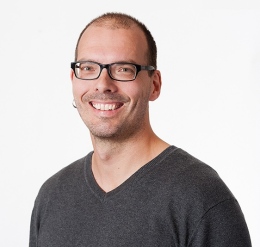
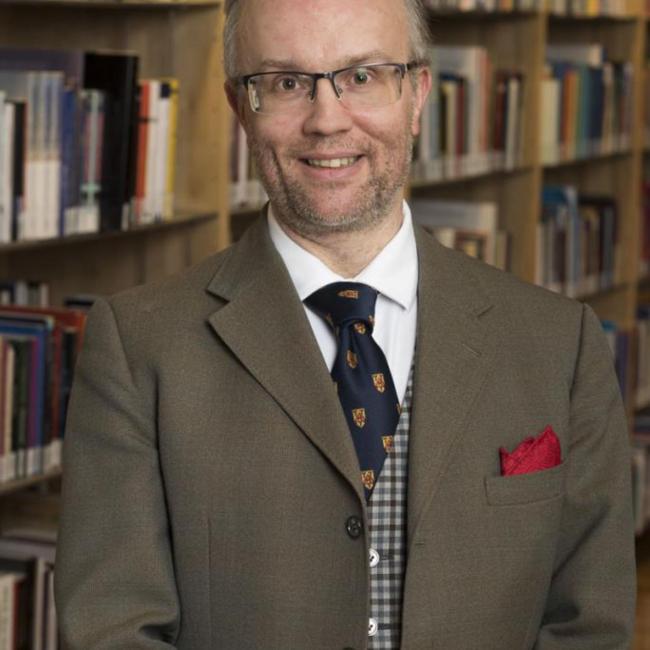
Carl Regnéll is a Senior Lecturer in Geosciences at Kristianstad University's Faculty of Natural Sciences, Department of Environmental Sciences, where he leads the Sustainable multifunctional landscapes (SMULA) research group. With a PhD and an h-index of 7 based on 205 citations, he has published 41 research outputs with significant activity in recent years, including 12 publications in 2024 and 2 in 2025. His educational background includes advanced training in Quaternary geology and geoscience methodologies, though specific degrees are not detailed in the available information. His research focuses on glacial and climate history during the last ice age cycle with particular emphasis on Scandinavian landscape development. Dr. Regnéll employs a wide range of methods including sediment sampling from terrestrial climate archives, geomorphological and sedimentological mapping, and spatial analyses using Geographic Information Systems (GIS). His laboratory work involves analyzing sediment geochemical and physical properties through techniques like grain size analysis, loss on ignition (LOI), X-ray fluorescence (XRF), and computed tomography (CT scan). For dating, he utilizes carbon-14 dating of macrofossils, cosmogenic exposure dating, tephrachronology, optically stimulated luminescence (OSL), and Uranium-Thorium dating. His recent publications reveal a strong focus on ice sheet dynamics, deglaciation processes, and landscape evolution in Scandinavia, with particular interest in ice-dammed lakes, varve chronology, and sedimentary ancient DNA applications. These works span disciplines including glaciology, geomorphology, paleoclimatology, and Quaternary science, with specific attention to methodological advances in dating techniques and multi-proxy sediment analysis. Dr. Regnéll currently leads two major research projects: The role of ice-dammed lakes in ice sheet demise (2021-2025) and Ice Age pioneers – Sediment DNA provides new knowledge about our oldest ecosystems (2023-2025). His academic service includes peer review for journals like Quaternary Science Reviews and Norwegian Journal of Geology, participation in the Geological Society of Sweden, and organization of scientific events such as the Processes and Palaeo–Environmental Changes in the Arctic conference in 2024. At Kristianstad University, he teaches geosciences and geographic information systems (GIS), contributing to education in earth sciences and environmental studies. His research aligns with UN Sustainable Development Goals related to environmental protection and climate action.