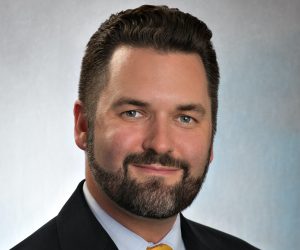
Dr. Owen Rackham is an Associate Professor in Systems Biology at the University of Southampton, jointly appointed since 2020. He holds a PhD in Complexity Sciences and previously served as an MRC Career Development Fellow at Imperial College London (2012–2015) and Senior Research Fellow at Duke-NUS Medical School (2015–2016). He co-founded Mogrify Ltd., a cell therapy spin-out company commercializing his computational tools for cell reprogramming. His research focuses on integrating computational approaches with experimental biology to understand cellular reprogramming and disease mechanisms. Key areas include: Cell fate control via computational modeling High-throughput sequencing analysis Data-driven drug discovery Current projects involve: AI-driven cell-type expansion (BBSRC-funded) Epigenetic mechanisms in early-life adversity Multidisciplinary spatial biology platforms He leads the Cell and Molecular Medicine theme at the Alan Turing Institute and has published extensively in top journals like Nature and Nature Machine Intelligence. His work has led to patent applications and licensing partnerships.
Andres Vallejo Pulido is an Associate Professor at the University of Southampton, specializing in computational biology and systems immunology. His research focuses on single-cell transcriptomics and spatial transcriptomics to study infectious diseases (tuberculosis, COVID-19) and cancers. He leads interdisciplinary projects bridging experimental and computational approaches, collaborating with industry partners like GlaxoSmithKline. His lab develops novel methods for drug screening and diagnostic biomarker discovery. Key affiliations: University of Southampton Research groups: Innate Immunity Research interests include bioinformatics, next-generation sequencing, and method development for drug screening. Current projects address immunosuppressive microenvironments in blood cancer, spatial transcriptomics in atopic dermatitis, and immunotherapeutic targets for implantation disorders. He supervises four PhD students and actively accepts new applicants. Publications span high-impact journals like Science Immunology and Nature Communications , reflecting expertise in transcriptomics, immune cell biology, and disease mechanisms. His work emphasizes translational research to improve global health outcomes through innovative technologies.
Prof. Martijn Nawijn is a Professor in the Faculty of Medical Sciences at the University of Groningen, leading research in respiratory diseases at the Department of Pathology and Medical Biology. His work focuses on molecular mechanisms of asthma, COPD, and cystic fibrosis using single-cell omics and computational methods. He coordinates the Lung Bionetwork (Human Cell Atlas) and leads EU-funded consortia like discovAIR and RESPIRE-EXCEL. Nawijn has secured over €10M in grants, published >150 papers, and supervised 12 PhD students. He also chairs the Young Investigators Committee of the Dutch Society of Immunology and teaches immunology courses at BSc/MSc levels. Research Interests: Mechanisms of chronic respiratory diseases Single-cell and spatial -omics technologies Endotype identification via computational biology Translational strategies for precision medicine Notable Achievements: ERS mid-career Gold Medal (2023) Coordinator of Human Lung Cell Atlas (Nature Medicine 2023) €4.9M EU discovAIR grant (2018-2023) Grants & Teams: Supervises 10 current PhD students Multidisciplinary collaborations with clinicians, bioinformaticians, and industry partners Member of UMCG's Research Portfolio Management Team Labs/Teams: Leads the Groningen Research Institute on Asthma and COPD (GRIAC) and participates in international consortia advancing lung cell mapping and precision medicine.
Dr. Natalie Matosin is a Research Fellow and Director of the MINDS Lab (Mental Illness, Neurobiology, and Disorders of Stress) at the University of Sydney's Charles Perkins Centre. She holds prestigious fellowships, including the Sydney Horizon Fellowship and the Al & Val Rosenstrauss Rebecca L Cooper Medical Research Foundation Fellowship. Her research focuses on single-cell resolution analysis of brain cells to develop personalized therapies for brain illnesses such as mental disorders, dementias, and traumatic brain injury. She has established an independent laboratory at the University of Wollongong in 2018 before joining Sydney. Education: Dr. Matosin earned her PhD in neuroscience from the University of Wollongong in 2015. Postdoctoral training at UNSW Sydney and the Max Planck Institute of Psychiatry in Munich honed her expertise in next-generation sequencing and advanced histology techniques for analyzing postmortem human brain tissue. Research Interests: Her work integrates molecular biology, bioinformatics, and translational research to study stress physiology, synaptic pathology, and epigenetic mechanisms (e.g., DNA methylation of FKBP5). Key themes include the pathogenesis of psychiatric disorders such as schizophrenia and depression, as well as the impact of stress on brain structure and function. She emphasizes interdisciplinary approaches, leveraging spatial omics and multi-omic data to map disease mechanisms. Scientific Awards: Forbes 30 Under 30 in Europe (2020), TEDx speaker, NHMRC Fellow, International Brain Research Organisation Fellow, Humboldt Foundation Fellow. Advising & Grants: Matosin leads international collaborations and has secured grants including the Australian Research Council Discovery Projects (DP24), Sydney Horizon Fellowship (2023), and Faculty of Medicine and Health startup funding (2024). Her grants investigate adult neurogenesis, cortical aging effects, and stress-induced molecular changes in psychiatric disorders. While no specific advisees/students are listed, her lab (MINDS) actively engages in collaborative research across multiple countries. Labs & Teams: The MINDS Lab is central to her work, focusing on neurobiology of stress and mental health. Her team spans institutions in Australia, USA, Canada, Germany, Croatia, Iceland, and Sweden, emphasizing global partnership in translational neuroscience projects.
Ed Boyden is a Professor in the Departments of Brain and Cognitive Sciences, Media Arts and Sciences, and Biological Engineering at MIT. He holds the Y. Eva Tan Professorship in Neurotechnology at the McGovern Institute for Brain Research and is an HHMI Investigator. His research focuses on developing transformative neurotechnologies, including expansion microscopy, optogenetics, and noninvasive brain stimulation methods. These tools aim to map brain circuits, study neural dynamics, and address neurological disorders. Boyden earned undergraduate degrees in Physics and Electrical Engineering from MIT and a PhD in Neurosciences from Stanford University. His work bridges engineering, biology, and computation, with applications in understanding brain function and developing therapies. He teaches courses such as 20.203 and 20.309, emphasizing interdisciplinary approaches. Research Interests: His lab explores brain mapping, synthetic biology for neural imaging, and clinical neurotechnology. Key projects include expansion microscopy for nanoscale tissue imaging and gamma frequency stimulation for neurodegenerative disease treatment. Tools developed are freely shared to accelerate scientific progress. Labs/Teams: Head of the Synthetic Neurobiology Group at MIT, focusing on creating novel tools for neuroscience research and clinical translation.
Prof. Gunnar Rätsch is a Full Professor in the Department of Computer Science at ETH Zürich and Deputy Head of the Institute for Machine Learning. His research focuses on developing machine learning methods for biomedical applications, including genomics, medical imaging, and clinical decision support systems. He specializes in integrating multi-omics data, spatial transcriptomics, and time-series analysis to address challenges in precision medicine and critical care. His work emphasizes ethical AI frameworks, algorithmic fairness, and robust clinical prediction models. Key research areas include: Deep learning for medical imaging and histopathology Single-cell analysis and tumor profiling Reinforcement learning for treatment optimization in ICUs Multimodal data integration for clinical applications Recent work highlights advancements in: Standardizing single-cell cytometry readouts for clinical use Developing foundation models for critical care time-series analysis Creating interpretable survival models for ICU patients His contributions span foundational machine learning theory and applied healthcare technologies, with a focus on translational research to improve clinical outcomes. Current projects include the Tumor Profiler Study for multi-omic tumor analysis and ethical frameworks for clinical AI systems.
Yang Liu, PhD, is an Assistant Professor in the Department of Pathology at Yale School of Medicine. He specializes in developing spatial multi-omics technologies, including DBiT-seq and Spatial-CITE-seq, which enable high-resolution analysis of RNA, proteins, and epigenetic markers in tissues. His research focuses on applying these techniques to study tumor microenvironments, neurological diseases, cardiovascular disorders, and developmental biology. Dr. Liu holds a PhD in Environmental Toxicology from the University of California, Riverside, and has conducted postdoctoral research at Yale since 2018 under Dr. Rong Fan. Education: PhD, Environmental Toxicology, University of California, Riverside (2017) MS, Computer Science, University of California, Riverside (2017) MS, Analytical Chemistry, Chinese Academy of Sciences (2011) BS/BE, Computer Science & Environmental Engineering, Huazhong University of Science & Technology (2008) His lab develops cutting-edge spatial omics tools to address complex biological questions. Recent work includes studying the CD24-Siglec axis in inflammatory diseases and investigating integrin-mediated signaling in cardiovascular pathologies. Dr. Liu has received prestigious awards including the NIH HuBMAP Jumpstart Award and R35 MIRA grant. Awards: SITC-SU2C Convergence Scholar Award (2019) NIH HuBMAP Jumpstart Award (2021) R35 Maximizing Investigators' Research Award (202X) Collaborations with clinicians and engineers at Yale advance translational research, particularly in leveraging spatial omics for precision medicine. His lab seeks to recruit graduate students and postdocs passionate about interdisciplinary technology development.
Qiwei Li is an Assistant Professor of Statistics in the Department of Mathematical Sciences at The University of Texas at Dallas. He holds a Ph.D. in Statistics from Rice University (2016), an M.A. in Statistics from Rice University (2015), an M.Phil. in Information Engineering from The Chinese University of Hong Kong (2010), a B.Sc. in Economics from Peking University (2009), and a B.Eng. in Electronic Engineering from Tsinghua University (2008). His research focuses on developing AI-powered Bayesian statistical methodologies and machine learning approaches to analyze high-dimensional, spatial, and shape data. Key areas include Bayesian clustering, spatial transcriptomics, microbiome community detection, and integrative omics analysis. He is actively involved in advancing methodologies for spatial molecular profiling and disease-relevant gene discovery. Recent publications highlight contributions to spatial transcriptomics integration, microbiome analysis, and health outcome studies. His work bridges statistical theory with biomedical applications, addressing challenges in genomics, imaging, and clinical data interpretation. Dr. Li is seeking highly motivated Ph.D. and undergraduate students to join his research group, offering financial support. He emphasizes interdisciplinary collaboration and innovation in statistical methodologies for solving complex biomedical problems.
Zhibo Yang is an Associate Professor at the University of Oklahoma's Department of Chemistry and Biochemistry. His research focuses on mass spectrometry innovations for bioanalysis, including single-cell analysis, mass spectrometry imaging (MSI), and metabolomics. Key areas include developing the Single-probe device for real-time intracellular sampling, MS-based proteomics, and studying anticancer drug dynamics in tumor spheroids. Education: B.S. (1997, University of Science & Technology of China), Ph.D. (2005, Wayne State University), postdocs at Pacific Northwest National Laboratory (2005–2008) and University of Colorado (2008–2012). Research Highlights: Pioneered single-probe MS techniques for live-cell analysis, achieved high-resolution MSI (~8.5 µm), and developed machine learning approaches for metabolomic data analysis. Collaborations span cancer drug resistance, astrochemistry, and clinical diagnostics. Awards: ASMS Research Award (2014), OCAST Health Grant (2014–2017), multiple NIH/NSF grants (e.g., NIH RO1, NSF MRI), and CZI funding (2023). Grants and Funding: Over $10M in external funding from NIH, NSF, DoD, and CZI. Internal grants include OU's Faculty Investment Program and Senior Faculty Summer Fellowship. Students: Advised numerous PhD students including Tra Nguyen, Yunpeng Lan, and Mei Sun, who have received awards like the Goldwater and Astronaut Scholarships. Labs/Teams: Leads a lab specialized in MSI, single-cell metabolomics, and instrumentation development. Collaborates with medical researchers on translational projects like ovarian cancer drug studies.
Prof. Dr. Bernd Bodenmiller is a full Professor in Quantitative Biomedicine at the University of Zurich (UZH) and ETH Zurich. He leads the Department of Quantitative Biomedicine (DQBM) and holds a dual professorship between UZH and ETH. His research focuses on developing experimental and computational methods to study cancer biology at the single-cell level, particularly using imaging mass cytometry (IMC) to analyze tumor ecosystems. Education: Ph.D. in Systems Biology from ETH Zurich (2008) Postdoctoral training at ETH Zurich (2008-2009) and Stanford University (2009-2012) Research Interests: Bodenmiller’s lab investigates the regulatory systems governing cancer development, including tumor heterogeneity, immune interactions, and spatial organization of tumor cells. They pioneer technologies like IMC and 3D imaging to map cellular phenotypes and spatial networks in tumors. Key Contributions: The lab has developed tools such as the histoCAT software for IMC data analysis and contributed to understanding cancer-associated fibroblast heterogeneity. Their work bridges basic research with clinical applications, aiming to improve precision oncology through multi-omics approaches. Awards: Friedrich Miescher Prize (2019) ERC Consolidator Grant (2019)
Erik Knutsen is an Associate Professor at the Institute of Medical Biology, Faculty of Health Sciences, UiT The Arctic University of Norway. He holds a PhD in Medical Biology and a Master’s in Molecular Biotechnology. He currently serves as the Study Program Leader for the Bachelor program in Biomedicine and teaches cellular biology at undergraduate and graduate levels. His research is centered on breast cancer metastasis, focusing on molecular mechanisms such as epithelial-mesenchymal transition (EMT), tumor microenvironment, non-coding RNAs, and single-cell sequencing. He leads a major project using single-cell RNA-seq to subclassify breast cancer cells in lymph nodes for improved diagnosis and personalized treatment. His goal is to prevent overtreatment and understand tumor dormancy and recurrence. Erik’s recent publications span high-impact journals like Nature , PNAS , and Journal of Clinical Investigation , with research themes in bioinformatics, CRISPR/Cas, serglycin, miRNA regulation, and liquid biopsies. His work often involves large-scale computational analysis and collaboration with clinicians, bioinformaticians, and molecular biologists. Scientific Awards: No specific awards listed in the provided text. Erik is currently supervising two PhD students and one master student as main supervisor, and one PhD student as co-supervisor. He has previously supervised multiple master’s, bachelor’s, and Erasmus+ trainee students. His research is supported by strong national and international collaborations, including work with George A. Calin at MD Anderson. He has led projects on functional RNA profiling, miRNA variations, and transcriptome analysis in cancer. He is based in Tromsø and actively contributes to both research and education in molecular oncology.
Terry C. Burns, M.D., Ph.D., is a Professor of Neuroscience and Neurosurgery at Mayo Clinic in Rochester, Minnesota, where he serves as a Consultant in the Department of Neurologic Surgery. His work bridges clinical neurosurgery and translational research, focusing on improving outcomes for patients with brain tumors and neurological injuries. Education: Ph.D., University of Minnesota – Stem cells and ischemic brain injury M.D., University of Minnesota Residency, Neurological Surgery, Stanford Hospitals and Clinics Post-doctoral Research Fellowship, Stanford University – Neural stem cell niche, bioinformatics Visiting Student Researcher, Karolinska Institute, Sweden B.S., Biology and Biochemistry, Summa Cum Laude, Columbia Union College Research Interests: Dr. Burns leads a multidisciplinary research program in regenerative neurosurgery and neuro-oncology. His lab investigates radiation-induced brain injury, microglial biology, and cell-based regenerative therapies to restore cognitive function and improve quality of life. He emphasizes clinical translation, leveraging bioinformatics and patient-derived models to develop therapies that bridge the gap between preclinical success and human trials. Publication Trends: His recent publications (2024–2025) reflect a strong focus on glioma biology, cerebrospinal fluid biomarkers, deep learning in neuroimaging, and novel therapeutic frameworks. Key themes include tumor heterogeneity, liquid biopsies, immunotherapy, and the role of senescence in recurrence. His work appears in top journals such as Neuro-Oncology , The Lancet Oncology , and Nature Communications . Scientific Awards: NCI MERIT Award (R37), 2023 Translational Science Award, Regenerative Medicine Minnesota, 2020–2022 Newman Award, San Francisco Neurological Society, 2015 Multiple best presentation and resident awards (2011–2014) Grants and Advising: Dr. Burns is Principal Investigator on multiple NIH and CDMRP-funded projects, including studies on IDH-mutant gliomas and radiation-induced senescence. He mentors trainees and collaborates extensively through the Mayo Clinic Comprehensive Cancer Center and national consortia. His lab contributes to clinical trials and develops regenerative strategies for brain tumor patients. Labs and Teams: He leads the Regenerative Neurosurgery and Neuro-Oncology research team at Mayo Clinic, collaborating with experts in neuro-oncology, radiology, immunology, and bioengineering. His work is integrated within the Center for Regenerative Biotherapeutics and the Women's Health Research Center.
Mostafa Zamanian is an Associate Professor in the Department of Pathobiological Sciences at the University of Wisconsin–Madison, School of Veterinary Medicine. He leads an active research laboratory focused on parasitic helminths, particularly filarial and neglected tropical diseases, combining molecular, genomic, and computational approaches. He is affiliated with multiple graduate training programs, including Comparative Biomedical Sciences (CBMS), Microbiology Doctoral Training Program (MDTP), Cell and Molecular Pathology (CMP), Molecular and Cell Pharmacology (MCP), and Quantitative Biology (QBio). He also serves on NIH T32 training grants in Parasitology and Vector Biology (PVB) and Genomic Sciences Training Program (GSTP). His research aims to understand the biology of neglected parasitic diseases and develop novel strategies to disrupt host-parasite interactions. Key areas include parasite secretory functions , exosome biology , chemosensation , drug resistance mechanisms , and new drug target identification . The lab employs cutting-edge techniques such as spatial transcriptomics, single-cell analysis, long-read RNA sequencing, and image-based phenotyping. The recent publications reflect a strong trend toward integrating genomics and systems biology to understand parasite behavior and identify vulnerabilities. Work spans from field studies in the Colombian Amazon to high-throughput drug screening and computational modeling. A major focus is on Mansonella , Brugia , and Schistosoma species, with applications in diagnostics, epidemiology, and therapeutic development. Scientific awards and recognitions include: NIH F32 Fellowship Ford Foundation Predoctoral Fellowship (Honorable Mention) NSF GRFP Honorable Mention 1st Place Poster Prize at BSP/ISP Joint Meeting GHI Visiting Scholar Award Multiple presentation awards at national meetings Dr. Zamanian is actively involved in mentoring, advising graduate and undergraduate students, and securing competitive grants. His lab has received funding from: NIH/NIAID R01 (Parasite secretory function) NIH/NIAID K22 Phase II Award Parasitology and Vector Biology T32 Training Grant (PVB) Genomic Sciences Training Program (GSTP) Global Health Institute (GHI) Grant National Center for Veterinary Parasitology (NCVP) / AHS He trains students through multiple interdisciplinary programs and encourages fellowship applications from postdoctoral researchers. The Zamanian Lab is a dynamic team of postdocs, PhD students, and undergraduates working on diverse aspects of helminth biology. Current members include Kendra Dahmer, Nic Wheeler, Katie Ryan, Clair Henthorn, and postdoc Sebastián Díaz based in Medellín, Colombia. The lab fosters international collaboration and field-based research, particularly in endemic regions of South America.
Dr. Jonathan Nowak, MD, PhD is an Assistant Professor of Pathology at Harvard Medical School and an active investigator at the Hale Family Center for Pancreatic Cancer Research. He holds dual clinical and research appointments at Brigham and Women’s Hospital and the Dana-Farber Cancer Institute, where he specializes in molecular and gastrointestinal pathology. He co-leads the Wolpin-Nowak laboratory, which focuses on high-resolution, tissue-based analysis of pancreatic and colorectal cancers. Weill Medical College of Cornell University – MD The Rockefeller University – PhD (Tri-Institutional MD-PhD Program) Brigham and Women’s Hospital – Pathology Residency Harvard Medical School/Brigham and Women’s Hospital – Fellowships in Anatomic, Clinical, and Molecular Genetic Pathology Dr. Nowak's research centers on the molecular and spatial characterization of solid tumors, particularly pancreatic and colorectal cancers. His lab employs multiplexed immunofluorescence, digital image analysis, and machine learning to dissect the tumor microenvironment at single-cell resolution. They develop assays to quantify immune infiltrates, tumor differentiation states, cell cycle activity, and stromal composition, enabling large-scale, spatially resolved studies across resected, neoadjuvant-treated, and metastatic tumor cohorts. Their work bridges clinical pathology and translational research, supporting biomarker discovery and precision oncology. The recent publications highlight a strong focus on tumor-immune interactions, molecular subtyping, and prognostic biomarker development in gastrointestinal cancers. Using both protein and RNA expression data from human specimens, the studies integrate machine learning with spatial pathology to uncover clinically relevant patterns in pancreatic and colorectal cancers. A recurring theme is the use of scalable, customizable tissue-based assays applicable to clinical trials and routine care. Dr. Nowak contributes to major collaborative efforts in pancreatic cancer research and is instrumental in genomic and pathological analysis of patient specimens. He helps design and interpret next-generation sequencing assays for tumor profiling and leads a constitutional genetics service for hereditary cancer predisposition. While no formal advising list is provided, his leadership of a research laboratory implies mentorship of postdoctoral fellows and research staff. The Wolpin-Nowak lab serves as a key pathology resource within the Hale Family Center, analyzing mouse models, organoids, xenografts, and clinical trial specimens to understand pancreatic cancer biology. They collaborate extensively with other research teams to correlate molecular findings with morphologic and clinical data.
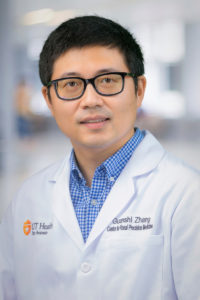
Dr. Guanshi Zhang is an Assistant Professor at the University of Texas Health Science Center at San Antonio (UTHSCSA), Department of Medicine, Division of Nephrology. He serves as Co-Director of the San Antonio Program for Undergraduate Research in Renal Science (SPURRS) and is actively seeking M.S. and Ph.D. students for his research program. Dr. Zhang is affiliated with the Center for Renal Precision Medicine, where he conducts cutting-edge research at the intersection of metabolomics, mitochondrial biology, and kidney disease. Dr. Zhang's research focuses on understanding how hyperglycemia and aging lead to cellular dysregulation in different organ systems, with particular emphasis on diabetic complications and aging-associated diseases. His laboratory employs advanced techniques including mass spectrometry imaging-based spatial metabolomics and lipidomics to investigate metabolic alterations in both human kidney disease and veterinary models. Early in his career, Dr. Zhang was trained in metabolomics, and during his postdoctoral training at the University of California San Diego, he expanded his expertise to mitochondrial biology of diabetic complications. His publication record demonstrates a dual focus: one strand of research examines diabetic kidney disease and metabolic alterations in human renal pathology, while another investigates metabolic biomarkers for diseases in dairy cows such as ketosis, mastitis, and lameness. His recent work has identified novel biomarkers and metabolic pathways involved in kidney injury, with particular attention to adenine metabolism, mitochondrial dysfunction, and spatial metabolomics in renal tissue. Dr. Zhang has made significant contributions to major collaborative efforts including the Kidney Precision Medicine Project. Dr. Zhang has contributed significantly to methodological advancements in mass spectrometry imaging, particularly regarding sample preparation and analysis reproducibility. His technical publications address critical issues that affect the reliability of spatial metabolomics data, providing essential protocols for the research community.