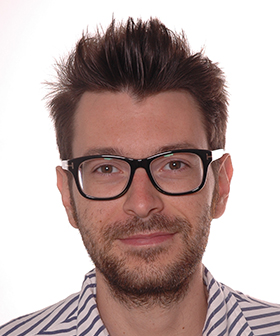
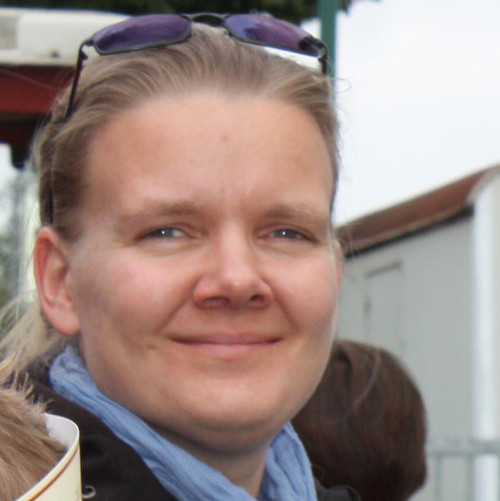
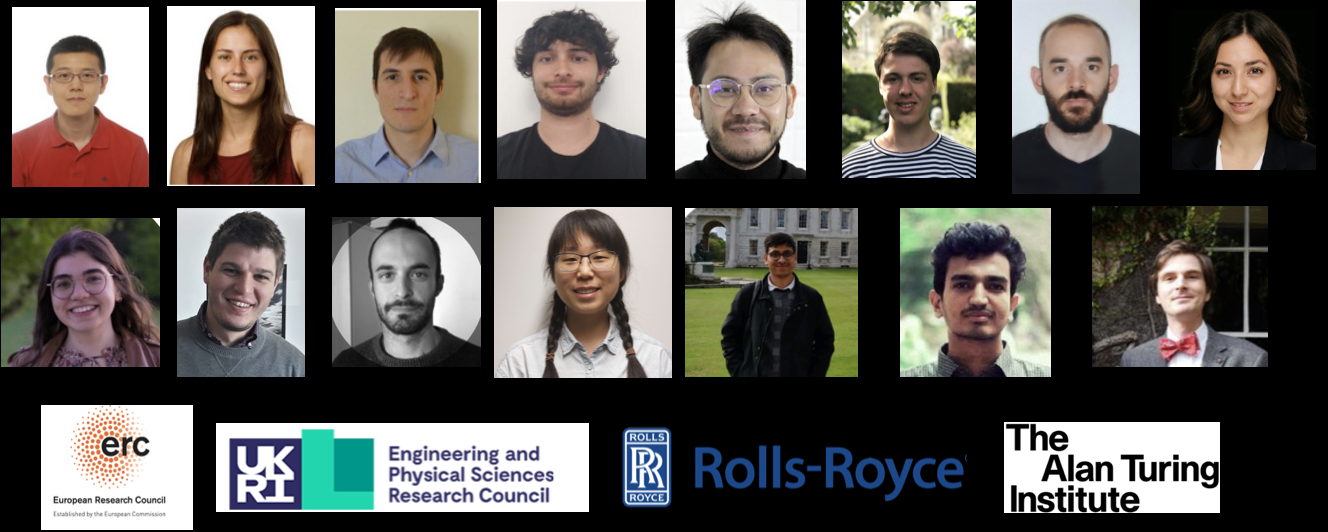
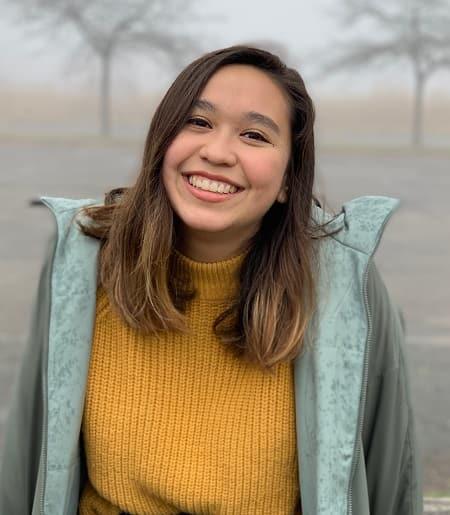
Heikki Haario is a Professor in Computational Engineering at the LUT School of Engineering Sciences, LUT University, Lappeenranta. His research focuses on robust Bayesian inference, parameter estimation, and uncertainty quantification in chaotic and stochastic systems. Broad research areas: Bayesian Statistics, Chaotic Dynamical Systems, Gaussian Processes, Machine Learning The 15 most recent publications (2025-2023) demonstrate expertise in computational modeling, data-driven methods, and interdisciplinary applications spanning finance, biology, and engineering. Articles emphasize Bayesian techniques, kernel flows, and neural network integration for solving inverse problems and optimizing predictions in uncertain environments.
Lizhe Tan serves as Professor and Department Chair of Electrical and Computer Engineering at Purdue University Northwest. With prior academic roles at Purdue University North Central (now PNW) and DeVry University, his expertise spans digital signal processing, control systems, robotics, and machine learning applications in real-world engineering solutions. His educational background includes: Ph.D. in Electrical Engineering, The University of New Mexico M.S. in Electrical Engineering, The University of New Mexico Professor Tan's research integrates mathematical rigor with practical innovation, focusing on fractional-order control systems , active noise control , and computer vision for robotics . His work bridges theoretical signal processing with machine learning applications, resulting in over 100 publications, a granted US patent, and four textbooks including the 2025 fourth edition of Digital Signal Processing: Fundamentals, Applications and Deep Learning . Recent publications reveal a strong trajectory toward machine learning integration in traditional engineering domains, with 2020-2024 works addressing bearing fault diagnosis via sparse wavelet CNNs, fractional-order PID control improvements, and acoustic echo cancellation using sparsity-aware filters. His 2025 textbook formalizes the deep learning/signal processing convergence. Professor Tan actively mentors students through senior design projects and Master's thesis research, emphasizing hands-on application of signal processing and control theory principles in robotics and measurement systems.
Richard Y. Zhang is an Assistant Professor in the Department of Electrical and Computer Engineering at the University of Illinois at Urbana-Champaign, affiliated with the Coordinated Science Laboratory. He earned his PhD in Electrical Engineering & Computer Science from MIT in 2017 and completed a postdoc at UC Berkeley's Industrial Engineering & Operations Research Department (2017-2019). His research bridges optimization and machine learning, focusing on low-rank optimization as both a theoretical framework for signal recovery and a computational tool for large-scale algorithms in power systems and neural networks. Current research explores nonconvex optimization landscapes, with applications in unsupervised learning, adversarially robust neural networks, and electric grid state estimation. His group has developed algorithms for dictionary learning, semidefinite programming relaxations (SDP-CROWN), and preconditioned optimization methods. Key collaborators include researchers from MIT, UC Berkeley, and the Power Systems Engineering Research Center (PSERC). NSF CAREER Award (2021) Area Chair: NeurIPS (2021-present), ICML (2023-present), ICLR (2024-present) Advising: Hong-Ming Chiu, Iven Guzel, June Hou; Alumni: Gavin Zhang (PhD '24, now at Meta) His recent work includes groundbreaking contributions to the theoretical understanding of low-rank matrix recovery and practical applications in power system optimization. He teaches ECE 330 (Power Circuits & Electromechanics) and ECE 530 (Large-Scale System Analysis), emphasizing the interplay between theory and real-world implementation.
Gerlind Plonka is a Professor of Applied Mathematics at the University of Göttingen, specifically within the Institute for Numerical and Applied Mathematics (NAM). Her research focuses on Numerical Fourier Analysis Wavelet Theory Regularization and Nonlinear Diffusion Methods Fast Algorithms and Numerical Stability Signal and Image Processing Applications Her recent publications emphasize structured subsampling in Fourier domains, Prony-type methods for exponential sum recovery, and deep learning integration in medical imaging. She supervises active PhD candidates including Benjamin Kocurov, Anahita Riahi, Yannick Nicola Riebe, and Janina Schmidt, with a legacy of advising over 50 graduates across diverse topics like Sparse FFT Algorithms Phase Retrieval Constraints Wavelet-Based Image Compression Nonlinear Diffusion Filters High-Dimensional Data Approximation
Henning Meyerhenke is a Professor at the Institute of Computer Science within the Faculty of Mathematics and Natural Sciences at Humboldt University of Berlin. He serves as Deputy Director of Teaching and Studies, focusing on graph algorithms , network analysis , and scientific workflow scheduling . His research spans complex systems modeling and parallel computing. Ranks: Professor Institution: Humboldt University of Berlin Research Interests include energy-efficient computing, heterogeneous systems, and scalable graph algorithms. Recent work explores network sparsification , workflow mapping , and graph robustness under edge deletions. His group also investigates climate science applications via climate networks . Publication Trends reflect advancements in parallel algorithms , distributed systems , and adaptive scheduling for scientific workflows. Key subfields include memory-aware computing , harmonic centrality , and edge sampling techniques. Student Advising : Michael Piechotta (PhD candidate, defended September 15, 2025)
Andreas Savakis is a Professor in the Department of Computer Engineering at the Kate Gleason College of Engineering, Rochester Institute of Technology (RIT). His expertise spans Artificial Intelligence, Computer Vision, and Machine Learning with a focus on domain adaptation, deep learning, and aerial imagery analysis. He holds a BS and MS from Old Dominion University and a PhD from North Carolina State University. His research emphasizes robust algorithms for object detection, tracking, and domain adaptation in challenging environments like aerial surveillance and medical imaging. Notable contributions include resilient deep networks, Grassmann manifold optimization, and semantic pose estimation frameworks. He has published extensively in top venues such as CVPR, ICIP, and IEEE journals. Key achievements include recognition in Stanford’s top 2% scientists (2022) for citation impact. His work bridges theoretical advancements with practical applications in autonomous systems, healthcare, and environmental monitoring. Current teaching includes machine learning fundamentals and analytical methods in computer engineering. Research trends in his articles highlight domain adaptation for varying conditions (e.g., weather, sensors), efficient neural network quantization, and multi-person pose estimation in complex scenes. His lab explores cross-modal learning (e.g., SAR-optical fusion) and continual learning frameworks for evolving data distributions.
Cristian Tudorel Badea is a Professor in Radiology and Biomedical Engineering at Duke University. He is a member of the Duke Cancer Institute and leads the Quantitative Imaging and Analysis Lab. His research focuses on micro-CT , photon-counting CT , and quantitative imaging biomarkers for preclinical studies. Education: Ph.D. in Electrical Engineering, University of Patras (Greece), 2001 Research Interests: Dr. Badea specializes in advanced imaging technologies, including deep learning-enabled CT reconstruction , nanoparticle contrast agents , and cardiac imaging in murine models. His work bridges preclinical research and clinical translation , particularly in cancer and cardiovascular diseases. Article Trends: His recent publications emphasize photon-counting micro-CT for cardiac perfusion , deep learning denoising algorithms , 5D imaging , and hybrid spectral CT techniques. Key subfields include tumor vasculature analysis , multi-contrast imaging , and neural network applications in preclinical settings. Labs & Collaborations: He collaborates extensively with the Duke Cancer Institute and leads the Quantitative Imaging and Analysis Lab. His work integrates multimodal imaging (CT, MRI, SPECT) and computational tools for co-clinical trials.
Mattia Zorzi is an Associate Professor in the Department of Information Engineering at the University of Padova, Italy. He has held academic positions since 2014, transitioning from Assistant Professor to Associate Professor in 2020. His research focuses on system identification, machine learning, and robust control, with applications in dynamic brain networks, robotic systems, and quantum information processing. Education: Ph.D. and M.S. in Information Engineering from University of Padova International Experience: Visiting Scientist at University of Cambridge (2013-2014), Research Associate at University of Liege (2013-2014) Zorzi's research integrates robust and distributed filtering, inverse dynamics learning, and nonparametric identification of Kronecker networks. His work bridges theoretical advancements in spectral estimation with practical applications in neuroscience (e.g., effective connectivity analysis) and control systems (e.g., robust Kalman filtering under uncertainty). Recent publications (2024-2023) demonstrate expertise in ARMA graphical models, kernel-based estimation, and optimal transport for Gaussian processes. He has contributed to the IEEE and IFAC communities as Associate Editor and actively participates in editorial roles for leading journals. Scientific Awards: IEEE Senior Member (2021) Member of IFAC Technical Committee TC 1.1 (2018) Associate Editor roles in Automatica, IEEE Control Systems Letters, and major conferences Grants & Collaborations: Collaborated on projects involving quantum channel estimation, free-space quantum communication, and biomedical signal processing.
Dr. Susanne Wenzel is a postdoctoral researcher and teaching assistant at the Photogrammetry group (IGG - Institute of Geodesy and Geoinformation) at the University of Bonn, and a scientific coordinator at Forschungszentrum Jülich since February 2018. Her academic journey began with studies in Geodesy at the Technical University of Berlin and University of Bonn, following professional training as a surveying technician at the Berlin Senate of Urban Development. Her research focuses on pattern recognition and image interpretation, particularly applying machine learning and deep learning techniques to photogrammetry and remote sensing problems. Wenzel's work prominently features Markov Marked Point Processes and the analysis of symmetries and repeated structures in images, with applications ranging from facade interpretation to oceanographic analysis. Her interdisciplinary approach bridges computer vision, geospatial analysis, and machine learning. The analysis of her 15 most recent publications reveals a strong trend toward applying advanced machine learning techniques, particularly deep learning and self-taught learning approaches, to photogrammetric and remote sensing problems. Her research spans multiple domains including urban modeling (facade interpretation), environmental monitoring (ocean eddies, sea level anomalies), and forensic applications (latent trace detection), demonstrating remarkable versatility while maintaining a core focus on image interpretation methodologies. Faculty Teaching Award 2014 Faculty Award for the best student in 2007 in Geodesy and Geoinformation Turbo-Preis 2007 of Society for Geodesy, Geoinformation and Land Management (DVW) Dr. Wenzel has supervised numerous Master's and Bachelor's students on diverse topics including neural network applications for ocean eddy tracking, hyperspectral imaging for latent trace detection, and deep learning for remote sensing image classification. Her teaching portfolio includes Photogrammetrie I and II courses since 2009, and she managed the development of the Geodetic Engineering Master's program at IGG from 2015-2018. Her research has been supported through positions at both the University of Bonn and Forschungszentrum Jülich, where she contributes to interdisciplinary projects bridging geospatial analysis and machine learning.
Ganesh Krishnasamy is a Lecturer at the School of Information Technology, Monash University Malaysia. He holds a PhD in Electrical Engineering from the University of Malaya, with earlier degrees from Universiti Kebangsaan Malaysia (B.Eng and M.Eng in Electrical and Electronic Engineering). His research focuses on computer vision, pattern recognition, manifold learning, and semi-supervised learning, with applications in multimedia processing and understanding. He has led three research projects including 'AEinstein: Adversarial AI amongst Materials Discovery Domains' and pioneered semi-supervised action recognition in videos. His work aligns with UN Sustainable Development Goals related to innovation and infrastructure. Research Interests: Computer Vision Pattern Recognition Manifold Learning Semi-Supervised Learning Optimization Algorithms HDR Image Reconstruction Recent Projects: AEinstein Project (2024-2026): Focuses on adversarial AI in materials discovery. Research Management System (2023-2024): Aims to optimize research workflows. Semi-Supervised Image-to-Video Adaptation (2020-2023): Developed ActNetFormer and other hybrid models. Publications: Over 16 outputs since 2014, with recent emphasis on HDR imaging, sports video analysis (badminton rally detection), and optimization techniques. His work bridges theoretical machine learning with commercial applications.
Luca Magri is a Professor of Scientific Machine Learning at Imperial College London's Department of Aeronautics (Faculty of Engineering), leading the MagriLab . He holds dual roles as Director of Research in Aeronautics and Director of the Research Centre in Data-Driven Engineering. He is also a Professor in Fluid Mechanics at Politecnico di Torino under the PNRR project on Twin Real-time digital twins. His research bridges physics-aware machine learning, data assimilation, and fluid mechanics, with applications in quantum computing, turbulence modeling, and thermoacoustics. Magri completed his PhD in Engineering at the University of Cambridge (2012-2015) and held postdoctoral roles at Stanford University (2015-2016). He has been a Royal Academy of Engineering Research Fellow (2016-2021), Simons Fellow (2022-2023), and Hans Fischer Fellow at TUM (2018-2021). He leads the Alan Turing Institute's Scientific Machine Learning group and collaborates with institutions like Pembroke College and the Isaac Newton Institute. His research interests span quantum reservoir computing, data-driven stability analysis, and real-time digital twins for combustion systems. Key projects include optimizing wind farm layouts and suppressing extreme events in chaotic flows. He has pioneered methods like Proper Latent Decomposition (PLD) and physics-constrained neural networks for turbulence reconstruction. Magri has secured funding from EPSRC, Royal Academy of Engineering, and EU initiatives. His group includes engineers, physicists, and computer scientists addressing net-zero challenges in aerospace propulsion and energy systems. Recent work focuses on quantum computing for nonlinear PDEs and AI-driven process design in manufacturing.
Diana Chua Halikias is a Ph.D. Candidate in Mathematics at Cornell University, with a focus on numerical analysis and scientific machine learning. Starting in January 2026, she will join New York University as a Courant Instructor in the Department of Mathematics, collaborating with Chris Musco. Her current role as a Simons-Berkeley Research Fellow underscores her expertise in computational mathematics and machine learning. Education: B.S. in Mathematics from Yale University (2020) Ph.D. in Mathematics from Cornell University (2025) Her research bridges randomized linear algebra, matrix theory, and operator learning, with applications in scientific computing and machine learning. Recent work includes hierarchical matrix approximation and data-efficient PDE learning. She has held internships at the Flatiron Institute and Lawrence Berkeley National Laboratory. Scientific Awards: Simons-Berkeley Research Fellow Graduate Student Funding and Awards at Cornell Halikias actively mentors undergraduate researchers, including directing projects in machine learning and spectral graph theory. She also contributes to outreach through the Cornell REU program and local math circles in Ithaca.
Professor Hong Wei Dong is a faculty member in the Department of Neurobiology at the David Geffen School of Medicine, University of California Los Angeles (UCLA). His research focuses on creating comprehensive connectome maps of the C57Bl/6 mouse brain to understand functional network organization and behavioral output mechanisms. He integrates Connectomics Genetics 3D high-resolution imaging Artificial intelligence to explore the fundamental architecture of the central nervous system. Key research directions include: Classification of mouse brain/spinal cord cell types through anatomic, molecular, and physiological properties Development of microscopy/histological technologies for human brain mapping at axonal resolution Application to neurodegenerative disease models (Alzheimer’s, Huntington’s) Recent publications highlight his work on: Visceromotor cortex networks High-resolution brain atlases Thalamic subnetworks Neuronal diversity analysis Advanced image processing tools Transsynaptic tracing methodologies Awardeeship highlights: Suzanne Eaton Memorial Prize Taylor M. Brown Memorial Award His lab develops scalable technologies like Gossamer for petabyte-scale image processing and Morphohub for multi-morphometry generation, while maintaining affiliations with UCLA Brain Research & Artificial Intelligence Nexus (B.R.A.I.N.) and NIH T32 training grants.
Alejandro Sztrajman is a Researcher and Research Associate at the University of Cambridge's Department of Computer Science and Technology, affiliated with the Rainbow Group. He holds a PhD in Computer Science from University College London (UCL), supported by a Marie Curie Fellowship, and has conducted research internships at Microsoft and Adobe. His work bridges machine learning and visual computing, focusing on neural fields, generative AI, and physics-based rendering, with applications in material appearance modeling, scene illumination, and computational photography. His research spans topics like neural BRDF representations, point cloud generation via diffusion models, and interpretable time series analysis. Key contributions include LSCD (irregular time series imputation), NeuMaDiff (material synthesis via hyperdiffusion), and FrePolad (point cloud generation). He has also developed methods for HDR image deglaring and color calibration for OLED displays. Awards include the Wiley Top Cited Paper and Marie Curie Fellowship funding. His work emphasizes practical applications, with publications in top-tier venues like ECCV, CVPR, and ICML. Collaborations involve Professors Cengiz Öztireli and Rafał Mantiuk at Cambridge, and Tobias Ritschel at UCL. His research aims to advance generative AI, neural rendering, and physically grounded machine learning techniques.
Prof. Andrey Ustyuzhanin is an Adjunct Professor of Computer Science at Constructor University's School of Computer Science & Engineering and a Visiting Research Professor at the National University of Singapore (NUS), affiliated with the Institute for Future Intelligent Machines (IFIM). He holds a PhD in Computer Science from the Institute of System Programming (Russian Academy of Sciences) and advanced degrees from Moscow Institute of Physics and Technology (MIPT). His research focuses on developing machine learning methods to address complex scientific challenges in particle physics, materials science, and data-driven discovery. He has contributed to projects like the LHCb experiment at CERN, optimizing online triggers and BDT-based processing, and has pioneered initiatives like the Tracking Machine Learning Challenge and the Code4ML dataset. His work bridges AI and fundamental science, emphasizing interdisciplinary applications. He is also the Director of AI/ML Research at Acronis and a co-organizer of international summer schools in machine learning for particle physics. Education PhD in Computer Science, Institute of System Programming (RAS), 2007 M.Sc. in Applied Mathematics & Physics (Autonomous Control Systems), MIPT, 1994–2000 M.Sc. in Innovative Management, MIPT, 1998–1999 B.Sc. in Applied Mathematics, MIPT, 1994–1998 Mathematics & Physics, Moscow Chemical Lyceum, 1991–1994 Research Interests Prof. Ustyuzhanin specializes in machine learning for scientific discovery, including particle physics (LHCb experiment), materials science (defect analysis in 2D materials), and AI-driven experimental optimization. His work also explores symbolic expression generation, code semantics classification (Code4ML), and cybersecurity frameworks like EAGLEEYE for malicious event detection. He advocates for reproducible science and end-to-end optimization of experimental designs using differentiable programming. Key Projects & Contributions Co-developed the Tracking Machine Learning Challenge to advance high-throughput physics analysis Co-created the Code4ML dataset for annotated machine learning code Designed algorithms for LHCb’s online triggers and scintillator tracking systems Co-founded the annual summer schools on ML in particle physics Labs & Collaborations Director of AI/ML Research at Acronis Head of the LAMBDA Lab at HSE University PI at IFIM, NUS Collaborator on CERN-Yandex research programs