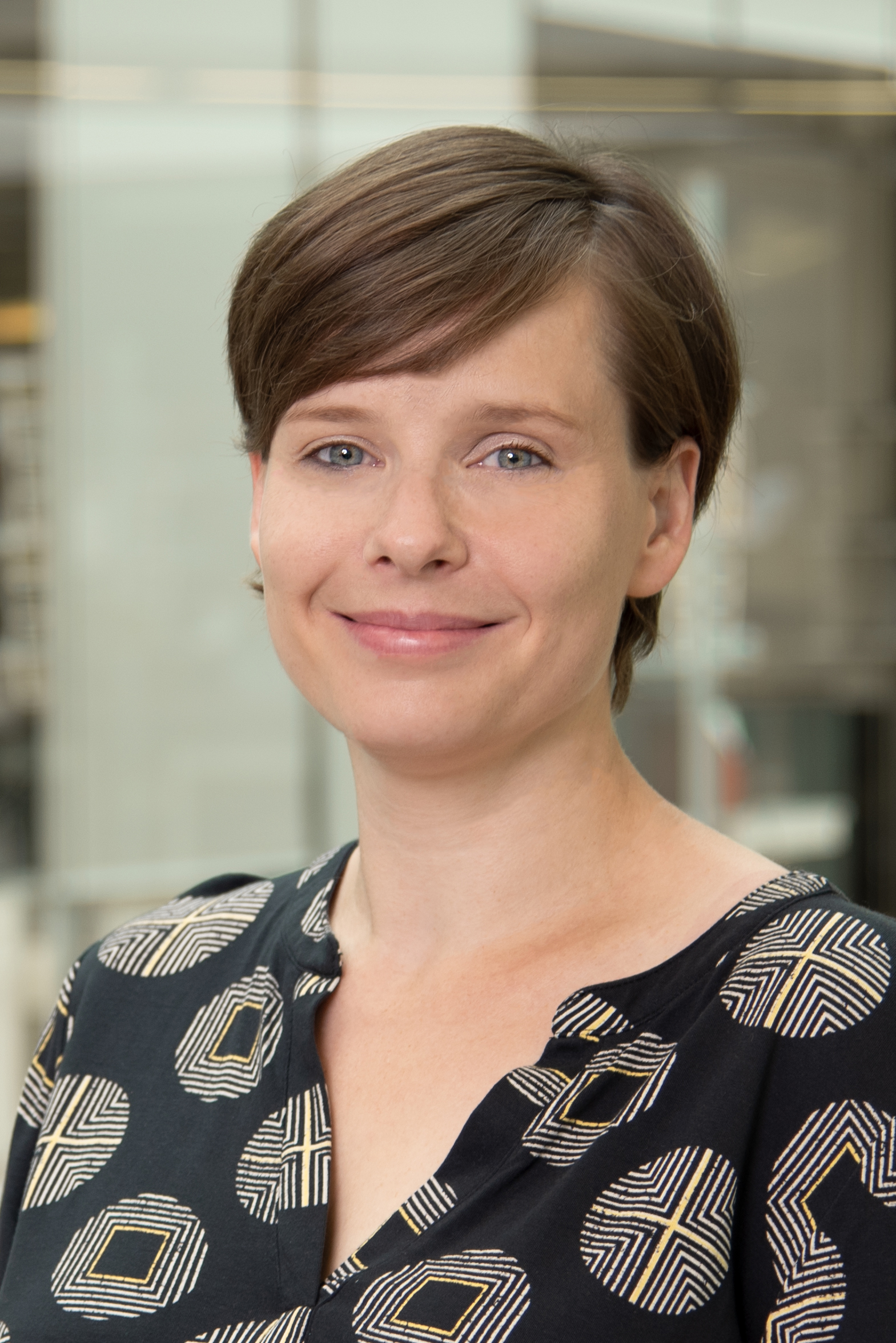
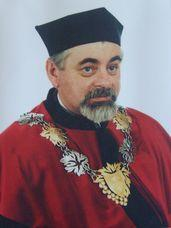
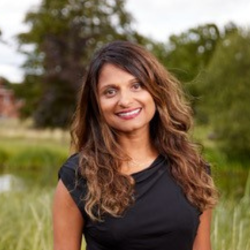
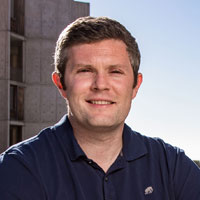
Arend van Peer is a Researcher in Plant Breeding at Wageningen University & Research, specializing in fungal biology and biotechnology. His work focuses on leveraging white rot fungi for applications in sustainable agriculture, including lignocellulosic biomass conversion, mycelium-based materials, and improving feed quality for ruminants. Key projects include developing circular leather alternatives and optimizing fungal strains for industrial uses. He leads initiatives like the 'Right Fungus for the Right Job' program and collaborates on interdisciplinary projects bridging horticulture and mushroom cultivation. Peer has contributed to genomic studies of Agaricus bisporus and Pleurotus species, advancing understanding of fungal genetics and reproductive mechanisms. His research integrates molecular biology, genomics, and applied biotechnology to address agricultural challenges. Notable achievements include pioneering agar-based screening methods for fungal incompatibility and co-developing the DigiFungi educational software. Peer actively participates in academic and professional seminars, emphasizing circular economy principles and cross-sectoral innovation.
Qiang Wei, Ph.D., is an Adjunct Research Instructor in the Department of Molecular Physiology and Biophysics at Vanderbilt University School of Medicine. His research focuses on computational and systems biology approaches to study genomic and epigenomic mechanisms in cancer, drug response prediction, and disease risk gene prioritization. He has pioneered integrative frameworks combining multi-omics data (genomics, epigenomics, transcriptomics) with clinical information for precision medicine applications. Key research areas include: Developing computational tools for analyzing non-coding variants and DNA methylation patterns Characterizing tumor heterogeneity through circulating tumor DNA (ctDNA) and circulating tumor cells (CTCs) Identifying genomic drivers of therapy resistance in metastatic cancers Integrating GWAS data with functional genomics for disease mechanism discovery His work spans multiple cancer types including breast, prostate, and hepatocellular carcinoma, with a particular emphasis on translating genomic insights into clinical diagnostics and therapeutic strategies. Ongoing projects include optimizing liquid biopsy approaches for early cancer detection and leveraging single-cell technologies to understand tumor evolution. In recent years, his lab has developed novel algorithms like TVAR for functional variant analysis and Bayesian frameworks for multi-omics integration. These methods have been applied to study schizophrenia genetics, autism risk genes, and platelet reactivity regulation.
Peter Park is a Professor of Biomedical Informatics at Harvard Medical School and Director of its Bioinformatics and Integrative Genomics (BIG) PhD program. His research focuses on computational analysis of genomic data, particularly in cancer genomics, somatic mosaicism, and epigenetic mechanisms. He leads major projects like the Somatic Mosaicism across Human Tissues (SMaHT) network and contributes to consortia such as The Cancer Genome Atlas (TCGA) and ENCODE. His work integrates advanced computational methods with clinical applications, aiming to advance precision medicine and understand genetic drivers of disease. Education: B.A. in Applied Mathematics, Harvard University Ph.D. in Applied Mathematics, California Institute of Technology Postdoctoral studies in biostatistics, focusing on molecular biology and genetics Research Interests: His lab develops algorithms for genomic data analysis, including methods for detecting copy number variations, mutational signatures, and structural variations. Key areas include cancer genomics, somatic mosaicism in neurodegenerative diseases, and 4D nucleome structure-function relationships. He emphasizes translational research, applying computational tools to clinical problems like tumor evolution and drug response prediction. Funding & Grants: NIH grants (e.g., R01HG012573, R01CA269805) Funding from Mark Foundation, Simons Foundation, and Chan Zuckerberg Initiative Principal Investigator for multiple collaborative projects Labs & Teams: The Park Lab collaborates with interdisciplinary teams in computational biology, oncology, and neuroscience. Current projects include developing tools for single-cell DNA sequencing analysis and exploring mutational signatures in cancer and neurodegenerative disorders.
Lena Ström, Senior Lecturer at the Department of Cell and Molecular Biology, Karolinska Institutet, specializes in sister chromatid cohesion, DNA damage responses, and genome integrity. Her research explores the role of Structural Maintenance of Chromosome (SMC) complexes in DNA repair, chromosome segregation, and developmental syndromes like Cohesinopathies. 2017: Senior Lecturer at Karolinska Institutet 2015: Docent at Karolinska Institutet 2002: PhD in Cell and Molecular Biology from Karolinska Institutet Her work focuses on the Cohesin complex's dual role in sister chromatid cohesion and DNA repair, particularly in cancer and Cohesinopathies. By studying yeast and human cells, her group investigates how DNA damage activates cohesion, impacts telomere maintenance, and contributes to tumor development and developmental disorders. Recent publications highlight Cohesin's role in damage-induced cohesion, DNA repair regulation, and SMC complex dynamics. Key collaborations span genetics, immunology, and medical research, with applications in cancer treatment and patient support for Cornelia de Lange syndrome. Current projects aim to elucidate Cohesin network mechanisms in chromatin structure, transcriptional regulation, and cancer therapy targets. Her group integrates advanced biochemistry, genomics, and functional studies to address molecular pathways in healthy and malignant cell cycles.
Janine Deakin is Professor and Executive Dean of the Faculty of Science and Technology at the University of Canberra. She holds a PhD from Macquarie University (1998) and completed postdoctoral research at the University of Texas Health Science Center and Australian National University. Her research focuses on comparative genomics, chromosome evolution, and conservation genetics in marsupials and reptiles. Education: PhD in Immunological relationship of mother-pouch young relationships in the brushtail possum, Macquarie University (1998) Her research explores chromosomal speciation, sex determination mechanisms, and transmissible cancers like devil facial tumour disease, with strong emphasis on conservation applications. She employs cutting-edge genomic technologies to understand evolutionary adaptations in Australian wildlife. Recent publications demonstrate a consistent focus on chromosome dynamics across species, utilizing Hi-C mapping, telomere analysis, and comparative genomics to investigate genome reorganization in reptiles, marsupials and mammals. Her work frequently bridges molecular biology with conservation priorities. Scientific Awards: ARC Future Fellowship (2010) She has supervised numerous PhD students and leads collaborative initiatives including the Oz Mammals Genomics consortium. Her laboratory investigates chromosomal rearrangements impacting gene flow in threatened species.
Dr. Robert Noble is a Senior Lecturer in Mathematics at City St George's, University of London, specializing in the evolution and ecology of cancer . His research integrates mathematical modeling with computational biology to address four key themes: systematic understanding of somatic evolution, patient-specific tumor forecasting, treatment strategies leveraging evolutionary dynamics, and disentangling ecological contributions to cancer risk. Education: DPhil in Zoology (University of Oxford, 2014) Previous Appointments: Postdoctoral roles at ETH Zurich (2017-2020) and University of Zurich (2018-2020) His methodological toolkit spans agent-based models , stochastic processes , and Bayesian data analysis , with software contributions like the ggmuller and demon packages. Recent work focuses on universal tree balance indices for biological data comparison and adaptive therapy frameworks for clinical translation. Collaborations with experimental biologists and clinicians inform his research, which has produced key insights into spatial tumor evolution , drug resistance dynamics , and clonal diversity-survival relationships . He maintains active peer-review roles for journals like PLOS Computational Biology and Nature Ecology & Evolution.
Dr. Stephanie Panier serves as a Max Planck Research Group Leader at the Max Planck Institute for Biology of Ageing in Cologne, Germany, and as a Principal Investigator at the Institute for Genome Stability in Aging and Disease within the Medical Faculty of the University of Cologne. Her research program investigates the fundamental mechanisms by which cells maintain genome stability through sophisticated DNA damage response pathways. Her academic journey includes: PhD in Molecular Genetics from the University of Toronto (2008-2013) under Prof. Daniel Durocher Postdoctoral training at the Francis Crick Institute in London (2013-2019) with Prof. Simon Boulton Undergraduate studies in Biology at Ruprecht-Karls-Universität Heidelberg, Germany (2001-2006) Dr. Panier's laboratory focuses on two central questions in genome stability research: how DNA damage response pathways interact with telomere maintenance mechanisms, and how RNAs and RNA-binding proteins organize chromatin-based responses to DNA lesions. Her team employs cutting-edge cell biological and omics approaches to identify and characterize RNA-binding proteins at DNA damage sites, mapping their chromatin dynamics and interactions following genotoxic stress. This research has significant implications for understanding aging-associated diseases driven by genomic instability, including cancer and neurodegeneration. Analysis of her publication record reveals consistent contributions to understanding DNA repair mechanisms, with recent work expanding into cancer biology, telomere maintenance in alternative lengthening pathways, and the emerging role of RNA metabolism in genome stability. Her scientific achievements have been recognized through: Vivash Award for best PhD thesis (2013) FEBS Excellence Award (2023) EMBO Long-Term Fellowship (2013-2014) Vanier Canada Graduate Scholarship (2010-2013) Boehringer Ingelheim Fonds PhD Fellowship (2008-2010) EIRR21st Fellowship (2023) Dr. Panier actively contributes to the scientific community through leadership roles including Vice Coordinator of the DFG Research Unit FOR5504 (2023-2026), membership on the advisory board of the German Society for Research on DNA Repair since 2022, and representation on the Biology and Medicine Section of the Max Planck Society's scientific council since 2022. She also serves as a Principal Investigator in the Cologne Excellence Cluster 'Cellular Stress Responses in Aging-Associated Diseases' (CECAD). Her laboratory comprises postdoctoral researchers and PhD students working collaboratively to advance our understanding of genome stability mechanisms in aging, with current projects focusing on RNA-binding proteins in DNA damage response and telomere maintenance pathways.
Professor Alison Dunning serves as Professor of Cancer Genetic & Applied Epidemiology at the University of Cambridge's Centre For Cancer Genetic Epidemiology (CCGE), where she leads wet-lab operations and contributes to major international consortia including BCAC and CIMBA. Appointed to her professorship in 2022 after becoming Reader in 2016, she concurrently acts as University Disability and Wellbeing Champion and Co-Chair of the Disabled Staff Network. Her research focuses on cancer genetic epidemiology , particularly fine-scale mapping of breast cancer risk loci, genetic modifiers of BRCA-related cancer risks, and radiotherapy toxicity mechanisms. She directs high-throughput genotyping for consortia studying polygenic risk scores across diverse populations, mammographic density genetics, and radiation-induced normal tissue complications. Her work bridges wet-lab sample management with statistical genetics to translate findings into clinical risk prediction. Analysis of her 2023-2025 publications reveals dominant themes in cross-ancestry polygenic risk score development and genetic determinants of radiotherapy toxicity , with significant contributions to prostate cancer dose-response modeling and BRCA variant classification. These studies frequently employ large-scale GWAS and international cohort collaborations to address clinical implementation challenges. As Director of Graduate Studies for the Oncology Department (2019-2024) and current formal supervisor for CRUK Cambridge Cancer Centre MRes students, she mentors early-career researchers while teaching on the University's Certificate in Genetics program until 2022. Her advocacy focuses on disability inclusion and combating workplace bullying through epidemiological frameworks that promote belonging in academia. Dunning manages the CCGE's wet-lab team responsible for biological sample curation and genotyping across consortia including Confluence, BRIDGES, and EMBED. Her leadership extends to patient engagement in the Early Detection program, where she supports patient representatives while overseeing sample collection for ctDNA analysis and related studies.
Dr. Zeynep Erson Omay serves as an Assistant Professor in the Department of Neurosurgery and Biomedical Informatics & Data Science at Yale School of Medicine. Her work bridges computational biology with neurosurgical oncology, focusing on precision medicine applications for brain tumors, with particular emphasis on understanding tumor heterogeneity and molecular mechanisms of CNS tumors. Dr. Erson Omay's educational background includes: PhD in Computer Science from Case Western Reserve University (2011) MS in Computer Science from Bilkent University (2005) BS in Computer Science from Bilkent University (2003) Her research focuses on computational analysis of multi-omic datasets to understand tumor heterogeneity, particularly in central nervous system tumors. Dr. Erson Omay specializes in genomic, transcriptomic, and epigenetic profiling of brain tumors, with emphasis on meningiomas, glioblastomas, and rare CNS tumor subtypes. She leads the Erson Lab, which develops bioinformatics approaches to study large datasets and reveal molecular mechanisms in tumor formation, progression, and clinical outlier subgroups. Her work in precision medicine aims to decipher the molecular architecture of individual tumors to guide personalized treatment approaches, with significant contributions to understanding tumor ecosystems and evolutionary patterns in brain cancers. Dr. Erson Omay's scientific contributions span neuro-oncology, computational biology, and precision medicine, with a strong emphasis on translating genomic findings into clinical applications. Her publications demonstrate consistent innovation in applying computational methods to complex neurosurgical problems, with particular focus on tumor heterogeneity, molecular classification, and racial disparities in tumor genomics. Her notable scientific awards include: 10x Genomics 2021 Pilot Award (2022) Mission Bio Tapestri Grant (2022) Case Western Reserve University, Research ShowCASE-Best Poster Award (2007) Dr. Erson Omay actively mentors students and researchers at various levels, including undergraduate students, graduate students, postdocs, and postgraduate associates. She collaborates extensively within Yale's neurosurgery department and across disciplines to advance computational approaches to brain tumor research. Her work is supported by various grants that enable the development of novel bioinformatics platforms for tumor genomic characterization. She leads the Erson Lab, which focuses on three major research areas: Tumor Ecosystem (studying interactions among tumor and immune cells), Tumor Evolution and Heterogeneity (understanding temporal and spatial tumor evolution), and Precision Medicine (applying genomic techniques to personalize brain tumor treatment). The lab employs diverse omics technologies to explore brain tumor biology and develop computational methods for precision medicine applications.
Cyrus K. Aidun serves as a Professor in the Woodruff School of Mechanical Engineering within the College of Engineering at Georgia Institute of Technology. His academic journey includes significant leadership roles, having joined Georgia Tech in 1988 as an Assistant Professor at the Institute of Paper Science and Technology before becoming a full Professor in 2003 after serving as a program director at the National Science Foundation. Dr. Aidun's educational background includes a Ph.D. from Clarkson University (1985), M.S. from Rensselaer Polytechnic Institute (1980), and B.S. from Rensselaer Polytechnic Institute (1978). Prior to his current position, he held research positions at Battelle Research Laboratories, Cornell University as a Postdoctoral Associate, and the National Science Foundation's Supercomputer Center at Cornell. His research spans fluid mechanics, bioengineering, renewable bioproducts, and industrial decarbonization, with particular emphasis on cellular blood flow dynamics and applications to cardiovascular diseases. Dr. Aidun pioneered the Lattice-Boltzmann method for suspension hydrodynamics, enabling advanced computational analysis of deformable particle/fiber suspensions. His work bridges fundamental physics with engineering applications, including blood cell transport interactions with glycoproteins, platelet margination, thrombus formation, and plant somatic embryogenesis for clonal propagation. His recent publications demonstrate strong focus on computational hemodynamics, particularly blood flow in cardiovascular systems and mechanical heart valves, with emerging work on industrial decarbonization through process modifications. This research portfolio shows consistent evolution from fundamental fluid dynamics to targeted biomedical and industrial applications. Dr. Aidun has received significant recognition including: National Science Foundation Presidential Investigator award Gunnar Nicholson Fellowship International Society of Coating Science and Technology's L. E. Scriven award His research is supported by major funding from the Department of Energy and industrial collaborators, particularly for decarbonization projects. Dr. Aidun holds multiple patents related to plant propagule devices and somatic embryo processing, demonstrating translational impact from his research. His laboratory focuses on developing novel computational methods for direct numerical simulation of suspension hydrodynamics, biotransport, and whole blood flow, with applications spanning cardiovascular medicine and renewable bioproducts engineering.
Associate Professor Jean (Jiayu) Wen holds positions at The Australian National University (ANU), including Group Leader of The Wen Group, ARC Future Fellow, and Deputy Director of The Shine-Dalgarno Centre for RNA Innovation. She specializes in computational and molecular biology, focusing on RNA regulation, gene expression, and cancer genomics. Her affiliations include ANU’s Division of Genome Sciences and Cancer, and the Centre for Computational Biomedical Sciences. Education: BEng in Electronic Engineering (Beijing), MSc in Computer Science (Lakehead University), PhD in Computational Biology (ANU). Postdoctoral training at Copenhagen University and Memorial Sloan-Kettering Cancer Center. Research interests span RNA structures, microRNA biogenesis, transcriptome dynamics, and epigenetic regulation. Her work addresses intragenomic conflicts, cancer mechanisms, and neural development. Notable projects include RNA-based machine learning models for RNA-RNA interactions and immune cell differentiation studies. Publications highlight contributions to RNA interference pathways, tumor development, and Drosophila genetics. Awards include the ARC Future Fellowship. She leads interdisciplinary teams advancing computational and experimental approaches in genomics and systems biology.
Prof. Ryszard Tokarski is a full professor at the Faculty of Philology, Maria Curie-Skłodowska University, with a habilitation degree and extensive contributions to lexical semantics, cultural linguistics, and linguistic worldview studies. He has held leadership roles including Head of the Department of Lexicology and Pragmatics, Director of the Institute of Polish Philology, and Rector of the Higher School of Humanities and Natural Sciences in Sandomierz. Key research areas: anthropological linguistics, semantic frameworks, media language, and cognitive modeling of lexical fields. Major grants: National Science Foundation projects on Violence in Media Language (2000-2003) and Alternative Worldview Construction (2013-2016). International collaborations: Visiting professor at Stockholm University (1996-1997), Visegrad Fund projects at Prešov University. Scientific impact : 2017 UMCS Rector's Lifetime Achievement Award 2014 Academia Best Publication Award for Światy za słowami Corresponding member, Polish Academy of Arts and Sciences (since 2016) Mentorship : Supervised 10+ doctoral theses on topics ranging from somatic terms in worldview analysis to media manipulation and fairy-tale axiology. His work bridges semantic theory, cultural analysis, and discourse pragmatics.
Dr. Jyoti Nangalia is a Principal Investigator at the Wellcome-MRC Cambridge Stem Cell Institute and a Cancer Research UK Clinician Scientist at the Wellcome Sanger Institute. She holds a dual affiliation with the Department of Haematology at the University of Cambridge. Dr. Nangalia is also a Consultant Haematologist specializing in myeloproliferative neoplasms (MPN). Her research focuses on somatic mutagenesis, clonal evolution in blood cancers, and the integration of genomic data into clinical practice. Education: MBBS (Medicine) from the University of Cambridge, followed by a PhD at the Cambridge Institute of Medical Research, where she discovered CALR mutations in JAK2-unmutated MPNs. This discovery has become a standard diagnostic criterion in clinical practice. Research Interests: Her lab explores clonal trajectories in blood cancers, methylation dynamics across human lifespan, and personalized cancer prognosis modeling. Recent work includes tracing the evolutionary history of MPNs over decades, revealing disease origins decades before clinical presentation. Grants & Funding: Supported by CRUK, Rosetrees Trust, Alborada Trust, and MPN Research Foundation. Her group collaborates with clinical teams to inform early intervention strategies and refine diagnostic tools. Labs/Teams: The Nangalia Group operates at both the Stem Cell Institute and Sanger Institute, focusing on translational research in haematological malignancies. Advising: Supervises postgraduate students (e.g., Aleksandra Kamizela, Sreeya Kodavali) and mentors visiting researchers in genomic analysis and clonal evolution studies.
Dr Stefano Angioletti-Uberti is a Lecturer at Imperial College London, specializing in theoretical and computational modeling of Soft Matter systems. He also holds an Adjunct Professor position at the Beijing Advanced Centre for Soft Matter Science and Engineering since 2015. His work focuses on understanding how materials behavior can be controlled through functionalization with ligands of biological and synthetic origin. PhD in Materials Science from Imperial College London (2010). Postdoctoral research in Soft Matter at the University of Cambridge and Humboldt University of Berlin. His research spans Nanoparticles , Molecular Dynamics , and Surface Engineering , with applications in biomedical and materials science. Recent work includes modeling ligand-receptor interactions , polyelectrolyte-surfactant lubrication , and nanoparticle organization for enhanced binding selectivity. His publications emphasize computational approaches to colloidal systems , DNA-coated colloids , and stimulus-responsive nanoreactors . Dr Angioletti-Uberti was awarded an Alexander von Humboldt Research Fellowship in 2013. His work has implications for drug delivery , biomimetic surfaces , and polymer physics . He currently leads research at Imperial College London, integrating Soft Matter theory with practical applications in nanotechnology and biomedical engineering.
Jesse R. Dixon, M.D., Ph.D., is an Associate Professor at the Gene Expression Laboratory of the Salk Institute for Biological Studies in La Jolla, California. His research explores 3D genome architecture, chromatin organization, and gene regulation mechanisms, with implications for cancer and developmental disorders. He employs cutting-edge genomic technologies like Hi-C and single-cell multi-omics to investigate how chromosomal rearrangements impact gene expression. Dr. Dixon's work focuses on: Topological Domains (TADs) and their role in enhancer-promoter communication Haplotype phasing using chromatin conformation data Structural variant-driven oncogene activation in cancer Single-cell mapping of chromatin and DNA methylation dynamics His publications consistently demonstrate innovations in 3D genome analysis, particularly in neurobiology and oncology contexts, with recurring themes of chromatin topology, epigenetic regulation, and computational genomics. Awards & Honors: Pew Biomedical Scholar (2024) Helmsley Salk Fellow He mentors graduate and postdoctoral researchers in genomics and computational biology, with current projects on chromatin dynamics in cancer and development. The Dixon Lab actively develops novel methodologies for studying genome architecture.