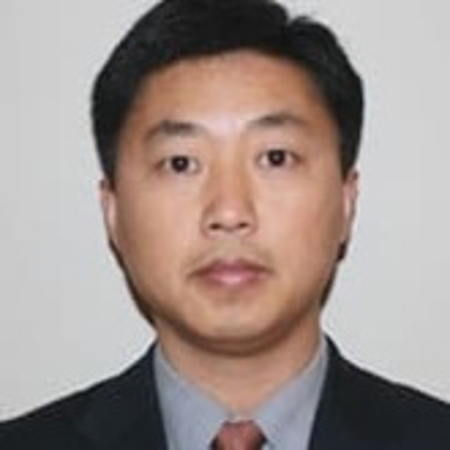
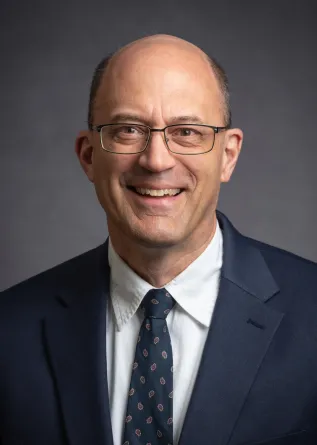
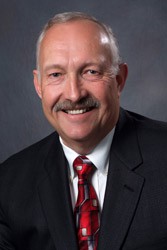
Yuehua Cui is a Professor in the BioMolecular Science Gateway at Michigan State University, affiliated with the Molecular Plant Sciences Program and the Genetics & Genome Sciences Program. Her research focuses on statistical genetics, bioinformatics, longitudinal data analysis, genomics, plant sciences, and computational biology. Research Trends: Her recent work emphasizes spatial transcriptomics (e.g., STANCE, Rotation-invariance), gene-environment interactions (e.g., Functional Varying-Index Coefficients), and multi-omics data integration (e.g., wMKL, Similarity Network Fusion). Key applications include cancer subtyping, soil microbiota resilience, and Mendelian randomization for causal analysis. Technical Contributions: She develops advanced statistical models for high-dimensional data, including methods for variable selection, network analysis, and uncertainty quantification in genetic studies.
Kurtis Nisbet serves as a Researcher at Griffith University's School of Environment and Science in Brisbane, Australia, where he has worked as a Scientific Officer since 2019. He completed his Bachelor of Science with First Class Honours in 2018. His research specializes in forest ecosystem processes, particularly examining deadwood decomposition and its critical role in the global carbon cycle. Nisbet investigates how climate variables and insect activity influence wood decay rates across different biomes, with significant implications for climate change modeling. His most notable contribution is co-authoring groundbreaking research published in Nature that calculated global carbon emissions from decaying wood for the first time, revealing 10.9 billion tonnes of carbon released annually. This research demonstrated insects contribute approximately 29% of this total, with their impact disproportionately higher in tropical regions where they facilitate nearly one-third of carbon release from deadwood. Nisbet participated in an extensive international collaboration involving over 30 research groups across six continents, placing wood samples from 140+ tree species at 55 forest sites worldwide. By using mesh cages to exclude insects from half the samples, the team isolated insect contributions to decomposition processes. Forest carbon cycling dynamics Insect-mediated decomposition processes Climate change impacts on ecosystem functions Tropical versus temperate decomposition rates Deadwood management implications for carbon sequestration His work demonstrates that deadwood decomposition rates increase significantly with rising temperatures, particularly in tropical regions where annual mass loss reaches 28.2% compared to 6.3% in temperate zones. These findings suggest climate change will accelerate carbon release from deadwood, creating a positive feedback loop that could exacerbate global warming trends.
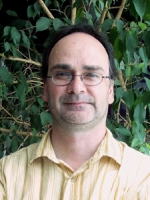
Fabio Gennaretti is a Regular Professor and holder of the Canada Research Chair in Dendroecology and Dendroclimatology at the Forest Research Institute (IRF) at University of Quebec in Abitibi-Témiscamingue (UQAT), Rouyn-Noranda Campus. His interdisciplinary research bridges forest ecophysiology, mechanistic modeling, and dendroclimatology to understand forest ecosystem responses to climate change and disturbances across multiple spatial scales. Dr. Gennaretti's educational background includes: Ph.D. in Biology, UQAR (2014) M.Sc. in Conservation and Restoration of the Forest Environment and Soil Protection, Università degli studi della Tuscia, Italy (2008) B.Sc. in Forestry and Environmental Sciences, Università Politecnica delle Marche, Italy (2006) Postdoctoral fellowship in ecological modeling, INRA - Grand Est, France (2017-2019) Postdoctoral fellowship in ecological modeling and paleoclimatology, CEREGE, France (2015-2017) His research spans multiple scales of forest ecosystem analysis. At the stand level, he investigates carbon fluxes, stable isotopes, and water cycle dynamics in forests. At landscape scales, he examines plant successions and ecosystem transformations, particularly following fires. Regionally, he studies climate variability and its forcings (especially volcanism) through climate reconstructions using biological archives (tree rings) and climate scenario modeling. His work demonstrates sophisticated expertise in ecophysiological modeling (particularly with MAIDEN and MuSICA models) and in the joint analysis of multiple tree-ring traits including width, density, and stable isotopes. Analysis of his 15 most recent publications reveals a strong focus on boreal forest responses to climate change, with particular attention to water dynamics, species interactions, and disturbance impacts. His research integrates dendroecological methods with advanced modeling approaches to understand past, present, and future forest ecosystem functioning. Key themes include climate reconstruction using tree rings, forest responses to drought, fire ecology, mining site restoration, and the physiological mechanisms underlying tree responses to environmental stressors. His scientific recognition includes holding the prestigious Canada Research Chair in Dendroecology and Dendroclimatology, reflecting his significant contributions to understanding forest responses to environmental change. As an active mentor, Dr. Gennaretti supervises numerous graduate students and postdoctoral fellows across various projects related to forest ecology and climate change. His current advisees include doctoral candidates Lucie Barbier, Samuel Bouchut, Elsa Dejoie, Oloruntobi Gideon Olugbadieye, and Ana Verhulst-Casanova, as well as Master's student Audrey Demers. He also co-advises several students and mentors trainees and interns, demonstrating his commitment to training the next generation of forest scientists. Dr. Gennaretti leads research within the Forest Research Institute at UQAT, collaborating with various researchers and institutions on projects examining forest responses to environmental change. His work integrates field measurements, laboratory analyses, and sophisticated modeling approaches to understand forest ecosystem dynamics across temporal and spatial scales, making significant contributions to both theoretical and applied forest ecology.
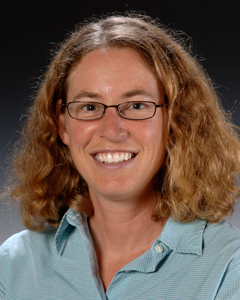
Dr. Alain Leduc is a Professor in the Department of Biological Sciences at the University of Quebec in Montreal (UQAM), where he has been conducting research in landscape ecology since 1993. He is a regular member of the Forest Study Center (CEF) and a key member of the NSERC/UQAT/UQAM Industrial Chair in Sustainable Forest Management. His work focuses on the application of landscape ecology principles to sustainable forest management, particularly in the boreal forest. Dr. Leduc earned his PhD in Environmental Science from UQAM in 1992 under the supervision of Yves Bergeron, following an M.Sc. in Biology (ornithology) from the University of Montreal in 1986 and a B.Sc. in Biology from the same institution in 1982. His academic journey reflects a deepening specialization from general biology to landscape-scale forest ecology. Dr. Leduc's research centers on understanding how spatial and temporal scales influence ecological relationships in forest ecosystems, with particular emphasis on boreal forest management. His work has evolved to address critical challenges in sustainable forestry, including the integration of natural disturbance regimes into management practices, the development of adaptive strategies for fire-prone landscapes, and the prediction of young stand development following harvesting. He has made significant contributions to regionalization approaches that better reflect ecological realities of northern forests, particularly through incorporating fire regime variation. His recent publications (2021-2025) demonstrate a clear trajectory toward addressing climate change impacts on boreal forests, with increasing focus on fire management adaptation, mixed-species plantations (particularly involving tamarack and black spruce), and understanding post-disturbance forest dynamics. This research is highly relevant to current challenges facing Quebec's forest industry as it confronts increasingly severe fire seasons. Dr. Leduc has received recognition through numerous research grants supporting his work on sustainable forest management. His research has been funded by NSERC and other agencies supporting the Industrial Chair in Sustainable Forest Management, reflecting the applied relevance of his work to forest industry challenges. As an advisor, Dr. Leduc has supervised numerous graduate students and postdoctoral researchers, contributing significantly to training the next generation of forest ecologists. His students have pursued diverse research topics within the broader framework of sustainable forest management, with recent theses focusing on mixed-species plantations, fire adaptation strategies, and young stand development. Dr. Leduc is actively involved with the Forest Study Center (CEF), a major research network focused on forest ecosystems. His work often involves collaboration with researchers across Quebec's university system and with government and industry partners through the Industrial Chair framework.
Kristin Judd is a Professor in the Department of Biology at Eastern Michigan University, with affiliations in the Environmental Science and Society (ENVI) Interdisciplinary Program. Her research bridges terrestrial and aquatic ecosystems, focusing on biogeochemical cycles and anthropogenic impacts on natural systems. Her educational background includes: BA, Dartmouth College, 1995 MS, University of Michigan, 1998 PhD, University of Michigan, 2004 Professor Judd's research centers on ecosystem ecology and biogeochemistry , with emphasis on: Organic matter dynamics and nutrient cycling in watersheds Linkages between land and water systems Impacts of invasive species (e.g., Phragmites), road salt, microplastics, and pharmaceuticals Carbon/nitrogen budgets in freshwater and coastal ecosystems Her work employs field and laboratory approaches to understand environmental change effects on ecosystem structure. Analysis of her publications reveals consistent focus on anthropogenic stressors in freshwater ecosystems, including invasive species management in Great Lakes wetlands, pollution impacts (road salt, microplastics, pharmaceuticals), and biofilm dynamics. Research spans local Michigan watersheds to arctic tundra systems, highlighting terrestrial-aquatic interconnections. Professor Judd leads the Judd Lab, conducting ecosystem dynamics research and training students. She teaches courses including Ecology, Limnology, and Wetland Ecosystems at undergraduate and graduate levels.
Adriana Radosavac serves as Full Professor and Vice-Dean for International Cooperation at the University of Economics Academy, Faculty of Applied Management, Economics and Finance in Belgrade, with additional teaching appointments at institutions including the University of Economics Academy in Novi Sad and the School of Modern Business in Belgrade. Her academic leadership spans agricultural economics and business management disciplines across Balkan higher education. Her educational qualifications include: PhD in Agricultural Sciences, Faculty of Agriculture, University of Novi Sad (2009-2014) Master's degree in Agricultural Sciences, Faculty of Agriculture, University of Novi Sad (2004-2009) Graduate Economist, Faculty of Economics, University of Banja Luka (1992-1998) Diploma in Economics, School of Economics, Banja Luka (1989-1992) Rocused on Balkan rural economies, her research examines agricultural governance, rural tourism competitiveness, and sustainable farming systems. She investigates how resource management and institutional frameworks influence regional development in Bosnia and Herzegovina, Serbia, and Montenegro, with particular attention to organic production and agritourism models. Her work bridges theoretical economic analysis with practical rural development challenges. Analysis of her 15 most recent publications reveals consistent thematic focus on rural diversification strategies and tourism-agriculture linkages across the Balkans. The research demonstrates methodological diversity, combining quantitative analysis of crop systems with qualitative governance studies, while maintaining strong regional specificity through case studies in Vojvodina, Bosnia, and southeastern Serbia. Key emerging trends include the role of traditional food products in tourism development and nitrogen optimization in cereal production. Scientific Awards: No specific awards documented in source materials. Advising and Grants: Available documentation does not specify graduate student mentorship or research grant administration activities.
Dean Steele serves as an Associate Professor in the Department of Agricultural and Biosystems Engineering at North Dakota State University. His expertise lies in irrigation and environmental engineering, with a focus on water conservation and precision agriculture technologies for sustainable farming in challenging climates. Education: Ph.D., University of Minnesota M.S., South Dakota State University Bachelor of Agricultural Engineering, University of Minnesota Dr. Steele's research program centers on soil-water dynamics , sensor-based irrigation management , and environmental impact mitigation . He employs advanced techniques including time domain reflectometry, proximal geophysical sensors, and unmanned aerial vehicles to optimize water use in agriculture. His work addresses regional challenges in the Red River Basin and semiarid regions of North Dakota. Analysis of his recent publications (2020-2025) reveals a strong trend toward innovative water conservation strategies and precision application technologies . Key themes include soil moisture monitoring, variable rate irrigation, and the use of superabsorbent polymers for soil remediation, often in collaboration with NRCS and industry partners. Dr. Steele mentors graduate students, notably R. Maisha, who has presented their joint research at multiple student conferences. He has secured funding for projects such as the NRCS variable rate irrigation initiative, demonstrating his ability to translate research into practical agricultural solutions. As an active member of the American Society of Agricultural and Biological Engineers and its Red River Valley Section, Dr. Steele contributes to professional development and extension activities that bridge academic research with on-farm applications.
Dr. Papanin Putsathit is a Post Doctoral Research Fellow at Edith Cowan University (ECU), affiliated with the School of Medical and Health Sciences. She collaborates with Professor Thomas Riley's Clostridium difficile research group at PathWest Laboratory Medicine, Queen Elizabeth II Medical Centre. Her research focuses on molecular epidemiology and antimicrobial susceptibility of Clostridium difficile in humans, livestock, and environmental sources, with an emphasis on developing novel antimicrobial strategies. Education Doctor of Philosophy (2017) – University of Western Australia Graduate Diploma of Education (Secondary) (2017) – Edith Cowan University Bachelor of Science with Honours (Microbiology) (2012) – University of Western Australia Bachelor of Science (Biomedical Science) (2011) – University of Western Australia Research Interests Dr. Putsathit’s work bridges molecular biology and clinical microbiology, addressing critical gaps in understanding pathogen transmission. Her studies explore: Epidemiological patterns of Clostridium difficile infections across human, animal, and environmental interfaces Mechanisms of antimicrobial resistance and their evolutionary trajectories Novel antimicrobial compounds targeting C. difficile biofilms and spores One Health approaches to mitigate multi-sectoral pathogen spread Grants & Awards ECU Early Career Researcher Grant (2019–2020): $26,604 for studying C. difficile carriage in Western Australian communities UWA International Research Fees Scholarship (2013–2017) Australian Society for Microbiology Vacation Scholarship (2010) Tuart College International Student Scholarship (2007) Lab & Collaborations Works within the Clostridium difficile research group at PathWest, collaborating with institutions like the University of Western Australia and international partners. Current projects include: Genomic analysis of C. difficile ribotypes in Australian healthcare settings Environmental reservoir studies linking hospital and community C. difficile strains Screening antimicrobial peptidomimetics for efficacy against biofilm-forming pathogens
Kevin White is a Professor at the University of Reading's Department of Geography and Environmental Science, within the School of Archaeology, Geography and Environmental Science. His research focuses on remote sensing applications in environmental and climatic studies, geomorphology, and paleoenvironmental reconstruction. He has contributed to understanding dust emission dynamics, soil moisture, and climate change impacts across diverse regions including Central Asia, the Sahara, and the Namib Desert. His interdisciplinary work integrates satellite data with field observations to address environmental challenges like desertification and hydrological modeling. Key collaborations include studies on glacial mass balance in Tien Shan and paleohydrology in Libya's Fazzan Basin. White's methodologies span spectral analysis, GIS modeling, and geochemical tracing, reflecting a commitment to bridging Earth science disciplines. Education Background: No formal education details provided in the text. Likely holds a PhD in Geography or Environmental Science given his academic output. Research Interests: Remote sensing of dust and soil processes; geomorphic and climatic change in arid environments; paleohydrology; aeolian sediment dynamics; and environmental risk analysis using satellite data. His work emphasizes practical applications for water resource management and climate adaptation strategies. Publications Overview: Over 50 peer-reviewed articles since 2003, focusing on topics such as spectral variance in grasslands, dust source mapping in Central Asia, and glacial monitoring. Recent works highlight advancements in sub-kilometer soil moisture retrieval (2022) and meta-analytical biodiversity assessments (2023). Grants & Collaborations: Collaborations with institutions like the Earth Science Society of Libya and involvement in large-scale projects such as the Cyrenaican Prehistory Project. Research often involves multidisciplinary teams addressing global environmental challenges.
Dr. Norel Rimbu is a researcher at the Alfred Wegener Institute (AWI), specializing in climate dynamics and paleoclimatology. His work focuses on reconstructing past climate variability through proxy data such as ice cores, coral records, and tree rings, with an emphasis on atmospheric circulation patterns, teleconnections, and solar forcing impacts. Key areas include the analysis of Greenland ice core deuterium isotopes, Red Sea coral records, and European temperature proxies to understand interannual to millennial-scale climate changes. Rimbu's research integrates observational data with climate models to explore linkages between large-scale climate modes (e.g., Atlantic Multidecadal Oscillation, Interdecadal Pacific Oscillation) and regional phenomena like floods, droughts, and extreme weather events. He contributes to initiatives like the EPIC and PANGAEA repositories, emphasizing data-driven climate reconstructions and their implications for modern climate systems. His studies highlight the importance of solar variability and atmospheric blocking in driving historical climate extremes, offering insights for future climate projections.
Feng Qiu is an Associate Professor in the Department of Resource Economics and Environmental Sociology (REES) at the University of Alberta, within the Faculty of Agricultural, Life and Environmental Sciences. She holds a Ph.D. in Economics from North Carolina State University (2012). Her research focuses on biofuels, energy policy, land use, price analysis, and community food environments. Dr. Qiu leads a research team addressing low-carbon energy transition challenges and has secured over $1.8M in research funding since 2018. She serves as an Editor for Agribusiness: An International Journal and teaches courses such as Land Use Economics and Econometric Applications. Her work integrates spatial analysis, econometrics, and policy evaluation to address sustainability challenges in agriculture, energy, and urban systems. Education: Ph.D. in Economics, North Carolina State University (2012), minor in Statistics. Research Interests: Biofuel supply chains, land use policy, energy economics, price volatility, community food access, and sustainable technologies. Her recent projects include GIS-based biorefinery site selection, oil supply shock impacts on agriculture, and spatial valuation of green spaces. Teaching: Graduate and undergraduate courses in econometrics, land use economics, and financial management in resource industries. Grants: Over $1.8M as Principal Investigator for low-carbon energy research. Active in initiatives like the Alberta Biojet Initiative and Future Energy Systems. Lab/Team: Leads a multidisciplinary team analyzing energy transitions and sustainable land use policies at the University of Alberta.
Maarit Raivonen is a University Researcher at the University of Helsinki's Institute for Atmospheric and Earth System Research (INAR), specializing in Micrometeorology and Biogeochemical Cycles. She supervises the Doctoral Programme in Atmospheric Sciences and actively contributes to climate-related research projects. Her work focuses on biogeochemical processes, climate modeling, and ecosystem dynamics in boreal environments. Research Interests: Climate Science Biogeochemical cycles Methane and CO2 emissions Peatland ecosystems Climate change impacts Recent Work: Her recent publications explore topics like wetland methane emissions' sensitivity to climate variables, peat microscale heterogeneity effects, and Finland's carbon balance assessment. She leads EU-funded projects like AurinkoSuo and collaborates in flagship initiatives like the ACCC Climate Competence Center. Awards: No scientific awards explicitly mentioned in the text. Grants & Projects: Actively involved in EU and Academy of Finland projects (e.g., InterEarth RESET, ACCC Flagship). Serves as project manager on peatland sustainability initiatives.
Dr. Qingmin Meng is an Associate Professor in the Department of Geosciences at Mississippi State University, specializing in human-environment interactions through quantitative geospatial analysis. His work integrates mathematics and statistics to model landscape dynamics, natural resources, and human activities using vector, raster, and time-series datasets. Dr. Meng's educational background includes: PhD in Forestry and Natural Resources, University of Georgia (2006) MS in Statistics, University of Georgia (2005) PhD in Geography, Peking University, China (2001) MS in Geography, Lanzhou University, China (1997) BS in Geography, Shandong Normal University, China (1994) His research focuses on geospatial big data exploration , with emphasis on remote sensing data integration, ecological system assessment, and environmental-social interactions in Gulf coastal ecosystems, hydraulic fracturing impacts, and West Nile Virus dynamics. Key methodologies include GIS, remote sensing, and geospatial modeling for analyzing complex systems. Recent publications reveal a strong trend toward applied environmental justice research , particularly in urban flood vulnerability, wildfire risk disparities, and health inequities exacerbated by climate change. His work increasingly utilizes machine learning and high-resolution spatial analytics to address climate adaptation challenges. Notable recognitions include: CHANS Fellowship (2010) from the International Network of Research on Coupled Human and Natural Systems (NSF/MSU) UCGIS/ESRI Junior Faculty Award (2010) Dr. Meng mentors graduate students in geospatial science, with current advisees including PhD candidates Sadia Shammi, Khalid Hossain, and Tianyu Li. His research is supported by grants focused on environmental hazard assessment and geospatial technology development, though specific funding sources aren't detailed in available materials. His work leverages Mississippi State University's geospatial infrastructure for analyzing Gulf coastal ecosystems and hydraulic fracturing impacts, with growing emphasis on urban environmental justice and climate resilience applications.
Gerald Smith is a Professor in the Department of Plant Genetics at Texas A&M University's College of Agriculture & Life Sciences. His research focuses on forage legume breeding, with an emphasis on developing pest-resistant, productive forage legumes for Texas agricultural systems. He leads a program involving germplasm collection, population development, and cultivar licensing. He is affiliated with Texas A&M AgriLife Research and Extension Service, contributing to both academic and applied agricultural initiatives. Smith’s research interests include forage legume improvement, soil organic carbon sequestration, and crop adaptation to climate variability. His work integrates plant breeding with agronomic practices to enhance sustainability in grazing lands and cropping systems. He has extensively studied cowpea-wheat double cropping systems, drought impacts on winter wheat, and the role of cover crops in soil health. His publications span over two decades, addressing topics such as legume genetics, nitrogen fixation, and the ecological impacts of grazing management. While no explicit awards are listed, his contributions to forage systems are recognized through his extensive publication record and cultivar registrations. Smith collaborates with Texas A&M AgriLife to translate research into practical solutions for farmers, including pasture management strategies and crop modeling for climate resilience. His work bridges laboratory-based genetics with field-scale agricultural applications, emphasizing real-world impact.
Deborah Roberts serves as the inaugural Dean of the Faculty of Science and Engineering at the University of Northern British Columbia (UNBC), bringing over 30 years of interdisciplinary expertise bridging microbiology and environmental engineering. A licensed Professional Engineer with EGBC, she holds leadership positions in multiple engineering and scientific societies while maintaining active research programs. Her academic foundation includes a BSc and PhD in Microbiology from the University of Alberta, complemented by immersive engineering training during her tenure as Assistant and Associate Professor in Civil and Environmental Engineering at the University of Houston. She played a pivotal role in establishing the School of Engineering in Kelowna before joining UNBC, where she integrates her dual expertise in biological systems and engineering design. Dr. Roberts' research program focuses on developing innovative biological treatment solutions for extreme environmental challenges, with particular emphasis on microbial fuel cell technology for waste-to-energy conversion, arsenic removal from mine drainage, and sulfur-oxidizing microbial processes affecting concrete infrastructure. Her laboratory trains students in advanced microbiological techniques, analytical chemistry methodologies, and the development of novel contaminant analysis protocols for water, soil, and air remediation. Recent publication trends reveal a strategic shift toward bioelectrochemical systems for sustainable wastewater treatment, with significant contributions to understanding microbial fuel cell performance in winery and food waste applications. Her work increasingly incorporates advanced sensing technologies, including microwave-based biosensors for real-time water quality monitoring and bacterial growth analysis, demonstrating interdisciplinary innovation across environmental engineering and analytical chemistry domains. Professional Engineering license with EGBC Member of multiple engineering and scientific societies Supervisor for MSc and PhD students in environmental engineering Active research collaborations across North America Dr. Roberts leads the Faculty of Science and Engineering while maintaining an active research laboratory focused on sustainable solutions for contaminated media. Her team develops practical applications for microbial processes in extreme environments, with particular attention to industrial wastewater challenges and resource recovery opportunities. Current projects emphasize scalable technologies for agricultural waste streams and mining-impacted waters, reflecting her commitment to translating fundamental research into field-deployable environmental solutions.