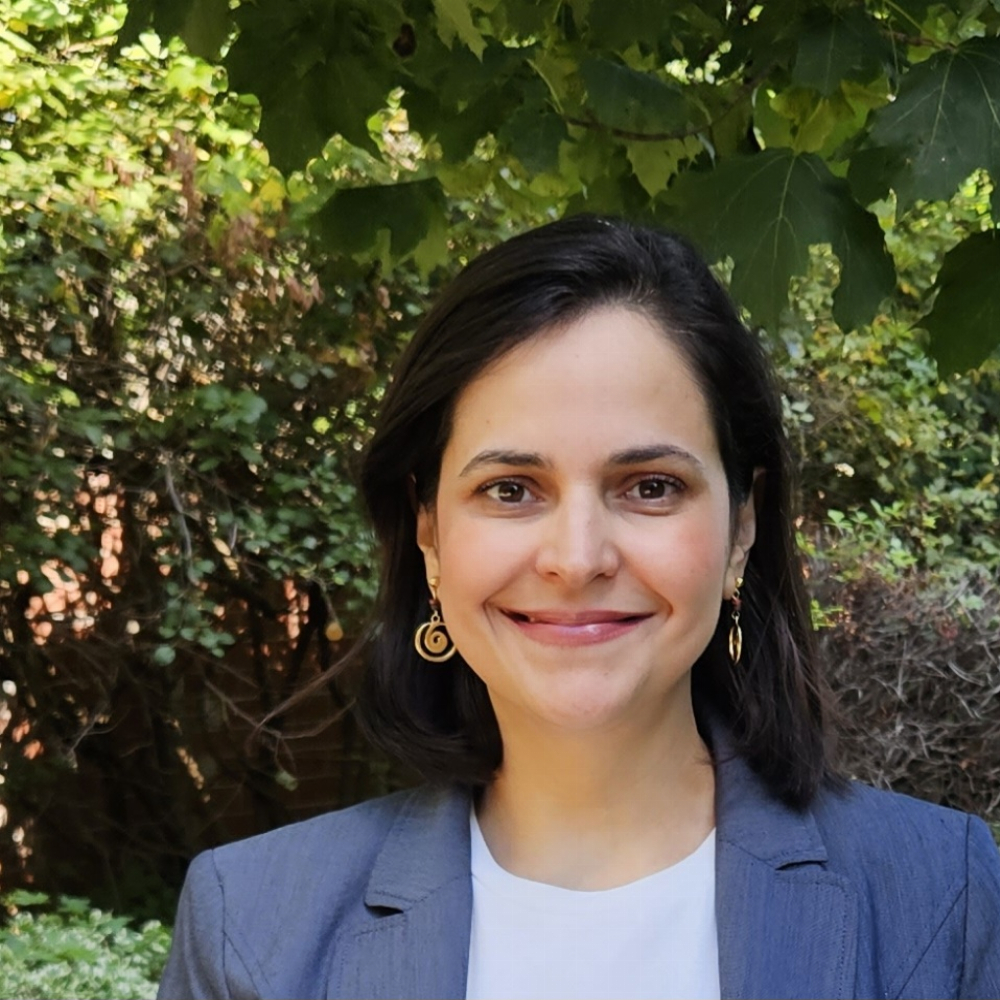
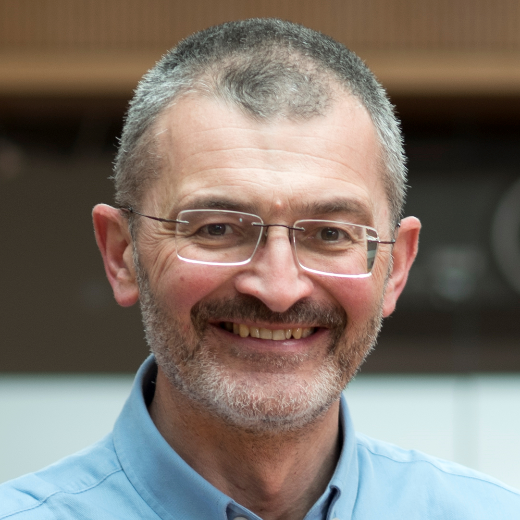
Luz Adriana Puentes Jácome is an Assistant Professor (Teaching Stream) in the Department of Biology at York University's Faculty of Science. Her work focuses on bioprocesses in food production, water/soil/waste treatment, and biotechnological advancements in healthcare. She actively integrates Decolonizing, Equity, Diversity, and Inclusion (DEDI) principles into her teaching and curriculum design. Her research interests span biotechnology, environmental microbiology, and bioremediation, aligning with UN Sustainable Development Goals such as Clean Water and Sanitation, Climate Action, and Quality Education. She emphasizes sustainable biotechnology solutions for Ontario's evolving biotech sector. No academic awards or grants are explicitly listed. Her teaching expertise includes microbial ecology, bioethics, and environmental contamination. Contact: Lumbers Building 317, Phone: (416) 736-2100 x31024.
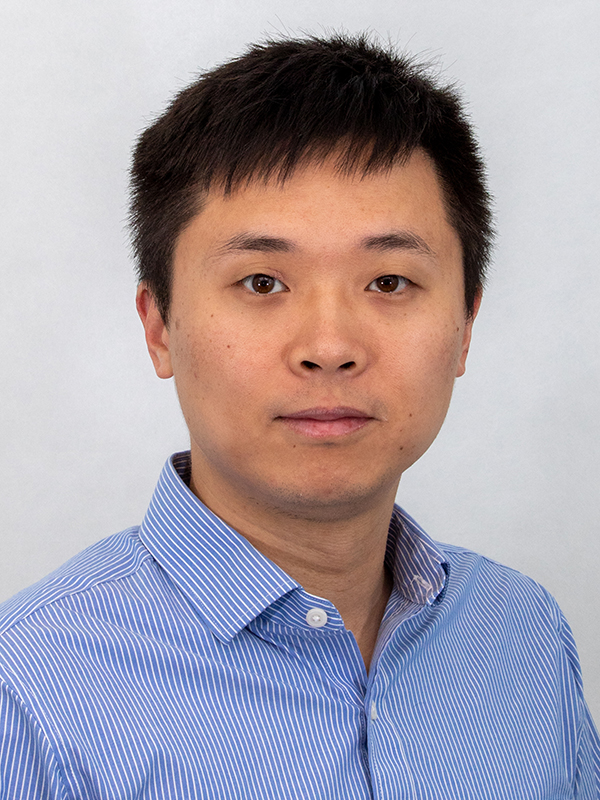
Dr. Yangyang Xu is an Associate Professor in the Department of Atmospheric Sciences at Texas A&M University, part of the College of Arts and Sciences. His research focuses on climate change and air pollution interactions, with emphasis on mitigation strategies, aerosol impacts, and urban resilience. He holds a Ph.D. (2014) and M.S. (2011) from the University of California, San Diego, and a B.S. (2008) from Peking University. Key research interests include climate adaptation, methane mitigation, and the co-occurrence of extreme weather events. Notable awards include the 2019 AGU Global Environmental Change Early Career Award and the 2021 TAMU Distinguished Achievement Award for Research. His work addresses interdisciplinary challenges such as urban thermal environments, geoengineering scenarios, and agricultural climate impacts. Dr. Xu’s publications span climate modeling, air quality forecasting, and policy-relevant climate solutions. He actively collaborates on projects like the Urban Climate Adaptation and Resilience (U-CARE) initiative and investigates innovative methods for CO₂ removal and methane budgeting. His research often bridges atmospheric science with societal applications, emphasizing actionable insights for policymakers and communities.
Dr Liz Rylott is a Senior Lecturer in the Department of Biology at the University of York, affiliated with the Centre for Novel Agricultural Products (CNAP). Her research focuses on phytoremediation, leveraging plants to recover metals from contaminated land and detoxify environmental pollutants, including explosives like RDX and TNT. Key areas include developing transgenic plants to remediate military pollutants and engineering plants to produce catalytically active nanoparticles for industrial applications. She co-leads the York Environmental Sustainability Institute's (YESI) Food, Water & Waste theme, emphasizing sustainable solutions to global environmental challenges. Her work integrates plant biology, biotechnology, and environmental science. Notable projects include field trials of GM switchgrass for RDX degradation and the development of bio-derived catalysts from plant biomass. She actively engages in science communication, collaborating with schools and designing outreach activities to demystify environmental science. Teaching emphasizes plant science fundamentals, experimental design, and critical analysis of scientific literature, with lab projects centered on addressing humanity's grand challenges through plant-based biotechnology. Dr Rylott's research spans plant-metal interactions, xenobiotic detoxification, and sustainable resource recovery. Her contributions bridge academic innovation and real-world applications, aiming to transform contaminated landscapes into productive ecosystems while advancing circular economy principles. She is based at the University of York, contributing to both research and education in environmental sustainability.
Isabel Maria Marrucho is a Full Professor at the Department of Chemical Engineering, Instituto Superior Técnico (IST), University of Lisbon. Her research focuses on sustainable chemical engineering, particularly in the development of green solvents like ionic liquids and deep eutectic solvents. She leads the Sustainable Technologies and Green Solvents group, aiming to design eco-friendly chemicals, materials, and processes for applications in CO₂ separation, water purification, and waste recycling. Her work bridges fundamental science and industrial applications, emphasizing environmental sustainability and resource efficiency. Key research interests include the synthesis and characterization of novel solvents, membrane technologies for gas separation, and the application of eutectic systems in energy storage (e.g., supercapacitors). Collaborations span chemical engineering, materials science, and biotechnology, addressing challenges in pollution control, renewable energy, and circular economy principles. Publications highlight advancements in solvent design, membrane fabrication, and sustainable recycling methods. Her contributions address global challenges in energy, water, and waste management through innovative chemical engineering approaches.
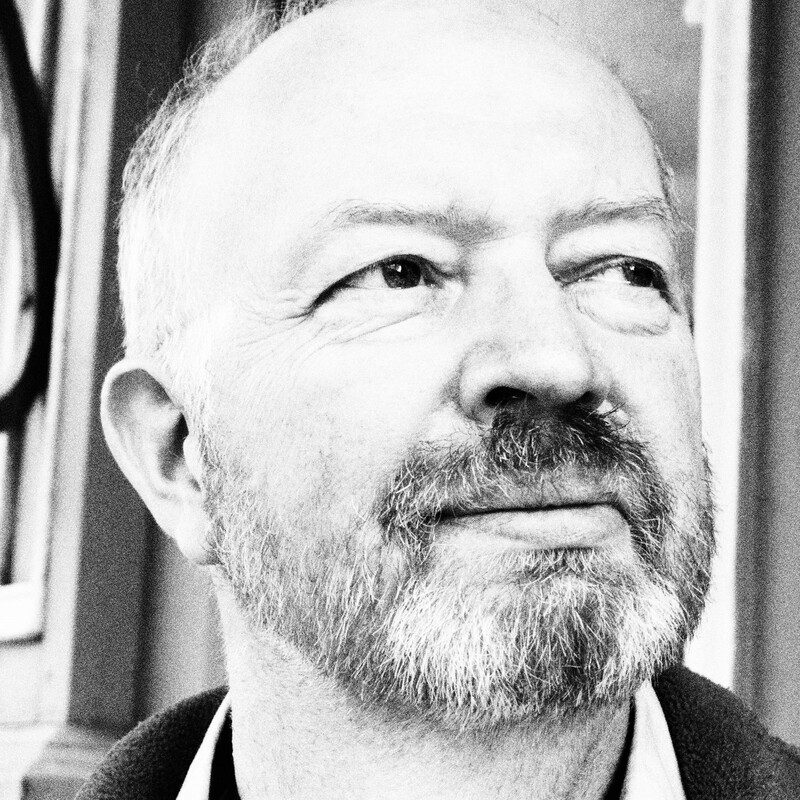
Professor Klaus Regenauer-Lieb is a leading academic in the School of Minerals, Energy and Chemical Engineering at Curtin University. His research focuses on multiscale, multiphysics processes in subsurface systems, including geothermal energy, fluid-rock interactions, and porous media dynamics. He holds a professorial position and contributes to the Office of the Provost. His work integrates computational modeling, experimental techniques, and theoretical frameworks to address challenges in energy, environmental, and geological systems. Key research areas include the thermodynamics of geological processes, compaction band formation, and the mechanics of deformation in porous media. He has pioneered studies on reaction-diffusion waves as precursors to earthquakes and developed innovative models for geothermal energy storage. His publications span interdisciplinary topics such as shale pore structure analysis, carbon sequestration, and nanoscale sorption mechanisms. Collaborations include projects on geothermal batteries for renewable energy storage, subsurface fluid dynamics, and advanced materials characterization. He actively contributes to international initiatives in geophysics and energy systems, emphasizing the application of multiscale modeling to real-world engineering and environmental problems.
Professor Andrew Lowe is a leading academic and director of the University of Adelaide's Environment Institute, part of the Division of Research and Innovation. He holds a PhD in Plant Evolutionary Biology from the University of St Andrews (1997) and became a full professor in 2006. His research spans plant ecological genetics, climate change adaptation, and timber tracking technologies. He has secured over $250M in funding and published over 250 papers, with an h-index of 75. Key roles include Science Director of the Fight Food Waste Cooperative Research Centre and leadership in national and international environmental initiatives. Research interests focus on genetic structure of plant populations, climate resilience, and biodiversity conservation. Recent work highlights include the Periodic Table of Food Initiative and advancements in DNA-based timber tracking. Dr. Lowe also engages in public science communication through media articles, podcasts, and TEDx talks. His leadership spans academia, government, and start-ups, including his role as Chief Scientific Officer of Double Helix Tracking Technologies. Advising over 120 graduate students and technical staff, he emphasizes collaborative research and policy impact. Major projects include restoring degraded landscapes and combating illegal logging through scientific innovation. His work integrates ecological genomics with real-world applications, addressing global challenges in sustainability and biodiversity.
Kamal Gandhi is an Associate Professor in the Department of Natural Science at Oregon Institute of Technology, Klamath Falls, where he teaches microbiology and biological sciences. With extensive experience in both research and education, he contributes to undergraduate science instruction with a strong emphasis on student engagement and accessibility. Dr. Gandhi earned his B.S. in Bioengineering from the University of California, San Diego, and completed his Ph.D. in Microbiology at the University of California, Berkeley. He further advanced his research through postdoctoral work on bacteriophages in anaerobic soil environments and served as a research scientist with the USDA, focusing on food safety. His research interests center on microbial pathogenesis, exploring how microorganisms such as bacteria and viruses cause disease by interacting with host systems. This involves interdisciplinary knowledge in virology, bacteriology, immunology, cell biology, and systems biology (anatomy and physiology). He integrates these domains to understand host-pathogen interactions at both cellular and systemic levels. Although no publications are listed in the provided text, his background suggests scholarly activity in microbiology and infectious disease mechanisms, particularly involving viral infection processes such as actin incorporation during baculovirus infection and bacteriophage dynamics in environmental microbiology. Outstanding Instructor Reputation Over 25 years of teaching experience across high school tutoring, teaching assistant roles, graduate instruction, and collegiate lecturing since 2010 Experienced in teaching diverse populations including traditional, non-traditional, adult learners, and students from varied socioeconomic and generational backgrounds No grants or formal research projects mentioned Dr. Gandhi has no listed laboratory or research team in the provided content. However, his teaching philosophy emphasizes interactive lecturing, discussion, and repetition to facilitate understanding of complex biological concepts, tailored to students balancing academic, professional, and personal responsibilities.
Dr. Claire Stanley is a Senior Lecturer in the Department of Bioengineering at Imperial College London, leading the Microbiome-Microscopy and Microfluidics Lab. Her research focuses on developing microfluidic ('Organ-on-a-Chip') technologies to study microbial interactions in soil environments at the single-cell level. She holds affiliations with the Fungal Science Network, Microbiome Network, and Organ-on-chip Network of Excellence. Education: PhD in Chemistry, Imperial College London (2007–2011) MRes in Protein and Membrane Chemical Biology (Distinction), Imperial College London (2006–2007) MChem in Chemistry (First Class), Durham University (2002–2006) Research Interests: Claire's work bridges bioengineering, microbiology, and plant biology. Key projects include bacterial-fungal interactions, fungal defense mechanisms against nematodes, and plant root adaptations to environmental heterogeneity. Her lab develops tools like the dual-flow-RootChip and AMF-SporeChip to study root-environment interactions and fungal dynamics. These platforms enable precise environmental control and high-resolution imaging of biological processes. Awards & Funding: Swiss National Science Foundation Ambizione Career Grant (2016–2019) £500k+ in personal research grants, plus contributions to >£7M collaborative grants Society of the Chemical Industry Scholarship (2008–2010) Collaborations & Labs: Claire collaborates internationally with institutions in Switzerland, Europe, and the U.S., including ETH Zürich, Agroscope, and the University of Neuchâtel. Her lab’s innovations in microfluidics have applications in biomedicine, environmental science, and agriculture.
Parthasarathi Mandal is a Professor (Reader) in Bioengineering and Structural Mechanics at the University of Manchester. He leads the Bio-engineering research theme in the School of Mechanical, Aerospace and Civil Engineering and serves as Head of Equality, Diversity, Inclusion, and Access for the School of Engineering. His expertise spans structural mechanics, biomechanics, and bio-engineering, with a focus on interdisciplinary research addressing societal challenges. Education: BE and MTech from NIT Durgapur and IIT Kanpur, followed by a PhD from the University of Cambridge. Professional roles include former Director of Civil Engineering Undergraduate Programmes (2012–2017) and co-director of Manchester Institute for Collaborative Research on Ageing (MICRA). He is an Associate Editor of Research on Biomedical Engineering and has secured ~£1.5M in research grants. Research Interests: Bio-engineering, computational mechanics, thin-walled structures, and cell/tissue engineering. Key projects include stability of large-scale structures, micro-mechanics of human cells, and novel biomechanical models for medical devices. His work contributes to UN SDGs, particularly in advancing healthcare and sustainable infrastructure. Supervised 24 PhD students and published over 80 peer-reviewed articles. Notable contributions include developing a theoretical framework for cylindrical shell buckling and advancing friction stir welding techniques. Active in teaching innovation,他曾领导战略教学工作组以提升学生学习体验.
Associate Professor John Dearnaley serves as Head of School and Dean of the School of Agriculture and Environmental Science at the University of Southern Queensland. With a PhD from the Australian National University and 30 years of academic experience, including a postdoctoral fellowship in Toronto, Canada, he leads research on Australian fungal taxonomy, ecology, and economic applications. His research focuses include: Fungal symbiosis with plants Bioactive properties of Australian fungi Mycorrhizal applications in agriculture Marasmiaceae taxonomy Fungal biodegradation of plastics Mycophagy in Australian mammals Recent publications emphasize fungal biocatalysis for sustainable agriculture, mycelium-based materials, and ecological impacts of invasive species on soil fungal communities. His work spans mycology, microbial ecology, and agricultural sustainability. He actively supervises doctoral and masters students in projects related to plant-microbe interactions, fungal biodiversity, and environmental restoration. His professional affiliations include the Centre for Crop Health at USQ and the Australasian Mycological Society, where he previously served as president.
Jussi Meriluoto is a Researcher at the Faculty of Natural Sciences and Engineering , Åbo Akademi University , with expertise in Toxic cyanobacteria , Water , Biocrusts , and Instrumental analyses . His work also explores theological and ethical dimensions of environmental issues. PhD , Åbo Akademi University (1991) MTheol , Åbo Akademi University (2012) His research spans cyanobacterial toxicity assessment, biocrust restoration for dryland rehabilitation, and analytical methods like LC-MS/MS for detecting neurotoxins such as BMAA. Recent projects include the BIONEER initiative for post-mining waste management via cyanobacterial bioengineering. Key trends in his 189 publications include cyanotoxin impacts on cardiovascular health , neurodegenerative diseases , and ecosystem risks from harmful algal blooms. He contributes to policy frameworks for mitigating particulate air pollution in Central Serbia.
Francisco González García is a Professor in the Department of Surgery and Medical-Surgical Specialties at the University of Santiago de Compostela's Faculty of Medicine and Dentistry. He holds affiliations with the Center for Research in Molecular Medicine and Chronic Diseases (CIMUS) and the Vision Research Group in Ophthalmology and Visual Sciences. His academic career includes doctoral degrees from both the University of Santiago de Compostela (1982) and the University of La Laguna (2001), focusing on visuomotor neuroscience and otolaryngology. Research interests span ophthalmology, neurosciences, and biomedical data science with recent emphasis on retinal physiology, intraocular devices, and stem cell therapies. His work bridges clinical practice and engineering through innovations in tonometry techniques and smart lens development. Notable contributions include studies on prostaglandin-associated periorbitopathy and neuroprotective roles of erythropoietin in retinopathy. Publications (2021–2025) reflect multidisciplinary activity, combining clinical case reports with methodological advancements in neuronal activity modeling and orbital imaging. Collaborative projects like the Green Link initiative demonstrate environmental engineering applications of medical expertise in desertification reversal using fog capture technologies. He has advised numerous studies on ocular pharmacokinetics and thyroid eye disease management, though specific student names aren't listed. His lab work integrates computational tools like P-spline algorithms with traditional microscopy techniques.
Stefano Cesco is a tenured Professor at the Free University of Bozen-Bolzano, affiliated with the Faculty of Agricultural, Environmental and Food Sciences. His research focuses on plant physiology, soil science, and sustainable agricultural practices. Key areas of investigation include nutrient cycling, microbial interactions, and the application of biotechnology for improving crop resilience. He has conducted extensive studies on plant-microbe symbiosis, heavy metal toxicity in soils, and innovative fertilization strategies using biostimulants and nano-materials. Dr. Cesco's work integrates multi-omics approaches, environmental monitoring, and interdisciplinary methodologies to address challenges in agriculture and environmental health. He has authored numerous publications on topics such as LED-light effects on plant growth, microbial biocontrol agents, and the impact of microplastics on agroecosystems. His research often emphasizes practical solutions for sustainable farming, including the use of composted organic waste and bioengineered fertilizers. His studies also explore the One Health framework, linking agricultural practices to broader ecological and human health outcomes. Notable projects include investigations into soil health in vineyards, the role of hybrid grape varieties in winemaking, and the application of advanced analytical techniques like TXRF and machine learning for plant health diagnostics.
Prof. Josep Samitier Martí is the Director of the Institute for Bioengineering of Catalonia (IBEC) and a Full Professor in the Faculty of Physics (Department of Electronics) at the University of Barcelona. He leads the Nanobioengineering research group, a multidisciplinary team focused on applying nanotechnology for developing new biomedical systems and devices, particularly for diagnostic purposes and integrated microfluidic Organ-on-Chip devices. His research spans three convergent areas: Biosensors and Lab-on-a-Chip devices for clinical diagnosis and monitoring Nanotechnology applied to biomolecule interaction studies and micro/nano-environments for regenerative medicine Microfluidic systems for biological studies and Organ-on-Chip devices Prof. Samitier's work focuses on fabricating microsystems containing living cells that recapitulate tissue and organ level functions in vitro and developing portable diagnostic devices for Point-of-Care applications. His group's main activities include engineering and biochemical functionalization of biomaterials integrated with microfluidics systems, with applications ranging from cancer detection to neurodegenerative disease modeling. Analysis of his recent publications (2023-2025) reveals a strong focus on nanotechnology applications in biomedicine, particularly in developing advanced microfluidic systems, creating biomimetic models of human organs, and designing novel biosensors. His work spans multiple disciplines including nanotechnology, microfluidics, cancer biology, neuroscience, and regenerative medicine, with significant contributions to understanding cellular mechanisms at the nanoscale and developing practical diagnostic tools. Scientific awards: Barcelona city Prize of the Barcelona Council in the area of technology (2003) Prof. Samitier coordinates the Spanish Platform on Nanomedicine and serves as president of the Associació Catalana d'Entitats de Recerca (ACER). His research group has secured numerous grants supporting their work in nanobioengineering and has established collaborations with clinical and industrial partners to translate research into practical applications. The Nanobioengineering group maintains strong partnerships with hospitals and industry for developing diagnostic and therapeutic solutions. His laboratory, the Nanobioengineering group at IBEC, consists of researchers from diverse backgrounds working together to apply nanotechnology for biomedical applications. The team develops microsystems containing living cells that mimic tissue and organ functions, with a particular focus on creating portable diagnostic devices for Point-of-Care use. Their work bridges fundamental research with practical applications in clinical settings.
Leslie M. Shor is an Associate Professor in the Department of Chemical and Biomolecular Engineering at the University of Connecticut. Her interdisciplinary research bridges chemical engineering, microbiology, and advanced manufacturing, focusing on sustainable microbial biofuel production and microbial dynamics in engineered systems. Recent work includes Environmental Science & Technology and Advanced Functional Materials publications on bacterial transport in porous media, biodegradable nanofiber filters, and optogenetic control of biofilms. Collaborations span institutions in the U.S. and Europe. Research Trends: Microbial ecology, biomimetic materials, and environmental biotechnology dominate her recent studies. Technical Focus: Microfluidics, piezoelectric nanofibers, and enzymatic degradation of industrial fluids. Interdisciplinary Reach: Co-authorships with experts in soil science, synthetic biology, and computational modeling.