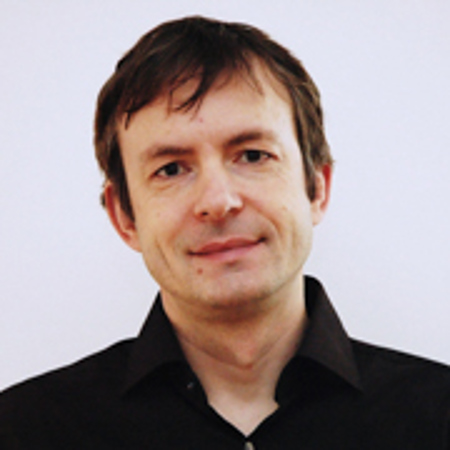
Giuseppe Rizzo is a Full Professor at the Department of Maternal and Child Health and Urological Sciences, Sapienza University of Rome. His academic career focuses on Maternal Fetal Medicine, with expertise in ultrasound applications, fetal growth restriction, preeclampsia, and congenital anomalies. Research Interests : Delivery optimization, prematurity prediction, ultrasound diagnostics, and placental anomalies. Recent Publications : Over 15 high-impact studies in 2024-2025 on topics like umbilical cord abnormalities, cerebroplacental ratios, and gestational diabetes complications. Clinical Expertise : Prenatal counseling, Doppler ultrasound, and labor management protocols. Collaborations : Active in multicenter trials across Italy and Europe, with a focus on fetal neurosonology and high-fidelity obstetric simulation.
Dr. Xin Zhou is an Oxford-Bristol Myers Squibb Fellow at the Department of Computer Science, University of Oxford. Her research integrates computational modeling, clinical data, and experimental findings to investigate cardiac disease mechanisms and develop human-based simulations for drug evaluation. BSc and MSc in Life Sciences, Beijing Normal University DPhil in Computational Biology, University of Oxford Her work focuses on multi-scale cardiac modeling , particularly in ischemic heart disease and heart failure, exploring ionic currents, tissue conduction, and organ-level dynamics. She develops electromechanical simulations to study cardiac alternans and arrhythmic risks, translating these into clinical applications for patient stratification and pharmaceutical testing. Recent publications emphasize in silico clinical trials , sex-specific cardiometabolic analysis, and Purkinje network modeling. Collaborative efforts with clinicians and pharmaceutical partners highlight her translational approach to regulatory science. Model of the Year 2024, BioModels EPSRC Impact Acceleration Account Microsoft Research Project Award Recognition Award, University of Oxford She supervises PhD and MSc students in computational cardiology, while serving on the editorial board of Frontiers in Physiology . Her current projects involve digital twinning and predictive cardiac safety models to reduce animal testing reliance.
Dr. Joshua Brinkerhoff is an Associate Professor in Mechanical Engineering at the University of British Columbia Okanagan Campus. He serves as the Associate Director for Research & Industrial Partnerships in the School of Engineering and leads the UBC-Okanagan Computational Fluid Dynamics Laboratory. His research spans computational fluid dynamics, turbomachinery, multiphase flows, hydrogen safety, wind energy, and biofluid mechanics. He teaches courses in mechanics of materials, alternative energy systems, turbulence, computational fluid dynamics, and aircraft design. PhD, Aerospace Engineering (Carleton University, Ottawa, ON) BEng, Aerospace Engineering (Carleton University) Dr. Brinkerhoff’s research interests include: Computational Fluid Dynamics (CFD) for laminar-to-turbulent transition and instability analysis Wind energy systems and turbine aerodynamics Hydrogen storage and safety protocols for transportation Biofluid mechanics for respiratory diseases and aneurysm modeling Multiphase flows in industrial and environmental contexts His publications focus on CFD simulations for: Aerosol dispersion and mitigation in indoor environments Wind farm interactions and atmospheric gravity waves Cavitation and phase transitions in cryogenic and LNG systems Heat transfer optimization in industrial and thermal systems Instability dynamics in buoyancy-driven and swept flows Turbulent structures in fluidized beds and reactors Dr. Brinkerhoff has no listed scientific awards in the provided data but has extensive contributions to renewable energy, hydrogen safety, and medical fluid dynamics. His laboratory develops open-source tools like TOSCA for large-eddy simulations and investigates practical applications in urban air quality, dental aerosol control, and turbine wake modeling.
Anthony A Gatti is a Postdoctoral Scholar at Stanford University's Wu Tsai Human Performance Alliance and School of Medicine. His research integrates biomechanics , medical imaging , and machine learning to advance musculoskeletal health diagnostics, particularly focusing on knee osteoarthritis and exercise physiology. Education : Ph.D. in Rehabilitation Science (McMaster University, 2021), M.Sc. in Rehabilitation Science (McMaster University, 2015), B.Sc. in Kinesiology (McMaster University, 2013) His research develops automated tools for quantifying knee anatomy and integrating anatomical data with biomechanical models . These methods analyze acute responses to exercise and long-term joint degeneration, leveraging MRI , deep learning , and statistical shape modeling . Recent publications emphasize AI-driven segmentation , exercise-induced cartilage changes , and biomechanical simulations , spanning journals like Magnetic Resonance in Medicine and Arthritis & Rheumatology . Trends include machine learning validation for clinical predictions and open-source tool development for musculoskeletal analysis. Scientific Awards : CIHR Postdoctoral Fellowship (top 1%), Mitacs Accelerate Entrepreneur, Forge Student Start-Up Competition Winner, multiple scholarships from McMaster University He founded NeuralSeg , a company commercializing deep learning-based MRI segmentation technology. Collaborations include Stanford's Digital Athlete Moonshot Project with advisors like Scott Delp and Garry Gold.
Lakshmi N Sankar serves as Regents Professor and Sikorsky Professor in the Guggenheim School of Aerospace Engineering at Georgia Institute of Technology, where he directs the Computational Fluid Dynamics Laboratory and teaches aerodynamics, helicopter theory, and wind energy courses. His research program spans unsteady viscous flow modeling for aircraft, helicopters, and wind turbines since joining the faculty in 1982 after industry experience at Lockheed Martin. Education: Ph.D., Aerospace Engineering, Georgia Institute of Technology, 1977 MSAE, Aerospace Engineering, Georgia Institute of Technology, 1975 B. Tech., Aeronautical Engineering, Indian Institute of Technology, Madras, India, 1973 Research Focus: Professor Sankar's work centers on Computational Fluid Dynamics for rotorcraft aerodynamics and wind energy systems , with significant contributions to icing phenomena and unsteady flow modeling . His recent publications reveal intensifying focus on adverse weather effects (rain/icing), eVTOL conversion challenges, and high-fidelity hybrid modeling techniques for rotorcraft performance prediction. Publication Trends: Analysis of his 2022-2025 publications shows dominant themes in rotorcraft icing (35%), weather impact studies (25%), and advanced CFD methodologies (20%), with growing interest in drone applications and mathematical aspects of fluid dynamics. His work consistently bridges theoretical mathematics with practical aerospace engineering challenges. Scientific Recognition: AIAA Fellow and AHS Technical Fellow NASA Group Achievement Award (2007) and Space Act Software Release Award (2003) Multiple Sigma Gamma Tau Teaching Awards (2005-2015) Dean George C. Griffin Faculty of the Year (2014-2015) Sikorsky Professorship (2018-Present) Mentorship and Collaboration: As recipient of Georgia Tech's Graduate Research Assistant Development Award, he has cultivated extensive student mentorship. His research integrates with the Vertical Lift Research Center of Excellence and Center for 21st Century Universities, securing major industry and NASA funding for rotorcraft innovation. Current projects include physics-based modeling of ice accretion and eVTOL retrofit feasibility studies. Research Infrastructure: The Computational Fluid Dynamics Laboratory serves as his primary research hub, complemented by collaborations through the Vertical Lift Research Center of Excellence where his team develops next-generation modeling tools for military and civilian rotorcraft applications under federal funding programs.
Dr.-Ing. Steffen Klamt leads the Research Group 'Analysis and Redesign of Biological Networks' at the Max Planck Institute for Dynamics of Complex Technical Systems in Magdeburg, Germany, where he has been employed since 1998. He received his Diplom-Systemwissenschaftler degree from the University of Osnabrück in 1998 and his Dr.-Ing. from the University of Stuttgart in 2005. His research focuses on computational systems biology with emphasis on metabolic engineering, biochemical networks analysis, and bioprocess optimization. He develops computational tools like CellNetAnalyzer for network analysis and StrainDesign for metabolic engineering applications. Key research areas include constraint-based modeling, minimal cut sets analysis, and dynamic optimization of metabolic processes. His recent publications demonstrate strong focus on multi-stage bioprocess optimization, enzyme cascade engineering, and novel strain development strategies for chemical production. Common themes include ATP manipulation strategies, thermodynamic constraints in metabolism, and integration of experimental data with computational models. Scientific Awards: Ernst Dieter Gilles Lecture Award Ernst Dieter Gilles Fellowship He leads a research group developing computational methods for metabolic network analysis and maintains collaborations with experimental groups for model validation and application. The group develops open-source software tools widely used in systems biology research.
Karthik Menon serves as an Assistant Professor with a joint appointment in the Woodruff School at Georgia Institute of Technology and the Coulter Department of Biomedical Engineering. His research integrates fluid mechanics, computational modeling, and data-driven methodologies to address critical challenges in healthcare, renewable energy, and bio-inspired engineering systems. His academic credentials include: Ph.D. in Mechanical Engineering, Johns Hopkins University (2021) M.S. in Mechanical Engineering, Johns Hopkins University (2019) B.E. in Mechanical Engineering, Birla Institute of Technology and Science, Pilani, India (2015) Menon's research program centers on three interconnected domains: cardiovascular flows for personalized treatment of heart disease, fluid-structure interactions in biological systems like heart valves and bio-mimetic robots, and vortex-dominated flows for renewable energy applications. His approach combines high-fidelity computational modeling with machine learning to uncover fundamental physics and develop clinical solutions, such as cardiovascular digital twins for non-invasive risk assessment. Current projects focus on patient-specific hemodynamics using CT imaging and uncertainty quantification to improve surgical planning. Analysis of his 15 most recent publications (2023-2025) reveals a dominant focus on advancing multi-fidelity computational frameworks for cardiovascular applications. Key trends include Bayesian uncertainty quantification, zero-dimensional solver development, and integration of clinical imaging data to create predictive digital twins. His work bridges fluid dynamics with clinical cardiology, targeting improved outcomes in coronary artery disease and Kawasaki-related complications through physics-informed machine learning. Menon's scholarly contributions have been recognized through competitive awards: WCCM-PANACM 2024 Travel Award, U.S. Association for Computational Mechanics (2024) Future Faculty Symposium Travel Award, Society of Engineering Science Conference (2023) Mark O. Robbins Prize in High-performance Computing, Johns Hopkins University (2021) Corrsin-Kovasznay Outstanding Paper Award, Johns Hopkins University (2020) Prosperetti Travel Award, Johns Hopkins University (2017) Mechanical Engineering Departmental Fellowship, Johns Hopkins University (2016) As principal investigator of the ComBiNE Fluid Dynamics Lab, Menon mentors graduate students in developing computational tools for fluid-structure interaction problems. His collaborative projects with cardiologists at Stanford and Emory hospitals translate engineering principles into clinical applications for cardiovascular disease management. Current grant activities focus on NSF and NIH-funded initiatives for uncertainty-aware cardiovascular modeling and bio-inspired flow energy harvesting. The ComBiNE Fluid Dynamics Lab operates as an interdisciplinary hub where engineers, clinicians, and data scientists collaborate on fluid mechanics challenges. Current lab initiatives include developing real-time hemodynamic simulators for surgical planning, creating reduced-order models for cardiac device optimization, and investigating vortex dynamics in fish schooling for underwater vehicle design. The lab maintains strong partnerships with Children's Healthcare of Atlanta and the Parker H. Petit Institute for Bioengineering and Bioscience.
Bruce E. Hansen is the Mary Claire Aschenbrener Phipps Distinguished Chair and Trygve Haavelmo Professor of Economics at the University of Wisconsin-Madison, Department of Economics. He maintains an active research program with publications extending through 2025, demonstrating his continued prominence in econometric methodology. His research interests include: Econometric theory and methodology Time series analysis and forecasting Model selection, averaging, and shrinkage techniques Threshold and structural change models Statistical inference for clustered and dependent data Hansen's recent work focuses on innovative approaches to model averaging, standard error estimation for complex data structures, and unit root testing. His publications demonstrate both theoretical rigor and practical applicability to economic data analysis, with particular attention to handling clustered data, serial correlation, and model uncertainty. His influential publications include 'Least Squares Model Averaging' in Econometrica (2007) which introduced Mallows Model Averaging, and 'A Modern Gauss-Markov Theorem' (2022), both representing significant theoretical contributions to econometrics. His two textbooks 'Probability and Statistics for Economists' and 'Econometrics' (Princeton University Press, 2022) reflect his commitment to teaching and disseminating econometric knowledge. Hansen's research has been supported by multiple National Science Foundation grants (SES-9022176, SES-9120576, SBR-9412339, and SBR-9807111), highlighting the significance and quality of his contributions to the field.
Aviral Shrivastava is a Professor at the School of Computing and Augmented Intelligence, Arizona State University, leading the Make Programming Simple Lab. He holds a Ph.D. and M.S. from the University of California-Irvine (2006, 2002) and a Bachelor’s from IIT Delhi (1999). His research focuses on making programming simple for embedded and cyber-physical systems, with a particular interest in manycore and accelerated computing, software for CPS, and resilient/fault-tolerant computing. He has co-authored over 120 publications in top venues like DAC, ESWEEK, and ACM TECS, with more than 3000 citations and 5 granted patents. His work has been recognized with multiple awards, including the 2010 NSF CAREER award and best paper nominations. Research Areas: Embedded and Cyber-Physical Systems Compiler Design for Modern Architectures Resilient and Fault-Tolerant Computing Scientific Awards: 2010 NSF CAREER award DAC 2017 Best Paper Award Candidate VLSI 2016 Best Student Paper Award LCTES 2010 Second Highest Ranked Paper ASPDAC 2008 Best Paper Candidate Advising & Grants: He has mentored 9 Ph.D. and over 20 Masters students. His research has been funded by NSF, DOE, NIST, SFAZ, and industry partners, totaling $3.5M. He teaches courses on computer organization, architecture, and embedded systems, with student evaluations averaging over 4/5. He also serves as General Chair of Embedded Systems Week (ESWEEK) and holds editorial roles in IEEE ESL, ACM TCPS, and ACM TECS.
David De Roure is Professor of e-Research at the University of Oxford and Academic Director of both the Digital Scholarship initiative and the Laboratory for AI Security Research. He is also an Honorary Research Professor at the Royal Northern College of Music (RNCM), where he serves as Technical Director of the Centre for Practice & Research in Science & Music (PRiSM). His work bridges computer science, digital humanities, cybersecurity, and music through his distinctive interdisciplinary approach. De Roure received his PhD in 1990 supervised by David W Barron and Peter Henderson, with research in Lisp and distributed systems. Prior to joining Oxford in 2010, he was Professor of Computer Science at the University of Southampton and Director of the Centre for Pervasive Computing in the Environment. His career spans multiple institutions and research domains, reflecting his commitment to interdisciplinary work. De Roure's research focuses on new methods of digital scholarship, innovation in knowledge infrastructure, cybersecurity, and computational approaches to music. His work uniquely combines humanities (digital musicology), social sciences (social machines and web science), engineering (Internet of Things), and computer science (distributed systems, AI). A key theme is empowering human creativity through technology rather than replacing humans with AI. He emphasizes co-creation between humans and machines, particularly in music composition where he explores how algorithms can generate fragments for human assembly. His recent publications reveal a strong focus on AI security in IoT systems, digital scholarship methods, and the intersection of music with computational approaches. There's a clear trajectory from foundational work in social machines and web science toward current applications in cybersecurity and music-AI co-creation. His publications consistently bridge technical domains with humanistic inquiry, demonstrating his commitment to interdisciplinary scholarship that addresses real-world challenges. Fellow of the British Computer Society (FBCS) Fellow of the Institute of Mathematics and its Applications (FIMA) Fellow of the Royal Society of Arts (FRSA) Chartered IT Professional (CITP) Turing Fellow at The Alan Turing Institute (2018-2024) De Roure has co-founded three major interdisciplinary initiatives: PETRAS National Centre of Excellence for IoT Systems Cybersecurity (the world's largest socio-technical research center focused on IoT security), the Software Sustainability Institute (dedicated to improving research software), and PRiSM at RNCM. He was Director of the Oxford e-Research Centre from 2012-17 and has led numerous research projects including SOCIAM (The Theory and Practice of Social Machines), FAST (Fusing Audio and Semantic Technologies), and Transforming Musicology. The Laboratory for AI Security Research, which he directs, took its first PhD students in 2024. At Oxford, De Roure chairs the Digital Research Cluster at Wolfson College and oversees the Laboratory for AI Security Research. The PRiSM team at RNCM has produced numerous musical works and performances, including six premieres in New York in 2024. He has been involved in designing gesture recognition software used in many performances and has collaborated on public engagement projects including the Science Together project which released a Hip Hop album. His current work includes exploring Chladni Plates for new musical instrument design and developing algorithmically enhanced instruments.
Morgan G. Ames is an Assistant Adjunct Professor at the UC Berkeley School of Information and serves as Associate Director of Research for the Center for Science, Technology, Medicine & Society. She chairs the Designated Emphasis in Science and Technology Studies and is affiliated with multiple research centers including the Algorithmic Fairness and Opacity Working Group, the Center for Science, Technology, Society and Policy, and the Berkeley Institute of Data Science. Her educational background includes a Ph.D. in Communication with a minor in Anthropology from Stanford University (2013), an M.S. in Information Management and Systems from UC Berkeley (2006), and a B.A. in Computer Science from UC Berkeley (2004). Prior to her academic career, she worked as a researcher at Google, Yahoo!, Nokia, and Intel. Ames researches the ideological origins of inequality in the technology world, with a focus on utopianism, childhood, and learning. Her work critically examines how technology design practices shape identities and social structures. Current projects include 'Seeing Like a Valley: the Moral Visions of Silicon Valley,' 'Algorithms in Culture,' and 'Countercultures of Technology Use.' She has published extensively on One Laptop per Child, Minecraft, and the social implications of algorithmic systems. Her publication record shows a consistent focus on the cultural dimensions of technology, particularly examining how utopian visions shape technology design and implementation. Recent work increasingly addresses algorithmic systems and their cultural impacts, while maintaining her longstanding interest in educational technology and youth technology practices. Ames has received significant recognition for her scholarship, including: 2020 Best Information Science Book Award 2020 Sally Hacker Prize 2021 Computer History Museum Prize She advises students on interpretive research methods, particularly ethnography, and serves on doctoral committees though cannot be a primary advisor for PhD students. Her research has been supported by multiple interdisciplinary collaborations, including the 'Algorithms in Culture' conference series she co-organized through the Center for Science, Technology, Medicine & Society. Ames leads the 'Seeing Like a Valley' research collective that brings together scholars from across UC Berkeley and Silicon Valley to examine how the region's industrial practices shape moral visions that influence global technological development and social values.
Marco Caccamo is a Professor at the Technical University of Munich (TUM) , holding the Chair of Cyber-Physical Systems in Production Engineering within the Faculty of Mechanical Engineering. He is also a Principal Investigator and Professor at the Department of Computer Science, with courtesy appointments in Electrical and Computer Engineering, Coordinated Science Lab (CSL), and Aerospace Engineering at the University of Illinois at Urbana-Champaign (UIUC). His research spans Embedded Systems , Real-Time Systems , and Cyber-Physical Systems (CPS) , focusing on resource management, reinforcement learning architectures, and 6D pose recognition for robotics. University of Pisa (B.Sc., 1997) Scuola Superiore Sant'Anna (Ph.D., 2002) Research highlights include predictable resource management on heterogeneous platforms, security frameworks for AI-based controllers , and UAV testbed development . His work integrates deep learning and real-time constraints in industrial applications like avionics, farming, and automotive systems. His 15 most recent publications emphasize cache optimization , memory bandwidth regulation , and reinforcement learning for CPS , with a focus on multi-core processors and DNN inference . Awards include the IEEE Fellow (2018), Alexander von Humboldt Professorship (2018), and multiple Best Paper Awards at RTSS, RTNS, and RTAS. NSF CAREER Award (2003) IEEE Fellow (2018) Alexander von Humboldt Professorship (2018) Best Paper Awards (RTSS 2024, RTNS 2023, ECRTS 2019) He has advised numerous Ph.D. students and postdocs, with a track record in UAV development and industrial collaborations . His lab, the Real-Time and Embedded System Laboratory , focuses on real-time OS and predictable computing .
Paul Erhart is a Professor in Condensed Matter and Materials Theory at the Department of Physics, Chalmers University. He received his PhD from Technische Universität Darmstadt in 2006, followed by postdoctoral and staff positions at Lawrence Livermore National Laboratory from 2007, before joining Chalmers in 2011. His research bridges computational physics, materials science, and machine learning to tackle fundamental problems in materials design and characterization. Dr. Erhart's research focuses on computational materials science with particular emphasis on condensed matter physics, nanomaterials, and quantum materials. His work spans from developing computational methods like machine-learned potentials (GPUMD, neuroevolution potentials) to studying fundamental phenomena in perovskites, 2D materials, thermal transport, and plasmonics. He has pioneered approaches connecting simulation with experimental techniques through correlation functions and has made significant contributions to understanding phase transitions, defect physics, and electronic structure in complex materials systems. Analysis of his recent publications reveals a strong trend toward integrating machine learning with traditional computational physics methods. His work increasingly focuses on developing and applying neuroevolution potentials to study thermal properties, phase transitions, and optical phenomena in materials. There's also a clear emphasis on connecting computational results with experimental observations, particularly in neutron scattering, Raman spectroscopy, and plasmonic sensing applications. His research spans fundamental materials physics to applied areas like hydrogen sensing and sustainable materials development. Dr. Erhart has contributed to numerous software packages essential to the computational materials science community, including WulffPack for Wulff constructions, Dynasor for extracting dynamical structure factors, calorine for neuroevolution potential models, and ICET for alloy cluster expansions. His collaborative work spans multiple institutions and disciplines, reflecting the interdisciplinary nature of modern materials research. His contributions to understanding perovskite materials, thermal transport phenomena, and plasmonic systems have established him as a leading researcher in computational materials science.
Michael Feig serves as Professor in the Department of Biochemistry & Molecular Biology at Michigan State University, leading the Feig Lab within the BioMolecular Science Gateway initiative. His research bridges computational modeling and molecular biology to investigate protein behavior in cellular contexts, with particular emphasis on molecular dynamics simulations and machine learning applications. His academic background includes: Ph.D. (1999) from the University of Houston M.S. (1994) from Technical University of Berlin Feig's research program focuses on computational biophysics of protein systems, specializing in molecular dynamics simulations of crowded cellular environments, bacterial microcompartments, and intrinsically disordered proteins. His lab develops advanced modeling techniques including coarse-grained approaches (COCOMO2) and machine learning frameworks to predict protein properties and conformational landscapes. Current work explores temperature-dependent structural ensembles, enzyme cargo loading mechanisms in engineered microcompartments, and biomolecular condensate physics under shear flow. Analysis of his 15 most recent publications (2024-2025) reveals three dominant research thrusts: (1) integration of deep learning with molecular dynamics for protein structure prediction, (2) engineering of bacterial microcompartments for synthetic biology applications, and (3) fundamental studies of macromolecular crowding effects on diffusion and phase separation. His work consistently emphasizes methodological innovation with biological relevance, notably through enhancements to the CHARMM simulation platform. His scientific recognition includes: Alfred P. Sloan Fellowship (2005) As principal investigator of the Feig Lab, he directs research teams in computational biophysics projects supported by active funding mechanisms. While specific grant details aren't provided, his continuous publication pipeline and lab infrastructure indicate sustained research support. His mentorship spans graduate students in the Cell & Molecular Biology Program, with recent work involving multi-institutional collaborations on bacterial microcompartment engineering and protein phase separation. The Feig Lab operates at the intersection of high-performance computing and molecular biology, maintaining strong connections with experimental groups for method validation. Current initiatives include developing generative models for temperature-dependent protein conformations and investigating cytoplasmic protein capture mechanisms in microcompartments, with potential applications in metabolic engineering and nanobiotechnology.
Atakan Aral serves as an Associate Professor at the Faculty of Computer Science, University of Vienna, where he leads research in edge computing, distributed systems, and environmental monitoring applications. His work focuses on developing efficient and resilient computing systems for environmental applications, with particular emphasis on neuromorphic edge AI and the cloud-edge continuum. He maintains an active teaching schedule offering courses in Distributed Systems Engineering, Cloud Computing, and Practical Software Courses with Bachelor's Thesis work across multiple semesters through 2025. Dr. Aral's research interests span several critical areas in modern computing including edge computing architectures, federated learning approaches, neuromorphic computing for environmental monitoring, and resilient systems design. His work addresses fundamental challenges in resource-constrained environments, particularly focusing on latency-sensitive applications and energy-efficient computation. The interdisciplinary nature of his research bridges theoretical computer science with practical environmental applications, developing systems that can operate effectively in remote or resource-limited settings. Analysis of his recent publication trajectory reveals a clear evolution from foundational cloud computing research toward increasingly specialized edge intelligence systems. Early work focused on resource allocation and scheduling in cloud environments, while his current research emphasizes neuromorphic approaches for sustainable environmental monitoring. His publications demonstrate growing interdisciplinary collaboration, particularly with environmental scientists, and increasing focus on practical implementations of theoretical concepts in real-world monitoring systems. Dr. Aral leads significant research projects including TROCI (Towards Resilient Operation of Critical Infrastructure), an ongoing initiative, and SWAIN (Sustainable Watershed Management Through IoT-Driven AI), which ran from February 2021 to February 2024. His work spans multiple dimensions of computing systems, from hardware-aware algorithms to application-level implementations, with consistent contributions to major conferences and journals in distributed systems and edge computing. He is an active member of the Scientific Computing research group at the University of Vienna, working from Room 6.49 at Währinger Straße 29. His research environment includes collaboration with the Environment and Climate Research Hub, reflecting the interdisciplinary nature of his work that bridges computer science with environmental applications. His publications indicate strong international collaboration across European institutions and research groups.