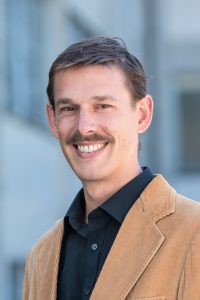
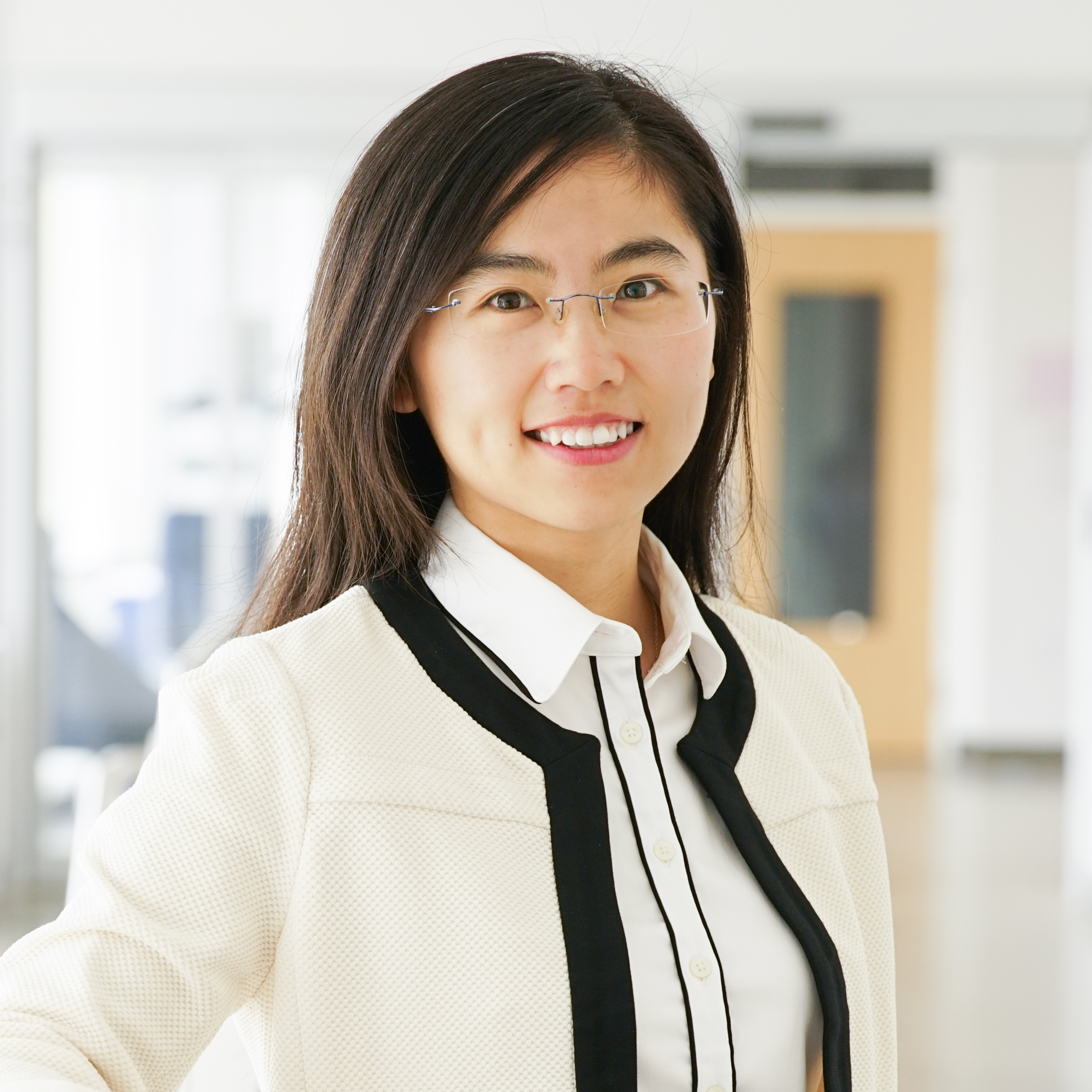
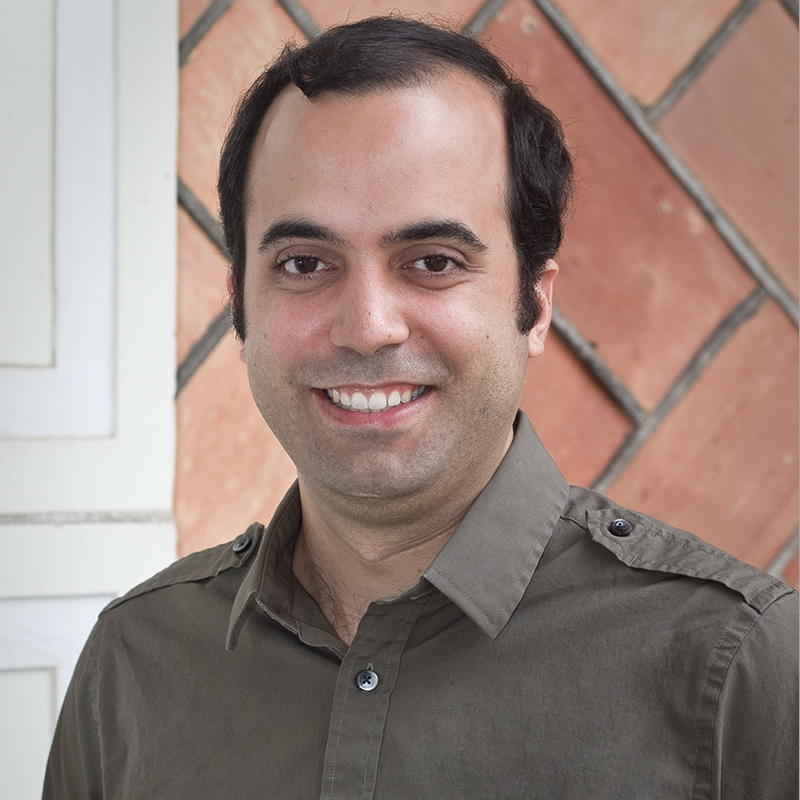
Prof. Walter Leal Filho is a distinguished academic and researcher holding professorial positions at Hamburg University of Applied Sciences (Germany) and Manchester Metropolitan University (UK). He is the founding director of the European School of Sustainability Science and Research (ESSSR) and the Inter-University Sustainable Development Research Programme (IUSDRP). With over 30 years of editorial experience, he has authored over 500 publications, focusing on sustainability, climate change, and environmental management. His research interests span Climate Change, Urban Resilience, Natural Resource Management, and Sustainability Education. He emphasizes interdisciplinary approaches to address global challenges, such as space debris mitigation and bio-based materials for sustainable packaging. His work bridges policy, education, and practical solutions for sustainable development. Prof. Leal Filho’s recent articles highlight trends in sustainable urban planning, space sustainability, and ecosystem conservation in the Amazon. He has been recognized as a Top Cited Scholar 2024, reflecting his impactful contributions. With 1,200+ co-authors and a global network, he collaborates widely, fostering international research and education initiatives. As director of ESSSR and IUSDRP, he leads programs advancing sustainability science and interdisciplinary research. His academic leadership and prolific publications underscore his role as a pivotal figure in global sustainability efforts.
Sarah Billington is the UPS Foundation Professor of Civil and Environmental Engineering at Stanford University and a Senior Fellow at the Woods Institute for the Environment. Her research program focuses on sustainable building design, human wellbeing, and ethical supply chain practices. Education: PhD, University of Texas at Austin, Structural Engineering (1997) MSE, University of Texas at Austin, Structural Engineering (1994) BSE, Princeton University, Civil Engineering & Operations Research (1990) Her lab employs interdisciplinary methods to study how built environments impact human physical, psychological, and social wellbeing. Current projects include developing tools to quantify nature exposure in buildings, exploring affordable housing's role in wellbeing, and using AI to assess forced labor risks in material supply chains. While no longer active in this area, her group previously pioneered research on sustainable construction materials like bio-based composites and ductile cement-based composites. Her recent publications address topics such as nature integration in architecture, workplace design optimization, and health impacts of building materials. The Billington Lab at Stanford fosters collaborative team science, welcoming partnerships to advance occupant-centric engineering solutions.
Brian Y. Lim is an Associate Professor in the Department of Computer Science at the National University of Singapore (NUS), leading the NUS Ubicomp Lab. His research integrates Explainable AI (XAI) , Human-Computer Interaction (HCI) , and Ubiquitous Computing to address societal challenges in healthcare , wellness , and urban sustainability . He holds a Ph.D. and M.S. in Human-Computer Interaction from Carnegie Mellon University and a B.S. in Engineering Physics from Cornell University. Education: B.S., Engineering Physics, Cornell University M.S., Human-Computer Interaction, Carnegie Mellon University Ph.D., Human-Computer Interaction, Carnegie Mellon University His research focuses on designing human-centric AI systems that prioritize transparency and user trust. Key areas include explainable AI algorithms , context-aware computing , data visualization , and trustworthy machine learning . Projects like RexNet and Directed Diversity demonstrate his work in creating relatable AI explanations and enhancing crowd creativity through algorithmic prompting. Recent publications (2022–2025) highlight advancements in faithful visual explanations , user-centric XAI frameworks , and healthcare analytics . Notable awards include the CHI'22 Best Paper Award , IMWUT Distinguished Paper Award , and MOE Outstanding Mentor Award . He has advised numerous PhD and Masters students and leads the NUS Ubicomp Lab, which explores applications like TasteHealthy (food recommendation app) and Food Loves Fellowship (narrative data visualization).
Dr. Alex Bigazzi is an Associate Professor and Associate Head (Undergraduate Program) in the Department of Civil Engineering at the University of British Columbia (UBC), with a joint appointment in the School of Community and Regional Planning. He leads the REACT Lab, focusing on active transportation, micromobility, and sustainable infrastructure design. His research emphasizes the intersection of physics, physiology, and behavior in active travel, particularly for pedestrians and cyclists, and addresses emissions reduction and equitable urban mobility. Bigazzi holds a B.M. in Jazz Saxophone from the University of Miami and a Ph.D. in Civil Engineering from Portland State University. His career includes academic and practical contributions, such as founding the REACT Lab and leading projects on e-bike incentives, air pollution exposure, and infrastructure design. His work has earned awards like the 2024 Wall Legacy Award for inclusive transport design and the 2023 Climate Action Award. He teaches courses on pedestrian/bicycle facility design and capstone projects, mentoring students through UBC’s Civil Engineering programs.
Professor Stephen Graham at Newcastle University is a leading scholar in critical urban studies, focusing on the intersections of militarism, surveillance, and urban infrastructure. His work explores how cities are shaped by and become sites of geopolitical conflict, technological control, and social inequality. Research spans urban verticality , military urbanism , and digital surveillance . Key themes include infrastructure disruption , elite spatial practices , and post-conflict urbanism . Recent publications analyze the militarization of urban space , robotic imperialism , and surveillance societies . His "Splintering Urbanism" framework remains foundational for understanding fragmented urban networks. Current work investigates vertical geopolitics , elite bunkering , and smart city security , with a focus on planetary-scale urban systems and their vulnerabilities.
Ram Rajagopal is an Associate Professor of Civil and Environmental Engineering and Electrical Engineering at Stanford University, and a Senior Fellow at the Precourt Institute for Energy. He leads the Stanford Sustainable Systems Lab (S3L), focusing on large-scale monitoring, data analytics, and stochastic control for infrastructure networks, particularly power systems. His research emphasizes renewable energy integration, smart distribution systems, and demand-side data analytics. Education: PhD in Electrical Engineering and Computer Sciences & MA in Statistics (UC Berkeley), MS in Electrical and Computer Engineering (UT Austin), and BEng in Electrical Engineering (Federal University of Rio de Janeiro). Research interests include power grid optimization, renewable energy systems, and data-driven approaches to infrastructure challenges. He has pioneered work in grid flexibility, distributed energy resources, and machine learning applications for energy systems. His lab develops technologies like Smart Dim Fuses and the EV-EcoSim platform for EV charging infrastructure optimization. Received NSF CAREER Award, Powell Foundation Fellowship, and Berkeley Regents Fellowship Over 30 patents and best paper awards Advises/founded companies in sensor networks, power systems, and data analytics Labs/Teams: Stanford Sustainable Systems Lab (S3L), Powernet Project. His work spans grid resilience, energy equity, and scalable energy solutions.
Fei Fang is an Associate Professor in the Software and Societal Systems Department at Carnegie Mellon University (CMU) , where she explores the intersection of artificial intelligence and multi-agent systems . Her work integrates machine learning with game theory to address challenges in security , sustainability , and mobility , aligning with the AI for Social Good mission. Ph.D. in Computer Science, University of Southern California (2016) B.Eng. in Electronic Engineering, Tsinghua University (2011) Recent research focuses on reinforcement learning , large language models (LLMs) , and human-AI collaboration . Her team’s work has been recognized with 15+ awards across prestigious venues like IAAI, AAAI, and IJCAI. Notable accolades include the 2023 Allen Newell Award , 2022 Sloan Fellowship , and NSF CAREER Award (2021) . She actively contributes to educational initiatives , including teaching "Demystifying AI for Everyone" at CMU, and has sought part-time teaching assistants for course development. Her research spans 15+ domains , including AI ethics , cyber defense , traffic optimization , and public health .
Dr. Anwar Haque is an Associate Professor in the Department of Computer Science at Western University, Canada, and a Faculty of Science Distinguished Research Professor. He holds a Ph.D. in Electrical and Computer Engineering and an M.Sc. in Computer Science from the University of Waterloo. Prior to academia, he was Associate Director at Bell Canada. His research focuses on 5G networks, IoT, cybersecurity, AI, and autonomous systems, with over 100 peer-reviewed publications and $15M in collaborative grants. Dr. Haque leads the Western Information & Networking Group (WING) Lab and is the founder/CEO of Bamboo Innovations Inc., a tech startup developing socially responsible smart technologies. Leadership roles include industry expert-in-residence in the Faculty of Science, Undergraduate Chair of the Computer Science Department, and member of Western’s Senate. He has delivered over 30 keynote talks and media features include BBC Earth and The Globe and Mail. Awards include the IEEE CCECE Leadership Award and multiple grants from NSERC, MITACS, and Bell Canada. His work spans network reliability, smart grids, and cybersecurity, with industry partnerships like the Bell-Western 5G Research Centre.
Patrizia Riganti is a Professor in Tourism at the University of Glasgow's School of Interdisciplinary Studies. She holds an MPhil in Urban Design, MSc in Urban Planning, and PhD in Economic Valuation Methods in Heritage Conservation. Affiliations include ICCROM (Fellow) and ICOMOS International Scientific Committees (Economics of Conservation, Energy & Sustainable Development). Her research focuses on heritage-led sustainable development, cultural tourism policies, and non-market valuation techniques. She has secured over €8.5M in research grants from RCUK, EU, and World Bank. Notable projects include the CAVEAT Project on cultural heritage valuation and the Scoping Culture and Heritage Capital Report for UK government. She chairs international conferences on Culture, Economics, and Cities with Prof David Throsby. Her work spans urban regeneration (e.g., Milan’s Navigli, Syracuse’s Ortigia), smart cities integration with heritage conservation, and post-pandemic blue economy recovery. Over 58 peer-reviewed articles and 28 invited speeches highlight her contributions to cultural heritage economics and sustainable development.
Teo Chung Piaw is the Stephen Riady Professor and Executive Director of the Institute of Operations Research and Analytics (IORA) at the National University of Singapore (NUS). He holds a PhD in Operations Research from MIT (1996) and has held academic positions including Head of Department and Acting Deputy Dean at NUS Business School. His research focuses on optimization under uncertainty, supply chain management, and combinatorial optimization. He serves as a department editor for Management Science and has led strategic initiatives in Singapore's Smart Nation Program. Teo's educational journey includes a Bachelor of Science (Honors) in Mathematics from NUS (1990). His corporate experience spans roles at Unilever, Hewlett Packard, and PSA International. He has received prestigious awards including the NUS Faculty Outstanding Researcher Award (2003, 2006) and has been a Fellow of the Singapore-MIT Alliance Program. His research addresses operational challenges in smart cities, healthcare scheduling, and supply chain resilience. Notable contributions include work on appointment scheduling under patient no-show behavior, disruption risk mitigation in supply chains, and flexible production network design. He has authored over 100 publications and serves on editorial boards of leading journals like Operations Research and Management Science .
Dr. K. Max Zhang is a Professor in the Sibley School of Mechanical and Aerospace Engineering at Cornell University. He is the director of the Energy and the Environment Research Laboratory (EERL) and a fellow at the Atkinson Center for a Sustainable Future. His research is deeply interdisciplinary, focusing on sustainable energy systems, air quality, and environmental justice, with significant impacts on policy and community development in New York and beyond. Ph.D., Mechanical Engineering, University of California-Davis, 2004 B.S., Thermal Engineering, Tianjin University, 1998 B.A., English Language, Tianjin University, 1998 Dr. Zhang’s research centers on the integration of energy and environmental systems. He investigates air pollution dynamics using advanced numerical models like CTAG, with applications in near-source pollution, indoor air quality, and environmental justice. His work on renewable energy systems includes designing sustainable solar farms and managing distributed energy resources such as heat pumps to enhance grid flexibility. He also leads a pioneering initiative to create the first statewide public IoT network in the U.S., enabling hyperlocal weather forecasting and microclimate monitoring. His recent publications reflect a strong trend toward agrivoltaics, peer-to-peer energy markets, and IoT-based environmental monitoring. These works demonstrate a consistent focus on data-driven modeling, community-scale energy solutions, and the integration of social considerations into technical systems. The keywords across his articles highlight expertise in sustainability, machine learning, air quality, and energy transition. Cornell Town-Gown Achievement Award (2022) Engaged Scholar Prize, Cornell University (2017) People's Choice Sign of Sustainability Award, Sustainable Tompkins (2016) Scientific and Technological Achievement Award, Environmental Protection Agency (2015) Fellow of the American Society of Mechanical Engineers Dr. Zhang is actively involved in mentoring students and securing research grants from agencies such as the National Science Foundation (NSF) and the New York State Energy Research and Development Authority (NYSERDA). His projects often involve interdisciplinary collaboration across eight Cornell colleges and 16 academic departments. He has led initiatives such as the Cornell Atkinson Academic Venture Fund projects and the development of a county-level energy roadmap for Tompkins County. He also teaches courses in engineering thermodynamics, future energy systems, and air quality, emphasizing experiential and community-based learning. Dr. Zhang leads the Energy and the Environment Research Laboratory (EERL) and collaborates with the Atkinson Center for a Sustainable Future. His lab functions as a hub for innovation in sustainable communities, combining advanced modeling with real-world applications. Through partnerships with community organizations, government agencies, and industry, his team develops science-driven solutions to urban and rural sustainability challenges.
Gregg M. Garfin is a Professor and Specialist in Climate, Natural Resources, and Policy at the University of Arizona’s School of Natural Resources and the Environment, and Deputy Director for Science Translation and Outreach at the Arizona Institute for Resilience. He holds a Ph.D. in Geosciences from the University of Arizona (2003), an M.S. in Geology and Geography from the University of Massachusetts (1997), and a B.S. in Geology and Geography from the same institution (1993). His work bridges science and societal decision-making, focusing on climate adaptation, drought management, and climate services. He directs the Water, Society, and Policy M.S. Program and has led interdisciplinary projects on climate resilience, including contributions to the Fourth National Climate Assessment. Roles: Professor, Deputy Director, Program Director Affiliations: Arizona Institute for Resilience, School of Natural Resources and the Environment Research Interests His research emphasizes climate adaptation strategies, climate policy, and the co-production of knowledge between scientists and decision-makers. Key areas include: Climate impacts on water resources and ecosystems Extreme heat and drought resilience in urban and border communities Climate change communication and education Awards & Recognition Garfin has received multiple accolades, including AAAS Fellowship (2020), University of Arizona Service Awards (2020, 2015), and the Global Initiative for Academic Networks (GIAN) Visiting Fellowship (2018). His work has been featured in peer-reviewed journals and media outlets, emphasizing actionable science for climate resilience. Grants & Contributions He has led federal and transnational projects, including binational climate resilience initiatives in the U.S.-Mexico border region and flood risk assessments in Seoul, South Korea. His work integrates participatory governance approaches to enhance community preparedness.
Steven I-Jy Chien serves as Professor and Director of the Transportation Program within the Department of Civil and Environmental Engineering at the New Jersey Institute of Technology (NJIT). His career spans academia, government, and industry with significant contributions to transportation engineering research and practice. His educational credentials include: Ph.D. in Civil and Environmental Engineering from University of Maryland-College Park (1995) M.S. in Civil and Environmental Engineering from University of Maryland-College Park (1991) B.S. in Civil Engineering from Tamkang University (1983) Professor Chien's research focuses on transportation system resilience, sustainable transit operations, and advanced traffic modeling. His work addresses critical challenges in urban rail networks, demand-responsive transit services, and energy-efficient transportation systems. He employs sophisticated computational methods including genetic algorithms, machine learning, and Bayesian approaches to solve complex transportation problems involving network vulnerability, passenger behavior, and infrastructure optimization under uncertainty. Analysis of his recent publications reveals strong emphasis on transportation resilience against cascading failures, sustainable operations for electric transit systems, and pandemic-responsive aviation scheduling. His research spans diverse geographic contexts including major Chinese metropolitan areas and U.S. transportation networks, demonstrating global applicability of his methodologies. His professional recognition includes: 2024 Keynote Speaker at Union-Tech Lecture, National Taiwan Ocean University 2022 Keynote Speaker at International Conference of Chinese Institute of Transportation 2022 Best Poster Award from New Jersey Department of Transportation Professor Chien has secured research funding from federal agencies including the Federal Highway Administration (FHWA) where he contributed to CORSIM traffic simulation software development. His industry experience with China Engineering Consultants Inc. and Information Dynamic Inc. informs his practical approach to transportation challenges. As Transportation Program Director, he oversees curriculum development and industry partnerships that prepare students for transportation sector careers. He maintains active collaboration with transportation agencies globally, particularly through his leadership in the Transportation Program at NJIT which serves as a hub for innovation in urban mobility solutions.
Mario Berges is an Associate Professor in the Department of Civil and Environmental Engineering at Carnegie Mellon University (CMU), with a courtesy appointment in Electrical and Computer Engineering. He holds leadership roles as Co-Director of the IBM Smart Infrastructure Analytics Lab and Director of the Intelligent Infrastructure Research Lab (INFERLab). His work focuses on applying information/communication technologies to enhance the operational efficiency and resilience of built environments amid evolving resource constraints and climate changes. Education: PhD in Civil & Environmental Engineering from CMU (2010). Research Interests: Berges' research integrates smart infrastructure systems, energy efficiency, and machine learning. Key areas include non-intrusive load monitoring (NILM), structural health monitoring of pipelines, building automation systems, and urban heat risk modeling. He develops data-driven frameworks for energy disaggregation, sensor placement optimization, and real-time infrastructure diagnostics. Awards: Recognized with the 2010 FIATECH Outstanding Early Career Researcher Award and 2015 Dean’s Early Career Fellowship from CMU. Grants & Labs: Leads INFERLab, collaborating with IBM on smart infrastructure projects. His work spans academic-industry partnerships focused on building analytics, smart grid technologies, and sensor networks. Future Directions: Expanding research into AI-driven energy systems, resilient urban infrastructure, and cross-disciplinary solutions for climate adaptation.
Shauna Brail is Professor and Director at the Institute for Management & Innovation, University of Toronto Mississauga, with cross-appointments at the Munk School of Global Affairs & Public Policy. As an economic geographer and urban planner, her research examines urban transformation through economic, social, and technological change, particularly focusing on platform economy impacts, mobility innovation, and governance shifts in 21st-century cities. Education: PhD in Geography (University of Toronto), MA in Urban Planning (University of British Columbia), BA in Urban Studies/Geography (University of Toronto). Leadership Roles: Former Associate Director of Mobility Network, Director of Urban Studies Program, Associate Director of Partnerships & Outreach at School of Cities, and Interim Director of Master of Urban Innovation. Her work appears in top journals across geography, urban planning, and urban studies . Recent publications analyze pandemic impacts on cities, platform economy regulation, public housing finance models, and autonomous vehicle governance. She advises governments and civic organizations on housing, transportation, and digital platform policy while serving on editorial boards for Applied Geography , Progress in Economic Geography , and Canadian Geographies . Academic partnerships include collaborations with researchers like Tara Vinodrai, Ben Donald, and international scholars. Her current projects examine post-pandemic urban recovery, mobility-as-a-service business models, and equitable transportation technology implementation across Canadian cities.