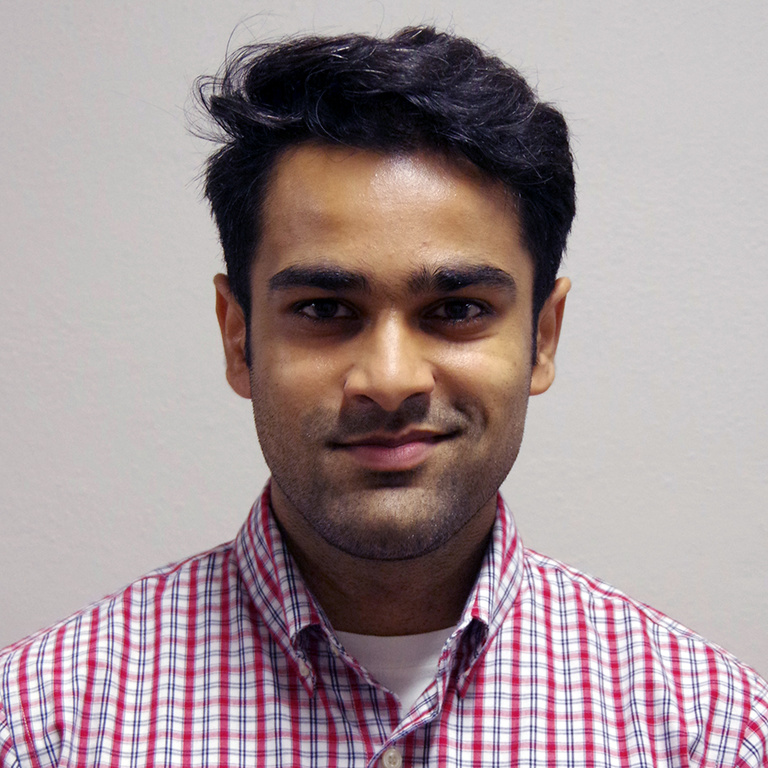
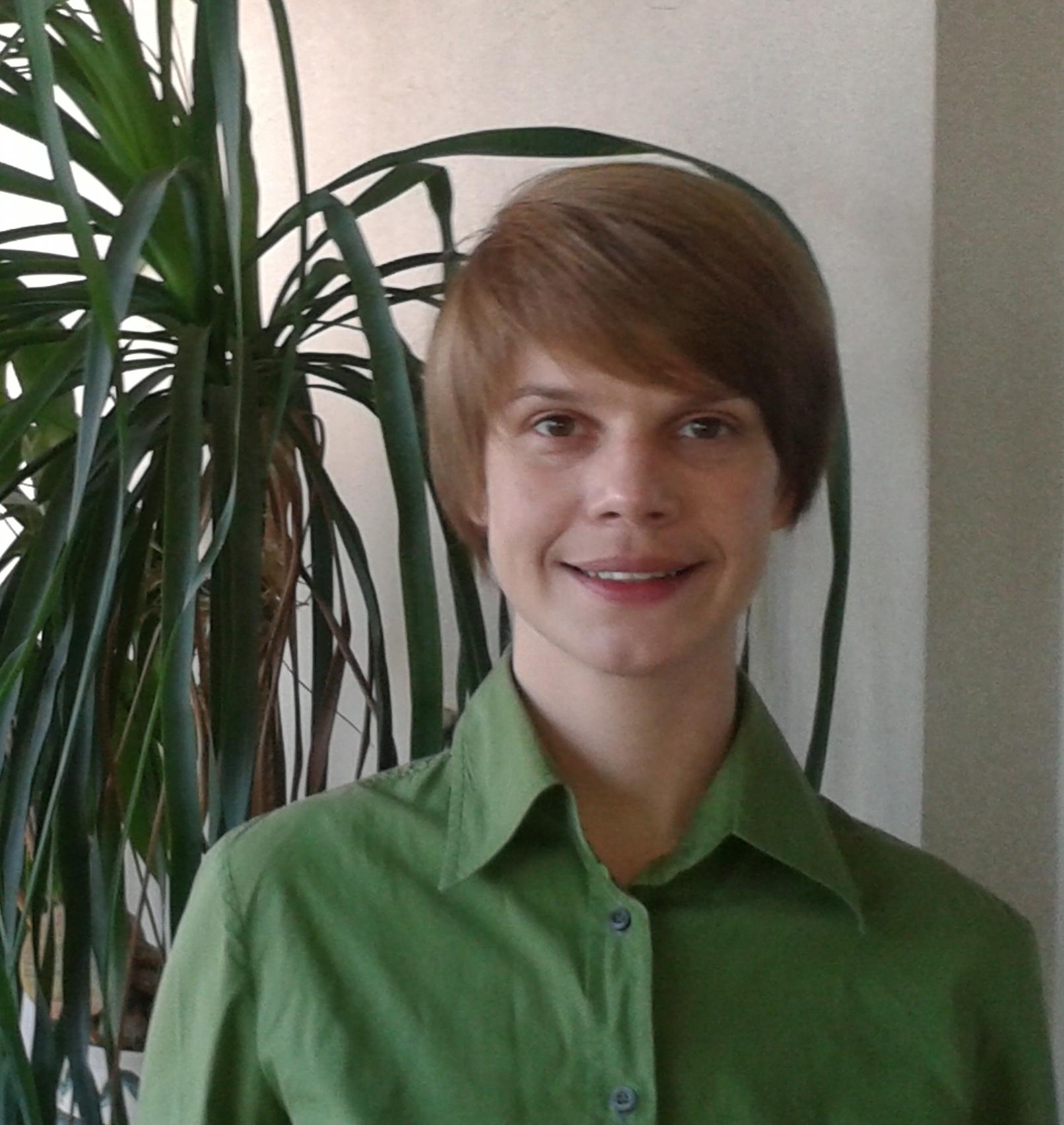
Umar Iqbal is an Assistant Professor in the Department of Computer Science and Engineering at Washington University in St. Louis , where he investigates transparency and control mechanisms in computing systems to enhance user privacy and security. His work intersects computer security, privacy, and technology policy with a focus on web tracking, IoT, and agentic systems. Research Themes : Web security, emerging technology privacy, regulatory compliance under CCPA/GDPR, and tracking mitigation Scientific Awards : Best paper award at ACM Internet Measurement Conference (IMC), 2023 Caspar Bowden Award for Outstanding Research in PET Runner-Up, 2024 Best applied research paper (3rd) at CSAW NYU Tandon, 2020 Collaborations : Regularly works with researchers like Franziska Roesner, Tadayoshi Kohno, and Zubair Shafiq His publication portfolio spans 2016-2025 with impactful work on browser fingerprinting (IEEE Oakland 2021), ad blocking (IEEE Oakland 2020), and LLM platform security (AIES 2024). Current research includes privacy implications of AI systems and regulatory auditing frameworks.
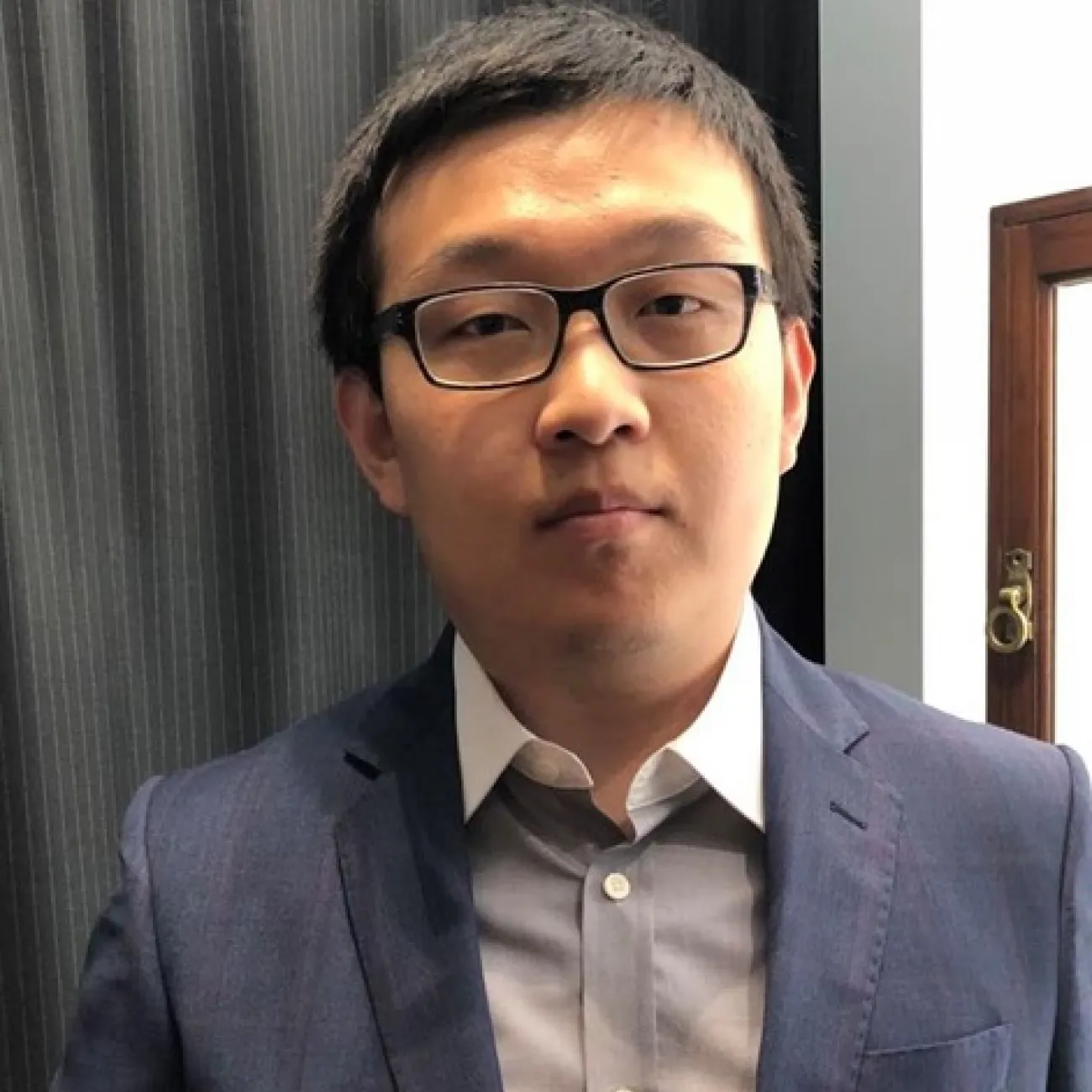
Dr Hao Dong serves as Senior Lecturer in Management at the University of Southampton Business School, where he directs the Strategy & Collaboration for the Advanced Project Management Research Centre (APROM). His academic work bridges socioeconomics and business studies to explore how responsible management practices can advance sustainability. Dong holds leadership roles including SBS' PhD Liaison Officer, Web Champion, and member of the Ethics, Responsibility and Sustainability Committee. Hao Dong's research spans several interconnected domains focused on modern management challenges. His primary interests include Agile project management methodologies, digital transformation and AI integration in business processes, and cultural entrepreneurship with emphasis on supply chain dynamics. He also explores co-operative business models and Austrian economics principles, applying these frameworks to address contemporary organizational challenges. His work demonstrates how project management intersects with sustainability, digital innovation, and economic resilience across various sectors including public administration, healthcare, and agriculture. Dong's recent publications reveal a strong focus on the intersection of digital transformation and project management, with increasing attention to sustainability applications. His work examines how Agile methodologies adapt to digital environments, how open government data creates value, and how supply chains can achieve greater resilience. His research shows a clear trajectory toward integrating traditional project management frameworks with emerging digital technologies while maintaining focus on human-centered approaches and sustainable outcomes. Hao Dong has received numerous professional recognitions including Top 10% SSRN Author (2021), multiple Blackboard and VLE Awards nominations and shortlists (2022-2024), The Vice-Chancellor's Awards nominations across multiple years, and recognition for supervising the Southampton Business School Best Dissertation (2022). His professional affiliations include British Academy of Management (BAM), Association for Project Management (APM), Mises Institute, UK Society for Co-operative Studies (UKSCS), and Institute of Directors (IoD). As a supervisor, Dong currently guides four PhD students working on Business Studies & Management topics, including research on digital transformation, supply chain risk, and project management. His research portfolio includes significant funding from diverse sources including the ESRC Impact Acceleration Account, APM (Association for Project Management), and various internal university grants. His current projects span digital transformation in public and private sector project management, international co-operatives in the post-pandemic era, and supply chain sustainability in the Global South. Dong leads the Advanced Project Management Research Centre (APROM) as Director of Strategy & Collaboration, fostering interdisciplinary research that connects academic theory with practical project management applications. His work bridges academic research with industry practice through collaborations with professional bodies like APM and through his policy and consulting advisory roles.
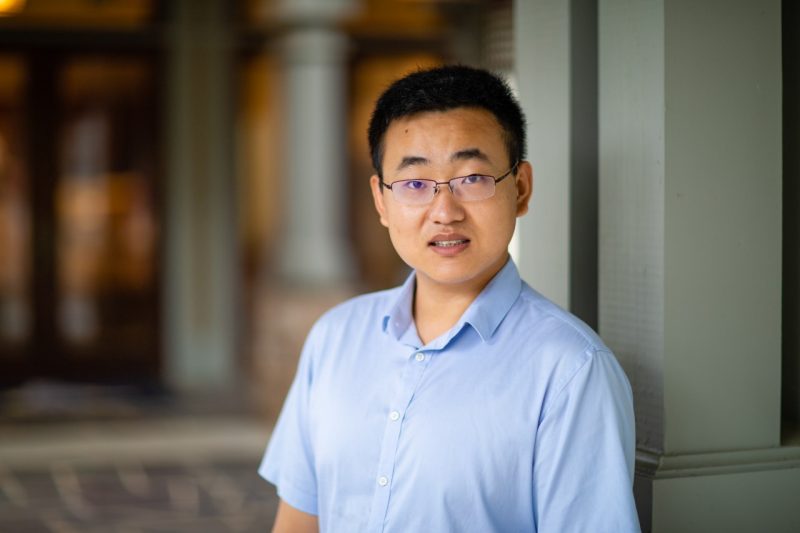
Dr. Adrian Fazekas is a Lecturer at the Institute of Highway Engineering, RWTH Aachen University, and collaborates with the Federal Highway Research Institute (BASt). He holds a Dr.-Ing. in Computer Science from RWTH Aachen (2005–2011), specializing in Media Engineering. His professional trajectory includes roles as a Research Assistant at RWTH Aachen and industry experience as a Software Developer at Continental AG. Research interests focus on traffic data acquisition , microscopic traffic flow simulation , and intelligent transportation systems . Key projects include: DROVA: Drone-based traffic analysis for infrastructure optimization ESIMAS: Real-time tunnel safety management Digital Twin Road: Physical-informational mapping of future highways AUTUKAR: Automated tunnel monitoring systems His publications emphasize real-time traffic detection , safety analytics , and data-driven modeling , with recent work exploring thermal-camera nudging systems and weigh-in-motion accuracy. He actively contributes to the Research Association for Roads, Earth and Tunneling (SETAC). No awards or student advising roles are documented.
Vijay Gupta is an Adjunct Professor at the University of Notre Dame, affiliated with the Fitzpatrick Hall of Engineering. His research focuses on cyberphysical systems, integrating control theory, communication networks, and processing algorithms for applications in smart power grids, energy storage, and electric vehicle charging infrastructure. Education: Ph.D. and B.S. in Electrical Engineering from the California Institute of Technology His work emphasizes systematic design theories for cyberphysical systems, addressing challenges in renewable energy integration, distributed control algorithms, and stochastic optimization. Publications highlight applications in electricity markets, microgrid management, and EV charging infrastructure. Recent research trends include online learning for distributed control, regret minimization in energy management, and stochastic pricing models for renewable energy systems.
Prof. Dr.-Ing. Jörg Blankenbach holds the Chair of Construction Informatics and Geoinformation Systems at RWTH Aachen University's Geodetic Institute. His research focuses on the integration of digital technologies in civil engineering and geospatial systems. Current affiliations include: Chair of Construction Informatics and Geoinformation Systems, RWTH Aachen University Geodetic Institute, RWTH Aachen University Research interests span digital construction management, geospatial data modeling, BIM-GIS integration, and smart infrastructure systems.
Professor Kelly Lyons is a Professor at the Faculty of Information at the University of Toronto, cross-appointed to the Department of Computer Science. Her research focuses on service science, knowledge mobilization, social media, and data-driven innovation. Prior to academia, she held roles at IBM Toronto Lab's Centre for Advanced Studies. She has secured extensive funding from NSERC, IBM, and industry partnerships, and has advised numerous graduate students. Her work bridges interdisciplinary collaboration, emphasizing AI governance, digital economy impacts, and fostering Women in Technology initiatives. Research interests include the application of social platforms in service systems, data science for knowledge translation, and the societal implications of AI. Key projects involve analyzing gender dynamics in user reviews, open-source software structures, and pandemic-driven innovation trends. Her grants span data science, healthcare analytics, and smart city technologies. Publications span empirical studies on GitHub collaboration, AI governance frameworks, and biomedical knowledge systems. She received the Best Paper Award for 'The Effect of Collaborative Games on Group Work' (2015). Her teaching emphasizes service systems design and project management, with a focus on practical, interdisciplinary learning. Active in scholarly service, she chairs the Consortium for Software Engineering Research and serves on ACM-W's Executive Council. Collaborations include cross-institutional projects with University College London and UCL on AI governance frameworks. Her work extends to promoting STEM education and diversity in tech.
Peng Gao is an Assistant Professor in the Department of Computer Science at Virginia Tech. He is affiliated with the Virginia Tech Security & Intelligence Lab and holds a Ph.D. in Electrical Engineering from Princeton University. Prior to his faculty position, he was a postdoctoral researcher at UC Berkeley and held research internships at Microsoft Research, Facebook, and NEC Laboratories America. Education includes a B.Eng. from Shanghai Jiao Tong University (2009-2013), M.A. and Ph.D. from Princeton (2013-2019), and an exchange program at the University of Hong Kong (2012). Key roles include Technical Program Committee memberships for conferences like IEEE S&P, USENIX Security, and CCS. Research focuses on Cybersecurity (APT prevention, network security with P4/eBPF) AI applications (LLMs for security, AI safety) Systems security (attack investigation, threat intelligence) AI for science (molecular/materials prediction) Notable awards include the 2022 Amazon-VT Initiative Faculty Award, CCI Fellowships, and multiple best paper nominations. His lab has received grants from CCI, NSF, and industry partners like Google Cloud and Cisco. Teaching includes courses on Principles of Computer Security (CS 4264) and Blockchain Technologies (CS 5594). He advises ~20 students across Ph.D., MS, and undergraduate levels.
Matt J. Rutherford is an Associate Professor in the Department of Computer Science at the University of Denver, with a joint appointment in the Department of Electrical and Computer Engineering. He is Deputy Director of the Unmanned Systems Research Institute and a faculty fellow of Project X-ITE. His research focuses on autonomous systems, embedded systems, and software engineering, with extensive contributions to UAV navigation, control systems, and robotics. Rutherford holds a Ph.D. in Computer Science from the University of Colorado Boulder (2006), an MS (2001), and a BS in Civil Engineering from Princeton University (1996). His work emphasizes practical applications of software engineering principles in distributed and embedded systems. Notable projects include radar-based collision avoidance for UAVs, self-leveling landing platforms, and studies on electric vehicle charging impacts on power grids. Rutherford's research bridges theoretical computer science with real-world engineering challenges, particularly in unmanned systems and robotic autonomy. Key publications explore UAV flight control using neural networks, ground/ceiling effects in rotorcraft, and GPU-based real-time pose estimation. His contributions to model-driven systems and distributed testbed automation highlight long-term engagement with software reliability and scalable experimentation frameworks. Rutherford collaborates widely, including with institutions like the University of South Carolina and Politecnico di Torino. His interdisciplinary approach integrates robotics, aerospace engineering, and software engineering to advance autonomous system capabilities.
Hilary J. Allen is a Professor of Law at American University Washington College of Law, where she teaches Banking Law, Securities Regulation, and Business Associations. She is an internationally recognized expert on financial stability regulation and new financial technologies, regularly sharing her expertise with regulatory bodies across the United States, EU, UK, Canada, and Australia, as well as with international institutions including the IMF, World Bank, and Financial Stability Board. Allen earned her LL.M. from Georgetown University Law Center in 2010 (where she received the Thomas Bradbury Chetwood, S.J. Plaque for graduating first in her class), her Bachelor of Laws from the University of Sydney in 2003, and her Bachelor of Arts from the University of Sydney in 2001. Prior to entering academia, she spent seven years working in financial services groups of prominent law firms in London, Sydney, and New York, and in 2010 worked with the Financial Crisis Inquiry Commission. Professor Allen's research focuses on critical intersections between financial regulation, emerging technologies, and systemic risk. Her work examines how artificial intelligence, blockchain, and cryptocurrency create new challenges for financial stability, while also addressing traditional regulatory concerns through modern lenses. She has published extensively on regulatory sandboxes, precautionary approaches to financial product approval, and the relationship between climate change and financial stability. Her book Driverless Finance: Fintech's Impact on Financial Stability (Oxford University Press, 2022) has become a significant contribution to understanding how emerging financial technologies introduce systemic risks requiring new regulatory tools. Analysis of her recent publications reveals a consistent focus on how technological innovation in finance requires corresponding innovation in regulation. Her work spans from practical regulatory mechanisms like sandboxes to broader conceptual frameworks for understanding financial stability in the digital age. She has particularly emphasized the need for common language in international financial regulation and the importance of addressing emerging threats from crypto, AI, and climate change. Professor Allen has testified before both the House Financial Services Committee and the Senate Banking Committee, demonstrating the practical impact of her scholarship on real-world policy. She is regularly quoted in the popular press and actively participates in scholarly conferences worldwide. Her research has been supported through invitations to present at roundtables with central banks and international regulatory bodies, reflecting her standing in the global financial regulation community. As an educator, Allen brings her deep practical experience from the financial services industry to the classroom, connecting theoretical concepts with real-world applications. Her expertise in both traditional banking law and emerging fintech issues provides students with a comprehensive understanding of the evolving financial regulatory landscape.
Colleen Chiu-Shee is an Assistant Professor in Urban and Regional Planning and an affiliated researcher at the Center for East Asian and Pacific Studies at the University of Illinois at Urbana-Champaign. Her work bridges urban planning practices in China and the U.S., focusing on cross-border education dynamics and socio-spatial policies in Chinese cities. She holds a Ph.D. in Urban Studies and Planning from the Massachusetts Institute of Technology (2021), a Master of Science in Architectural Studies from Washington University in St. Louis (2013), and dual degrees in Architecture and Urban Design (MArch, MUD, 2012). Her research interests center on China’s urban development, including topics like planning education’s impact on Chinese practitioners, resistance to gated communities, collective land tenure systems, and design innovations in socio-political contexts. She also explores digital surveillance infrastructures in urban exceptionalism and cinematic representations of hyperurbanization. Her work intersects disciplines such as cultural studies, architecture, and public policy, with a strong emphasis on institutional learning and cultural shifts. Dr. Chiu-Shee’s articles analyze themes like cosmopolitan competence among returnees, biopower in urban governance, and ecological city frameworks. Her contributions highlight trends in urban resilience, cross-cultural adaptation, and socio-spatial equity. Though no formal awards are listed, her research garners significant attention, as evidenced by high readership on platforms like Mendeley and social media engagement. In advising roles, she supports students in urban studies and planning, though specific advisee names are not provided. Her grants and funding sources remain unspecified, but her work often involves international collaborations, particularly with institutions in China and the U.S. She is also associated with interdisciplinary initiatives through the Center for East Asian and Pacific Studies, contributing to studies on Asia’s urban transformation and policy frameworks.
Felicia Fai is a Senior Lecturer (Associate Professor) at the University of Bath, affiliated with the Management Strategy & Organisation department. She holds roles in the Centre for Governance, Regulation and Industrial Strategy, the Made Smarter Innovation: Centre for People-Led Digitalisation, and the Institute of Sustainability and Climate Change. Her research focuses on technological capabilities, regional innovation ecosystems, and policy frameworks for economic development. She is particularly interested in how regional capabilities can drive innovation beyond traditional industry classifications. PhD: Corporate Technological Competence (University of Reading, 1999) MA: International Business (University of Reading, 1994) BA: Applied Economics (Ulster University, 1993) Her research explores corporate technological competence, regional innovation networks, and the role of universities as anchor institutions. Recent projects include studies on coworking spaces' impact on regional development, smart specialisation strategies for lagging regions, and the UK's Industrial Strategy. She has advised the Cabinet Office on regional growth policies and served as an external examiner for postgraduate programs at Birkbeck and the University of Strathclyde. Her work contributes to UN Sustainable Development Goals by addressing innovation-driven economic growth and regional inequality reduction. She actively supervises doctoral students interested in competence-based technological innovation and networks. Key grants include projects funded by the Economic and Social Research Council and Engineering and Physical Sciences Research Council, focusing on topics such as regional innovation ecosystems and the potential of coworking spaces for levelling up regional economies. Her research outputs highlight themes like the role of policy in regional development, the contemporary relevance of classical economic theories to modern workspaces, and the temporal effects of R&D subsidies on innovation outcomes.
Miroslava Kavgic is an Associate Professor in the Department of Civil Engineering at the University of Ottawa. She holds a Ph.D. (United Kingdom), M.Sc. (United Kingdom), and B.Sc. (Serbia), and is a Professional Engineer (P.Eng.). Her research focuses on sustainable building engineering, carbon-negative materials, and energy-efficient design for remote communities. She leads the Centre for Indigenous Community Infrastructure at uOttawa, emphasizing culturally appropriate solutions. Education: Ph.D. in Environmental Design and Engineering (University College London, 2013) M.Sc. in Environmental Design and Engineering (University College London, 2006) B.Sc. in Mechanical Engineering (Serbia) Research Interests: Carbon capture building materials (e.g., hempcrete composites) Bioclimatic design strategies for net-zero buildings Urban energy modeling to decarbonize cities Renewable energy systems integration Advanced HVAC controls and energy efficiency Her recent publications (2021–2025) emphasize: Phase change material applications in building envelopes Machine learning for energy demand prediction Optimization algorithms like MEVO for building performance Hybrid renewable energy systems Labs/Teams: Active in the Centre for Indigenous Community Infrastructure, focusing on Northern communities' sustainable infrastructure. Collaborates with industry on building design innovations.
Peili Pey is a PhD Candidate in Geography at the University of Cambridge and a part-time Lecturer/Teaching Assistant in Sociology at Nanyang Technological University, Singapore. Their research focuses on urban green initiatives, integrating governance, metabolic, and machinic perspectives to explore environmental sustainability in cities. They are a member of the Infrastructural Geographies research group and supervised by Prof. Ash Amin. Education: BA (Hons) Sociology, Nanyang Technological University, Singapore MSc Environmental Policy and Regulation, London School of Economics and Political Science, UK Research Interests: Urban responses to climate crisis, including eco-cities and smart green initiatives Hybrid perspectives combining governance, metabolic processes, and machinic approaches Redefining relationships between urban infrastructures, people, and nature Awards: Recipient of University of Cambridge Graduate Trust Funds (Philip Lake II Fund, University Fieldwork Fund) Teaching & Engagement: Teaching Sociology courses at Nanyang Technological University (2016–2020) Co-convenor of Cambridge City Seminars (2020–2021) Member of Sustainability Accounting Standards Board (SASB) and Project Coordinator at ZeroWaste Singapore
Kim Rasmussen is the Challis Professor of Civil Engineering at the University of Sydney's School of Civil Engineering. He holds a MScEng from the Technical University of Denmark and PhD/DEng from the University of Sydney. His roles include former Head of School (2005–2016), Deputy Dean (2016–2022), and Interim Dean (2018). His research focuses on structural mechanics, particularly steel/cold-formed/stainless-steel structures, 3D-printed metals, and fracture mechanics. Major projects include: midrise cold-formed steel structures, reliability of 3D-printed metal frameworks, and fracture analysis of steel connections. He collaborates internationally with institutions like Imperial College London and Stanford University. Awards include the 2016 Shortridge Hardesty Award and 2020 Lynn Beedle Award. His work advances sustainable and efficient structural designs, with over 20 years of ARC funding. Current students research topics like additive manufacturing and structural reliability.
Dr. Bharanidharan Shanmugam is an Associate Professor in Information Technology at Charles Darwin University's Faculty of Science and Technology. He specializes in cybersecurity, IoT security, and cyber risk management in microgrids. His research focuses on addressing real-world challenges in IoT, smart grids, and medical devices to enhance community impact. **Research Interests:** - IoT Security - Cyber Risk Assessment in Microgrids - Network and Information Security - Applied Cybersecurity Solutions - Blockchain and Privacy-Preserving Technologies **Key Projects (2019–2025):** - Cyber Territory Skills Hub (2023–2025) - Renewable Energy Microgrid Hub (2021–2024) - Blockchain-Based Digital Identity (2019–2020) **Publications:** Focuses on IoT security frameworks, intrusion detection systems, and AI-driven cybersecurity solutions. Recent works include studies on smart grid load forecasting, medical IoT threat detection, and water leakage detection using machine learning. **Grants & Supervision:** Principal Investigator on multiple ARC-funded projects. Supervises PhD students in DevSecOps and IoT security. Active in organizing workshops on digital awareness for indigenous communities.