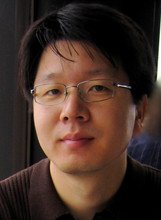
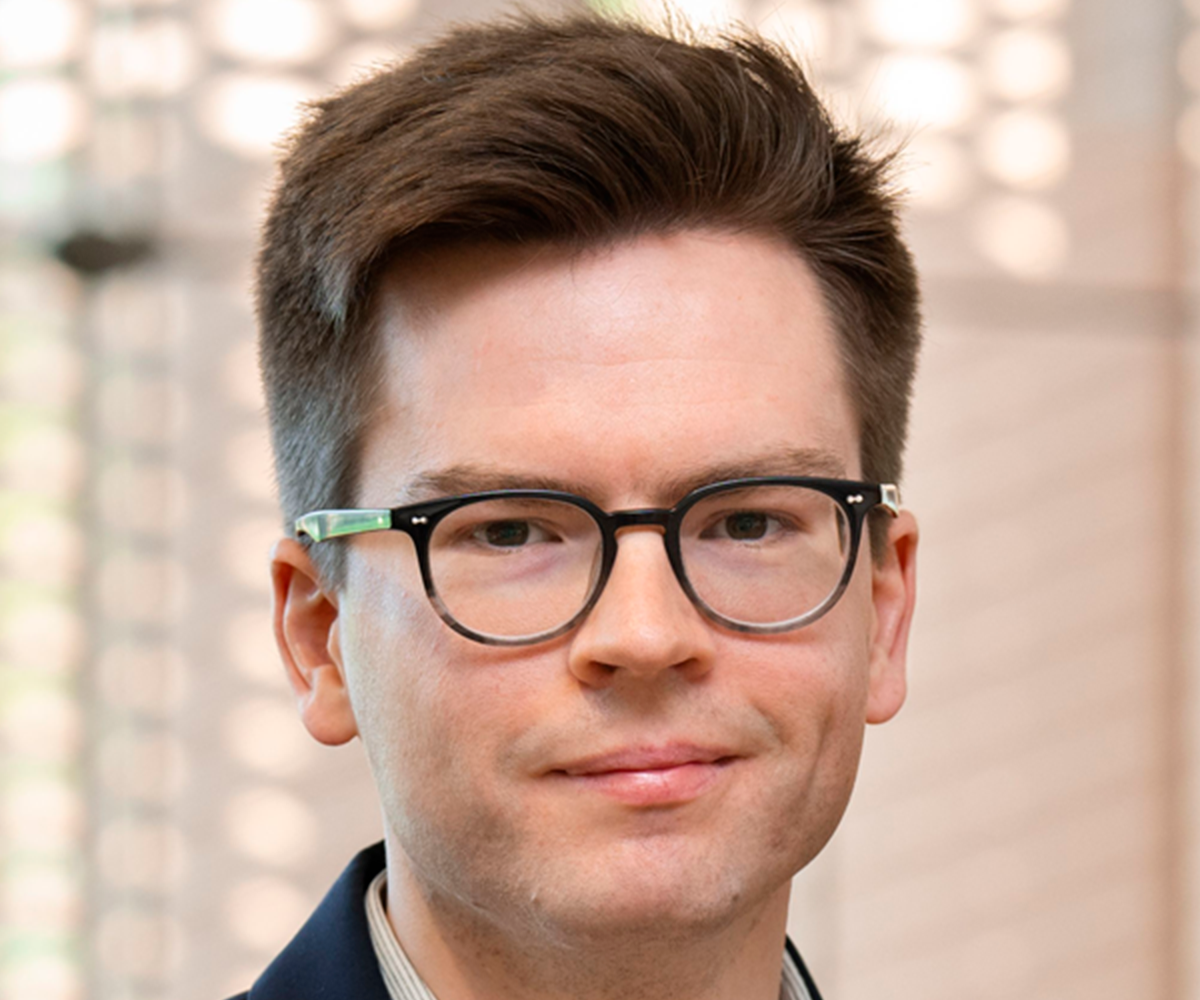
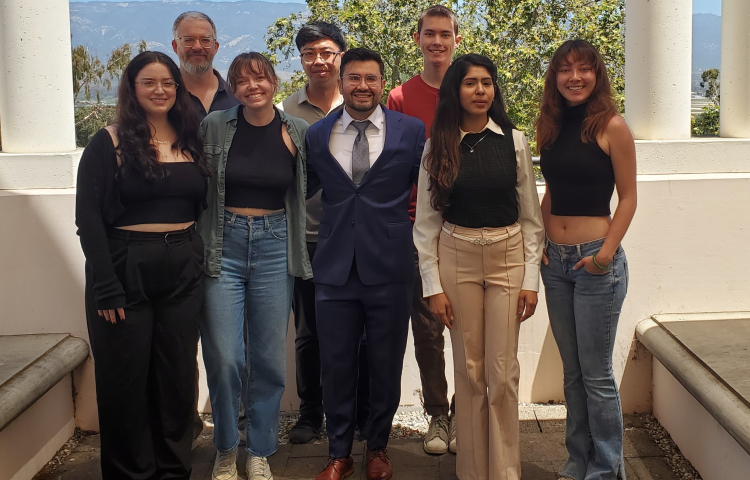
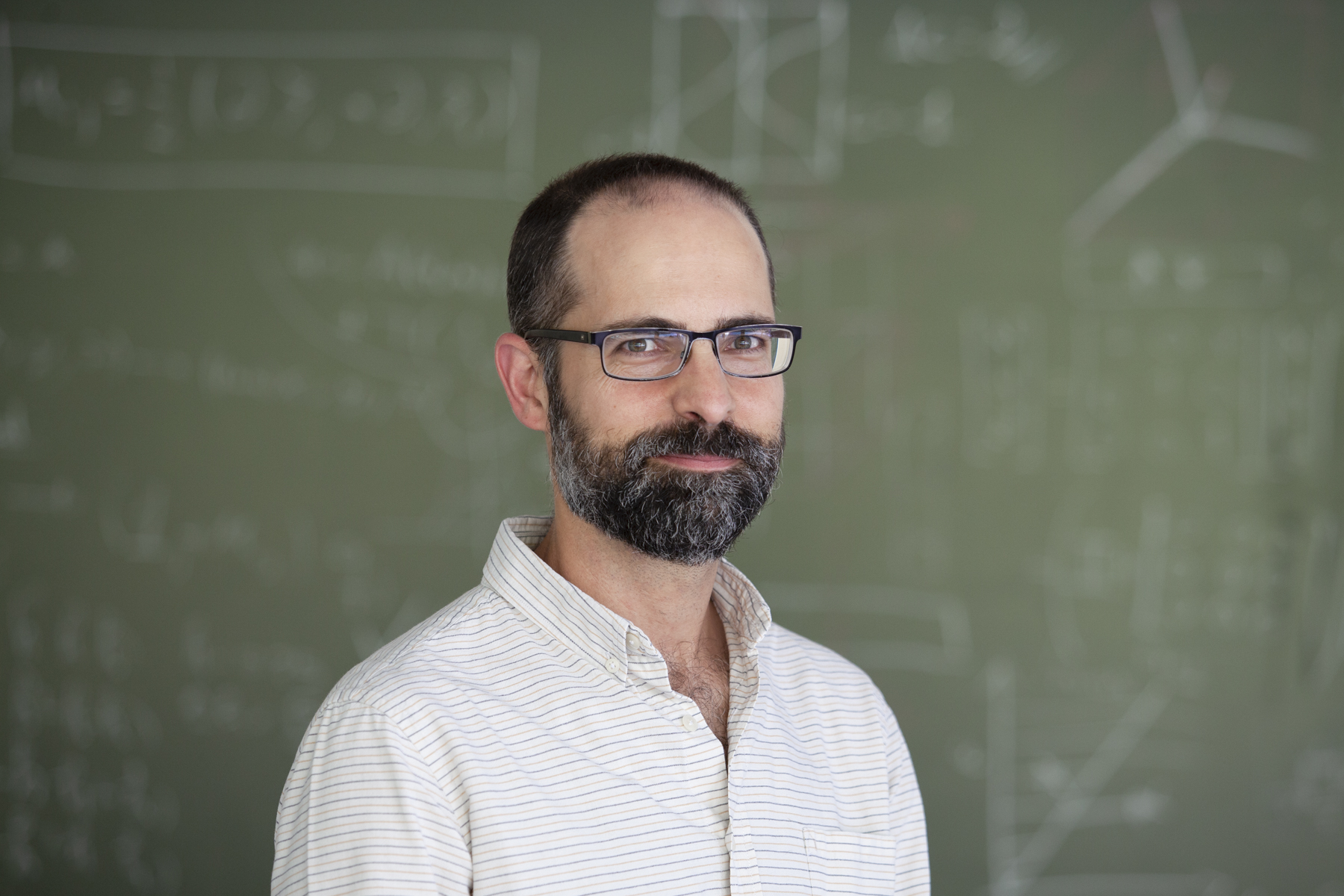
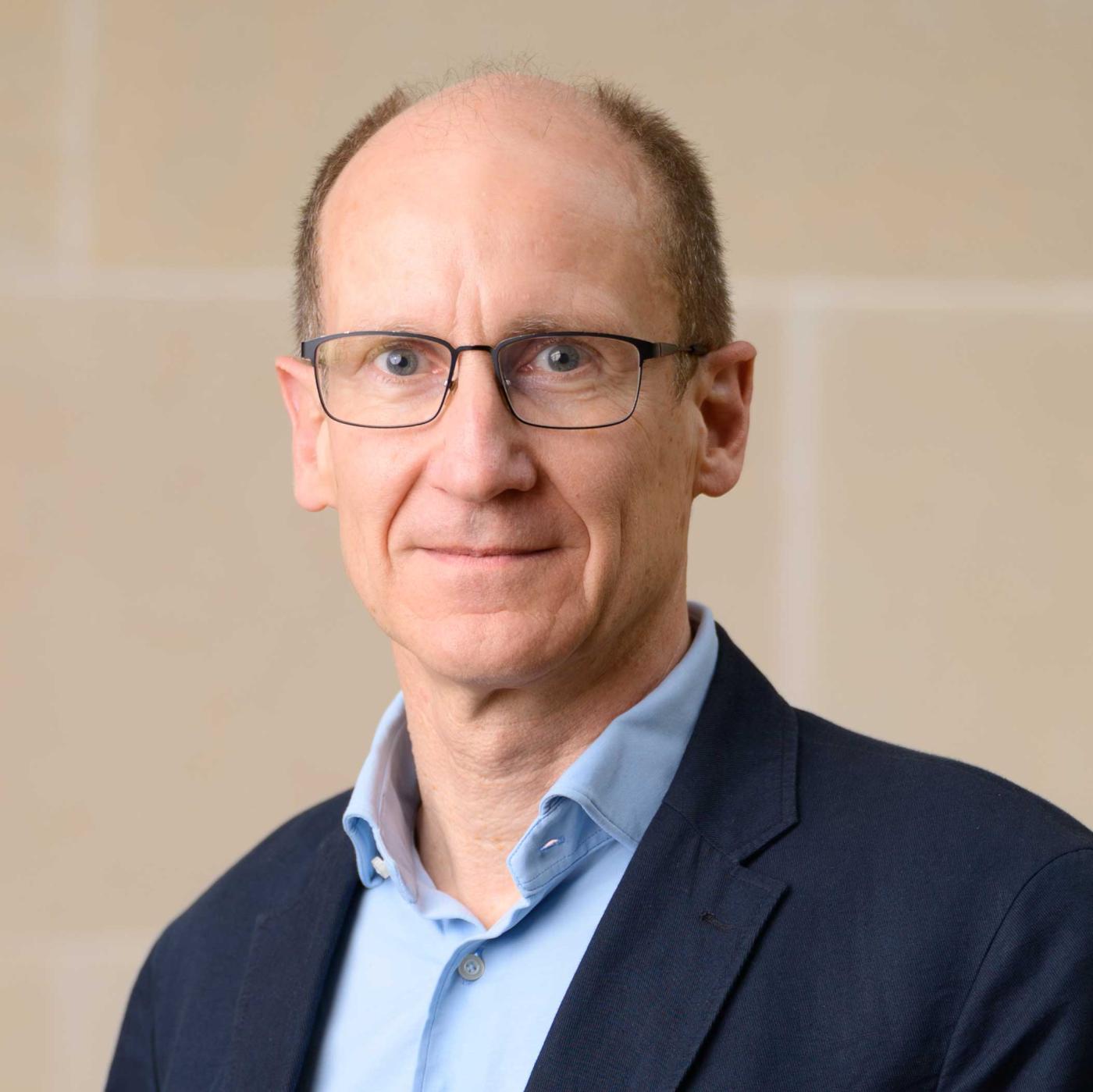
Dr Michael Boemo is an Assistant Professor at the University of Cambridge, holding dual appointments in the Department of Pathology and Department of Genetics. He leads research at the intersection of computational biology, DNA replication, and cancer genomics, developing machine learning tools to analyze replication stress and genomic instability. Academic Background: BA in Mathematics (Rutgers University), PhD in Physics (University of Oxford) Research Focus: Genomic instability in cancer, DNA replication/repair defects, computational modeling using machine learning and high-performance simulations Teaching: Lectures in Natural Sciences Tripos (mathematical biology, genetics, systems biology), module organizer for cancer biology and biological modeling His research group leverages nanopore sequencing and AI to map replication fork dynamics, revealing how stalled forks generate mutations in cancer cells and pathogens. Recent work examines extrachromosomal DNA replication vulnerabilities and transcription-replication conflicts. Dr Boemo collaborates across computational biology and cancer research domains, with publications spanning journals like Nature Methods, Cell, and PLoS Computational Biology. His lab develops tools such as DNAscent for replication fork analysis and explores therapeutic targeting of replication stress.
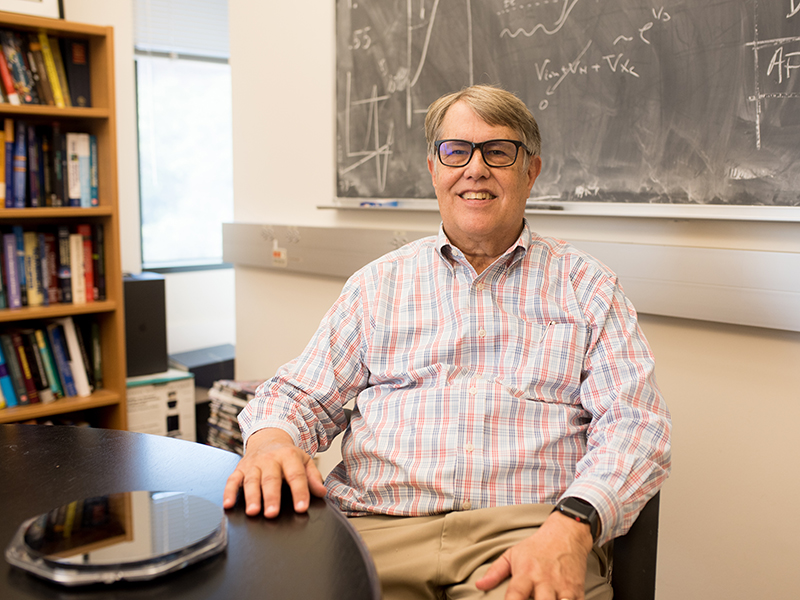
Aaron Hoskins is a full-time Professor of Biochemistry and Chemistry at the University of Wisconsin–Madison, where he leads an active research program focused on pre-mRNA splicing, spliceosome assembly, and single-molecule biophysics. He is affiliated with the Department of Biochemistry and the Hoskins Group laboratory, located in the Biochemical Sciences Building. Education: B.S., 2000 – Purdue University Ph.D., 2006 – Massachusetts Institute of Technology Postdoctoral Fellow, 2006–2011 – Brandeis University and UMass Medical School His research centers on understanding the molecular mechanisms of pre-mRNA splicing and spliceosome assembly in eukaryotes. Using single-molecule fluorescence microscopy, his lab investigates how the spliceosome recognizes RNA targets, how ribonucleoproteins are assembled, and how splicing fidelity is maintained or disrupted in disease. His work integrates genetics, chemical biology, and biophysical approaches to dissect spliceosome dynamics and to develop new tools for studying RNA processing. Aaron Hoskins has published over 80 peer-reviewed articles since 2004, with recent work appearing in RNA , eLife , Structure , and Cell Chemical Biology . His research trends include the structural dynamics of spliceosomal snRNPs, cancer-associated mutations in splicing factors, and the development of splicing inhibitors as potential therapeutics. His lab also explores translational applications, including the use of humanized yeast strains for drug screening. He is supported by multiple NIH grants (R01 GM053007, R01 GM112735, R01 GM081648) and has collaborated extensively with UW-Madison colleagues David Brow and Samuel Butcher. His lab is equipped with custom-built fluorescence microscopes for single-molecule imaging and is actively training the next generation of scientists in RNA biology and biophysics.
Ryan B. Jensen is an Associate Professor of Therapeutic Radiology and Pathology at Yale School of Medicine. His research is primarily focused on DNA repair mechanisms, with a special emphasis on the BRCA2 protein and homologous recombination pathways. He directs the Jensen Lab, which is affiliated with multiple Yale research centers including the Yale Cancer Center, Women's Health Research at Yale, and the Yale Combined Program in the Biological and Biomedical Sciences. Yale School of Medicine - Therapeutic Radiology Department (Primary Appointment) Yale School of Medicine - Pathology Department (Secondary Appointment) DNA Damage and Genome Integrity Research Group Molecular Medicine, Pharmacology, and Physiology Program WHRY Pilot Project Program Investigators Yale Ventures Dr. Jensen's research centers on understanding the molecular mechanisms of DNA double-strand break repair, particularly the role of BRCA2 in homologous recombination. His lab employs a multi-disciplinary approach combining biochemistry, genetics, cell biology, structural biology, and proteomics to investigate how BRCA2 and other proteins involved in homologous recombination signal and catalyze DNA repair reactions. A major focus is on understanding the functional consequences of BRCA2 interactions with proteins like PALB2, BRCA1, FANCD2, EMSY, DMC1, and DSS1, and how disruptions in these pathways lead to cancer development. Analysis of Dr. Jensen's recent publications (2019-2025) reveals a consistent research trajectory focused on BRCA2 function, DNA repair mechanisms, and cancer biology. His work spans fundamental biochemical characterization of DNA repair proteins, development of novel methodologies for studying replication dynamics, and translational research connecting DNA repair defects to cancer therapeutics. A notable trend is the increasing focus on clinical applications, particularly regarding BRCA2 variants of uncertain significance and their implications for personalized cancer treatment. Dr. Jensen has collaborated extensively with researchers across Yale, with frequent co-authors including Peter M. Glazer, Ranjit S. Bindra, Adam Krysztofiak, Faye Rogers, Fengshan Liang, and Joann Sweasy. His work has appeared in high-impact journals including Nature, Molecular Cell, and ELife. As a mentor, Dr. Jensen oversees graduate and undergraduate students in his lab, including Jennifer Garbarino and Joshua Matthew. His research has been supported by various funding mechanisms that enable the multi-disciplinary approach to studying DNA repair mechanisms and their implications for cancer biology and treatment. Dr. Jensen leads the Jensen Lab, which maintains a strong focus on understanding the molecular basis of DNA repair and its connection to cancer development. The lab has developed specialized techniques for purifying and characterizing large DNA repair proteins like BRCA2, which has enabled groundbreaking biochemical studies of these critical cancer-related proteins.
Samuel Kou is the Chair of the Department of Statistics and a Professor of Biostatistics at Harvard University. He holds dual affiliations with the Harvard T.H. Chan School of Public Health and the Department of Statistics, Faculty of Arts and Sciences. With a Ph.D. in Statistics from Stanford University (2001), he has held academic positions at Harvard since 2001, advancing from Assistant Professor (2001–2005) to John L. Loeb Associate Professor (2005–2008), and ultimately Professor (2008–present). His research focuses on stochastic inference in biophysics, Bayesian modeling, nonparametric methods, and Monte Carlo techniques, with applications in single-molecule biophysics, financial modeling, and big data analytics. Notable contributions include the development of the equi-energy sampler and foundational work on stochastic networks in nanoscale biophysics. Publications span high-impact journals like the Journal of the American Statistical Association and Biometrika, with a consistent emphasis on bridging statistical theory and real-world applications in biology and finance. His work often integrates computational methods to address complex systems at the molecular and macroeconomic scales. Administratively, he oversees the Department of Statistics and collaborates across interdisciplinary initiatives. His educational background includes a B.S. in Computational Mathematics from Peking University (1997) and an M.S. in Statistics from Stanford (2000).
Dr. Ramanjulu Sunkar is a Regents Professor in the Department of Biochemistry & Molecular Biology at Oklahoma State University. He leads research on epigenetic and small RNA mechanisms in plant stress responses, focusing on gene regulation under drought, heat, and abiotic stresses. His work integrates genomic tools like ChIP, RNA sequencing, and CRISPR/Cas9 to study stress tolerance in crops. Education: B.Sc. (Sri Venkateswara University), M.Sc. and Ph.D. (Sri Krishnadevaraya University, India), followed by postdoctoral research at the Weizmann Institute (Israel), University of Bonn (Germany), and UC Riverside (USA). He joined Oklahoma State University in 2006, becoming Professor in 2016 and Regents Professor in 2024. Research Interests: Epigenetic modifications (DNA methylation, histone changes), microRNA-guided gene regulation, plant stress memory, and translational control mechanisms. His lab uses model systems like Arabidopsis, rice, and sorghum to study adaptive responses to environmental challenges. Grants: Over 15 grants, including USDA-funded projects on microRNA roles in photosynthesis, epigenetic control of drought tolerance, and systems genetics in rice. NSF-EPSCoR support for bioenergy research. Teaching: Courses include 'Plant Biochemistry,' 'Epigenetics,' and graduate supervision through research credits. Developed new courses on plant stress biology and molecular techniques. Labs/Teams: Leads a research group focused on epigenomics and RNA regulation in plants. Collaborates internationally on projects like the Arabidopsis transcriptome and stress memory mechanisms.
Jeremy Baumberg is a Professor at the Cavendish Laboratory, University of Cambridge, leading research in nanoscience and nanotechnology. He specializes in designing nano-materials with unique optical properties, including plasmonic cavities and polymer opals, with applications in catalysis, sensing, and energy. His work bridges academia and industry through collaborations with Hitachi, IBM, and his spin-offs Mesophotonics and Base4. Research interests focus on light-matter interaction in nanoscale systems, quantum plasmonics, surface-enhanced Raman spectroscopy (SERS), and nanocavity engineering. Recent projects include developing plasmonic nanogap reactors, high-energy-density battery materials, and the open-source WaterScope platform for water quality monitoring. Awards : Faraday Medal (2017) Rumford Medal (2014) Young Medal (2013) Royal Society Fellowship (2011) Mullard Prize (2005) His lab, the Ray Dolby Centre, explores optomechanical systems, plasmonic sensors, and nanostructured materials. Baumberg advises ARIA and serves on the EPSRC Council, emphasizing interdisciplinary innovation and scalable nanotechnology solutions.
Sang-Hyun Oh is Distinguished McKnight University Professor and Sanford P. Bordeau Chair in Electrical and Computer Engineering at University of Minnesota. His research develops nano-optical tools for biomedical applications, specializing in plasmonic biosensors, nanophotonic devices, and optical manipulation techniques. Key innovations include nanofluidic platforms for single-molecule analysis, high-Q metasurfaces for vibrational spectroscopy, and waveguide-integrated optical tweezers. Recent projects focus on diagnostic technologies such as Nano-QuIC for Parkinson's detection and computational design of upconversion materials. His laboratory advances nanofabrication methods including template stripping and atomic-layer lithography to create plasmonic nanostructures with atomic-scale precision. Collaborative projects bridge photonics, neuroscience, and clinical medicine to develop next-generation biosensors.
Michael Skinnider serves as Assistant Professor at Princeton University's Lewis-Sigler Institute for Integrative Genomics and Assistant Member of the Ludwig Princeton Branch. His research develops AI-driven computational methods to identify unknown small molecules in mass spectrometry data, with applications in cancer biology and forensic drug detection. His educational background includes: BArtsSc from McMaster University (2015) PhD from University of British Columbia (2021) MD from University of British Columbia (2023) Skinnider's work centers on illuminating the "metabolomic dark matter" —unidentified chemical entities in mass spectrometry data. His lab pioneers machine learning approaches for metabolite identification, focusing on connections between unknown metabolites, cancer risk, and the microbiome. Recent innovations include chemical language models that transform mass spectrometry outputs into chemical structures, with applications spanning cancer diagnostics to forensic analysis of designer drugs. His research bridges computational biology, chemistry, and clinical medicine through low-data learning techniques. Publication trends reveal three dominant themes: (1) AI-driven metabolite identification (25% of recent work), (2) single-cell/spatial data analysis (40%), and (3) molecular interaction networks (35%). His 2024 Nature Machine Intelligence paper demonstrated that invalid SMILES strings enhance chemical language models , overturning previous assumptions. Articles consistently apply computational methods to biological discovery, with growing emphasis on cancer metabolism and translational applications. Major recognitions include: Forbes 30 Under 30 (2022) International Birnstiel Award (2022) Dan David Prize Borealis AI Fellowship NIH Award C&EN's Talented Twelve (2023) Young Explorer Award Grand Prize Skinnider leads the Skinnider Research Lab at Princeton's Carl Icahn Laboratory, which collaborates with forensic laboratories and Ludwig cancer researchers. The lab specializes in transforming mass spectrometry data into biological insights through innovative algorithms. During his undergraduate studies, he co-founded Adapsyn Bioscience to translate natural product discovery research into commercial applications. Current projects include developing metabolome-wide identification tools and exploring diet-derived metabolites that modulate cancer progression.
Professor Trevor W. Hayton is a faculty member in the Department of Chemistry and Biochemistry at the University of California, Santa Barbara. He leads the Hayton Research Group, which focuses on solving problems in energy science, nanochemistry, and nuclear fuel clean-up through the synthesis and characterization of transition metal, lanthanide, and actinide complexes, as well as metal nanoclusters. Dr. Hayton's research spans several key areas in inorganic and organometallic chemistry: Actinide chemistry, particularly uranium and thorium complexes Synthesis of transition metal nanoclusters Molecular activation of small molecules Investigation of metal-ligand bonding and covalency Energy-related materials and processes Analysis of Professor Hayton's recent publications (2023-2025) reveals a strong focus on actinide chemistry, particularly uranium and thorium complexes with various ligands. His group has made significant contributions to understanding actinide-ligand bonding, especially through NMR spectroscopy. They also continue to advance the field of transition metal nanoclusters, with recent work on nickel, copper, and iron systems. A notable trend is the increasing use of advanced spectroscopic and computational methods to probe electronic structure. Professor Hayton mentors numerous graduate students and postdoctoral researchers, as evidenced by successful PhD defenses and award-winning research presentations. His group members learn advanced synthetic techniques including air-free procedures, and various spectroscopic and analytical methods. The Hayton Research Group operates state-of-the-art laboratories at UCSB, with dedicated spaces for air-sensitive synthesis and characterization. Group meetings are held weekly to discuss ongoing research and foster collaboration among members.
David de Sancho Sánchez is a Ramón y Cajal Research Fellow at the University of the Basque Country (UPV/EHU) and the Donostia International Physics Center (DIPC) in Spain. His research employs computational methods to study protein dynamics, folding mechanisms, and biomolecular interactions, with a focus on quantitative comparisons between theory, simulation, and experimental data. Education & Training: Biophysical Chemistry training at San Pablo CEU and Complutense Universities PhD under Antonio Rey at Complutense University Postdoctoral work with Victor Muñoz (Spanish Research Council) and Robert Best (University of Cambridge) Research Focus: David's work spans protein folding landscapes, metal-binding proteins, mechanical unfolding, and phase separation. Recent investigations include amyloid-beta aggregation, titin mechanics in cardiac disease, and computational drug design for cancer and neurodegeneration. His methodologies integrate molecular dynamics, Markov state models, and force spectroscopy simulations. Scientific Awards: Ramón y Cajal Fellowship (UPV/EHU) Ikerbasque Research Fellowship (CIC nanoGUNE) Affiliations: He leads computational research at UPV/EHU's Theoretical Chemistry Unit and collaborates extensively with experimental groups at DIPC, focusing on protein engineering and disease mechanisms.
Lea Atanasova is a Senior Researcher and Principal Investigator at the Institute of Food Technology, Department of Biotechnology and Food Science, University of Natural Resources and Life Sciences Vienna (BOKU). She holds a PhD (Dr. rer. nat.) and a Master’s degree (Mag. rer. nat.) and has extensive postdoctoral experience in fungal molecular biology and genomics. Her research is centered on mycoparasitic fungi such as Trichoderma and Clonostachys , with a focus on carbohydrate-active enzymes, signal transduction, gene expression, and ecological genomics. Her research interests span molecular biology, genetics, genomics, microbiology, mycology, and enzyme technology. She investigates the functional roles of genes and proteins in fungal biocontrol, nutrient acquisition, and host interactions. Her work integrates comparative genomics, transcriptomics, and functional proteomics to understand fungal evolution and ecological niches. The most recent publications highlight a strong trend in understanding fungal signaling pathways (e.g., TOR and MAPK), enzyme diversification (e.g., CDHs, pectate lyases), and the molecular mechanisms of mycoparasitism. Her work also extends to fungal secondary metabolites, host-microbe interactions, and advanced imaging techniques for protein localization. Scientific Awards: Carl Trygger scholarship for research at SLU (Uppsala, Sweden) GSA fungal meeting award, Genetics Society of America (Asilomar, CA, United States) FEMS Young Scientist Meeting Grant, Federation of European Microbiological Societies (Sant Feliu de Guíxols, Spain) Price Award for best Master-/Diploma research, Ecological Society of Germany, Austria and Switzerland (GFÖ) (Bayreuth, Germany) Austria National Park Research Award, Austrian Federal Ministry of Agriculture, Forestry, Environment and Water Management (Vienna, Austria) Ad Futura Special Achievements Fellowship for studies abroad, Slovene human resources development and scholarship fund (Ljubljana, Slovenia) Lea Atanasova has supervised several Master’s and Diploma theses on topics related to fungal biotechnology and enzymology. She leads an Austrian Science Fund (FWF)-funded project on GMC oxidoreductases in Clonostachys rosea . She is actively engaged in the scientific community, serving on editorial boards and as a guest editor. She has organized and chaired sessions at major conferences, including ECFG, and frequently presents her research internationally. She is a key member of the research community at BOKU, contributing to knowledge transfer through student supervision, editorial roles, and conference participation. Her work bridges fundamental fungal biology with applications in agriculture and biotechnology.
Andreas Matouschek is a Professor in the Department of Molecular Biosciences at the University of Texas at Austin, where he served as Associate Dean for Research and Facilities from 2020-2024. He oversees research support for the College of Natural Sciences, managing over 1 million square feet of research space across multiple campuses. Prior to joining UT Austin in 2012, he spent 15 years at Northwestern University where he held leadership roles including Program Leader for Cancer Cell Biology in the Robert H. Lurie Comprehensive Cancer Center. Matouschek received his education at prestigious institutions: Diplom in Biology from Ludwig-Maximilians-University in Munich (1990), Ph.D. in Chemistry from Cambridge University (1992), and was an EMBO Fellow at the Biocenter of the University of Basel. His research focuses on the mechanisms of protein machines, particularly protein folding, unfolding, and degradation. The Matouschek Lab investigates the biochemical mechanisms of the Ubiquitin Proteasome System (UPS) in physiologically relevant contexts, with the goal of understanding how cellular processes are regulated through protein degradation. The lab employs diverse experimental techniques including protein engineering, quantitative biochemical assays, cell biology, genome-scale screens, and single molecule biophysics. Analysis of his recent publications reveals a consistent focus on proteasome structure and function, substrate recognition mechanisms, and the regulation of protein degradation. His work has significant implications for understanding cellular regulation and developing therapeutic approaches targeting the ubiquitin-proteasome system. As Associate Dean, he managed a team of 17 full-time staff supporting research across the College of Natural Sciences, including facilities spanning from the McDonald Observatory in West Texas to the Marine Science Institute on the Gulf Coast. His laboratory continues to make significant contributions to understanding the fundamental mechanisms of protein degradation and its implications for cellular function and disease.
Andreas Honecker is a Professor at the Theoretical Physics and Modeling Laboratory (CNRS UMR 8089) of CY Cergy Paris Université, where he has been employed since September 2014. He currently serves as Adjoint Director of the Institut des Sciences et Techniques (since April 2023) and was previously Director of the Physics Department (October 2020-April 2023). He also co-directs the Master Program in Physics at CY Cergy Paris Université. Professor Honecker's research focuses on condensed matter physics, particularly strongly correlated electron systems, quantum magnetism, and magnetocaloric materials. His work bridges theoretical physics with practical applications in quantum information and low-temperature refrigeration. He has made significant contributions to understanding quantum phase transitions, frustrated spin systems, and the magnetocaloric effect, with a notable Nature publication in 2021 on critical points in SrCu 2 (BO 3 ) 2 . His research activities are characterized by a strong emphasis on numerical methods for many-body systems, including quantum Monte Carlo techniques, density matrix renormalization group approaches, and advanced diagonalization methods. He has organized numerous international workshops on quantum materials, magnetocaloric effects, and quantum information, reflecting the interdisciplinary nature of his work. Among his notable recognitions are the APS Outstanding Referee award (2019) and being named a distinguished referee of The European Physical Journal (2015). He previously held a prestigious Heisenberg fellowship from the Deutsche Forschungsgemeinschaft (2007-2011). Honecker has extensive experience in academic service, including membership in the Conseil National des Universités (section 29, 2017-2023) and the Commission de la formation et de la vie universitaire at Université de Cergy-Pontoise (2016-2019). His collaborative work spans institutions across Europe, including previous positions at Göttingen University, ETH Zürich, and TU Braunschweig.
Matteo Dal Peraro is an Associate Professor at École polytechnique fédérale de Lausanne (EPFL) in the School of Life Sciences, where he leads the Laboratory for Biomolecular Modeling (LBM) within the Interfaculty Institute of Bioengineering (IBI). He also holds significant administrative roles as Head of IBI-SV Administration and Co-Director of IBI-STI Administration, demonstrating his leadership across both the School of Life Sciences and School of Engineering. His research bridges computational approaches with experimental validation to understand complex biological systems at multiple scales. His educational background includes a B.S. and M.S. in Physics from the University of Padua (2000), followed by a Ph.D. in Biophysics from the International School for Advanced Studies (SISSA) in Trieste (2004). He then completed postdoctoral training at the University of Pennsylvania under Professor M. L. Klein before joining EPFL as a Tenure Track Assistant Professor in late 2007. Dal Peraro's research focuses on computational biophysics and multiscale modeling of biological systems, with particular emphasis on membrane-protein interactions, nanopore sensing technologies, and structural biology. His work spans fundamental molecular mechanisms to applied educational technologies, demonstrating a commitment to both scientific discovery and knowledge dissemination. He has made significant contributions to understanding protein-membrane interactions, antibiotic resistance mechanisms, mitochondrial disorders, and viral pathogenesis through advanced computational approaches. His publication record shows a strong trend toward integrating augmented and virtual reality technologies with molecular modeling, exemplified by his development of the moleculARweb platform for chemistry and structural biology education. His research spans computational methods development, structural characterization of biomolecules, membrane biophysics, and applications to medically relevant problems including antibiotic resistance and neurodegenerative disorders. This interdisciplinary approach connects fundamental biophysical principles with practical applications in medicine and education. Dal Peraro has mentored numerous doctoral students through EPFL's PhD programs, particularly in Computational and Quantitative Biology. His leadership extends to serving on PhD program committees and directing research groups focused on computational molecular biology. He has established collaborations across multiple disciplines, facilitating integrative approaches to complex biological problems. He leads the Laboratory for Biomolecular Modeling (LBM), which develops and applies computational methods to study biological systems at multiple scales. The lab bridges molecular simulations with experimental validation, creating a synergistic approach to understanding complex biological phenomena. Dal Peraro's team has made significant contributions to membrane biophysics, protein folding, and the development of educational technologies that make structural biology accessible through augmented reality platforms.
James Chelikowsky is Professor and W. A. "Tex" Moncrief, Jr. Chair in Computational Materials at The University of Texas at Austin's Oden Institute for Computational Engineering and Sciences (ICES). His research pioneers quantum mechanical simulations for materials design and discovery across multiple domains. His educational background includes: B.S. in Physics from Kansas State University (1970) Ph.D. in Physics from University of California at Berkeley (1975) Chelikowsky's research spans computational materials science with focus on quantum models for functionalized nanostructures, simulations of liquids and crystal growth, "green magnetism" in dilute magnetic semiconductors, oxide defects, materials informatics, and high-performance electronic structure algorithms. His work bridges theoretical physics with practical materials engineering to solve complex problems in energy and electronics. Analysis of his 2012-2022 publications reveals evolving focus from fundamental quantum simulations toward machine learning integration for magnetic materials discovery, while maintaining strong contributions to two-dimensional materials and interfacial phenomena. Key trends include increased computational complexity and interdisciplinary collaboration with experimental groups. His distinguished honors include: Feynman Prize for Theory (2022) FMD John Bardeen Award (2021) Aneesur Rahman Prize (2013) Multiple society fellowships (MRS, AAAS, APS) Guggenheim Fellowship (1996) As leader of an active research group, Chelikowsky mentors graduate students in computational methods development. While specific grant details aren't provided, his sustained publication record and named chair position indicate substantial ongoing research funding. His group maintains strong industry and national laboratory collaborations evident in co-authorship patterns. The Computational Materials Group operates through ICES with research facilities supporting high-performance computing for materials simulations. Current projects focus on machine learning-guided materials discovery and quantum mechanical modeling of novel electronic materials.