- Cell Biology
- Biophysics
- Mitosis
- +۶ مورد دیگر
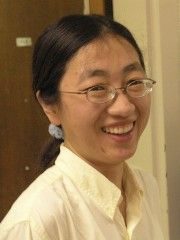
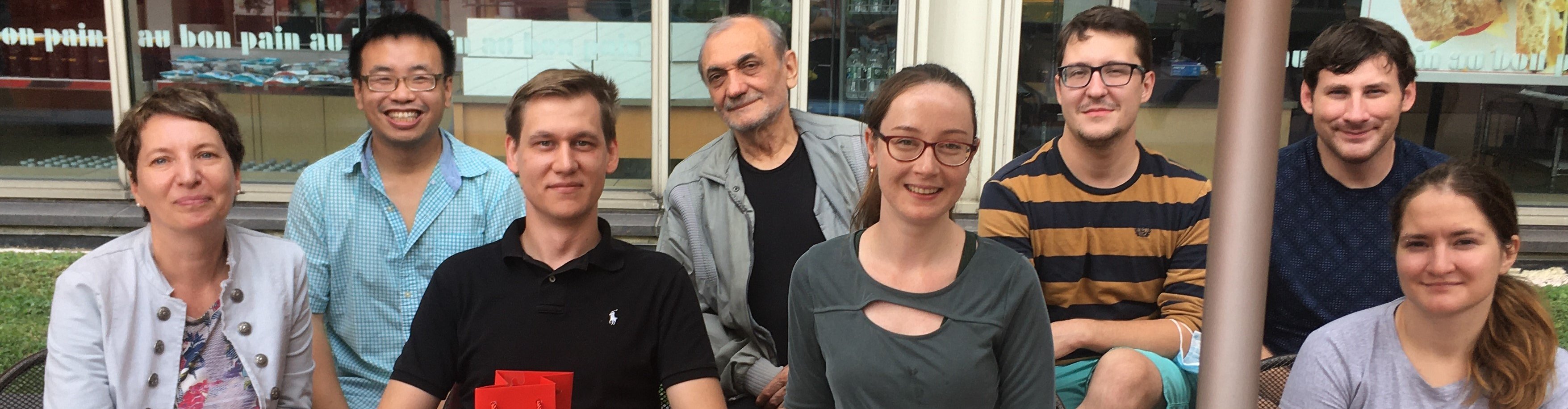
Ekaterina L. Grishchuk is a Professor of Physiology at the Perelman School of Medicine, University of Pennsylvania. She is a member of the Pennsylvania Muscle Institute and leads research on kinetochore-microtubule interactions during mitosis. Her work bridges biophysics, cell biology, and computational modeling to uncover mechanisms of chromosome segregation. PhD in Molecular, Cellular and Developmental Biology, University of Colorado, Boulder (1997) MSc in Physics (Biophysics specialization), Lomonosov Moscow State University (1990) Research Interests: Dr. Grishchuk investigates the molecular machines that power chromosome movement during cell division. Her lab focuses on kinetochore proteins like NDC80, Dam1, CENP-E, and Ska1, which convert microtubule dynamics into directional force. Key areas include: Mechanisms of kinetochore-microtubule coupling Role of Aurora B kinase in phosphoregulation Atomic-scale modeling of microtubule biomechanics Development of ultrafast force-clamp spectroscopy techniques Publications: Her recent work reveals how multisite phosphorylation tunes kinetochore protein affinity, how Dam1 and Ska1 complexes track microtubule ends, and how microtubule detyrosination guides chromosome motion. Collaborations span structural biology, computational biophysics, and cancer research. Awards & Grants: Research supported by the National Science Foundation, NIH (NIGMS), American Cancer Society, Pennsylvania Muscle Institute, and Sidney Kimmel Foundation. Students & Collaborations: She has mentored numerous graduate students and postdocs, including Ekaterina Tarasovetc and Anatoly Zaytsev. The lab collaborates with teams in Russia, France, Portugal, and across the United States.