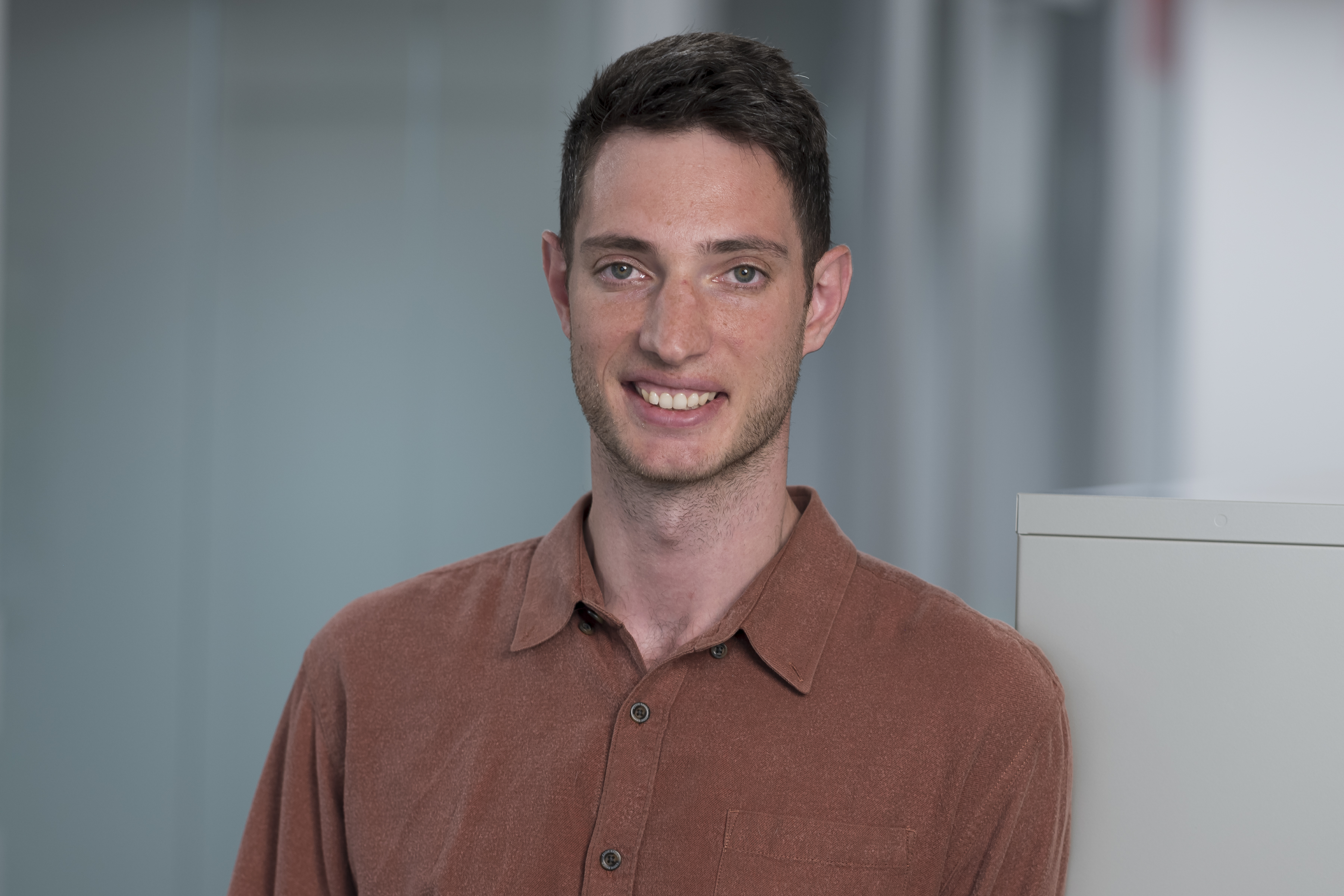
Roy Oelen is a Researcher at the University of Groningen , actively contributing to interdisciplinary fields including Genetics , Genomics , and Medical Research . His work intersects Expression Quantitative Trait Loci (eQTL) , Single-Cell Analysis , and Immunology , with a focus on molecular mechanisms in diseases and tissue engineering. Research Output : 5+ articles (2023-2025) and 15+ datasets (2020-2023). Key Collaborations : TransplantLines Investigators, Cell Reports, Nature Medicine, and Circulation teams. His research spans Genetics , Gene Expression , and Immunology , particularly in Small Intestine Transplantation , iPSC-derived Organ Models , and Cardiovascular Disease Mechanisms . Articles highlight trends in Multiomics , Neurogenetics , and Immune Response analysis. His contributions to datasets, including Deconvolution of bulk blood eQTL effects and Gene Co-expression Relationships , demonstrate expertise in Single-Cell Data and Large-Scale Genomic Studies .
Partha Mitra is the Crick-Clay Professor of Biomathematics at Cold Spring Harbor Laboratory (CSHL) and holds a Distinguished Visiting Chair at IIT Madras. His research spans theoretical and experimental neuroscience, focusing on brain circuit mapping and AI integration. Neuroscience Quantitative Biology His theoretical work applies statistical physics to machine learning and control theory , while experimental efforts include the Mouse Brain Architecture Project and collaborations on marmoset brain mapping with RIKEN and Monash University. Recent projects involve 3D multimodal histological atlases and DHARANI , a developing human brain atlas. His NIH BRAIN CONNECTS grant (2023) aims to create comprehensive brain wiring diagrams. Scientific Awards NIH BRAIN CONNECTS (2023) NSF INSPIRE (2013) NIH Transformative R01 (2009) George S. Axelby Outstanding Paper (2013) American Physical Society Fellow (2003) Senior Member, IEEE (2005) H.N. Mahabala Chair (2015) Mitra’s lab has mentored numerous researchers, including Saiteja Abbu , Samik Banerjee , and Jaikishan Jayakumar . His work has produced over 200 publications and tools for brain circuit analysis and 3D imaging .
Dr. Charles Danko is an Associate Professor at Cornell University College of Veterinary Medicine , affiliated with the Baker Institute for Animal Health and the Department of Biomedical Sciences . His research bridges computational biology and molecular genetics, focusing on how DNA sequences and chromatin structure regulate gene transcription across species and in diseases like cancer. Education : Postdoctoral Fellow, Genomics/Bioinformatics, Cornell University (2009) PhD in Bioinformatics, SUNY Upstate Medical University (2009) BS in Biomedical Engineering, Johns Hopkins University (2003) His work explores the role of gene enhancers in evolution, the transcriptional mechanisms of glioblastoma, and machine learning tools like dREG and dHIT for epigenomic annotation. Recent studies highlight RNA polymerase II dynamics, histone modification prediction, and evolutionary changes in regulatory elements. Scientific Awards : Bausch & Lomb Honorary Science Award (1999) Professional and Public Service Award (2008) Postdoctoral Fellowships (2009, 2010) Best Poster, Reproductive Genomics Retreat (2012) Danko leads an interdisciplinary lab combining computational and molecular techniques, including PRO-seq, Hi-C, and CRISPR epigenome editing. His team investigates how natural genetic mutations and chromatin packaging influence phenotypic differences and disease states, particularly in CD4+ T cells and glioblastoma.
Todd Nystul is a faculty member at the University of California San Francisco (UCSF) specializing in stem cell biology, developmental genetics, and epithelial dynamics. His research builds on foundational work from his postdoctoral fellowship in Allan Spradling's lab at the Carnegie Institution and his graduate studies with Mark Roth at the Fred Hutchinson Cancer Research Center. Nystul's work focuses on Epithelial stem cell lineage regulation Cell fate decisions in Drosophila ovarian niches Metabolic and morphological influences on stem cell behavior Education: B.S. in Molecular Biology, University of California San Diego (1993–1997) Ph.D. in Molecular and Cellular Biology, University of Washington (1999–2004) Postdoctoral training in Stem Cell Biology and Developmental Genetics, Carnegie Institution of Science (2004–2009) Nystul's research bridges genetic regulation in Drosophila models with broader implications for human stem cell biology and cancer. His lab has developed key methodologies for single-cell RNA sequencing and intracellular pH imaging , and his publications reflect expertise in stem cell competition , Wnt signaling , and epithelial plasticity . Notably, his work on Drosophila follicle stem cells underpins patents and the formation of biomedical company Ikaria, Inc. Scientific Awards: National Science Foundation Fellowship Honorable Mention (1999) HHMI Postdoctoral Scholar (2005) Keystone Symposium Scholarship (2007) Nystul actively mentors lab members and collaborates with colleagues like Zena Werb, Susan Fisher, and Diane Barber. He has secured multiple NIH grants including R35GM136348 (2020–2025) and R01GM097158 (2011–2020), with additional co-investigator roles in R01GM116384 (2015–2019) and R21CA164404 (2012–2015).
Bruce Wang is a Professor at the University of California San Francisco (UCSF) within the School of Medicine. His research focuses on liver cell biology, including hepatocyte stem cell regeneration, liver disease pathophysiology, and single-cell transcriptomic atlas development. He contributes to both basic science and clinical translation in rare hepatic disorders. Education: Stanford University: B.A.S. in Philosophy and Biological Sciences (2000) University of California San Francisco: MD in Medicine (2007) Research Interests: Dr. Wang's work bridges developmental biology and clinical medicine, with major projects in: (1) adult hepatocyte stem cell characterization, (2) porphyria pathophysiology, and (3) creation of liver cell atlases using single-cell genomics. His team employs cutting-edge tissue engineering and computational biology approaches. Article Trends: His recent publications emphasize porphyria diagnostics using machine learning, single-cell liver biology, and multi-organ transcriptomic analysis. Collaborative studies span from fundamental heme synthesis research to clinical trial data and computational health record applications. Scientific Awards: Howard Hughes Medical Institute Research Training Fellowships (2004-2007) Dean’s Prize in Research (2006) Molecular Medicine Fellow (2007-2014) Career Award for Medical Scientists (2016-2021) Grants & Leadership: Currently serves as Principal Investigator for NIH grants R01DK131227 (liver sexual dimorphism in disease) and DoD grant RA210018 (pediatric hepatoblastoma). Co-Investigator on NIH U54DK083909 Porphyrias Consortium since 2009.
Enikö Sonkoly is an active Senior Lecturer (Docent) and research group leader at the Department of Medicine, Solna, Karolinska Institutet, Stockholm, Sweden. Her work centers on molecular mechanisms in inflammatory skin diseases and skin cancer, with primary affiliations to the Division of Dermatology and Venereology and ongoing collaborations across European and international institutions. Her research interests include: Dermatology (psoriasis, atopic dermatitis, skin cancer) Non-coding RNA biology (microRNAs, long non-coding RNAs) Epidermal barrier function and dysregulation Keratinocyte-immune system interactions Wound healing and inflammation Transcriptomic analysis of skin diseases She has pioneered studies on RNA signatures in psoriasis keratinocytes, identified tumor-suppressive miRNAs in cutaneous squamous cell carcinoma, and explored chromatin dynamics in skin inflammation. Recent work leverages single-cell sequencing to map cellular interactions in psoriasis while investigating clinical implications of biologics through trials like VOYAGE 2. Publication trends (2022-2025) highlight three key directions: (1) Functional characterization of specific non-coding RNAs (e.g., CYDAER, LINC00958) in epidermal dysregulation, (2) Clinical translation of RNA findings through biologics trials and registry studies, and (3) Integration of single-cell genomics with inflammation pathways. Her group consistently bridges molecular mechanisms and clinical dermatology. Scientific awards: No awards, prizes, or fellowships are documented in the provided text. Advising and grants: Dr. Sonkoly supervises doctoral students Jan Cedric Freisenhausen (thesis 2025) and Longlong Luo (thesis 2023), with Luo also listed as affiliated staff. Her group includes Lars Norlen (Docent) and international collaborators. The text provides no grant details, funding sources, or project-specific financial information. Labs and teams: She heads the Research group Enikö Sonkoly at Karolinska Institutet, focusing on RNA mechanisms in skin diseases. The group utilizes next-generation sequencing, single-cell analysis, and functional assays to study keratinocyte biology within a multidisciplinary framework that includes clinical dermatology, immunology, and molecular oncology components.
Kasper Karlsson is an Assistant Professor at the Karolinska Institutet , affiliated with the Department of Oncology-Pathology . He leads a research group focused on precision strategies to eradicate heterogeneous tumor cells in pediatric cancer , utilizing organoid models, single-cell sequencing, and computational tools. Academic background: PhD in Medicine (Karolinska Institutet, 2016), Postdoc at Stanford University (2016-2021) Key research areas: Tumor evolution, intra-tumoral heterogeneity, drug resistance modeling, and precision oncology His work aims to address the challenges of tumor heterogeneity in pediatric cancers like neuroblastoma and rhabdomyosarcoma by developing organoid-based models and cellular barcoding systems to track subclonal dynamics under drug perturbations. Collaborations span computational tumor evolution modeling and clinical implementation of combination therapies. Selected scientific awards include: ERC Starting Grant (2023) Swedish Childhood Cancer Foundation grants (2020) Stanford CCSB Pilot Project (2018) Swedish Research Council International Postdoc Grant (2018) His laboratory works with a team of PhD students including Myra Almén , Cheng-De (Ernest) Liu , Sammy Park , Krzysztof Wierbilowicz , and Kristofer Ågren to advance pediatric cancer research.
Dr. Catalina Vallejos is a Reader (equivalent to Associate Professor) at the University of Edinburgh, working within the MRC Human Genetics Unit at the Institute of Genetics and Cancer. She leads the Catalina Vallejos Research Group focused on Biomedical Data Science, developing novel statistical methodologies to address heterogeneity in biomedical data. Her work spans single-cell RNA-sequencing and electronic health records research, with applications in precision medicine. Dr. Vallejos' research interests center on addressing complexity in biomedical data through statistical methodology development. Her work tackles heterogeneity across individuals, data types, and measurement processes. She focuses on single-cell RNA-sequencing for cell-by-cell gene expression analysis and electronic health records for developing predictive models based on routine clinical data. Her research has significant implications for precision medicine initiatives, aiming to improve understanding of health and disease through computational tools that leverage rich biomedical information sources. Analysis of Dr. Vallejos' recent publications reveals strong trends in statistical methodology development for biomedical applications. Her work consistently bridges computational statistics with practical healthcare challenges, particularly in single-cell genomics and predictive modeling using electronic health records. She demonstrates expertise in Bayesian hierarchical models, longitudinal data analysis, and machine learning applications in healthcare contexts. Her research shows increasing focus on translational applications, with recent work addressing inflammatory bowel disease, diabetes risk prediction, and emergency admission forecasting in Scottish healthcare systems. Dr. Vallejos actively supervises multiple PhD students across various programs including CRUK, EpiCrossBorders, Edinburgh Helsinki Program, HDRUK/Turing Wellcome, and MRC Precision Medicine. Her research is supported by significant funding from partners including The Alan Turing Institute and British Heart Foundation. She collaborates extensively across institutions, particularly with Generation Scotland, and her work demonstrates strong interdisciplinary connections between statistics, genomics, and clinical medicine. Her research group includes postdoctoral researchers and PhD students working on projects related to single-cell analysis, electronic health records, and statistical methodology development. The group maintains active collaborations with clinical researchers and institutions across Europe, particularly in Germany and Denmark, facilitating the translation of statistical methods into clinical applications.
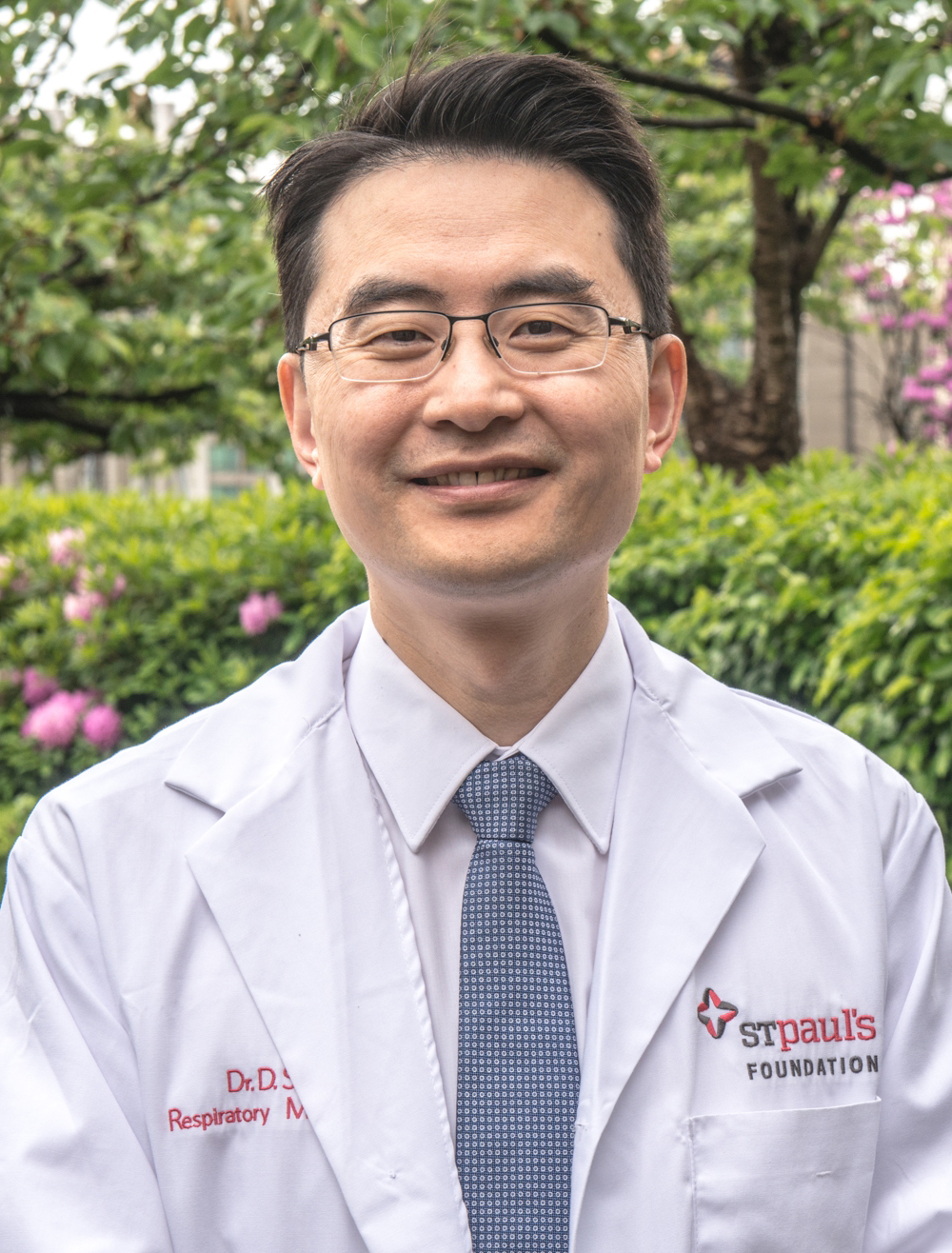
Don Sin is a Professor of Medicine at the University of British Columbia (UBC), Director of the Centre for Heart Lung Innovation (HLI), and a respirologist at St. Paul’s Hospital. He holds a Tier 1 Canada Research Chair and the De Lazzari Family Chair at HLI, with an H-index of 110 from over 700 peer-reviewed publications. Education: MD (University of Alberta, 1991), MPH (Harvard University, 1997) Leadership: Deputy Chief Editor, European Respiratory Journal; GOLD Scientific Committee member Research Focus Dr. Sin specializes in using multi-omics approaches (microbiome, transcriptome, methylome) to study COPD heterogeneity. His work integrates in vivo imaging (CT/MRI) with bronchoscopic sampling to map structural-molecular correlations. Key projects include: Phenotyping alveolar macrophages in COPD via single-cell sequencing Linking airway dysbiosis to inflammatory responses and hypoxia Developing hyperpolarized 129Xe MRI for functional lung imaging Testing radiofrequency therapy for emphysema Scientific Contributions His recent publications (2025-2023) highlight advances in: Epigenetic aging and cannabis smoking effects Precision medicine through polygenic/transcriptomic risk scores Cardiopulmonary interactions in COPD and Long COVID Awards & Leadership Recipient of Canada’s highest research honors, he chairs guideline committees and serves as a principal investigator in national COPD cohorts (e.g., CanCOLD).
Eicke Latz is an Adjunct Professor at UMass Chan Medical School, affiliated with the T.H. Chan School of Medicine and the Department of Medicine, Division of Infectious Diseases. He earned his MD from the Free University of Berlin, Germany. His research focuses on innate immunity, particularly inflammasome activation (e.g., NLRP3), and its roles in neuroinflammation, atherosclerosis, and infectious diseases. Key interests include metabolic reprogramming in immune cells, cytokine signaling, and the impact of microbial metabolites on inflammation. Recent work explores links between immunometabolism and neurodegenerative conditions like Alzheimer's disease. Latz's publications emphasize molecular mechanisms of inflammasomes, immune responses to pathogens, and metabolic danger signals. Trends include NLRP3 pathway regulation, microglial dysfunction in neurodegeneration, and therapeutic targeting of inflammatory cascades. No awards or advising relationships are detailed in the source material. He leads investigations into macrophage and microglial biology, often utilizing in vitro models to dissect inflammasome activation. Lab activities emphasize translational implications for chronic inflammatory and infectious diseases.
Christian Iseli is a Lecturer and Head of Unit at the Bioinformatics Competence Center (BICC) within the School of Life Sciences at École polytechnique fédérale de Lausanne (EPFL). He is also a Scientific Staff Member of the School Council SV and contributes to teaching in the SSV - Teaching program. His work bridges bioinformatics, genomics, and immunology, with a strong emphasis on computational methods for biological data analysis. His research interests include bioinformatics, computational biology, genomics, transcriptomics, immunoinformatics, epigenetics, and algorithm development for next-generation sequencing. He has made significant contributions to understanding gene regulation, immune responses in cancer, and viral diversity, often through collaborative, interdisciplinary studies. His recent publications reveal a strong trend in applying computational tools to complex biological systems, including cancer immunology, genome architecture, and microbial evolution. He has co-developed resources such as SPICA for immune cell analysis and tools for viral diversity exploration, highlighting his role in building bioinformatics infrastructure. Honors and awards: None listed. Iseli actively mentors and teaches, offering courses in RNA-sequencing bioinformatics and omics methods in biomedical research. He has been involved in numerous collaborative research projects, often as a key bioinformatics expert. He is affiliated with the Bioinformatics Competence Center and supports EPFL’s research through technical and educational leadership. He leads a research unit focused on bioinformatics services and development, contributing to both academic research and educational initiatives at EPFL.
Dr. Dario Strbenac is an academic researcher at the University of Sydney , affiliated with the Charles Perkins Centre . His work bridges bioinformatics, genomics, and computational biology, with a focus on cancer genomics, transcriptomics, and statistical machine learning applications. Research Interests Development and evaluation of computational frameworks for omics data preprocessing Machine learning in precision medicine and cancer genomics Transcriptomic analysis of developmental biology (e.g., echinoderms) Identifying genomic biomarkers for melanoma and oral squamous cell carcinoma Investigation of gene expression stability and correlation methods Integration of multi-platform omics data for clinical applications Publications and Trends Strbenac's publications (2013–2025) emphasize statistical methods for analyzing high-throughput biological data, particularly in cancer and developmental biology. Notable contributions include tools like DCARS and QPEP, studies on melanoma mutation burden, and insights into echinoderm body plan development. His work aligns with precision medicine initiatives and genomic data standardization. Affiliations University of Sydney, Charles Perkins Centre Collaborations across cancer research, computational biology, and developmental biology consortia
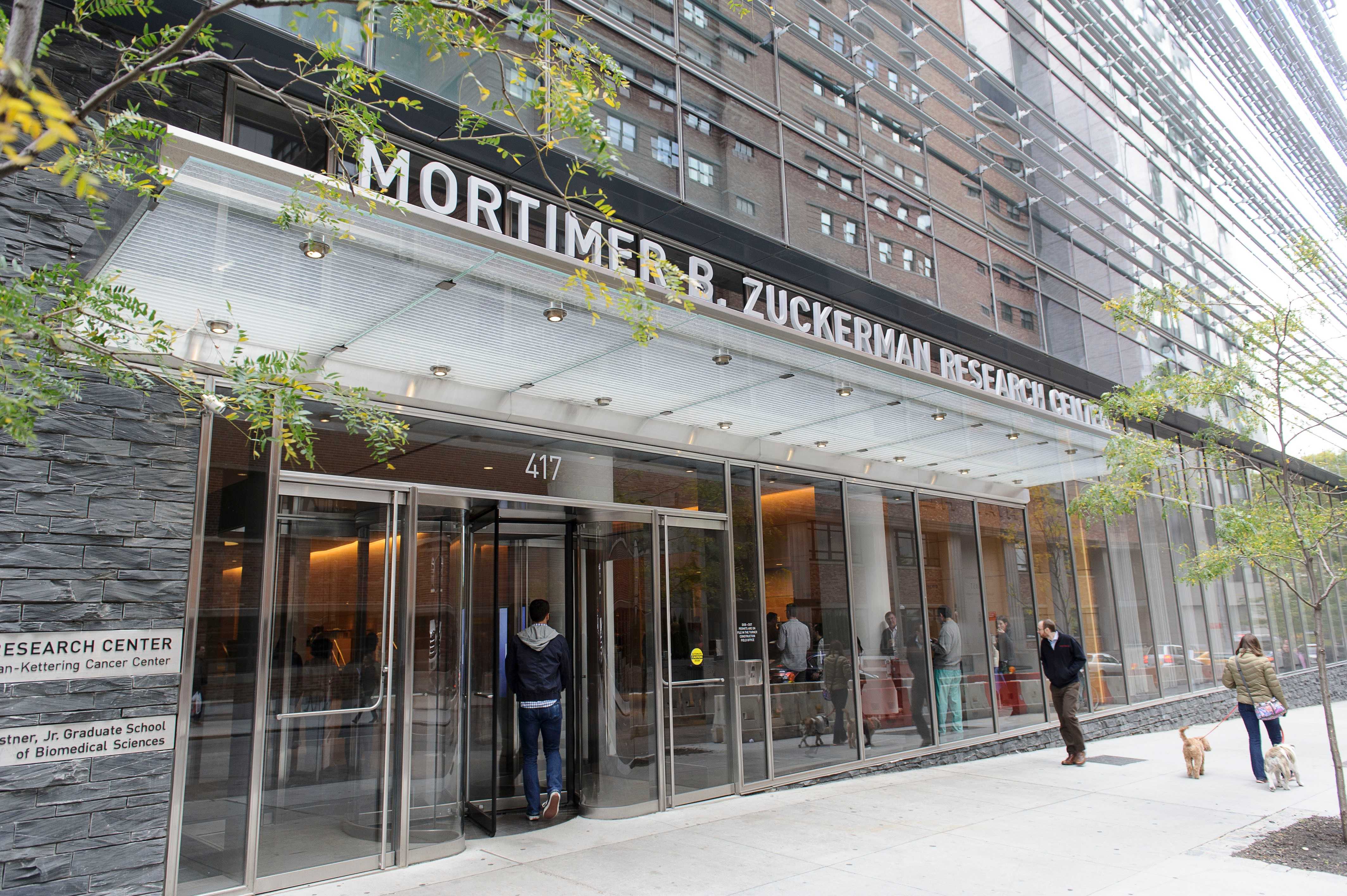
Christina Leslie is a Professor at Weill Cornell Medicine's Graduate School of Medical Sciences, where she leads the Computational Biology department within the Computational & Systems Biology Program. She holds a PhD from the University of California, Berkeley and maintains a prominent research laboratory at Memorial Sloan Kettering Cancer Center (MSKCC). Primary Affiliation: Weill Cornell Medicine Department: Computational Biology Program: Computational & Systems Biology Program Lab Location: cBio.mskcc.org Dr. Leslie's research focuses on developing computational methods to study cellular biological systems from a global and data-driven perspective. Her lab specializes in exploiting high-throughput functional and genomic data to understand molecular networks underlying fundamental cellular processes, including transcription regulation, pre-mRNA processing, signaling, and post-transcriptional gene silencing. She employs machine learning approaches to build accurate predictive models from noisy and high-dimensional biological data. Her research spans several key areas: modeling cell-type specific transcriptional programs, dissecting co- and post-transcriptional regulation (particularly microRNA-mediated gene regulation), and cancer systems biology. Her lab has made significant contributions to understanding transcription factor binding, chromatin interactions, and the computational analysis of post-transcriptional regulation. Dr. Leslie's publication record demonstrates consistent high-impact research across computational biology, cancer genomics, and immunology. Her recent work shows a strong focus on integrating multi-omics data to understand cancer mechanisms, immune cell function, and gene regulatory networks. Her research often bridges computational methodology development with biological discovery through close collaboration with experimentalists. Introduction of string kernel methodology for SVM classification of biological sequences Development of algorithms for predictive modeling of gene regulation First systems-level analyses of competition between microRNAs and between target transcripts Dr. Leslie actively mentors numerous graduate students and research associates, with a lab that includes both computational biologists and interdisciplinary researchers working at the intersection of biology and data science. Her lab maintains strong connections with the Gerstner Sloan Kettering Graduate School of Biomedical Sciences, providing training opportunities for the next generation of computational biologists.
Quaid Morris is an Assistant Professor at Weill Cornell Medicine's Graduate School of Medical Sciences, where he leads a research laboratory focused on applying computational approaches to biomedical problems. His lab is affiliated with the Physiology, Biophysics & Systems Biology program and has strong ties to the Sloan Kettering Institute. Dr. Morris's research spans multiple areas of computational biology with a particular emphasis on cancer genomics and post-transcriptional regulation. His work integrates machine learning with biological data to address fundamental questions in tumor evolution, RNA-binding protein specificity, and genotype-phenotype relationships. His laboratory develops innovative computational methods to reconstruct tumor evolutionary histories, predict RNA-binding protein targets, and integrate diverse biological data sources. Analysis of Dr. Morris's recent publications (2021-2023) reveals a strong focus on cancer genomics, particularly in tumor evolution and mutational signature analysis, alongside continued work on RNA-binding proteins and their regulatory roles. His research demonstrates a consistent pattern of developing computational tools (such as Pairtree and TrackSig) that address specific challenges in analyzing complex biological data, with applications spanning basic science to clinical translation. Dr. Morris has mentored numerous graduate students, postdoctoral fellows, and undergraduate researchers who contribute to his diverse research portfolio. His laboratory maintains active development of open-source software tools that have been widely adopted by the computational biology community. The Morris lab actively collaborates with experimental biologists to validate computational predictions and translate findings into biological insights. Current research directions include applying machine learning to electronic medical records for clinical prediction, developing methods for single-cell data analysis, and exploring the role of RNA-binding proteins in disease mechanisms.
Eduard Reznik is an Assistant Professor at the Memorial Sloan Kettering Cancer Center , affiliated with the Gerstner Sloan Kettering Graduate School of Biomedical Sciences and the Epidemiology & Biostatistics department. His research focuses on cancer metabolism , mitochondrial genetics , and cancer genomics , with a translational emphasis on kidney cancer. Education : Summa Cum Laude Bachelor’s in Biological Engineering from Cornell University (2008); PhD in Biomedical Engineering from Boston University (2013). Postdoctoral Training : Memorial Sloan Kettering Cancer Center (2013-2017) under Christopher Sander and Niki Schultz. His lab employs machine learning , data science , and bioinformatics to study how genotype and tumor microenvironment interactions shape metabolic phenotypes. Recent projects include mitochondrial genetics , tumor metabolism , and cancer cachexia . Emerging trends from his 15 most recent articles (2020–2025) include metabolite imputation , pan-cancer biomarker discovery , and single-cell mtDNA dynamics . These span computational oncology , genomic instability , and immune-metabolite interactions . Current lab members include graduate students, postdoctoral fellows, and medical researchers working on multi-omics and translational cancer research . His work is supported by grants such as R01 CA258886 and U54 CA274492 .