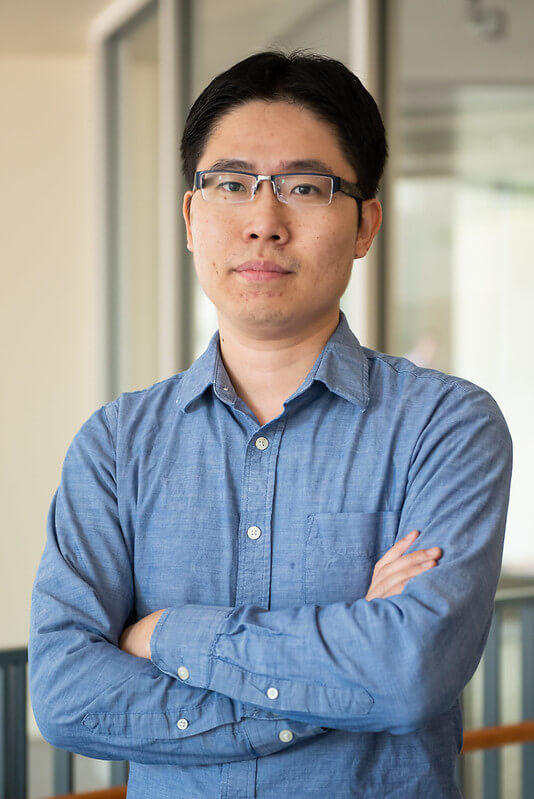
Sandrine Dudoit is a Professor and Chair of the Department of Statistics at the University of California, Berkeley. She earned her PhD in Statistics from UC Berkeley in 1999 and joined the faculty in 2001. Her research focuses on statistical methodology and computing with applications to genomics, biomedical research, and precision health. She co-founded the Bioconductor Project , an open-source software initiative for biological data analysis, and leads interdisciplinary projects in single-cell transcriptomics and computational biology. Education: PhD in Statistics (UC Berkeley, 1999), M.Sc. in Mathematics (Carleton University, Canada). Research interests include high-dimensional statistical learning, single-cell RNA-Seq analysis, stem cell differentiation in the olfactory system, and statistical computing. She collaborates with biologists like John Ngai to study neuroepithelial regeneration using cutting-edge sequencing technologies. Recent work emphasizes trajectory inference, biomarker discovery, and methodological advances in handling high-dimensional genomic data. Her lab develops tools for normalization, clustering, and differential expression analysis in large-scale biological datasets. She teaches courses on statistical genomics and serves as a leader in UC Berkeley’s Division of Computing, Data Science, and Society (CDSS). Advising: Supervises PhD students in statistical methodology, computational biology, and bioinformatics. Grants: Active in securing funding for interdisciplinary research projects in genomics and data science. Labs/Teams: Core member of the Center for Computational Biology (CCB) and contributes to the Bioconductor community.
Bhama Ramkhelawon, PhD, is the Florence and Joseph Ritorto Associate Professor of Surgical Research in the Department of Surgery and Associate Professor in the Department of Cell Biology at NYU Grossman School of Medicine. She is also the Director of Vascular Surgery Scientific Research, leading a dynamic research program focused on vascular biology and disease mechanisms. Her research centers on understanding the molecular and cellular mechanisms underlying vascular aneurysms, peripheral vascular disease, and the interplay between metabolism, inflammation, and aging in the cardiovascular system. Utilizing advanced techniques such as single-cell transcriptomics, mouse models, and clinical data analysis, her lab investigates how immune cells, platelets, and metabolic pathways contribute to vascular pathologies. Recent publications highlight a strong trend in vascular mechanobiology, aging-related transcriptomic changes, adenosine signaling, and inflammatory responses in vascular tissues. Her work bridges basic science with clinical applications, particularly in post-surgical complications like endoleaks and aneurysm repair outcomes. Bhama Ramkhelawon has made significant contributions to the field with over 80 publications in high-impact journals such as Circulation Research , JCI Insight , and Cell Systems . Her research is supported by active clinical trials focusing on vascular aneurysms and peripheral vascular disease, indicating ongoing funding and translational research efforts. She mentors students and researchers as part of her role as a principal investigator and director. Her lab is involved in multi-disciplinary collaborations, integrating cell biology, immunology, and vascular surgery to advance understanding of cardiovascular diseases.
Kushal Dey, PhD, is an Assistant Professor in the Computational and Systems Biology Program at Memorial Sloan Kettering Cancer Center (MSKCC). His research develops machine learning models that integrate genetic, genomic, and epigenomic data (e.g., RNA-seq, ChIP-seq, Perturb-seq, spatial transcriptomics) to decode the causal functional architecture of heritable complex diseases, including immune-related disorders like Alzheimer’s and inflammatory bowel disease, as well as heritable cancers such as breast and prostate cancer.
Loic Binan is an Assistant Professor in the Department of Human Genetics at McGill University, with additional affiliations as an Associate Member in the Department of Biomedical Engineering and the Integrated Program in Neuroscience. His research focuses on developing cutting-edge technologies to investigate how gene networks control the self-organization of cells into complex 3D tissues during development and in disease conditions. Dr. Binan's research interests span multiple interdisciplinary fields, with particular emphasis on cancer metastasis , where he investigates the genetic mechanisms allowing cells to reversibly transition between epithelial and mesenchymal phenotypes. His work also explores isoforms and non-coding regions , developing technologies to understand alternative splicing in neurodegenerative diseases, and examining how past cell-cell interactions shape present transcriptional activity during development. His laboratory employs a diverse array of techniques including CRISPR gene editing, spatial transcriptomics, single-cell RNA sequencing, advanced microscopy, and computational methods for image analysis. The recent publications reveal a strong trend toward integrating high-throughput genetic screening with spatial transcriptomics to map gene regulatory networks across both cancer biology and neuroscience contexts. Dr. Binan leads the Binan Lab at the Lady Davis Institute for Medical Research, where his team develops precision gene editing tools such as Cas9 and Cas12 for high-throughput screens, creates novel imaging tools to collect spatial context data, and builds computational tools to analyze these complex new data types. His research primarily focuses on cancer and neurodegenerative diseases, with particular attention to brain development and tumor microenvironments.
George M. Church is a Professor of Genetics at Harvard Medical School and affiliated with MIT, where he directs PersonalGenomes.org, providing open-access genomic, environmental and trait data. His laboratory focuses on transformative technologies for reading and writing 3D/4D biological structures with attention to ethics, safety, and equitable access. Church has co-initiated major scientific initiatives including the BRAIN Initiative (2011) and multiple Genome Projects (GP-Read-1984, GP-Write-2016, PGP-2005). Church's research spans multiple cutting-edge domains including genome engineering, synthetic biology, aging reversal, and space genetics. His lab pioneered foundational methods for direct genome sequencing, molecular multiplexing and barcoding in 1984, leading to the first genome sequence in 1994. His innovations contributed to nearly all next-generation DNA sequencing methods and companies. Current research directions include machine learning for protein engineering, tissue reprogramming, organoids, gene therapy, and in situ 3D DNA/RNA/protein imaging. His work bridges fundamental biology with therapeutic applications across diverse fields from Alzheimer's disease to de-extinction biology. Church's recent publications reveal a remarkable breadth of scientific inquiry, spanning from fundamental genome editing techniques to applications in aging research, neuroscience, and space biology. His work increasingly integrates artificial intelligence with biological systems, as seen in papers on machine-guided cell-fate engineering and automation of systematic reviews with large language models. His research maintains a strong translational focus, with numerous papers addressing therapeutic applications in cancer immunotherapy, gene therapy, and diagnostics. The consistent theme across his diverse publications is the development and application of transformative technologies to address fundamental biological questions and medical challenges. National Academy of Sciences (NAS) membership National Academy of Engineering (NAE) membership Franklin Bower Laureate for Achievement in Science Co-initiator of the BRAIN Initiative (2011) Director of multiple NIH Centers for Excellence in Genomic Science (2004-2020) Church directs numerous research centers including the NIH-CEGS, Personal Genome Project (PGP), Lipper Center for Computational Genetics, and Wyss Institute Synthetic Biology center. His laboratory has trained PhD students across multiple Harvard and MIT programs including Biophysics, BBS, Biomedical Informatics, ChemBio, Chemistry, SSQB, MCO, Virology, HST, EE/CS, Physics and Applied Math. His commercial impact is extensive through companies spanning medical diagnostics (Knome/PierianDx, Alacris, Nebula, Veritas) and synthetic biology/therapeutics (AbVitro/Juno, Gen9/enEvolv/Zymergen/Warpdrive/Gingko, Editas, Egenesis). Church also pioneered new privacy, biosafety, ELSI, environmental and biosecurity policies. The Church Lab operates across multiple research domains including molecular multiplexing, next-generation sequencing, nanopore technology, and genome engineering. The lab maintains strong connections with the Personal Genome Project, Wyss Institute, and multiple commercial ventures. Current research directions include the Spatial Atlas of Human Anatomy (SAHA), human skin rejuvenation via mRNA, and space genetics research through the Consortium for Space Genetics and BioAstra. The lab's mission focuses on transformative technologies for reading and writing 3D/4D structures at any scale, inspired by but not limited by biology.
Arnoldo Frigessi is Professor of Statistics at the University of Oslo, where he leads the Oslo Center for Biostatistics and Epidemiology and serves as director of BigInsight—a Centre of Excellence for Research-Based Innovation. This consortium unites industry, business, public actors, and academia to develop model-based machine learning methodologies for big data, with strong emphasis on health applications. His research centers on statistical methodology driven by real-world scientific challenges, specializing in stochastic models for complex dependence structures and computationally intensive inference algorithms. Core application domains include: Genomics and personalized cancer therapy (particularly breast and lung cancer) Infectious disease modeling (including pandemic response) eHealth, sensor data analysis, and recommender systems Personalized marketing and viral diffusion dynamics Analysis of his 15 most recent publications (2024-2025) reveals dominant themes in cancer systems biology , where he integrates multi-omics, single-cell transcriptomics, and computational modeling to decode tumor evolution under therapy. Parallel work advances infectious disease epidemiology through time-varying reproduction number estimation and mobility-based transmission modeling, while methodological innovations span synthetic data generation (TVineSynth), causal inference via target trial emulation, and Bayesian ranking models for recommender systems. Scientific Awards: No specific awards mentioned in source materials Frigessi actively supervises graduate students, including a Department of Informatics project on "Utilizing covariate information in recommender systems." His leadership of BigInsight—funded as a Research-Based Innovation Centre by the Research Council of Norway—secures major grants supporting interdisciplinary collaborations with industrial partners (e.g., Telenor, DNB) and public health institutions. Current projects integrate real-world clinical data with mechanistic models for treatment optimization. He directs BigInsight's multidisciplinary team of statisticians, computer scientists, and domain experts, while leading the Oslo Center for Biostatistics and Epidemiology's efforts in developing statistical frameworks for complex health data. These initiatives drive Norway's national strategy for data-driven health innovation.
Professor Daniel Davis MBE FMedSci is the Head of the Department of Life Sciences and Professor of Immunology at Imperial College London. He holds affiliations with the Institute of Chemical Biology, the CDT in Chemical Biology: Innovation in Life Sciences (as a supervisor), and research groups in Immunology and Molecular Mechanisms of Disease. His academic journey includes a doctorate in Physics from Harvard University and prior roles as Director of Research at the Manchester Collaborative Centre for Inflammation Research (University of Manchester). His research focuses on nanoscale biology of immune cell interactions, employing advanced microscopy techniques to study immune synapse formation, cytotoxicity mechanisms, and immunological regulation. Notable contributions include elucidating how immune cells use adhesion, signaling, and structural reorganization to target pathogens and cancer cells. Professor Davis has authored four popular science books, including Self Defence: A Myth-Busting Guide to Immune Health (2025), The Beautiful Cure (2018), and The Compatibility Gene (2014), which bridge public understanding of immunology and biology. His work has been recognized with prestigious awards such as the Royal Society Science Book Prize and the Prose Award. His articles span topics like NK cell heterogeneity, gene therapy for neurological disorders, and super-resolution microscopy applications. Grants and collaborations include work on AAV-based gene therapies and immunomodulatory drug development. Davis actively engages in public science communication through festivals, media outlets (e.g., BBC, Guardian), and international speaking engagements. His research labs at Imperial College focus on interdisciplinary approaches, combining biophysics, genetics, and clinical applications to advance immunology and translational medicine.
Xianyang Zhang is a Professor in the Department of Statistics at Texas A&M University, affiliated with the College of Arts & Sciences. He holds a Ph.D. from the University of Illinois at Urbana-Champaign (2013) and a B.S. from the University of Science & Technology of China (2008). His research focuses on high-dimensional statistics, functional data analysis, kernel methods, and genomics, supported by grants from NIH, NSF, and Texas A&M. Education: Ph.D., Statistics, University of Illinois at Urbana-Champaign, 2013 B.S., Statistics, University of Science & Technology of China, 2008 Research Interests: Xianyang Zhang develops statistical theories and methodologies for complex data structures, including high-dimensional inference, kernel-based testing, change-point detection, and microbiome analysis. His work bridges computational and theoretical statistics, addressing challenges in genomics, omics-wide studies, and spatial statistics. Key Contributions: Developed KDist , a package for kernel and distance-based statistical inference Authored fastcpd for efficient change-point detection Advanced covariate-adaptive FDR control methods for omics studies Contributed to microbiome analysis tools like MicrobiomeStat and LinDA Advising & Grants: Advises multiple Ph.D. students in statistics and interdisciplinary projects Recipient of NIH and NSF grants for high-dimensional statistical research Collaborates with institutions like Mayo Clinic and Chinese University of Hong Kong Labs/Teams: Leads research groups focused on statistical methodology development, software implementation, and applications in computational biology and genomics.
Ming Lei is a Professor of Physiology and Pharmacology at the University of Oxford. His research focuses on cardiac electrophysiology, signal transduction, and molecular mechanisms of arrhythmias. He leads the Lei Group , also known as the Cardiac Signalling Group , which explores novel therapeutic targets for cardiovascular diseases. Education: BM, MD, D.Phil Professional Recognition: Fellow of the Royal Society of Biology (FRSB) Recent publications highlight his work on: PAK Kinases as targets for arrhythmias Anti-arrhythmic drug classification and clinical applications Isoform-specific glycosylation of ion channels Optical mapping techniques in preclinical cardiac models Stem cell-derived cardiomyocytes for studying atrial function His research trends emphasize molecular mechanisms of cardiac dysfunction, kinase modulation, and advanced imaging methodologies. The Lei Group collaborates on projects involving genetic models (e.g., RyR2 knock-in mice) and cellular interactions (e.g., myofibroblast-cardiomyocyte crosstalk). Key subfields include signal transduction , lysosomal pathways , ion channel regulation , cardiac hypertrophy , electrophysiological imaging , and stem cell applications .
Michael A. Newton is a Professor and Chair of the Department of Biostatistics and Medical Informatics at the University of Wisconsin–Madison, School of Medicine and Public Health. His research focuses on statistical methodologies for high-dimensional biomedical data, including cancer biology, immunology, and genomics. He is renowned for developing empirical Bayesian methods, stochastic models, and computational tools for analyzing molecular data. His work integrates statistical theory with interdisciplinary collaborations, contributing to advancements in translational biomedicine. Newton has held prestigious awards, including the Mortimer Spiegelman Award (2003) and the COPSS Presidents' Award (2004). He is an elected Fellow of the American Statistical Association and an elected Member of the International Statistical Institute. He leads the Biostatistics and Epidemiology Research and Design (BERD) core at the Institute for Clinical and Translational Research and is affiliated with the Carbone Comprehensive Cancer Center and the Center for Genome Science and Innovation. His teaching includes advanced courses in computational statistics, Bayesian analysis, and statistical methods in molecular biology. Newton directs graduate programs in Statistics and Biomedical Data Science, emphasizing interdisciplinary training.
Roy Wollman is a Professor at the University of California, Los Angeles (UCLA) in both the Department of Integrative Biology and Physiology and the Department of Chemistry and Biochemistry within the College of Letters and Science. His work bridges experimental and computational approaches to study dynamic signaling networks and their impact on cellular decisions. Research Focus: Computational and systems biology of signaling pathways Key Techniques: Single-cell analysis, spatial transcriptomics, quantitative modeling Major Themes: Information transmission in biochemical networks, cellular decision-making, epigenetic regulation Recent work has emphasized spatial transcriptomics mapping of brain regions, wound response signaling, and multi-scale analysis from cell biology to physiology. His lab has developed computational tools like scPNMF for gene selection and JSTA for cell segmentation and annotation. Key findings include mechanisms of TNF-induced cell death tradeoffs and laminin scarring effects in stem cell function. Roy Wollman has received continuous NIH funding since 2009, including grants for studying NFκB dynamics (R01GM117134), corneal wound signaling (R01EY024960), and single-cell technologies for traumatic brain injury (R01NS117148). His research combines high-throughput microscopy with computational modeling to understand how cells process dynamic signals.
Mario Dipoppa is an Assistant Professor in the Department of Neurobiology at the University of California, Los Angeles. His research focuses on computational neuroscience, cortical adaptation, and neural circuit dynamics. Position: Assistant Professor, Neurobiology Email: mdipoppa@g.ucla.edu Research Interests: Mario's work explores how neural populations in the visual cortex adapt to sensory input, with a particular emphasis on the interplay between neural oscillations, synchrony, and cognitive functions like working memory. His recent studies investigate optimal coding strategies in visual adaptation, contextual modulation mechanisms, and the role of transcriptomic diversity in cortical interneuron function. Publications Trends: His research spans computational modeling of cortical networks, visual neuroscience, and neurogenetic analyses of brain circuits. Early work (2013-2016) focused on working memory mechanisms and neural oscillations, while recent studies (2022-2025) emphasize visual cortex adaptation, population coding, and cross-species circuit comparisons.
Ramana V Davuluri serves as Professor in the Department of Biomedical Informatics at Stony Brook University's Renaissance School of Medicine. With over 20 years of experience in bioinformatics and computational genomics, he leads research at the intersection of machine learning and cancer genomics, focusing on translating high-dimensional -omic data into clinically actionable insights through statistically rigorous methodologies. Dr. Davuluri's research spans Machine Learning applications in Cancer Data Science , isoform-level gene regulation , and precision-medicine development. His lab pioneers bioinformatics solutions for genomic data interpretation, with emphasis on developing machine learning algorithms that convert NextGen sequencing outputs into experimentally testable discovery models. A core focus involves creating rapid biomarker identification systems from human tissue and blood samples through integrated computational-experimental approaches in systems biology. Analysis of his 2023-2025 publications reveals a dominant trend toward genomic foundation models (e.g., DNABERT variants), multi-omic cancer subtyping , and time-dependent therapeutic strategies for pediatric brain tumors and ovarian cancer. His work consistently bridges computational innovation with biological validation across diverse cancer types including glioma, lung adenocarcinoma, and high-grade serous carcinoma. As Principal Investigator for multiple multi-investigator and multi-site projects, Dr. Davuluri directs research integrating high-throughput experimental procedures with advanced data-mining techniques. His laboratory maintains strong collaborations across oncology, neuroscience, and immunology domains while developing genomics-based decision support systems for clinical translation. The Davuluri Lab employs a systems biology framework to develop novel informatics tools for precision oncology, with particular emphasis on translating genomic discoveries into clinical applications through biomarker discovery and therapeutic strategy optimization.
Vahid Shahrezaei is a Professor of Biomathematics at Imperial College London's Department of Mathematics (Faculty of Natural Sciences). He holds affiliations with the Biomathematics Group, Centre for Synthetic Biology, and Mathematics in Medicine. His research focuses on Computational Molecular Systems Biology, studying cellular robustness under stochasticity and environmental noise using computational and analytical methods. Notable contributions include methods for single-cell RNA-sequencing analysis and simulation-based inference of biochemical networks. Education: PhD in Physics from Simon Fraser University (Canada), BSc/MSc in Physics from Sharif University (Iran). Career highlights include a sabbatical at the Crick Institute (2023-2024) and roles such as Diversity Champion for the Faculty of Natural Sciences. Awards include the Imperial College President Medal for Research Supervision (2017). He has led interdisciplinary grants, including a Leverhulme-funded study on noise in gene expression with Samuel Marguerat. Research Interests: Stochastic modeling, gene expression dynamics, systems biology applications Key Projects: Development of bayNorm for single-cell data normalization, studies on mycobacterial cell size control Professional Roles: BBSRC expert panel member, co-organizer of systems biology conferences His lab integrates mathematical modeling with experimental data, addressing questions in developmental biology, cancer metabolism, and microbial systems. Recent work includes agent-based modeling of environmental policy adoption and novel visualization techniques for multi-omics data.
Yanping Long is a Research Associate Professor at Southern University of Science and Technology (SUSTech) in Shenzhen, China, affiliated with the School of Life Sciences and Department of Biology. She holds a PhD in Developmental Biology from the Institute of Genetics and Developmental Biology, Chinese Academy of Sciences (2015), and a B.S. in Biotechnology from Northwest Agriculture and Forestry University (2007). Her career includes positions as Research Assistant Professor at SUSTech (2019-2023) and postdoctoral research under Dr. Jixian Zhai. Her research integrates wet-lab and computational approaches to develop cutting-edge genomic technologies. Primary interests include: Single-cell sequencing for plant systems (e.g., FlsnRNA-seq) Long-read sequencing applications (e.g., FLEP-seq, Pore-C) Gene expression regulation focusing on RNA processing, epigenetics, and transcriptional dynamics Her publications (2019-2023) demonstrate a strong focus on developing novel genomic methods and applying them to plant systems. Key themes include single-cell transcriptomics, chromatin architecture, RNA processing dynamics, and epigenetic regulation in model plants (Arabidopsis, Medicago) and crops (soybean, rice). Awards: Outstanding Young Women Award, Chinese Society for Plant Biology (2022) She holds patents for genomic technologies including single-cell library construction and barcoded gel bead methodologies. No student advisees or grant details were mentioned in the source materials.