
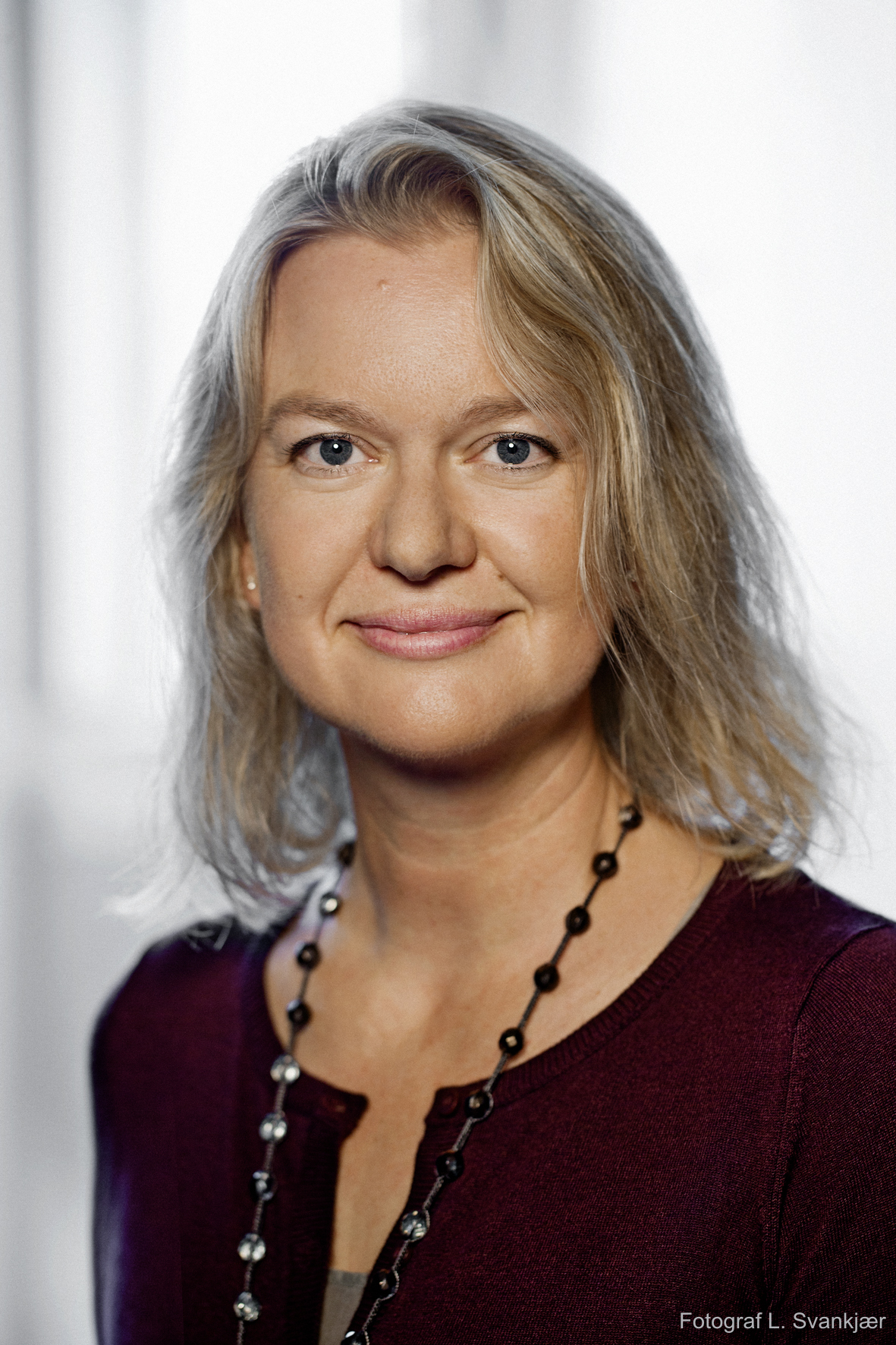
Lene Broeng Oddershede is a Professor and Group Leader of the Optical Tweezers Group at the Niels Bohr Institute, University of Copenhagen. She serves as Principal Investigator of the interdisciplinary Danish Grundforskningsfond Center of Excellence, StemPhys, which focuses on stem cell decision making and operated from 2015 until 2021. Her research spans the intersection of physics and biology, with particular expertise in investigating physical properties of biological systems across multiple scales—from single molecules to whole cells. Her laboratory utilizes state-of-the-art force-scope optical tweezers, single particle tracking, and advanced fluorescence techniques including subdiffraction imaging. Dr. Oddershede maintains a strong research focus on nanoparticle plasmonics alongside her biological physics work. Her laboratory at the Niels Bohr Institute represents a significant research hub for biophysical investigations in Denmark. She has established herself as a leading researcher in optical manipulation techniques applied to biological systems, with her work contributing significantly to our understanding of cellular mechanics and molecular interactions.
جستوجوی استاد و پژوهشگر
استاد راهنما، استاد دانشگاه یا پژوهشگر مناسب برای مسیر پژوهشیتان را پیدا کنید و با او ارتباط بگیرید.
نمایش ۳۶۱-۳۶۹ از ۳۶۹ استاد راهنما
اطلاعات این پروفایلها از صفحات عمومی دانشگاهها جمعآوری شده و ممکن است بهروز نباشد.
- Biophysics
- Biochemistry
- Chemical Biology
- +۳ مورد دیگر
Nikos Hatzakis is a Professor in the Department of Chemistry at the University of Copenhagen, Denmark, based at Universitetsparken 5, 2100 København Ø. He maintains an active research profile through the Hatzakis Lab (https://www.hatzakislab.com) and contributes to interdisciplinary biophysical research with international collaborations. His research spans critical areas in modern biophysics and biochemistry: Single-molecule dynamics and diffusion analysis Protein aggregation in neurodegenerative diseases and diabetes Super-resolution microscopy development and application Deep learning for biological data interpretation Drug delivery mechanisms across biological barriers Recent publications reveal a strong trend toward computational innovation in experimental biophysics, particularly GPU-accelerated tools for single-particle tracking and real-time observation of molecular processes. His work bridges physics, computer science, and biology to decode protein function-aggregation relationships. The Hatzakis Lab drives methodological advances in chemical biology, utilizing cutting-edge imaging to address fundamental questions in cellular biophysics and therapeutic development, with significant cross-institutional partnerships evident in high-impact publications.
Megan C. King is Professor of Cell Biology and of Molecular, Cellular and Developmental Biology at Yale School of Medicine, where she also serves as Co-Leader of the DNA Damage and Genome Integrity Program and Associate Cancer Center Director for Basic Science at Yale Cancer Center. Her primary appointment is in the Department of Cell Biology with a secondary appointment as Associate Professor on Term in Therapeutic Radiology. She is a key member of multiple research programs including Cytoskeletal Dynamics, DNA Damage and Genome Integrity, and the Molecular Cell Biology, Genetics and Development Track. Dr. King's research focuses on fundamental aspects of nuclear structure and function. Her lab investigates how macromolecular complexes embedded in the nuclear envelope physically couple the cytoskeleton to the nucleus (LINC complexes), defining the mechanisms underlying nuclear force response. They also study genome organization through the lens of chromatin dynamics, using innovative live cell assays to examine how nuclear cell biology impacts genome integrity. Her work spans from basic molecular mechanisms to implications for diseases including hereditary breast and ovarian cancer syndrome. Analysis of Dr. King's recent publications (2021-2025) reveals a strong emphasis on nuclear mechanics, chromatin organization, and nuclear pore complex dynamics. Her work integrates approaches from biophysics, cell biology, computational modeling, and genetics, with publications appearing in top journals including Nature Cell Biology, Cell, and Genome Biology. A notable trend is the increasing interdisciplinary nature of her research, combining advanced microscopy techniques with computational approaches to understand nuclear architecture. Allen Distinguished Investigator (2020) from the Allen Institute for pioneering research in nuclear biology NIH New Innovator Award (2011) supporting innovative early-career research Searle Scholar (2011) recognizing exceptional promise in biomedical research Dr. King maintains an active research program with consistent high-impact publications and significant collaborations, particularly with C. Patrick Lusk (co-leader of the LusKing Lab), Ivan Surovtsev, and other Yale researchers. Her lab provides training opportunities for students and postdocs interested in nuclear cell biology, with research spanning from fundamental mechanisms to potential therapeutic applications. The LusKing Lab emphasizes both scientific discovery and creating an inclusive research environment that values diverse perspectives and experiences.
- Laser Technology
- Optics
- Biophotonics
- +۴ مورد دیگر
Prof. Maria Dienerowitz is a Professor at Ernst Abbe University of Applied Sciences Jena specializing in laser technology and biophotonics. She teaches core courses including Laser Technology, Quantum Optics, and Vacuum Technology across Bachelor's and Master's programs while leading three major research initiatives: BioLOC (Carl-Zeiss-Stiftung-funded Lab-on-a-Chip system for molecular dynamics), OPTO (historical spectacle lens analysis with the German Optical Museum), and TOOLS (DFG-funded tailored optics for life sciences). Her research centers on advanced optical manipulation techniques including the ABEL trap for single-molecule studies without surface binding and holographic optical tweezers for nanoparticle control. Key focus areas encompass real-time enzyme kinetics of molecular motors like F-ATP synthase, single-molecule FRET dynamics , and nanoparticle characterization in biological contexts. This work bridges fundamental physics with biomedical applications through innovations in trapping methodology and optical instrumentation. Analysis of her 15 most recent publications reveals strong continuity in optical trapping methodologies with increasing biomedical applications since 2020. Her work demonstrates consistent contributions to single-molecule biophysics (particularly molecular motor studies), nanoparticle manipulation , and optical instrumentation development , with growing emphasis on life science interfaces evident in her Carl-Zeiss-Stiftung and DFG-funded projects. Prof. Dienerowitz currently oversees a research team comprising scientific staff members working across the BioLOC, OPTO, and TOOLS projects, including Dr. Jakub Malohlava (TOOLS), Maryam Shahrezaei (BioLoc), and Frederic Braun (TOOLS). Her laboratory infrastructure supports optical trap development, nanoparticle characterization, and molecular dynamics studies through equipment funded by the Carl-Zeiss-Stiftung and German Research Foundation.

Philip J. S. Storkمشاهده پروفایل
استاد پژوهشی
- Signal Transduction
- Molecular Biology
- Biochemistry
- +۵ مورد دیگر
Philip J. S. Stork, M.D., is a Senior Scientist at the Vollum Institute with a joint appointment in the Department of Cell, Developmental and Cancer Biology at Oregon Health & Science University's School of Medicine. He earned his B.S. from Harvard University (1977), M.S. from Stanford University (1978), and M.D. from Columbia University (1984). His training includes a residency in Pathology at Harvard Medical School and a fellowship at Tufts-New England Medical Center. Dr. Stork began his academic career as an Assistant Professor at Tufts University (1988) before joining the Vollum Institute in 1990, where he progressed to Scientist (1997) and Senior Scientist (2005). His research employs molecular and biochemical approaches to investigate signal transduction mechanisms, focusing on how hormones and growth factors regulate cellular responses through pathways involving: Small G proteins (Ras/Rap1) MAP kinase cascades (ERK/B-Raf) cAMP-dependent protein kinase signaling Membrane domain organization Oncogene-induced senescence Dr. Stork's publications demonstrate consistent focus on kinase signaling dynamics, membrane protein trafficking, and metabolic regulation in cancer and neuronal contexts. His laboratory develops innovative techniques including fluorescent biosensors and high-throughput single-particle tracking to study real-time cellular processes. He served on the Editorial Board of Molecular Cell Biology (2008-2020). The Stork Laboratory maintains active investigations into fundamental signal transduction principles, particularly the spatiotemporal regulation of signaling cascades and their pathological disruptions.

Saša Ceciمشاهده پروفایل
پژوهشگر
Saša Ceci is a Senior Research Associate at the Ruđer Bošković Institute in Zagreb, Croatia, working in the Department of Experimental Physics and the Laboratory for Elementary Particle Physics. With a PhD in Physics from the University of Zagreb and postdoctoral experience at the University of Georgia, he has established himself as a prominent researcher in particle physics. Dr. Ceci earned his B.A. in Physics from the University of Zagreb (Faculty of Science and Technology) in 1998, followed by a Master of Science in 2003 and a PhD in 2007, all from the University of Zagreb (Faculty of Science). He completed a postdoctoral fellowship at the University of Georgia (UGA), USA in 2008. His research focuses on hadronic physics and resonances, with particular expertise in elementary particle physics and nuclear physics. Dr. Ceci's work often involves analyzing particle collision data to understand fundamental properties of resonances and hadronic interactions. His research combines theoretical models with experimental data analysis, contributing significantly to our understanding of particle physics phenomena. He has made important contributions to the extraction of pole and Breit-Wigner resonance parameters, as evidenced by his highly cited publications in Physical Review Letters. Dr. Ceci's recent publications span from 2020-2023 and demonstrate his active involvement in major particle physics experiments, particularly with the CMS Collaboration at CERN. His work covers diverse topics including resonance physics, heavy ion collisions, detector development, and searches for physics beyond the Standard Model. The consistent high-impact factor of his publications reflects the significance of his contributions to the field. Annual State Science Award (together with Marko Košiček) for the popularization and promotion of science in the field of natural sciences (2015) Annual award of the Ruđer Bošković Institute for excellent scientific work in 2013 As an active member of the CMS Collaboration, Dr. Ceci has contributed to numerous significant research projects at CERN. His work involves both theoretical aspects of particle physics and hands-on experimental work with detector systems. He has also authored two popular science books and participated in media projects like 'The Third Element' show on HTV, demonstrating his commitment to science communication and education. Dr. Ceci works within the Laboratory for Elementary Particle Physics at the Ruđer Bošković Institute, collaborating with international research teams on cutting-edge particle physics experiments. His laboratory work focuses on data analysis from the Large Hadron Collider and contributes to the development of detector technologies for future experiments. He is also involved in educational initiatives, including a 2023 publication on hybrid STEM education approaches.
Min Zhangمشاهده پروفایل
استادیار
Min Zhang serves as Assistant Professor in the Department of Chemistry and Guest Researcher in the Department of Drug Design and Pharmacology within the Molecular and Cellular Pharmacology division at the University of Copenhagen's Faculty of Science. Based at Universitetsparken 5 and 2 in Copenhagen Ø, Zhang maintains an active research profile with 14 publications between 2023-2025. Research focuses on protein aggregation dynamics and advanced drug delivery systems , utilizing super-resolution microscopy and machine learning approaches. Key areas include insulin aggregation modulation, metal-organic framework (MOF) nanocarriers, and real-time observation of protein assembly pathways. Recent work develops computational tools like SEMORE for morphological fingerprinting of protein assemblies. Publication trends show strong interdisciplinary collaboration, particularly with N.S. Hatzakis' group, spanning biophysics, nanomedicine, and pharmaceutical sciences. Work has attracted significant attention with coverage by 12+ news outlets and 26+ X (Twitter) mentions. Zhang's scientific contributions include: Development of single-particle tracking methodologies for intracellular drug delivery Novel insights into insulin aggregation modulation by osmolytes Machine learning frameworks for super-resolution data analysis Defect-engineered MOF platforms for cancer therapeutics Active collaborations span molecular pharmacology, biophysics, and nanotechnology research groups. Current work focuses on real-time monitoring of protein aggregation pathways and advanced nanocarrier systems for pharmacotherapy.
Younes Farhangibaroojiمشاهده پروفایل
پژوهشگر ارشد
- Biophysics
- Cell Mechanics
- Optical Tweezers
- +۴ مورد دیگر
Younes Farhangibarooji is an Academic Staff member at the Biocomplexity section of the Niels Bohr Institute, University of Copenhagen. His research focuses on the intersection of biophysics, cell mechanics, and optical manipulation techniques, with significant contributions to understanding cellular structures and developing biomedical applications. His research interests span multiple cutting-edge areas in biophysics. Primary focus areas include: Actin cytoskeleton dynamics and cellular mechanics Optical tweezers technology and applications Viscoelastic properties of biological materials Nanoparticle delivery systems for cancer therapy Organoid development and morphogenesis mechanics His work combines experimental biophysics with computational analysis to unravel fundamental cellular processes. His publication record shows significant collaborative work, particularly with the research group of Professor Lene B. Oddershede. Notable contributions include the comprehensive Roadmap for optical tweezers published in Journal of Physics-Photonics (2023) and groundbreaking research on filopodia mechanics published in Nature Communications (2022). His work has garnered substantial attention, with multiple publications covered by news outlets and academic social media platforms. Dr. Farhangibarooji's research demonstrates strong interdisciplinary connections between physics, biology, and medical applications, particularly in cancer research and regenerative medicine approaches using organoid models.
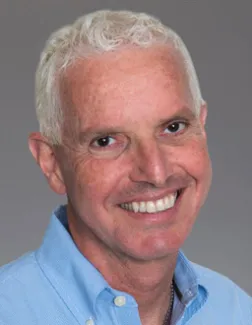
Tomas Kirchhausen is Professor of Cell Biology and of Pediatrics at Harvard Medical School and holds the Springer Family Chair of Pediatrics. He serves as a Senior Investigator at Boston Children's Hospital where he leads the Kirchhausen Laboratory focused on cellular membrane processes and molecular trafficking mechanisms. Dr. Kirchhausen received his undergraduate degree in Biology from the Universidad Peruana Cayetano Heredia and earned his Ph.D. in Biophysics from the Instituto Venezolano de Investigaciones Cientificas. His research spans over three decades and focuses on the structure, interactions, and assembly-disassembly mechanisms of clathrin and associated proteins. Using emerging technologies from molecular cloning to high-resolution structural visualization and live-cell imaging, his laboratory has created 'molecular movies' of clathrin-mediated endocytosis. His work integrates x-ray crystallography, cryo electron microscopy, and single-molecule biophysics to understand cellular membrane remodeling processes including intraluminal vesicle formation and nuclear pore assembly. Current research leverages Lattice Light Sheet Microscopy (LLSM) and Adaptive Optics-optimized LLSM to bridge the gap between molecular events and cellular function. Analysis of his recent publications (2023-2025) reveals a strong focus on integrating advanced imaging techniques with computational approaches, particularly deep learning applications for single-particle tracking and cryo-EM data analysis. His work spans multiple disease contexts including viral infections (particularly SARS-CoV-2), neurodegenerative disorders, and cancer biology, reflecting the broad implications of membrane trafficking research. 1st Place Video at the Celldance 2008 contest of the American Society of Cell Biology Featured in The New York Times article 'The Animators of Life' (November 15, 2010) YouTube 3D movie showing immune cell migration downloaded more than 700,000 times Dr. Kirchhausen's laboratory serves as a hub for interdisciplinary research, bringing together experts in structural biology, cell biology, and advanced microscopy techniques. His work on clathrin-mediated endocytosis has provided foundational insights into cellular trafficking mechanisms that are relevant to understanding viral infection, cancer, and neurological diseases. The laboratory's development and application of cutting-edge imaging technologies continues to push the boundaries of what can be observed in living cells.