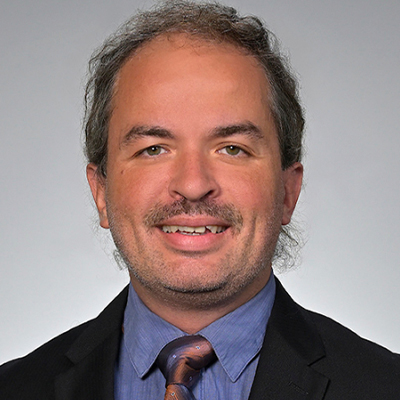
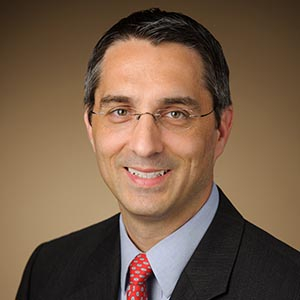
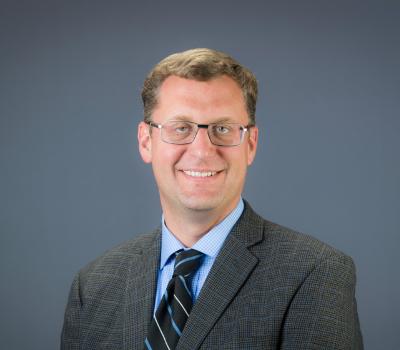
Pavel P. Kuksa is a Research Assistant Professor in the Department of Pathology and Laboratory Medicine, specializing in bioinformatics, computer science, and functional genomics. His work focuses on high-throughput sequencing analysis, chromatin interaction data, and developing scalable software platforms for genomics research.
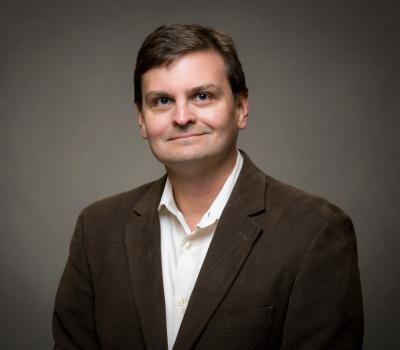
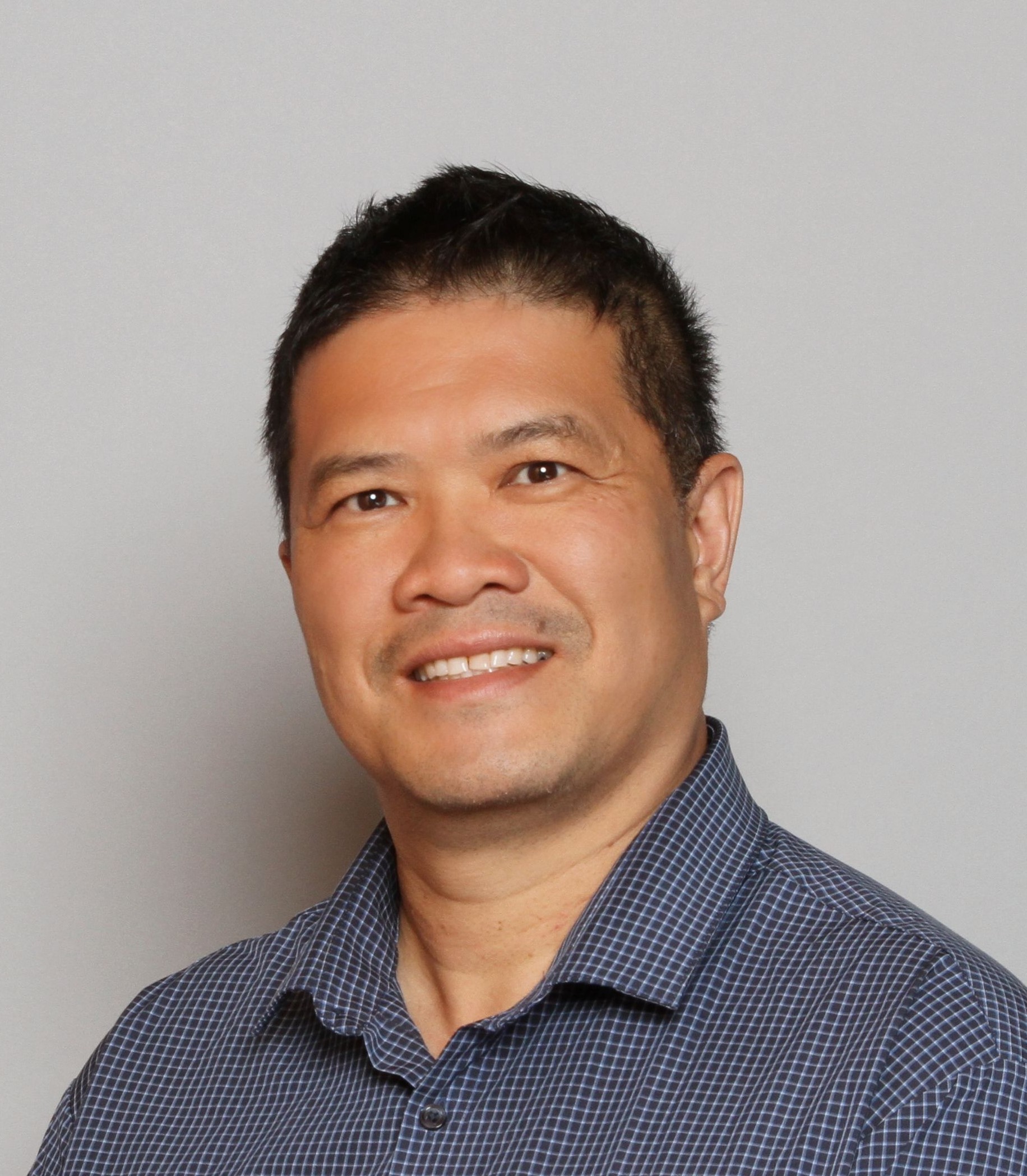
Evan Davies is a Professor in the Civil and Environmental Engineering Department at the University of Alberta's Faculty of Engineering. He has been a Full Professor since July 2021, following his promotion from Associate Professor (2015-2021) and Assistant Professor (2009-2015) positions at the same institution. Education: Ph.D. (Civil and Environmental Engineering), The University of Western Ontario, London, Ontario (2003-2007) M.E.S. (Environment and Resource Studies), The University of Waterloo, Waterloo, Ontario with field research in China and India (2001-2003) B.A.Sc. (Systems Design Engineering), The University of Waterloo, Waterloo, Ontario, including a year-long exchange at Technical University of Hamburg-Harburg, Germany (1995-2001) Evan Davies' primary research focuses on water resources planning and management, systems thinking and modeling, and sustainable development. His work develops and applies hydrological, water use, and water quality models to understand complex feedbacks among water availability, use, and quality within their social, economic, and environmental contexts. His research spans municipal to global spatial scales and daily to decadal time scales, aiming to provide decision-makers with tools to compare structural, management, and policy alternatives for sustainable water planning. His recent projects include global and regional-scale modeling of water security and the water-energy-food nexus, irrigation reservoir management, municipal water demand projections, flood risk management, and chloramine dissipation in stormwater pipes. Recent research trends show a strong focus on: Integrated assessment modeling of water-energy-food systems Climate change impacts on water resources Machine learning applications in hydrology Water security under decarbonization scenarios Flood risk assessment and management Sustainable urban water systems Scientific Awards: Faculty of Engineering Graduate Teaching Award, University of Alberta (2020-2021) Faculty of Engineering Undergraduate Teaching Award, University of Alberta (2018-2019) Doctoral Fellowship (CGS), Natural Sciences and Engineering Research Council (2005-2007) University of Western Ontario Graduate Tuition Scholarship (2005-2007) Ontario Graduate Scholarship in Science and Technology (2004-2005) Masters/Doctoral Fellowship (PGS A/B), Natural Sciences and Engineering Research Council (2002-2004) Davies has supervised numerous graduate students working on projects related to water resources planning and management. His research has been supported by various grants, including funding from the Natural Sciences and Engineering Research Council. He collaborates extensively with researchers at the Joint Global Change Research Institute (JGCRI) in College Park, MD, and with government agencies and industry partners on water management projects across Canada, particularly in Alberta's Bow River basin. Davies leads a research group focused on water resources systems modeling, which employs system dynamics, optimization techniques, and machine learning approaches to address complex water management challenges. His team collaborates with decision-makers and stakeholders to ensure research outcomes are directly applicable to real-world water management problems.
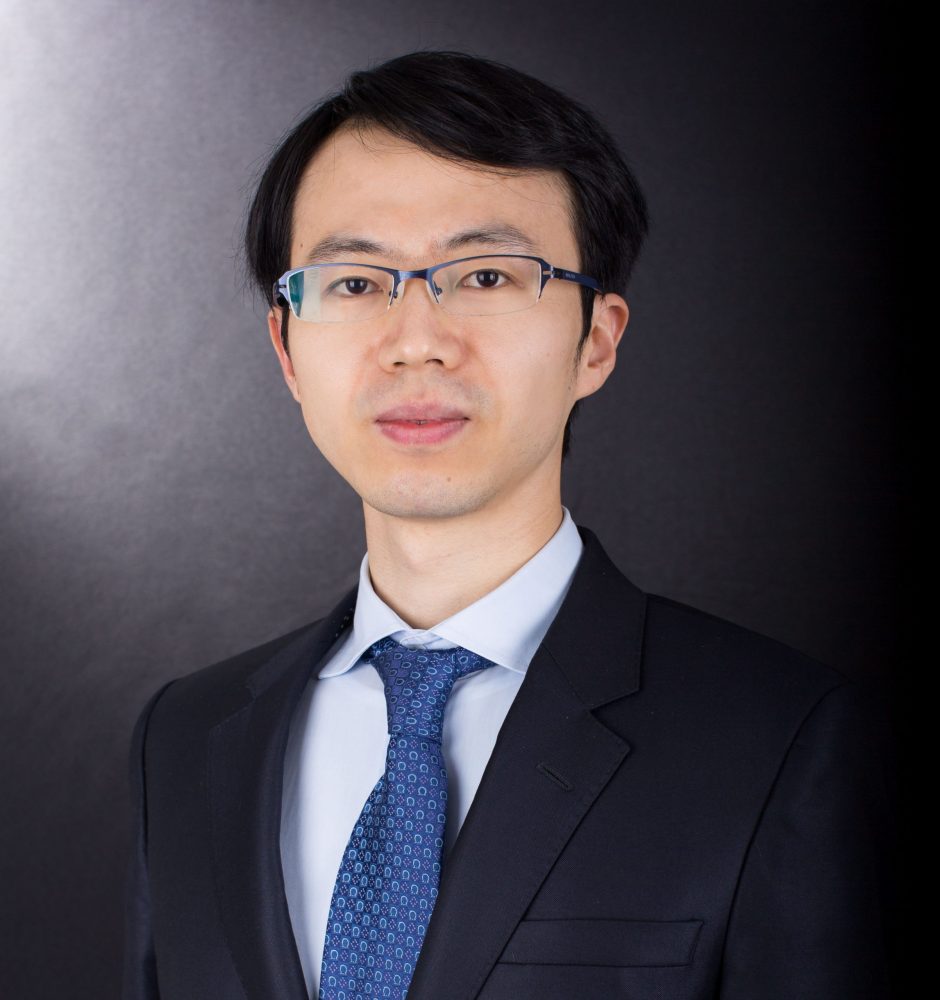
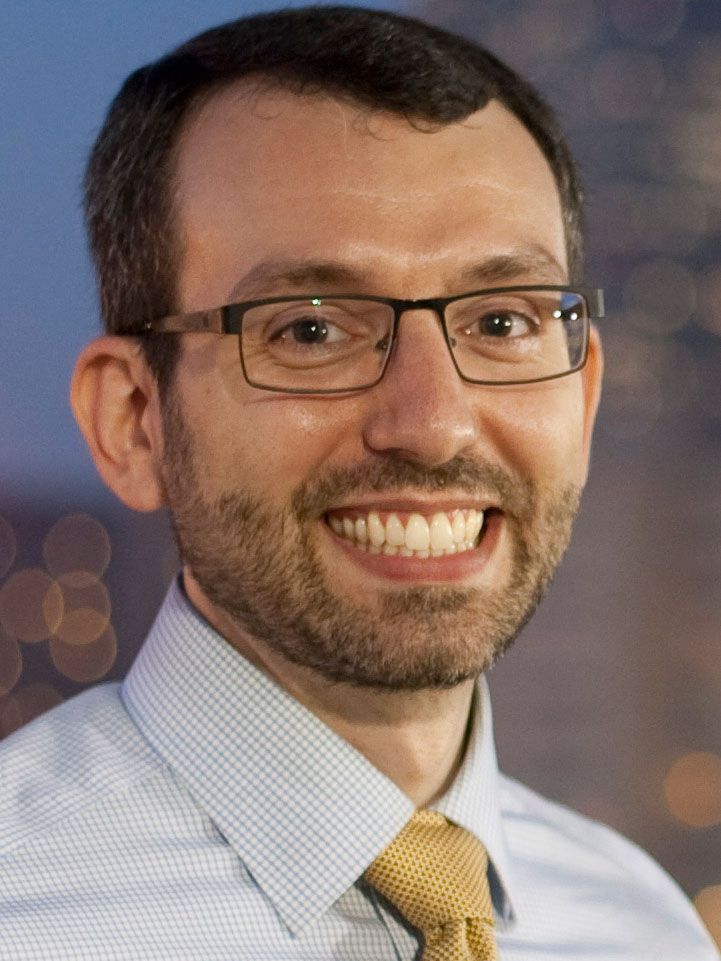
Hailiang Chen serves as Professor in Innovation and Information Management, Assistant Dean (Taught Postgraduate), and Director of the Artificial Intelligence Research Institute at HKU Business School, The University of Hong Kong. His academic journey includes a PhD and MS from Purdue University and a BM from Tsinghua University. Doctoral Degree: Management Information Systems, Purdue University Master Degree: Economics, Purdue University Bachelor Degree: Information Management and Information Systems, Tsinghua University Professor Chen's research spans artificial intelligence, FinTech, social media analytics, and platform economics, with significant contributions to understanding how digital interactions shape financial markets and consumer behavior. His work frequently examines the intersection of technology adoption and economic outcomes, particularly in cryptocurrency markets, live-stream commerce, and venture capital decision-making. His research methodology combines large-scale data analysis with experimental designs to uncover causal relationships in digital ecosystems. His publications in elite journals like Journal of Financial Economics and Management Science demonstrate consistent impact, with multiple ESI Highly Cited Papers. Current projects include Gov-RAG for e-government services and comparative studies of AI search tools. His research has received continuous funding from Hong Kong's Research Grants Council for five consecutive years (2019-2023). Faculty Outstanding Researcher Award, HKU Business School (2022-23) INFORMS ISS Sandra A. Slaughter Early Career Award (2022) Association for Information Systems Early Career Award (2019) Three ESI Highly Cited Papers (Top 1% in field) Professor Chen actively contributes to academic service as Associate Editor for Journal of Management Information Systems and MIS Quarterly , and serves as Program Chair for the International Conference on Smart Finance. His industry collaborations include Alibaba, HSBC, and China Construction Bank, bridging academic research with real-world business applications in AI implementation and digital transformation.
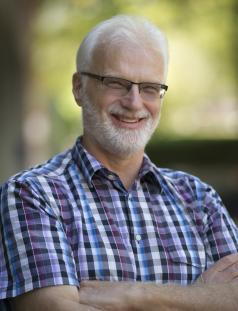
Ralph C. Martin is a retired Professor in the Department of Plant Agriculture at the University of Guelph. His research focuses on sustainable food production, emphasizing resilient farming systems, soil health, and nitrogen use efficiency. He holds a Ph.D. from McGill University and has contributed to interdisciplinary projects across cropping systems, forage agronomy, and environmental stewardship. Education: B.A. and M.Sc. from Carleton University; Ph.D. from MacDonald College, McGill University. Research interests include sustainable agriculture, agroecology, climate change adaptation, and food security. His work bridges agronomic practices with ecological principles to enhance productivity while preserving natural resources. Notable contributions include books like Food Security: From Excess to Enough (2019) and over 150 peer-reviewed publications. He received the 2015 Sustainability Best Paper Award for his review on organic farming's carbon impacts. Recent publications address groundwater nitrate dynamics, cover crop effects, and automated pasture technologies. Martin actively engages in public discourse on food systems through op-eds and keynote talks, advocating for systemic changes to ensure equitable and resilient food production.
Geoff Hollinger is a Professor in the Department of Mechanical, Industrial, and Manufacturing Engineering at Oregon State University, and a Ron and Judy Adams Faculty Scholar. His research focuses on robotic decision-making, planning, and coordination for autonomous systems, particularly in underwater and multi-robot environments. He leads the Robotic Decision-Making Laboratory and has expertise in mission planning, control systems, and marine robotics. Dr. Hollinger holds a PhD in Robotics from Carnegie Mellon University (2010), an MS in Robotics (2007), and a BS in General Engineering and BA in Philosophy from Swarthmore College (2005). His work spans theoretical advancements and practical applications, including underwater docking systems, autonomous exploration, and soft robotics for hazardous environments. Research Interests: Autonomous underwater vehicle (AUV) systems and docking Multi-robot coordination and task assignment Probabilistic planning and decision-making Behavior trees and formal grammars for task planning Underwater manipulation and grasping Energy-efficient trajectory planning Key Achievements: Recipient of the 2017 ONR Young Investigator Award 2017 Celebrate Excellence Awards and Engelbrecht Young Faculty Award Developed frameworks like Angler for intervention tasks and Wave for underwater emulation Labs/Teams: Robotic Decision-Making Laboratory, Collaborative Robotics and Intelligent Systems Institute (CRIS).
Bjoern Bauer, PhD is a Professor in the Department of Pharmaceutical Sciences at the University of Kentucky, affiliated with the Sanders-Brown Center on Aging. His research focuses on blood-brain barrier (BBB) biology, Alzheimer’s disease mechanisms, and drug delivery strategies for neurological disorders. Bauer’s work explores how BBB dysfunction contributes to neurodegenerative diseases and cancer, with particular attention to efflux transporters like P-glycoprotein (ABCB1) and their roles in drug resistance and amyloid beta pathology. Key research areas include: 1) BBB leakage and its role in Alzheimer’s disease progression, 2) development of therapeutic strategies to modulate BBB transporters, 3) preclinical models of glioblastoma and neurodegeneration, and 4) biomarker discovery for early disease detection. His lab utilizes advanced in vitro BBB models, transgenic mouse models (e.g., 5xFAD), and imaging techniques to study these processes. Bauer’s contributions span over 40 peer-reviewed publications since 2001, with recent work emphasizing oxidative stress mechanisms, tumor drug resistance, and translational approaches to BBB targeting. Current efforts include investigating S100β as a plasma biomarker and exploring proteasome inhibition as a therapeutic avenue for restoring BBB integrity. He leads the Bauer-Hartz Lab, collaborating extensively with neurologists, oncologists, and pharmacologists to advance CNS drug delivery technologies. He holds a PhD in Pharmacology and has been a faculty member at the University of Kentucky since joining Sanders-Brown in [year not explicitly stated]. His research is supported by grants focusing on BBB biology, Alzheimer’s disease, and cancer pharmacology.
Julien Delarue is an Associate Professor in Sensory & Consumer Science at the University of California, Davis. Formerly a Professor at AgroParisTech (Université Paris-Saclay), he specializes in sensory perception, consumer preferences, and contextual influences on food evaluation. His work integrates immersive environments and digital tools to study how context shapes hedonic measures and drives healthy/sustainable food choices. Research Focus: Delarue's studies address sensory determinants of food preferences, leveraging methods like rapid profiling and contextual testing. He explores category labels' impact on consumer expectations, sensory complexity in desserts, and the role of non-verbal evaluation (e.g., facial expressions) in assessing novel products. Leadership: He served as Chair of the French Society for Sensory Analysis (SFAS) and the European Sensory Science Society (E3S), advocating for rigorous methodologies in sensory evaluation. His interdisciplinary approach bridges food science, consumer behavior, and data science. Key Themes: Publications emphasize ecological validity in testing, sensory-led reformulation (e.g., cookies, pizzas), and the interplay between product context and perception. Recent work investigates non-dairy milk labeling, sports nutrition products, and child food preferences.
Tom Woo is a Professor in the Department of Chemistry at the University of Ottawa's Faculty of Science. His research focuses on computational quantum chemistry, catalysis, and energy-related systems. Using advanced molecular simulations, his group explores microscopic chemical processes and develops novel methods for energy storage, pharmaceutical catalysis, and material design. Key projects include studying catalytic systems for energy conversion and pharmaceutical synthesis, leveraging computational tools to uncover reaction mechanisms inaccessible via experiments. Research interests span computational chemistry, quantum chemistry, molecular dynamics, and nanotechnology. The Woo Group applies these methods to design metal-organic frameworks (MOFs) for CO2 capture, hydrogen storage, and other energy applications. Their work bridges theoretical models with experimental validation, emphasizing high-throughput screening and machine learning. Publications highlight breakthroughs in MOF design, computational validation of material databases, and carbon capture technologies. Collaborations focus on interdisciplinary challenges in energy sustainability and pharmaceutical catalysis.
David Fannon is an Associate Professor at Northeastern University, holding dual appointments in the School of Architecture and the Department of Civil and Environmental Engineering. He specializes in sustainable and high-performance building design, with a focus on persistent architecture, resilience, and human health in the built environment. Fannon earned his B-Arch from Rensselaer Polytechnic Institute (2005) and an MS in Building Science and Sustainability from UC Berkeley (2015). He is a licensed architect in New York and a LEED Accredited Professional. His research explores strategies for designing buildings that adapt to future needs, including grid-interactive efficient systems, climate-resilient infrastructure, and occupant-centric comfort models. Notable projects include DOE-funded studies on scalable building equipment performance and a Latrobe Prize-winning investigation into future-use architecture. Fannon also co-curated the 'DURABLE' exhibition on sustainable material innovations. Grants & Leadership: Co-PI on DOE grants for grid-interactive building technologies and Northeastern’s Building Resilience tools. Awards: Latrobe Prize (AIA College of Fellows). Professional Affiliations: American Institute of Architects, ASHRAE, SBSE, and BETES. Fannon advises students on sustainable building systems and co-op opportunities, mentoring graduates like Sowdamini Ponnada and Dane Brimmeier. His work bridges architecture, engineering, and policy to create resilient and adaptable built environments.
Youssef M A Hashash is the W. W. Grainger Chair and Professor in the Department of Civil and Environmental Engineering at the University of Illinois. His research focuses on geotechnical and earthquake engineering, with emphasis on seismic site response analysis, soil-structure interaction, and advanced computational methods like the Discrete Element Method (DEM). He has led projects on infrastructure resilience, including studies of buried water reservoirs, railway systems, and post-earthquake reconnaissance. Hashash has developed influential models for site amplification in Central and Eastern North America, contributing to seismic hazard assessments. His work integrates experimental centrifuge testing, numerical simulations, and field data. Notable contributions include guidelines for implementing NGA-East ground motion models and advancements in pore-water pressure generation models for liquefaction evaluation. Key Research Areas: Ground movement, seismic response, soil dynamics, and geotechnical data systems Major Projects: NGA-East Geotechnical Working Group, Beirut Explosion Analysis, and LA Metro Tunnel Projects Recipient of prestigious awards including the NAE Membership (2022), PECASE (2000), and Walter L. Huber Prize (2006), he collaborates internationally on earthquake engineering and geotechnical innovations. His lab develops tools like the DEEPSOIL software for nonlinear site response analysis and explores AI applications in geotechnical data interpretation.
Carson Slabaugh is an Assistant Professor in the Department of Aeronautics and Astronautics and holds a courtesy appointment in the Department of Mechanical Engineering at Purdue University. His research focuses on advanced propulsion systems, particularly combustion dynamics in rotating detonation engines (RDEs), rocket combustors, and ramjet configurations. He leads studies on high-pressure flames, laser diagnostics, and fuel injection mechanisms. Key research areas include detonation wave propagation, pressure gain combustion, and the application of advanced optical diagnostics (e.g., CARS, PLIF) to study transient phenomena in extreme environments. His work addresses challenges in next-generation propulsion systems, including hydrogen-blend fuels, methane-oxygen rocket ignition, and solid-fuel ramjet performance. Recent studies emphasize geometric optimization of RDEs, fuel injection dynamics under detonation conditions, and the impact of flow parameters on combustion stability. Collaborations involve experimental validation with high-speed imaging and computational fluid dynamics (CFD) modeling to bridge theoretical predictions with real-world performance. Slabaugh’s laboratory develops novel diagnostic tools for megahertz-rate imaging of mixing and combustion processes, advancing understanding of transient flame structures and instability mechanisms. His contributions aim to improve efficiency and operability of propulsion systems for aerospace and terrestrial applications.
Michael Grabe is a Professor in the Cardiovascular Research Institute (CVRI) at the University of California San Francisco (UCSF). He holds a joint appointment in the Department of Pharmaceutical Chemistry. His work focuses on computational methods to study biological phenomena, particularly ion transport across membranes and the molecular mechanisms of ion channels/transporters. He has pioneered theoretical approaches to understand membrane protein function and organelle acidity regulation. Education: PhD in Physics, University of California, Berkeley (2002) ScB in Mathematics-Physics, Brown University (1996) Research Interests: Dr. Grabe’s lab investigates ion channel function, membrane remodeling by TMEM16 proteins, lysosomal pH regulation, and computational modeling of membrane-associated processes. Key themes include: Mechanics of ion transport and lipid flipping Protein-induced membrane deformations Simulations of organelle microphysiology Development of computational tools for membrane protein analysis Recent Research Trends: Recent work emphasizes dynamic protein design using AI (e.g., Science 2025), structural studies of K2P channels, and functional insights into TMEM16 scramblases. His team also explores SARS-CoV-2 protein interactions and mitochondrial uncoupling mechanisms. Awards: NSF CAREER Award (2009-2014) Alfred P. Sloan Research Fellowship (2009-2011) Shining Star Community Service Award (2012) Grants & Advising: Principal Investigator of NIH grants studying TMEM16 proteins (R01GM137109) and lysosomal physiology (R21GM100224). His lab trains graduate students and postdocs in computational biophysics and membrane biology. Labs/Teams: Leads the Grabe Lab at UCSF, which collaborates with experimental groups to bridge theory and experiment in membrane systems. Active in developing open-source tools like APBSmem for electrostatic calculations.
Dr. Martin Lange is part of the Project Group Ecological Epidemiology within the Department of Ecological Modelling at the Helmholtz Centre for Environmental Research (UFZ). His research focuses on computational epidemiology, particularly in wildlife and livestock systems. Key areas include disease transmission dynamics, surveillance strategies, and the development of predictive models for infectious diseases like African Swine Fever (ASF) and Bovine Viral Diarrhea Virus (BVDV). Affiliations: UFZ, Department of Ecological Modelling; EcoEpi research group. Education: PhD in Veterinary Epidemiology (2013, TU Bergakademie Freiberg). Research interests span ecological epidemiology, wildlife disease control, and the application of agent-based and individual-based models to understand pathogen spread. Notable contributions include modeling ASF in wild boar populations and BVDV eradication strategies in Ireland. Awards: Received the 2018 UFZ-Wissenstransferpreis (shared with H.H. Thulke) and the Konrad-Bögel-Nachwuchsförderpreis for his doctoral work on eco-epidemiology of wild boar diseases. Also recognized at the DACh Epidemiologietagung 2011. Publications: Over 50 peer-reviewed articles since 2006, emphasizing interdisciplinary approaches to disease modeling and environmental systems. Recent work includes digital twin frameworks for biodiversity monitoring and Python-based model coupling tools like FINAM. Labs/Teams: Active in the EcoEpi group and contributes to projects like BioDT (Biodiversity Digital Twin) and CauSES (Causation in Social-Ecological Systems).
Michael Scott is a Professor in the Department of Civil and Construction Engineering at Oregon State University, part of the College of Engineering. He holds a Ph.D. in Structural Engineering from the University of California, Berkeley (2004), an M.S. from the same institution (1999), and a B.S. in Civil Engineering from North Carolina State University (1998). His research focuses on nonlinear structural analysis, dynamics, numerical methods, and software design, particularly in the context of bridges and fluid-structure interactions. He has developed widely used tools like OpenSees and contributed to multi-hazard resilience frameworks for infrastructure. Key research areas include tsunami impacts on coastal bridges, GPU-accelerated analysis, and machine learning applications for structural simulation. His work emphasizes sensitivity analysis and software reliability, with notable contributions to OpenSees and PFEM methodologies. He has been recognized with the 2019 Celebrate Excellence Awards for Online Teaching. His research also addresses bridge loading from truck platooning, seismic sensitivity, and ponding effects on structural steel roofs. Educations: Ph.D., Structural Engineering, UC Berkeley (2004) M.S., Structural Engineering, UC Berkeley (1999) B.S., Civil Engineering, NC State University (1998) Awards: 2019 Celebrate Excellence Awards, Online Teaching Award Key Contributions: Development of OpenSees software framework Pioneering work in PFEM for fluid-structure interaction Multi-hazard engineering for tsunami resilience
Hazem U. Abdelhady is a Postdoctoral Research Fellow at the University of Michigan's School for Environment and Sustainability (SEAS), jointly appointed with the Cooperative Institute for Great Lakes Research (CIGLR). He will join Texas A&M University's Department of Geography as an Assistant Professor in Fall 2025. His research focuses on coastal and hydrodynamic processes, leveraging machine learning, remote sensing, and physics-based modeling to address climate-driven challenges in lakes and coastal systems. Dr. Abdelhady holds a PhD from Purdue University in Hydraulics and Hydrology Engineering and Computational Engineering (2024), an MS in Irrigation and Hydraulics Engineering from Cairo University (2020), and a BS in Civil Engineering (2018). His postgraduate certificate in Geospatial Information Sciences underscores his expertise in spatial data analysis. His research interests include coastal hydrodynamics, physical limnology, and AI-driven environmental modeling. Key projects involve understanding shoreline changes in Lake Michigan, predicting ice cover dynamics, and developing tools for climate adaptation. The Aggie CIS Lab , launching at Texas A&M in Fall 2025, will further advance these efforts, bridging disciplines to enhance coastal resilience. Recent work highlights include studies on climate impacts on lake temperatures, machine learning applications for wave modeling, and automated shoreline detection algorithms. He actively recruits PhD students for Fall/Spring 2026 to investigate Great Lakes dynamics and resilience strategies. Collaborations span academic and governmental institutions, emphasizing interdisciplinary approaches to environmental challenges. His publications span high-impact journals and conferences, reflecting contributions to both theoretical and applied aspects of water resources engineering.