William A. Nyberg is an Assistant Professor at the Department of Medicine, Huddinge, Karolinska Institutet. His research focuses on the in vivo genetic modification of T cells for cancer treatment, utilizing chimeric antigen receptors (CARs), CRISPR/Cas9, and synthetic vectors like adeno-associated viruses (AAVs) and lipid nanoparticles (LNPs). The lab aims to eliminate time-consuming ex vivo manufacturing processes and enhance CAR-T cell efficacy in immunosuppressive tumor microenvironments. Assistant Professor, Department of Medicine, Huddinge (2024–2030) SciLifeLab Fellow (2024–2030) European Research Council grant recipient (2025–2029) Recruiting postdoctoral fellows, doctoral, and master's students His work intersects Genetic Engineering, Immunology, and Oncology, with key subfields including CAR-T cell therapy, CRISPR/Cas9, tumor microenvironment, and synthetic biology. Collaborative projects involve Yenan Bryceson's group and translational humanized/syngeneic mouse models. Scientific Awards: SciLifeLab Fellow (Karolinska Institute, 2024–2030) Advising: Julian Fischbach (Doctoral student)
Karin Leandersson is a Professor and Research Team Manager in Cancer Immunology at Lund University's Faculty of Medicine in Malmö. She serves as Principal Investigator at the Lund University Cancer Centre (LUCC) and is an Affiliated Researcher with Infect@LU. Her work focuses on understanding immune mechanisms in cancer progression and developing novel therapeutic approaches. Research Interests Professor Leandersson's research centers on the mechanisms behind innate immune system suppression in late-stage cancer patients, particularly in breast cancer. Her work investigates how tumor cells skew the immune system toward a "tolerogenic" state leading to immune paralysis, with a focus on innate immune cell populations including macrophages, monocytes, and myeloid-derived suppressor cells (MDSCs). She examines their effects on adaptive immunity, immune tolerance, and metastatic processes. Her research employs both human clinical material and mouse models of breast cancer metastasis, maintaining a strong translational character through clinical collaborations. Key areas include tumor immunology, immune suppression mechanisms, breast cancer microenvironment, and myeloid cell biology. Research Trends Analysis of Professor Leandersson's publications reveals a consistent focus on the role of innate immune cells in breast cancer progression. Her work demonstrates how tumor-associated macrophages, cancer-associated fibroblasts, and myeloid-derived suppressor cells contribute to immune suppression and tumor progression. A notable trend is her investigation of specific molecular mechanisms like Wnt5a-TLR interactions and CXCL16-mediated monocyte recruitment in tumor microenvironments. Her research shows increasing sophistication in understanding the complex interplay between different immune cell populations in the tumor microenvironment, with implications for developing novel immunotherapeutic approaches targeting these mechanisms. Advising and Grants Professor Leandersson actively supervises multiple doctoral students and researchers including Thofte, O., Briem, O., Wahlin, S., and Lundgren, S. Her current projects include "Immune reactions in patients with metastatic breast cancer" (2024-2028) funded by Cancerfonden and UMAS Cancerstiftelse. She has secured significant research funding and leads multiple dissertation projects examining myeloid immune cell mechanisms in tumor progression, bladder cancer, and periampullary adenocarcinoma. Her work demonstrates strong clinical-translational connections with emphasis on practical applications for improving cancer treatment. Laboratories and Teams Professor Leandersson is affiliated with the Immunohistochemistry and Tissue Micro Array Center Malmö at Lund University. She actively organizes research activities through LUCC, including retreats, minisymposia, and seminars focused on immunology, tumor microenvironment, and metastasis. Her collaborative network spans multiple institutions and research groups working on cancer immunology and translational cancer research.
Jonas Beskow is a Professor and Head of Division at the Division of Speech, Music and Hearing at KTH Royal Institute of Technology. His research focuses on multimodal interaction, speech synthesis, robotics, and human-robot interaction. He leads the Learning style variation in nonverbal behaviour for social robots and agents project as part of Digital Futures, a cross-disciplinary research center. His work involves developing social robots like the Furhat head and advancing technologies for gesture synthesis, audio-driven motion, and adaptive intelligent systems. He holds roles as Co-PI for the Advanced Adaptive Intelligent Systems (AAIS) and Adaptive Intelligent Homes (AIH) projects. His research spans robotics, computer graphics, and clinical applications such as dementia detection through multimodal patient behavior analysis. Beskow also contributes to educational initiatives, supervising courses in computer science and engineering, including degree projects in machine learning and systems engineering. Publications highlight innovations in gesture generation, speech-driven animation, and socially-aware robotics. Collaborations with institutions like Stockholm University and RISE Research Institutes drive interdisciplinary solutions. His work bridges artificial intelligence, human-computer interaction, and assistive technologies, emphasizing ethical and societal impacts of emerging digital systems.
Marie Carlén is a Professor of Neuronal Networks at the Department of Neuroscience, Karolinska Institutet, where she leads the Neural Circuits of Cognition research group. Her work focuses on the prefrontal cortex (PFC), a brain region central to cognitive functions such as attention, decision-making, working memory, and goal-directed behavior. She employs cutting-edge techniques including optogenetics, large-scale electrophysiology, calcium imaging, and circuit tracing in rodent models to unravel the cellular and circuit mechanisms underlying cognition and their disruption in psychiatric disorders. Her academic journey began with a Ph.D. in medicine from Karolinska Institutet in 2005, followed by postdoctoral training at MIT’s Picower Institute under Professor Li-Huei Tsai. She returned to Karolinska Institutet in 2010 and was promoted to full Professor in 2022. She is also a Docent (2017) and has held prestigious fellowships including ERC Starting Grant and Wallenberg Scholar (2019, 2024). Marie Carlén's research spans systems and cellular neuroscience, with a strong emphasis on inhibitory interneurons (especially parvalbumin-expressing cells), neural oscillations, and PFC-striatum interactions. Her recent publications reveal a consistent focus on decoding prefrontal circuit dynamics, the role of specific neuron types in cognition, and comparative brain architecture. She collaborates extensively with her partner, Konstantinos Meletis, also a KI researcher. She has been recognized with numerous scientific honors: Member, Nobel Assembly at Karolinska Institutet (2025–) Member, The Royal Swedish Academy of Sciences (2024–) Wallenberg Scholar (2024, 2019) ERC Starting Grant (2013) Wallenberg Academy Fellow (2012) NARSAD Young Investigator Awards (2010, 2008) She actively mentors students and researchers, with open applications welcomed to her lab. Her work is supported by major grants, including from the Knut and Alice Wallenberg Foundation, enabling high-risk, high-reward research in brain function and disease. Her lab investigates the functional definition of the prefrontal cortex across species, develops novel tools for neural recording, and explores circuit imbalances in conditions like autism and schizophrenia. She is a strong advocate for ethical animal research and promotes gender equality in science.
Johan Sidén is a Lecturer and Associate Professor at Mid Sweden University , employed in the Department of Computer and Electrical Engineering (DET) . His work focuses on RFID technology , antenna design , and printed/flexible electronics , with a particular emphasis on industrial IoT and welfare technology applications. Research Keywords : Radio Frequency Identification, Antenna Design, Flexible Electronics, Wireless Sensor Networks, Microwave Engineering, Electronic Design Key Projects : DRIVEN (data-driven industrial transformation), SmartArea (functional surfaces), Pressure (ulcer monitoring), MakeSense! (welfare technology) Publications : 15+ recent works on wearable antennas, smart packaging, UWB antenna design, and RFID sensor integration Collaborations include partnerships with industrial and academic institutions, focusing on sustainable electronics, sensor systems, and smart infrastructure. His technical expertise spans antenna optimization , printed circuits , and edge computing for harsh environments.
Jan Bergström is Assistant Professor of Clinical Psychology at Stockholm University's Department of Psychology, where he serves as Director of Studies for the Postgraduate Psychotherapist Program and Head of the Stockholm University Psychology Clinic. His research focuses on self-help based CBT and digital psychological interventions, with particular emphasis on clinical behavior analysis, psychotherapy supervision, Behavioral Activation for depression, exposure-based interventions for anxiety/OCD, and Functional Analytic Psychotherapy (FAP). He also investigates metatheoretical aspects of psychotherapy and mental health treatment mechanisms. Research group: Clinical psychology, neuroscience and health Key clinical interests: Mental health problems in neurodiverse populations (autism, ADHD) His publications demonstrate extensive work on internet-delivered therapies for panic disorder, OCD, and depression, including comparisons of blended vs full treatment modalities. He has developed non-heteronormative psychometric instruments like the revised Social Interaction Anxiety Scale (SIAS). Current projects include ZeroOCD smartphone app development for OCD treatment and iMERAT emotion recognition training for adolescents. The academic literature shows his focus on treatment efficacy, therapist time optimization (47% reduction in blended models), and functional analytic approaches to mental health classification. His cross-disciplinary work combines psychological theory with technology-mediated solutions, bridging clinical practice, neuroscience, and digital health innovations.
Stefano Bonetti is an Associate Professor in the Department of Physics at Stockholm University , leading the Ultrafast Condensed Matter Dynamics Group . His research focuses on manipulating quantum materials using terahertz (THz) and near-infrared laser fields to study spin dynamics and ultrafast phenomena at nanoscale and femtosecond timescales. PhD in Materials Physics (KTH Royal Institute of Technology, Sweden) MSc in Engineering Physics (KTH) BSc in Technical Physics (Politecnico di Milano, Italy) Recent research efforts involve time-resolved X-ray microscopy to visualize spin currents and magnetization dynamics, leveraging facilities like free-electron lasers. His work bridges experimental physics and applied materials science, aiming to enhance energy efficiency in data storage technologies by understanding ultrafast spin-lattice interactions . Key scientific awards and grants: ERC Starting Grant (2017-2021) Wallenberg Academy Fellow (2018-2023) VR's free grant (2019-2023) International Career Grant (COFUND) (2015-2019) He has contributed to developing THz-based techniques for magnetic control and authored foundational work on spin-wave solitons and nonlinear magnetoelastic coupling . His group collaborates internationally, utilizing advanced synchrotron and free-electron laser facilities.
Damir Isovic is an Associate Professor and Vice-Chancellor for Internationalization at Mälardalen University's Academy of Innovation, Design and Technology. Previously, he served as Dean of the School of Innovation, Design and Engineering. His roles include leadership in academic administration and participation in national boards. He holds a PhD and has extensive international teaching experience. Research focuses on real-time systems, embedded systems design, and scheduling algorithms. Notable contributions include seminal work in real-time scheduling recognized by the IEEE Technical Community on Real-Time Systems. He has organized major conferences and delivered keynotes globally. His publications emphasize hybrid scheduling approaches, real-time operating systems (RTOS), media processing in resource-constrained systems, and MPEG standards. Recent work integrates memetic algorithms with fuzzy controllers and explores multi-core scheduling fairness. His research bridges theoretical scheduling models with practical embedded system implementations. No scientific awards explicitly listed in the text. Advising activities include supervising PhD students, though specific names are not provided. Lab affiliations include the Division of Networked and Embedded Systems, where he develops frameworks like GENESIS for embedded system engineering. His work emphasizes cross-disciplinary collaboration and industry partnerships in education and technology development.
Sarah Gillet is a Postdoctoral Researcher at the Division of Robotics, Perception, and Learning at KTH Royal Institute of Technology, where she focuses on developing social robot behaviors to foster collaboration and inclusion in human groups. Her research addresses challenges like in-group favoritism through computational approaches to shape group interactions. She holds a Doctoral Thesis (2024) titled Computational Approaches to Interaction-Shaping Robotics . Her work emphasizes group dynamics , robot-mediated inclusion , and pedagogical robotics , particularly in children and adolescent populations. Key areas include gaze behavior analysis, equitable participation promotion, and social robot roles such as mediators in educational settings. Dr. Gillet teaches the Social Robotics (DD2413) course and supervises master theses. Her recent publications explore robot gaze behaviors for participation balance, socially appropriate listening, and influence prediction models like RoSI. She actively participates in conferences like ACM/IEEE HRI and IEEE RO-MAN. Her research integrates computational methods with social science insights to design robots that actively improve human group interactions, with applications in education, collaboration, and bias mitigation.
Elin Nyman is the Head of the Department of Biomedical Engineering (IMT) and an Associate Professor at Linköping University. She leads the department, fostering an environment of trust and collaboration. Her research focuses on systems biology and e-health, integrating mathematical models with experimental data to advance drug development and clinical tools. She supervises students in both the Faculty of Science and Engineering and the Faculty of Medicine and Health Sciences, examining courses like TMBI28 and 8BKG45. Her research interests include systems biology, particularly in drug development and AI applications in healthcare. Key projects involve robust metabolic measurements, AI-driven diagnostic tools (M4-health), and knowledge-driven drug development with AstraZeneca. Recent publications highlight liver steatosis dynamics, IL-10 feedback mechanisms, and insulin resistance modeling. Her work bridges interdisciplinary collaboration, such as a course combining medical and engineering students to develop digital health solutions. She contributed to a SEK 13 million grant for AI-based crime-solving using detailed analyses and AI. Current affiliations include the Division of Biomedical Engineering (MT) and IMT department.
Joakim Lindblad is a Professor at the Department of Information Technology, Uppsala University , and holds affiliated roles as Senior Research Associate at the Mathematical Institute of the Serbian Academy of Sciences and Arts, and Head of Research at Topgolf Sweden AB. With over two decades of expertise in image analysis and machine learning , his work bridges computational methods with biomedical applications. Key affiliations: Uppsala University, Serbian Academy of Sciences, Topgolf Sweden Specializations: Deep Learning, Multimodal Image Registration, Quantitative Microscopy His research focuses on reliable image processing frameworks that integrate intensity and spatial information , particularly for biomedical applications . Recent publications highlight innovations in autofluorescence-based cancer detection , self-supervised one-class learning for sparse instance identification, and rotation-equivariant CNNs for robust analysis of cytology images. Recent article trends demonstrate expertise in multimodal image analysis (2024: 3 papers), oral cancer detection (2025: 2 papers), and multiscale biomedical imaging . His 2025 work on the Uppsala Storytelling Dataset introduces novel frameworks for multimodal dataset creation in AI research. While no scientific awards are explicitly mentioned, his extensive publication record (2000-2025) across top venues like Pattern Recognition , PLOS ONE , and IEEE Transactions indicates significant academic impact. His methodological contributions span stochastic distance transforms , fuzzy set defuzzification , and multimodal image registration techniques. Collaborative work with researchers like Nataša Sladoje and interdisciplinary teams has produced innovations in automated cytology analysis , TEM image enhancement , and AI-driven medical diagnostics . His 2021-2022 projects introduced contrastive learning approaches for multimodal image registration and explainable AI frameworks for infant engagement analysis.
Fredrik Sandin is a Professor in the Department of Computer Science, Electrical and Space Engineering at Luleå University of Technology, where he leads the Machine Learning research group with approximately thirty members. His work focuses on neuromorphic technologies and the intersection of machine learning with computational physics to solve challenging real-world interaction problems. He coordinates the 'Teknisk fysik och elektroteknik' program at LTU and has been instrumental in establishing neuromorphic research activities at the university. Luleå University of Technology, Department of Computer Science, Electrical and Space Engineering Member of WASP (Wallenberg AI, Autonomous Systems and Software Program) and ELLIS (European Laboratory for Learning and Intelligent Systems) Coordinator of Neuromorphic Innovation Platform Sweden with KTH, Lund University, Uppsala University, FOI, ABB, Ericsson, and SAAB Fredrik earned his PhD in Physics from Luleå University of Technology in 2007, with thesis work focusing on dense states of matter in neutron stars. His academic journey began with an MSc diploma work in ATLAS at CERN in 2001, followed by postdoctoral research in computational physics at IFPA in Belgium (2008-2009) and brain-like computing at EISLAB with Prof. Jerker Delsing (2010-2011). Professor Sandin's research interests center around neuromorphic technologies, particularly neuromorphic computing and spiking neural networks. He investigates sensor/detector and intelligent systems co-design where constraints like energy, power, latency, and dynamic range challenge conventional digital approaches. His work spans mixed-signal neuromorphic circuits, algorithms, and systems, as well as machine learning projects involving industrial data and collaboration. He has been a key figure in establishing neuromorphic research at LTU, supported by The Kempe Foundations, particularly through the 2014 Gunnar Öquist Fellowship. His recent publications demonstrate a strong interdisciplinary focus spanning quantum phase transitions, particle physics detector optimization, renewable energy materials, and the integration of large language models into control systems. This diverse portfolio reflects his approach connecting machine learning with fundamental physics and practical engineering applications, particularly in neuromorphic computing and intelligent systems design, with emphasis on solving real-world problems through co-design of hardware and algorithms. Gunnar Öquist Fellowship Award and 3 MSEK grant from The Kempe Foundations ISSP award for an Original Work in Theoretical Physics (signed by Prof. 't Hooft and Prof. Zichichi) New-Talents award for original work in theoretical physics at the International School of Subnuclear Physics in Erice Professor Sandin has supervised numerous PhD students working on topics ranging from neuromorphic TinyML to materials for neuromorphic computing, privacy-preserving machine learning at the edge, and intelligent fault diagnosis. He has secured substantial research funding from various sources including Vinnova, ÅForsk, Kempe Foundations, WASP-WISE, and EU programs like ECSEL JU Arrowhead Tools and ITEA3 AutoDC. His current major projects include the Neuromorphic Innovation Platform Sweden and several initiatives focused on neuromorphic condition monitoring and computing, with total funding exceeding 30 MSEK in the past five years. He leads the Machine Learning group at LTU, which collaborates extensively with industry partners including ABB, Ericsson, SAAB, SKF, and RISE. The group is active in developing neuromorphic technologies for wireless sensor networks, condition monitoring systems, and next-generation intelligent systems that address energy, power, and latency constraints that challenge conventional digital approaches.
Mattias Villani is Professor of Statistics at Stockholm University, specializing in Bayesian statistics and machine learning. He obtained his PhD in Statistics from Stockholm University in 2000 and has held positions at Sveriges Riksbank and Linköping University. Villani develops computationally efficient Bayesian methods for inference, prediction and decision-making with flexible probabilistic models. Research Interests: His work spans Bayesian computation (MCMC, HMC, variational inference), machine learning (Gaussian processes, mixture models), and applications in neuroimaging, transportation, and econometrics. Research focuses on scalable Bayesian methods for large datasets and complex models. Publication Focus: Recent articles concentrate on Bayesian neuroimaging analysis, transportation network modeling, and efficient MCMC algorithms. Methodological innovations in subsampling techniques for large-scale Bayesian computation represent a significant research trend. Student Advising: Supervises PhD students in statistical methodology development and applications. Current research groups focus on spatiotemporal modeling, locally stationary processes, and neuroimaging statistics.
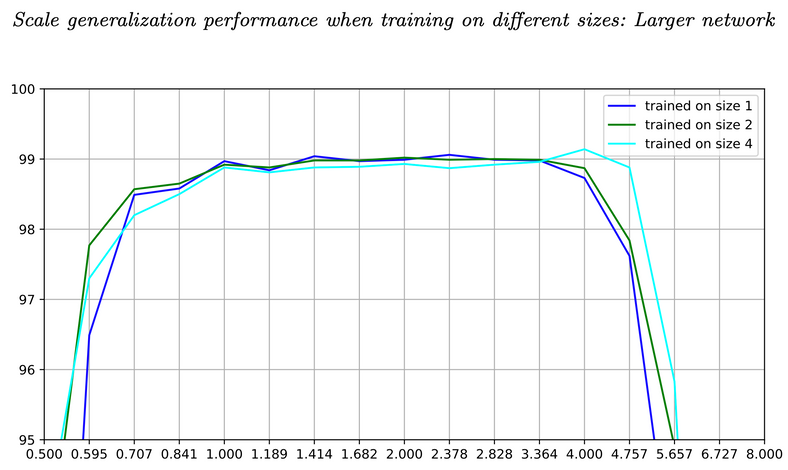
Tony Lindeberg is a Professor of Computer Science—Computational Vision at KTH Royal Institute of Technology, affiliated with the Division of Computational Science and Technology. He teaches the course Image Analysis and Computer Vision (DD2423). His research focuses on scale-space theory, early vision, and computational modeling of biological and auditory vision systems. Key contributions include theories on receptive fields, time-causal spatio-temporal models, and feature detection algorithms. Research interests span computational neuroscience, medical image analysis, and spatio-temporal recognition. Lindeberg has pioneered work on scale-invariant image features, affine transformations, and Galilean diagonalization for motion analysis. He is the author of the foundational book Scale-Space Theory in Computer Vision (1993). His work bridges computer vision and biological vision systems, with applications in gesture recognition, dynamic texture analysis, and neural networks. He leads the Vision Lab and Computational Brain Science Lab at KTH, emphasizing theoretical rigor and practical algorithms for visual perception tasks.
Martin Stridh is an Associate Professor and Senior Lecturer at the Department of Biomedical Engineering, Lund University, specializing in biomedical signal processing and data-driven diagnostics. He teaches courses in biomedical engineering, signal processing, e-health, and machine learning for healthcare applications. His research focuses on leveraging signal processing and machine learning to improve diagnostics and treatment outcome prediction in cardiac and eye-tracking data. Notable projects include AI-based ECG screening, artifact-free ECG analysis, and event detection in cardiac signals. Recent publications highlight advancements in atrial fibrillation detection using ECG data, with an emphasis on reducing false alarms and improving accuracy. His work often involves collaboration with clinical and engineering teams, particularly in the MY-ATRIA network. Top 10 cited paper 2006-2008 in Medical Engineering and Physics Best teacher 2001 by the Computer Science program Svenska Cardiologföreningens och Knolls Competition Abstract Prize 1999 As founder of Cardiolund AB, he applies his research to automated ECG analysis for arrhythmia screening and patient prioritization. He supervises PhD students, including Ricardo Salinas Martinez, and contributes to cross-disciplinary workshops like Engineering Health Crossroads.