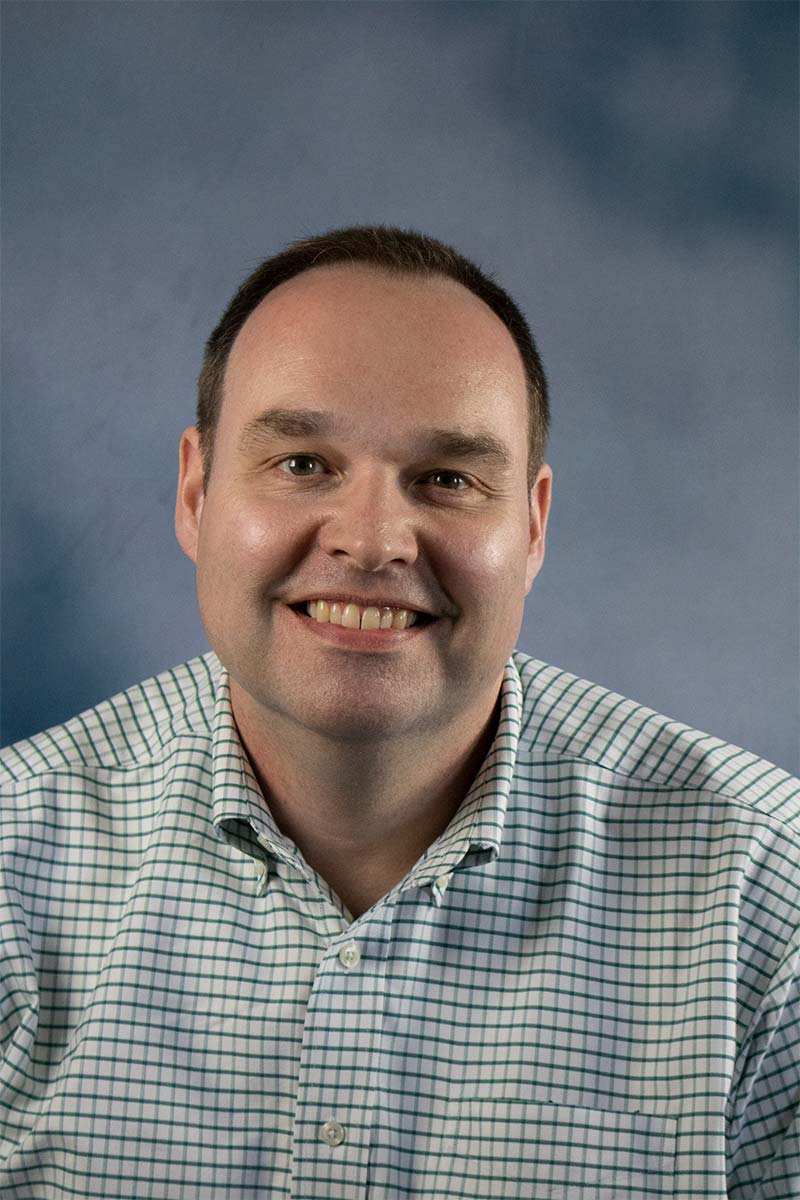
Jennifer Butler is an Instructor and Department Representative for Psychology majors & minors at Case Western Reserve University's Department of Psychology. She is located at Mather Memorial Building 1 and reachable via jennifer.butler@case.edu . Her research focuses on educational psychology, social psychology, and cognitive processes, with notable work on growth mindsets in academic achievement, performance under pressure, and motivational theories. Her studies often explore the intersection of social environments and human behavior, including audience effects on performance and gender differences in emotional responses. Her publications span from 1995 to 2018, covering topics such as the choking phenomenon under supportive audiences, sexual masochism analysis, and goal framing's impact on outcomes. While no specific awards are listed, her work reflects contributions to understanding psychological mechanisms in education and social contexts. As a department representative, she advises Psychology students and oversees program curricula. No specific grants or lab affiliations are mentioned in the provided materials.
Mahzarin Banaji is the Richard Clarke Cabot Professor of Social Ethics in the Department of Psychology at Harvard University. She previously served as the Carol K. Pforzheimer Professor at the Radcliffe Institute for Advanced Study (2002-2008) and as the George A. and Helen Dunham Cowan Chair in Human Dynamics at the Santa Fe Institute (2011-2015). Currently, she also serves as Senior Advisor to the Provost at Harvard University. Banaji is widely recognized as a leading researcher in social psychology, particularly in the field of implicit bias and social cognition. Banaji received her PhD from Ohio State University in 1986 and completed a National Institutes of Health postdoctoral fellowship at the University of Washington in Seattle. She taught at Yale University from 1986 to 2001, where she was the Reuben Post Halleck Professor of Psychology, before joining Harvard University. Professor Banaji's research focuses on the subconscious nature of assessments of self and others in social contexts. She is best known for her pioneering work on implicit bias, particularly through the development of the Implicit Association Test (IAT), which measures unconscious attitudes and beliefs. Her work bridges cognitive science and psychology to understand how implicit biases form, persist, and can potentially be changed. Banaji has demonstrated how these unconscious biases can influence behavior in critical domains including healthcare, education, and law enforcement, often without individuals' awareness. She has also extensively studied how biases change over time, showing that while some implicit biases have decreased significantly (particularly regarding sexual orientation), others remain stubbornly persistent. Banaji has received numerous prestigious awards recognizing her contributions to psychology and social science, including: Election to the National Academy of Sciences (2018) Election as Fellow of the British Academy (2015) William James Fellow Award for lifetime intellectual contributions to psychology Gordon Allport Prize for Intergroup Relations Kurt Lewin Award for outstanding contributions to the integration of psychological research and social action Morton Deutsch Award for Social Justice James McKeen Cattell Award Carol and Ed Diener Award for Outstanding Contributions to Social Psychology Herbert A. Simon Fellow of the American Academy of Political and Social Science Fellow of the American Academy of Arts and Sciences Banaji has advised numerous graduate students and postdoctoral researchers who have gone on to become leaders in social psychology and related fields. She has secured significant research funding to support her work on implicit bias, including grants from the National Science Foundation and the National Institutes of Health. Her research has influenced policy discussions around diversity, equity, and inclusion in educational and organizational settings. Banaji has also been active in translating her research for public understanding through her co-authored book "Blindspot: Hidden Biases of Good People" (2013) with Anthony Greenwald, and through her media series "Outsmarting Human Minds." Professor Banaji leads a vibrant research laboratory focused on implicit social cognition. Her team employs a range of methodologies including behavioral experiments, neuroimaging, computational modeling, and large-scale data analysis to investigate the nature and consequences of implicit bias. Recent work has expanded to examine bias in artificial intelligence systems and how large language models reflect and potentially amplify societal biases. The lab collaborates with researchers across disciplines including computer science, neuroscience, education, and public policy to address the complex challenges of implicit bias in society.
Martha C. Nussbaum is the Ernst Freund Distinguished Service Professor of Law and Ethics at the University of Chicago, with appointments in the Law School and Philosophy Department. She also holds affiliations with the Classics Department, Divinity School, Political Science Department, and the Committee on Southern Asian Studies, reflecting her interdisciplinary scholarship. Her research spans political philosophy, ethics, law, emotions, feminism, human development, and animal rights. Nussbaum is renowned for developing the Capabilities Approach with Amartya Sen and for her work on the role of emotions in justice. She has published over 500 articles and more than 30 books, with recent works focusing on anger, fear, love, opera, and animal justice. Her latest books include Justice for Animals (2023), Citadels of Pride (2021), and the forthcoming The Republic of Love (2026). The trends in her recent publications reveal a deepening engagement with moral psychology, institutional accountability, and the ethical treatment of non-human animals. Her work consistently bridges classical philosophy and contemporary social issues, using insights from Greek tragedy, Stoicism, and literature to inform modern debates on democracy, dignity, and justice. Among her numerous honors are: Kyoto Prize in Arts and Philosophy (2016) Holberg Prize (2021) Balzan Prize (2022) Berggruen Prize for Philosophy and Culture (2018) Grawemeyer Award in Education (2002) Prince of Asturias Prize in Social Sciences (2012) Member of the American Academy of Arts and Sciences Fellow of the British Academy Academician in the Academy of Finland Recipient of 69 honorary degrees worldwide Nussbaum has advised numerous graduate students and is actively involved in research initiatives such as the Center for Comparative Constitutionalism, the Law and Philosophy Workshop, and the Animal Law Policy Initiative. She has received major teaching awards and is a Public Interest Faculty Mentor. Her work is supported by extensive publishing and public engagement, including frequent lectures and contributions to public philosophy. She leads the Center for Comparative Constitutionalism and participates in interdisciplinary teams focused on animal law, public service, and philosophical interventions in policy. Her collaborative projects often involve legal scholars, ethicists, and social scientists working on global justice and human rights.
John Bickford is a Senior Lecturer II in the Department of Psychological and Brain Sciences at the University of Massachusetts Amherst, within the College of Natural Science. He is actively involved in undergraduate education, teaching foundational and specialized psychology courses, and serves as the Coordinator of Online Instruction, mentoring graduate students in online teaching methodologies. Education: PhD, 2003 – University of Massachusetts Amherst MS, 1999 – University of Massachusetts Amherst BA, 1996 – Salem State College Dr. Bickford's research interests lie primarily in personality and social psychology, with a strong focus on gay and lesbian psychology, social cognition, identity formation, and social stigma. His earlier scholarly work developed a multidimensional model of sexual orientation distinct from sexual identity. However, he is no longer active in research and now dedicates his efforts entirely to teaching and pedagogical innovation, especially in online learning environments. His teaching philosophy is deeply rooted in social justice, self-acceptance, and advocacy for marginalized communities. Although no recent publications are listed, his academic contributions have been primarily educational, reflected in his extensive teaching portfolio and leadership in online instruction. His influence extends through curriculum development and mentorship in digital pedagogy. Scientific Awards and Recognitions: 2021 Winner – UMass College of Natural Science Teaching Award Multiple-time nominee for the UMass Distinguished Teaching Award (2022, 2018, 2017, 2007, 2000) Recipient of the UMass Residential First-Year Experience Student-Choice Award (2014, 2011, 2010, 2009) 2000 Award for Demonstrated Effectiveness in Teaching, Division of Continuing Education Nominee for McKeachie Early Career Teaching Award (2002, 2001) Dr. Bickford advises undergraduate students informally through teaching and mentoring, particularly graduate students teaching online courses. While he does not supervise formal thesis or dissertation research, his role as a mentor in pedagogy is significant. He has contributed to educational grants or programs through the Division of Continuing and Professional Education, though specific grant details are not listed. He is actively involved in shaping the online psychology curriculum and fostering inclusive classroom environments. He is part of the core instructional team in the Department of Psychological and Brain Sciences and plays a key role in the online teaching initiative, supporting both course delivery and instructor development. His work helps expand access to high-quality psychology education beyond the traditional classroom.
Kathleen M. Cumiskey is a Professor in the Psychology Department and the Women, Gender and Sexuality Studies Program at the College of Staten Island (CUNY). She co-directs the Mosaic Lab and is a core faculty member in the Masters in Clinical Mental Health Counseling Program. Her work bridges academic research and community action, with a focus on mobile media, gender, and social justice. Ph.D. : CUNY Graduate Center M.A. : Hunter College B.A. : Douglass College, Rutgers University Her research centers on the affective dimensions of mobile media , exploring how mobile technologies shape emotional experiences, identity, and social relationships. With a feminist and justice-oriented lens, she investigates women’s use of mobile devices for empowerment and safety, the psychological impact of digital loss, and the politics of mobile presence. Her interdisciplinary approach integrates psychology, media studies, and gender theory. Her publications, including the book Haunted Hands: Mobile Media and Loss , reflect a consistent trajectory in understanding how mobile communication mediates human emotion, intimacy, and resistance. She has contributed to major handbooks and journals in media and psychology, often focusing on marginalized voices and ethical technology use. Co-editor, Mobile Media Practices, Presence and Politics (Routledge, 2013) Author of influential articles in Feminist Media Studies and The Routledge Companion to Mobile Media Cumiskey is deeply committed to community engagement and advocacy . She has served on advisory boards for juvenile facilities, worked to reform youth detention policies, and advocated for LGBTQ+ youth safety. As faculty advisor to CSI’s Gay-Straight Alliance, she supports student activism and inclusion. She has developed service-learning courses that connect academic study with real-world action, mentoring students in community-based projects. Her work reflects a strong dedication to social and racial justice, both in and beyond the classroom. She is also an ordained interfaith minister , further demonstrating her commitment to holistic well-being and ethical leadership.
Brian E. McCabe is an Associate Professor and Director of Practicum Training in Counseling Psychology within the Department of Special Education, Rehabilitation, and Counseling at Auburn University's College of Education. He directs the Eco-developmental Prevention, Intervention, and Consultation (EPIC) Lab and serves on the editorial board of The Counseling Psychologist since 2020. A licensed psychologist in Alabama (License #2215), he holds a PhD in Counseling Psychology from the University of Miami and completed his VA Ann Arbor/University of Michigan Psychology Internship with primary rotations in Substance Use and PTSD clinics. Dr. McCabe's research employs eco-developmental theory to investigate prevention and intervention strategies addressing the interplay between risk and protective processes. His work focuses on syndemic conditions among Latino immigrant populations, acculturation stress, substance use prevention, intimate partner violence, and mental health service utilization. He examines how biological stress markers interact with psychosocial factors across diverse life stages and community contexts. His publication trends reveal a strong emphasis on Latino immigrant health disparities, with recurring themes of acculturation stress, syndemic conditions (co-occurring substance abuse, intimate partner violence, HIV risk, and depression), and physiological stress measurement. Recent work increasingly incorporates longitudinal biomarker analysis and culturally adapted interventions targeting family systems and community health workers. Editorial Board Member, The Counseling Psychologist (2020-present) Dr. McCabe mentors numerous doctoral students in the Counseling Psychology program and serves as PI or co-investigator on multiple NIH-funded projects including SER Familia (NIH/NIMHD R01MD018920) and SER-Hispano (NIH/NINR R01MD012249). His grant portfolio spans prevention science, intervention development, and health disparities research with Latino immigrant families, Black Caribbean immigrants, and college student populations. Current projects include Tiger Talk (alcohol communication with parents), Caring for Black Mothers, and Tridimensional Acculturation studies. As director of the EPIC Lab, he oversees research on eco-developmental prevention strategies, intervention refinement across therapeutic orientations (family systems, humanistic, CBT), and consultation services for research design and behavioral measurement. The lab collaborates with community health workers and clinicians to develop culturally responsive interventions for diverse populations.
Susanne Birnkammer is a Scientific Associate (Researcher) and doctoral student at the Department of Clinical Child and Adolescent Psychology and Psychotherapy within the Faculty of Education and Psychology at the Free University of Berlin, holding this position since February 2022. Her educational background includes: Master of Science in Clinical Psychology and Health Psychology from the Free University of Berlin (2020) Bachelor of Science in Psychology from the University of Ulm (2018) Her research focuses on digital interventions in childhood and adolescence, cross-cultural psychology, children of mentally ill parents, and creative therapy forms in psychotherapeutic contexts. She actively develops resource-oriented digital tools for youth mental health through her non-profit YIN YOUNG & YOU gUG. Recent publications reveal interdisciplinary trends combining clinical psychology with digital health solutions, examining victimization dynamics through intersectional frameworks and evaluating novel therapeutic approaches including psychedelic-assisted therapy. Her methodological approach frequently employs mixed-methods feasibility trials for intervention development. There is no publicly available information regarding Susanne Birnkammer's supervision of students or grant funding. Birnkammer contributes to the department's research ecosystem including gender identity projects (DEXTRA, GenderJourney) and university outpatient clinic initiatives. She previously held research roles at Charité Berlin's Sexual Science department and the University of Ulm's International Office.
Dr. Elizabeth DiRenzo is an Associate Professor of Otolaryngology - Head & Neck Surgery (OHNS) and, by courtesy, of Music at Stanford University School of Medicine. She is a clinician scientist with expertise in laryngeal physiology and vocal fold biology, serving as Laboratory Director of the DiRenzo Voice Research Lab and practicing as a speech-language pathologist at the Stanford Voice and Swallowing Center. Dr. DiRenzo's educational background includes: B.S. in Speech, Language, & Hearing Sciences from Purdue University (2006) M.S. in Speech Language Pathology from Purdue University (2008) Ph.D. in Vocal Fold Physiology from Purdue University (2012) Postdoctoral Fellowship in Vocal Fold Biology from University of Wisconsin - Madison (2014) Her research focuses on understanding laryngeal mucosal biology to improve prevention and management of voice disorders. Dr. DiRenzo's laboratory integrates basic and clinical science techniques across four main research thrusts: laryngeal epithelial regeneration, laryngeal mucus production, effects of e-cigarettes on laryngeal health, and novel interventions for voice disorders. Her work bridges cellular and molecular biology with clinical applications to address voice disorders affecting millions of people. Dr. DiRenzo's research portfolio demonstrates a strong emphasis on translational applications, particularly in understanding the effects of tobacco products on vocal health and developing gender-affirming voice interventions. Her work spans basic science investigations of vocal fold biology to clinical studies examining voice outcomes in transgender patients. This multidisciplinary approach integrates cellular biology, toxicology, and clinical voice assessment to address complex voice disorders. Dr. DiRenzo has received numerous scientific awards and honors: Distinguished Alumni Award, Purdue University College of Health and Human Sciences (2023) Investigator-initiated Research Project Grants (R01), NIH-NIDCD (2022-) Diversity, Equity, & Inclusion Grant, Stanford Department of Otolaryngology (2021-) New Century Scholars Research Grant, American-Speech-Language-Hearing Foundation (2018-2020) Early Career Research Award R21, NIH-NIDCD (2017-2020) Dr. DiRenzo actively mentors postdoctoral scholars and other researchers in her laboratory. Her research is supported by multiple grants including NIH funding, reflecting the significance of her work in advancing understanding of laryngeal biology and voice disorders. She has established collaborative relationships across multiple disciplines to enhance the translational impact of her research. The DiRenzo Voice Research Lab comprises a multidisciplinary team including undergraduates, medical students, resident and fellow physicians, research scientists, and postdoctoral researchers. The lab focuses on cellular and molecular biology, airway biology, and speech-language pathology, with a commitment to promoting a diverse, safe, and inclusive training environment regardless of race, ethnicity, disability, religion, gender identity, or sexual orientation.
Adam Fingerhut is a Professor of Psychology at Loyola Marymount University's Bellarmine College of Liberal Arts since 2007. His research focuses on intergroup processes, including social identity, implicit bias, and LGBTQ+ health disparities. He teaches courses on research methods, general psychology, and social psychology, emphasizing critical thinking and social justice. Education: B.A. in Psychology from Stanford University; Ph.D. in Psychology from UCLA. Research interests center on minority stress, allyship, and the intersection of identity with health and policy. He emphasizes contextual influences on human behavior and encourages students to confront societal biases through empirical and philosophical lenses. Notable contributions include studies on healthcare stereotype threat in LGB communities and the impact of policy debates on same-sex couples. He received the Michele Alexander Early Career Award (2021) for contributions to social justice research. Teaching philosophy aligns with LMU’s Jesuit mission, prioritizing whole-person education and social responsibility. Active in community engagement, he leads seminars on implicit bias and advocates for equitable societal structures.
Monika Baer is a Professor at the University of Wrocław's Institute of Ethnology and Cultural Anthropology, Faculty of Historical and Pedagogical Sciences. Her work focuses on Central/Eastern Europe, post-socialist transformation, Europeanization, legal agency, and gender/sexuality studies, with emphasis on citizenship, civil society, and activism. She explores how emotions shape political fields and anthropological knowledge production, particularly in late industrial societies. Research Trends: 15 years of publications examine LGBTQ+ rights in Poland, gender dynamics in transitional communities, and anthropological theories of late industrialism. Her work bridges academic scholarship with direct engagement in policy debates and activist movements. Scientific Awards: Kosciuszko Foundation Fellowship (2004) Academic Roles: Co-editor of Agency at Work: Ethnographies in/of Late Industrialism (2021) Co-editor of Anthropology of Gender and Sexuality. Marginal Perspectives (2014) Membership: President, Network for Anthropology of Gender and Sexuality (EASA) Council for European Studies (Columbia University) European Association of Social Anthropologists Polish Ethnological Society Grants: "Protecting Victims of Anti-LGBT Hate Crimes" (2020-2021, EU Justice Programme) DIVERCITY: Combating Homo/Transphobia (2015-2017, EU ROC Programme) "Conflict, Tension, Cooperation" (2014-2017, Polish National Science Centre)
Jairo N. Fuertes is a Professor in the Department of Psychology at the Gordon F. Derner School of Psychology, Adelphi University. He also holds a Clinical Assistant Professor position in Psychiatry and Medicine at the Zucker School of Medicine at Hofstra/Northwell. With extensive academic and clinical experience, he has held tenured professorships at both Fordham University and Adelphi University, and has been deeply involved in accreditation and training leadership in counseling psychology programs. Education: Postgraduate Certificate, Training to Teach in Medicine, Harvard Medical School PhD in Counseling Psychology, University of Maryland Internship in Clinical Psychology, Manhattan VA Medical Center MA in Counseling and Personnel Services, University of Maryland Diploma, Specialty Board Certification in Clinical and Counseling Psychology, American Board of Professional Psychology Dr. Fuertes' research focuses on the psychotherapeutic relationship, particularly the working alliance in both psychotherapy and medical care. He has pioneered work on the physician-patient working alliance, examining how trust, agreement, and empathy influence treatment adherence and satisfaction. His work in multicultural psychotherapy explores the impact of race, ethnicity, sexual orientation, and universal-diverse orientation on therapy outcomes. He has also made significant contributions to understanding the real relationship in therapy, transference, and countertransference dynamics. His recent publications reflect a strong emphasis on health psychology, particularly in chronic illness populations such as those with kidney disease and rheumatological conditions. The articles demonstrate a consistent focus on relational dynamics, patient well-being, and culturally informed care, often employing both quantitative and qualitative methodologies. Scientific Awards and Recognitions: Magis Professor Endowment, Fordham University Board Certified in Clinical Psychology (ABPP) Board Certified in Counseling Psychology (ABPP) James H. Post Prize (awarded to advised student) Dr. Fuertes has advised numerous doctoral and master's students, many of whose theses focus on working alliance, multicultural competence, and health psychology. He has served on editorial boards of top journals such as Psychotherapy , Psychotherapy Research , and Cultural Diversity and Ethnic Minority Psychology , and is currently Senior Associate Editor of Behavioral Medicine . His clinical work includes over 20 years as a Staff Psychologist and Clinical Supervisor at the Baruch College Counseling Center, and he maintains a private practice in Garden City, NY. He has established and led a summer multicultural psychotherapy course in Orvieto, Italy, 17 times, and has delivered numerous invited presentations in Rome. His academic genealogy traces back to Wilhelm Wundt, underscoring his deep roots in the history of psychology.
Dr. Melanie Morrison is a Professor in the Department of Psychology and Health Studies at the University of Saskatchewan's College of Arts and Science. Her research focuses on stereotyping, prejudice, and discrimination toward marginalized groups, with emphasis on social class, gender identity, and sexual orientation. She leads the Saskatchewan Equity, Equality, and Diversity (SEED) Lab, investigating the psychophysiological and behavioral manifestations of bias, particularly among dominant group members. Education: BA (Honours, Distinction) from the University of Victoria, MSc in Experimental Psychology from the University of Northern British Columbia, and PhD in Experimental Psychology from the University of Ottawa. Research interests include intersectional microaggressions, LGBTQ+ rights, food security, and the application of big data and machine learning to social justice issues. She employs mixed-methods approaches, including surveys, experiments, and content analysis. Teaching areas: Social Psychology, Stereotyping & Discrimination, Psychometrics, and Social Justice. She collaborates with students on projects addressing prejudice reduction and systemic inequities. Labs/Teams: SEED Lab focuses on marginalized groups' experiences, including Indigenous peoples, sexual minorities, and women. Current projects explore media framing of LGBTQ+ violence and the affordability of local food systems.
Brent Lyons is an Associate Professor of Organization Studies at the Schulich School of Business, York University. His research focuses on stigma, identity management, and worker well-being, particularly within marginalized groups such as disabled employees. He holds significant academic roles, including editorial board memberships for top journals like Journal of Applied Psychology and Journal of Management . Lyons has earned notable awards, including the York Research Chair in Stigmatization and Social Identity and the Seymour Schulich Teaching Excellence Award. His work is funded by SSHRC grants and addresses topics like dominant-group identity threat, vulnerable workers, and disclosure strategies for marginalized identities. His recent publications emphasize systemic challenges faced by stigmatized groups, including within-group stigmatization among high-status workers and the impact of political discourse on workplace morale. Courses taught include Organizational Behaviour and Diversity and Inclusion in Organizations . Key Research Themes: Stigma dynamics, identity management, workplace diversity, vulnerable populations. Grants: Multiple SSHRC grants supporting research on marginalized workers and organizational inclusion. Awards: Schulich Research Excellence Fellow (2024–2027), York Research Leader (2020).
Michael L. Satlow is a Professor of Religious Studies and Judaic Studies at Brown University, specializing in Early Judaism, digital humanities, and social history. He directs the Inscriptions of Israel/Palestine project and has held prestigious fellowships including the Guggenheim and Fulbright awards. His work bridges traditional scholarship with cutting-edge digital methodologies. Education: Ph.D. in Ancient Judaism (Jewish Theological Seminary of America), B.A. (Yale University) His research focuses on Jewish history from antiquity to Late Antiquity, with an emphasis on gender, sexuality, and methodological approaches to religious studies. Recent projects include computational analysis of rabbinic texts and machine learning applications in epigraphy. Satlow’s digital humanities work explores AI and inscriptions, reflecting his commitment to interdisciplinary innovation. Notable contributions include How the Bible Became Holy (2014) and edited volumes like Judaism and the Economy . He teaches courses ranging from ancient Jewish texts to modern religious ethics and digital humanities. Awards: ACLS Fellowship, Cogut Faculty Fellowships, NEH Public Scholars Fellowship Satlow’s grants include long-term funding from the Goldhirsh-Yellin Foundation for his inscription project. Collaborations with scholars like Michael Sperling highlight his team-oriented approach to research. His work often intersects with chemistry (e.g., crystallography studies) and pedagogical trends in higher education.
Andrew L. Stewart is an Associate Professor of Psychology at Clark University's Hiatt School of Psychology. His research focuses on intergroup relations across various dimensions including gender, race, ethnicity, nationality, sexual orientation, and class. He directs the Ideology and Intergroup Violence Laboratory and has been at Clark University since 2014. Stewart received his Ph.D. and M.A. in Social Psychology from the University of Connecticut (2014 and 2011) and B.S. degrees in Psychology and Mathematics from Colorado State University (2009). His academic journey reflects a strong foundation in both psychological theory and quantitative methods. Professor Stewart's research examines how widespread beliefs about social groups contribute to intergroup violence and discrimination, and how to change those beliefs to reduce such negative outcomes. His work particularly investigates how sexist and hegemonic masculinity norms contribute to violence against women, why people engage in collective action to reduce inequality, and how to implement effective sexual assault prevention programs. His methodological expertise includes advanced statistical techniques such as multilevel modeling, structural equation modeling, and analyses of dyadic and group data. His recent publications demonstrate a consistent focus on social dominance theory, intergroup relations, and collective action, with applications to gender inequality, racial justice, and political protest. Stewart's work bridges theoretical social psychology with practical applications for reducing discrimination and violence. Among his notable contributions are the development and evaluation of "The Men's Project," a sexual assault prevention program targeting college men, and research on international support for social movements like the Arab Spring uprisings. He has consulted with universities and non-profit organizations on men's programming and violence prevention training. As an educator, Stewart teaches courses including Advanced Social Psychology, Masculinities and Violence, Psychology of Prejudice, and Structural Equation Modeling. He also serves as an SPN Mentor, providing career guidance to underrepresented college students.