- Trauma
- Posttraumatic Stress Disorder
- Resilience
- +۵ مورد دیگر
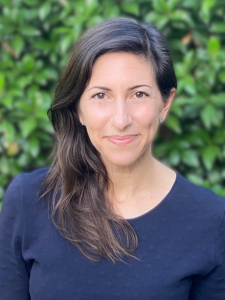
Dr. Alyson K. Zalta is an Associate Professor in the Department of Psychological Science at the University of California, Irvine, where she directs the Trauma & Resilience Lab. As a clinical psychologist, her research focuses on alleviating trauma-related mental health burdens through innovative interventions and understanding resilience mechanisms. Education B.A. in Psychology, Harvard University Ph.D. in Clinical Psychology, University of Pennsylvania Clinical Internship, VA Palo Alto Healthcare System Postdoctoral Fellowship, Rush University Medical Center Her research spans trauma, PTSD, resilience, transdiagnostic approaches, and moral injury, with emphasis on high-risk populations including veterans, homeless youth, and urban violence survivors. She integrates neurobiology with behavioral science to identify core trauma pathology mechanisms, exploring novel interventions like light therapy, intensive treatment protocols, and mobile health solutions for vulnerable groups. Her transdiagnostic framework targets universal trauma processes across diagnostic boundaries. Recent publications (2024-2018) reveal consistent focus on moral injury (in nurses, incarcerated individuals, and veterans), circadian-based PTSD treatments, and social determinants of trauma recovery. She employs mixed-methods designs across diverse settings, from pandemic frontline healthcare to homeless youth shelters, prioritizing scalable interventions for real-world impact. Scientific Affiliations Faculty, Interdisciplinary Institute for Salivary Bioscience Research Fellow, Center for the Neurobiology of Learning and Memory Dr. Zalta advises doctoral students in UCI's Psychological Science program (though not accepting new students for Fall 2026 admission) and disseminates findings through podcasts like Psychology Anthology and In the Open. Her Trauma & Resilience Lab actively develops translational research to inform trauma interventions, particularly for underserved populations requiring accessible mental health solutions.







.jpg)