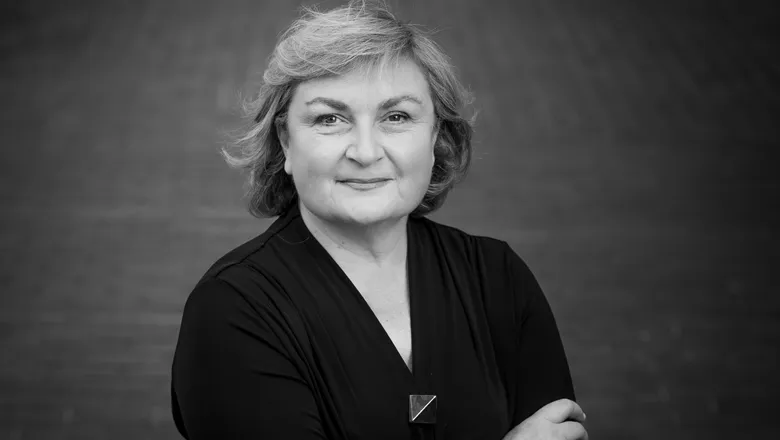
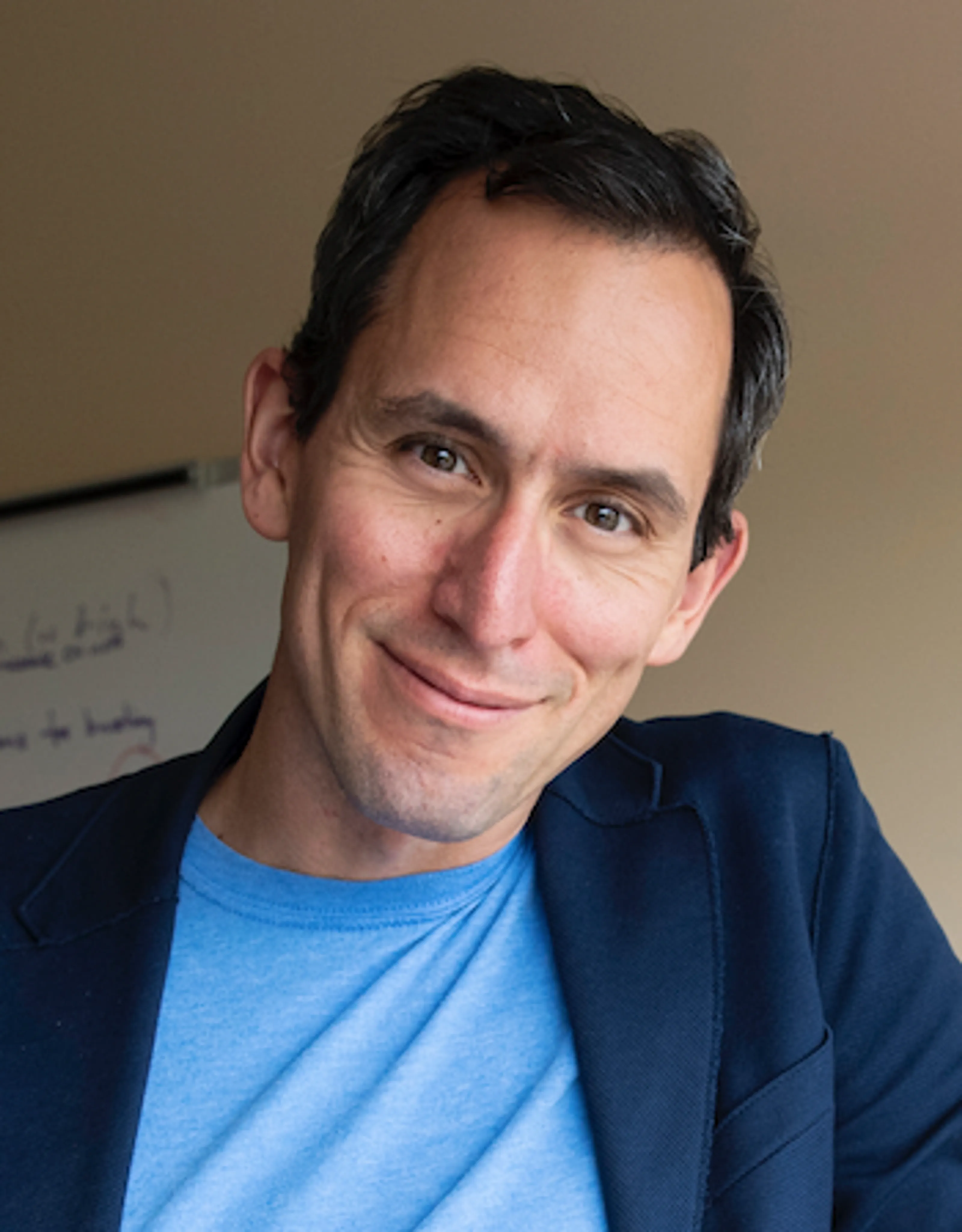
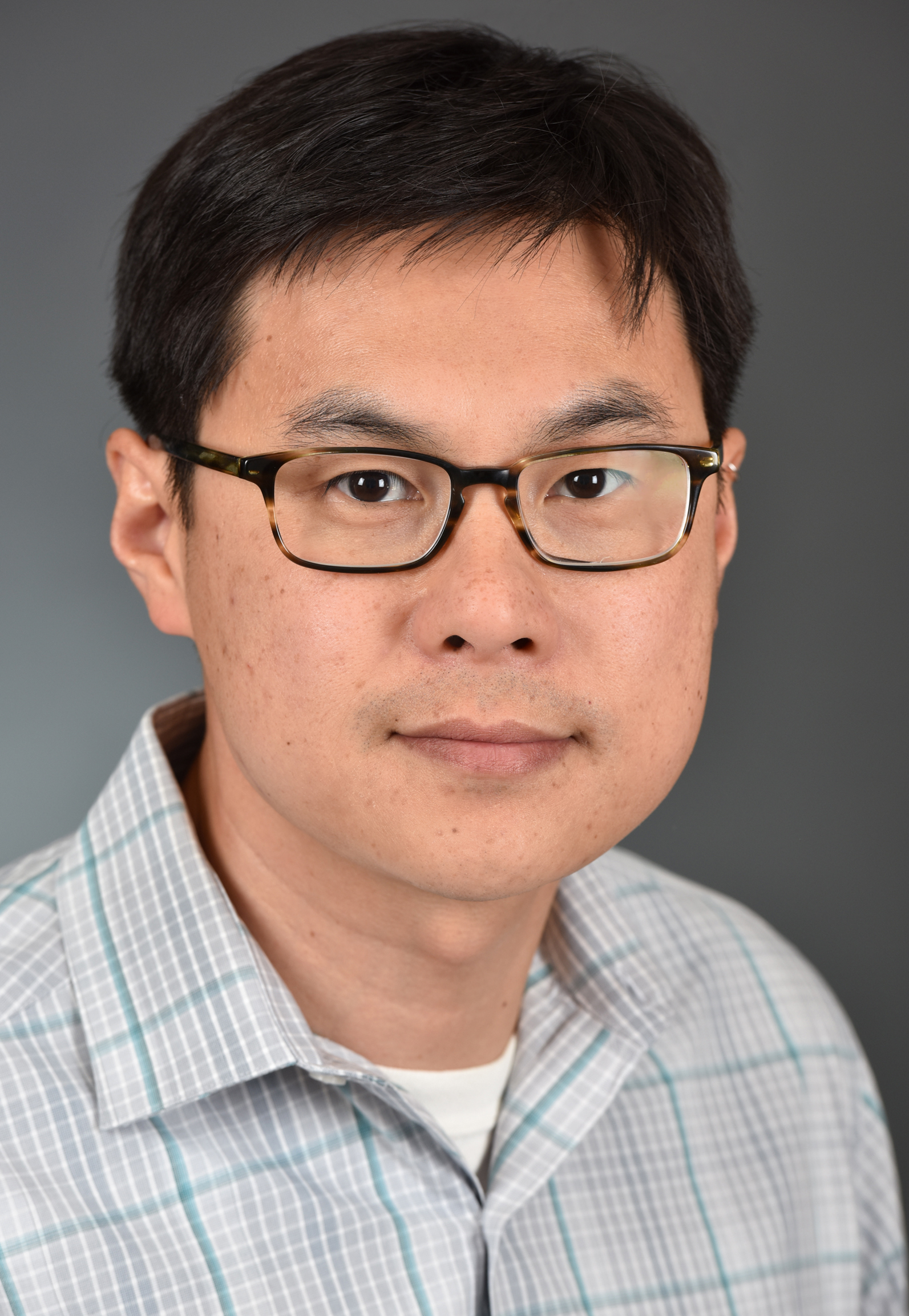
James D. Kelly is a University Distinguished Professor in the Department of Plant, Soil and Microbial Sciences at Michigan State University (MSU), with a 40-year career in dry bean breeding and genetics. His work focuses on developing high-yielding, disease-resistant bean cultivars using molecular markers and international collaborations through the Legume Innovation Lab. He has trained numerous graduate students, including global researchers like Rwanda's Minister of Agriculture Gerardine Mukeshimana. Education : B.S. and B.Agr. (Hons.) from Queen's University of Belfast (1968-1969); M.S. and Ph.D. in Plant Breeding & Genetics from the University of Wisconsin (1971-1974) His research spans symbiotic nitrogen fixation, drought tolerance, canning quality, and disease resistance in Phaseolus vulgaris . Recent publications highlight QTL mapping, transcriptome analysis, and cultivar registrations like 'Cayenne' and 'Red Cedar'. Scientific recognition includes the University Distinguished Professor title. His lab collaborates globally, impacting food security in East Africa, and he plans to retire soon while maintaining ongoing breeding innovation.
Dr Jennifer Sun is a Lecturer at the UCL Institute of Ophthalmology, leading the Visual Plasticity Lab. Her research investigates how visual cortex integrates sensory and modulatory inputs to regulate neuroplasticity, with applications in vision recovery from aging, injury, and neurological disorders. PhD: University of Southern California (Circuit Computation, Sensory Cortical Development) Postdoc: University of California, San Francisco (Molecular Techniques, Electrophysiology, 2-Photon Imaging) Research interests focus on neuroplasticity mechanisms in visual systems using genetic, physiological, and computational approaches. Key areas include local circuit dynamics, brain region crosstalk, neuron-glial interactions, and translating findings into therapies via collaborations with clinicians at Moorfields Eye Hospital. Teaching roles include supervising PhD students (LiDo, Optical Biology, UCL-Birkbeck MRC DTP) and Master's students (MRes Brain Science, MSc Neuroscience). She organizes UCL's Visual Neuroscience (NEUR0017) and Systems and Circuit Neuroscience (ANAT0020) modules, plus Cold Spring Harbor's international Neural Data Science summer course. Labs/teams: Visual Plasticity Lab (UCL Institute of Ophthalmology), collaborating with Sainsbury Wellcome Centre, UCL bioengineers, and Moorfields Eye Hospital clinicians to explore health-disease plasticity differences.
Professor Kate Tchanturia is a leading academic at King's College London , affiliated with the Institute of Psychiatry, Psychology & Neuroscience and serving as a Professor in the Department of Psychological Medicine . She is a Consultant Clinical Psychologist at the South London and Maudsley NHS Foundation Trust and holds visiting professor roles at Ilia State University (Georgia) and Tbilisi State Medical University. Her work bridges clinical practice, research, and education in eating disorders and autism. Doctor of Clinical Psychology, Tbilisi State University (1998) PhD in Experimental Psychology, Tbilisi Academy of Sciences (1989) MSc in Psychology, Tbilisi State University (1982) Her research focuses on neuropsychological, cognitive, and emotional aspects of eating disorders , particularly in women and autistic individuals. She explores treatment innovations, cultural adaptations, and recovery trajectories through translational studies. Recent projects include the PEACE Pathway for autism-inclusive care and SOOTH-ED with sensory technology. Her 15+ recent articles highlight collaborations in autism and eating disorder comorbidity , cognitive remediation therapy , and neuroimaging . Key awards include the National Award of Georgia , President of the Eating Disorders Research Society , and Academia Europaea membership . She mentors PhD students and supervises clinical trainees.
Lars Muckli is a Professor of Visual and Cognitive Neurosciences at the University of Glasgow and serves as the Director of fMRI at the Centre for Cognitive Neuroimaging (CCNI). He is also the Co-chair of the 7T-Imaging Center of Excellence (ICE) MRI, where he has pursued two decades of research in functional MRI and multi-modal brain imaging. Research Focus: Muckli specializes in cortical feedback mechanisms, particularly layer-specific processing in the visual cortex. His work bridges visual perception, cognitive neuroscience, and neuroimaging methodology, with recent studies exploring contextual feedback, predictive coding, and neural dynamics during navigation. Editorial Contributions: He holds significant editorial roles, including Chief Editor for Perception Science at Frontiers in Neuroscience, Associate Editor for Brain Imaging Methods, and Review Editor for Brain Health and Clinical Neuroscience. These positions underscore his influence in advancing neuroimaging research and open science practices. Collaborations: Muckli collaborates across disciplines, contributing to studies on consciousness, clinical neuroscience, and neural computation. His lab focuses on understanding how the brain generates internal models and processes contextual and mnemonic information via feedback signals.
Sean Meehan, PhD, serves as an Associate Professor in the Department of Kinesiology and Health Sciences, having joined the department in summer 2018 after previously holding an assistant professorship at the University of Michigan's School of Kinesiology from 2011 to 2018. His academic career focuses on elucidating neural mechanisms underlying skilled motor behavior and sensorimotor integration. Professor Meehan's research program investigates how the brain transforms sensory inputs into precise motor commands, with particular emphasis on circuit-level adaptations during skill acquisition and cognitive modulation through attention allocation. Utilizing transcranial magnetic stimulation (TMS) and electroencephalography (EEG), his work bridges fundamental neuroscience with clinical applications in brain injury rehabilitation, examining mechanistic changes in sensorimotor processing following acquired neurological damage. Analysis of his 2020-2025 publications reveals dominant research trajectories in concussion neurophysiology, neural plasticity in motor circuits, and attention-motor interactions. His studies consistently employ TMS to probe cortical excitability dynamics, with significant contributions to understanding sport-related concussion effects, cerebellar modulation of motor adaptation, and neurodevelopmental aspects of pediatric motor skills, demonstrating strong translational potential for rehabilitation protocols. Information regarding Professor Meehan's student advising responsibilities and external research grant funding was not available in the provided source material.
Denny Yu is an Associate Professor at the Edwardson School of Industrial Engineering, Purdue University. His work bridges human factors, neuroergonomics, and healthcare safety through advanced sensor systems and AI. Primary Affiliation : Edwardson School of Industrial Engineering, Purdue University Research Themes : Surgical ergonomics, autonomous vehicle human factors, cognitive workload assessment, multimodal physiological sensing Dr. Yu's research focuses on neuroergonomics and human-robot interaction , particularly in surgical and transportation contexts. His team develops sensor-based systems for workload monitoring, including: EEG-eye tracking fusion for situation awareness Wearable exoskeletons for surgical posture support Computer vision tools for lifting task risk analysis Smart infusion pump usability frameworks AI-driven surgical coaching systems Recent publications emphasize deep learning applications in soft tissue deformation estimation and real-time adaptive systems for robotic surgery augmentation. His work spans both occupational health (veterinary surgeons, airport workers) and medical device innovation domains.
Richard Naud is an Assistant Professor in the Department of Cellular and Molecular Medicine at the Faculty of Medicine, University of Ottawa, with a cross-appointment in Physics at the Faculty of Science. He holds dual research positions at the Center for Neural Dynamics (CND) and Brain and Mind Research Institute (BMRI), focusing on computational approaches to decode neural signaling mechanisms and develop brain-machine interfaces. His educational background includes: PhD in Neuroscience from École Polytechnique Fédérale de Lausanne (EPFL), 2011 MSc in Physics from McGill University, 2006 BSc in Physics from McGill University, 2004 Dr. Naud's research investigates how neurons encode information through spikes, bursts, and silences using mathematical models and statistical analysis of electrophysiology data. His lab develops computational protocols for synaptic dynamics analysis, studies dendritic computation in neurological diseases, and creates neuromorphic algorithms for spiking neural networks. Current work emphasizes serotonin system dynamics, burst coding mechanisms, and neural network simulations for demyelinating conditions. Analysis of his recent publications reveals three dominant research vectors: (1) Burst coding as an independent information channel beyond firing rates, (2) Serotonin-mediated value coding in decision systems, and (3) Neuromorphic implementation of biologically plausible learning rules. His work bridges theoretical neuroscience with clinical applications in stroke recovery and neurological disorders. Dr. Naud leads the Neural Coding Lab, which actively recruits postdoctoral fellows, graduate students, and undergraduates for projects in neural coding theory, computational psychiatry, and neuromorphic engineering. The lab maintains collaborations with experimental neuroscience groups for model validation and develops open-source tools like SRPlasticity for synaptic dynamics analysis.
Ida-Johanne Jensen is Associate Professor at the Department of Biotechnology and Food Science, Faculty of Natural Sciences, Norwegian University of Science and Technology (NTNU). Her work integrates food science, marine biotechnology and sustainability to valorise marine resources, improve food quality and develop novel functional products. Education & Doctoral Training Dr Jensen obtained her PhD from UiT The Arctic University of Norway (UiT Norges arktiske universitet) in 2014 with the dissertation "Health benefits of seafood consumption – with special focus on household preparations and bioactivity in animal models" , laying the foundation for her expertise in seafood bioactivity and nutrition. Research Interests Her research agenda centres on: Protein chemistry and functionality of marine raw materials and side-streams (brewer’s spent grain, sea cucumber, fish proteins). Development of functional foods and nutraceuticals with antihypertensive, antioxidative and cardioprotective properties. Sensory and technological quality optimisation of foods for extreme environments (military rations, Arctic field meals). Smart packaging and intelligent freshness indicators using natural colorants (anthocyanin-based hydrogel beads). Life-cycle assessment and environmental sustainability of aquaculture and fisheries. Publication Trends Jensen has an extensive publication record (>60 papers since 2009). Recent work (2023–2025) demonstrates a clear pivot towards valorisation of underutilised marine resources (sea cucumbers, brewer’s spent grain) and application-oriented food engineering (freeze-drying, microencapsulation, jerky processing). Reviews on military rations and marine antihypertensive peptides highlight her translational focus on human health and performance. Scientific Awards & Recognition No specific awards are listed in the provided material; however, sustained high-output publication in top-tier journals ( Food Chemistry , npj Science of Food , Marine Drugs ) attests to strong peer recognition. Student Supervision & Grants She has supervised numerous master’s students at NTNU on topics ranging from Arctic field-ration development to protein extraction from brewer’s spent grain, indicating robust external funding and industry collaboration. Laboratories & Collaborations Research is conducted within NTNU’s Department of Biotechnology and Food Science laboratories, with active collaborations across Europe and the Indian Ocean region for marine resource assessments.
Dr. Lecturer Yusuf TOPAL is a full-time academic at Ahi Evran University, School of Physical Therapy and Rehabilitation , Department of Physical Therapy and Rehabilitation. He holds a PhD in Physical Therapy and Rehabilitation from Hacettepe University (2018–2023) and a Master’s in the same field (2016–2018). Education: PhD: Physical Therapy and Rehabilitation, Hacettepe University (2018–2023) MSc: Physical Therapy and Rehabilitation, Hacettepe University (2016–2018) BSc: Physiotherapy and Rehabilitation, Dumlupınar University (2003–2007) His research focuses on pediatric physical therapy , particularly developmental outcomes in preterm infants and those born to mothers with gestational diabetes or pre-eclampsia . He investigates spatiotemporal gait characteristics , dynamic balance , and lower extremity muscle strength in both pediatric and orthopedic populations. Recent publications highlight collaborations on knee osteoarthritis rehabilitation , hip arthroplasty recovery , and geriatric rehabilitation challenges. His work has been cited in SCI/SSCI/ESCI journals and international conferences like the European Academy of Childhood Disability (2020). He collaborates extensively with researchers such as Gizem İrem Kınıklı (Karabük University), Akmer Mutlu (Hacettepe University), and Bilge Nur Yardımcı Lokmanoğlu (Hacettepe University), reflecting interdisciplinary efforts in pediatric and orthopedic rehabilitation .
Karl R. Gegenfurtner is a Professor of General Psychology at the Department of Psychology, Justus Liebig University Giessen. His research focuses on information processing in the visual system, particularly the interplay between low-level sensory processes, high-level visual cognition, and sensorimotor integration. He investigates how complex scenes are perceived, represented in the brain, and used to drive motor systems, with a specialization in color perception, material property recognition, and eye movement dynamics. Ph.D. in Experimental Psychology, New York University (1990) Diploma in Psychology, University of Regensburg (1986) Habilitation in Medical Psychology and Behavioral Neurobiology, University of Tübingen (1998) His work bridges visual neuroscience with computational modeling, examining color categorization in neural networks, cortical mechanisms of color vision, and dynamic recalibration of visual perception during eye movements. Recent projects include Color 3.0: An object-oriented approach to color (ERC Advanced Grant) and Dynamics in Vision and Touch (Marie Curie Actions). Publications highlight advancements in understanding saccadic suppression, predictive eye movements, and chromatic adaptation timelines. Scientific awards include the Wilhelm Wundt Medal (2016), Rank Prize Funds Lecture (2014), and ERC Advanced Grant (2020–2025). He has served on editorial boards of Journal of Vision , Vision Research , and Perception , and led initiatives like the Neuroscientific Workflow Assistance (NOWA) project. Collaborations span institutions in Germany, the U.S., Australia, and the U.K., with a focus on perception-action loops and neural mechanisms underlying visual stability.
Ding Fan is an Assistant Professor and Master's Supervisor at the School of Art and Media , Tongji University . Holding a PhD in Engineering (Architecture), he serves as Deputy Director of Academic Development Department and leads the "Urban-Rural Communication and Development Strategy" research team. His work bridges architecture with communication studies through interdisciplinary urban research. Education : Tongji University (B.Arch 2011, M.Arch 2014, PhD 2019), with visiting studies at Polytechnic Institute of Madrid (2012-2013) and Columbia University (2017-2018) Research Interests : Urban-rural communication systems, Media-space interactions, Urban cultural studies, Waterfront regeneration theory, Crossmedia urban analysis, City branding strategies His publications focus on urban transformation through media-theoretical frameworks, with 50+ works in journals like Residential Science & Technology and Urban Planning . Notable monographs include Water-City Symbiosis and Globalization and Localization . He received multiple awards including National Natural Science Foundation Youth Project and Shanghai Super Postdoctoral Incentive Plan. As academic service, he reviews for national science funds and serves on editorial boards of Urban and Rural Communication and Global Contemporary Media Theory . His recent 2024 curriculum on "Media, City and Crossdisciplinary Communication" earned national first-class course recognition. Current projects examine media-architectural intersections in urban regeneration processes.
Maria Piechocka-Kłos is an Adjunct Professor at the Department of Philosophy and Canon Law, Faculty of Theology, University of Warmia and Mazury. Her academic career focuses on theology, history, and anthropology, particularly in the context of Early Christianity and Late Antiquity. Current affiliation: Faculty of Theology, University of Warmia and Mazury Academic rank: Adjunct Professor Her research explores intersections between religious practices, cultural transformations, and historical narratives in the Roman Empire (4th–6th centuries). Key areas include pagan-Christian conflict, liturgical calendar development, hagiographic texts, and legal frameworks affecting religious minorities. With 53 publications and a total ministerial score of 1,254, her work emphasizes patristic studies, classical reception in medieval theology, and symbolic interpretations of historical sources. Articles analyze early Christian synodal documents, Roman legislation, and classical texts like Aulus Gellius' Attic Nights. Notable research themes: Temple destruction in Late Antiquity, saint veneration in heraldry, and anti-Jewish legislation Methodological focus: Textual analysis, historical context, and interdisciplinary synthesis
David Ribeiro Lamas is a Professor of Human-Computer Interaction at Tallinn University's School of Digital Technologies, where he heads the Human-Computer Interaction group. He also serves as the chair of the Estonian chapter of ACM's SIGCHI and as an expert member of IFIP's TC13. With an extensive international career spanning the USA, UK, Portugal, Cape Verde, Mozambique, Afghanistan, and Estonia, he has developed deep expertise in designing organizations, communities, and human technologies. His educational background includes a PhD in Human Computer Interaction from Portsmouth University (1998), an MSc in Computer Science from Minho University (1994), and an Honours BSc in Informatics/Applied Mathematics from Portucalense University (1989). He also completed specialized studies in Strategic Management at the Polytechnic University of Catalunya and a postdoc in Augmented and Virtual Environments at Michigan State University. Lamas' research primarily focuses on design theory and methodologies, with recent work emphasizing trust in technology, facial recognition systems, and vibrotactile interfaces. He has pioneered academic programs including the Master in Human-Computer Interaction and the Masters in Interaction Design (run online with Cyprus University of Technology). His approach combines theoretical rigor with practical application, particularly in cross-cultural contexts. His publication record shows a strong trend toward understanding human trust in technology systems, with significant work on facial recognition, vibrotactile feedback systems, and trust frameworks. His research spans both theoretical contributions to HCI methodology and practical applications addressing real-world challenges in digital accessibility and user experience. 2025 HCI Pioneer Award from IFIP TC13 2025 Tallinn Conference Ambassador 2024 IFIP Service Award 2015 Badge of Merit from Tallinn University 2011 Best Paper Award for work on Estonia's M-Government Services 2000 Best Paper Award for research on Web navigation guidance Lamas has successfully supervised forty-eight master students, seven doctoral students, and two post-doc researchers, and currently supervises twelve doctoral students. His leadership extends to numerous research projects including COST Actions on Interactive Narrative Design and Human-Computer Interaction methodologies. He founded and leads STARTS.EE, Tallinn University's initiative promoting encounters between science, technology, and the arts. He has been instrumental in building the Estonian HCI community through seasonal courses on Experimental Interaction Design, Research Methods in HCI, and the Design of Human Technologies since 2010. His World Usability Day events bring together over 600 researchers and practitioners annually from the Baltics, Nordic countries, and beyond. Lamas has chaired major international conferences including INTERACT 2019, NordiCHI 2020, AfriCHI 2021, and ICIDIS 2021.
Howard Nusbaum is a Professor in the Psychology Department within the Social Sciences Division at the University of Chicago. His research has focused since 1986 on perceptual learning, attention, and working memory, with significant contributions to understanding speech perception, auditory processing, and more recently, the science of wisdom. His laboratory employs a wide range of methods including high-density EEG, fMRI analysis, auditory brainstem recordings, and sophisticated speech analysis tools. Education: BA in Computer Science and Psychology from Brandeis University (1976) PhD in Cognitive Psychology from State University of New York at Buffalo (1981) Postdoctoral training in Speech, Hearing, and Sensory Communication from Indiana University (1984) Nusbaum's research investigates how humans learn and process speech and other auditory information, with particular emphasis on the role of attention, working memory, and sleep in perceptual learning. His laboratory has made groundbreaking contributions, including the first scientific evidence for sleep consolidation of generalized learning, the first behavioral evidence for functional effects of sleep consolidation in songbirds, and the discovery that adults can learn perfect pitch with this learning dependent on working memory capacity. His recent work has expanded to explore the cognitive neuroscience of wisdom, investigating how self-transcendent experiences contribute to wise reasoning. Nusbaum's publication record demonstrates consistent high-impact research across cognitive neuroscience, with recent work spanning from basic mechanisms of speech perception to broader questions about wisdom and decision-making. His research shows an evolving trajectory from foundational work on perceptual learning and speech processing toward more complex questions about higher cognitive functions and their neural underpinnings, with publications extending into 2025. Scientific Awards: 2018 Stella M. Rowley Professor of Psychology 2014 Fellow, The Psychonomic Society 2012 Llewellyn John and Harriet Manchester Quantrell Award for Excellence in Undergraduate Teaching 2009 Fellow, Association for Psychological Science 2007 Future Faculty Mentorship Award Nusbaum has successfully mentored numerous graduate students and postdoctoral trainees who have gone on to become tenured faculty at prestigious institutions worldwide. His NIH-funded research on 'Structure and Process in Speech Perception' has supported his work for many years. His laboratory provides comprehensive training in behavioral research methods, signal processing, statistical analysis, human electrophysiology, and computational modeling. The APEX (Attention, Perception, and Executive-function eXperience) lab at the University of Chicago, which Nusbaum directs, is equipped for high-density EEG measurements, fMRI data analysis, auditory brainstem recordings, and a wide range of speech analysis tools. The lab conducts research with human participants, including nap studies with polysomnography. Nusbaum also contributes to the UChicago Center for Practical Wisdom, reflecting his expanding research interests into the cognitive neuroscience of wisdom.
Wei-Chung Allen Lee, PhD, is an Associate Professor of Neurology and Neurobiology at Harvard Medical School. His research focuses on understanding how neural circuits enable behavior through functional connectomics, combining advanced imaging, machine learning, and computational modeling. The Lee Lab develops tools like X-ray holographic nanotomography and GridTape for high-resolution neural structure analysis. Key interests include circuit principles in Drosophila, cerebellar interneurons, and synaptic wiring in decision-making regions. His work explores structural-functional relationships in networks, conservation across species, and developmental constraints on neural architecture. Recent studies highlight connectomic reconstructions in Drosophila, cerebellar disinhibition mechanisms, and blood-brain barrier heterogeneity. Methodological innovations in microscopy and image restoration underscore his lab’s interdisciplinary approach. The Lee Lab is located at 220 Longwood Avenue, Boston, MA, and collaborates on large-scale neuroimaging pipelines like the Open Connectome Project.