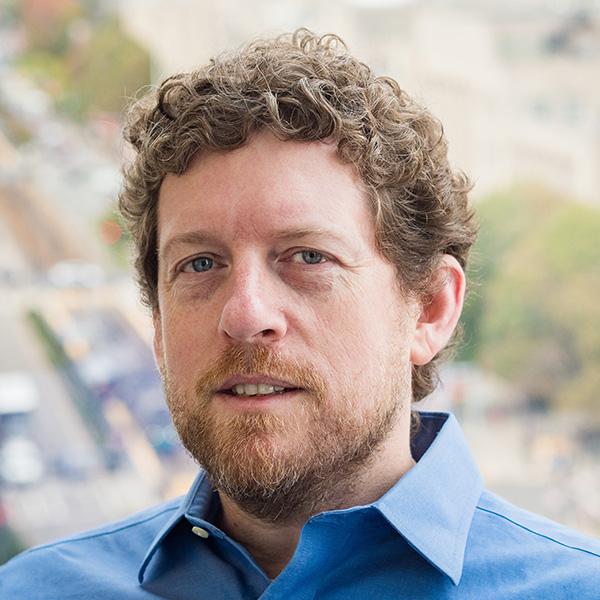
Jason Ritt is an Associate Professor of Brain Science (Research) and Scientific Director of Quantitative Neuroscience at the Robert J. and Nancy D. Carney Institute for Brain Science, Brown University. He holds affiliations with the Data Science Institute and collaborates across disciplines on quantitative research methods. Education : B.S., M.A., and Ph.D. in Neuroscience from Boston University (1997–2003). Research : Focuses on neural processing during active sensing and neuroengineering for neurostimulation. Combines electrophysiology, optogenetics, and theoretical approaches in rodent models. Develops closed-loop systems for studying sensory neural prosthetics and brain-machine interfaces. Key areas include synaptic diversity, neurocontrol algorithms, and sensory restoration. Teaching : Instructs NEUR 2100 NeuroPracticum, integrating hands-on neuroscience research training.
Colin J Akerman is Professor of Neuroscience and Group Leader in the Department of Pharmacology at the University of Oxford, concurrently serving as Corange Fellow and Medical Tutor at Corpus Christi College. His research investigates fundamental mechanisms of synaptic circuit formation and plasticity, with direct implications for epilepsy, dementia, and schizophrenia through multidisciplinary approaches integrating electrophysiology, optical imaging, and computational modeling. His primary research interests encompass Synaptic Plasticity, Neural Circuit Formation, and Excitatory-Inhibitory Balance, with specific focus on neuronal progenitor influences on connectivity, chloride dynamics in inhibitory transmission, and learning mechanisms in disease contexts. The lab employs custom-built equipment and molecular tools to probe synaptic function across in vivo , in vitro , and in silico platforms, emphasizing how activity-dependent processes shape neural networks during development and disease. Recent publications (2023-2025) reveal strong thematic convergence on intracellular chloride regulation in sleep-wake cycles, cortical circuit assembly from embryonic progenitors, and innovative optical tools for neural monitoring. This work bridges molecular neuroscience with systems-level understanding of synaptic plasticity, particularly regarding ionic mechanisms in epilepsy and sleep homeostasis. No scientific awards or fellowships are explicitly documented in the source materials. Professor Akerman currently mentors four PhD students (Vourvoukelis, Selfe, Wang, Gemayel) and multiple postdoctoral researchers, having previously trained scientists now leading independent groups in Toronto, Edinburgh, Cape Town, Oxford, and London. His research is funded by the European Research Council, Innovative Medicines Initiative, and Wellcome Trust, supporting investigations into synaptic mechanisms underlying neurological disorders. The Akerman Group, established in 2008, operates as an integrative neuroscience hub within Oxford's Pharmacology Department. The 10-member team combines expertise in patch-clamp electrophysiology, optogenetics, multiphoton imaging, and computational modeling, with current projects spanning neuronal progenitor biology, inhibitory synaptic plasticity, and learning rule implementation in neural networks. The lab emphasizes technical innovation, regularly developing custom instrumentation and molecular tools for neural observation and manipulation.
Anna Levina is an Assistant Professor for Computational Neuroscience at the University of Tübingen , affiliated with the Department of Computer Science under the Faculty of Science. Her research focuses on the self-organization of neuronal activity, critical dynamics in neural networks, and the excitation/inhibition balance in cortical circuits. Current positions: Assistant Professor (since 2018), Group Leader (2017-2018), Equality Officer (Computer Science) Previous roles: IST Fellow (2015-2017), Associated Researcher (2011-2015), Postdoc/PI (2011-2015), Postdoc (2008-2011) Her research integrates mathematical modeling , statistical physics , and computational neuroscience to study criticality phenomena, neural avalanches, and adaptive network dynamics. Key interests include: Self-organized criticality in neural systems Excitation/Inhibition balance mechanisms Network topology and dynamics Timescale analysis in neural processing Stochastic modeling of neural activity Recent publications reveal trends in understanding critical dynamics across biological and artificial networks, with applications to memory systems, sensorimotor integration, and disease modeling. She has received recognition as an IST Fellow .
Ruben Portugues is a Professor of Brain Circuit Function and Dysfunction at the Institute of Neuroscience, Technical University of Munich (TUM). He is a full member of the Graduate School of Systemic Neurosciences (GSN), an associate and advisory board member of the Munich Center for Neurosciences (MCN), and leads a research group focused on understanding the neural basis of behavior. His lab uses larval zebrafish as a model organism to investigate sensorimotor control, decision-making, and motor learning through whole-brain imaging and circuit analysis. His research interests lie at the intersection of systems neuroscience and behavior. He investigates how brain circuits process sensory information, integrate it with motor output, and enable adaptive and flexible behavior. Key areas include the function of the cerebellum, heading direction networks, sensorimotor transformations, and the neural mechanisms of decision-making. His lab employs cutting-edge techniques including custom-built microscopes, behavioral assays, and computational analysis. The recent publications and preprints from his lab demonstrate a strong trend in decoding distributed neural circuits underlying navigation and decision-making in zebrafish. There is a clear focus on identifying specific brain regions (e.g., interpeduncular nucleus, cerebellum) and cell types involved in processing visual, motor, and spatial information. The work increasingly emphasizes whole-brain functional imaging and the emergence of cognitive-like representations such as allocentric heading direction. FENS-Kavli Network of Excellence (FKNE) PhD Thesis Prize (awarded to student Luigi Petrucco) Ruben Portugues actively mentors PhD students, including current advisees Luigi Petrucco, Ot Prat, and Shuhong Huang, and has successfully graduated Dr. Elena Dragomir and Dr. Vilim Štih. His lab engages in extensive collaborations, hosts visiting researchers, participates in teaching (e.g., CSHL Imaging Course, Cajal Course), and secures resources for advanced research. The lab is known for building its own microscopes and software, fostering technical innovation. The Portugues Lab operates as a dynamic, interdisciplinary team that combines experimental neuroscience with computational and engineering approaches. They regularly hold retreats, participate in scientific events, and contribute to community initiatives like the Munich Brain Day. The lab is preparing to relocate to the Department of Neurobiology and Behavior at Cornell University, marking a new phase in its research trajectory.
Kuo-Fen Lee, PhD is a Professor at the Salk Institute for Biological Studies, holding the prestigious Helen McLoraine Chair of Molecular Neurobiology. He leads the Clayton Foundation Laboratories for Peptide Biology, where his research focuses on nerve regeneration, spinal cord injury, and molecular mechanisms underlying neural development and neurodegenerative diseases. His work bridges basic neuroscience with potential therapeutic applications for conditions like ALS, paralysis, and Alzheimer's disease. Dr. Lee received his educational training from multiple prestigious institutions: a degree in Plant Pathology from National Taiwan University; an MS in Cancer Enzymology and Cell Differentiation from National Yang-Ming Medical College, Taiwan; a PhD in Endocrinology from Baylor College of Medicine, Houston; and completed his postdoctoral training at the Whitehead Institute for Biomedical Research. His primary research interests center on understanding why humans cannot regenerate damaged nerves while many other animals can. Dr. Lee has made significant discoveries regarding the p45 protein, which promotes nerve regrowth in mice but is absent in humans (who instead have p75, which inhibits nerve growth). His laboratory also studies neuregulin signaling, neuromuscular synapse formation, and the role of various proteins like nestin in neural development and maintenance. His work often employs mouse models to investigate spinal cord injury, pain pathways, and neurodegenerative conditions. Analysis of Dr. Lee's recent publications reveals a consistent focus on molecular neurobiology with particular emphasis on neural signaling pathways, synaptic maintenance, and nerve regeneration mechanisms. His research spans from basic molecular mechanisms to potential therapeutic applications, with increasing attention to pain pathways, Alzheimer's disease models, and the intersection of neuroscience with immunology and metabolism in recent years. As holder of the Helen McLoraine Chair of Molecular Neurobiology, Dr. Lee has received significant institutional recognition for his contributions to neuroscience. While specific awards aren't detailed in the provided text, his sustained funding and leadership position indicate substantial peer recognition in his field. Dr. Lee's research program involves extensive collaboration with other neuroscience laboratories, as evidenced by his numerous co-authored publications across various neuroscience subdisciplines. His work has been consistently funded, allowing for the maintenance of an active research laboratory focused on nerve regeneration and molecular neurobiology. The Clayton Foundation Laboratories for Peptide Biology serves as the primary research environment for Dr. Lee's team, where they investigate molecular mechanisms of nerve development, regeneration, and degeneration using advanced genetic, molecular, and cellular approaches. The laboratory maintains active research programs in multiple areas of neural signaling and development.
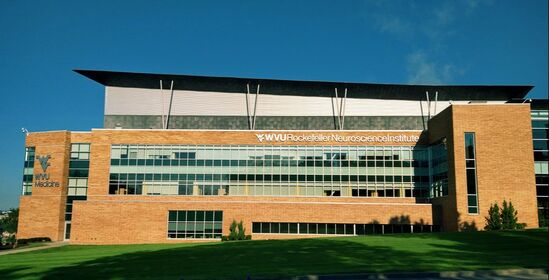
Michelle CD Bridi is an Assistant Professor in the Department of Neuroscience at West Virginia University School of Medicine , with a joint affiliation at the Rockefeller Neuroscience Institute . Her research integrates synaptic plasticity , sleep physiology , and neurological conditions to investigate dynamic synaptic regulation under typical and atypical states. Education: BS , McGill University, 2006 PhD , University of Pennsylvania, 2013 Research Focus: The Bridi Lab explores how daily oscillations in excitation/inhibition (E/I) balance are disrupted in Autism Spectrum Disorder (ASD) , aging , and post-stroke states . Current projects address: 1) synaptic adaptation to sleep/wake cycles, 2) E/I imbalance in neurodevelopmental disorders, and 3) molecular mechanisms maintaining neuronal firing rate homeostasis. Publication Trends: Recent work spans REM sleep plasticity , autism models , and neurodegenerative interventions , emphasizing synaptic oscillations , NMDA receptor pathways , and gene therapy applications. Collaborative efforts with Morgan Bridi's lab extend findings to stress and stroke contexts. Grants & Collaborations: Research is funded by NIH/NIGMS , BBRF , and NSF . The lab actively collaborates with cross-institutional teams and is recruiting postdocs and students for ongoing studies.
Andrew J. Todd is a Professor and Honorary Fellow in the School of Psychology & Neuroscience at the University of Glasgow. His research focuses on neurochemistry and synaptic connections in the mammalian spinal cord, particularly the organization of neuronal circuits underlying pain and itch perception. He employs techniques like immunocytochemistry, confocal microscopy, and electron microscopy. Collaborations include researchers from institutions such as UCL, Saga University, and the University of Pittsburgh. His work is funded by the Wellcome Trust and BBSRC. Roles: Professor, Honorary Fellow Affiliations: School of Psychology & Neuroscience, University of Glasgow Research Interests Dr. Todd investigates spinal dorsal horn circuits, including projection neurons, interneurons, and synaptic plasticity. Key topics include: Neurochemical characterization of spinal neurons Role of neuropeptides like substance P and gastrin-releasing peptide Mechanisms of neuropathic pain and spinal circuit adaptations Functional roles of specific neuron populations in laminae I-III Articles Overview Recent work includes studies on spinal projection neuron markers (e.g., Tacr1, Gpr83), synaptic circuits involving GRP-expressing neurons, and interneuron subtypes' roles in pain/itch. Notable findings include the absence of neuronal loss in neuropathic pain models and the identification of novel spinal circuits. Grants & Funding Funded by the Wellcome Trust and BBSRC . Collaborations span international institutions, emphasizing spinal neurobiology and sensory processing.
Ju Lu serves as an Assistant Professor at Lehigh University with office location in Iacocca Hall (room 0111), contactable via phone (610.758-3687) and email (jul724@lehigh.edu). Her academic position reflects active engagement in neuroscience research and education within the university's life sciences framework. Education Background: Ph.D. in Neurobiology from Harvard University (2008) B.Eng. in Microelectronics from Tsinghua University (2002) Research Focus: Dr. Lu's work pioneers investigations into neural circuit dynamics and synaptic plasticity mechanisms using advanced optical imaging technologies. Her research spans: Cortical circuit reorganization during motor skill acquisition across species Stress-induced synaptic alterations mediated by microglia in prefrontal circuits Therapeutic applications of psychedelic compounds for neural circuit restoration Development of three-photon microscopy for deep-brain imaging Genetically-encoded neurotransmitter sensors for in vivo studies This multidisciplinary approach bridges molecular neuroscience, systems-level circuit analysis, and translational mental health applications. Publication Trends: Analysis of Dr. Lu's 15 most recent publications (2016-2023) reveals an evolving trajectory from foundational studies on dendritic spine plasticity toward translational neuroscience. Early work emphasized optical imaging methodology and basic plasticity mechanisms, while her 2021-2023 publications increasingly focus on stress-related circuit disruptions and psychedelic therapeutics. A consistent thread involves combining high-resolution in vivo imaging with behavioral models to establish causal links between neural circuit dynamics and cognitive functions. Honors and Awards: No scientific awards or fellowships were documented in the provided materials. Mentorship and Funding: While specific student mentees and grant funding details are not specified in the source text, her extensive collaborative publication record indicates active supervision of research personnel and successful acquisition of research support. Research Infrastructure: Her methodological expertise in advanced microscopy suggests utilization of specialized imaging facilities, though no dedicated laboratory or research team is explicitly identified in the available documentation.
Prof. Thomas Kuner is a Professor and Director of the Department of Functional Neuroanatomy at the University of Heidelberg's Medical Faculty. He holds a medical degree (MD) from Heidelberg (1998) and completed postdoctoral work at Duke University and the Marine Biological Laboratory. Since 2000, he has led a research group at the Max Planck Institute for Medical Research, followed by habilitation in Physiology (2003) and appointment as Professor of Anatomy and Cell Biology (2006). Research Focus: His work focuses on neuroanatomy, synaptic transmission mechanisms, and pain research. Key projects include investigations into the structural and functional properties of synapses (e.g., calyx of Held), the role of presynaptic proteins like Mover, and the molecular basis of pain signaling via the SFB 1158 consortium. His lab uses advanced imaging techniques (e.g., STED microscopy) and genetic models to study neuronal circuits and synaptic plasticity. Funding & Collaborations: Kuner's research is supported by grants from the DFG (e.g., SFB 1158), the Baden-Württemberg Foundation, and other national/international bodies. His interdisciplinary approach bridges cellular neuroscience, molecular biology, and clinical applications in pain management. Teaching & Leadership: He oversees the Institute of Anatomy and Cell Biology, contributing to graduate programs in medical education and anatomy. His team includes postdocs and technicians, with collaborations extending to imaging technology development and medical education innovation.
Professor Jana Zaumseil is a distinguished academic at Heidelberg University, holding the position of Professor for Applied Physical Chemistry at the Faculty of Chemistry and Earth Sciences since 2014. She also maintains a co-opted position with the Faculty of Physics and Astronomy since 2016. Currently serving as Executive Director of the Institute for Physical Chemistry and Spokesperson for the DFG Research Training Group GRK 2948, she leads the Zaumseil research group (also known as the Nanomaterials for Optoelectronics group) at Heidelberg University's Institute for Physical Chemistry. Her educational background includes a PhD in Physics from the University of Cambridge (2003-2007) with a Gates Cambridge Trust Scholarship, and a Diplom (equivalent to M.Sc.) in Chemistry from the University of Leipzig (1997-2022). Prior to her position at Heidelberg, she served as Professor for Nanoelectronics at Friedrich-Alexander-Universität Erlangen-Nürnberg (2009-2014), and completed postdoctoral work at Argonne National Laboratory (2007-2009) following an internship at Bell Laboratories (2002-2003). Zaumseil's research program focuses on the optical and electronic properties of carbon-based nanomaterials, particularly single-walled carbon nanotubes (SWCNTs) and organic semiconductors. Her group specializes in processing, functionalization, characterization and application of these unconventional semiconductors for optoelectronic devices and sensors. They investigate charge transport and light-matter interaction using a wide range of experimental techniques including synthesis, optical spectroscopy, atomic force microscopy, device fabrication, and electrical/optical device characterization. Their work bridges fundamental understanding with potential applications in sensing, imaging, circuits, and energy conversion. Analysis of her recent publications reveals a strong trend toward defect engineering in carbon nanotubes, particularly creating and optimizing luminescent sp 3 defects for near-infrared applications. Her research increasingly integrates fundamental studies of charge transport with practical device applications, especially in neuromorphic computing, biosensors, and thermoelectrics. The interdisciplinary nature of her work is evident in the combination of chemistry, physics, and materials science approaches across her publication record. Dan Maydan Prize for Nanoscience and Nanotechnology (2024) Jahrespreis der Universität Heidelberg (2023) ERC Consolidator Grant (2019) ERC Starting Grant (2012) Alfried-Krupp-Award for Young University Professors (2010) Professor Zaumseil has secured substantial research funding including multiple ERC grants and leads several major collaborative projects such as the ERC Advanced Grant SCALE-NT, Collaborative Research Center SFB 1249, Cluster of Excellence 3D Matter Made to Order, and Research Training Group GRK 2948. She has mentored numerous doctoral and master's students, with her group recently receiving recognition including a Student Poster Presentation Award for Niklas Herrmann. As Dean of the Faculty of Chemistry and Earth Science (2019-2021) and current Vice Dean (2021-), she has played significant leadership roles within the university structure. The Zaumseil research group operates within Heidelberg University's Institute for Physical Chemistry, utilizing advanced facilities for nanomaterial synthesis, optical spectroscopy, and device characterization. The group participates in several major collaborative initiatives including the Cluster of Excellence 3D Matter Made to Order and the Collaborative Research Center SFB 1249, reflecting its integration within Heidelberg's broader research ecosystem focused on molecular systems and materials science.
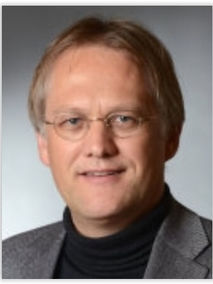
Richard Kempter is a Full Professor at the Humboldt-Universität zu Berlin, where he leads the Theoretical Neuroscience research group within the Institute for Theoretical Biology, Department of Biology. His research focuses on the neural basis of learning and memory through computational and mathematical modeling of synapses, neurons, and neural networks. He is affiliated with several major research centers including the Bernstein Center for Computational Neuroscience, the Einstein Center for Neurosciences Berlin, and the CRC 1315 Memory Consolidation. Professor Kempter's research interests span theoretical and computational neuroscience with a particular focus on the neural mechanisms underlying learning and memory. His work employs biophysical modeling and mathematical analysis to study synaptic short- and long-term plasticity, the dynamics of single neurons, and the interaction of neurons in recurrently coupled networks. A key aspect of his research investigates how neural systems maintain a balance between learning susceptibility and stability against pathological activity patterns, with model systems including the hippocampus and early auditory system. His research group has made significant contributions to understanding hippocampal sharp wave-ripple events, phase precession in spatial navigation, auditory processing in barn owls, and memory consolidation mechanisms. The group's work combines theoretical approaches with computer simulations to unravel the computational principles of neural circuits, showing particular interest in how neural tissue remains susceptible to learning while maintaining robust stability against pathological activity patterns. Scholarship of the State of Bavaria (03/1994-12/1995) Emmy Noether Fellowship Part I (09/1999-08/2001), funded by the Deutsche Forschungsgemeinschaft Emmy Noether Fellowship Part II (01/2003-09/2008) Guest Professor , HU Berlin, Department of Biology (10/2008-03/2010) Professor Kempter has advised numerous PhD and Master's students throughout his career, with many continuing in neuroscience research. His group maintains strong connections with experimental laboratories to bridge computational models with empirical findings, particularly in hippocampal function and auditory processing. The Theoretical Neuroscience Lab participates in collaborative projects investigating memory consolidation and neural coding principles, contributing significantly to our understanding of how neural circuits implement computational principles underlying learning and memory.
Prof. Julijana Gjorgjieva is a tenured W3 Professor of Computational Neuroscience at the School of Life Sciences Weihenstephan, Technical University of Munich (TUM). She leads an independent research group at the Max Planck Institute for Brain Research and is affiliated with the Bernstein Center for Computational Neuroscience. Her research focuses on the principles governing neural circuit development, balancing learning plasticity with functional stability through computational and theoretical approaches. Key interests include synaptic organization, energy-efficient neural computation, and evolutionary optimality principles. Education & Career: B.Sc. Mathematics, Harvey Mudd College (2006) M.A.St. in Applied Mathematics, University of Cambridge (2007) Ph.D. Applied Mathematics, University of Cambridge (2011) Postdoctoral Fellowships: Harvard University (2011-2014), Brandeis University (2014-2016) Max Planck Research Group Leader (2016-2022) W2/W3 Professor at TUM since 2016 Research Interests: Computational neuroscience, theoretical modeling of neural circuits, synaptic plasticity mechanisms, homeostatic regulation, and the interplay of development and evolution in shaping brain architecture. She employs mathematical frameworks to study how circuits achieve robustness while enabling adaptive learning. Awards: Heinz Maier-Leibnitz Prize (2022) Eric Kandel Young Neuroscientist Prize (2021) ERC Starting Grant (2018) Multiple postdoctoral and early-career fellowships Grants & Funding: Includes DFG Collaborative Research Center on Neural Homeostasis, HFSP grants, and EU Horizon 2020 initiatives. Active in mentoring and promoting computational neuroscience through programs like Neuromatch Academy. Labs & Collaborations: Leads a multidisciplinary lab integrating experimental and theoretical approaches. Collaborates with institutions such as the Max Planck Society and international computational neuroscience networks.
Prof. Dr. Kei Ito is a leading neuroscientist at the University of Cologne , specializing in Drosophila melanogaster brain architecture. His research focuses on mapping " terra incognita " regions of the brain, analyzing glial cell functions across development, and establishing standardized insect brain nomenclature through international collaboration. As AXA Chairholder and former HHMI Senior Fellow , he combines molecular genetics with 3D virtual reality visualization to unravel neuronal network organization . Academic Affiliation : University of Cologne (2016–present) Prior Positions : The University of Tokyo (2002–2017), National Institute for Basic Biology (1998–2002) Research Interests span multiple domains: "Terra Incognita" Analysis : Systematic mapping of previously uncharacterized brain regions (70% of brain volume) Glial Cell Biology : Classification and functional analysis from embryo to adult Connectome Research : Integration of electron microscopy data with genetic tools Neuronal Lineage Studies : 3D reconstruction of neuroblast progeny patterns Scientific Contributions include: Creation of 4,500 NP Gal4 driver lines (Japan consortium, 1998) Pioneering Split-Gal4 systems for precise neuron labeling Establishment of 6 distinct neuron naming schemes for EM data Leadership in Insect Brain Name Working Group (2007–2014) Advising Legacy features direct mentorship of 6 doctoral students and collaborative analysis of 3,777 neuron types in EM datasets. His lab maintains 1,000+ specific Split-Gal4 lines for terra incognita research.
Charles A. Greer is Professor of Neurosurgery and Neuroscience at Yale School of Medicine, where he serves as Co-Vice Chair of Research for Neurosurgery and Director of the Yale Interdepartmental Neuroscience Graduate Program. He maintains joint appointments in both the Department of Neurosurgery and Department of Neuroscience, with additional affiliations through the Wu Tsai Institute, Yale Combined Program in the Biological and Biomedical Sciences, and Yale Stem Cell Center. Dr. Greer's research focuses on understanding the fundamental mechanisms that establish orderly topographic maps within the central nervous system during development and regeneration. His laboratory primarily investigates the complex olfactory system, studying how axons sort into functional subsets and target specific regions in the olfactory bulb. His work has significant implications for understanding neural regeneration following injury or disease, particularly through his research on ensheathing cells that support axon growth and can promote remyelination in damaged spinal cord tissue. His research spans multiple disciplines including neuroanatomy, developmental neuroscience, and neural regeneration, with particular emphasis on the molecular and cellular mechanisms of axon targeting, glial cell function, and neural circuit formation. Dr. Greer has established extensive collaborations across Yale departments including Neurology, Neurobiology, Anesthesiology, and Ophthalmology, as well as with institutions including Columbia University, Emory University, The Rockefeller University, University of Maryland, and University of Colorado. Dr. Greer has received numerous prestigious awards including the Max Mozell Award for Outstanding Achievements in the Chemical Senses, the R.H. Wright Award for Outstanding Research in Olfaction, and recognition as Distinguished Professor from Universite Pierre et Marie Curie in Paris. He has served as President of the Association for Chemoreception Sciences and as a member of NIH study sections and the Advisory Council for the National Institute on Deafness and Other Communication Disorders. As an educator, Dr. Greer has directed the Yale Interdepartmental Neuroscience Graduate Program and mentored numerous students and postdoctoral fellows. He serves as Associate Editor for The Journal of Comparative Neurology and Journal of Neuroscience, and sits on the editorial boards of several other neuroscience journals. His extensive publication record demonstrates sustained contributions to understanding the organization and development of neural systems, particularly the olfactory pathway.
Prof. Dr. Fred Wolf is a leading scientist affiliated with the Campus Institute for Dynamics of Biological Networks (CIDBN) at Georg-August-Universität Göttingen. His research focuses on the intersection of neuroscience, computational biology, and epithelial morphogenesis, utilizing advanced imaging techniques and theoretical models to study neural circuits and tissue dynamics.