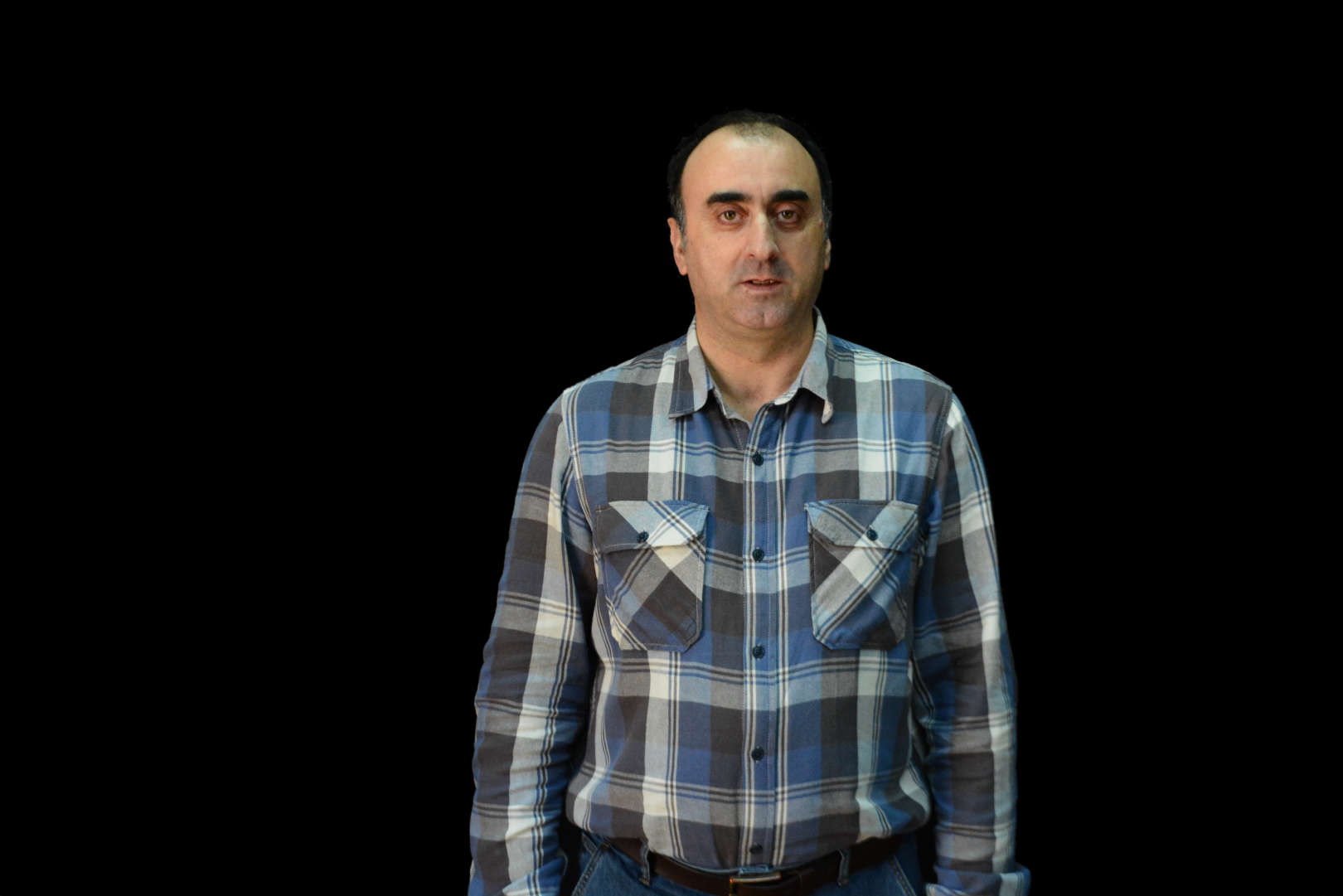
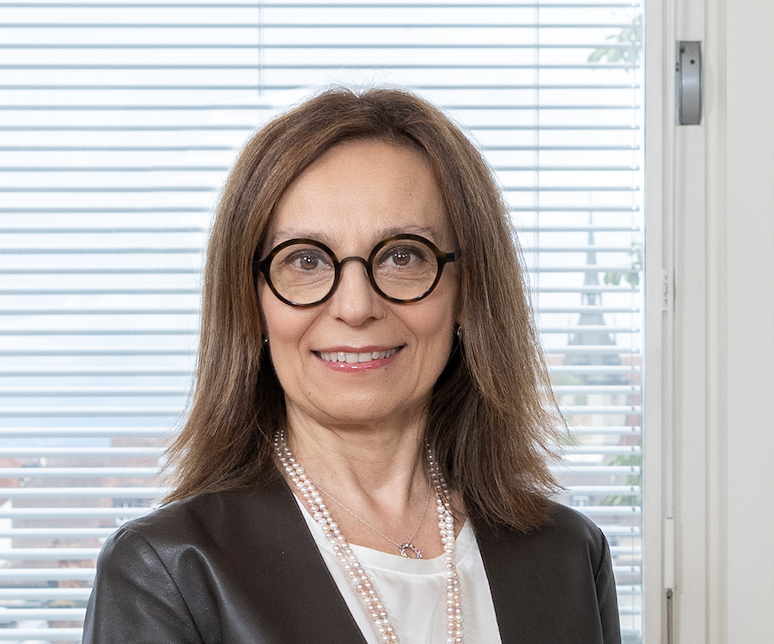
Elena Claire Ricci is an Associate Professor at the Department of Management, University of Verona. She holds an MSc in Environmental Sciences from the University of Milan Bicocca, an MSc in Environmental and Resource Economics from University College London, and a PhD in Economics from the University of Milan. Her research focuses on agri-food economics, environmental and energy policies, consumer behavior, sustainability transitions, and System Dynamics modeling. She has contributed to 16 national and international research projects, including the Horizon 2020 project 'Energy-SHIFTS' on consumer choices. Her work emphasizes sustainability education and has led to awards such as the 2013 CRUI Foundation/Enel Foundation Prize and the DEMM Best Paper Award. She actively engages in third mission activities, organizing sustainability workshops in schools and co-organizing academic events. Elena teaches modules on food and wine marketing, sustainable wine management, and advanced research methods. She is affiliated with the Agri-food System Research Group and the LOOP Research Center, focusing on circular economy and sustainability. Her recent publications explore topics like climate policy modeling, ethical leadership in healthcare, and consumer preferences for eco-friendly products.
Dustin Reichard is an Associate Professor in the Department of Biological Sciences at Ohio Wesleyan University (OWU). He holds a B.A. from St. Mary's College of Maryland and a Ph.D. from Indiana University, followed by a National Science Foundation Postdoctoral Fellowship at the University of California, Davis. His research focuses on the evolution of animal behavior in birds, exploring both proximate (hormonal mechanisms) and ultimate (adaptive benefits) explanations. Key areas include avian communication, parental defense strategies, and behavioral endocrinology. Education: B.A., Biological Sciences, St. Mary's College of Maryland Ph.D., Biological Sciences, Indiana University NSF Postdoctoral Fellowship, University of California, Davis Research Interests: Dr. Reichard investigates how birds use vocalizations to convey social information, hormonal influences on behavior during interactions, and nest defense mechanisms against predators. Recently, his lab has leveraged large datasets to study long-term behavioral trends. Fieldwork primarily involves free-living songbirds like Dark-eyed Juncos and Carolina Wrens. Awards: National Science Foundation Postdoctoral Fellowship (2010–2012) Advising & Labs: He advises undergraduate researchers through OWU's Biological Sciences department, mentoring students on projects ranging from nest predator dynamics to avian endocrinology. His lab emphasizes field-based studies and collaborative data analysis. Publications: Over 20 peer-reviewed articles highlight his work on topics like nest defense strategies, hormonal regulation of behavior, and urban avian adaptations. Recent studies use camera traps and citizen science to address ecological questions.
Emilio Pedrotti is a Lecturer at the Centre for Medical Sciences (CISMED) within the University of Trento. His teaching focuses on clinical disciplines including Otolaryngology, Ophthalmology, Maxillofacial Surgery, Odontostomatology, and Audiology. He contributes to the Medicina e Chirurgia (LM6) program, specifically the 'Clinica ORL, odontostomatologia e chirurgia maxillo-facciale, oftalmologia' module, where students learn diagnostic and therapeutic approaches for diseases affecting sensory and anatomical systems. His educational background and professional experience align with clinical medicine and surgical specialties. No grants or awards are explicitly mentioned in the provided materials.
Dr Amanda Norman is a Senior Lecturer in Early Years at the University of Winchester, part of the Faculty of Education and the Arts. Her roles include leading modules on infant pedagogies, historical play, and early childhood research. She has extensive experience in early childhood education, nursery management, and play therapy, with a focus on infant emotional care and historical childcare practices. Norman has authored numerous books and articles on topics like transitional objects, person-centered approaches, and maternal well-being. She actively contributes to professional organizations such as the International Froebel Society and the Children's Alliance. Her research explores infants' emotional bonds, attachment theories, and the integration of creative methodologies in early years education. Recent work includes funded projects on transitional objects and narratives in nature. She supervises PhD/EdD students focusing on relational pedagogies and emotional health. Norman has presented at international conferences and participated in policy reports on children's mental health and well-being. Key achievements include a Senior Fellowship from the Higher Education Academy (2022) and editorial roles in journals like Norland Educare. Her work bridges historical perspectives with contemporary practices, emphasizing holistic care and practitioner narratives.
Cristina Costantini is a Senior Lecturer in Psychology at Regent’s University London, specializing in infant feeding and child development. She holds a PhD in Developmental Psychology from the University of Portsmouth and has held academic roles at Oxford Brookes University and the University of Portsmouth. Her research focuses on infant feeding behaviors, maternal-infant interactions, and cultural influences on eating habits, with a particular interest in perinatal mental health and developmental disorders. Education: BSc, MSc, and DClinPsych degrees from Sapienza University of Rome, followed by a PhD in Developmental Psychology at the University of Portsmouth. Professional qualifications include Chartered Membership with the British Psychological Society and the Italian Council of Psychologists. Research Interests: Infant feeding practices and maternal emotional states Cross-cultural differences in feeding behaviors Impact of complementary feeding on eating disorders Perinatal mental health and attachment Grants & Awards: Secured grants from Regent’s University, Oxford Brookes, and received the Best Research Report award at World Nutrition 2012. Active in public engagement through talks and workshops on infant feeding. Teaching: Leads MSc Psychology conversion courses and modules on Psychopathology, Developmental Psychology, and Psychology & Mental Health. Involved in curriculum development for Cyberpsychology and Psychology of Emotions. Labs/Teams: Collaborates with the Infant Feeding Network and Maternal Mental Health Alliance, contributing to policy discussions on parenting practices.
Dr. Andrew Kolarik is a Research Fellow at Anglia Ruskin University's School of Medicine within the Faculty of Health, Medicine and Social Care. His primary affiliation is with the Vision and Eye Research Institute. He holds a PhD in Auditory Psychology from Cardiff University and is a Fellow of the Higher Education Academy. His research focuses on how visual impairment affects auditory spatial perception, particularly in navigation and sensory substitution. He has held visiting roles at Cambridge University and the University of London's Centre for the Study of the Senses. Key research interests include echolocation in blind individuals, auditory distance perception, and cross-modal cortical reorganization. He has supervised multiple students, including PhD candidate Elena Altobelli. His teaching experience includes Cognitive Psychology modules at undergraduate level. Recent grants include funding from Anglia Ruskin University for studies on spatial abilities in visually impaired individuals and a 2018 review role for the Netherlands Organization for Health Research and Development. His work combines psychophysical techniques, virtualization, and human movement analysis to explore auditory spatial representations in blind listeners. Scientific Awards: Fellow of the Higher Education Academy (HEA) Key Lab Affiliations: Vision and Eye Research Institute, Anglia Ruskin University
International Iberian Nanotechnology LaboratoryPortugal
Artur Martins is a Post-Doctoral Research Engineer at the International Iberian Nanotechnology Laboratory (INL) within the Food Processing and Nutrition Group. His research focuses on developing bio-based food structures using edible oil structuring mechanisms to create oleogels and emulgels, alongside engineering nano-structures for delivering functional compounds in healthier food formulations. Education: PhD in Chemical and Biological Engineering, University of Minho (UM) Dr. Martins' expertise spans lipid nanostructuring, oil gelation, compound encapsulation, and food processing technologies including ohmic heating and electrospinning. His work pioneers novel methodologies for characterizing food materials and developing products across diverse categories, with emphasis on sustainable fat substitution and bioactive delivery systems. Analysis of his 2019-2023 publications reveals a cohesive research trajectory centered on oleogel technology. Key advancements include multicomponent sterol-based systems, wax-structured organogels, and water-in-oleogel emulsions, demonstrating applications in meat products, sausages, and nutraceutical delivery. His studies systematically address stability, digestibility, and process-parameter modulation to optimize functional food properties. Scientific Awards: Food & Nutrition Award for Research and Development (2017) Research Environment: Dr. Martins contributes to the Pastrana Research Group at INL, collaborating on international projects with institutions including the Academy of Sciences of the Czech Republic and Brazilian universities (UNICAMP, FURG), advancing food innovation through lipid nanostructuring and delivery system engineering.
Paola Salerni is an Associate Professor in the Department of Humanities at Ca' Foscari University of Venice, specializing in French Language, Translation, and Linguistics (SSD: FRAN-01/B). Her research focuses on socio-linguistic aspects of urban policies, postcolonial narratives, and 19th-21st century French literature. She has published extensively on authors like Mehdi Charef, Villiers de l'Isle-Adam, and Michel Houellebecq, with a particular interest in immigrant experiences and cultural hybridity. Education: Not explicitly listed, but her academic career spans over 40 years with a doctoral trajectory implied by her prolific publications. Teaching: Offers courses in French language, literature, and translation across undergraduate and graduate programs, including 'French as a Foreign Language' and 'French Literature' modules. Research Interests: Urban discourse analysis, migration narratives, socio-linguistics of multiculturalism, and critical studies of French colonial and postcolonial literature. Her recent work (2023-2025) examines territorial discourses in 19th-century Paris, socio-political narratives of urban policies, and translation studies of contemporary Algerian-French literature. She has contributed to interdisciplinary volumes on migration, comparative literature, and historical linguistics. Labs/Teams: Engaged in Ca' Foscari's multidisciplinary research initiatives on language and culture, though specific lab affiliations are not detailed. Grants/Awards: No specific grants or awards listed, but her extensive publication record suggests sustained academic recognition.
João Barroso serves as Associate Professor with Habilitation at the University of Trás-os-Montes and Alto Douro (UTAD) and Senior Researcher at INESC TEC's Human-Centered Computing and Information Science Centre, where he has been Research Coordinator since October 2012. Previously, he held the position of Pro-Rector for Innovation and Information Management at UTAD from July 2010 to July 2013. His academic credentials include: Doctorate in Electrical Engineering from UTAD (2002) Habilitation in Informatics/Accessibility (2008) Barroso's research centers on Digital Image Processing, Accessibility, and Human-Computer Interaction, with significant extensions into biosignal processing for healthcare applications, machine learning for gaming and autonomous systems, and context-aware architectures for Industry 4.0 environments. His work consistently emphasizes real-world implementation, as demonstrated by his leadership in developing the ElderMind mobile application for cognitive stimulation and portable ECG/EMG acquisition systems. He founded two major conference series: Software Development and Technologies for Enhancing Accessibility and Fighting Info-exclusion (DSAI, 2006) and Technology and Innovation in Sports, Health and Wellbeing (TISHW, 2016). Analysis of his 15 most recent publications (2024-2025) reveals three dominant research thrusts: (1) Machine learning validation for gaming and autonomous driving (PPO vs. SAC algorithms), (2) High-fidelity biosignal acquisition systems with visual electrode monitoring, and (3) Systematic vulnerability analyses in web/mobile security and context-aware Industry 4.0 architectures. His publications demonstrate a consistent pattern of translating theoretical computing advances into practical health and industrial applications, with 2025 outputs showing particular emphasis on hardware-software integration for telemedicine and production management. Barroso has supervised 40 postgraduate students including Dennis Lourenço Paulino (2024, UTAD) who developed crowdsourcing personalization models and Luís Filipe Jesus Correia (2022, UTAD) who researched Brain-Computer Interfaces. His project portfolio spans 35 research and development initiatives, with recent grants supporting his virtual assistant prototype for Industry 4.0 production environments and high-resolution Bluetooth biosignal modules. He leads the Human-Centered Computing and Information Science Centre at INESC TEC, where his laboratory focuses on prototyping accessible technologies through interdisciplinary teams. Current projects integrate computer vision for elderly care, ROS2 middleware for unmanned vehicle coordination, and semantic interoperability frameworks for digital twins, maintaining his dual focus on theoretical innovation and socially impactful applications.
Dr. Anna Metzger is a Lecturer in Psychology at Bournemouth University since 2021. She holds a BSc in Biology from Hanover, MSc in Cognitive Science from Osnabrück, and a Dr. rer. nat. in Psychology from Justus-Liebig University Giessen. Her research focuses on haptic and visual perception, particularly object shape/material property encoding through active touch and multisensory integration. She uses motion/eye-tracking, computational modeling, and virtual/augmented reality. Research Interests include: Exploration strategies in tactile perception Unsupervised learning of material properties Neural correlates of haptic perception Computational modeling of tactile saliency Her work has been recognized with a Best Paper Award (2018) from the Eurohaptics Society. Current grants explore haptic texture synthesis and 3D shape perception. She teaches courses on cognitive neuroscience, experimental design, and statistics at both undergraduate and postgraduate levels. Grants : Synthesising Haptic Textures through Unsupervised Learning (British Academy, 2024-) Perception of objects’ 3D shape (Royal Society, 2024-) She collaborates internationally and serves as Associate Editor for IEEE Transactions on Haptics and Eurohaptics Conference Proceedings .
Dr. Eszter Somogyi is a Senior Lecturer and Associate Head (Global Engagement and Education Partnerships) in the School of Psychology, Sport and Health Sciences at the University of Portsmouth. With a PhD in autism spectrum disorder research from Paris Descartes University, she has held positions at institutions including Eötvös Loránd University and Paris West–Nanterre University. Her work bridges developmental psychology, human-robot interaction, and educational interventions. Education: Health Psychology (MSc), PhD in Sociocognitive Development Key Research Themes Infant social learning and intention attribution Prosocial behavior in early childhood Mindfulness programs in schools Body awareness through tactile/motor training Recent publications focus on Child Development (2023), Mindfulness (2024), and Neurorobotics (2018). She received the Research in Paris award (2012) and leads international education partnerships. Scientific output trends reveal interdisciplinary work across Psychology, Robotics, and Public Health . Teaching includes undergraduate and Masters-level modules in Psychology and Health Psychology. Scientific Awards : Research in Paris award (2012) She coordinates international student recruitment , contributes to PhD supervision , and manages counselling course partnerships with Eastleigh College. Her lab explores infant motor development and human-robot interaction .
Dr. Abramo Agosti is a Researcher in the Mathematical Analysis and Applications group at the University of Pavia. His work develops mathematical frameworks for biological and physical systems, specializing in tumor growth modeling, biomechanics, and computational neuroscience applications. He creates phase-field models using Cahn-Hilliard equations to simulate tumor evolution under mechanical constraints and microenvironmental interactions. His recent research establishes energy-variational solutions for viscoelastic fluids and analyzes large deformations in elastic materials. He co-develops the Deep Anatomical Federated Network (Dafne) for collaborative medical image segmentation. His glioblastoma models integrate radiological data to predict spatial progression patterns. Dr. Agosti's computational approaches bridge mathematical analysis with clinical applications, particularly in neuro-oncology where his models incorporate patient-specific imaging data to simulate brain tumor mechanics and growth dynamics.
Claudia Bagni is a Full Professor at the University of Lausanne (Switzerland) in the Department of Fundamental Neurosciences within the Faculty of Biology and Medicine, and maintains a dual appointment at the University of Rome Tor Vergata (Italy). She previously served as Director of the Department of Fundamental Neurosciences (2016-2021) and as Vice-Dean for Research and Innovation at the Faculty of Biology and Medicine, University of Lausanne (2021-2024). Her academic journey began with work in renowned laboratories including Fotis C Kafatos at Harvard, and subsequently at the EMBL with Carlos Dotti. She was Group leader at VIB (Flemish Institute for Biotechnology) and Full Professor at the Faculty of Medicine of KU Leuven (2008-2016) before joining the University of Lausanne. Professor Bagni is an EMBO member and was elected to the Academy of Europe in 2024. Professor Bagni's research focuses on molecular mechanisms of synaptic plasticity, neuronal development, mRNA metabolism, and the molecular basis of intellectual disabilities, particularly Fragile X Syndrome. Her work bridges biochemistry and neuroscience, investigating brain wiring, ASD and SCZ-like behaviors, and cancer mechanisms in intellectual disability contexts. She has published over 130 papers in high-impact journals and holds three patents. Her scientific contributions have been recognized with numerous prestigious awards including the Knight of the Order of Merit of the Italian Republic (2023), Nestle Research & Development Women in Science Award (2018), Pavoncella Prize (2017), and Solvay Prize (2016). She serves on multiple scientific advisory boards including the Fragile X International Association. As an active contributor to the scientific community, Professor Bagni mentors junior scientists, reviews for leading journals, and organizes high-profile conferences including EMBO and Gordon Research Conferences. Her recent publications (2024-2025) in journals like Nature Neuroscience, Science, and Neuron demonstrate her ongoing research productivity and leadership in the field.
Jason Clarke is a Lecturer in Psychology at the University of West London, affiliated with the School of Human and Social Sciences. He holds a B.A. (Hons) in Classical Studies from University College London, an M.A. and Ph.D. in Psychology from The New School for Social Research. His career includes roles as a Postdoctoral Teaching and Research Fellow in the Sensation and Perception Laboratory at The New School (2014–2017), Visiting Assistant Professor at SUNY Farmingdale (2018–2020), and part-time lecturing at institutions like the City University of New York and Princeton University. Clarke’s research focuses on cognitive processes underlying visual perception, time perception, and consciousness. He integrates predictive processing frameworks (e.g., Free Energy Principle) to explore how expectation and attention shape conscious experience. His book, *Constructing Experience: Expectation and Attention in Perception* (2024), synthesizes empirical findings on inattentional blindness and change blindness. Key research directions include the role of generative models in perception and the quantum/classical probability debate in cognition. Education : B.A. Classical Studies, University College London M.A. Psychology, The New School for Social Research Ph.D. Cognitive Psychology, The New School for Social Research Teaching : Cognitive Psychology Cognitive Neuroscience Sensation and Perception His PhD students Becky Tyler (attention-expectation interactions) and Gergely Gerstmayer (gravity’s impact on time perception) extend his work into applied domains like spaceflight adaptation and virtual reality. Clarke’s research aligns with UN SDGs 3 (Health), 4 (Education), and 9 (Innovation). Clarke has contributed to courses across undergraduate and postgraduate programs at UWL, including BSc Psychology, MSc Psychology of Mental Health, and PhD Psychology.
Kathleen A. Killian is an Associate Professor of Biology at Miami University and Associate Director of the Center for Animal Behavior. She is affiliated with the Center for Neuroscience and Behavior and the Center for Animal Behavior. Her research focuses on the intersection of insect immunity, neurogenesis, and behavior, using crickets as a model organism. She investigates how immune system responses influence brain plasticity and social status, with particular attention to cold temperature stress effects on inflammation and behavior. Her lab employs techniques including behavioral assays, immune system assays, histology, immunocytochemistry, and molecular biology methods like RNAi and qPCR. Her research interests emphasize understanding the mechanistic links between immunity and neural function, particularly in social insects. She has contributed to studies on the maturation of immune systems in crickets and how environmental stressors impact behavior and brain function. Courses taught include Neuroscience seminars, Human Physiology, Neurophysiology, and Graduate Neuroscience Seminars. No scientific awards are explicitly mentioned in the provided text. Her work spans interdisciplinary areas of animal behavior, immunology, and neuroscience, with a focus on translational insights into organismal biology.