معرفی
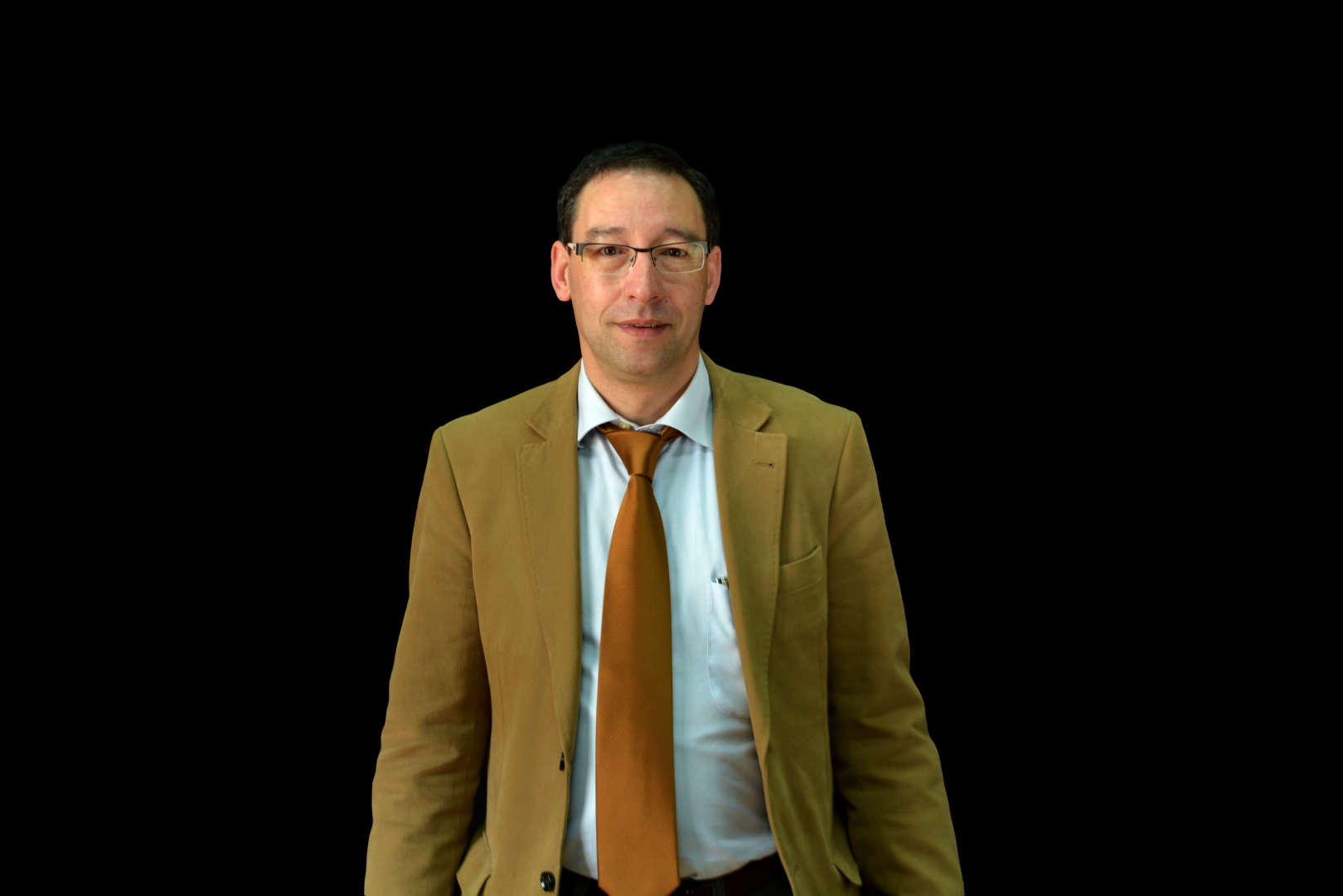
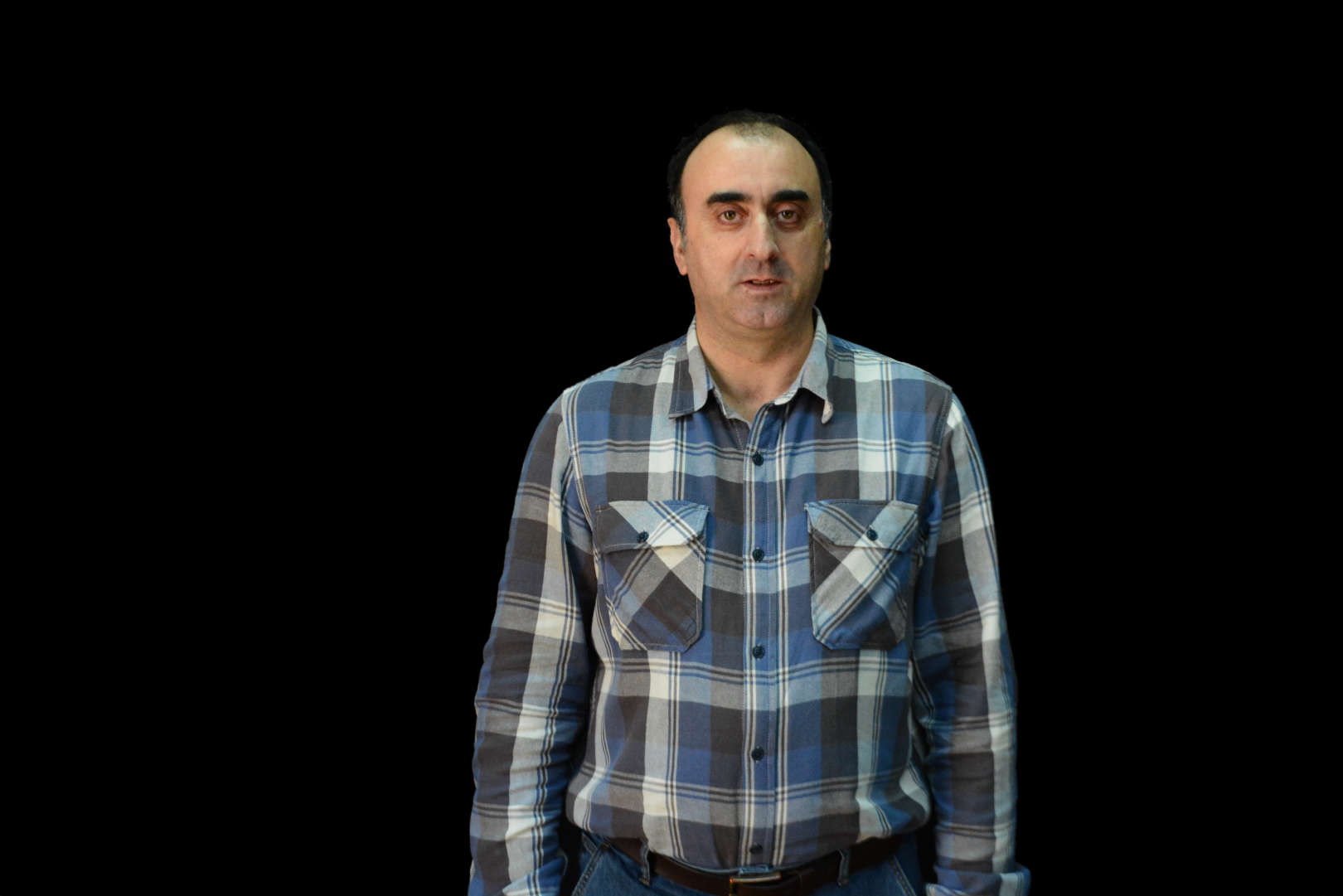
João Barroso serves as Associate Professor with Habilitation at the University of Trás-os-Montes and Alto Douro (UTAD) and Senior Researcher at INESC TEC's Human-Centered Computing and Information Science Centre, where he has been Research Coordinator since October 2012. Previously, he held the position of Pro-Rector for Innovation and Information Management at UTAD from July 2010 to July 2013.
His academic credentials include:
- Doctorate in Electrical Engineering from UTAD (2002)
- Habilitation in Informatics/Accessibility (2008)
Barroso's research centers on Digital Image Processing, Accessibility, and Human-Computer Interaction, with significant extensions into biosignal processing for healthcare applications, machine learning for gaming and autonomous systems, and context-aware architectures for Industry 4.0 environments. His work consistently emphasizes real-world implementation, as demonstrated by his leadership in developing the ElderMind mobile application for cognitive stimulation and portable ECG/EMG acquisition systems. He founded two major conference series: Software Development and Technologies for Enhancing Accessibility and Fighting Info-exclusion (DSAI, 2006) and Technology and Innovation in Sports, Health and Wellbeing (TISHW, 2016).
Analysis of his 15 most recent publications (2024-2025) reveals three dominant research thrusts: (1) Machine learning validation for gaming and autonomous driving (PPO vs. SAC algorithms), (2) High-fidelity biosignal acquisition systems with visual electrode monitoring, and (3) Systematic vulnerability analyses in web/mobile security and context-aware Industry 4.0 architectures. His publications demonstrate a consistent pattern of translating theoretical computing advances into practical health and industrial applications, with 2025 outputs showing particular emphasis on hardware-software integration for telemedicine and production management.
Barroso has supervised 40 postgraduate students including Dennis Lourenço Paulino (2024, UTAD) who developed crowdsourcing personalization models and Luís Filipe Jesus Correia (2022, UTAD) who researched Brain-Computer Interfaces. His project portfolio spans 35 research and development initiatives, with recent grants supporting his virtual assistant prototype for Industry 4.0 production environments and high-resolution Bluetooth biosignal modules.
He leads the Human-Centered Computing and Information Science Centre at INESC TEC, where his laboratory focuses on prototyping accessible technologies through interdisciplinary teams. Current projects integrate computer vision for elderly care, ROS2 middleware for unmanned vehicle coordination, and semantic interoperability frameworks for digital twins, maintaining his dual focus on theoretical innovation and socially impactful applications.