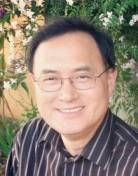
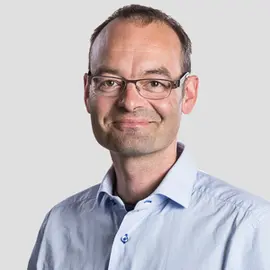
Dmitri Romanov is a Research Professor in the Department of Physics at Temple University. His research focuses on strong-field quantum control in complex systems, including femtosecond laser filamentation, nonlinear optics of filament wake channels, and electronic dynamics in molecules and nanostructures. He explores applications such as light scattering in turbid media and dispersion law engineering for quasiparticles. Key contributions include studies on Rabi sideband control, transient optical nonlinearities, and the development of machine learning algorithms for particle identification in high-energy physics experiments. Romanov has authored influential works on femtosecond laser-matter interactions and co-authored the textbook Modern Advanced Mathematics for Engineers (Wiley, 2001). His recent projects involve collaborations with the Electron-Ion Collider (EIC), focusing on detector design and real-time data processing using FPGA-based systems. Romanov’s work bridges theoretical physics, experimental optics, and applied nanotechnology, with implications for advanced materials and medical imaging.
Abdullah A. A. Ahmed is an Associate Professor in the Department of Physics at Thamar University, Yemen. He earned his Ph.D. from Universiti Putra Malaysia (UPM) in 2012 and served as a postdoctoral fellow there before returning to Yemen in 2013. He has been actively contributing to materials science research, particularly in nanomaterials, optoelectronics, energy storage, and hydrogen storage applications. Ph.D.: Universiti Putra Malaysia (UPM), 2012 Postdoctoral Fellowship: Universiti Putra Malaysia Appointment: Assistant Professor, Thamar University (2013) Promotion: Associate Professor (2019–2020) Dr. Ahmed's research spans advanced materials for energy and medical applications. His work includes the development of biopolymer electrolytes for supercapacitors, DFT studies on perovskite materials, photocatalytic nanocomposites, and nanomaterials for anticancer therapy. He frequently employs techniques such as co-precipitation, electrodeposition, and spectroscopic analysis. His recent publications (2021–2025) show a strong trend toward sustainable energy materials, including hydrogen storage in perovskite hydrides, supercapacitors using biopolymers, and photocatalytic nanocomposites for environmental remediation. There is also a growing interest in biomedical applications of nanomaterials and brain interfacing technologies. Dr. Ahmed serves as a Review Editor for Frontiers in Chemistry in the field of Medicinal and Pharmaceutical Chemistry, contributing to peer review and academic discourse. He has advised graduate students such as Annas Al-Sharabi and Ahmed Al-osta, both affiliated with Thamar University. While no specific grants are mentioned, his extensive publication record suggests active research funding and collaboration. His work is conducted within a collaborative network involving researchers from Malaysia, Saudi Arabia, India, and other international institutions, focusing on cutting-edge materials for energy, environment, and health applications.
Prof. Dr.-Ing. Thomas Musch is a Professor in the Department of Electronic Circuit Technology at the Faculty of Electrical Engineering and Information Technology (ETIT), Ruhr University Bochum. His research focuses on advanced radar systems, microwave engineering, and sensor technology. He leads projects like MEDICI, addressing humanitarian applications such as landmine detection using microwave and radar technologies. His work intersects with electromagnetics, signal processing, and semiconductor devices. Education: Academic qualifications not explicitly listed but inferred from his position as a professor. Research Interests: Prof. Musch’s areas include radar system design, millimeter-wave sensors, phase noise analysis in circuits, and applications in industrial automation, plasma diagnostics, and non-destructive testing. His group develops solutions for real-time monitoring of fluids, gases, and bulk materials using radar and electromagnetic techniques. Publications: Over 150 peer-reviewed articles since 2015, emphasizing radar imaging, microwave components, and sensor innovation. Recent work includes ultra-wideband frequency synthesizers, dielectric waveguide characterization, and AI-driven radar data synthesis. Grants & Collaborations: Involved in interdisciplinary projects, including EU-funded initiatives and international collaborations with institutions like Universidad Pontificia Bolivariana (Colombia). His lab focuses on practical applications like plasma state supervision and humanitarian demining. Labs/Teams: Electronic Circuit Technology Lab at ETIT, specializing in radar systems, microwave circuits, and sensor development. Collaborates with industry partners for practical implementation of research.
Lain-Jong LI is currently serving as the Director of Corporate Research at Taiwan Semiconductor Manufacturing Company (TSMC) since December 2017 and holds the position of Chair Professor at the University of Hong Kong since March 2021. Previously, he has held academic roles including Full Professor at King Abdullah University of Science and Technology (KAUST) from August 2016 to December 2017, Associate Professor at Academia Sinica (Taiwan) from February 2010 to April 2014, and Assistant Professor at Nanyang Technological University (Singapore) from June 2006 to December 2009. His industrial experience includes roles at TSMC as a Process Engineer and Senior R&D Engineer from 1997 to 2002. He obtained his D.Phil. in Condensed Matter Physics from Oxford University (UK) in 2006. Lance Li’s research group focuses on the growth of large-area high-quality 2D semiconductors and the development of advanced device technologies, such as metal contacts, dielectrics scaling, and new architectures for advancing semiconductor nodes. The group also explores energy-efficient devices beyond silicon-based technologies, aiming to continue the scaling of transistors and enhance electronic performance. His research has been published in top-tier journals such as Nature , Nature Nano , and Science , with a focus on 2D materials, semiconductor device engineering, and nanotechnology applications. Recent works include studies on SRAM circuit performance, grain boundary engineering in monolayer materials, and high-κ perovskite insulators for transistors. No scientific awards were explicitly mentioned in the provided text. Information regarding advising and grants is not specified in the available text. Lance Li leads a research group at his current institutions but specific lab names or teams are not detailed in the provided information.
Dr. Alexander H de Vries is a lecturer and post-doctoral researcher at the Faculty of Science and Engineering , University of Groningen , Netherlands. His work focuses on Molecular Dynamics of membranes and proteins, utilizing computational models to study biomolecular systems. Research Areas : Physical Chemistry, Computational Biophysics, Self-Assembly Processes, Force Field Development, Nanotube Formation, and Membrane Dynamics Notable Contributions : Key publications on the MARTINI force field , nanotube self-assembly, and membrane protein delivery systems using nanodiscs Recent work includes high-resolution simulations of supramolecular fiber formation and coarse-grained modeling of organic materials. Collaborates extensively with international researchers in biomolecular simulation and nanotechnology fields.
Elaine Scott serves as the Dean of the School of Engineering at Santa Clara University, a position she assumed in August 2019, making her the first female dean in the history of the School. She also holds the John M. Sobrato Endowed Professorship. Prior to joining Santa Clara, Dr. Scott served as the founding dean of the School of Science, Technology, Engineering and Mathematics (STEM) at the University of Washington in Bothell, where she led the development of innovative degree programs and faculty recruitment. Dr. Scott earned her bachelor's and master's degrees in agricultural engineering from the University of California, Davis, and doctoral degrees in mechanical engineering and agricultural engineering from Michigan State University. Her academic career spans multiple institutions including Virginia Tech, Seattle Pacific University, and the University of Washington, Bothell, where she held professorial positions in mechanical engineering. Dr. Scott's research focuses on characterizing complex thermal systems, with particular emphasis on inverse problems, parameter estimation, and optimization related to bio-systems, power electronics, and aerospace applications. Her bio-systems work ranges from modeling quality loss in frozen foods to blood perfusion estimation, while her power electronics research centers on cooling systems for embedded modules. She has published over 100 refereed technical papers and secured numerous government and industry-sponsored research projects. Her most recent publications demonstrate a continued focus on thermal management challenges across multiple domains. The research shows a progression from fundamental thermal science problems to practical applications in biomedical engineering and power electronics. Recent work has increasingly incorporated engineering education and diversity initiatives, particularly focusing on women and minority students in STEM fields. Fellow of the American Society of Mechanical Engineers (2007) Academic Engineer of the Year, Puget Sound Engineering Council (2016) Distinguished Biosystems & Agricultural Engineering Alumni Award, Michigan State University (2015) Distinguished Engineering Alumni Medal for Academic Achievement, University of California Davis (2014) Women to Watch in Life Science, Life Science Innovation Northwest (2013) Virginia Tech's Philip & Sadie Sporn Award for Excellence in Teaching (2003) Virginia Tech College of Engineering Dean's Award for Excellence in Service (2002) Throughout her career, Dr. Scott has advised numerous graduate students across multiple institutions, with many going on to successful careers in academia and industry. Her research has been supported by various government agencies and industry partners, particularly in the areas of thermal characterization of complex systems. She has played a key role in establishing new academic programs, including the Virginia Tech-Wake Forest School of Biomedical Engineering and Sciences and the School of STEM at the University of Washington Bothell. Dr. Scott has been instrumental in developing research teams focused on thermal systems analysis, with particular emphasis on interdisciplinary approaches that bridge engineering with biomedical applications. Her current work at Santa Clara University focuses on integrating computer science across engineering disciplines and addressing global challenges like climate change through engineering solutions.
Marco A. Antoniades is an Associate Professor at the Department of Electrical, Computer, and Biomedical Engineering at Toronto Metropolitan University. He serves as the Director of the Microwaves & Antennas Laboratory (MA-Lab), focusing on innovative antenna and RF/microwave engineering. Education : PhD (2009), MASc (2003) from University of Toronto, BASc (2001) from University of Waterloo. Research Interests include engineered electromagnetic materials, reconfigurable antennas, metamaterials/metasurfaces, wireless power transfer, and microwave imaging. His work advances 5G and beyond wireless networks through adaptive RF hardware. Selected Publications highlight cutting-edge developments in programmable metasurfaces, leaky-wave antennas, and beam steering technologies for wireless connectivity. Scientific Awards : Best of IEEE Computer Architecture Letters Award (2018), Teaching Innovation Award (2018), IEEE AP-S/URSI Student Paper Competition First Place (2006), Hellenic Canadian Federation Academic Excellence Award (2003). Laboratory : MA-Lab at Toronto Metropolitan University provides state-of-the-art facilities for designing and testing microwave/antenna systems, including simulation software, 3D printing, and PCB prototyping.
Jianwu Sun serves as Associate Professor and Head of the Semiconductor Materials division within the Department of Physics, Chemistry and Biology (IFM) at Linköping University. Holding a permanent Universitetslektor position since receiving his Docent title in 2016, he leads the Sun Research Group with over a decade of combined academic and industrial experience from prior work at IMEC, Belgium. His research focuses on semiconductor materials for renewable energy conversion, particularly cubic silicon carbide (3C-SiC) systems for photoelectrochemical water splitting to produce hydrogen and CO₂ reduction for chemical fuel synthesis. Additional work explores Ga₂O₃-based solar-blind photodetectors leveraging its 4.9 eV bandgap for UV detection applications in communications and astronomy. Analysis of his 2024-2025 publications reveals concentrated efforts on interface engineering of semiconductor heterostructures, with dominant themes in band alignment optimization, surface modification, and catalyst integration to enhance charge separation efficiency and stability in solar fuel production systems. Scientific recognition includes: Approx. SEK 3 million research grant for sustainable development (2016) As division head, Sun directs research activities within Linköping's Semiconductor Materials unit, securing funding for sustainable energy projects while teaching doctoral courses in semiconductor energy conversion. His team includes researchers like Yuchen Shi though specific student advisees aren't documented in available materials. The Sun Research Group operates within Linköping University's advanced materials facilities, specializing in semiconductor synthesis, characterization, and device testing for next-generation renewable energy technologies with emphasis on scalable solar fuel production systems.
Prof. Dr. Martin Mittendorff is a faculty member at the University of Duisburg-Essen , affiliated with the Faculty of Physics and the Experimental Physics department. He leads the Mittendorff research group, focusing on time-resolved THz spectroscopy and 2D materials. Research areas: Terahertz spectroscopy, plasmonics, ultrafast dynamics, 2D materials, and optoelectronics. Current projects: B09 THz Dynamics of Photo-Excited Charge Carriers on the µm Scale . Research Trends : His recent publications highlight THz-driven plasmonic nonlinearities in graphene structures, surface transport in nanograined thermoelectrics, and ultrafast electron dynamics in semiconductor heterostructures. These works bridge fundamental solid-state physics with applications in THz detectors and optical switches. Key collaborators: Stephan Winnerl, Wojciech Knap, Thomas E. Murphy. Students & Lab Culture : Supervised PhD student Ahana Bhattacharya through successful defense. The group maintains an active team culture, exemplified by a 2023 team day involving a canoe trip from Essen-Kettwig to Mülheim Water Station.
Dr. YU KYOUNG RYU CHO is an Assistant Professor at the Departamento de Física Aplicada e Ingeniería de Materiales, Escuela Técnica Superior de Ingenieros Industriales, Universidad Politécnica de Madrid (UPM). She is also an active member of the Instituto Universitario de Sistemas Optoelectrónicos y Microtecnología (ISOM), where she conducts research on nanoscale material engineering. She holds a Physics degree from Universidad Complutense de Madrid and completed her PhD in 2015 at Instituto de Ciencia de Materiales de Madrid (ICMM-CSIC) under Prof. Ricardo Garcia. Her postdoctoral research includes work at IBM Research Zurich (2016–2017) in Dr. Armin Knoll's group and at ICMM-CSIC (2019–2020) with Dr. Andrés Castellanos-Gomez. Her research integrates: Advanced nanofabrication techniques like thermal scanning probe lithography Development of graphene-based energy storage systems (e.g., supercapacitors) Device engineering using 2D materials and silicon heterostructures Laser-induced graphene synthesis for functional applications She has co-supervised 2 PhD, 4 MSc, and 2 BSc students, and authored 25 peer-reviewed articles, 3 book chapters, and a scientific book. She contributes to the Grupo de Dispositivos Semiconductores del ISOM and the Grupo de Innovación Didáctica de la Química.
Dr. Chang Y Choo is a Professor of Electrical Engineering at San José State University, where he also serves as Director of the AI/ML FPGA/DSP Systems Laboratory. His academic career spans over three decades, with previous positions at Worcester Polytechnic Institute and industry experience at Altera Corp. (now Intel). Dr. Choo maintains an active research program focusing on hardware acceleration for AI and signal processing applications, with particular emphasis on FPGA-based implementations for real-world systems. Dr. Choo's educational background includes: Ph.D. in Computer and Systems Engineering, Rensselaer Polytechnic Institute (1986) M.S. in Operations Research and Statistics, Rensselaer Polytechnic Institute (1982) B.S./M.S. in Engineering, Seoul National University, Korea Dr. Choo's research interests center on the intersection of hardware design and artificial intelligence. His work focuses on implementing computer vision, deep learning, and digital signal processing algorithms on specialized hardware platforms including FPGAs, GPUs, and custom ASICs. Current projects include developing real-time illumination/view-independent object recognition systems for autonomous vehicles, wideband acoustic echo cancellation for wearable technology, and FPGA-based accelerators for medical imaging applications. His research bridges theoretical algorithm development with practical hardware implementation constraints. Analysis of Dr. Choo's recent publications reveals a clear trajectory toward increasingly sophisticated hardware-accelerated AI systems. His work has evolved from foundational research in digital signal processing and image compression to cutting-edge applications of deep learning on specialized hardware. Recent publications demonstrate expertise in implementing CNN architectures on FPGAs, developing metabolic syndrome prediction models, and creating food object detection systems using transformer models. This progression reflects the broader field's shift toward hardware-aware AI development. Dr. Choo's significant scientific contributions include multiple patents that have advanced the state of the art in several domains: U.S. Patent No. 9,025,763 (2015): 'Apparatus and Method for cancelling wideband acoustic echo' U.S. Patent Nos. 7,058,675 (2006) and 7,124,161 (2006): 'Apparatus and method for implementing efficient arithmetic circuits in programmable logic devices' U.S. Patent Nos. 5,943,096 (1999) and 6,621,864 (2003): 'Motion vector based frame insertion process' U.S. Patent Nos. 5,832,131 (1998) and 5,991,455 (1999): 'Hashing-based vector quantization' U.S. Patent No. 5,587,710 (1997): 'Syntax based arithmetic coder and decoder' Throughout his career, Dr. Choo has been actively involved in both academic and industry collaborations. He has served as a technical consultant for numerous Silicon Valley companies including National Semiconductor (now Texas Instruments), Philips Semiconductor, Skybox Imaging (acquired by Google), Novariant (now AgJunction), and Ricoh Innovations. His industry experience informs his teaching approach, which emphasizes practical implementation considerations alongside theoretical foundations. Dr. Choo has also served as an expert witness in intellectual property court cases involving audio and video compression algorithms and FPGA hardware. Dr. Choo directs the FPGA/DSP AI/DL Laboratory at San José State University, which focuses on developing hardware-accelerated solutions for real-time AI applications. The lab maintains strong connections with Silicon Valley technology companies and provides students with hands-on experience in cutting-edge hardware design methodologies. Current research directions include autonomous vehicle navigation systems, medical imaging applications, and edge AI deployment strategies.
Dr. Richa Pandey is an Assistant Professor in the Department of Biomedical Engineering at the University of Calgary's Schulich School of Engineering. She serves as a Full Member of the Hotchkiss Brain Institute and is the Principal Investigator of the Wearable and Bio-integrated Technologies (WeBiT) Lab, where she also holds the UCalgary Research Excellence Chair position. Her work bridges biomedical engineering, digital health, and women's health applications. Dr. Pandey earned her Ph.D. in Physical Electronics from Tel Aviv University in 2018. Her educational background provides the foundation for her interdisciplinary research that combines electronics, biomaterials, and medical applications. Dr. Pandey's research focuses on developing innovative healthcare solutions with particular emphasis on women's health challenges including perinatal depression, preeclampsia, cervical cancer, and malaria in pregnancy. Her laboratory specializes in three interconnected research pillars: wearable biosensors for continuous health monitoring, point-of-care diagnostic technologies for decentralized testing, and bioreceptor discovery for enhanced detection systems. These technologies are designed to be accessible, particularly in low-resource settings, addressing significant health inequities through engineering solutions. Her work integrates biology, engineering, and digital health to create medical technologies that are both effective and user-friendly. Analysis of Dr. Pandey's recent publications reveals a strong focus on electrochemical and photoelectrochemical biosensing platforms, with particular emphasis on nucleic acid-based detection systems. Her research spans multiple application areas including infectious disease diagnostics (particularly for SARS-CoV-2), cancer biomarker detection, environmental monitoring, and neurotransmitter sensing. The consistent theme across her work is the development of rapid, sensitive, and field-deployable diagnostic technologies that minimize sample preparation requirements while maintaining high analytical performance. Marie Sklodowska Curie Fellowship, Marie Sklodowska Curie Association Excellence Award, Marian Gertner Institute for Medical Nanosystems Food Security Fellowship, Manna Center for Food Safety and Security Dr. Pandey actively mentors federally and provincially funded students and postdoctoral fellows in her laboratory. Her educational philosophy emphasizes hands-on learning and application of engineering principles to medical challenges. She participates in outreach initiatives that inspire underrepresented groups to pursue engineering careers. Her collaborative approach includes partnerships with clinicians, industry experts, and global health organizations to ensure her research translates into practical, impactful healthcare solutions. Dr. Pandey also teaches multiple courses including BMEN 388 Signals, Systems and Instrumentation I, BMEN 585 Guest Lecture on Point of Care Diagnostics, BMEN 600 Biomedical Engineering Foundations, and BMEN 468 Engineering Design for Biomedical Engineering. The Wearable and Bio-integrated Technologies (WeBiT) Lab serves as the hub for Dr. Pandey's research activities. The laboratory houses federally funded instruments and highly skilled personnel dedicated to developing cutting-edge medical devices. The lab's vision focuses on creating disruptive technologies to engineer health solutions through a multidisciplinary and translational approach. Current projects include Revolutionizing real-time health monitoring through wearable biosensors, Making diagnostics accessible through point-of-care technologies, and developing the foundation of smart sensing through bioreceptor discovery and design.
Dr. Yuliya Volodymyrivna Tanasyuk is an Associate Professor at the Department of Computer Systems and Networks, Chernivtsi National University named after Yu. Fedkovych . She holds a Candidate of Physical and Mathematical Sciences degree (2003) and has been an active researcher and educator in computer science and physics domains. Academic Rank: Associate Professor Email: y.tanasyuk@chnu.edu.ua Her research spans multiple disciplines: Cryptography Cellular Automata Internet of Things (IoT) Software Engineering Network Technologies Project Management Notable trends in her publications include: Applications of cellular automata in cryptographic hash functions (2017–2021) Advancements in CdTe semiconductor materials (2003–2007) Interdisciplinary work bridging physics and computer science Scientific recognition includes: Multiple Cisco certifications (CCNA Security, DevNet Associate) 2023 UGEN Uni-Biz Bridge award for teaching flexibility British Council Academic Teaching Excellence (2016) International conference presentations at E-MRS and ISCP As an academic advisor, she has supervised numerous student research projects including: TensorFlow-based pattern recognition Traffic sign tracking systems Blockchain interaction frameworks University event planning software Smart parking detection systems Her work often intersects hardware-software integration and security protocols, with educational contributions through methodological guides in C++ programming and network technologies.
Prof. Dr. Jürgen Schumacher is Professor at the ZHAW School of Engineering and heads the research focus Electrochemical Cells & Energy Systems . Stationed in Winterthur, Switzerland, he spearheads numerous national and European projects aimed at advancing electrochemical energy conversion and storage technologies. Research Interests His work integrates multiscale modeling with experimental validation to address critical challenges in: Redox flow batteries – organic and hydrogen–bromine chemistries, membrane optimization, and system-level performance models. Proton exchange membrane fuel cells (PEMFC) – two-phase transport, water management, durability under heavy-duty cycles, and degradation coupling. Photoelectrochemical devices – band-structure engineering, optical and carrier-transport modeling for solar water splitting and dye-sensitized solar cells. Porous electrode theory – upscaling from pore-scale to macroscopic descriptions, Monte-Carlo and continuum approaches. Publication Trends Since 2014, his peer-reviewed output has concentrated on physics-based modeling frameworks that bridge electrochemical kinetics, transport phenomena, and material microstructure. Journal of Power Sources and Electrochimica Acta host the majority of his recent articles, reflecting a clear focus on flow batteries and PEMFC durability . A noticeable trend is the coupling of performance and degradation models , enabling predictive lifetime assessment. Ongoing Projects High-throughput screening & synthesis of active materials for flow batteries – Project leader. Robust PEMFC MEAs for heavy-duty applications – Project leader. Doctoral network on micro-process engineering for electrosynthesis – Project leader. Labs & Teams At ZHAW, Prof. Schumacher directs an interdisciplinary team combining electrochemical engineers , numerical modelers , and material scientists . The group operates state-of-the-art facilities for in-situ diagnostics , micro-computed tomography , and high-performance computing clusters dedicated to large-scale simulations of complete cells and stacks.
Wooram Lee is an Associate Professor in Electrical Engineering, specializing in millimeter-wave (D-band) and sub-THz communication systems. His research focuses on integrated circuit design, phased arrays, and optical transceivers for next-generation wireless technologies and sensing applications. Lee’s research interests include Phased Array Engineering , D-band Communication , Optical Transceiver Development , and WDM-PON Systems . He explores calibration-free phase control, energy-efficient designs, and heterogeneous integration of arrays for scalable sub-THz communication and radar applications. Recent publications emphasize advancements in D-band amplifier design , frequency doubler efficiency , and 5G phased array transceivers . His work targets high-performance components like beamformers , power amplifiers , and spectrum sensing processors to address bandwidth and efficiency challenges. Lee has received a Predoctoral Fellowship from the Solid-State Circuits Society (SSCS) (2006–2011). His research is supported by multiple National Science Foundation (NSF) grants , including projects on energy-efficient D-band communication modules and heterogeneously integrated arrays. Current grants from the National Science Foundation fund projects such as Heterogeneously Integrated Arrays for Massively Scalable sub-THz Communications and Sensing (2024–2027) and Heterogeneous module, array antenna, and IC co-design for energy-efficient D-band wireless communications and radar (2023–2026). These emphasize scalable architectures and co-design methodologies for wireless systems.