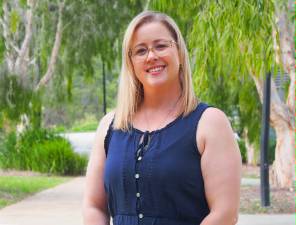
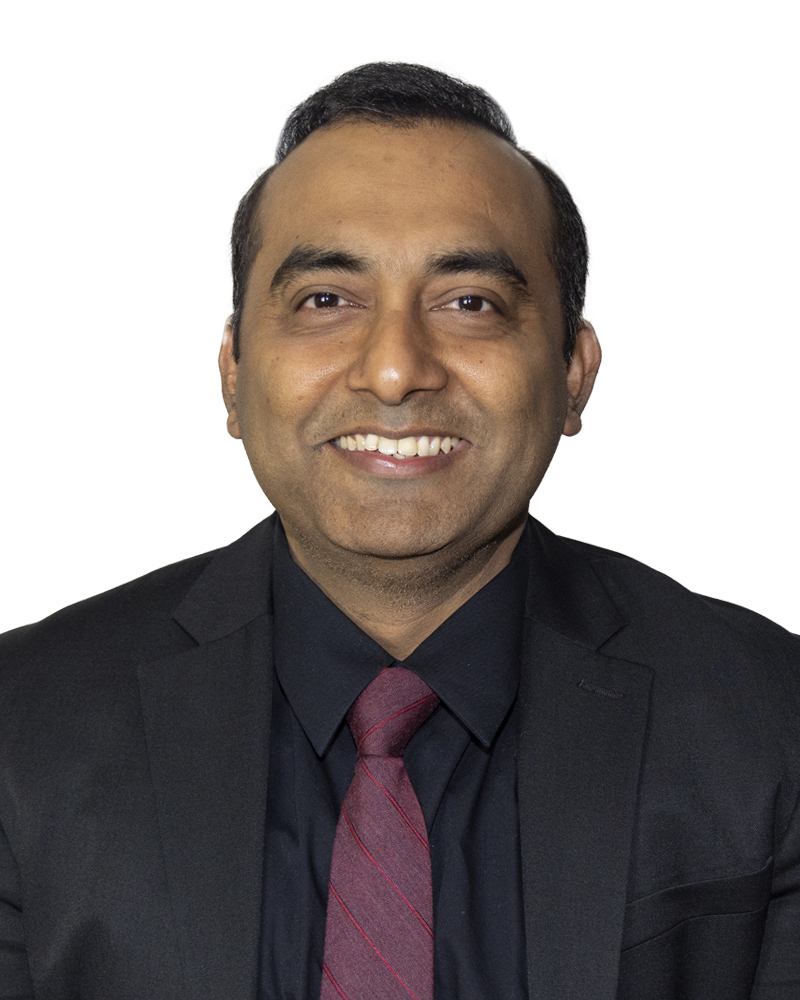
Brooke Coley is an Assistant Professor in Engineering at The Polytechnic School of Arizona State University . She is also affiliated with the Engineering Education Systems and Design department and serves as an Affiliate Faculty Member in the Mary Lou Fulton College for Teaching and Learning Innovation . Ph.D., Bioengineering, University of Pittsburgh B.S., Chemical Engineering, University of Maryland Research Interests include Engineering Education , Social Justice in STEM , Educational Technology , and Biomechanics . Her work focuses on virtual reality for empathy development, hidden populations in engineering, and inclusive pedagogies . She co-leads NSF-funded studies on diversity in makerspaces and identity formation for underrepresented students. Recent Publications highlight themes of anti-Blackness in STEM , equity in engineering education , and inclusive pedagogical tools . Her 2025 articles explore collaborative innovation , advisor support systems , and intersectional leadership in STEM. Scientific Awards include the Apprentice Faculty Grant from ASEE and the AAAS Science and Technology Policy Fellowship . She advocates for inclusion in research, teaching, and service and mentors the National Society of Black Engineers at ASU. Lab and Teams include NSF-funded studies on makerspaces and community college pathways . She co-facilitates international workshops on inclusive maker pedagogies and collaborates with global institutions to redefine engineering cultures .
Daniel Hale is a Professor in the Department of Pediatrics and Chief of the Division of Endocrinology. His work focuses on pediatric endocrine abnormalities, particularly in children with genetic syndromes, growth disorders, and pubertal disorders. He is also active in medical student, resident, and provider education. Education: MD, University of Texas McGovern Medical School (1977) Pediatrics Residency, Medical University of South Carolina (1980) Pediatric Endocrinology Fellowship, Children's Hospital of Philadelphia (1983) Research Trends: Type 2 Diabetes in Youth Genetic Syndromes and Endocrinology Impact of CNS Stimulants on Pediatric Growth Glycemic Control and Complications in Diabetes Chromosome 18 Syndromes Collaborations: Extensive cross-institutional collaborations in diabetes, genetics, and child development. Grants: National Children's Study, GH Trial for Chromosome 18q- Syndromes, DM2 Risk in Mexican Youth, Telehealth Network Grants.
Arlen Rowe is a Postdoctoral Research Fellow at the University of Southern Queensland (USQ) within the Centre for Health Research, affiliated with the School of Psychology and Wellbeing. Her work focuses on improving health outcomes for vulnerable populations through technology-driven interventions. BPych(Hons), University of Southern Queensland (2017) PhD, University of Southern Queensland (2020) Dr. Rowe's research examines digital mental health engagement, particularly for youth and rural populations. Key areas include: Adherence and engagement behaviors in online programs Digital mental health solutions for adolescents Adaptive technology applications Chronic health population interventions Cancer survivorship support Her recent work explores adolescent anxiety interventions, eHealth user experience frameworks, and geographical disparities in cancer care. Notable grants include the HCF Health Services Research Grant (2022) and Australian Rotary Health funding (2020). Awards: Advance Queensland PhD Scholarship (2017) Australian Psychological Society Health Psychology Thesis Award (2021) Dr. Rowe contributes to digital mental health supervision and collaborates on projects addressing rural healthcare challenges.
Mehdi Mehrali serves as a Senior Researcher in the Department of Civil and Mechanical Engineering at the Technical University of Denmark (DTU), Denmark. His research spans advanced materials engineering with focus on sustainable construction and biomedical applications. Research Focus: Dr. Mehrali's work centers on geopolymer engineering , hydrogel development , and nanomaterial reinforcement for 3D-printed construction. His fingerprint reveals expertise in biomaterials (39%), graphene (45%), and phase change materials (27%), contributing to UN Sustainable Development Goals through sustainable infrastructure solutions. Publication Trends: Recent work demonstrates convergence of civil engineering with AI-driven material design (e.g., machine learning for geopolymer extrusion) and biomedical applications (e.g., antibacterial hydrogels). His 2025 publications show strong emphasis on multifunctional composites with self-sensing capabilities and robotic integration. Awards & Recognition: 6 similar researcher profiles identified in global networks 5 Mendeley readers for recent work Featured in 3 X (Twitter) discussions Supervision & Grants: Actively supervises three PhD candidates on 3D-printed construction materials while collaborating on major projects including COOLBATTERY (€2.1M) and RESTORATIVE grid-scale energy storage. His research attracts significant downloads (321 for hydrogel review) and citations (30+). Laboratory Focus: Leads research in Materials and Surface Engineering at DTU's Produktionstorvet facility, specializing in printable geopolymers, hydrogel robotics, and cement-based smart materials for sustainable construction.
Ellen Robey is a Professor of Immunology and Molecular Medicine at the University of California, Berkeley, serving as Division Head of the IMM Division. Her research focuses on signaling pathways controlling T cell fate decisions, using mouse models to study T cell development and immune responses, including mechanisms of thymic selection and CD4/CD8 lineage commitment. She employs 2-photon imaging to analyze T cell behavior in situ, particularly during parasitic infections like Toxoplasma gondii . Robey’s lab investigates how self-reactivity influences thymic selection timing and develops collaborative projects combining multi-omics approaches with spatial and temporal analyses of thymic development. Key research areas include understanding negative/positive selection mechanisms in the thymus, immune response dynamics during chronic infections, and the role of unconventional T cell subsets recognizing non-classical MHC molecules. The lab has pioneered studies on Qa1-restricted T cells and their role in host defense against pathogens. Her work bridges basic immunology with cutting-edge imaging and systems biology tools to unravel complex immune processes. Lab collaborations include projects with Nir Yosef and Aaron Streets to create high-resolution thymic developmental maps using single-cell multi-omics. Current efforts also explore how ERAAP downregulation alters antigen presentation, influencing T cell responses. The Robey Lab emphasizes diversity in its team, fostering an inclusive environment for scientific innovation.
Professor Matt Garratt is a faculty member at the University of New South Wales (UNSW Canberra), School of Engineering and IT, serving as AI theme lead for the Defence Trailblazer Universities initiative with over $200 million in funding. His primary research focuses on sensing, guidance, and control for autonomous systems within robotics and unmanned aerial vehicles. Garratt's research spans robotics, swarm intelligence, and autonomous systems with emphasis on bio-inspired navigation techniques and adaptive flight control. His work addresses critical challenges including terrain following using vision systems, landing UAVs on moving platforms, and developing self-organizing swarms. He integrates artificial intelligence, computer vision, and machine learning to advance unmanned systems capabilities in complex environments. Analysis of his recent publications reveals strong trends in bio-inspired UAV navigation (particularly honeybee behavior modeling) and swarm robotics applications. His work increasingly incorporates deep learning for perception tasks while addressing real-world challenges like gas plume detection and adversarial robustness in 3D vision systems. The research demonstrates consistent progression toward practical implementation of autonomous systems in dynamic environments. Professor Garratt has secured over $7.7 million in external research funding as Chief Investigator on 33 grants. He actively mentors graduate students with scholarships available for Masters and PhD research in robotics and AI, focusing on: UAV path planning and adaptive control systems Swarm robotics collective motion optimization Bio-inspired autonomous navigation techniques Computer vision for robotic perception He co-founded the UNSW Canberra AIR (AI and Robotics) Group (AIR Lab), which drives research in trusted autonomy, swarm intelligence, and AI integration for defense applications. The lab develops practical solutions for autonomous systems operating in complex, real-world environments while maintaining ethical AI frameworks.
Kristiina Brunila is Professor of Educational Sciences at the University of Helsinki , Finland. She is affiliated with the Department of Educational Sciences , the AGORA Research Center for Social Justice and Equality in Education , the Institute of Sustainability Science (HELSUS) , and the Teachers' Academy . She also serves as a supervisor in the Doctoral Programs in Gender, Culture, and Society Studies and in School, Education, Society, and Culture. Her research critically examines the intersections of education, power, and governance , with a particular focus on neoliberal policy regimes , therapeutic governance , youth subjectification , and educational inequality . She employs feminist , deconstructive , and discursive methodologies to explore how education systems produce and regulate subjectivities under market-driven and psychologized paradigms. Brunila has led and co-led multiple externally funded research projects, including AGORAEd , FuturEd , CoSupport , and TASOVA , addressing themes such as social justice in education, youth vulnerability, and future-oriented governance. Her work has been recognized with awards such as the Maikki Friberg Equality Award and the Adult Educator of the Year . Scientific Awards: Adult Educator of the Year (2011) Faculty Student Union Merit Badge with Golden Merit (2012) Candidate for Bonus Magister – Excellent Teacher Award (2016) Honourable Mention, Nordic Journal of Migration Research Best Article Award (2024) Maikki Friberg Equality Award (2021) Doctoral Supervision and Mentoring: Supervisor or co-supervisor of 14+ doctoral theses Supervisor in Doctoral Program in Gender, Culture and Society Studies Supervisor in Doctoral Program in School, Education, Society and Culture Research Projects: AGORAEd : AGORA for the study of social justice and equality (Project Director) FuturEd : Interrupting Future Trajectories of the Precision Education Governance (Project Director) CoSupport : Interrupting Youth Support Systems in the Ethos of Vulnerability (Project Director) TASOVA : Equality in Regional Development (Project Director)
Jonas Beskow is a Professor and Head of Division at the Division of Speech, Music and Hearing at KTH Royal Institute of Technology. His research focuses on multimodal interaction, speech synthesis, robotics, and human-robot interaction. He leads the Learning style variation in nonverbal behaviour for social robots and agents project as part of Digital Futures, a cross-disciplinary research center. His work involves developing social robots like the Furhat head and advancing technologies for gesture synthesis, audio-driven motion, and adaptive intelligent systems. He holds roles as Co-PI for the Advanced Adaptive Intelligent Systems (AAIS) and Adaptive Intelligent Homes (AIH) projects. His research spans robotics, computer graphics, and clinical applications such as dementia detection through multimodal patient behavior analysis. Beskow also contributes to educational initiatives, supervising courses in computer science and engineering, including degree projects in machine learning and systems engineering. Publications highlight innovations in gesture generation, speech-driven animation, and socially-aware robotics. Collaborations with institutions like Stockholm University and RISE Research Institutes drive interdisciplinary solutions. His work bridges artificial intelligence, human-computer interaction, and assistive technologies, emphasizing ethical and societal impacts of emerging digital systems.
Roozbeh Tabrizian is an Associate Professor in the Department of Electrical & Computer Engineering at the University of Florida, holding the Nelms Rising Star Endowed Professorship. His research focuses on RF micro- and nano-electro-mechanical systems (RF N/MEMS), nonlinear and nonreciprocal systems, and ferroelectric materials for sensing and information processing. He has received prestigious awards including the NSF CAREER Award (2018) and DARPA Young Faculty Award (2019). Education: PhD in Electrical Engineering from Georgia Tech (2013), BS from Sharif University of Technology (2007). Research interests include developing temperature-stable acoustic resonators, ferroelectric transducers, and novel materials for high-frequency applications. His work bridges nanotechnology, materials science, and MEMS to create innovative devices for communication and sensing. Key scientific awards include the HWCOE Innovation Award (2025), DARPA Director’s Fellowship (2021), and multiple best paper awards at international conferences. His grants include the NSF CAREER Award supporting nano-acoustic waveguide research. He advises on advanced MEMS fabrication techniques and collaborates on CMOS-compatible resonators. His lab develops nanoelectromechanical tags for anti-counterfeiting and high-precision frequency control systems.
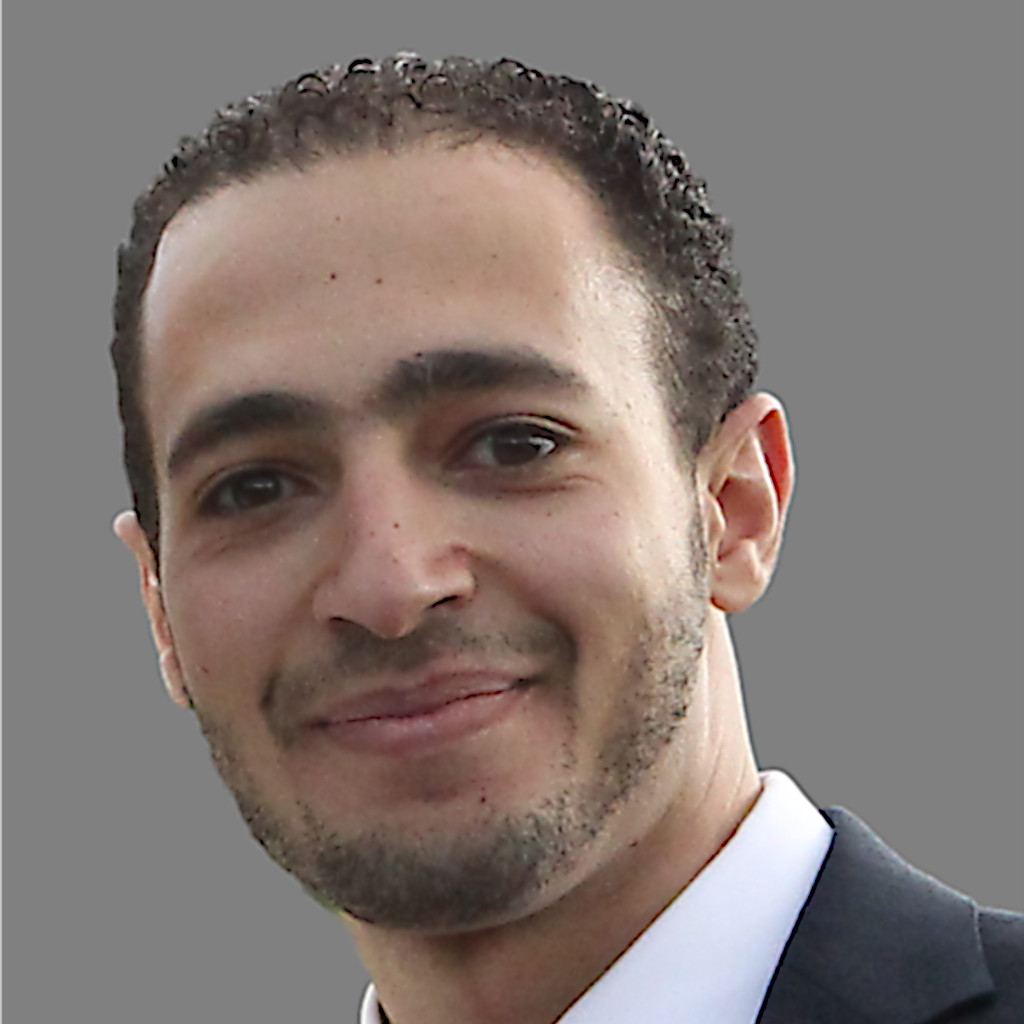
Osama Bilal is an Assistant Professor at the University of Connecticut (UConn), leading the We-Xite Lab focused on Wave Engineering through Extreme & Intelligent Materials. His research explores metamaterials for programmable wave control, combining mechanics, materials science, and advanced manufacturing. He holds a multidisciplinary background in aerospace engineering, computer science, and condensed matter physics from institutions including Caltech, ETH Zurich, and Cairo University. Prof. Bilal’s work bridges theory, simulations, and experiments to design multifunctional structures with unprecedented properties. Key areas include acoustic metamaterials, soft robotics, and topology optimization. His lab has developed 3D-printed ferroelectric programmable metamaterials and bistable systems for selective wave filtering. Notable recognitions include the ARL Postdoctoral Fellowship, ETH Zurich Postdoctoral Fellowship, and inclusion in the World’s Top 2% Scientists list. Research Groups: Active Faculty Member, Applied Mechanics & Advanced Materials Processing Lab Activities: Supervises students like Roshdy M., Samak M.M., and Evan, who have won multiple top awards in competitions. Recent publications highlight breakthroughs in flat band phononic metamaterials, auxetic metamaterial dynamics, and self-assembly of magnetic lattices. His team has presented at ASME IMECE and won best presentation awards at conferences like Phononics in Manchester. Ongoing projects aim to advance programmable materials for energy localization, flow control, and biomedical applications.
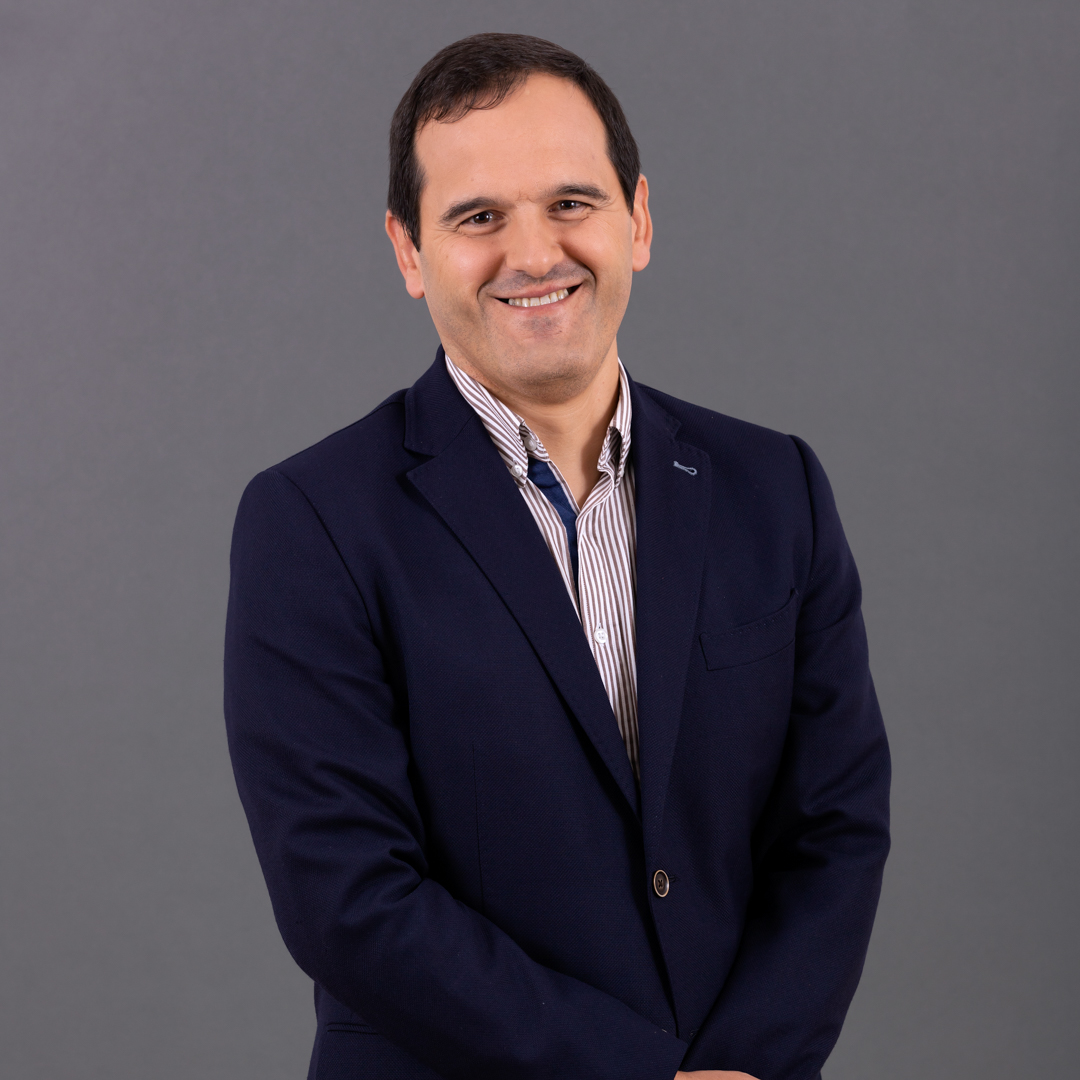
Nuno Fernandes Crespo is an Associate Professor at the Department of Strategic Management and Marketing, Lisbon School of Economics & Management (ISEG), University of Lisbon. He holds a PhD in Management (2013), a Master's in Management and Industrial Strategy (2004), and a Bachelor's in Management (1999) from ISEG. His research focuses on International Business, Entrepreneurship, and Strategic Agility in international new ventures (INVs), particularly during crises. He has published extensively in journals like International Business Review , Journal of International Management , and Technological Forecasting & Social Change . His 15 most recent works (2023–2025) explore themes including: Business model innovation during crises Supplier-country image effects in B2B marketing Sustainable entrepreneurship in family firms Digitalization and early internationalization strategies Country-of-origin stereotypes in industrial marketing Dynamic capabilities in INVs He supervises Master's students in topics spanning internationalization, digital transformation, family business strategy, and innovation. Professional roles include coordinating the Master's in Management and Industrial Strategy (2016–2022), serving on ISEG’s Executive Commission, and leading the Doctoral Program in Management (2018–2022). His methodology integrates empirical research, mixed methods, and configurational approaches.
Assoc Prof Jason Skues is an Associate Professor in the School of Health Sciences at Swinburne University of Technology, where he contributes significantly to research, teaching, and PhD supervision. His work focuses on mental health, identity development, cultural intelligence, and psychological wellbeing across diverse populations including university students, prisoners, vocational trainees, and emerging adults. University: Swinburne University of Technology School: School of Health Sciences Academic Rank: Associate Professor Email: jskues@swin.edu.au His research interests span applied and developmental psychology, social and personality psychology, and clinical and health psychology. He investigates mental health literacy, cyberbullying, identity processes, and the psychological impact of educational and vocational experiences. His work often employs qualitative and mixed methods to explore complex human behaviors and interventions. The most recent publications show a strong trend toward mental health in educational and vocational contexts, prison mental health, cultural intelligence development through international exchange, and cyberbullying in emerging adults. His research consistently addresses real-world applications, aiming to improve training, policy, and psychological support systems. Office of Learning and Teaching (OLT) Citation (2012) Jason Skues supervises a wide range of PhD projects, particularly in identity development, mental health interventions, cyberbullying, and educational psychology. He has secured multiple competitive research grants from bodies including the Department of Justice, Department of Defence, and St. John's University, supporting studies on sleep problems, smoke-free prisons, and human-machine interface technologies. His collaborative network includes researchers across psychology, nursing, education, and forensic science. He leads and contributes to research teams focused on mental health in higher education, justice care, and vocational training. His work with simulated persons in nursing education and prison-based mental health programs highlights his commitment to innovative, evidence-based interventions.
Tom F.A. de Greef is a Full Professor at Eindhoven University of Technology's Biomedical Engineering department, leading pioneering research at the intersection of synthetic biology, molecular computing, and engineered living systems. He founded the Center of Living Technologies and serves as a Core Professor at the Institute for Complex Molecular Systems (ICMS). Key research areas: Biological Computing Devices, DNA-based Data Storage, Engineered Living Materials, Synthetic Cell Engineering, Digital Chemistry, and Protocell Communication. His work has resulted in over 100 publications in Nature , Nature Chemistry , and Nature Nanotechnology , supported by prestigious awards including ERC Consolidator, Starting, and PoC grants, as well as NWO's VICI, VIDI, and VENI grants. He received the Cram-Lehn-Pedersen Prize in 2017 and was named a Groundbreaking TU/e Researcher in 2022. Leadership roles: Founding member of Center of Living Technologies, Principal Investigator at TU/e, and Fellow of the Netherlands Academy of Engineering. He supervises a large research group with >15 PhD students and leads collaborations across international institutions, focusing on programmable molecular systems and sustainable technologies aligned with UN SDGs.
Professor Luke Connal is a full professor at the Research School of Chemistry at the Australian National University (ANU), where he leads the Connal Group. He joined ANU in 2017 after serving as a Senior Lecturer at the University of Melbourne. Currently, he holds an ARC mid-career industry fellowship and serves as the chair of the Royal Australian Chemical Institute (RACI) polymer division. Professor Connal is also an associate editor for the Royal Society of Chemistry journal "Molecular Systems Design and Engineering" and co-founder of two spin-out companies focused on polymer technologies. Professor Connal received his Bachelor of Chemical Engineering and PhD in polymer chemistry from the University of Melbourne, Australia. Following his doctoral studies, he completed a post-doctoral position with Professor Frank Caruso at the University of Melbourne, developing new techniques for the self-assembly of polymers. He then held a joint Sir Keith Murdoch postdoctoral Fellowship and Australian Linkage International Fellowship at the University of California, Santa Barbara, working with Professor Craig Hawker. Professor Connal's research focuses on the development of molecular design concepts to create new materials for diverse applications, including artificial skin and tissues, sustainable polymers and surfactants, additive manufacturing electronics, and water harvesting. His core competencies center around advanced polymer design, self-assembly, and catalysis . His group explores four main research themes: Catalysis, Functional Materials and Interfaces, Soft Matter, and Supramolecular Chemistry . They develop innovative materials such as enzyme-inspired polymer catalysts, smart polymers for 3D printing, and polymer electrolytes for energy storage applications. Analysis of Professor Connal's recent publications reveals a strong focus on developing biomimetic materials and responsive polymers. His work bridges fundamental polymer chemistry with practical applications in environmental remediation, healthcare, and sustainable technologies. A notable trend is the increasing emphasis on CO2 capture technologies through enzyme-inspired catalysts and hydrogel systems. His group has also made significant contributions to 3D printing of functional materials , particularly self-healing gels and pH-responsive polymers. The research demonstrates a consistent trajectory toward creating smart, responsive materials with applications addressing global challenges in sustainability and healthcare. David Syme Research Prize (2020) Grimwade Prize in Industrial Chemistry (2019) Professor Connal actively supervises multiple PhD students including Lilian Boton, Jason Buchanan, Sandra Jestin, Saif Rahaman, Peidong Shen, Ming Li Tan, Moki Thanusing, and Jekaterina Viktorova. His current research is supported by several significant grants including projects on sustainable and compostable plastic alternatives, multimaterial 3D printed antenna arrays, developing vitrimers as next-generation reusable plastics, multi-material 3D printing, and smart materials for atmospheric water management. These projects demonstrate his commitment to translating fundamental polymer research into practical solutions for environmental and technological challenges. The Connal Group at ANU operates at the intersection of polymer chemistry and materials science, developing innovative solutions across multiple domains. Their laboratory work focuses on creating new polymers with applications spanning artificial skin development, sustainable packaging alternatives, atmospheric water harvesting, and advanced electronics. The group's unique approach combines biomimicry principles with cutting-edge polymer synthesis techniques to create materials with precisely controlled properties. Current projects include developing strong and self-healing polymer materials for biological applications, expanding 3D printing capabilities for functional materials, creating fully recyclable or compostable plastics, and designing thermoresponsive polymer desiccants for sustainable water harvesting.
Priyanko Guchait is a tenured Full Professor and Program Director of the Doctorate in Global Hospitality Leadership (DGHL) at the Conrad N. Hilton College of Global Hospitality Leadership , University of Houston. His research focuses on organizational behavior, leadership, human resources, and service management in hospitality contexts, with over 75 peer-reviewed articles published. Education: B.E. in Mechanical Engineering, University of Pune, India M.S. in Hospitality Management, University of Missouri M.S. in Human Resources and Employment Relations Ph.D. in Hospitality Management, The Pennsylvania State University Research Interests include error management culture, psychological safety, service recovery performance, leader behavioral integrity, and AI’s impact on hospitality workers’ mental health. His work examines shame, forgiveness climate, and team dynamics in service environments. Article Trends show a focus on multi-level error management, human-robot collaboration in service recovery, diversity inclusion climates, and cross-cultural leadership studies. Recent papers explore AI ethics, pandemic response strategies, and emotional labor in hospitality roles. Awards & Honors Stephen Rushmore/HVS Research Excellence Award (2023, 2015) Donald Greenaway Excellence in Research, Teaching, and Service Award (2022) Best Paper Award, The Service Industries Journal (2023) ICHRIE Faculty Collegiality Award (2021) ICHRIE McCool Breakthrough Award (2021) Honored as 50-in-5 Scholar (2021) Provost’s Excellence Award (2015) Best Reviewer Awards (IJCHM 2016-2017) Committee & Editorial Roles include Associate Editor of IJCHM, Coordinating Editor of IJHM, and leadership positions at ICHRIE (President 2020-2021, Vice President 2019-2020). He has served on university curriculum, research, and Ph.D. selection committees.