- Climate Change
- Climatology
- Mountain Cryosphere
- +۹ مورد دیگر
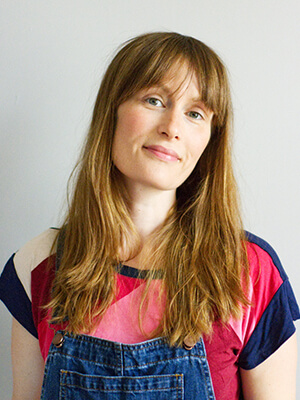
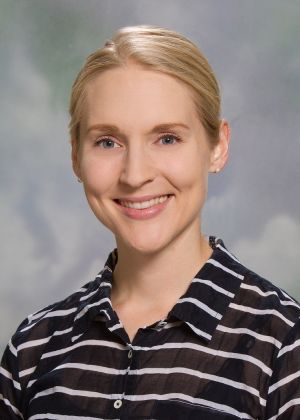
Maria Shahgedanova is a Professor in the Department of Meteorology at the University of Reading, Faculty of Science. She serves as Programme Co-Director for the MSc in Environmental Management and teaches climatology and climate change at both undergraduate and postgraduate levels. She is affiliated with key research groups including the Walker Institute, Water@Reading, and the Environmental Science Research Division. Research Interests: Her work centers on climate change and variability in extratropical Eurasia and mountainous regions, with emphasis on the mountain cryosphere, glacier dynamics, water resources, and natural hazards. She investigates the impacts of light-absorbing impurities on snowmelt, uses stable water isotopes in hydrological assessments, and develops meteorological forecasts for early warning systems. Her research is particularly focused on Central Asia and High Mountain Asia. The recent publications reflect a strong trend in climate-hydrology interactions in glacierized environments, with increasing emphasis on disaster risk reduction, isotope hydrology, and climate adaptation. Much of her work integrates remote sensing, modeling, and field data to assess future water security and hazards under climate change. University of Reading Engagement and Impact Award (2022) Schlumberger Foundation Fellowship Climate and Cryosphere (CliC) Fellowship Contributing Author, IPCC SROCC Chapter on High Mountain Areas Maria leads multiple international research projects funded by IAEA, UKRI, the Royal Society, and GCRF. She supervises PhD students including Qiao Li and Saule Suleimenova, and mentors postdoctoral researchers such as Dr. Gavkhar Mamadjanova and Dr. Vadim Yapiyev. She leads the Mountain Observatories working group at the Mountain Research Initiative (MRI) and established the Central Asia Research and Adaptation Water Network (CARAWAN), enhancing regional collaboration and capacity building. Her team’s work at the Tuyuksu Mountain Observatory has gained international recognition, including coverage in the New York Times . She actively collaborates with ECMWF, WMO’s Third Pole Regional Climate Change Network (TPRCC), and IAEA’s GLOWAL network, demonstrating strong engagement in global climate science initiatives.