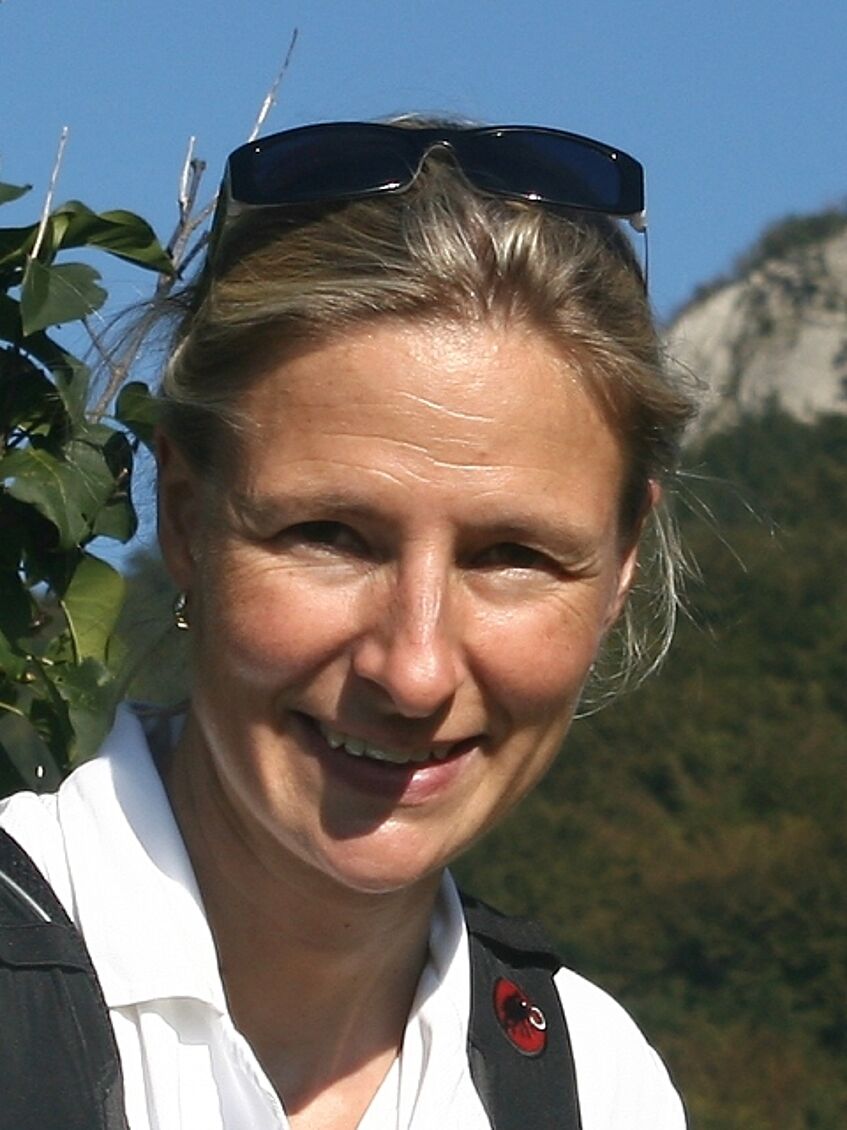
Sabine Glasl-Tazreiter is a Lecturer at the University of Vienna's Faculty of Life Sciences , specifically within the Department of Pharmaceutical Sciences and its Division of Pharmacognosy . Her office is located in room 2E 412 on the 4th floor at Josef-Holaubek-Platz 2, Vienna, Austria (1090). Contact details include telephone number +43-1-4277-55207 and email sabine.glasl@univie.ac.at . Principal research focus: Phytochemistry & Biodiscovery Specialization: Secondary metabolites from ethnomedicinally used plants across Europe, Mongolia, and Latin America Key techniques: Isolation of bioactive compounds, structural elucidation, pharmacological evaluation Quality control expertise: Macroscopic/microscopic identification, chemical analytics Recent publications highlight her work in: 2024 - Development of the VOLKSMED Database for Austrian folk medicine wound healing plants 2025 - Advanced mucociliary clearance research in respiratory systems 2023 - Innovations in optoacoustic imaging technology 2019 - Structure-function analysis of phycobiliproteins for medical imaging 2017 - Phytochemical characterization of Latin American antidiabetic plants
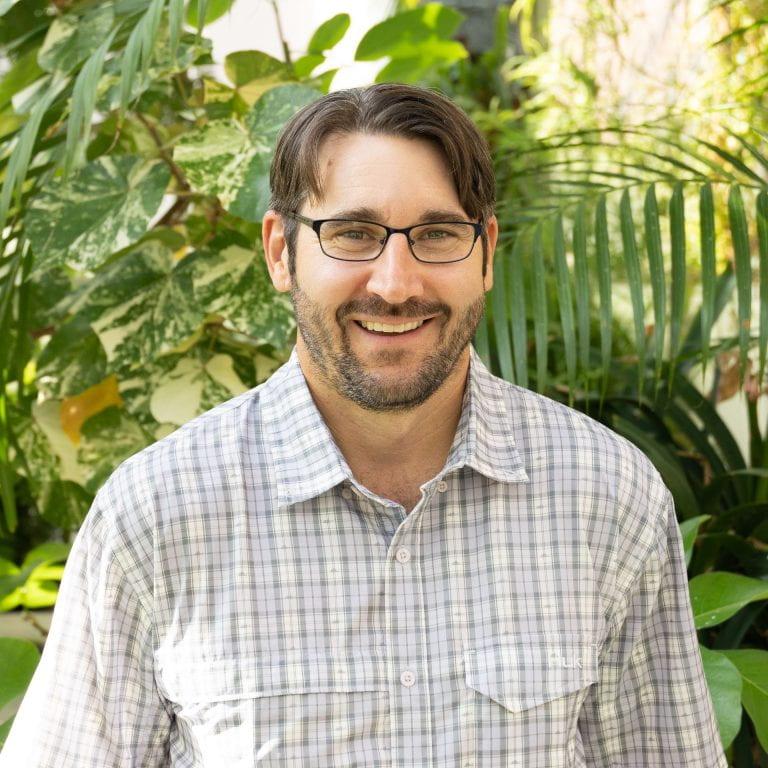
Brian D. Gregory is a Professor of Biology at the University of Pennsylvania's School of Arts & Sciences. His research focuses on RNA modifications, computational biology, and plant genetics, particularly studying how RNA modifications regulate gene expression in plants and animals. He holds a Ph.D. from Harvard University (2005) and a B.S.A. from the University of Arizona (2000). Research Interests: RNA epitranscriptomics (e.g., m6A, NAD+ caps) RNA secondary structure and protein interactions Genomic approaches to study plant stress responses Development of high-throughput sequencing tools like PIP-seq Recent Work Highlights: Recent studies include analyzing pathogen-induced RNA modifications' role in plant immunity (Plant Cell 2023), global RNA structure/protein interaction mapping, and epitranscriptomic dynamics in drought tolerance. His lab's work bridges computational methods with molecular genetics to uncover post-transcriptional regulatory mechanisms. Lab & Collaborations: The Gregory Lab uses Arabidopsis thaliana as a primary model organism but also explores animal systems. They collaborate with institutions like Cornell University and have developed protocols published in Current Protocols in Molecular Biology. Teaching: BIOL 4231: Genome Sciences and Genomic Medicine BIOL 6010: Communication for Biologists
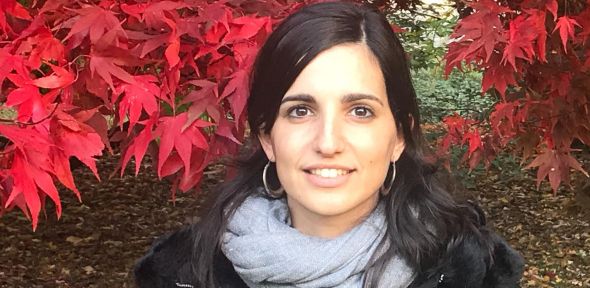
Dr Ares Llop Naya serves as an Affiliated Catalan Lecturer in the Department of Spanish and Portuguese within the Faculty of Modern and Medieval Languages and Linguistics at the University of Cambridge, while holding the Batista i Roca Fellowship at Fitzwilliam College. Her academic profile bridges theoretical linguistics with practical language pedagogy, focusing on Romance language structures and their educational applications. Her research centers on microsyntactic variation in Romance languages, particularly examining negation systems and syntactic phenomena in Catalan and Pyrenean varieties through both diachronic and synchronic lenses. She actively integrates theoretical insights into language teaching methodology, specializing in Catalan and Spanish pedagogy for both native and foreign language contexts. This dual focus manifests in her publications spanning syntactic theory, dialectology, and innovative language teaching approaches that address contemporary classroom challenges. Analysis of her publication trajectory reveals consistent thematic concentration on Romance microvariation, with recent work expanding into pedagogical applications. Her scholarship demonstrates methodological diversity—combining linguistic atlas data, corpus analysis, and classroom research—while maintaining core focus on Catalan syntax and its implications for language acquisition theory. The Pyrenean linguistic corridor remains a persistent geographical anchor across her diachronic and synchronic investigations. Dr Llop Naya's scholarly contributions have been recognized through prestigious awards: Joan Solà International Prize in Catalan Philology for her monograph on Romance negation systems Her teaching portfolio encompasses advanced courses in Romance linguistics, historical syntax, and sociolinguistics, with particular emphasis on translating theoretical frameworks into practical classroom resources. While specific grant funding details aren't publicly documented, her work consistently addresses real-world language education challenges through collaborative projects like the Microvariació.cat initiative. She contributes to the Microvariació.cat project—a digital repository documenting syntactic variation across Catalan dialects—which serves as both research infrastructure and pedagogical resource. This initiative exemplifies her commitment to creating practical applications from theoretical linguistic research while preserving endangered dialectal features of the Romance continuum.
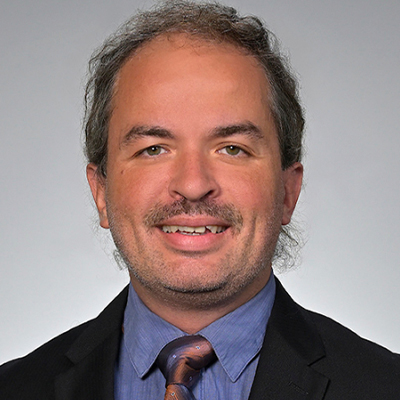
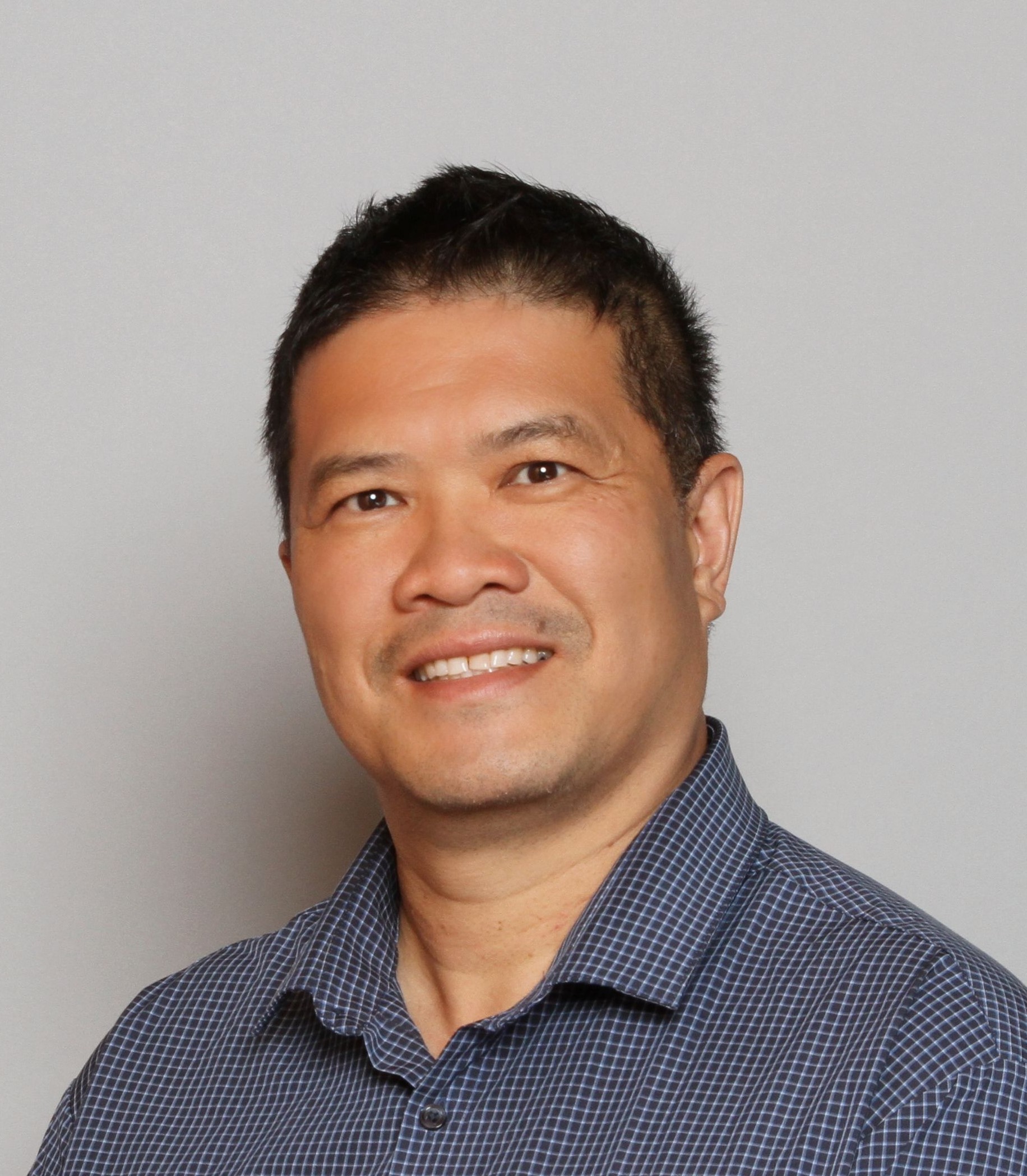
Dr. Raimon Tolosana Delgado is a Research Fellow at the Helmholtz-Zentrum Dresden-Rossendorf (HZDR), affiliated with the Helmholtz Institute Freiberg for Resource Technology. He leads research in predictive geometallurgy and statistical analysis of mineral resources, focusing on translating geological data into processing insights. His research integrates geostatistics , compositional data analysis (CoDa) , and machine learning to model ore behavior and resource potential. Key areas include: Predictive geometallurgy for forecasting ore/waste behavior Bayesian statistics for parameter estimation and uncertainty analysis Development of R-based tools (e.g., compositions and gmGeostats packages) for mineral data analysis Particle-based process modelling for mineral separation optimization Recent publications emphasize machine learning integration (e.g., neural networks for geophysical tensor fields), tailings reprocessing (3D geostatistical assessment of resource potential), and advanced statistical methods for compositional data. A consistent trend involves enhancing predictive accuracy in mineral processing through multi-source data fusion. Dr. Tolosana Delgado coordinates the development of technology platforms for geometallurgical data analysis, including databases and interfaces for industrial applications. His work bridges ore geology, mineral processing, and metallurgy to optimize resource efficiency.
Giacomo Fiumara is an Associate Professor at the University of Messina, Department of Mathematical and Computer Sciences, Physical Sciences and Earth Sciences. He holds academic rank since October 2021. Previously, he served as a Permanent Researcher (2008–2021) and secondary school teacher (1997–2008). He earned a Doctorate in Physics (1993) and a Degree in Physics (1989), both from the University of Messina. He is an associate member of the Accademia Peloritana dei Pericolanti and qualified as an associate professor in INF/01 and ING-INF/05 sectors. His research focuses on social network analysis, network science, data science, criminal networks, knowledge representation, bioinformatics, and computational modeling. He has supervised over 170 theses and advised PhD students in Mathematics and Computational Sciences. Key collaborations include work with Prof. Pasquale De Meo on criminal networks and complex systems, and international projects with institutions in the US, UK, China, and Australia. Teaching includes courses on Algorithms, Data Structures, Bioinformatics, and Machine Learning across Computer Science, Engineering, and Medical programs since 2000. He also contributed to international programs at Lviv Polytechnic, Birzeit University, Cluj-Napoca, and Murcia. His editorial roles include Associate Editor of IEEE Access and Academic Editor of Complexity. He holds a patent for predictive analysis of criminal organizations' social structures and has received FFABR research funding. Key awards include FFABR funding (2017) and recognition in the FFABR Unime 2020 II edition. He organized conferences like Crimenet 2014 and participated in high-profile events such as the 2022 Complex Networks conference in Palermo, presenting on quantum walks for criminal network analysis.
Pavel P. Kuksa is a Research Assistant Professor in the Department of Pathology and Laboratory Medicine, specializing in bioinformatics, computer science, and functional genomics. His work focuses on high-throughput sequencing analysis, chromatin interaction data, and developing scalable software platforms for genomics research.
Tom Woo is a Professor in the Department of Chemistry at the University of Ottawa's Faculty of Science. His research focuses on computational quantum chemistry, catalysis, and energy-related systems. Using advanced molecular simulations, his group explores microscopic chemical processes and develops novel methods for energy storage, pharmaceutical catalysis, and material design. Key projects include studying catalytic systems for energy conversion and pharmaceutical synthesis, leveraging computational tools to uncover reaction mechanisms inaccessible via experiments. Research interests span computational chemistry, quantum chemistry, molecular dynamics, and nanotechnology. The Woo Group applies these methods to design metal-organic frameworks (MOFs) for CO2 capture, hydrogen storage, and other energy applications. Their work bridges theoretical models with experimental validation, emphasizing high-throughput screening and machine learning. Publications highlight breakthroughs in MOF design, computational validation of material databases, and carbon capture technologies. Collaborations focus on interdisciplinary challenges in energy sustainability and pharmaceutical catalysis.
Professor Jean-Francois Hennart holds the position of Professor of International Management at Tilburg University's TS Economics and Management school, specializing in the Strategy & Entrepreneurship department. His career spans over four decades, including roles at leading institutions like the University of Illinois at Urbana-Champaign, Wharton School (University of Pennsylvania), and Copenhagen Business School. He has also held positions with the United Nations and Maryland’s Department of Economic and Community Development. His research focuses on applying transaction cost theory to multinational enterprises, particularly exploring foreign market entry strategies, equity joint ventures, and the governance of international business operations. Key areas of study include mergers and acquisitions, strategic management, and firm-specific advantages in global contexts. Notable contributions include over 126 research outputs, with recent works addressing born global enterprises, transaction cost theory applications, and data-driven challenges in international business research. He has secured seven research projects funded by various institutions. Academic recognition includes the Gold Medal for JIBS publications (2019), Booz&Co Eminent Scholar award (2014), and multiple best paper awards. His work bridges theoretical frameworks with practical implications for global corporate strategy.
Professor Cyrill P. Rigamonti is a Tenured Professor of Law at the University of Bern, where he teaches intellectual property law, antitrust/competition law, and media law. He serves as Director of the Institute for Economic Law and Chair of the Department for Economic Law, and is the founder of the Center for the Law of Innovation and Competition (CLIC). Professor Rigamonti is also an elected member of the Federal Arbitral Commission on Copyright and Neighboring Rights, serving as its President since 2024, having previously been Vice President since 2020. Professor Rigamonti holds a S.J.D. from Harvard Law School, an LL.M. from Georgetown University Law Center, and a J.D./Ph.D. from the University of Zurich. He also earned a habilitation from the University of Bern and is admitted to practice in New York and Zurich. His academic career includes a visiting position at the University of Oxford's Faculty of Law and Oxford Intellectual Property Research Centre in Spring 2024. Professor Rigamonti's research focuses on intellectual property law, particularly copyright, patent, and trademark law, as well as competition law. His work examines the intersection of intellectual property with fundamental rights, digital technologies, and international harmonization efforts. He has made significant contributions to understanding Swiss copyright law in comparative perspective, particularly regarding non-original photographs, parody exceptions, and internet service provider liability. His scholarly output shows consistent focus on the evolving relationship between copyright law and digital technologies, with particular attention to secondary liability, parody exceptions, and the protection of non-creative works. Professor Rigamonti's work bridges theoretical analysis with practical legal application, as evidenced by multiple citations of his scholarship in Swiss Federal Supreme Court decisions. Prix Jubilé from the Swiss Academy of Humanities and Social Sciences (first legal scholar to receive this award) Mancini and Addison Brown prizes from Harvard Law School Professor Rigamonti actively engages with the legal profession through his service on editorial boards including the leading Swiss intellectual property law journal (sic!), as a peer reviewer for the International Review of Intellectual Property and Competition Law (IIC), and as National Correspondent for the Journal of Intellectual Property, Information Technology and E-Commerce Law (JIPITEC). He also serves as Vice President of the Board of the Hans Sigrist Foundation at the University of Bern and on the list of arbitrators for the Swiss-U.S. Data Privacy Framework Binding Arbitration Program.
Kanchana Kariyawasam serves as Associate Professor in the Department of Accounting, Finance and Economics within Griffith University's Business School. Holding a PhD in IP Law from Griffith University, an LL.M (Advanced) in IP Law from The University of Queensland, and an LL.B (Hons) from the University of Colombo, she maintains active research affiliations with the Law Futures Centre (2009-2024) and Griffith Asia Institute (2019-present). Her research spans Intellectual Property Law with specialized focus on Copyright and Artificial Intelligence, IP and Right to Repair, Patent Law in Biotechnology, and Gender Equality in IP systems. Current projects examine AI-generated works, digital exhaustion doctrine, and NFT legality under Australian copyright frameworks, reflecting strong alignment with Sustainable Development Goals 4 (Quality Education) and 9 (Industry Innovation). Professor Kariyawasam's funded research portfolio includes significant projects such as the WIPO Study on Illegal Retransmission of Live Broadcasts (2023), Queensland Government Ewaste initiatives (2022), and Griffith University's Right to Repair Workshop (2020). Her publications demonstrate consistent output in high-impact journals including European Intellectual Property Review and International Journal of Law and Information Technology , with recent works analyzing AI copyright challenges, spatial data protection, and medical device repair rights. Deputy Vice-Chancellor's 2024 Student Experience of Teaching Survey Commendation Green Impact Gold Award Recipient (2023, Griffith Repair Cafe) Highly Commended Griffith Award for Excellence in Teaching (Large Classes) Two GBS teaching citations She currently supervises five doctoral candidates researching AI data privacy, patent law intersections, and agricultural IP issues, while having successfully completed supervision of four doctoral theses including works on female entrepreneurship and agribusiness marketing. As Coordinator of Griffith Repair Cafe and Steering Committee Member of Australian Repair Network, she bridges academic research with community engagement on repair rights and e-waste reduction.
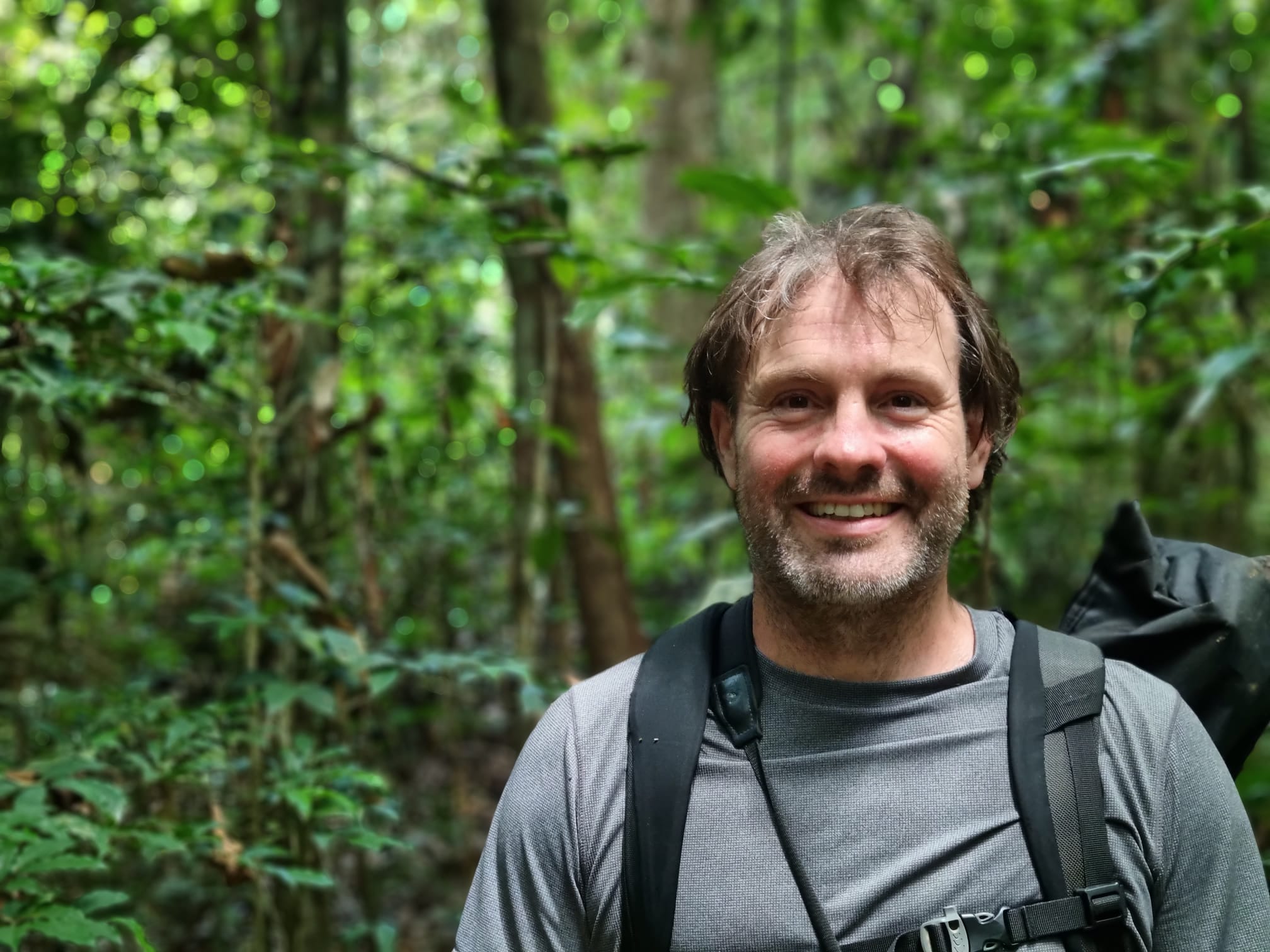
Professor Jos Barlow is a Distinguished Professor of Conservation Science at the Lancaster Environment Centre, University of Lancaster. His research focuses on understanding how human activities impact tropical forest biodiversity and ecosystem services, with a primary focus on the Brazilian Amazon. He co-founded the Sustainable Amazon Network (Rede Amazônia Sustentável) and serves as a Trustee of WWF-UK, Lead Author for the UN’s Science Panel for the Amazon, and Editor-in-Chief of the Journal of Applied Ecology. His work integrates field studies, collaborative networks, and policy engagement to address environmental and socio-economic challenges in tropical regions. Research Interests: Human impacts on tropical forest biodiversity Ecosystem services and climate resilience Amazonian forest dynamics and restoration Socio-ecological trade-offs in land-use change Publications: His recent work explores insect acoustic activity in Amazonian forests, holistic conservation strategies, and biodiversity database development. Key themes include climate impacts, deforestation drivers, and secondary forest regeneration. Advising: Supervises 4 postgraduate students, including Matthew Clark, Pablo Gallego Anex, and Oana Resiga. Collaborates with institutions like the Federal University of Pará, Brazil. Labs/Teams: Active in the Lancaster Environment Centre and co-leads the Sustainable Amazon Network, fostering interdisciplinary research on conservation and sustainable development.
Dr. Michael Bennett is a Lecturer in Early Modern British History at the University of Sheffield's School of History, Philosophy and Digital Humanities. He joined the university in 2022 after working as a Research Associate at The University of Manchester and the Bank of England. His academic work focuses on the social and economic history of the English (later British) empire during the seventeenth and eighteenth centuries, with particular emphasis on the relationship between Britain and Caribbean plantation slavery. His educational background includes: BA (Hons) from King's College London (2015) Masters by Research from the University of Kent (2016) Ph.D. from The University of Sheffield (2020) Dr. Bennett's research centers on the reciprocal relationship between early modern Britain and the Caribbean plantation system. His in-progress book manuscript explores the Caribbean sugar boom beginning in Barbados during the 1640s, analyzing London merchants' role in financing plantation slavery's development. He's particularly interested in how slavery and colonialism shaped London as a global commercial and financial center during the long eighteenth century. Additionally, he maintains a secondary research interest in English trade and colonialism in the Indian Ocean world, with publications examining the East India Company's relationship with slavery and unfree labor. His scholarly output demonstrates a consistent focus on the economic dimensions of empire, particularly the financial mechanisms that supported plantation slavery and colonial expansion. His work bridges economic history with social history, examining how commercial interests drove colonial development and shaped labor systems across multiple imperial contexts, including both the Atlantic and Indian Ocean worlds. Dr. Bennett has received numerous prestigious awards and fellowships for his research: John Carter Brown Library Short-Term Fellowship (2021) Society for Renaissance Studies Postdoctoral Fellowship (2020) Huntington Library Short-Term Fellowship (2020) Eccles Centre for American Studies Visiting Fellowship (2020) AHRC International Placement Scheme Fellowship (2017) AHRC White Rose Competition PhD Scholarship (2016) Roger Scola prize for best MA/MRes thesis (2016) Dr. Bennett is actively engaged in research funding and public projects. His work has been supported by grants from the AHRC, Royal Historical Society, Society for Renaissance Studies, Huntington Library, John Carter Brown Library, and Eccles Centre for American Studies. He recently led the Bank of England's high-profile research project into its historical links to slavery (1694-1888), which resulted in the 'Slavery & the Bank' exhibition. He has also collaborated with Guy's and St. Thomas' Hospital, Somerset House, and community groups on public-facing projects exploring Britain's connections to historical slavery, resulting in research reports that have influenced public memorialization and policy. Dr. Bennett is a core member of Sheffield's Slavery Research Hub, where he collaborates with colleagues across disciplines to investigate the historical and contemporary legacies of slavery. His public engagement work has connected academic research with museum exhibitions, hospital histories, and community initiatives, demonstrating a commitment to making historical scholarship accessible and relevant to diverse audiences.
Frankie Santos Laanan is Dean of the College of Education at the University of Utah, where he also holds Professorial appointments in the Departments of Education, Culture & Society and Educational Leadership & Policy. A first-generation college graduate and Pacific Islander scholar, he earned his B.A., M.A., and Ph.D. from UCLA in Political Science and Higher Education. Dr. Laanan has led institutions including the University of Guam, Iowa State University, and the University of Alabama, with a focus on expanding access for underrepresented students. Research Foci: Community college role in STEM pathways, transfer student adjustment, educational equity for first-generation/low-income/historically underrepresented students, postsecondary policy, and workforce development Funding: Over $8 million in grants from the Spencer Foundation, National Science Foundation, and USAID His scholarship has shaped understanding of transfer student capital, with foundational work on factors influencing retention and satisfaction among vertical/horizontal transfer students. Key findings highlight coursework quality, institutional support, and student-faculty interactions as critical for success. Scientific Awards: Barbara K. Townsend Early Career Scholar Award Founders' Service Award (ASHE Council on Ethnic Participation) Outstanding Faculty Award (NASPA Latino/a Knowledge Community) Summer Database Institute Fellow (National Center for Education Statistics) As a Principal Investigator, Dr. Laanan has studied PLTW curriculum impacts, CTE program accountability, and social capital intersections in STEM pathways. His translational research emphasizes student-centered leadership and policy reform.
Alejandro Cifuentes serves as a Full Research Professor at the Spanish National Research Council (CSIC) in Madrid, where he leads the Laboratory of Foodomics and directs the Metabolomics Platform under the International Excellence Campus CSIC + University Autonoma of Madrid. His prior roles include Founding Director of the Institute of Food Science Research and Deputy Director of the Institute. His research centers on foodomics and metabolomics, with emphasis on advanced extraction technologies for bioactive compounds from diverse sources including plants, dairy, and microalgae. Key interests encompass sustainable processing methods, neuroprotective agents, antioxidant properties, and the valorization of agricultural by-products for health applications. Analysis of his recent publications reveals a dominant focus on green extraction techniques—particularly supercritical CO₂ and pressurized systems—combined with mass spectrometry for bioactive compound analysis. His work bridges food science, analytical chemistry, and biotechnology to address challenges in food safety, nutrition, and sustainable resource utilization. Dr. Cifuentes directs the Laboratory of Foodomics and Metabolomics Platform, leading interdisciplinary teams in projects spanning microalgal protein characterization, dairy microbiota studies, and neuroprotective compound transport mechanisms, with strong industry and academic collaborations across Europe.
Pedro Antonio Garcia Tudela is a researcher at Universidad de Murcia specializing in Educational Technology, with a focus on Smart Learning Environments and Digital Entrepreneurship. He completed his PhD in 2023 with a thesis on intelligent learning environments supervised by Dr. María Paz Prendes Espinosa and Dr. Isabel María Solano Fernández. His educational background centers on advanced educational technology studies at Universidad de Murcia, culminating in his 2023 doctoral dissertation that established foundational frameworks for smart learning environments. This research positioned him at the forefront of educational innovation in Spanish-speaking contexts. Garcia Tudela's research explores the intersection of digital tools and pedagogical innovation, with emphasis on gamification, computational thinking development through Arduino, and digital entrepreneurship education. His work addresses critical gaps in teacher training for future classrooms and develops practical models like EmDigital for fostering entrepreneurial competencies in digital contexts. He investigates how educational escape rooms, flipped learning, and gender-inclusive technology integration transform learning experiences across K-12 and higher education. Analysis of his 15 most recent publications reveals a clear trajectory toward practical applications of educational technology: 40% focus on digital entrepreneurship frameworks, 30% on smart learning environment design, and 30% on gamification and computational thinking implementation. His research increasingly addresses cross-cultural applications, with comparative studies of future classrooms in Spain and Portugal. As an active thesis supervisor within the Educational Technology research group, Garcia Tudela mentors students in developing innovative educational methodologies. His work demonstrates strong industry-academia connections through practical frameworks for professional development and employability. The Educational Technology research group serves as his primary collaborative environment, driving projects that translate theoretical models into classroom applications while addressing contemporary challenges in digital education transformation.