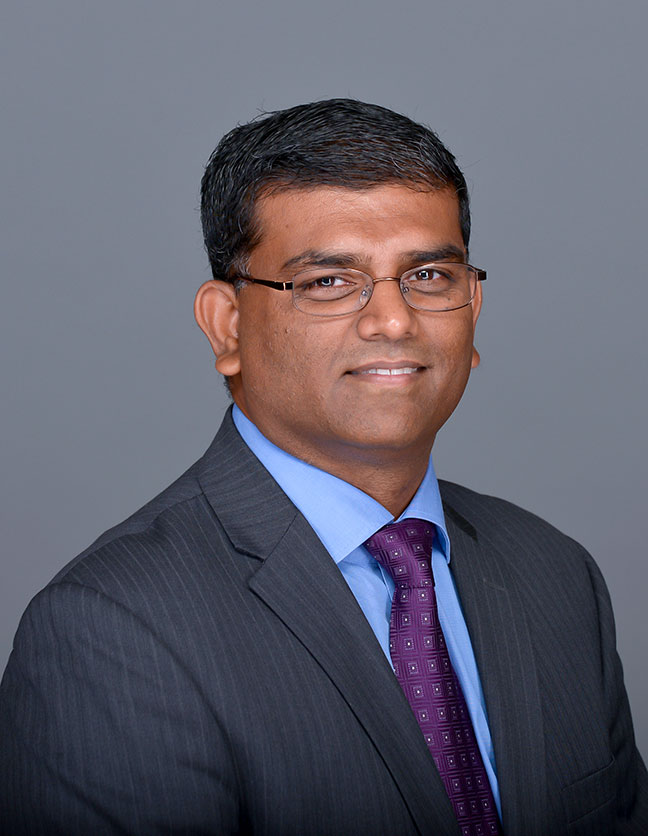
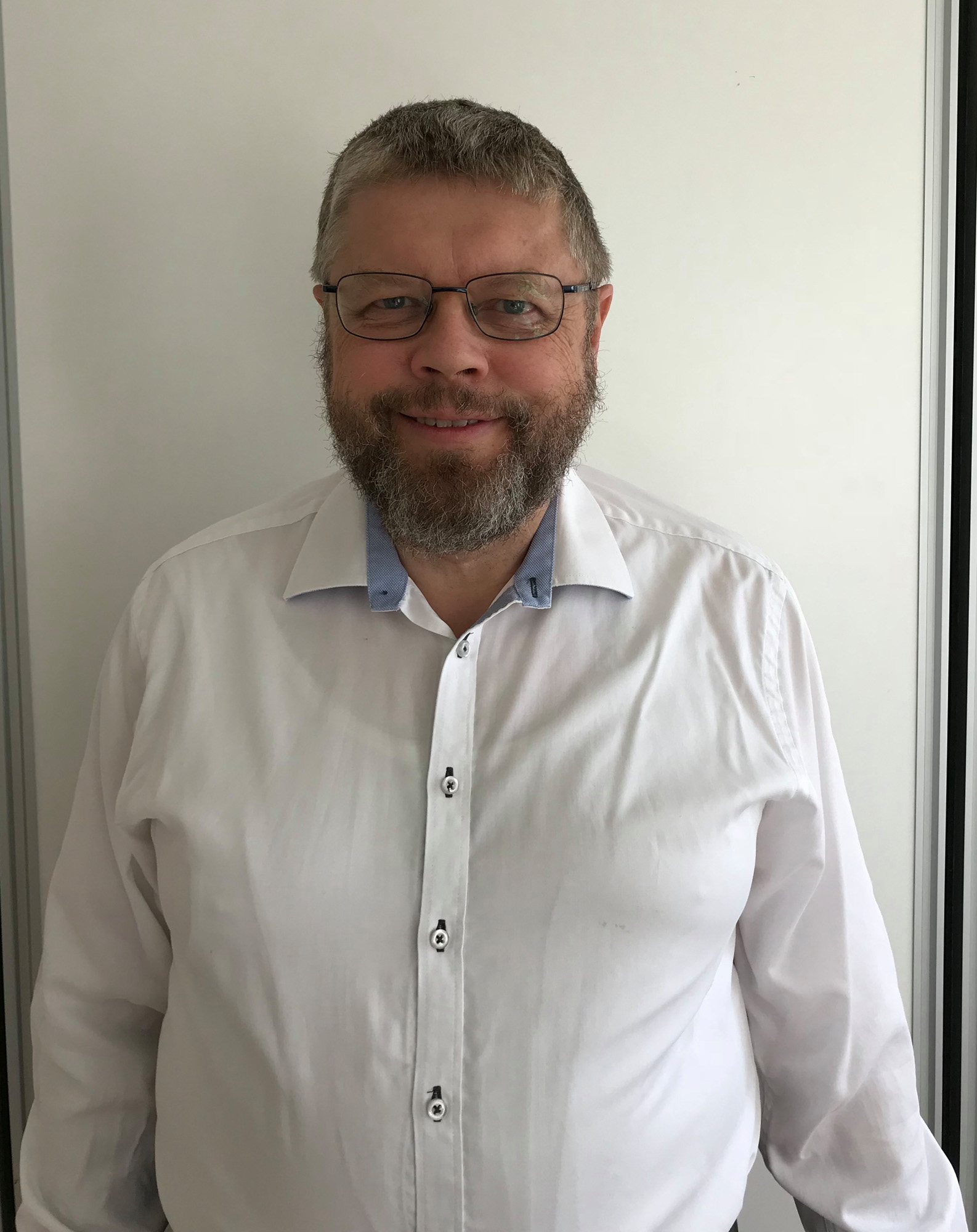
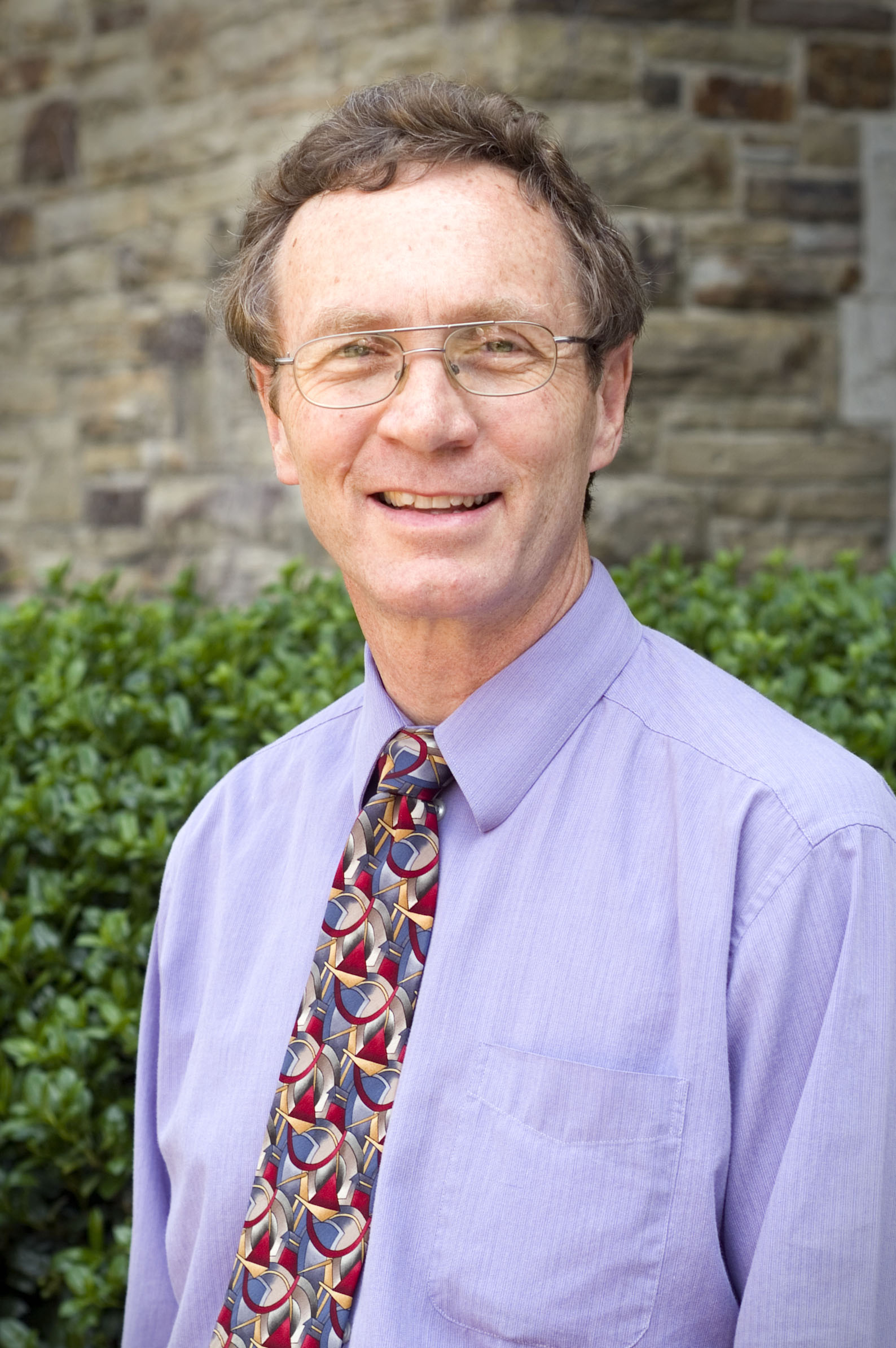
Marwa Elshakry is an Associate Professor at Columbia University, specializing in the history of science, technology, and medicine in the modern Middle East. Her research bridges cultural and intellectual history with the study of scientific exchange and adaptation. Ph.D. — Princeton University (2003) M.A. — Princeton University (1997) B.A. — Rutgers University (1995) Her work critically examines the cultural politics of scientific translation, the role of religion in shaping scientific discourse, and the transnational movement of ideas. She has published extensively on topics like Darwinism in Arabic, the intersection of science and scripture, and the colonial dynamics of scientific knowledge transfer. Marwa's publications highlight themes such as the historiographical challenges of mapping science's global journey, the theological interpretations of scientific concepts in Islamic contexts, and the impact of missionary activities on scientific education in the Ottoman Empire. Her scholarship underscores the agency of non-Western actors in recontextualizing scientific knowledge.
David Germano is Professor of Tibetan and Buddhist Studies at the University of Virginia's College of Arts & Sciences, Department of Religious Studies. He also holds a Clinical Professor appointment in Nursing and serves as Director of multiple centers including the Tibet Center, the Contemplative Sciences Center, and SHANTI (Social Sciences, Humanities, and Arts Network of Technological Initiatives). Since 2000, he has directed the Tibetan and Himalayan Library, establishing himself as a leading figure in Tibetan studies and digital humanities. Germano earned his B.A. from Notre Dame University in 1984 and completed his Ph.D. at the University of Wisconsin in 1992. His academic career at UVA progressed from Assistant Professor (1992-1998), to Associate Professor (1998-2011), and finally to Professor (2011-present). His research focuses on the Nyingma and Bön lineages of Tibetan Buddhism, particularly tantric traditions and Buddhist philosophy from the eighth to fifteenth centuries. He also studies Tibetan history and literature, contemporary Tibet (especially regarding religion, education, and technology), and digital humanities. Germano is particularly interested in engaged scholarship that inserts higher education into a socially transformative role across various sectors. Germano's publications reveal a consistent focus on Tibetan Buddhist traditions, with particular emphasis on Dzogchen (Great Perfection) teachings, visionary movements, and the intersection of traditional practices with contemporary contexts. His work spans religious studies, anthropology, digital humanities, and Tibetan cultural studies, demonstrating interdisciplinary approaches to understanding Tibetan Buddhism and its modern manifestations. As a leader in digital humanities, Germano has pioneered numerous initiatives including the Tibetan and Himalayan Digital Library, the Tibetan Unicode Project, the Tibetan Literary Encyclopedia, and the Tibetan Language Learning Resources initiative. He has also co-directed the UVa-Machik Geotourism Initiative and the Tibetan and Himalayan Historical GIS project, demonstrating his commitment to innovative approaches for preserving and disseminating Tibetan knowledge.
Rachel Marion Scott is a Professor and Chair of the Department of Religion and Culture at Virginia Polytechnic Institute and State University, within the College of Liberal Arts and Human Sciences. She is also affiliated with ASPECT (Alliance of Social, Political, Ethical, and Cultural Thought), reflecting her interdisciplinary engagement with political and ethical theory in Islamic contexts. Her research centers on Islamic political thought, modern Islamic law, constitutional development in Muslim-majority countries, and personal status law. She has made significant contributions to understanding the interplay between religion and the nation-state, particularly in Egypt. Her scholarly work explores how religious authority is negotiated in constitutional frameworks, the evolution of Islamic legal thought, and the role of institutions like al-Azhar and the Muslim Brotherhood in shaping political discourse. Professor Scott’s publications reveal a sustained focus on the dynamics of Islamic law in modern governance, with a particular emphasis on Egypt’s constitutional history and legal reforms. Her work bridges religious studies, political science, and legal theory, addressing themes such as secularism, religious pluralism, citizenship, and hermeneutics. The articles show a trajectory from broader studies of political Islam to more nuanced analyses of constitutionalism, gender, and religious authority. She has authored two major monographs: The Challenge of Political Islam: Non-Muslims and the Egyptian State (Stanford University Press, 2010) and Recasting Islamic Law: Religion and the Nation State in Egyptian Constitution Making (Cornell University Press, 2021), both of which are central to contemporary scholarship on Islam and governance. While no formal list of awards is provided in the text, her publications with leading academic presses indicate recognition and scholarly impact in her field. Rachel M. Scott advises graduate students and contributes to academic mentorship through her leadership roles. As department chair, she oversees curriculum development, faculty collaboration, and interdisciplinary initiatives. There is no explicit mention of external grants, but her research output suggests engagement with funded scholarly projects or institutional support. She is affiliated with research initiatives related to Islamic studies, political thought, and constitutional law, particularly through her work with ASPECT and the Department of Religion and Culture. These affiliations support collaborative scholarship on ethics, cultural thought, and the role of religion in public life.
Aysha Hidayatullah is an Associate Professor in the Department of Theology and Religious Studies at the University of San Francisco's College of Arts & Sciences. She teaches undergraduate courses focusing on gender, sexuality, race, ethics, and religious studies within Islamic traditions. PhD, Religious Studies, University of California, Santa Barbara, 2009 MA, Religious Studies, University of California, Santa Barbara, 2005 BA, Women's Studies and English, Emory University, 2001 Her research explores feminist exegesis of the Qur'an , constructions of gender and sexuality in Islamic traditions , and the body in Islamic ritual practices . She also examines literary representations of Muslims, particularly through feminist theological frameworks and methodologies in Islamic studies. Key themes in her publications include interfaith collaboration , Qur'anic hermeneutics , and gendered narratives in Islamic history . Her work addresses intersections of religion, gender, and race in both historical and contemporary contexts. 2023, Collective Achievement Award, University of San Francisco 2019, James Catiggay Changemaker Award, University of San Francisco 2017, Distinguished Teaching Award, University of San Francisco & Faculty Association 2016-2017, Dean's Scholar Award, College of Arts and Sciences 2015, Ignatian Service Award, University of San Francisco
David Aers is the James B. Duke Distinguished Professor of English at Duke University, with affiliations in the Department of English, Religious Studies, and Divinity School. He holds academic appointments since 1994, including directorship of the Medieval and Renaissance Studies Center since 2019. His expertise spans medieval and early modern literature, theology, and political culture, with a focus on Christian tradition and its intersections with ethics, gender, and community. Education: PhD from the University of York (1971) and BA from the University of Cambridge (1968). Research interests include late medieval English writing (e.g., Chaucer, Langland), theological doctrines like election and sin, and the evolution of Christian thought across the medieval/early modern divide. His recent works explore themes like enemy love in theology, gender identity, and the legacy of Constantinian Christianity. Recognition includes the Duke Distinguished Professorship. Teaching spans courses on Milton, medieval literature, and historical theology. He has served as editor for journals like Journal of Medieval and Early Modern Studies and contributed to academic service through editorial roles and professional committees. Labs/Teams: Leads the Medieval and Renaissance Studies Center, fostering interdisciplinary research in premodern cultures.
Dr. Daniel Castelo is the William Kellon Quick Professor of Theology and Methodist Studies at Duke University's Divinity School, serving concurrently as Associate Dean for Academic Formation (2023–2024). He holds a Ph.D. from Duke University (2005), M.Div. from Church of God Theological Seminary, and undergraduate degrees from Washington University and Lee University. His work bridges Latinx theologies, Methodist traditions, and pneumatology, emphasizing experiential spirituality and doctrinal innovation. Research interests include the doctrine of God, theological interpretation of Scripture, and intersections between Pentecostalism and Latinx theological perspectives. He co-edits the Wesleyan and Methodist Explorations series and serves on the Methodist Review editorial board. Notable awards include the John Templeton Award for Theological Promise (2011). Teaching focuses on advanced theological topics, Latinx theology, and Wesleyan foundations through courses like 'Introduction to Latinx Theology' and 'Pentecostal Theology.' He mentors students in Hispanic Summer Program initiatives and has taught globally in Mexico, Honduras, and Brazil.
Prof. Dr. Koert van Bekkum serves as Professor and Department Chair of Old Testament at the Evangelische Theologische Faculteit Leuven (ETF Leuven), where he also holds the position of Academic Vice Dean for Research since 2022. Previously, he was an Associate Professor of Old Testament at ETF Leuven (2018-2020) and continues to hold an Associate Professor position at Theological University Kampen since 2018. His academic career spans biblical scholarship, theological education, and research leadership in the field of Old Testament studies within the Reformed tradition. His educational background includes: PhD from Theological University Kampen (2010) with highest honors, dissertation: 'From Conquest to Coexistence: Ideology and Antiquarian Intent in the Historiography of Israel's Settlement in Canaan' Basiskwalificatie Onderwijs, Vrije Universiteit Amsterdam (2014) Visiting PhD Candidate, Archaeological Institute, Hebrew University Jerusalem (2000) Member Megiddo Expedition (1998, 2000) Drs. theol., Theological University Kampen (1997) VWO-diploma (gymnasium), Gomarus College, Groningen (1989) Van Bekkum's research interests span multiple dimensions of Old Testament scholarship, with particular emphasis on biblical historiography, archaeology of the Southern Levant, and the intersection of biblical studies with Reformed theology. His work demonstrates deep engagement with ancient Near Eastern contexts, biblical chronology, and the theological interpretation of scripture. He has made significant contributions to understanding biblical covenants, ancient Israelite history, and the relationship between biblical texts and archaeological evidence. His scholarship often bridges traditional Reformed theological perspectives with contemporary academic approaches to biblical studies, creating a distinctive voice in the field that values both confessional commitments and scholarly rigor. His recent publications reveal a consistent focus on the intersection of biblical texts with historical and archaeological contexts, particularly regarding the chronology of ancient Israel and the Southern Levant. Van Bekkum frequently examines how biblical narratives interact with ancient Near Eastern contexts, as seen in his work on Joshua, Deuteronomy, and biblical covenants. His scholarship shows a growing interest in reception history and how biblical texts have been interpreted across different eras, including contemporary contexts of religious pluralism. Notably, he has engaged with controversial topics like the Shapira forgeries and biblical chronology, demonstrating willingness to tackle complex scholarly debates while maintaining theological integrity. Van Bekkum is actively involved in academic service, serving on the Executive Board of the Netherlands School for Advanced Studies in Theology and Religion (2017-), as a member of the American Schools of Oriental Research (2019-), and previously as Secretary of the Oudtestamentisch Werkgezelschap in Nederland en België (2017-2022). His leadership extends to editorial roles, including previous service on the Editorial Board of Verantwoordingsreeks (2014-2017) and the Board of the Society for Christian Philosophy (2013-2017). His academic work is characterized by a commitment to integrating biblical scholarship with Reformed theological tradition while engaging constructively with contemporary scholarly debates. Van Bekkum's research demonstrates how historical-critical methods can coexist with confessional theological commitments, offering a model for evangelical scholarship that is both academically rigorous and theologically faithful.
Nevin Reda serves as Associate Professor of Muslim Studies and Director of the Muslim Studies program (MPS) at Emmanuel College, Victoria University within the University of Toronto. Her academic leadership spans Qur'anic scholarship, Islamic legal theory, and interfaith education, with active teaching in courses such as Surat al-Baqara, Islamic Law, and Bible-Qur'an Dialogue. Her educational foundation includes: BSc, Cairo University (1989) MA, University of Toronto (2003) PhD, University of Toronto (2010) Dr. Reda's research centers on Qur'anic poetics and narrative structure, integrating literary theory, Islamic spiritual care, and Biblical Hebrew studies. She pioneers spiritually integrative approaches to Islamic ethical-legal theory (uṣūl al-fiqh) and develops interreligious pedagogies that bridge theological divides. Her work critically engages gender justice, domestic violence interpretations, and democratic theology through Qur'anic exegesis, emphasizing contextual hermeneutics and feminist perspectives. Analysis of her 15 most recent publications (2024-2010) reveals dominant trends in Qur'anic narrative analysis, gender-ethics intersections in Islamic law, and postcolonial interfaith dialogue frameworks. Key subfields include spiritually integrative readings of verse 4:34, reform of uṣūl al-fiqh for marriage ethics, and comparative Torah-Qur'an exegesis, demonstrating consistent methodological innovation across disciplines. No scientific awards were documented in the source material. As MPS Director, Dr. Reda mentors graduate students in Muslim Studies while advancing curriculum development for intercultural theological education. Her scholarly output—including two monographs and collaborations with institutions like Women and Memory Forum—reflects sustained research leadership, though specific grant details remain unreported. Current projects focus on Qur'anic structure theory and decolonizing epistemologies in religious studies.
Susan M. Timoney serves as Associate Professor of Practice in Pastoral Studies, Associate Dean for Graduate Ministerial Studies, and Director of both the Certificate in Pastoral Ministry and Doctor of Ministry Program at The Catholic University of America's School of Theology and Religious Studies. She holds leadership roles in national Catholic organizations including The Catholic Apostolate Center, The Paulist Advisory Board, and The Center for Carmelite Studies. Her educational background includes: S.T.D. (Doctorate in Sacred Theology) from Pontifical University of Saint Thomas Aquinas S.T.L. from Pontifical University of Saint Thomas Aquinas M.A. from LaSalle University B.S. from Springfield College Dr. Timoney specializes in evangelization and pastoral leadership, with research focusing on Christian spirituality, the feminine dimension of discipleship, and practical ministry formation. Her work bridges theological scholarship with real-world ecclesial application, particularly through digital platforms like USCCB webinar series and daily scripture reflections. Her publications demonstrate consistent engagement with contemporary Catholic ministry challenges, emphasizing grassroots evangelization, lay formation, and mystical traditions as resources for modern discipleship. Key themes include renewing lukewarm faith through Carmelite spirituality and developing leadership capacity in parish councils. As an educator, she teaches foundational courses including Foundations of Theology I/II, The Mission of the Contemporary Catholic, and advanced pastoral leadership seminars. Her administrative roles in graduate ministerial studies and doctoral programs highlight her commitment to shaping future church leaders through structured formation pathways.
John Cavadini is a Professor of Theology at the University of Notre Dame and serves as the McGrath-Cavadini Director of the McGrath Institute for Church Life . His work focuses on patristic theology , particularly the writings of St. Augustine and Origen, and he engages deeply with early Christian exegesis and medieval theological traditions. Education B.A., Wesleyan University M.A., Marquette University M.A., Yale University M.Phil., Yale University Ph.D., Yale University Cavadini’s research spans Patristic Theology , Patristic Exegesis , and Mariology , with a focus on Augustine’s City of God , early Christian biblical interpretation, and theological dialogue between Christianity and Judaism in antiquity. His recent graduate courses include studies on Augustine’s works, Origen, and Gregory the Great, while undergraduate offerings cover core Catholic theology, miracles, and topics like creation and resurrection. His selected publications reflect expertise in medieval theological texts, Augustine’s intellectual legacy, and early Christian hermeneutics. Cavadini also administers programs such as Echo , Vision , and the Notre Dame Center for Liturgy, bridging academic theology with ecclesial practice. Scientific Awards Honorary Doctorate in Humane Letters (2022) Monika K. Hellwig Award (2018) As director of the McGrath Institute for Church Life , he oversees initiatives connecting Notre Dame to the broader Church, including conferences like 'Saturdays with the Saints' and collaborations with the USCCB Committee on Doctrine and the International Theological Commission.
Rakesh Peter-Dass serves as Associate Professor of Religion at Hope College, where he has been teaching since 2016. His academic journey spans multiple prestigious institutions including Harvard University, Yale University, and the University of Oxford, where he earned advanced degrees in theology, divinity, and business administration. His research focuses on the complex intersections of religion with business, language, law, and politics, particularly in the South Asian context. Dr. Peter-Dass examines how religious identities are shaped through linguistic choices, legal frameworks, and socio-political dynamics, with special attention to Hindu-Christian relations and religious rights. His work bridges theological scholarship with practical applications in interfaith dialogue and religious freedom advocacy. His publications reveal a consistent focus on South Asian religious contexts, particularly examining Hindi Christian literature, Hindu nationalism, and comparative theological approaches between Hindu and Christian traditions. The research demonstrates interdisciplinary connections between religious studies, political science, linguistics, and legal studies, with significant contributions to understanding religious rights in both Indian and American Supreme Court contexts. Among his notable honors are the Saïd Foundation Scholarship from Oxford University, multiple Harvard University fellowships, and the Selva J. Raj Endowed International Dissertation Research Fellowship from the American Academy of Religion. His teaching excellence has been recognized through Harvard University's Certificate of Distinction in Teaching. Dr. Peter-Dass has served in significant professional capacities including as Co-Chair of the Theology and Religious Reflection Unit at the American Academy of Religion (2018-2023) and on the Editorial Board of the Hindi Theological Literature Committee in India (2011-2015). His extensive consulting work with international development agencies, intergovernmental organizations, and religious bodies demonstrates his commitment to applying academic research to real-world religious and social challenges.
Katherine Swancutt is Reader in Social Anthropology at King's College London, where she serves as Director of the Religious and Ethnic Diversity in China and Asia Research Unit (REDCARU) and Project Lead for the ERC Synergy Grant 'Cosmological Visionaries: Shamans, Scientists, and Climate Change at the Ethnic Borderlands of China and Russia' (2020-2026). She has conducted anthropological fieldwork for over two decades across Asia, focusing on Southwest China (among the Nuosu), Mongolia, Inner Mongolia, and Buryat regions of Russia. Her research centers on the anthropology of religion, with particular emphasis on shamanism, animism, dreams, and the relationship between cosmology and the environment. Her fieldwork explores how religious innovations are used to manage conflict and shape everyday life among diverse ethnic communities. She has established herself as a leading scholar in indigenous knowledge systems and their relevance to contemporary environmental challenges. Dr. Swancutt's extensive publication record reveals consistent thematic focus on ritual practices, divination systems, and cosmological frameworks, particularly among the Nuosu people of Southwest China. Her recent work examines how spiritual practices intersect with environmental change, social renewal, and cultural memory, bridging anthropology, religious studies, and environmental humanities to create innovative frameworks for understanding indigenous cosmologies in the context of climate change. ERC Synergy Grant 'Cosmological Visionaries' (£6m project connecting shamans, scientists, and rural communities) Author of four major publications including 'Fortune and the Cursed' (2012) and 'Crafting Chinese Memories' (2021) Founder of REDCARU, now an international network with branches in Chinese universities Recipient of significant research funding including ERC Synergy Grant As an educator, Dr. Swancutt teaches anthropology of religion at all levels and supervises PhD students focusing on long-term ethnographic fieldwork among ethnic minorities in China, Mongolia, or Russia. She actively engages with public audiences through exhibitions like 'Vital Signs: Another World is Possible' at the Science Gallery London, which showcases indigenous visions of climate change.
Nils Arne Pedersen is an Associate Professor in Church History at Aarhus University's Faculty of Theology/Arts since 2004. His academic career includes roles as a Full-time scholar supported by the Carlsberg Foundation (1990–1995) and Danish Research Council grants. He specializes in Manichaeism, Patristics, and the historical reception of biblical texts. His research focuses on early Christian and Manichaean theological texts, especially Coptic and Syriac manuscripts. Research Interests : Pedersen’s work explores Manichaean literature, Patristic theology, and the interplay between biblical sources and early religious movements. He has edited critical editions of Manichaean texts and studies their transmission across languages like Syriac, Coptic, and Persian. Key Projects : Biblia Manichaica (Old and New Testament studies in Manichaean contexts), textual editions of Manichaean homilies, and analyses of anti-Manichaean polemics. Awards & Leadership : Honorary member of the International Association of Manichaean Studies (2022), former President (2017–2022). He has received significant grants, including €887k for the Biblia Manichaica project (2012–2015) and €233k from the Carlsberg Foundation (1990–1995). Grants & Funding : Danish Council for Independent Research, Danish Research Council for the Humanities, and Carlsberg Foundation grants have supported his work on Manichaean textual traditions and comparative religious studies.
Dr. Salwa El-Awa is a Senior Lecturer in Arabic and Islamic Studies at Swansea University's School of Culture and Communication. She previously held positions at the University of Birmingham (2001-2010) and Ain Shams University in Cairo (2010-2015). Her academic roles include teaching Arabic linguistics, Qur’anic studies, and Hadith analysis, alongside supervising PhD students in translation and religious studies. Her research focuses on Qur’anic textuality, discourse markers, and Islamic movements. Key areas include textual coherence in the Qur’an, Arabic linguistic analysis, and the intersection of religion and counter-terrorism policy. Recent projects explore governance strategies engaging moderate Islamic groups to combat jihadism. El-Awa has published extensively on Qur’anic linguistics, including monographs like Textual Relations in the Qur'an (2005) and Al-Wujuh Wa al-Naza’ir (1998). Her work bridges religious studies, linguistics, and security studies, with notable contributions to Yale’s Dictionary of the Qur'an (2024) and interdisciplinary journals like International Journal of Law, Crime and Justice . She has secured £20,000 for the International Qur’anic Text Linguistics Conference (2020-2021) and served as an External Examiner for Westminster University’s Translation program (2019–2022). Her teaching includes advanced translation, healthcare interpreting, and world cinema studies.
Steven L. McKenzie is Professor of Religious Studies and Spence L. Wilson Senior Research Fellow at Rhodes College, specializing in Hebrew Bible (Old Testament) studies, biblical archaeology, and the Dead Sea Scrolls. His academic career spans decades of influential scholarship and editorial leadership. His educational background includes: Th.D. from Harvard University B.A. and M.Div. from Abilene Christian University McKenzie's research focuses on the history of ancient Israel, Hebrew Bible literature, Hebrew language and grammar, biblical interpretation methods, and the intersection of archaeology with biblical studies. He pioneered work on the Deuteronomistic History and Chronicler's literature, establishing foundational frameworks still referenced today. His interdisciplinary approach bridges textual analysis with historical context, making complex scholarship accessible to broader audiences. His publication trajectory reveals consistent engagement with biblical historiography and interpretation, evolving from technical studies like The Chronicler's Use of the Deuteronomistic History (1985) to accessible works such as How to Read the Bible (2005), and culminating in major reference works including the Oxford Encyclopedia of Biblical Interpretation (2013). Recent projects focus on editorial leadership for the Oxford Bible Commentary series. Key honors include: Spence L. Wilson Senior Research Fellowship McKenzie's academic service demonstrates exceptional commitment: founding the Deuteronomistic History Section at the Society of Biblical Literature, serving as associate editor of Vetus Testamentum (2010-2019), and contributing to editorial boards of Journal of Biblical Literature and Catholic Biblical Quarterly . His decade-long leadership of academic tours through the Middle East and Greece with the Middle East Travel Seminar extended his scholarship into experiential education, while media appearances on Discovery and History channels brought biblical scholarship to public audiences.