معرفی
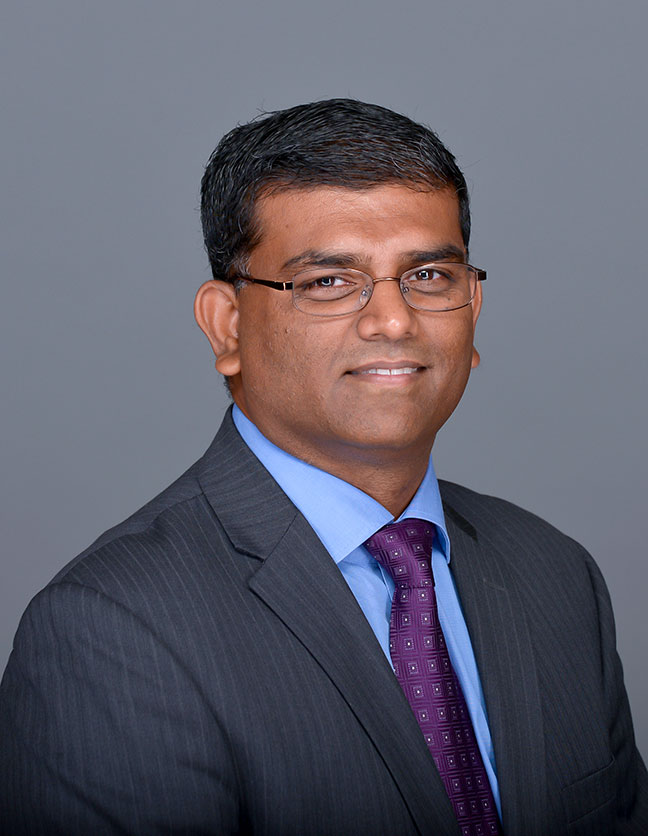
Rakesh Peter-Dass serves as Associate Professor of Religion at Hope College, where he has been teaching since 2016. His academic journey spans multiple prestigious institutions including Harvard University, Yale University, and the University of Oxford, where he earned advanced degrees in theology, divinity, and business administration.
His research focuses on the complex intersections of religion with business, language, law, and politics, particularly in the South Asian context. Dr. Peter-Dass examines how religious identities are shaped through linguistic choices, legal frameworks, and socio-political dynamics, with special attention to Hindu-Christian relations and religious rights. His work bridges theological scholarship with practical applications in interfaith dialogue and religious freedom advocacy.
His publications reveal a consistent focus on South Asian religious contexts, particularly examining Hindi Christian literature, Hindu nationalism, and comparative theological approaches between Hindu and Christian traditions. The research demonstrates interdisciplinary connections between religious studies, political science, linguistics, and legal studies, with significant contributions to understanding religious rights in both Indian and American Supreme Court contexts.
Among his notable honors are the Saïd Foundation Scholarship from Oxford University, multiple Harvard University fellowships, and the Selva J. Raj Endowed International Dissertation Research Fellowship from the American Academy of Religion. His teaching excellence has been recognized through Harvard University's Certificate of Distinction in Teaching.
Dr. Peter-Dass has served in significant professional capacities including as Co-Chair of the Theology and Religious Reflection Unit at the American Academy of Religion (2018-2023) and on the Editorial Board of the Hindi Theological Literature Committee in India (2011-2015). His extensive consulting work with international development agencies, intergovernmental organizations, and religious bodies demonstrates his commitment to applying academic research to real-world religious and social challenges.