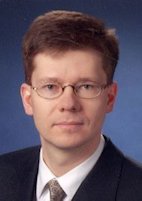
Roman Fasel is Professor at the University of Bern, affiliated with the Department of Chemistry, Biochemistry and Pharmaceutical Sciences, and Head of the nanotech@surfaces Laboratory at Empa (Swiss Federal Laboratories for Materials Science and Technology). His research spans materials science, surface physics, and chemistry, focusing on low-dimensional organic and carbon-based materials for quantum technologies. His work emphasizes carbon nanomaterials (e.g., graphene nanoribbons, nanographenes), 2D quantum materials , and quantum magnetism , using experimental methods like ultrahigh vacuum scanning tunneling microscopy/spectroscopy (STM/STS) and photoelectron techniques (XPS, UPS). He collaborates with synthetic chemists and theorists to engineer materials with tailored electronic properties. Recent publications highlight trends in quantum systems , spin-based devices , and on-surface synthesis , particularly for graphene derivatives and quantum platforms. He is involved in EU-funded projects like the Graphene Flagship and ATYPIQUAL , aiming to integrate carbon nanomaterials into functional devices.
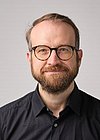
Prof. Dr. Michael Rohlfing is a theoretical physicist at the Institute of Solid State Theory , University of Münster. His research focuses on electronic structure , optical excitations , and many-body perturbation theory in 2D materials and hybrid heterostructures . He leads the AG Rohlfing group, which develops and applies ab initio methods to study surfaces , interfaces , and nanoscale systems . Current projects include optical excitations in TMDC heterostructures under pressure (DFG since 2020) and electronic interface states in weakly bound systems (SFB 103, A13). His group investigates phenomena such as excitonic effects , electron-phonon interactions , and spin-orbit-driven surface states , with applications in nanotechnology and optoelectronics . Recent work explores trions , image potential effects , and valley-selective interlayer coupling in materials like CrSBr and MoS2 . Key publications highlight exciton dynamics in 2D systems, strain-tunable optical properties , and first-principles simulations of scanning tunneling microscopy images. His research team is involved in the Collaborative Research Center 1083 (Structure and Dynamics of Internal Interfaces) and the Computational 2D Materials Database (C2DB) . Scientific awards include the Heisenberg Fellowship (DFG, 2001-2004) and recognition for STM simulations and electron correlation studies . Prof. Rohlfing supervises numerous Bachelor’s , Master’s , and PhD students , including recipients of the Infineon PhD Award (Matthias Drüppel, 2017). His group regularly contributes to public workshops and collaborative experimental-theoretical studies .
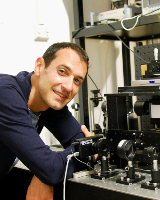
Ignacio IZEDDIN is an Associate Professor ( Maître de conférences ) at the Institut Langevin, ESPCI Paris, which is part of CNRS and Université PSL. His research sits at the critical intersection of advanced optical imaging, biophysics, and molecular cell biology, with a particular focus on pushing the boundaries of what can be visualized and understood about molecular distribution and cellular dynamics. His primary research interests include Single-Molecule Localization Microscopy (SMLM), super-resolution imaging techniques, single particle tracking (SPT), biophotonics, diffusion processes in cell biology, molecular cell biology, transcription regulation, DNA repair mechanisms, and light-matter interactions at the nanoscale. Dr. IZEDDIN's work aims to develop innovative microscopy tools that overcome current limitations in spatial and temporal resolution, enabling the capture of rapid, dynamic cellular processes with unprecedented clarity. The trends in his recent publications reveal a strong focus on developing event-based sensor technology for high-speed single-molecule localization, creating novel 3D microstructured substrates for cellular imaging and calibration, studying light-matter interactions at the nanoscale through fluorescence lifetime imaging, and applying these advanced techniques to understand fundamental biological processes like DNA repair, chromatin dynamics, and cellular differentiation. His work consistently bridges physics, engineering, and biology to solve complex imaging challenges. Dr. IZEDDIN is actively involved in research funding and recruitment, with current projects including a European LIGHTinParis COFUND PhD position analyzing alpha-synuclein diffusion in neurons using super-resolution microscopy based on event sensors, and hiring for a software engineer position to develop data processing tools for event-based SMLM technology. His laboratory employs a highly interdisciplinary approach, combining physics, biology, and engineering expertise to tackle challenging problems in cellular imaging. Current projects involve collaborations with neuroscientists, physicists, and engineers to study everything from molecular diffusion in neurons to macrophage differentiation on 3D topographical substrates.
Christopher Bell serves as Associate Professor and Academic Director of Recruitment and Admissions in the School of Physics at the University of Bristol. Holding PhD, MSci, and BA degrees from the University of Cambridge, he leads research at the intersection of condensed matter physics and quantum materials. His institutional profile highlights leadership in academic administration while maintaining active experimental research. Research interests focus on quantum materials engineering , particularly the creation and control of novel electronic phases in low-dimensional systems. His work centers on two-dimensional superconductors , ultrathin ferromagnets , and their coexistence through techniques including field-effect gating, thin film heterostructures, and proximity effects. Research spans condensed matter physics, materials science, and quantum device engineering with emphasis on fundamental low-temperature phenomena. Publications reveal strong thematic concentration in uranium-based quantum materials and oxide heterostructures , with recent work on uranium dioxide thin films, metastable uranium phases, and quantum transport phenomena. His experimental approach combines nanofabrication, epitaxial growth, and low-temperature characterization to explore emergent electronic states. As Principal Investigator, Bell leads three research projects including Advanced Nanofabrication for Quantum Material Exploration (2024-2027). His supervisory record includes 8 postgraduate research projects, with extensive engagement in conference participation (16 instances), peer review (13), and schools outreach. Research groups affiliations include Condensed Matter Physics CDT, Quantum & Soft Matter, and Nanofabrication facilities.
Dr. Hugo Dominguez Andrade is a Senior Research Associate at the Interface Analysis Centre, University of Bristol. Holding advanced degrees including an MSc from Vigo, an MSc from Bristol, and a PhD from Bristol, he specializes in materials science with a focus on surface phenomena, thermionic emission, and nuclear energy applications. His work intersects experimental physics, materials engineering, and extreme environment sensing technologies. Education: MSc (Vigo), MSc (Bristol), PhD (Bristol) Key Research Areas: Diamond-based sensors, thermionic energy conversion, plasma-material interactions Recent research outputs highlight his contributions to understanding radiation effects on materials and developing novel energy conversion devices. Active collaborations span nuclear engineering, materials testing, and diamond film technologies. Scientific Awards First Prize Poster Award (2016) Projects Radiation-powered sensors (2017-2021) Thermionic energy converters (2013-2016) Lithium breeding research (2023-2025)
Edgar Karapetian is a Research Associate Professor in the Department of Mathematics and Computer Science at Suffolk University , where he has been employed since 2006. His research focuses on mixed boundary value problems, theoretical and computational solid mechanics, fracture mechanics, and nanoelectromechanics of piezoelectric materials. Education: PhD from Concordia University, Montreal; MS/BS from Polytechnic Institute, Yerevan, Armenia. His work bridges applied mathematics and engineering, particularly in analyzing piezoelectric materials and contact/fracture mechanics. Recent publications emphasize computational modeling for scanning probe microscopies and electromechanical responses. He serves as a reviewer for journals including Zeitschrift fur Angewandte Mathematik und Mechanik and Philosophical Magazine , and has held a Visiting Research Staff position at Oak Ridge National Laboratory since 2005. Grants: NSF-funded work on nanoelectromechanics of piezoelectric indentation; Oak Ridge National Laboratory grant on electromechanical response of anisotropic surfaces.
Davide Carlevaris is a Research Fellow at the Department of Industrial Engineering , University of Trento. His work focuses on developing sustainable friction materials for brake pads using bio-based and eco-friendly components. Key Research Areas: Tribological properties, particulate emission reduction, and thermal analysis of brake materials. Institutional Affiliation: Via Sommarive, 9 - 38123 Povo (University of Trento). Recent publications highlight his work on benzoxazine resins and rice husk derivatives as alternatives in brake pad manufacturing. Studies include pin-on-disc testing, scanning electron microscopy, and environmental impact assessments. Collaborators: Cinzia Menapace, Giovanni Straffelini, Luca Fambri, and Stefano Gialanella.
Andrea Cristoforetti serves as a Research Fellow and Teaching Assistant in the Department of Industrial Engineering at the University of Trento, Italy, focusing on corrosion mechanisms and electrochemical surface engineering for metallic substrates. His work bridges fundamental electrochemistry with industrial applications in aerospace, energy infrastructure, and sustainable materials development. Research interests center on filiform corrosion dynamics in organic-coated metals, electrochemical characterization techniques (SVET, SECM), and advanced coating systems including bio-based fillers and layered double hydroxides. Current projects investigate drag-reduction surface texturing for aeronautics, UV-curable pipeline coatings, and corrosion-inhibiting pigments derived from natural materials, emphasizing environmental sustainability without compromising protective performance. Publication trends reveal concentrated expertise in steel and aluminum corrosion protection, with 15+ articles since 2022 in journals like Corrosion Science and Progress in Organic Coatings . Key themes include mechanistic studies of coating failure, development of eco-friendly alternatives to synthetic components, and electrochemical validation of novel surface treatments under harsh environmental conditions. No scientific awards were documented in the provided sources Collaborative work with Michele Fedel, Stefano Rossi, and Flavio Deflorian indicates active participation in a corrosion research group, though specific advising roles or grant funding details remain unreported. Teaching contributions include assistantship for graduate-level electrochemistry courses addressing energy and environmental applications. The research ecosystem involves electrochemical testing laboratories at the University of Trento, with emphasis on in-situ corrosion monitoring and accelerated aging methodologies. Current instrumentation includes scanning electrochemical microscopy systems and UV-curing setups for coating development, supporting both fundamental mechanistic studies and industry-oriented material solutions.
Kenneth Veland Halberg is an Associate Professor in the Department of Biology within the Faculty of Science at the University of Copenhagen. His research focuses on molecular genetics and integrative physiology of neuropeptide signaling in insects, primarily using Drosophila melanogaster (fruit fly) and Tribolium castaneum (red flour beetle) as genetic model organisms. He leads a newly established laboratory investigating fundamental biological processes with applications in human disease modeling and eco-friendly pest control. Halberg's research interests center on neuropeptide systems as key mediators of intercellular communication that regulate critical physiological processes including morphogenesis, metabolism, reproduction, behavior, and homeostasis. His work particularly emphasizes insect renal function, studying how the insect renal system maintains internal balance by regulating water, ions, nutrients, and waste. This research has dual significance: providing fundamental insights into epithelial function (as insect renal tissue is the fastest secreting epithelium in biology, moving its own volume of water every 6 seconds) while also enabling modeling of human renal diseases in Drosophila and development of neuropeptide-based pest control strategies. His laboratory employs a highly cross-disciplinary approach integrating molecular genetics, biochemistry, physiology, and advanced technological methods including RNA sequencing (RNAseq), bioinformatics, super resolution confocal laser scanning microscopy (SR-CLSM), immunocytochemistry (ICC), electron microscopy (SEM/TEM), receptor biochemistry, and peptide chemistry. Analysis of his publication record reveals consistent focus on insect renal physiology, neuropeptide signaling, evolutionary biology of excretory systems, and applications in pest management. Halberg maintains strong national and international collaborations with researchers at institutions including University of Copenhagen (particularly with Assistant Professor Kim Rewitz), University of Glasgow, University of Edinburgh, University of Göttingen, The Mayo Clinic, and USDA. His laboratory is actively recruiting B.Sc. and M.Sc. students along with Ph.D. candidates and postdoctoral researchers.
Dr. Joanna Wysocka serves as an Assistant Professor at the Department of Functional Materials Engineering within the Faculty of Electronics Telecommunications and Informatics at Gdańsk University of Technology. Her academic profile demonstrates extensive expertise in corrosion science and electrochemical characterization techniques, with particular focus on aluminum alloy behavior in alkaline environments. Her research interests center on corrosion mechanisms, inhibitor development, and biosensor platforms. Dr. Wysocka has pioneered methodologies using Dynamic Electrochemical Impedance Spectroscopy (DEIS) for real-time corrosion monitoring and has developed novel approaches for determining adsorption isotherms of corrosion inhibitors. Her work bridges fundamental electrochemistry with practical applications in materials protection and biomedical sensing. Analysis of her publication record from 2016-2025 reveals a strong research trajectory with increasing interdisciplinary scope. While her early work focused primarily on aluminum corrosion mechanisms, her recent publications demonstrate expansion into biomedical applications including salivary stone analysis and biosensor development for virus detection. Her research consistently employs advanced electrochemical techniques combined with materials characterization methods. Dr. Wysocka is actively involved in research projects including PoRaCoat, which focuses on innovative stent coatings with polyphenol-rapamycin complexes targeting in-stent restenosis. Her collaborative work spans multiple institutions and disciplines, reflecting the interdisciplinary nature of her research.
Vasanthan Nadarajah serves as Professor and Chair of the Chemistry and Biochemistry Department at Long Island University's Brooklyn Campus within the College of Liberal Arts and Sciences. Holding a B.Sc. (Hon) from the University of Jaffna (1986) and M.A./Ph.D. from CUNY (1993), he completed postdoctoral training at North Carolina State University before joining LIU in 2004 after industry roles at AlliedSignal and TRI/Princeton. His educational credentials include: B.Sc. (Hon) in Chemistry, University of Jaffna, Sri Lanka (1986) M.A. in Chemistry, City College of New York, CUNY (1993) M.Phil. and Ph.D. in Chemistry, The Graduate Center, CUNY (1993) Specializing in polymer physical chemistry, his research examines polymer film/fiber structure development, nanocomposite characterization, inclusion compounds, antimicrobial polymers, and biodegradable polymer degradation mechanisms. This work bridges fundamental polymer physics with applied materials engineering through spectroscopic and thermal analysis techniques. His 2015-2020 publications reveal consistent focus on nanocomposite crystallization behavior, with cellulose/clay nanofillers modifying polymer matrices like polyamide 6 and poly(trimethylene terephthalate). Key trends include antimicrobial material development, biodegradation kinetics, and advanced characterization of electrospun nanofibers using vibrational spectroscopy. Professor Vasanthan has secured multiple research grants at LIU supporting his laboratory's work, though specific award names aren't documented. His funding has enabled publication of approximately 80 papers in high-impact journals including Macromolecules and ACS Omega, accumulating over 1500 citations. He has mentored approximately 25 graduate students while teaching undergraduate general/physical chemistry and graduate inorganic/polymer chemistry courses. His research group maintains active collaborations within LIU's materials science initiatives and professional societies. The research team operates specialized polymer characterization facilities focusing on thermal analysis, spectroscopy, and nanomaterial synthesis, with current projects targeting sustainable antimicrobial surfaces and biodegradable packaging solutions.
Valeria Mengacci is a Research Fellow at the Department of Pure and Applied Sciences (DiSPeA) within the School of Sciences at University of Urbino Carlo Bo. Her work focuses on the scientific analysis of cultural heritage materials through advanced archaeometric techniques. Her primary research interests include the chemical and physical characterization of historical pigments, non-invasive diagnostic methods for art conservation, and material analysis of archaeological artifacts. Mengacci specializes in applying spectroscopic techniques (XRF, Raman, FTIR), microscopy, and chromatographic methods to study wall paintings, ceramics, and easel paintings from diverse cultural contexts including Italian medieval art, Persian archaeological sites, Burmese temples, and Chinese ceramics. Her publication record shows a consistent focus on interdisciplinary approaches to cultural heritage science, with particular expertise in pigment identification, binding media analysis, and glaze composition studies. Recent work demonstrates increasing sophistication in non-destructive analytical methodologies applied to historically significant artifacts. Mengacci collaborates extensively with Maria Letizia Amadori and other international researchers on projects spanning multiple continents, reflecting the global nature of cultural heritage conservation science. Her technical contributions typically involve formal analysis and data curation for research projects investigating historical manufacturing techniques, material composition, and conservation state assessment of culturally significant artifacts.
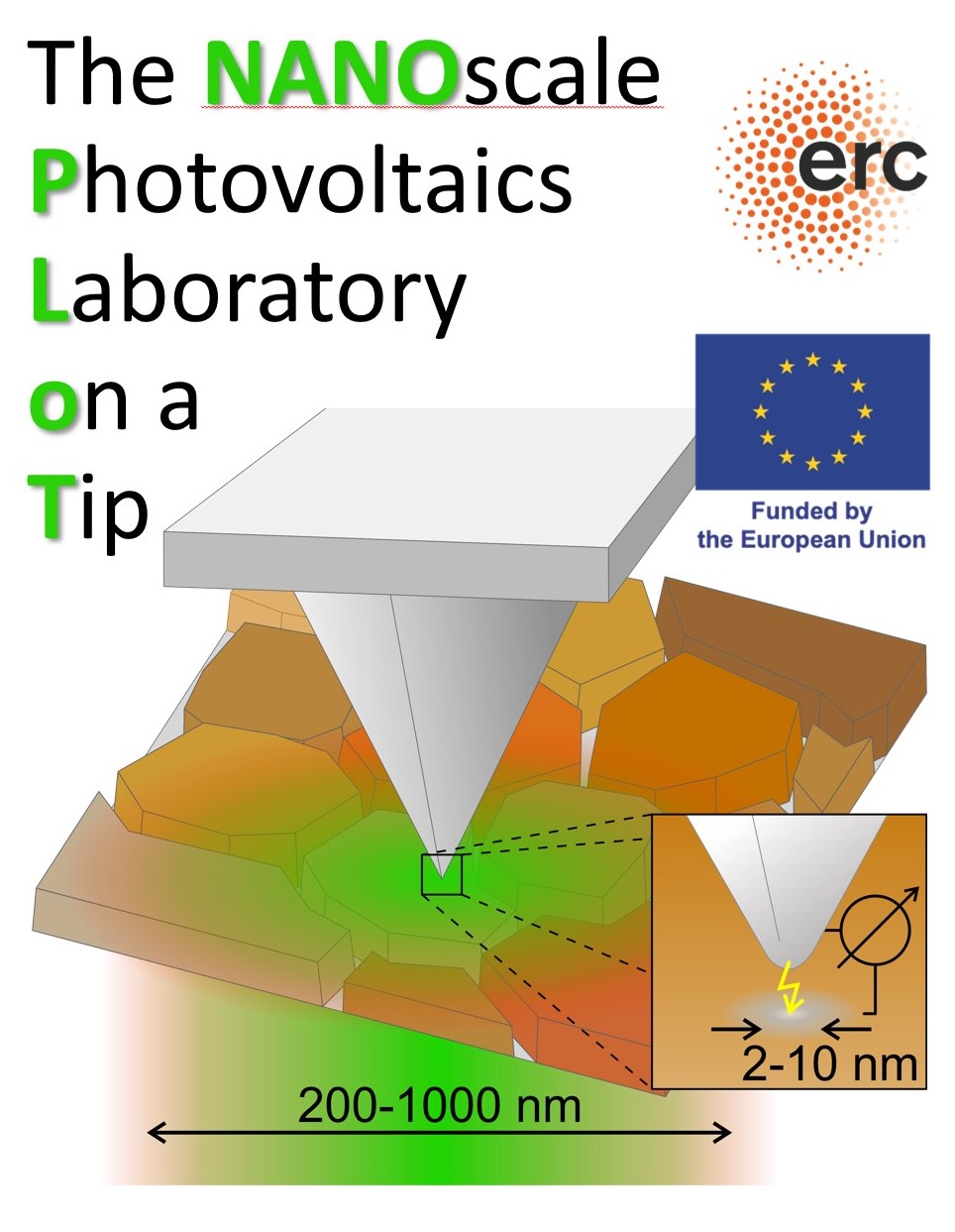
Prof. Dr. Stefan Weber is a leading researcher in scanning force microscopy and photovoltaics at the Institute for Photovoltaics, University of Stuttgart. He leads the Nanoscale Microscopy and Characterization group and has recently secured an ERC project (NANOPlot) starting in September 2024. Stefan Weber studied Physics at the University of Konstanz where he received his Physics Diploma in 2007. He earned a joint doctoral degree from Mainz University and Seoul National University in 2010 through the International Research Training Group 'Self-organizing materials for optoelectronics'. Following a Feodor Lynen Fellowship at University College Dublin (2011), he became a project leader at the Max Planck Institute for Polymer Research (2012) and was appointed junior professor at Mainz University (2015). His research focuses on pushing the boundaries of scanning force microscopy to understand nanoscale systems, particularly in photovoltaic materials. His group developed novel methods for studying potential distribution in operating perovskite solar cells and was the first to report ferro-elastic domains in perovskite films. They also created a low-noise microscope capable of atomic resolution imaging in liquid media and investigate the phenomenon of slide electrification. Prof. Weber's publications reveal a strong focus on the intersection of advanced microscopy techniques and photovoltaic materials science, with particular emphasis on perovskite solar cells and nanoscale electrical characterization. His work spans both fundamental microscopy development and applied photovoltaic research. Feodor Lynen Fellow (Alexander von Humboldt Foundation) ERC project NANOPlot (starting September 2024) As Group Leader at the Institute for Photovoltaics under Prof. Michael Saliba, Prof. Weber oversees a research team exploring the frontiers of scanning force microscopy. His group has developed specialized instrumentation including a low-noise microscope optimized for operation in liquid media with atomic resolution capability. The research group maintains active collaborations across international institutions as evidenced by their publication record.
Fortunato Neri is a Full Professor of Experimental Physics at the University of Messina, Italy, where he has been a faculty member since 2005. He is affiliated with the Department of Mathematical and Computer Sciences, Physical Sciences and Earth Sciences (MIFT) at the University of Messina, located at Viale F. Stagno d'Alcontres, 31 - 98166 Messina, ITALY. His academic career spans over four decades, beginning with his Physics degree earned summa cum laude (110/110) from the University of Messina in 1979, followed by positions as University Researcher (1983-1992) and Associate Professor of Solid State Physics (1992-2005). Professor Neri's research focuses on experimental studies and development of technological applications in solid state physics, with particular emphasis on thin film deposition techniques, synthesis of nanostructured materials, and spectroscopic diagnostics. His current research activities include the synthesis and diagnostics of nanostructured materials in colloidal form and thin layers, as well as optical and electronic spectroscopy characterization of nanostructured compounds. With over 200 publications in international scientific journals and an h-index of 34 (as of 2023), his work demonstrates significant impact in the field with over 4000 citations. His recent publications (2023-2025) reveal a strong focus on laser-material interactions, nanomaterials for biomedical applications, and advanced characterization techniques. The research spans multiple disciplines including semiconductor device analysis, cancer diagnostics, environmental sensing, optical engineering, and wound healing applications, demonstrating the interdisciplinary nature of his work that bridges physics, materials science, and biomedical engineering. 2022 Editorial Board Member of the journal Materials (MDPI) Professor Neri has served as advisor to numerous doctoral students and graduate theses on experimental research topics concerning the preparation, characterization, and applications of thin-film and nanostructured compounds. His research has been supported by multiple grants including a three-year industrial research project funded by MIUR (2006-2010) on thin carbon layers for anti-erosion coatings, a project funded by STMicroelectronics (2006-2007) on chemical-physical analysis by XPS spectroscopy, and the MEDNETNA project (2011-2014). He heads four research laboratories at the MIFT Department: the Microanalysis Laboratory (featuring SEM, STEM and microanalysis capabilities), the Thin Film Laboratory (with X-ray Photoelectron Spectroscopy & Imaging), the Nanomaterials Laboratory (specializing in laser ablation techniques in liquids, ultrasonic spraying, and electrospinning), and the Electronics and Chemistry Laboratory (supporting the MNS Micro and Nano Systems group). These facilities support his research in nanomaterials synthesis and characterization and serve as critical resources for the university's research community.
Maik Eichelbaum is a Professor of Analytical Chemistry at the Faculty of Applied Chemistry of Nuremberg Technical University (Technische Hochschule Nürnberg Georg Simon Ohm), where he has been employed since 2018. He holds multiple leadership roles including Spokesperson for the DFG Research Initiative DuraFuelCell and Collegial Management of the Institute for Applied Hydrogen Research, Electrochemical and Thermochemical Energy Systems H 2 Ohm. Additionally, he serves as a professorial member with the right to award doctorates in the Energy Technology Doctoral Center and is a member of the Expert Committee for Knowledge and Technology Transfer at the university. Professor Eichelbaum's research spans multiple areas of analytical chemistry with a strong focus on electrochemical energy systems. His work encompasses electrochemical analytics, elemental analytics, water analytics, and the analysis of fuel cells, electrolyzers, and batteries. He has made significant contributions to photoelectrochemistry, electrochemical CO 2 activation, and the application of machine learning in chemical analysis. His laboratory focuses on developing advanced analytical techniques for characterizing degradation processes in hydrogen fuel cells, particularly for heavy-duty vehicle applications. His recent publications demonstrate a clear trend toward the development and application of advanced electrochemical microscopy techniques for fuel cell diagnostics, with growing emphasis on machine learning approaches for predicting degradation. His work increasingly addresses practical challenges in hydrogen technology, with numerous publications focusing on PEM fuel cells for heavy-duty transportation. The research also shows a strong interdisciplinary character, bridging fundamental electrochemistry with practical engineering applications in renewable energy systems. 2025 Future Prize of the Innovation and Future Foundation for the project 'Climate, Energy and Raw Materials Change - Interactive (KERWa-interactive)' 2023 N-ERGIE Aktiengesellschaft Award for elucidating corrosion and aging processes in anion exchange membrane water electrolyzers 2016-2017 Mercator Science-Policy Fellow of the Rhine-Main Universities 2012 Hot Topic Prize of the German Bunsen Society for Physical Chemistry 2008-2009 Postdoctoral fellowship from the BASF/Columbia University program Professor Eichelbaum actively supervises numerous Master's and Bachelor's theses, with over 20 students listed in recent years. His current research is supported by multiple significant grants including the DFG-funded DuraFuelCell project (2024-2029), the LiSea project on photoelectrochemical lithium extraction from seawater (2025-2026), and the SMART-H 2 project funded by the Federal Ministry of Education and Research and MAN Truck & Bus SE (2022-2027). He serves as a scientific reviewer for major organizations including the German Research Foundation (DFG), the Federal Ministry for Research, Technology and Spaceflight, and the American Chemical Society. His laboratory, part of the Environmental and Electroanalytical Laboratory at TH Nürnberg, focuses on developing and applying advanced analytical techniques for electrochemical energy systems. The team works closely with industry partners including MAN Truck & Bus SE and BASF, with strong connections to the Energy Campus Nuremberg. Current research directions include smart monitoring of fuel cell aging using neural networks, development of new standard methods for semiconductor photoactivity analysis, and investigation of corrosion and aging processes in next-generation electrolyzers.