معرفی
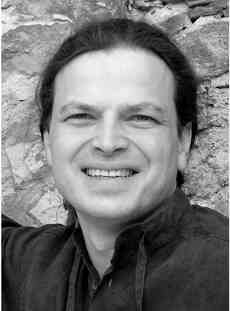
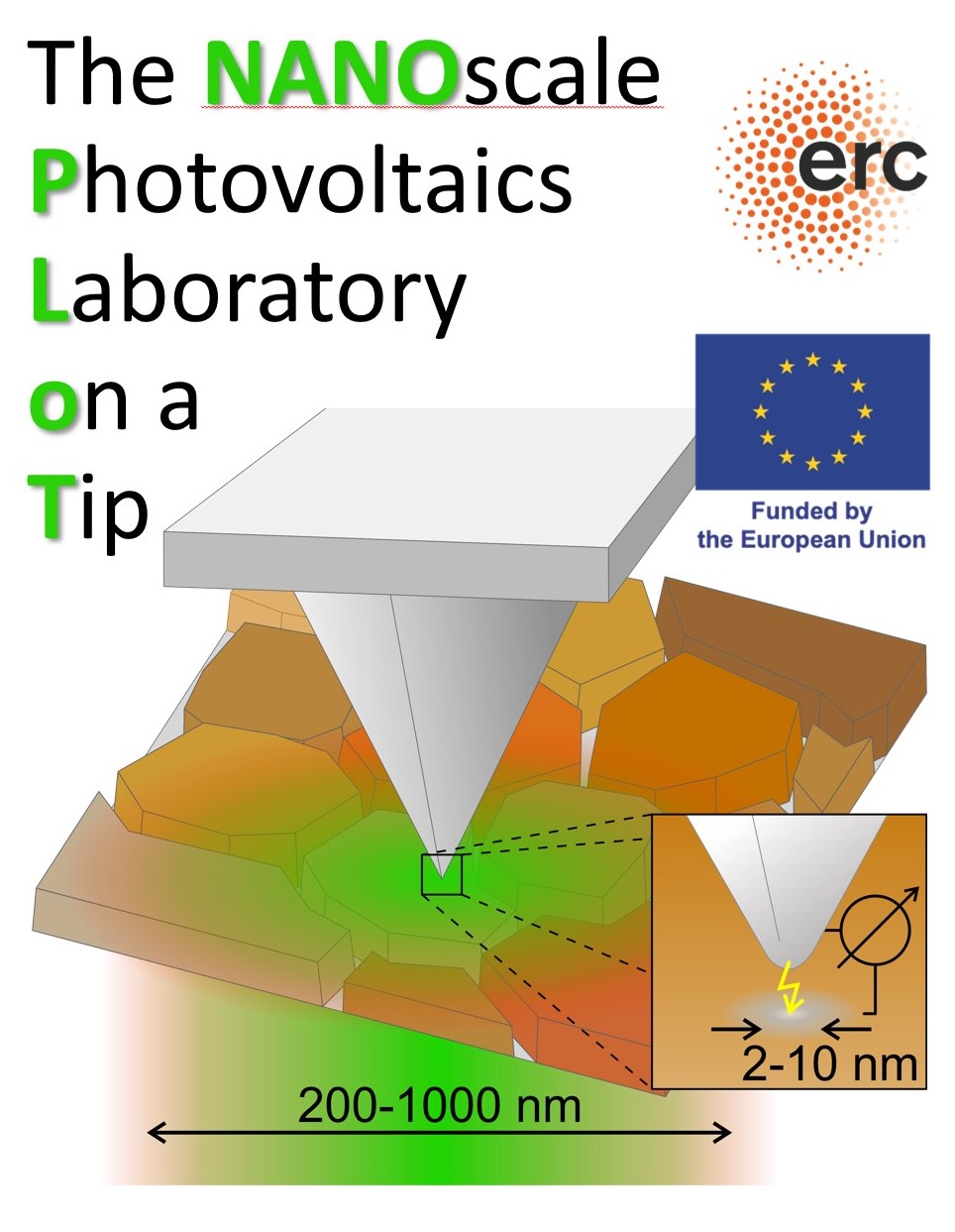
Prof. Dr. Stefan Weber is a leading researcher in scanning force microscopy and photovoltaics at the Institute for Photovoltaics, University of Stuttgart. He leads the Nanoscale Microscopy and Characterization group and has recently secured an ERC project (NANOPlot) starting in September 2024.
Stefan Weber studied Physics at the University of Konstanz where he received his Physics Diploma in 2007. He earned a joint doctoral degree from Mainz University and Seoul National University in 2010 through the International Research Training Group 'Self-organizing materials for optoelectronics'. Following a Feodor Lynen Fellowship at University College Dublin (2011), he became a project leader at the Max Planck Institute for Polymer Research (2012) and was appointed junior professor at Mainz University (2015).
His research focuses on pushing the boundaries of scanning force microscopy to understand nanoscale systems, particularly in photovoltaic materials. His group developed novel methods for studying potential distribution in operating perovskite solar cells and was the first to report ferro-elastic domains in perovskite films. They also created a low-noise microscope capable of atomic resolution imaging in liquid media and investigate the phenomenon of slide electrification.
Prof. Weber's publications reveal a strong focus on the intersection of advanced microscopy techniques and photovoltaic materials science, with particular emphasis on perovskite solar cells and nanoscale electrical characterization. His work spans both fundamental microscopy development and applied photovoltaic research.
- Feodor Lynen Fellow (Alexander von Humboldt Foundation)
- ERC project NANOPlot (starting September 2024)
As Group Leader at the Institute for Photovoltaics under Prof. Michael Saliba, Prof. Weber oversees a research team exploring the frontiers of scanning force microscopy. His group has developed specialized instrumentation including a low-noise microscope optimized for operation in liquid media with atomic resolution capability. The research group maintains active collaborations across international institutions as evidenced by their publication record.