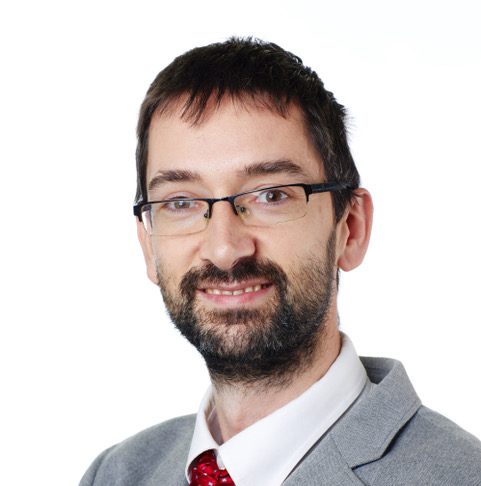
Maurits Haverkort is a Professor at the Institute for Theoretical Physics, Heidelberg University (Germany). His research focuses on quantum many-body systems , strongly correlated electrons , and X-ray spectroscopy of complex materials under strong fields. University of Cologne (PhD in Physics, 2005) University of Groningen (M.Sc. in Physics, 2002) Research Interests : He investigates orbital and magnetic properties in heavy fermion systems , actinide materials , and correlated oxides using resonant inelastic X-ray scattering (RIXS) , ARPES , and computational tools like Quanty . His work spans crystal field theory , spin-orbit coupling , and ultrafast electron dynamics . Scientific Awards & Activities : 2018 – Editorial Board Member, Physical Review Letters 2017 – Beam Time Allocation Panel, ESRF Grenoble 2016–2018 – Swedish Research Council Panel NT-4 2012–2016 – Scientific Selection Panel, Helmholtz-Zentrum Berlin Recent Publications highlight 5f electron counting , photon-modulated bonding , and precision neutrino mass experiments , reflecting his expertise in quantum materials and advanced spectroscopy .
Roberto Tron is an Assistant Professor in the Mechanical Engineering and Systems Engineering departments at the Boston University College of Engineering , with his office located at 110 Cummington Mall. His research integrates control theory, robotics, and computer vision to solve complex multi-agent coordination problems. His primary research interests focus on Riemannian geometry applications , distributed multi-agent systems , and safety-critical control . Key methodologies include Control Barrier Functions (CBFs), Riemannian optimization, and distributed consensus algorithms, with applications spanning autonomous aerial vehicles, robotic manipulation, and multi-robot security systems. Analysis of his recent publications reveals a strong emphasis on safety verification and real-time optimization for autonomous systems. His work consistently bridges theoretical foundations in nonlinear control with practical implementations in robotics, particularly addressing challenges in limited sensor fields of view, distributed task allocation, and noise-robust navigation. The research shows increasing integration of formal methods like Signal Temporal Logic with learning-based approaches. Tron received his Ph.D. from The John Hopkins University and previously conducted post-doctoral research at the GRASP Lab, University of Pennsylvania. His work demonstrates significant contributions to provably safe autonomous systems through frameworks like the Control Barrier Function Toolbox.
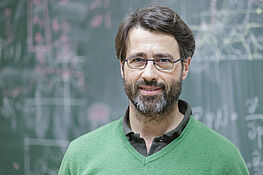
Christoph Dellago is a full Professor of Computational Physics at the Faculty of Physics of the University of Vienna, where he has been a faculty member since 2003. He currently serves as Director of the Erwin Schrödinger Institute for Mathematics and Physics, Head of the Computational and Soft Matter Physics Group, and Project lead of EuroCC Austria - National Competence Centre for Supercomputing. Previously, he served as Dean of the Faculty of Physics (2009-2012) and Coordinator of the Doctoral College Advanced Functional Materials (DCAFM). Full Professor, Faculty of Physics, University of Vienna (2003-present) Director, Erwin Schrödinger Institute for Mathematics and Physics (2017-present) Head, Computational Physics and Soft Matter Group (2024-present) Coordinator, Doctoral College Advanced Functional Materials (DCAFM) Austrian Representative, Council of CECAM Dellago received his PhD in Physics from the University of Vienna in 1996, followed by postdoctoral research at UC Berkeley as a Schrödinger Fellow of the Austrian Science Foundation. His research focuses on developing computational methods to study rare events in condensed matter systems, particularly transition path sampling methodology for simulating nucleation, chemical reactions, and biomolecular reorganizations. He has pioneered the application of machine learning to molecular structure recognition and potential energy surfaces. Recent work examines self-assembly of nanocrystals, biopolymer folding, aqueous interfaces, phase separation in alloys, thermo-polarization, cavitation, and freezing phenomena. Analysis of Dellago's recent publications (2023-2025) reveals a strong emphasis on machine learning applications in computational physics, particularly neural network potentials for simulating water interfaces, crystal defects, and phase transitions. His work bridges traditional statistical mechanics with modern computational techniques, creating powerful tools for studying complex dynamical processes that occur on timescales far beyond conventional molecular dynamics simulations. The publications demonstrate increasing integration of machine learning with rare event sampling methods, reflecting the cutting-edge direction of computational statistical mechanics. Förderpreis der Stiftung Futura zur Förderung junger Südtiroler im Ausland (1997) The Raymond and Beverly Sackler Prize in the Physical Sciences (2005) UNIVIE Teaching Award of the University of Vienna (2014) Dellago leads an active research group with multiple PhD students and postdocs, focusing on computational statistical mechanics. His group develops trajectory-based sampling methods and machine learning approaches for molecular simulation. He has secured significant funding through EuroCC Austria and various research platforms including the Research Platform Accelerating Photoreaction Discovery and the Research Platform Erwin Schrödinger International Institute for Mathematics and Physics. His research has been supported by numerous grants enabling advanced computational infrastructure for high-performance simulations. The Dellago Group operates within the Computational and Soft Matter Physics division at the University of Vienna, with strong connections to the Research Network Data Science. The group collaborates extensively with international research institutions and maintains close ties with the Erwin Schrödinger Institute, which Dellago directs. Their research environment combines theoretical physics, computational chemistry, and machine learning expertise to tackle fundamental questions in condensed matter physics and soft matter systems.
Professor Patrick Minford is a distinguished academic specializing in macroeconomics and trade modeling at Cardiff Business School, Cardiff University. With a prolific research career spanning several decades, he has established himself as a leading expert in dynamic stochastic general equilibrium (DSGE) modeling and macroeconomic policy analysis. His work frequently addresses contemporary economic challenges including Brexit impacts, monetary policy frameworks, and international trade dynamics. Minford's research interests focus on macroeconomic and trade modeling, with particular emphasis on the application of DSGE models to real-world policy questions. His work consistently bridges theoretical economic frameworks with practical policy implications, examining how monetary and fiscal policies affect economies in both closed and open contexts. Recent research has expanded to include analysis of pandemic economic impacts, Brexit consequences, and the evaluation of alternative monetary policy frameworks including Modern Monetary Theory. His extensive publication record demonstrates consistent contributions to top economic journals including Journal of International Money and Finance, Open Economies Review, and Applied Economics. Minford's methodological expertise in indirect inference techniques for model validation has been particularly influential in the field of applied macroeconomics. His research often involves international collaborations, reflecting the global nature of contemporary economic challenges. As an educator, Minford teaches macroeconomics to MSc and PhD students at Cardiff Business School and is available for postgraduate supervision. His teaching complements his research focus, ensuring students receive cutting-edge instruction in macroeconomic modeling and policy analysis.
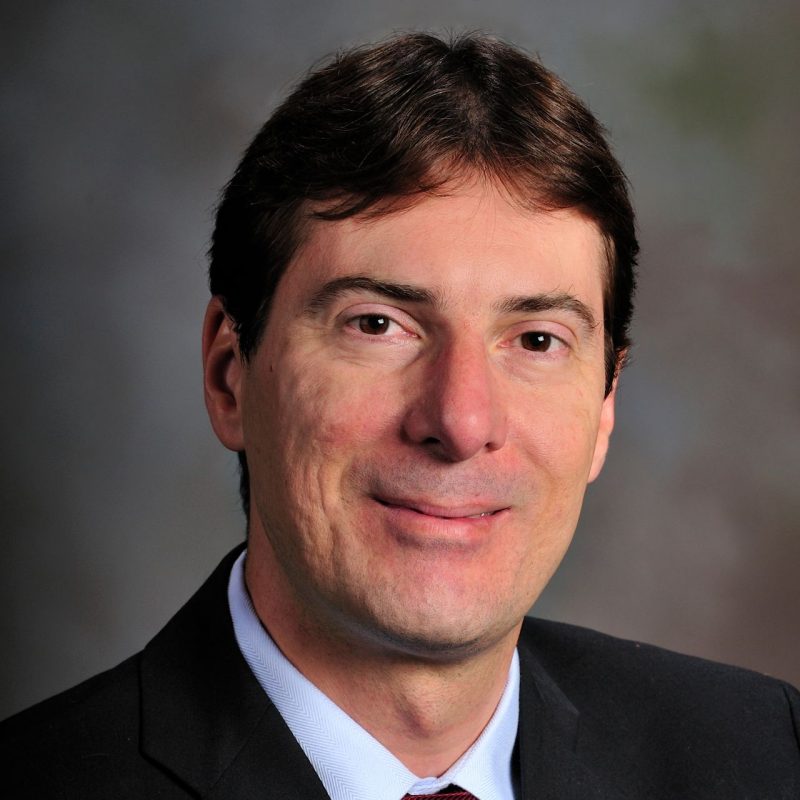
Marco A.R. Ferreira is an Associate Professor in the Department of Statistics at Virginia Polytechnic Institute and State University (Virginia Tech), affiliated with the College of Science. He holds a Ph.D. in Statistics from Duke University (2002), with a dissertation on Bayesian multi-scale modeling under M. West. He also earned an M.Sc. (1994) and B.Sc. (1993) in Statistics from the Federal University of Rio de Janeiro. Research Interests: Ferreira specializes in Bayesian statistics, multi-scale modeling, spatial-temporal models, computational methods (e.g., MCMC), and applications in environmental science, genomics, and epidemiology. His work emphasizes hierarchical models, inverse problems, and high-dimensional data analysis. Publications Trends: His research spans advanced statistical methodologies for environmental monitoring, civil unrest modeling, and genomic data analysis. Key themes include Bayesian hierarchical models, spatiotemporal fusion, and computational algorithms for optimal experimental design. Awards & Honors: OBAYES Poster Prize (2009) CNPq Fellowship (2003–2006) WNAR/COBAL 2 Award (2005) Springer Poster Prize (2003) Finalist, Savage Award (2003) Best Contributed Paper (JSM 2000) Professional Activities: He serves as an Associate Editor for Bayesian Analysis and is a member of the American Statistical Association and the International Society for Bayesian Analysis.
Ramin Motamed is a Professor in the Department of Civil & Environmental Engineering at the University of Nevada, Reno (UNR). His research focuses on geotechnical earthquake engineering, including soil-structure interaction, liquefaction mitigation, and nonlinear site response analysis. He has conducted extensive studies on deep foundations, ground motion analysis, and seismic design of structures. Motamed leads a research group involving postdocs and graduate students, and teaches advanced courses such as Geotechnical Earthquake Engineering and Foundation Engineering Design. His work integrates experimental methods (e.g., shake table tests) with numerical modeling to address challenges in seismic hazard mitigation. Key projects include evaluating helical piles for foundation settlement reduction, improving LRFD resistance factors for drilled shafts in Nevada, and analyzing site-specific ground motions using downhole array data. Motamed’s research has been published in journals like Soil Dynamics and Earthquake Engineering, and he collaborates with institutions globally, including Japan’s E-Defense facility. Current research emphasizes reducing uncertainties in ground motion prediction, optimizing mitigation measures for liquefaction-prone sites, and advancing predictive analytics for geotechnical design using machine learning. His lab facilities and field experiments enable large-scale validation of theoretical models, bridging geotechnical theory and practical engineering solutions. Teaching responsibilities include foundational and graduate courses covering geotechnical engineering principles, earthquake engineering, and advanced foundation analysis. Motamed’s advising includes over a dozen graduate students, many contributing to high-impact research in seismic resilience and geotechnical innovation.
Josefine Friederike Weiß is a researcher at the Alfred Wegener Institute (AWI) , affiliated with the Polar Terrestrial Environmental Systems department in Potsdam, Germany. Her work focuses on marine sedimentary ancient DNA to investigate carbon dynamics between terrestrial and marine ecosystems. She explores how ancient genetic material preserved in sediments reveals historical climate and ecological interactions. Her research integrates advanced molecular techniques such as metabarcoding and sedimentary DNA analysis to trace land-plant carbon sources, phytoplankton blooms, and biogeochemical processes in polar regions. Key projects include studying Phaeocystis blooms' role in carbon sequestration and Arctic sub-mesoscale filament dynamics. Publications highlight interdisciplinary approaches combining high-resolution oceanographic measurements with paleoenvironmental reconstructions. While no explicit awards are listed, her contributions bridge genetics, geology, and climate science in polar environments. Josefine collaborates on long-term observational systems like the LTER Observatory HAUSGARTEN and participates in Arctic and Antarctic expeditions. Her work supports understanding climate change impacts on marine and terrestrial carbon cycles.
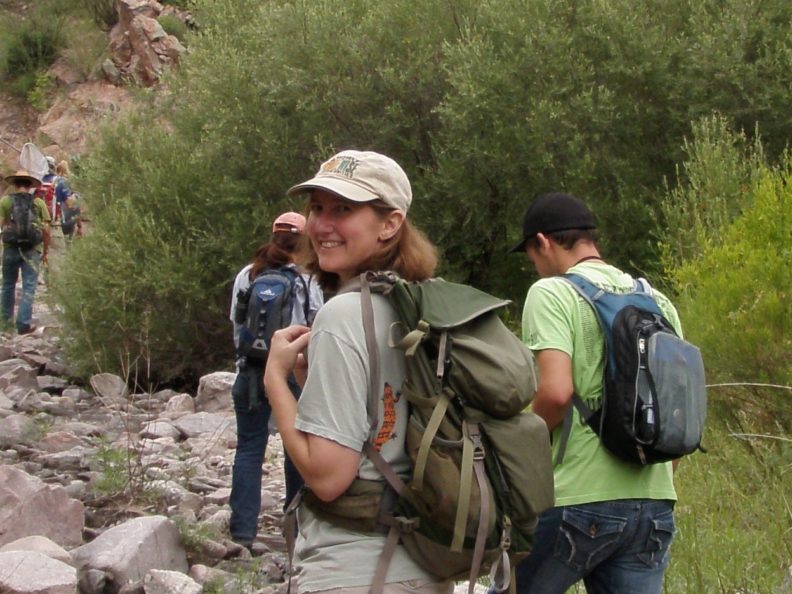
Caren Goldberg is an Assistant Professor in the Department of Entomology at Washington State University (WSU), affiliated with the College of Agricultural, Human, and Natural Resource Sciences (CAHNRS). Her research focuses on ecological modeling and conservation biology, particularly using environmental DNA (eDNA) and landscape genetics to study species distribution and connectivity. Education : Ph.D., University of Idaho (Fish and Wildlife Resources); M.S., University of Arizona (Wildlife and Fisheries Sciences); B.A., University of California, Berkeley (Integrative Biology). Research Interests : Goldberg’s work emphasizes eDNA applications for detecting rare species, amphibian spatial ecology, and mitigating invasive species impacts. Key projects include: Developing eDNA tools for aquatic biodiversity monitoring Landscape genetics of pond-breeding amphibians Quantifying pathogen transmission in wild populations Integrating eDNA with conventional field methods Survey Methods and Tools : Goldberg’s team has pioneered eDNA sampling systems like the ANDe™ device and validated protocols for pathogen detection in trade settings. Her work addresses methodological challenges, such as optimizing sampling designs for variable environmental conditions. Advising and Grants : While specific grant details are not listed, her extensive publication record indicates sustained funding for ecological and conservation research. She collaborates with national parks, wildlife agencies, and international organizations to apply eDNA technologies in conservation planning. Labs and Teams : Goldberg leads a research group within the WSU Department of Entomology, focusing on ecological and genetic approaches to conservation challenges. Her work often involves interdisciplinary teams tackling global biodiversity crises.
Martina Vandebroek is Full Professor of Statistics and Operations Research at KU Leuven, Faculty of Economics and Business, where she leads methodological work within the Operations Research and Statistics Research Group (ORSTAT). She also serves as senior academic staff on the Faculty Council and the Campus Councils for Leuven and Kortrijk, and is a member of the LStat General Assembly. Research Interests Discrete choice experiments (design & analysis) Optimal and sequential experimental design Multivariate statistics and modelling of preference heterogeneity Random regret minimisation and attribute non-attendance Applications in health economics, transport, marketing, and food science Her methodological innovations enable more efficient data collection and richer behavioural insights in stated-preference surveys, while her applied projects translate patient and consumer preferences into actionable evidence for policy makers and industry. Recent Publications Overview Between 2022 and 2024 Vandebroek (co-)authored 15 key articles. These contributions advance both the statistical machinery of choice modelling—such as mixed random regret models, design-efficient sample-size rules, and consideration-set heuristics—and substantive applications in oncology patient preferences, inflammatory bowel disease treatments, meat-substitute adoption, and food-quality valuation. The work repeatedly integrates sophisticated econometric techniques with real-world stakeholder data, reflecting an overarching commitment to methodological rigour and societal impact. Scientific Awards & Recognition No specific awards are listed in the provided material; however, her sustained publication record in top journals (Journal of Choice Modelling, Food Quality and Preference, Frontiers in Oncology, Stata Journal) attests to significant scholarly recognition. Advising & Grant Activities Promotor (PI) of FWO project “Discrete choice models including screening rules: modeling and design” (2017-2021) Promotor of KU Leuven project “Efficient Online Choice Experiments” (2017-2020) Co-promotor of IWT/FWO project “Empirical and methodological challenges in choice experiments” (2017-2023) Co-promotor of VLAIO project “Development, Validation, and Valorization of a Patient Preference Platform” (2023-2026) Teaching & Service Vandebroek teaches master-level courses “Applications of Statistics” (Dutch and English iterations) and contributes to the Leuven Statistics Research Centre (LStat) educational programme.
Kåre Moen is an Associate Professor at the Department of Community Medicine and Global Health, University of Oslo. His primary research interests include qualitative research methods, medical anthropology, global health, and HIV with a focus on issues of gender, sexuality, and homosexuality. He holds a PhD in Community Medicine from the University of Oslo, a Master of Public Health from UCLA, and a Doctor of Medicine from the University of Bergen. His work emphasizes vulnerable populations such as female sex workers, men who have sex with men (MSM), and people who inject drugs, particularly in East African contexts like Tanzania and Zimbabwe. Recent studies include the efficacy of mHealth interventions for HIV prevention, socio-structural barriers to healthcare access, and the sociocultural dimensions of HIV/AIDS. Key collaborations: Muhimbili University of Health and Allied Sciences (Tanzania), Addis Ababa University (Ethiopia), and the Center for Social Research in Health (Australia). Grants/Projects: BIO (Biomedicalization from the Inside Out), TRUST (Transdisciplinary Research for Sustainable Health), and DOCEHTA (Strengthened Doctoral Education for Health in Tanzania). Research highlights include conceptual frameworks for biomedical HIV prevention and participatory design of digital health tools targeting at-risk groups. His work frequently employs qualitative methodologies to explore structural inequalities and healthcare system challenges in low-resource settings.
Geir Haaland is an Associate Professor in auditing and accounting at the Department of Economics, School of Business and Law, University of Agder. He holds a Master's in Accounting and Auditing from NHH Norwegian School of Economics and is a state-authorized auditor. His research focuses on auditing standards, corporate governance, and sustainability reporting, with notable contributions to the IFRA project. He leads the Master's Program in Accounting and Auditing and has extensive industry experience from PwC. Roles: Associate Professor, Study Program Director (Master's in Accounting & Auditing) Education: Master's in Accounting (NHH), Certified State Authorized Auditor His research emphasizes practical auditing standards (e.g., ISA 315) and regulatory impacts on businesses. He co-authored a seminal article on Norway's adoption of IFRS for SMEs. Teaching includes courses on auditing, corporate governance, and financial accounting. Active in professional circles, Haaland chairs auditing committees, advises on regulatory updates, and collaborates with industry bodies like the Norwegian Institute of State Authorized Public Accountants. His recent work addresses sustainability reporting and anti-money laundering compliance.
Jairo Fúquene Patiño is an Assistant Professor of Statistics at the University of California, Davis. His research focuses on practical and theoretical Bayesian statistics with applications in public health, medicine, demography, environmental data analysis, and official statistics. He holds a Ph.D. and is affiliated with the Department of Statistics. Research Interests: Bayesian methodologies applied to small area estimation, fMRI data analysis, survey sampling, and environmental statistics. His work bridges theoretical advancements with real-world applications in medicine and public policy. Awards: 2020 UC Davis CAMPOS Faculty Scholar Award (2020-21) Professional Activities: Delivered the STA 290 Seminar on November 3, 2022, at Mathematical Sciences Building 1147.
Cindy Xiong is an Assistant Professor in the School of Interactive Computing at Georgia Tech. She holds a Ph.D. in Cognitive Psychology from Northwestern University and undergraduate degrees in Applied Mathematics and Psychology from UCLA. Her research focuses on the intersection of visual perception, cognition, and data visualization, aiming to understand how humans interpret and make decisions from visualized data. She has pioneered work on mitigating confirmation bias, perceptual illusions in charts, and the impact of visualization design on decision-making. Her research has been recognized with an NSF CAREER Award (2023) and an NSF Medium Award (2024), as well as best paper awards at IEEE PacificVis (2024) and ACM CHI (2022). She co-founded VISxVISION, an initiative bridging visualization researchers and perceptual psychologists. She also serves on the Human Factors Task Group at NIST to evaluate forensic lab standards. Teaching: She designed a UX Research course at UMass Amherst, emphasizing user-centered design, experimental methods, statistical analysis, and effective communication of research findings. The course involves group projects analyzing UX challenges and presenting data-driven solutions. Grants/Awards: NSF funding totaling $1.2M supports her work on visual analytic decision-making and mitigating confirmation bias. Her honors include VGTC Dissertation Award recognition (2022) and IEEE CG&A Best Paper Runner-Up (2022). Research Labs/Teams: Active in NIST's Human Factors Task Group and leading the VISxVISION collaboration. Her work often involves interdisciplinary teams combining psychology and computational methods.
Dr. Freek van Ede is an Associate Professor at the Faculty of Behavioural and Movement Sciences, Vrije Universiteit Amsterdam, specializing in Cognitive Psychology. He leads the Proactive Brain Lab, focusing on how the brain prepares for upcoming behavior through attention and working memory. His research employs EEG, eye-tracking, and virtual reality to study dynamic cognitive processes. Education: PhD in Cognitive Neuroscience (Cum Laude), Radboud Universiteit Nijmegen (2014) MSc in Cognitive Neuroscience (Cum Laude), Radboud Universiteit Nijmegen (2009) BSc in Psychology, University of Utrecht (2007) Research Interests: His work investigates how attention and working memory interact with anticipation, timing, and action. Key methodologies include EEG, eye-tracking, and virtual reality. Recent projects explore stimulus-driven selective attention and how visual working memories are prepared for action. Grants & Awards: NWO Vidi Grant (2023–2028, €800,000) ERC Starting Grant (2020–2025, €1.5 million) Young Investigator Award, CNS (2023) Early Career Awards from BACN and NVP (2023, 2022) Lab & Teams: He directs the Proactive Brain Lab, emphasizing innovative experimental designs and interdisciplinary approaches. The lab welcomes motivated students at all levels.
Dr. Liza-Anastasia DiCecco is an Assistant Professor in the Department of Systems Design Engineering at the University of Waterloo, where she leads the Regenerative Biomaterials Innovation Group. Her research focuses on biomimetic implant development for hard tissues, biomineralization processes, and advanced materials characterization using liquid phase electron microscopy. She holds a PhD in Materials Engineering from McMaster University and completed postdoctoral training at Penn State University supported by the NSERC Banting Fellowship. Education: PhD, Materials Engineering, McMaster University (2023) MASc, Materials Engineering, University of Windsor (2019) BASc, Mechanical Engineering, University of Windsor (2017) Research Interests: Biomaterials design for musculoskeletal applications Biomineralization mechanisms at organic-inorganic interfaces In situ liquid transmission electron microscopy (TEM) for dynamic material analysis 3D printing of functionalized medical implants Computational modeling of biomaterial behavior Awards & Recognition: 2023 NSERC Banting Postdoctoral Fellowship 2019-2022 NSERC Vanier Canada Graduate Scholarship 2024 M&M Microanalysis Society Creative Canvas Award 2023 McMaster University Fall Valedictorian Professional Affiliations: Councillor-At-Large, Microscopy Society of Canada Core Member, Waterloo Institute for Nanotechnology Member, Canadian Biomaterials Society Lab Focus: The DiCecco Team develops novel biomaterial characterization workflows linking atomic-to-macro scale structures, with emphasis on hydrated environments. Current projects explore titanium-based implants with genistein coatings and collagen mineralization mechanisms.