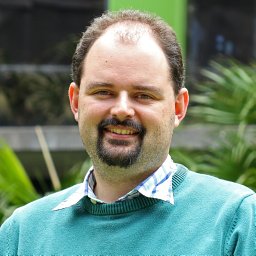
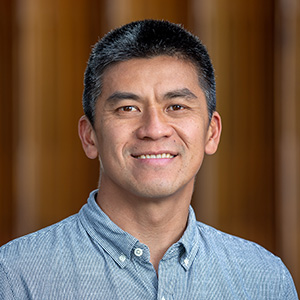
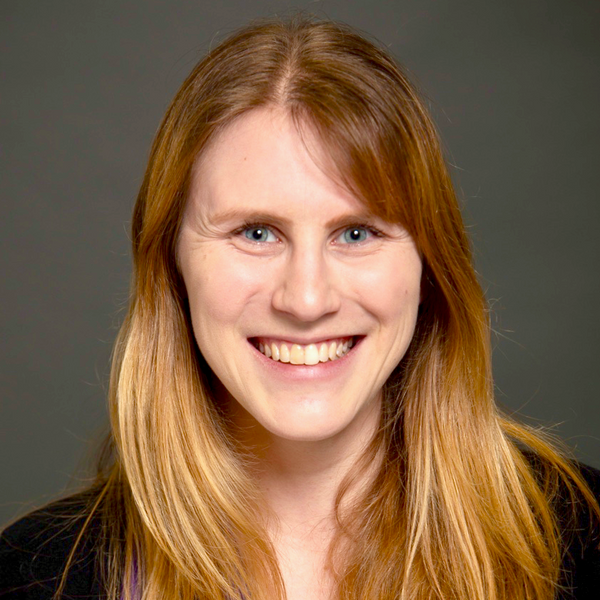
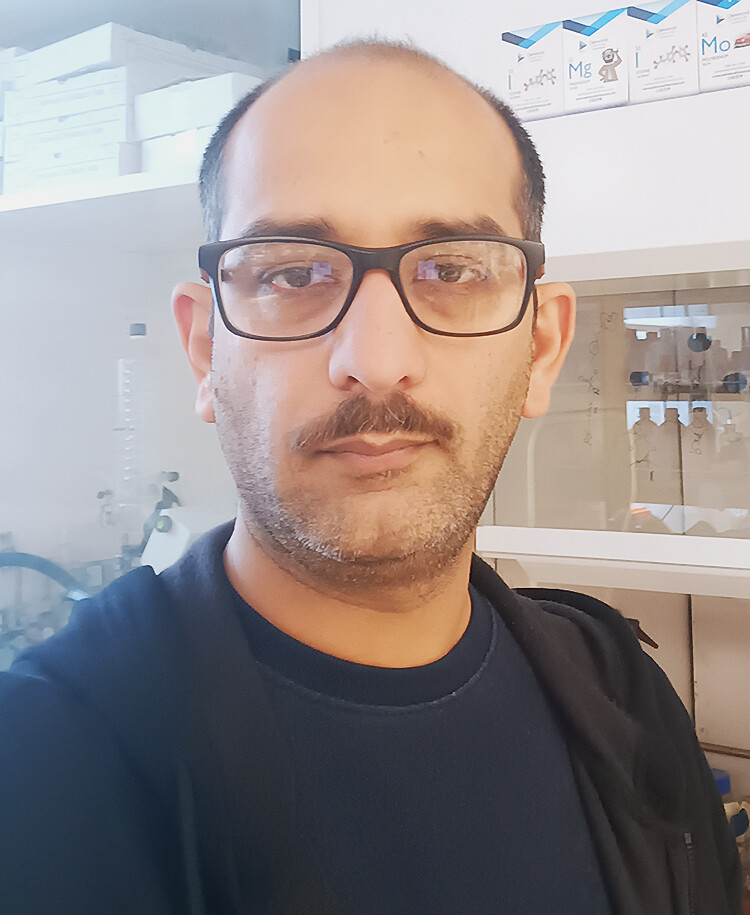
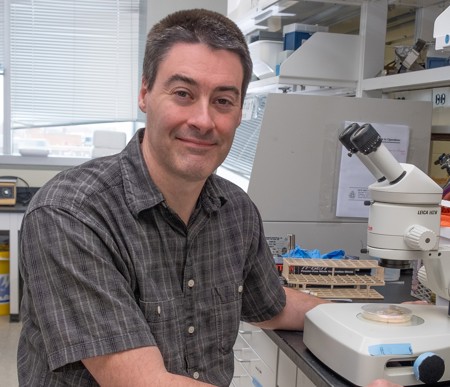
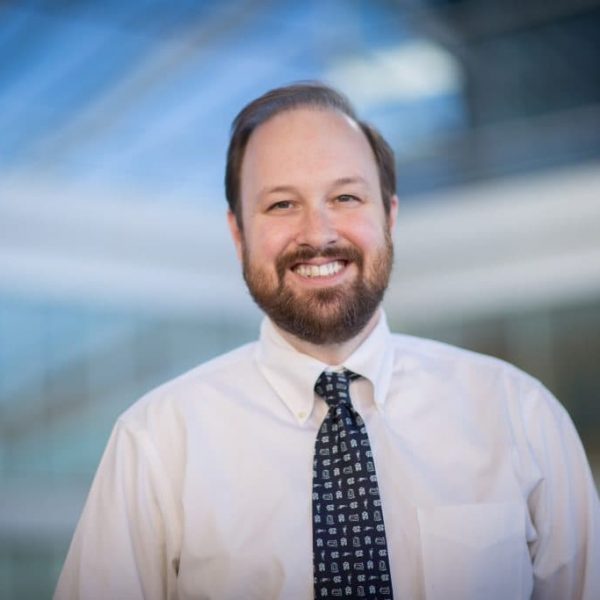
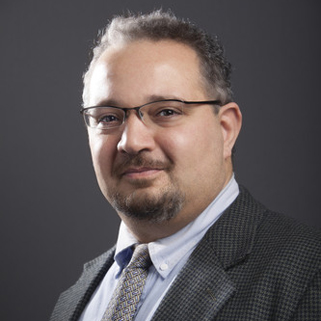
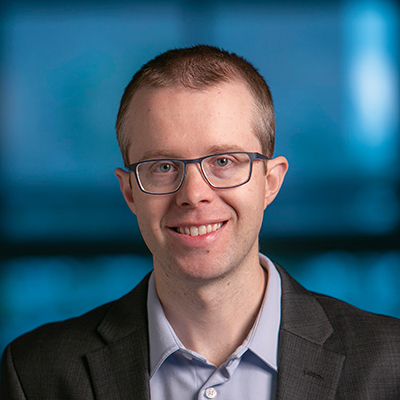
Associate Professor David Anthony Jacques leads the Structural Virology Group at the EMBL Australia Node for Single Molecule Science, UNSW Sydney. He holds a PhD from the University of Sydney and completed postdoctoral research at the MRC Laboratory of Molecular Biology, Cambridge. His work focuses on structural biology of HIV and other viruses, employing techniques like X-ray crystallography, cryo-EM, and single-molecule fluorescence. Key research areas include HIV capsid structure-function relationships, host-pathogen interactions, and viral immune evasion mechanisms. Education: PhD in Biochemistry, University of Sydney (supervised by Professors Jill Trewhella and Mitchell Guss) BSc (Advanced) (Hons) in Biochemistry and Chemistry Research Interests: Structural basis of viral infection, HIV capsid dynamics, nuclear transport mechanisms, and development of antiviral strategies. His studies reveal how HIV exploits host machinery for replication and how viral proteins interact with cellular cofactors like nucleoporins and innate immune sensors. Grants & Awards: NHMRC Early Career Fellowship (2012-2017) Wellcome Trust Collaborator Award (2019-2024) ARC Discovery Project (DP180101384) Advising & Labs: Supervises Honours, Masters, and PhD students in virology and structural biology. Leads the Structural Virology Group with expertise in advanced microscopy and biophysical techniques. Collaborates on the X-ray Facility for Protein Crystallography funded under ARC LE190100165.
Howard Hang, PhD, is the Chair of the Department of Immunology and Microbiology at Scripps Research. He holds joint appointments in the Department of Chemistry and the Skaggs Graduate School of Chemical and Biological Sciences. His research focuses on molecular mechanisms of host-microbe interactions, particularly how metabolites from host, diet, and microbiota modulate immunity and pathogenesis. He has pioneered chemical methods to study metabolite-protein interactions and developed animal models to identify microbiota-derived protective factors. Dr. Hang earned his B.S. (1998) and Ph.D. (2003) in Chemistry from the University of California, Santa Cruz and Berkeley, respectively. He completed postdoctoral training at Harvard Medical School and the Whitehead Institute. His awards include the Eli Lilly Award in Biological Chemistry (2017), Synergy Award (2019), and Distinguished Teaching Award (2011). His research spans chemical biology, microbiology, and immunology, with breakthroughs in understanding IFITM antiviral proteins, peptidoglycan metabolism, and microbiota-derived therapies for cancer immunotherapy. His lab's work has generated novel biomarkers and therapeutic leads for infections, inflammation, and immunotherapy. Key collaborations include studies on checkpoint inhibitor enhancement via Enterococcus peptidoglycan remodeling and discovery of microbiota-derived GPRC5A agonists. His group employs innovative methods like chemical proteomics and site-specific lipidation to study protein modifications in live cells.
Dr. Michelle Teplensky is an Assistant Professor in Biomedical Engineering and Materials Science at Boston University, where she directs research on nanomaterial-based immune engineering. Her lab develops nanoparticle platforms for next-generation vaccines and cancer immunotherapies. Research integrates nanotechnology with immunology to create programmable biomaterials that control immune cell interactions. Recent publications focus on: Spherical nucleic acid vaccine architectures Metal-organic frameworks for drug delivery Tumor microenvironment modulation Multi-antigen vaccine optimization Awards include the Beckman Young Investigator Award and AIChE 35 Under 35 recognition for innovations in nanovaccine design.
Karan Arora is a Research Assistant Professor in the Department of Chemical and Biomolecular Engineering at Vanderbilt University’s School of Engineering. His research focuses on designing innate immune agonists to target tumors, advancing cancer immunotherapy and precision medicine. He holds a Ph.D. in Organic Chemistry from Wayne State University, an M.S. from IIT Bombay, and a B.S. from Delhi University. Education: Ph.D., Organic Chemistry, Wayne State University M.S., Organic Chemistry, IIT Bombay B.S., Chemistry, Delhi University Research Interests: Professor Arora’s work emphasizes the synthesis of polymer-based immune modulators, targeting the STING and RIG-I pathways. His projects aim to develop therapies that selectively activate the innate immune system at tumor sites, leveraging drug delivery systems like nanoparticles and nanobodies. Recent efforts include dual-responsive glycopolymers for antigen co-delivery and light-activated inhibitors for cancer cell apoptosis. Article Trends: His publications highlight advancements in STING pathway modulation (e.g., SPINs for inflammatory diseases), nanovaccine design, and photoactivated cancer therapies. The work bridges organic chemistry, biomaterials, and clinical applications. Grants & Advising: While specific grant details are not listed, his research implies significant funding in biomaterials and oncology. No formal advisees are documented here. Labs/Teams: Collaborations with interdisciplinary teams in nanotechnology and immunology are central to his projects, though specific lab affiliations are not stated.
Christopher M Waters is a Professor in the Department of Microbiology, Genetics, & Immunology at Michigan State University's College of Natural Science. He holds faculty appointments in the Genetics & Genome Sciences Program and Cell & Molecular Biology Program. His research focuses on bacterial chemical signaling mechanisms in pathogens, particularly Vibrio cholerae, investigating how these systems regulate virulence and biofilm formation. Education: B.S., 1997, University of Kansas Ph.D., 2002, University of Minnesota Post-doctoral studies, 2003-2008, Princeton University Research Focus: Dr. Waters' laboratory studies cyclic di-GMP signaling and quorum sensing in bacterial pathogens. His work reveals how these chemical communication systems control critical processes like biofilm formation and virulence factor expression. The lab employs molecular genetics, biochemistry, and microscopy to dissect signaling pathways in Vibrio cholerae, with emphasis on identifying environmental cues that modulate cyclic di-GMP levels and developing anti-infective strategies targeting bacterial communication. Publication Trends: Recent publications demonstrate Waters' leadership in cyclic dinucleotide signaling, with significant contributions to understanding c-di-GMP/phosphodiesterase regulation, biofilm heterogeneity, phage-bacteria interactions, and cross-talk between signaling systems. His work spans fundamental mechanisms in Vibrio cholerae while extending to Pseudomonas aeruginosa, Agrobacterium tumefaciens, and plant pathogens, revealing conserved principles in bacterial signal transduction. Teaching & Mentoring: Dr. Waters teaches Microbial Genetics (MGI 431), Undergraduate Research (MGI 499), and Topics in Microbiology (MGI 991). His laboratory provides training in advanced microbiological techniques while investigating bacterial pathogenesis mechanisms. He maintains an active research program supported by competitive grants focused on bacterial signaling and antimicrobial development. Research Facility: The Waters Lab (https://mmg.natsci.msu.edu/waters-lab/) operates within MSU's state-of-the-art Biomedical and Physical Sciences facility, utilizing specialized equipment for molecular microbiology, live-cell imaging, and biochemical analysis of bacterial signaling pathways.
Dr. Benjamin Vincent is an Associate Professor in the Department of Microbiology and Immunology at the University of North Carolina at Chapel Hill School of Medicine. He serves as Principal Investigator of the Vincent Lab, which is part of the UNC Lineberger Comprehensive Cancer Center, an NCI-designated Cancer Center. Dr. Vincent is also co-chair of The Cancer Genome Atlas Immune Response Working Group and affiliated with the UNC Curriculum in Bioinformatics and Computational Biology. Undergraduate: University of North Carolina at Chapel Hill Medical School: University of North Carolina at Chapel Hill Residency: University of North Carolina at Chapel Hill Fellowship: University of North Carolina at Chapel Hill Dr. Vincent's research focuses on systems tumor immunology and immunogenomics, with particular emphasis on understanding anti-tumor immunity and translating these findings into curative immunotherapy strategies. His interdisciplinary laboratory combines experimental and computational approaches to study mechanisms of response versus resistance to tumor antigen vaccination and cellular immunotherapies in humans and murine model systems. Key research themes include understanding tumor immunobiology, developing novel immunogenomics tools, investigating response and resistance to combination immunotherapy, and targeting neoantigens and minor histocompatibility antigens for personalized immunotherapy. His work has highlighted the importance of antigen-specific B cell responses in breast cancer, bladder cancer, and other solid tumors, and has made significant contributions to identifying molecular subtype-specific differential immune responses. Analysis of Dr. Vincent's recent publications reveals a strong focus on translational cancer immunology, with particular emphasis on bladder cancer, breast cancer, and immunogenomics approaches. His work frequently explores the tumor microenvironment, immune checkpoint inhibitors, neoantigen discovery, and biomarkers for predicting treatment response. The publications demonstrate a consistent trajectory of moving basic immunological discoveries toward clinical applications, with increasing emphasis on computational approaches to analyze complex immunological datasets. Yang Family Biomedical Scholars Award, UNC School of Medicine, 2023-24 Biological and Biomedical Sciences Faculty Mentor Award, UNC-Chapel Hill, 2022 Invited speaker, Immuno-Oncology Young Investigators Forum, 2016 Pope Clinical Fellow Award, Lineberger Comprehensive Cancer Center, 2015 Outstanding Fellow Award, North Carolina Oncology Association, 2015 Dr. Vincent actively collaborates with clinicians and scientists across multiple disciplines, as evidenced by his involvement in numerous clinical trials including LCCC1525 (PD-1 inhibition following regulatory T cell depletion in metastatic triple negative breast cancer), LCCC1520 (adjuvant gemcitabine/cisplatin chemotherapy in bladder cancer), and LCCC1522 (with high-dose cytarabine in relapsed acute myeloid leukemia). His laboratory has developed multiple innovative tools for immune repertoire analysis and neoantigen prediction, and he serves as co-chair of The Cancer Genome Atlas Immune Response Working Group, indicating significant recognition within the cancer immunology community. The Vincent Lab operates as an interdisciplinary experimental and computational immunology group within the UNC Lineberger Comprehensive Cancer Center. The lab utilizes murine models of bladder cancer developed by William Kim to study differential immune responses and mechanisms of response versus resistance to immunotherapy. They have developed novel statistical techniques for T cell receptor and B cell receptor repertoire analysis, approaches for immune gene signature analysis, and pipelines for neoantigen prediction. The lab actively collaborates with the LCCC Mouse Phase I Unit and the Parrott Laboratory, creating a robust translational research environment that bridges basic science with clinical applications.
Xianglian He is a PhD researcher at the Max Planck Institute of Colloids and Interfaces , affiliated with the Department of Sustainable and Bio-inspired Materials under the guidance of Prof. Silvia Vignolini. Her academic journey began with a BS and MS in light chemical engineering from Sichuan University , where she worked under Prof. Junling Guo on metal-organic materials and biohybrids using polyphenols for biomedical applications. Education BS/MS in light chemical engineering, Sichuan University Xianglian’s research bridges structural coloration in marine organisms with the design of metal-phenolic materials for advanced biomedical applications. Her work explores how photonic structures in sea slugs generate vibrant colors and how these principles can be applied to create bio-inspired therapeutic systems . Her publications highlight trends in metal-phenolic nanomaterials for cancer immunotherapy , cardiac repair , and targeted drug delivery . These studies often focus on polyphenol-based scaffolds , immunomodulatory mechanisms , and biohybrid designs that enhance therapeutic efficacy while minimizing immunogenicity.
Dr. Yong Cheng is an Assistant Professor in the Department of Biochemistry and Molecular Biology at Oklahoma State University (OSU). He holds a B.S. (2002) and Ph.D. (2007) in Microbiology from Huazhong Agricultural University, China. His postdoctoral training included work at the University of Basel (2007-2010) and the University of Notre Dame (2011-2019), where he studied host-pathogen interactions in mycobacterial infections. His current research focuses on understanding molecular mechanisms of Mycobacterium tuberculosis and non-tuberculous mycobacteria (NTM) pathogenesis, with an emphasis on host immune responses and drug discovery. Key research areas include the role of extracellular vesicles (exosomes/microvesicles) in modulating host immunity, iron metabolism in aging-related infections, and antimicrobial resistance mechanisms. He has received grants from the Oklahoma Center for Respiratory and Infectious Diseases and investigates novel therapies targeting mycobacterial infections. Dr. Cheng teaches courses on cancer immunology, biotechnology, and undergraduate research supervision. His work contributes to Sustainable Development Goal 3 (Good Health and Well-being), leveraging cutting-edge proteomics and spatial biology technologies.
Neal Silverman is a Professor at UMass Chan Medical School, affiliated with the T.H. Chan School of Medicine and the Morningside Graduate School of Biomedical Sciences. His primary appointments include the Department of Medicine (Division of Infectious Diseases) and the Department of Microbiology. He also holds roles in the Immunology and Microbiology Program, Interdisciplinary Graduate Program, MD/PhD Program, and Postbaccalaureate Research Education Program. Silverman completed his BA in Molecular Biology at UC Berkeley and his PhD in Biology at MIT. His research focuses on innate immunity, particularly using Drosophila as a model system to study host-pathogen interactions, immune signaling pathways, and microbial recognition. Key areas include peptidoglycan sensing, NF-κB regulation, and the molecular mechanisms underlying antiviral and antibacterial defenses. His work bridges microbiology, immunology, and molecular biology, with implications for infectious diseases and autoimmune disorders. Selected awards include the Presidential Early Career Award for Scientists and Engineers (PECASE) and the Kenneth Rainin Foundation Innovator Award. His research has explored topics such as CRISPR-based host factor editing for influenza, psoriasis treatment via SLC46A2 inhibition, and immune responses to pathogens like Toxoplasma gondii and Leishmania amazonensis. The Silverman Lab’s contributions emphasize translational approaches to understanding and combating infectious diseases. Scientific achievements include over 150 publications, with recent work addressing innate immune modulation, nanoparticle drug delivery for cancer, and the role of antimicrobial peptides in neurodegenerative diseases. He has been recognized for excellence in graduate education and curriculum development, reflecting his commitment to training the next generation of biomedical scientists.
Sam Basta is a Professor in the Department of Biomedical and Molecular Sciences at Queen's University, affiliated with the School of Medicine and Faculty of Health Sciences. He holds cross appointments in the Translational Institute of Medicine (TIME) and is a member of the Queen’s Laboratory for Molecular Pathology (QLMP). His research focuses on immune mechanisms, particularly antigen presentation in viral infections and cancer immunotherapy. Education: PhD (2000): Viral Immunology, Universitat Bern MSc (1996): Biochemical Immunology, University of East London BSc (1991): Biochemistry, Heriot-Watt University Research Interests: Dr. Basta investigates antigen presentation pathways in macrophages and dendritic cells, particularly during viral infections (e.g., LCMV) and tumor immunity. Key areas include: Cross-priming of CD8+ T cells Macrophage polarization (M1/M2 states) TLR signaling and cytokine regulation Immunotherapy for cancer and viral diseases Recent Articles: His work highlights macrophage roles in immune responses, including modulation by cytokines like IL-4 and GM-CSF. Recent studies explore IL-27’s role in tumor vaccines and TLR cross-talk in viral infections. Affiliations & Labs: He is part of the Queen’s Laboratory for Molecular Pathology and collaborates with institutions like the Canadian Society for Immunology. His lab focuses on translational immunology, bridging basic science and clinical applications.
Dr. Adi Idris is a Senior Lecturer in Virology at the School of Biomedical Sciences, Faculty of Health, Queensland University of Technology (QUT). His research focuses on developing RNA-based antiviral therapies and gene editing technologies to combat viral diseases, including cancers and communicable diseases. He is an Australian Endeavour Research Fellow (2018) and a Fellow of the Royal Society of Biology (FRSB). His work has led to the world's first RNA-based direct-acting antiviral therapy for COVID-19. Education: PhD in Biochemistry and Cell Biology (University of Queensland, 2009) Research Interests: Dr. Idris specializes in viral immunology, antiviral therapies, and gene delivery systems. His lab develops RNA-based therapies targeting viral diseases and explores nanoparticle formulations for organ-specific drug delivery. Key areas include CRISPR technology, drug delivery mechanisms, and innate immunity modulation. Publications: His recent work includes studies on siRNA therapeutics for SARS-CoV-2, engineered extracellular vesicles for antiviral delivery, and the application of AI in RNA therapeutic design. These contributions highlight advancements in antiviral strategies and translational medicine. Awards: Australian Awards Endeavour Research Fellowship (2018) Fellow of the Royal Society of Biology (FRSB) Supervision & Grants: Currently supervising Honours, Masters, and PhD students in virology and antiviral research. Recent grants include projects on universal antiviral nasal sprays and engineered extracellular vesicles for disease treatment. Labs & Collaborations: Associated with QUT's Centre for Immunology and Infection Control. Maintains adjunct roles at institutions in India, China, and Australia, fostering interdisciplinary research collaborations.
Kyle Holmberg Vining is an Assistant Professor at the University of Pennsylvania, jointly appointed in the School of Dental Medicine (Department of Preventive and Restorative Sciences) and the School of Engineering & Applied Sciences (Department of Materials Science and Engineering). He holds a Ph.D. in Bioengineering from Harvard University (2014-2020), a D.D.S. from the University of Minnesota School of Dentistry (2009-2014), and a B.S. in Biomedical Engineering from Northwestern University (2005-2009). As a postdoctoral scientist at Dana-Farber Cancer Institute (2021-2022), he focused on mechanical regulation of myeloid cell fate. Ph.D. in Engineering Sciences (Bioengineering), Harvard University (2014-2020) D.D.S., University of Minnesota School of Dentistry (2009-2014) B.S. in Biomedical Engineering, Northwestern University (2005-2009) Dr. Vining’s research investigates how mechanical properties of extracellular matrix regulate inflammation in fibrosis, cancer (particularly head and neck squamous cell carcinoma), and dental tissue repair. His lab develops bioengineered materials that modulate immune responses, including a fibrotic extracellular matrix hydrogel, antimicrobial titanium coatings for dental implants, and polymeric materials for dental pulp stem cell regeneration. His work bridges materials science, immunology, and dental medicine to create next-generation clinical innovations . The Vining Lab’s recent publications demonstrate expertise in ECM viscoelasticity studies , immunomodulatory biomaterials , and dental tissue engineering . Key trends include mechanical regulation of monocyte differentiation , MSC licensing , and T-cell polarization through matrix cues. His team also explores lipid nanoparticles for mRNA delivery to bone environments and mechanical properties of dental resins . Scientific Awards include multiple NIH grants (K99/R00, K08), patents (US11224679), and competitive recognitions like the AADOCR Hatton Competition Senior Category First Place (2021) and Royal Society of Chemistry Emerging Technologies Competition Second Place (2016). He received the NSF GRFP as a mentor and holds significant fellowships from ADEA and the Wrigley Institute. As a clinician-scientist , Dr. Vining maintains an active practice in restorative and cosmetic dentistry at Penn Dental Family Practice. His lab at Penn Dental Medicine and Penn Engineering includes postdoctoral fellows, Ph.D. students, and master’s students from diverse backgrounds in materials science , bioengineering , and dental medicine , working on projects ranging from collagen self-assembly to neurodegenerative phenotype prediction using enamel composition analysis.
Shiaoching Gong serves as Associate Professor of Research in Neuroscience at the Brain and Mind Research Institute, Weill Cornell Medical College since 2018. Their work bridges molecular neuroscience, genetic engineering, and neurodegenerative disease mechanisms with continuous National Institute on Aging funding. B.S. from Xiamen University (China, 1983) Ph.D. from State University of New York Health Science Center at Brooklyn (1990) Research focuses on Alzheimer's disease pathogenesis through three interconnected pillars: (1) Microglial responses to tau pathology involving cGAS-STING-IFN pathways and TREM2 variants, (2) Development of BAC transgenic models for neurodegenerative diseases, and (3) Mechanistic studies of tau propagation using human iPSC models. Recent work reveals how APOE3 mutations confer tau resilience and how AD risk alleles drive microglial senescence. Publication analysis shows consistent leadership in BAC engineering methodology since 2002 alongside high-impact disease mechanism studies. The 15 most recent papers demonstrate increasing focus on neuroimmune interactions in tauopathies (2022-2025), with earlier work establishing foundational BAC protocols still heavily cited (>1700 citations for 2003 Nature paper). No scientific awards are explicitly listed in source materials. Gong serves as Co-Investigator on NIA-funded research "Elucidate the Roles of Alzheimer's Disease Variants in Gene Expression and AD Phenotypes" (2022-2027), indicating active grant leadership. While no formal students are named, their extensive publication record with trainee co-authors suggests significant mentoring activity within the Brain and Mind Research Institute. Research occurs within the Brain and Mind Research Institute's neuroscience ecosystem, leveraging Weill Cornell's transgenic core facilities for BAC model development and human iPSC-based disease modeling.
Renata Brandt is a researcher at Erasmus MC in the Molecular Genetics school. Her work focuses on DNA repair mechanisms, dietary restriction, and aging-related pathologies in progeroid mice models. Key research themes: DNA repair, accelerated aging, vascular biology, and metabolic interventions Affiliated with Erasmus MC's Molecular Genetics department Her recent studies explore: Dietary modulation of vascular aging and cGAS-STING pathway activation Protein intake effects on transcriptional decline and lifespan Muscle growth promotion in DNA repair-deficient models Radiobiological responses in meningioma spheroids
Katalin Susztak is Professor of Medicine and Genetics at the Perelman School of Medicine, University of Pennsylvania. She holds hospital appointments at the Philadelphia VA Medical Center and leads kidney disease research through multiple institutional roles including codirector of the Institute of Diabetes and Obesity and Metabolism complications unit. MD and PhD from Semmelweis University, Hungary MS in Genomics and Computational Biology from Albert Einstein College of Medicine Her research focuses on molecular pathways in chronic kidney disease (CKD), integrating genetics, epigenetics, and single-cell transcriptomics to identify novel disease genes (e.g., MANBA, DACH1, APOL1) and demonstrate mechanisms like Notch signaling dysfunction and metabolic dysregulation. She pioneered kidney epigenome mapping and created the first cross-species single-cell kidney atlas. Recent publications highlight integrative multi-omics approaches, including 2025 work on proteogenomics and 2024 studies on ER stress/STING pathway roles in fibrosis. Her team also explores therapeutic implications of mineralocorticoid receptor antagonists and cytoskeletal regulators like WHAMM in kidney disease. 2011 Young Investigator Award (ASN/AHA) 2021 Alfred Newton Richards Award (ISN) Lab personnel include 15+ postdoctoral fellows, graduate students, and research specialists. She advises through the MD-PhD admissions committee and leads the Penn/CHOP Kidney Innovation Center. Funding sources include NIH, American Diabetes Association, and Juvenile Diabetes Research Foundation.