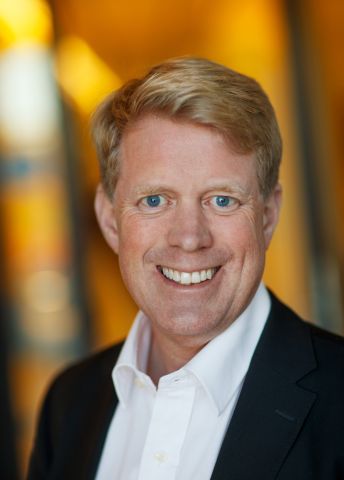
Emil Kofod-Olsen , Ph.D., Associate Professor , is affiliated with the Department of Health Science and Technology at Aarhus University 's Faculty of Medicine. His research spans cancer immunotherapy , dendritic cell biology , and STING pathway modulation , combining cholesterol metabolism interference with immune checkpoint inhibitors to enhance therapeutic outcomes. Research Interests: STING-targeted immunotherapy Dendritic cell vaccines Cholesterol pathways in immunity Combination cancer treatments cGAS-STING activation Scientific Awards: Award Date: 1 Jul 2011 Teaching & Leadership: Lectures/case sessions/labs in immunology & microbiology Supervision across 4th-8th semesters + master's theses Board Member & Treasurer, Danish Immunological Society (2017-2023) Scandinavian Society of Immunology member (2016-present) Article Trends: Recent work focuses on cholesterol-binding motifs (2024 Nature Communications ), dendritic cell vaccines with poly(I:C) (2024 Vaccine ), and electroporation-immunotherapy combinations (2024 iScience ), showing strong alignment with cGAS-STING , tumor immunology , and vaccine adjuvants .
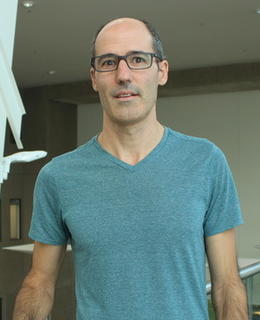
Txema Heredia Genestar is a Researcher in the Department of Molecular Genetics at Erasmus University Medical Center, Rotterdam. His work focuses on molecular mechanisms of DNA repair, vascular biology, and aging processes, with significant contributions to understanding how DNA repair deficiencies impact vascular health and aging. His research interests center on DNA repair mechanisms, particularly in the context of vascular aging and genetic disorders. He investigates how DNA damage response pathways, including the cGAS-STING signaling pathway, contribute to vascular smooth muscle cell phenotypes and aging processes. His work bridges molecular genetics with cardiovascular physiology, examining how DNA repair deficiencies lead to vascular pathology and how interventions like dietary restriction might mitigate these effects. Analysis of his publications reveals a strong focus on the molecular underpinnings of aging, with particular attention to DNA repair-deficient mouse models. His research spans from basic molecular mechanisms of DNA damage response to translational applications in vascular aging and progeroid syndromes. Recent work demonstrates how dietary interventions can modulate the cGAS-STING pathway to reverse vascular aging phenotypes. Txema Heredia Genestar's collaborative network includes prominent researchers in DNA repair and aging fields, with frequent collaborations with J.H.J. Hoeijmakers, R. Kanaar, J. Essers, and I. van der Pluijm. His work appears in high-impact journals including Aging Cell, EMBO Molecular Medicine, and Frontiers in Systems Neuroscience, demonstrating both depth in molecular genetics and breadth across related disciplines.
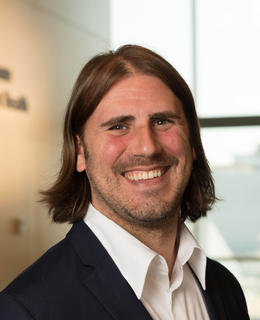
Ingrid van der Pluijm is an Associate Professor at Erasmus MC , affiliated with the Department of Molecular Genetics. Her research spans DNA repair mechanisms, vascular biology, cardiovascular diseases, and aging, with recent work focusing on dietary restriction, cardiac fibulin-4, and stem cell-derived cardiomyocytes. Research Interests include DNA damage response in progeroid models, vascular smooth muscle cell dysfunction, and molecular pathways underlying heart failure. Her work intersects molecular genetics and translational medicine, utilizing mouse models to study aging-related pathologies. Scientific Contributions highlight her role in 66 research outputs, including studies on: Modulating the cGAS-STING pathway in vascular aging Cardiac fibulin-4 as a protective agent in heart failure Stem cell-derived cardiomyocyte differentiation protocols Social frailty indices in aging mice Current collaborations involve institutions like the University of Minnesota, C57BL/6 mouse models, and interdisciplinary teams in molecular imaging and cell biology.
Thomas Helleday is a Professor of Chemical Biology at the Karolinska Institutet , affiliated with the Department of Oncology-Pathology and SciLifeLab. His research focuses on exploiting DNA damage response (DDR) and metabolic vulnerabilities in cancer cells. Education: Biologist, Professor at 34 Prior Affiliations: Stockholm University, University of Sheffield, University of Oxford Key research areas include catalytic medicine (e.g., amplizymes activating DNA repair proteins), synthetic lethality (PARP inhibitors for BRCA-mutant cancers), and metabolic reprogramming in tumors. His work has led to the development of karonudib (MTH1 inhibitor) and TH1579 (mitotic DDR inhibitor), with clinical trials ongoing. Recent publications highlight advancements in OGG1 inhibition for inflammation, MTHFD2 targeting in AML, and NUDIX hydrolase family exploration. His interdisciplinary lab integrates molecular biology , medicinal chemistry , and clinical translation . Scientific Awards: Wallenberg Scholar Key Collaborations: University of Sheffield, Novo Nordisk Foundation, European Research Council Students include Saeed Eshtad (2012 thesis) and Johan Boström (2014 thesis). Funding sources span Swedish Research Council , ERC , Swedish Cancer Society , and industry partnerships.
Dr. Raphaela Goldbach-Mansky serves as Research Professor and Principal Investigator at the National Institutes of Health (NIH), where she leads the Translational Autoinflammatory Disease Section at the National Institute of Arthritis and Musculoskeletal and Skin Diseases (NIAMS). Her work bridges clinical rheumatology with cutting-edge molecular research to address rare autoinflammatory disorders. Her academic foundation includes: Medical degree from University Witten-Herdecke, Germany Combined residency in Internal Medicine and Pediatrics at Case Western Reserve University Rheumatology fellowship at NIAMS/NIH Goldbach-Mansky's research centers on interferonopathies and monogenic autoinflammatory diseases, with emphasis on CANDLE, SAVI, and COPA syndromes. She pioneers cytokine-targeted therapies and JAK inhibitor applications while developing diagnostic biomarkers through gene expression profiling. Her translational approach integrates patient phenotyping with molecular mechanisms to establish treatment protocols for these life-threatening conditions. Recent publications reveal accelerating focus on personalized management strategies for autoinflammatory disorders, particularly through stem cell modeling of genetic mutations and refinement of flare criteria for JAK inhibitor therapy. Her work increasingly addresses interferon signaling pathways across multiple disease entities, demonstrating cross-diagnostic therapeutic principles for type I interferon-mediated conditions. As Specialty Chief Editor for Frontiers in Immunology (Autoinflammatory and Autoimmune Disorders sections), she shapes scholarly discourse in the field despite no specific awards being documented in available materials. Her NIH program directs substantial research funding for clinical trials and mechanistic studies, mentoring a multidisciplinary team of clinicians and scientists. While specific trainee names aren't listed, her principal investigator role implies supervision of postdoctoral fellows and clinical researchers in rare disease investigation. The Translational Autoinflammatory Disease Section operates as a global referral center, combining patient care with laboratory discovery. Current initiatives include developing iPSC models for genetic validation, establishing international registries, and testing novel STING pathway inhibitors to address unmet therapeutic needs in interferonopathies.
Ian Marriott is a Professor of Biology at the University of North Carolina at Charlotte, specializing in immunology and molecular biology. His research focuses on inflammatory responses , DNA damage signaling , and microbial immunology , particularly in the context of bacterial infections and immune regulation in bone and neural cells. Education: Trained in physiology and immunology at the University of Birmingham (UK) and Tulane University School of Medicine Editorial Roles: Former editorial board member for The Journal of Immunology, current member for Current Immunology Reviews His recent work explores cytosolic nucleic acid sensors in bone infection models and cGAS-mediated inflammation in microglial cells. Collaborations span institutions in China, Egypt, Canada, and Switzerland, with a focus on computational biology, pharmacology, and biologics evaluation. Ian Marriott's research demonstrates expertise in innate immunity , type I interferon responses , and nanoparticle-based immune modulation . His publications highlight applications in combating Staphylococcus aureus infections and understanding neuroinflammatory processes.
Christophe Altier is a Professor at the Cumming School of Medicine, University of Calgary, affiliated with the Department of Physiology and Pharmacology. He serves as Chair of the Inflammation Research Network and is a Full Member of the Snyder Institute for Chronic Diseases, as well as an Associate Member of the Hotchkiss Brain Institute and Child Health & Wellness Researcher at Alberta Children's Hospital Research Institute. Education: Ph.D. in Neurobiology (2002), M.Sc. in Neurobiology (1999), M.Sc. in Physiology (1997) from University of Montpellier His research focuses on the neurobiology of chronic pain, particularly the plasticity of nociceptors in diseases like arthritis, IBD, and cancer. Using molecular biology, RNAscope, genetically modified mice, chemogenetics, and behavioral analysis, his lab investigates pain biomarkers, signal transduction pathways, and the microbiota-nociceptor-microglia axis. Recent work explores germ-free/gnotobiotic models to uncover bacterial metabolite contributions to pain sensitivity. Article trends reveal expertise in neuroimmune interactions, microbiome-pain relationships, and ion channel pharmacology, with recent publications examining ALKAL2/ALK signaling, STING-mediated pain resolution, and cannabinoid therapies. Lab members include MSc student Aye Ozmaeian, Postdoctoral Associate Manon Defaye, and Research Associate Amyaouch Bradaia.
Dr. Antoine Dufour is an Associate Professor at the University of Calgary, affiliated with the Cumming School of Medicine, Department of Physiology and Pharmacology. He leads the Dufour Lab, focusing on proteolytic post-translational modifications in inflammatory diseases, particularly protease roles in immune signaling and drug target identification. Key research areas include: Calpain proteolytic networks in calcium signaling Protease substrates in macrophage reactivity Systems biology approaches (transcriptomics, proteomics) Quantitative mass spectrometry Recent publications demonstrate expertise in mucin barrier function, STING agonism in cancer, metalloprotease inhibition, and neuroprotection. Awards include Avenue Magazine's Top 40 Under 40 (2020), Canadian Society for Mass Spectrometry's Young Investigator Award (2021), and the Groll Calpain Award (2022). His lab actively seeks collaborators and students via antoine.dufour@ucalgary.ca .
Li Gan, Ph.D., is the Burton P. and Judith B. Resnick Distinguished Professor in Neurodegenerative Diseases at the Brain and Mind Research Institute, Weill Cornell Medical College. Since 2018 she has led an interdisciplinary program that integrates human iPSC-based disease modeling, single-cell multi-omics, and therapeutic target discovery to combat Alzheimer’s disease and related tauopathies. Education Ph.D., Yale University School of Medicine (1996) B.S., Peking University, China (1990) Research Focus Dr. Gan’s laboratory investigates how microglial innate immunity, tau post-translational modifications, and sex-specific pathways drive neurodegeneration. Using CRISPR-engineered human induced pluripotent stem cell (iPSC) models, brain organoids, and chimeric mouse brains, her team decodes cell-type-specific vulnerabilities and designs first-in-class therapeutics—including cGAS inhibitors, anti-acetyl-tau antibodies, and small-molecule modulators of microglial homeostasis. Grants & Support NIA “Mapping proteomic changes of tauopathy in human neurons” (PI, 2025-2030) Cure Alzheimer’s Fund “Sex-biased TLR7 signaling” (PI, 2025) NIA “Acetylated Tau Immunotherapy” (PI Subaward, 2025-2026) JPB Foundation “Targeting maladaptive innate immune response” (PI, 2024-2027) Rainwater Charitable Foundation series on cGAS inhibitors and 4R tauopathy models (PI, 2024-2025) Chan Zuckerberg Initiative & Ludwig Family Foundation awards for neuro-immune resilience studies Industry & Advisory Roles Dr. Gan serves as Scientific Advisory Board Member for Arvinas, Inc. and Neurovanda Therapeutics; consultant to Aeton Therapeutics, LSG Therapeutics, and NeuroLambda Therapeutics; and maintains equity/proprietary interests in these companies plus Retro Biosciences, reflecting long-standing translational collaborations. Laboratory & Teams The Gan Lab operates within the Brain and Mind Research Institute’s state-of-the-art facilities, hosting post-doctoral fellows, graduate students, and research technicians focused on high-throughput CRISPRi/a screening, single-cell epigenomics, and pre-clinical testing of therapeutic leads. Active partnerships extend to the NIH-funded Alzheimer’s Disease Tau Platform Clinical Trial Network and international open-science consortia.
Ganesh Karuna is an Assistant Professor of Medicine at Weill Cornell Medical College since 2019. His research focuses on cancer metastasis, precision oncology, and immunotherapy in colorectal and neuroendocrine tumors. M.D., University of the State of New York (2016) M.B., B.Ch., Cambridge University Medical School (2010) Ph.D., University of Cambridge (2010) M.A. and B.A., University of Cambridge (2008, 2004) His recent work explores metastasis mechanisms through genomic analysis, tumor ecosystem modeling, and patient-derived organoids. Key themes include therapy resistance, immune signaling, and organ-specific metastatic adaptations. Publications highlight advancements in metastasis research (2023-2025) spanning liver metastasis, tumor dormancy, and immunotherapy applications. These studies appear in high-impact journals like Nature , Cell , and Cancer Research . Contact: ganeshk@mskcc.org
Dr. Simon Turcotte is an Assistant Professor in the Department of Surgery at the University of Montreal, a physician in the Hepatobiliary, Pancreatic Surgery and Liver Transplantation division at CHUM, and co-manager of CHUM's Clinical Information Bank and Biological Samples for Hepatobiliary and Pancreatic Cancers. He holds an MD and MSc, and is a Fellow of the Royal College of Surgeons of Canada (FRCSC), with a research focus on cancer immunobiology. Education: MD, MSc, FRCSC Research Interests: Dr. Turcotte investigates immunobiology of gastrointestinal cancers, immunotherapy of solid cancers, and mechanisms of anti-tumor T lymphocyte isolation, expansion, anergy/exhaustion, tumor antigen identification, and antigen expression modulation in cancer cells. Publications: His work spans lysosome biology in cancer drug resistance, autophagy in tumor targeting, PD-L1 regulation in melanoma, and ectonucleotidase roles in pancreatic cancer immunosuppression. Labs & Teams: He co-manages CHUM's Clinical Information Bank and Biological Samples for Hepatobiliary and Pancreatic Cancers, integrating clinical data with biological specimen analysis.
Professor Veit Hornung is Chair of Immunobiochemistry at the Gene Center and Department of Biochemistry within the Faculty of Medicine at Ludwig Maximilian University of Munich. His laboratory focuses on understanding the molecular mechanisms of innate immune recognition, particularly in the context of nucleic acid sensing and inflammasome biology. Hornung leads a large research group investigating how the immune system distinguishes between self and non-self, with implications for infectious diseases, autoinflammatory disorders, and cancer immunotherapy. Hornung's research spans three primary areas: nucleic acid sensors, inflammasomes, and genome engineering. His work on nucleic acid sensors has elucidated how Toll-like receptors (particularly TLR7 and TLR8) recognize RNA degradation products within endolysosomes, and how the cGAS-STING pathway detects cytosolic DNA. In inflammasome research, his laboratory has made significant contributions to understanding NLRP3, AIM2, and NLRP1 activation mechanisms. His group has also pioneered CRISPR-based genome engineering approaches, developing techniques like SPARCS for spatial cellular phenotype screening. Professor Hornung has received numerous prestigious awards including the Louis-Jeantet Prize (2025), ERC Advanced Grant (2021), William B. Coley Award (2020), Liliane Bettencourt Prize (2018), and the Gottfried Wilhelm Leibniz Prize (2018). He is an EMBO Member and Leopoldina Member, and has been consistently recognized as a Highly Cited Researcher in Immunology. Hornung currently leads multiple major research projects including the ERC Advanced Grant 'ENGINES' focusing on molecular and functional characterization of emerging inflammasomes, and several Collaborative Research Centers including TRR 338 'Lymphocyte Engineering for Therapeutic Synthetic Immunity', TRR 237 'Nucleic Acid Immunity', and SFB 1054 'Control and Plasticity of Cell-Fate Decisions in the Immune System'. His laboratory maintains strong collaborations with other research groups at LMU and internationally.
Julian Whitelegge is an Adjunct Professor in the Department of Psychiatry & Biobehavioral Sciences at the David Geffen School of Medicine, University of California, Los Angeles . He serves as Director of Proteomics at the Pasarow Mass Spectrometry Laboratory , specializing in advanced mass spectrometry techniques for protein analysis. Ph.D., Imperial College of Science and Technology, University of London (1989) Visiting Scientist, Cornell University (1999), focusing on Fourier-transform mass spectrometry Dr. Whitelegge's research spans mass spectrometry-based proteomics with applications in neurodegenerative diseases (ALS, Alzheimer's) and membrane protein structure-function relationships . His work includes top-down proteomics for intact protein analysis, amyloid protein characterization , and lipid-protein interactions . Recent publications highlight studies on Alzheimer's therapies , SARS-CoV-2 spike protein trafficking , and bacterial microcompartment assembly . His expertise in Fourier-transform mass spectrometry has advanced membrane protein analysis and structural proteomics . Dr. Whitelegge contributes to scientific literature with over 150 publications and editorial roles, including Molecular and Cellular Proteomics . He trains postgraduate and postdoctoral researchers in advanced protein mass spectrometry techniques.
Temugin Berta, PhD is a Professor at the University of Cincinnati in the Medical Sciences Building . With postdoctoral training at Harvard University (2009) and Duke University (2012) , his research focuses on neuropathic pain mechanisms , glial-neuronal interactions , and TRP channel signaling . He has led multiple NINDS R01 and R21 grants totaling over $3 million, including projects on STING-mediated pain , NR4A1 in pain resolution , and glial signaling pathways . Research Interests: His work spans from basic pain neurobiology to translational therapeutics , with key contributions in microglial signaling , satellite glial cell function , and non-opioid analgesics . Recent studies explore sex-dependent pain mechanisms and neuro-immune interactions in conditions like diabetes and psoriasis. Article Trends: His publications emphasize TRPV1/4 modulation , microglial activation , glial-neuronal crosstalk , and lipid mediators in pain. Subfields include metaloproteinase signaling , endozepine regulation , and single-cell ganglion analysis .
Jun-Ming Zhang is a Professor and Vice Chair for Research in the Department of Anesthesiology at the University of Cincinnati College of Medicine. He holds the Anesthesia Research and Education Endowed Chair and leads research on neuropathic pain mechanisms, sympathetic regulation, and sodium channel pathophysiology. His work integrates electrophysiology, animal models, and molecular techniques to identify novel therapeutic targets for chronic pain. Education: Medical Degree (1988): Shandong University Master's in Neurophysiology (1991): Peking Union Medical College & Chinese Academy of Medical Sciences Postdoctoral Fellowship in Neurophysiology of Pain (1996): Yale University School of Medicine Research Interests: Dr. Zhang investigates neuron-vasculature interactions in pain, nerve injury-induced neuropathic pain persistence, steroid receptor dynamics in pathological conditions, and clinical translation of extended nerve blocks for trauma-related chronic pain prevention. His lab focuses on sympathetic sprouting, inflammatory cascades, and sodium channel dysfunction in sensory ganglia. Publication Trends: Recent articles (2019–2024) emphasize neuroimmune interactions (microglia, macrophages), sympathetic nervous system modulation, sodium channel roles in hyperexcitability, and innovative pain models (radiculopathy, chemotherapy-induced neuropathy). Research consistently bridges basic mechanisms with therapeutic applications. Awards: Anesthesia Research and Education Endowed Chair (2017–Present) Grants & Advising: As PI on multiple NIH R01 grants (e.g., NS045594, NS055860, AR068989), he secures funding for studies on sympathetic sprouting, steroid efficacy in back pain, and sensory neuron cluster firing. He collaborates with teams at Cincinnati Children's Hospital, Johns Hopkins, and NYU on ketamine optimization for postsurgical pain and NR4A1 mechanisms in pain resolution. Laboratories: Directs labs investigating neuron-glia-vasculature crosstalk using in vivo/in vitro calcium imaging, electrophysiology, and transgenic models. Current projects include STING pathway modulation in microglia and metalloproteinase signaling in satellite glial cells.