معرفی
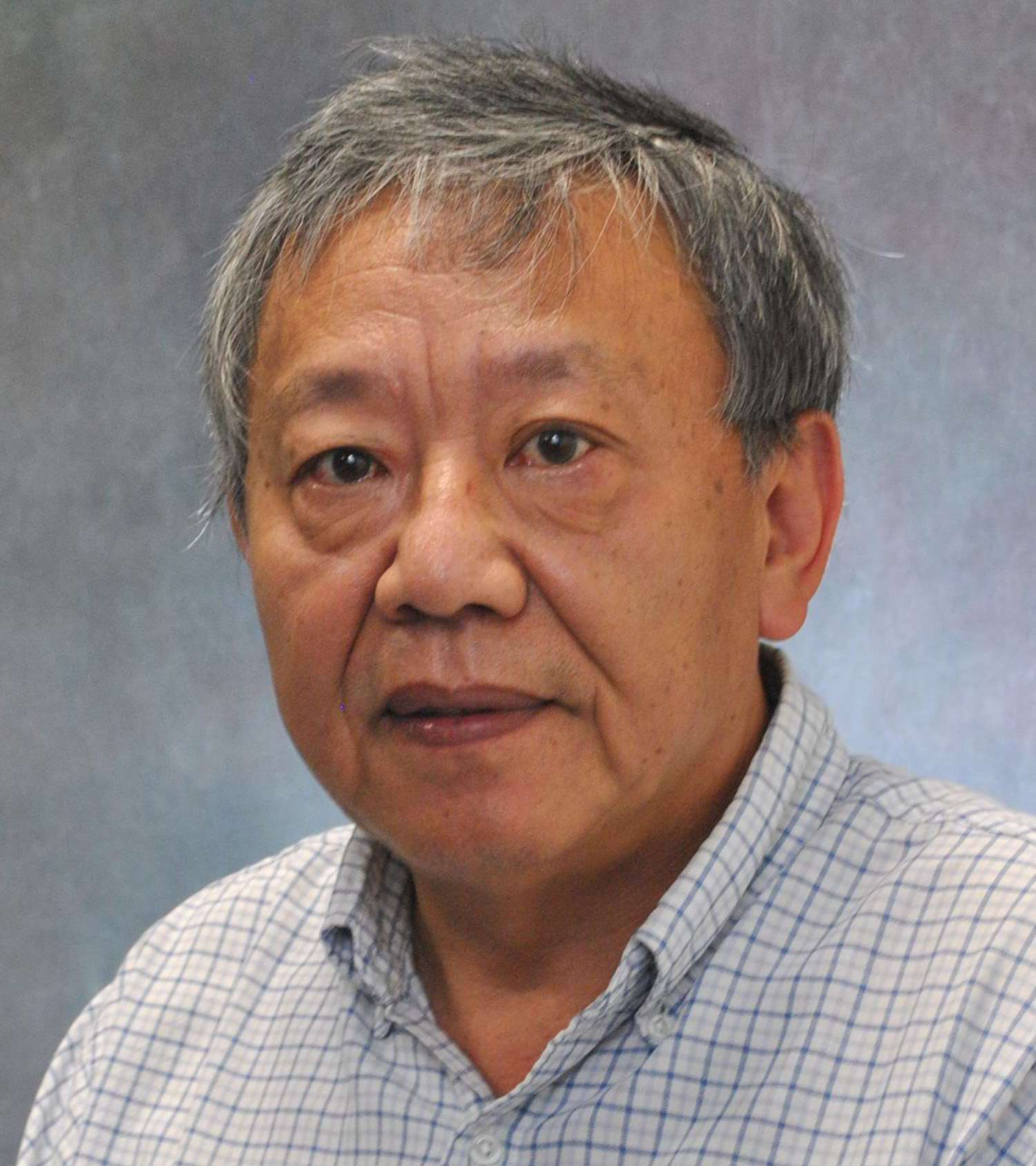
Jun-Ming Zhang is a Professor and Vice Chair for Research in the Department of Anesthesiology at the University of Cincinnati College of Medicine. He holds the Anesthesia Research and Education Endowed Chair and leads research on neuropathic pain mechanisms, sympathetic regulation, and sodium channel pathophysiology. His work integrates electrophysiology, animal models, and molecular techniques to identify novel therapeutic targets for chronic pain.
Education:
- Medical Degree (1988): Shandong University
- Master's in Neurophysiology (1991): Peking Union Medical College & Chinese Academy of Medical Sciences
- Postdoctoral Fellowship in Neurophysiology of Pain (1996): Yale University School of Medicine
Research Interests: Dr. Zhang investigates neuron-vasculature interactions in pain, nerve injury-induced neuropathic pain persistence, steroid receptor dynamics in pathological conditions, and clinical translation of extended nerve blocks for trauma-related chronic pain prevention. His lab focuses on sympathetic sprouting, inflammatory cascades, and sodium channel dysfunction in sensory ganglia.
Publication Trends: Recent articles (2019–2024) emphasize neuroimmune interactions (microglia, macrophages), sympathetic nervous system modulation, sodium channel roles in hyperexcitability, and innovative pain models (radiculopathy, chemotherapy-induced neuropathy). Research consistently bridges basic mechanisms with therapeutic applications.
Awards:
- Anesthesia Research and Education Endowed Chair (2017–Present)
Grants & Advising: As PI on multiple NIH R01 grants (e.g., NS045594, NS055860, AR068989), he secures funding for studies on sympathetic sprouting, steroid efficacy in back pain, and sensory neuron cluster firing. He collaborates with teams at Cincinnati Children's Hospital, Johns Hopkins, and NYU on ketamine optimization for postsurgical pain and NR4A1 mechanisms in pain resolution.
Laboratories: Directs labs investigating neuron-glia-vasculature crosstalk using in vivo/in vitro calcium imaging, electrophysiology, and transgenic models. Current projects include STING pathway modulation in microglia and metalloproteinase signaling in satellite glial cells.