Louis Knüpling serves as an Assistant Professor within the Innovation Studies group at the Copernicus Institute of Sustainable Development, Faculty of Geosciences, Utrecht University. His academic foundation stems from economic geography training at an institution in Hannover, Germany. Research Profile : His work centers on technological and industrial dynamics, examining co-evolutionary patterns across technological fields and their spatial consequences. He investigates how automation and digitalization transform work environments, employment structures, and residential patterns, bridging economic geography with innovation studies. Teaching & Methods : He contributes to the Global Sustainability Science program and teaches core courses including Economics and Technology and Principles of Economics . Methodologically, he employs quantitative empirical approaches while recently expanding into qualitative analysis techniques. Professional Engagement : His scholarly output is accessible via Google Scholar, and he maintains academic discourse through Twitter ( @KnuplingLouis ).
Dr. Bryant O. Best serves as an Assistant Professor in the Department of Advanced Studies, Leadership and Policy at Morgan State University, where his work centers on dismantling systemic inequities in education through interdisciplinary research and community engagement. He also contributes to urban violence prevention initiatives as an Affiliate Faculty member of the Center on Urban Violence and Crime Reduction at the School of Social Work. His educational credentials include: Ph.D. in Justice & Diversity in Education from Vanderbilt University M.A. in Sociology (Race, Class, & Gender Specialization) from the University of Maryland, College Park B.A. in African-American Studies and Psychology from the University of North Carolina at Chapel Hill Dr. Best's research agenda spans three critical domains: (1) disrupting the school-to-prison pipeline through community asset mapping in Black communities; (2) leveraging video game culture to reimagine STEM engagement for Black students; and (3) developing campus violence prevention frameworks for urban universities. His scholarship consistently centers racial justice through critical race theory and community-driven methodologies. His recent publications (2021-2023) demonstrate a cohesive trajectory examining racial dynamics in educational spaces, from focus group analyses of the Racial Contract to reconceptualizing special education as a justice-oriented practice and developing opportunity-centered ELA pedagogy. These works appear in high-impact journals spanning educational equity, behavioral disorders, and literacy studies. No specific information regarding student advising or research grants was provided in available materials. As an Affiliate Faculty member of Morgan State's Center on Urban Violence and Crime Reduction, Dr. Best collaborates on evidence-based strategies to prevent campus gun violence and address urban crime patterns through community-university partnerships.
Dr. Kelly Bronson is an Assistant Professor at the School of Sociological and Anthropological Studies within the Faculty of Social Sciences at the University of Ottawa. She holds the Canada Research Chair (II) in Science & Society, focusing on political and economic decision-making around controversial technologies such as GMOs, big data, and hydraulic fracturing. Her work bridges technical knowledge with community values to shape evidence-based policy-making. PhD in Cultural Studies (Science and Technology), York University (2013) MA in Sociology of Biotechnology, University of Saskatchewan (2005) BScH in Environmental Biology, Queen's University (2001) Dr. Bronson specializes in Science and Technology Studies , examining the intersection of big data, agriculture, and policy-making. Her research spans environmental justice, Indigenous knowledge integration, and responsible innovation frameworks. She advocates for grassroots leadership and critical analysis of corporate data strategies in agrifood systems. Recent publications highlight themes in digital agriculture , data assetization , and living labs for sustainability. Her work addresses socio-ecological implications of agribusiness, ethical AI, and stakeholder inclusion in policy design. Key trends include critiques of technological determinism and power dynamics in innovation. Canada Research Chair (II) in Science & Society Contributions to journals like Big Data & Society and Journal of Responsible Innovation Dr. Bronson teaches courses on Research Design in Sociology and Science & Society decision-making. She leads the Science and Technology Studies Food and Agriculture Network (STSFAN) and contributes to sustainability transitions through participatory frameworks. Her work emphasizes interdisciplinary collaboration and ethical governance in technological development.
Dr. Abbey MacDonald is Associate Professor in Arts Education at the University of Tasmania and Senior Academic Fellow - Indigenous Exhibition Learning with Ngarrngga at the University of Melbourne. She serves as Deputy Associate Head Research for the School of Education and contributes significantly to arts education policy development, museum resources, and interdisciplinary education initiatives across Australia. Her educational background includes: PhD from University of Tasmania (2015) Bachelor of Teaching (Honours) from University of Tasmania (2008) Bachelor of Fine Arts (Honours) from University of Tasmania (2005) Dr. MacDonald's research focuses on arts-based methodologies that inform educational policy and practice. She specializes in teacher professional development, STEAM education integration, museum and gallery learning resources, and interdisciplinary curriculum design. Her work bridges educational theory with practical applications through collaborations with environmental conservation organizations, cultural institutions, and social change initiatives. Her research methodology expertise in a/r/tography has positioned her as a national leader in arts-based educational research. Analysis of her recent publications reveals a strong trajectory toward interdisciplinary educational approaches, particularly in STEAM integration. Her work consistently examines how arts education can inform broader educational challenges, with increasing focus on collaborative methodologies, teacher identity formation, and culturally responsive pedagogies. A notable trend is her growing emphasis on Indigenous knowledge systems and their integration with Western educational frameworks. Her significant awards include: InSEA Award for Excellence in Praxis in Education through Art (2024) Engagement Award, College of Arts Law and Education (UTAS, 2022) The Educator: Higher Education Rising Star (2020) Teachers Mutual Bank - ATEA Teacher Educator of the Year (2019) Vice Chancellor's Award for Early Career Academic Teaching (UTAS, 2018) Dr. MacDonald actively supervises multiple doctoral candidates working on projects related to arts education, teacher identity, and interdisciplinary curriculum development. She has secured numerous research grants including the "Ngarrngga" project developing education resources for the '65,000 Years: A Short History of Australian Art' exhibition, "STEAM Horizons" exploring interdisciplinary education models, and multiple projects supporting teacher professional development in arts education across Tasmania. She leads significant collaborative initiatives including Ngarrngga at the University of Melbourne, where she contributes to advancing methodological and pedagogical possibilities for Indigenous exhibition learning. Her work connects with numerous cultural institutions, environmental organizations, and educational stakeholders to create meaningful learning experiences that address contemporary educational challenges.
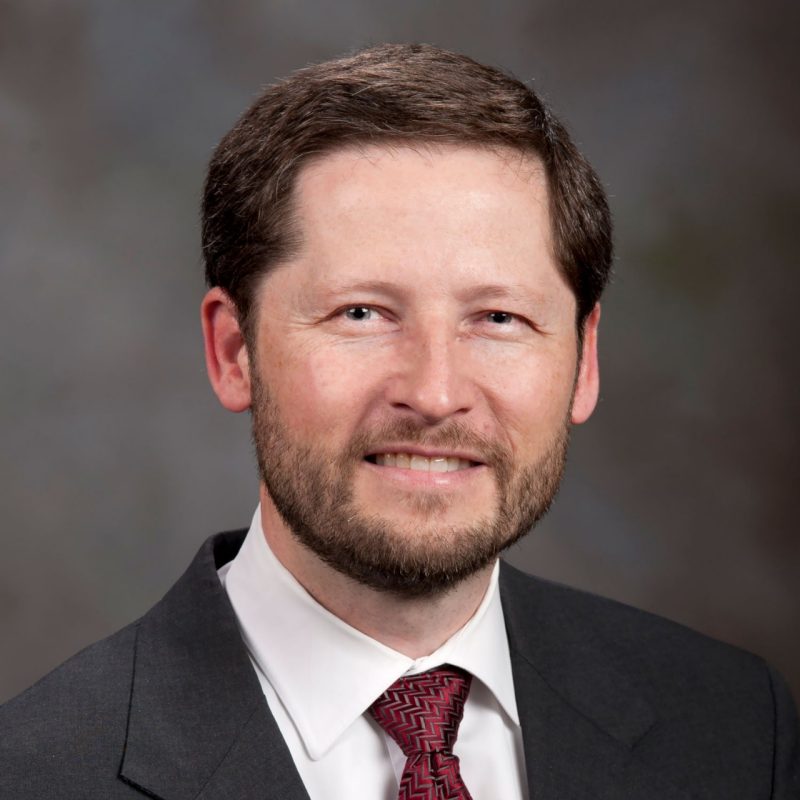
Dr. Alexander Christian is a tenured Lecturer at the Department of Philosophy within the Faculty of Philosophy at Heinrich Heine University Düsseldorf, Germany. Since April 2022, he has led a cross-faculty program on ethics of science and bioethics, serving as project lead with QVM funding for 1.5 permanent lecturer posts. He previously served as assistant director of the Duesseldorf Center for Logic and Philosophy of Science (DCLPS) and as managing director of the German Society for Philosophy of Science (GWP) from 2022-2025. His educational background includes: Doctorate in Philosophy (Dr. phil., summa cum laude) from Heinrich Heine University (2018) Master of Arts in Philosophy from Heinrich Heine University (2012) Bachelor of Arts in Philosophy from Heinrich Heine University (2011) Christian's research centers on the intersection of research ethics and bioethics , with particular focus on good scientific practice , ethical regulation of controversial biomedical research , and science denialism . His work examines ethical implications of genome editing, stem cell research, and virological/epidemiological evidence denial, while extending to animal ethics, environmental ethics, and medical ethics. He bridges theoretical philosophy with practical policy applications through his cross-faculty program at HHU. Analysis of his recent publications reveals a consistent trajectory addressing societal challenges in science: combating science denial through improved communication strategies, developing ethical frameworks for emerging biotechnologies, and strengthening research integrity mechanisms. His interdisciplinary approach integrates philosophy, policy analysis, and public engagement, with increasing emphasis on marginalized stakeholder representation in regulatory debates. Christian has secured significant research funding including €140,000 for his Ethics of Science project (2020-2022), €18,000 for CRISPR blogging (2022), and €15,000 for science denialism research (2020-2021). He has been nominated for the HHU teaching award in 2021, 2022, and 2023. He supervises bachelor's and master's theses, requiring prior preparation through his Good Scientific Practice and Moral Problems in Biomedical Research syllabi. Christian co-organizes the 2025 Summer School on Pluralism, Pragmatism and Perspectivism in Philosophy of Science (to be published by Springer) and has led workshops for high school students through UniStem Day. As guest editor for special issues in the Journal for Ethics and Moral Philosophy and Frontiers in Research Metrics and Analytics, he actively shapes discourse on biomedical research ethics.
Trevor Collins is a Research Fellow at The Open University’s Knowledge Media Institute (KMI) , specializing in technology-enhanced learning and accessibility in education. He served as a co-investigator on the OU’s Catalyst project, coordinating the learning work package and contributing to digital engagement strategies. His research focuses on designing web-based tools for problem-based and experiential learning , particularly through the OpenScience Lab’s Shared Representations and Networked Field System projects, which develop portable web servers for outdoor learning. Trevor has led European Commission-funded initiatives like the Decipher project, which formalizes art exhibit curation using ontologies. His academic journey began in the Human-Cognition Research Lab (1994) before transitioning to the Institute of Educational Technology and KMI. Notable contributions include creating the Isotope community platform for science engagement practitioners and co-authoring resources on PhD student presentation skills. Current work intersects with public engagement, digital heritage, and inclusive STEM education, particularly for mobility-impaired learners. Key collaborations include the Field Studies Council and NCCPE . Although not explicitly listing students, his mentorship extends to academic development workshops and research impact evaluations using web analytics. Recent publications highlight his expertise in accessible fieldwork (e.g., GeoSPACE), hybrid learning models , and extended reality applications in education. His work emphasizes democratizing scientific experiences through technology while addressing barriers to inclusion.
Dr Milica Stojković is an Assistant Professor of Educational Psychology in the Department of Social and Human Sciences at the Faculty of Technical Sciences in Čačak, University of Kragujevac . She has been a faculty member since 2012 and was promoted to Assistant Professor in December 2018. Education: PhD in Psychology (2018), Faculty of Philosophy, University of Belgrade – thesis: Teachers’ professional identity development BA in Psychology (2010), Faculty of Philosophy, University of Belgrade – thesis: Conflict resolution strategies in adolescent peer and friendship relations Certified Gestalt Psychotherapist (EAGT-accredited, 2024) Additional training in Constructivist psychotherapy, MAXQDA qualitative data analysis, experimental interactive design, and Erasmus+ staff mobility. Research Interests: Her work centers on educational psychology , focusing on the development of teachers’ professional identity , inclusive education practices , psychological resilience among students and teachers, digital competences and e-learning , and school-based mentoring . She employs both quantitative and qualitative methodologies to investigate how personal and contextual factors shape teaching quality and student outcomes. Publications Trend: Since 2011, Dr Stojković has published more than 60 peer-reviewed works. Recent articles (2022–2024) concentrate on resilience and stress predictors among university students during crises , online distance teaching experiences during COVID-19 , and nonverbal communication literacy . Earlier works explored self-regulated learning , conflict resolution strategies , multicultural personality assessment , and support systems for students with specific learning disabilities . Scientific Awards & Honors: While no major named awards are listed, she has received academic recognition through highly competitive project grants (DigiPsyRes, ALLVET, Erasmus+), invitations to keynote lectures, and membership in national and international expert groups such as the EU Open Method of Coordination (OMC) thematic group on teacher education. Projects & Grants: DigiPsyRes (2021-2024) – Consortium Board member & project team leader; enhancing digital and psychological resilience via peer networking. ALLVET (2019-2023) – Initial coordinator; capacity building for VET teachers under Bologna principles. Erasmus+ mobility coordinator for the faculty (2015-2022). Participation in Serbian Ministry-funded projects on entrepreneurship education, teacher competence development, and OECD TALIS survey implementation. Labs & Teams: She collaborates with the Psychology Research Group at the Faculty of Technical Sciences in Čačak and leads work packages in the DigiPsyRes international consortium involving universities from Serbia, Poland, Italy, Croatia, and Spain. She also co-founded the local NGO PsychoZona , providing psychological counseling and educational services to children with disabilities and their families.
Mirka Kans is an Associate Professor in the Department of Mechanical Engineering at Linnaeus University (formerly Växjö University), where she has taught since 2000. Her academic journey includes an MSc in Computer Science (2003), a PhD (2008), and Associate Professorship (2013). She specializes in data and IT requirements for maintenance management, digital transformation in industry, and engineering education development. Education: MSc (2003), PhD (2008), Associate Professor (2013) Research Groups: Smart Industry Group (SIG), Mechanical Engineering Her research spans digital transformation , condition monitoring , and STEM education equity . She leads the HUG project on sustainable gravel road maintenance and has completed initiatives like the Future Industrial Services Management and STEM education projects. She actively applies the CDIO educational framework and focuses on student-centered learning. Mirka’s recent publications emphasize data-driven maintenance (2024), service business models in railways (2023), and cloud-based gravel road systems (2020). Her work integrates interdisciplinary approaches from computer science and mechanical engineering to address industry challenges. She contributes to pedagogical innovation through remote laboratories (2020), flipped classroom STEM education (2021), and interdisciplinary master's programs (2020). Her collaborations with industry and academic partners underscore a commitment to practical, sustainable solutions.
Miguel Perez is an Associate Professor at the Department of Mathematics, Faculty of Technology, Linnaeus University. His work focuses on integrating digital technologies into secondary mathematics education, with an emphasis on teacher-centered design systems and professional development. Current roles: Program Coordinator for the Subject Teacher Education Program (2023-2025), Deputy Head of the Department of Mathematics. Research areas: Mathematics education, educational technology, problem-solving pedagogy, and digital learning tools. His recent publications analyze praxeologies-in-action during problem-solving, the role of rituals in mathematical discourse, and maker education initiatives. Projects like "Differentierad integrering" and "Gemensam undervisningsmodell" aim to strengthen pedagogical practices through digital resources and collaborative models.
Dr. Jan Helge Bøhn is an Associate Professor in the Department of Mechanical Engineering at Virginia Tech's College of Engineering, specializing in rapid prototyping, additive manufacturing, geometric modeling, and international engineering education. His work bridges global collaborative engineering with innovative product development processes. Ph.D., Computer and Systems Engineering, Rensselaer Polytechnic Institute (1993) M.S., Computer and Systems Engineering, Rensselaer Polytechnic Institute (1989) B.S., Computer Science, Rensselaer Polytechnic Institute (1988) His research focuses on additive manufacturing and global engineering design , with applications in transatlantic dual degree programs, automotive PLM, and haptic accessibility solutions. He has pioneered adaptive slicing techniques for 3D printing and developed international curricula frameworks. Dr. Bøhn's publications highlight trends in collaborative engineering education , 3D printing , and human-computer interaction , particularly for low-vision users and automotive sectors. 2018 : PACE Platinum Certification 2015 : Alumni Award for Excellence in International Outreach 2013 : Virginia Tech Scholar of the Week & PACE Silver Certification He has led international initiatives, received multiple teaching excellence awards, and collaborated on global PLM educational labs. His work impacts both engineering pedagogy and industrial practices.
Prof. Dr. Jens Habermann serves as a Professor in the Department of Data Science at Friedrich Alexander University Erlangen-Nuremberg (FAU). He maintains active research and teaching responsibilities, with course offerings scheduled through the 2025/26 academic year including Mathematics for Physics Students and Data Science courses. His research focuses on advanced mathematical analysis, particularly Theory of Partial Differential Equations and Calculus of Variations . Specialized interests include elliptic and parabolic (quasi-)minimizers, PDEs with non-standard growth conditions, and parabolic quasiminimizers on metric measure spaces. His work bridges theoretical mathematics with applications in mathematical physics and geometric analysis. Analysis of his publication record (2010-2018) reveals consistent contributions to regularity theory for nonlinear PDE systems, with particular emphasis on stability results, integrability estimates, and non-standard growth conditions. His research demonstrates strong methodological continuity across parabolic systems, vector-valued problems, and metric space generalizations. Dr. Habermann has secured significant third-party funding through the German Research Foundation (DFG), including participation in the Collaborative Research Center TRR 154 (2020-2022) on mathematical modeling of gas networks and a standalone DFG project (2015-2019) on parabolic quasi-minimizers in metric spaces. His teaching portfolio demonstrates expertise in foundational mathematics for STEM disciplines, with regular instruction in mathematical analysis sequences serving physics and data science students. Course structures typically include 4-5 SWS lectures complemented by tutorials and exercise sessions.
Edward Lankford, MD, PhD, serves as Associate Professor in the Department of Medicine, Division of Cardiology at Penn State College of Medicine, affiliated with the Penn State Heart and Vascular Institute. His career spans cardiac and respiratory muscle physiology research with significant contributions to understanding cardiomyopathies and disease mechanisms. Dr. Lankford's research centers on cardiomyopathies (dilated and hypertrophic), heart failure pathophysiology, and respiratory muscle adaptation. His work investigates molecular mechanisms including myosin mutations in cardiac dysfunction, ethanol's inotropic effects, and diaphragm remodeling in emphysema and muscular dystrophy. This bridges basic science with clinical applications through experimental models ranging from skinned cardiac fibers to canine and rodent disease systems. Analysis of his publication record (1989-2006) reveals consistent focus on experimental cardiac physiology and respiratory muscle adaptation. His work demonstrates methodological diversity across biophysical, veterinary, and translational models, with strong emphasis on molecular mechanisms underlying cardiac dysfunction and compensatory adaptations in respiratory diseases. The research trajectory shows progressive investigation from basic contractile mechanisms to disease-specific pathophysiology. Scientific Awards: Dean's Award for Excellence in Teaching (2019) Dr. Lankford secured three major NIH grants as Principal Investigator: NHLBI-funded projects on hypertrophic cardiomyopathy mechanisms (1994-2001) and NIAAA-supported research on ethanol's cardiac effects (2002-2004). These grants enabled investigation of mutant myosin functional impacts and alcohol-induced contractile depression using specialized models including quail myocardium and trabecular preparations. His collaborative research network spans veterinary cardiology, respiratory physiology, and muscle biophysics teams, evidenced by multi-institutional publications on canine cardiomyopathy and diaphragm adaptation in emphysema. This interdisciplinary approach integrates molecular, tissue, and whole-organ system analyses across species.
Brian J. Lunday is a Professor of Operations Research at the Air Force Institute of Technology (AFIT) , specifically within the Department of Operational Sciences. His career spans over two decades, with a focus on applications of mathematical programming to cooperative and non-cooperative game-theoretic interactions, network design, optimization, interdiction, and resource allocation in military contexts. Education: Ph.D. in Industrial and Systems Engineering, Virginia Tech (2010) M.S. in Industrial Engineering, University of Arizona (2001) B.S. in Mechanical Engineering (Aerospace Systems), United States Military Academy (1992) Lunday’s research interests are broad and interdisciplinary, centering on operations research with military applications. His work includes network interdiction, resource location and allocation, game theory, and optimization under uncertainty. He has contributed to areas such as missile defense, vaccine pricing, medical evacuation logistics, and social network analysis. His methodological approaches often involve bilevel programming, stochastic and dynamic programming, and metaheuristics. The trends in his publications reflect a deep engagement with military logistics, game theory, and network optimization. Notable topics include the weapon-target assignment problem, robust location modeling, approximate dynamic programming for medical evacuations, and social network analysis using multilayer frameworks. His work frequently integrates mathematical rigor with real-world defense challenges, such as asymmetric satellite constellation design, truck platooning cost optimization, and intruder detection. Scientific Awards: 2024 Richard H. Barchi Prize (MORS) 2023 Outstanding Science and Engineering Educator (USAF) 2020 Dean’s Distinguished Teaching Award (AFIT) 2018 Lessons Learned Senior Civilian Professional of the Year (USAF) 2016 Outstanding Young Member OR/MS Award (INFORMS) 2014 Professor of the Year (ASAM Master’s Program) 2013 Dr. Leslie M. Norton Teaching Excellence Award Lunday has advised numerous students across his publications, including researchers working on military applications (e.g., C. G. Long, S. D. Donnel, M. J. Robbins) and optimization challenges (e.g., P. R. Jenkins, W. M. Caballero). His collaborative research extends to projects involving cyber readiness, missile defense, and healthcare logistics.
Matthew D. Nelson is a Professor of Biology at Saint Joseph's University in Philadelphia, where he also serves as the John J. Meehan, M.D., Pathways to Medical Professions Director and Health Professions Advising Committee Co-Director. His research program in the Department of Biology within the College of Arts and Sciences focuses on understanding the fundamental biological processes of sleep using the model organism Caenorhabditis elegans . Dr. Nelson's educational background includes a BS in Mathematics from Pennsylvania State University (2000), an MS in Biology from Villanova University (2005), and a PhD in Biology from New York University (2010). He completed postdoctoral training in the Lab of Dr. David M. Raizen at the University of Pennsylvania Perelman School of Medicine (2011-2014). His research investigates the genetic and neural circuit mechanisms underlying sleep behavior, with particular focus on neuropeptide signaling pathways that regulate stress-induced sleep in C. elegans . Dr. Nelson's lab employs techniques from genetics, molecular biology, neurobiology, and behavior to identify sleep-regulating neurons and characterize how they communicate as neural circuits. His work has revealed important insights into conserved sleep mechanisms across species. Analysis of his recent publications shows a consistent focus on sleep neurogenetics, with particular emphasis on neuropeptide receptors like npr-38 and signaling pathways involving cAMP. His research spans molecular mechanisms, neural circuit function, and behavioral outputs, demonstrating an integrated approach to understanding sleep regulation at multiple biological levels. NSF CAREER Award #1845020: Neuropeptidergic and cAMP-mediated regulation of stress-induced sleep in C. elegans NSF MRI Award #1919847: Acquisition of an automated fluorescent microscope and imaging system for undergraduate research NIGMS R15 Award 1R15GM122058-01: Dissecting the cAMP-mediated circuitry of stress-induced sleep in C. elegans Dr. Nelson actively mentors undergraduate and graduate students, many of whom have presented at conferences and gone on to medical schools and research positions. His lab also engages in science outreach with the Samuel Gompers school, teaching 5th and 6th grade students about basic science research using C. elegans . His educational contributions include developing classroom models for nephron function and urinalysis experiments.
Christian Stöhr is a Professor at Chalmers University of Technology's Department of Communication and Learning in Science. His research focuses on technology-enhanced learning in engineering education, including flipped and hybrid teaching methods, AI in education, and Massive Open Online Courses (MOOCs). He also investigates science communication and the role of knowledge in governance contexts. Current projects include Navigating Large Language Models , 4S , and ENHANCE collaborations. He supervises two PhD students and a post-doc, and serves as Director of Studies for the Graduate School 'Communication and Learning in STEM'. Research interests span engineering pedagogy, digital learning environments, interdisciplinary groupwork, and AI integration in education. His work bridges formal and informal learning, emphasizing sustainable educational practices. The 15 most recent articles (2025–2023) reflect trends in hybrid learning, AI chatbot usage, social regulation of learning, and MOOC development. Themes include pedagogical innovation, cross-cultural integration, and ethical implications of AI tools. Teaching includes CLS905 'Supervising Research Students' and leadership in interdisciplinary PBL across Nordic institutions. His projects involve collaborations with European Commission, VINNOVA, and EIT, focusing on mechanical engineering labs, nuclear safety courses, and teacher development in AI/MOOC design.