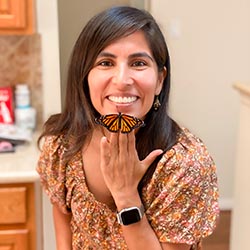
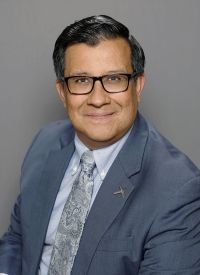
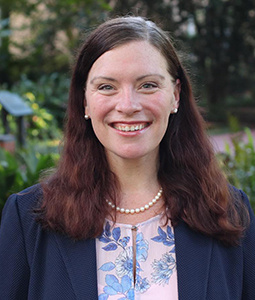
Lina Bernaola is an Assistant Professor in the Department of Entomology at Texas A&M University AgriLife Research. She holds a Ph.D. in Entomology and an M.S. in Agronomy from Louisiana State University, alongside a B.S. in Biology from Universidad Nacional Mayor de San Marcos (Peru). Her research focuses on plant-insect interactions, particularly rice pests, and explores the role of arbuscular mycorrhizal fungi (AMF) in enhancing plant defense systems. She develops sustainable pest management strategies integrating agronomy, biochemistry, and ecology. Her expertise spans Host Plant Resistance, Plant-Microbe-Insect Interactions, and Integrated Pest Management. Recent work includes studies on rice delphacid control, biocontrol mechanisms, and the ecological impacts of mycorrhizal symbiosis. She is recognized for her leadership, becoming the first Latina president of the Entomological Society of America (ESA). Education: B.S. Biology, Universidad Nacional Mayor de San Marcos M.S. Agronomy, Louisiana State University Ph.D. Entomology, Louisiana State University Awards/Honors: Incoming President, Entomological Society of America (2023). Her research bridges fundamental and applied entomology, aiming to improve crop resilience through multidisciplinary approaches. Collaborations emphasize translational science for practical agricultural solutions.
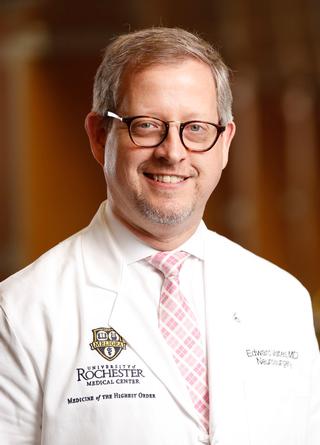
George E. Vates, MD, PhD, is a Professor in the Department of Neurosurgery and the Department of Medicine (Endocrine/Metabolism) at the University of Rochester Medical Center. He serves as neurosurgeon co-director of the University of Rochester Multidisciplinary Neuroendocrinology Clinic and is a key member of the University of Rochester Medical Faculty Group (URMFG), which comprises over 900 providers across 19 departments. Dr. Vates specializes in pituitary tumor surgery, cerebrovascular disorders, and skull base procedures, having performed over 120 transsphenoidal pituitary surgeries. Dr. Vates completed his academic training with exceptional distinction: Duke University: Bachelor's degree, summa cum laude (1988, Phi Beta Kappa) Rockefeller University: PhD in Neuroscience Weill Medical College of Cornell University: MD (1997, Alpha Omega Alpha) University of California, San Francisco: Neurosurgery Residency (1998-2003) Brigham and Women's Hospital, Harvard Medical School: Cerebrovascular/Skull Base Fellowship (2003-2004) His research focuses on pituitary tumor biology, neuroendocrinology, and surgical innovation. He established the Multidisciplinary Neuroendocrinology Clinic as a regional referral center for complex pituitary cases, integrating neurosurgical and endocrinological expertise. Current work emphasizes neuroprotective mechanisms in pituitary adenomas, surgical simulation technology, and optimizing outcomes for elderly glioma patients. Analysis of his 15 most recent publications reveals evolving research trajectories: contemporary studies (2019-2022) concentrate on pituitary tumor management, surgical simulation, and neurosurgical education, while earlier work (2002-2009) explored cerebrovascular anomalies, neural pathway mapping, and vascular malformations. Persistent themes include surgical technique refinement, tumor biology, and clinician training. Dr. Vates' scientific contributions have been recognized through: Phi Beta Kappa (1988) and Alpha Omega Alpha (1991) academic honors Neurosurgery Research and Education Foundation Fellowship (2006) Anspach Award for Cerebral Ischemia Research (2007) AANS Leadership Scholarship and Cone Pevehouse Award (2009) Ongoing service as St. Michael's Hospital Animal Care Committee reviewer As an educator, he mentors neurosurgery residents through clinical supervision and curriculum development, notably publishing on palliative care communication training. His research initiatives, including the 3D-printed cervical laminectomy simulator, demonstrate commitment to advancing surgical education. Current grants focus on neuroprotective strategies in pituitary tumors and resident training methodologies. Dr. Vates co-directs the Multidisciplinary Neuroendocrinology Clinic with endocrinologist Dr. Calvi, fostering collaboration between neurosurgery, endocrinology, and oncology. His clinical team manages complex pituitary cases across Rochester and Hornell campuses, while his research group develops surgical innovations and investigates tumor microenvironment interactions to improve patient outcomes.
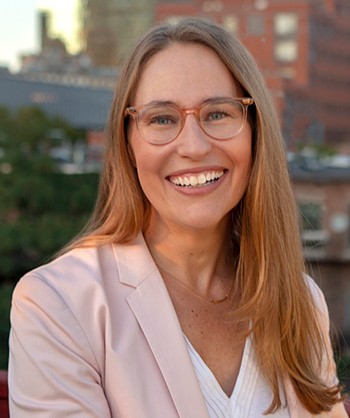
Castilleja Olmsted serves as a Teaching Assistant Professor at the University of Pittsburgh, with office location in A259 Langley Hall (5th & Ruskin Ave., Pittsburgh, PA 15260). Her research focuses on ecological dynamics in forest ecosystems, particularly examining interactions between disturbances, wildlife, and plant communities. Contact is facilitated through her institutional email cfo7@pitt.edu. Her primary research interests span Ecology , Evolutionary Biology , and Forest Ecology , with specialized expertise in Wildlife Management and Biodiversity Conservation . Key investigations include disturbance legacies from fire and herbivory, cryptic biodiversity reservoirs, and non-trophic ecosystem engineering by large mammals. She integrates field studies with theoretical frameworks to address conservation challenges in changing landscapes. Recent publications (2019-2025) reveal a cohesive research trajectory centered on disturbance ecology and species interactions. Her work consistently examines how multiple stressors—such as fire, canopy gaps, and ungulate herbivory—reshape forest composition and regeneration. Notable contributions include demonstrating moose's ecosystem engineering roles and nematode-mediated plant competition dynamics, while practical outputs like her graduate school guide and field safety manual highlight commitment to academic community building. Dr. Olmsted actively mentors students in ecology and evolutionary biology, evidenced by her publication advising on graduate applications. Her fieldwork-driven approach necessitates robust safety protocols reflected in her manual, though specific grant details remain undisclosed in available materials. Current research directions suggest expanding investigations into multi-disturbance legacies and cryptic biodiversity mechanisms.
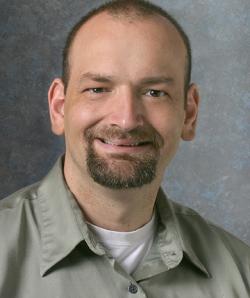
Justin Milner, PhD, serves as Assistant Professor in the Department of Microbiology and Immunology at the University of North Carolina at Chapel Hill School of Medicine and is a member of the UNC Lineberger Comprehensive Cancer Center. His research develops novel approaches to enhance cancer immunotherapies through multi-omics and bioengineering techniques. Education: Postdoctoral Fellowship, UCSD PhD, UNC Chapel-Hill BS, UNC Chapel-Hill Dr. Milner's lab investigates molecular drivers of T cell differentiation and function within tumor microenvironments, utilizing cutting-edge genomics, bioengineering, and computational immunology. His work focuses on reprogramming T cell activity to overcome immunotherapy resistance in cancers, with particular emphasis on epigenetic regulation and metabolic adaptations of tumor-infiltrating lymphocytes. Recent projects explore hydrogel-based delivery systems for immunotherapeutics and transcriptional networks governing T cell exhaustion. Analysis of his 15 most recent publications reveals dominant themes in cancer immunotherapy enhancement, particularly through T cell engineering (7/15 articles), tumor microenvironment modulation (5/15), and computational approaches to T cell biology (3/15). Key methodologies include single-cell multi-omics, in vivo screening, and biomaterial-based drug delivery systems targeting solid tumors. Scientific Awards: NIH NCI K99/R00 Pathway to Independence Award V Foundation Scholar Award Lung Cancer Initiative Career Development Award UNC Lineberger Innovation Award Multiple institutional pilot awards including Hirschberg Foundation and Mary Kay Ash Awards Dr. Milner currently advises three graduate students and multiple postdoctoral researchers while leading an NIH-funded R01 project ($2.79 million) investigating epigenetic regulation of T cell exhaustion. His lab maintains active collaborations across computational medicine and pancreatic cancer research programs at UNC. The Milner Lab operates within the UNC Lineberger Comprehensive Cancer Center, utilizing core facilities for single-cell genomics, murine tumor modeling, and bioengineering. Current team includes seven researchers focused on T cell reprogramming strategies for solid tumor immunotherapy.
Horst A. von Recum, PhD, is the Executive Vice Chair of the Case School of Engineering and a Professor in the Department of Biomedical Engineering at Case Western Reserve University. He is also a member of the Cancer Imaging Program at the Case Comprehensive Cancer Center. His research focuses on developing novel platforms for molecular and cellular delivery, including affinity-based systems for controlled drug release and directed stem cell differentiation. Key applications include HIV therapies, wound healing, ocular disease treatments, and tissue engineering. His work emphasizes improving drug delivery precision through molecular interactions and enhancing stem cell viability for therapeutic use. Dr. von Recum’s research interests span drug delivery systems, biomaterials science, and regenerative medicine. His lab explores cyclodextrin polymers for sustained antibiotic release, affinity-driven drug refilling mechanisms, and engineering biocompatible materials to combat implant-related infections. Recently, his team has investigated microbiome interactions with neural implants and developed polymer-based solutions for localized chemotherapy. Notable contributions include advancements in PMMA bone cement composites for drug refillable depots, cyclodextrin hydrogels for controlled release, and affinity-based systems for anti-fibrotic treatments. His work bridges materials science with clinical applications, addressing challenges in orthopedic infections, neural interfaces, and cardiovascular regeneration. Scientific achievements include over 100 peer-reviewed publications. Research funding has supported projects on antimicrobial coatings, drug delivery mechanics, and stem cell differentiation. Dr. von Recum collaborates across disciplines to translate biomaterial innovations into clinical solutions.
Seema Rivera is an Associate Professor in the Department of Education at Clarkson University, where she also serves as Associate Director of the Institute for STEM Education. She holds a BA in Psychology from Binghamton University, an MS in Chemistry for Adolescent Education from The College of Saint Rose, and a Ph.D. in Curriculum and Instruction from the University at Albany. Prior to her academic career, she taught chemistry in New York public schools. Her research focuses on: STEM graduate education development Self-efficacy and identity formation in graduate students Innovative STEM teaching methodologies for secondary education Science pedagogy through multimodal approaches Rivera's publications demonstrate strong emphasis on science education techniques, particularly examining how read-aloud strategies and visual models enhance science comprehension. Her work frequently explores elementary and secondary education contexts with consistent focus on teacher training and curriculum design. She has secured research funding including: Principal Investigator for 'Watershed Education through STEM Enrichment' ($20,000 NYS DEC grant) Co-director of David A Walsh Mini-Conference Grant ($2,000 Clarkson University award) Rivera supervises chemistry student interns and maintains active conference participation, presenting regularly at major education conferences including Association for Science Teacher Education (ASTE) and National Association for Research in Science Teaching (NARST).
Sharla Alegria is an Associate Professor at the University of Toronto (Downtown Toronto campus), specializing in sociological research focused on race, gender, and technology. Her work intersects colonialism, racialization, and indigeneity with computational methods and organizational studies. She examines how systemic inequalities manifest in tech workforces and AI systems, emphasizing intersectional analyses of labor markets and workplace dynamics. Her research interests include the sociology of artificial intelligence, racialized and gendered labor in tech industries, and the sociotechnical reproduction of inequality. She critiques structural barriers in STEM fields and explores pathways to enhance diversity and inclusion in science and engineering workforces through policy and organizational interventions. Key themes in her recent publications (2024–2016) include algorithmic bias in machine learning, gender pay gaps in federal science agencies, and the invisibility of marginalized workers in global tech supply chains. Her work bridges sociological theory with empirical analyses of contemporary technological and organizational challenges. Despite her prolific output, no specific awards or grants are explicitly listed in the provided materials. Her research often engages with interdisciplinary methods, combining quantitative and ethnographic approaches to study systemic inequities in high-tech environments.
Professor Laura Hill serves as Chair and Professor in the Department of Human Development at Washington State University's College of Agricultural, Human, and Natural Resource Sciences (CAHNRS). Her academic career spans over 20 years, including roles as Associate Director for Health Promotion (2011-2014) and Associate/Assistant Professorships. She holds a Ph.D. in Psychology from Vanderbilt University (1998), an M.S. from Vanderbilt (1994), and a B.A. in Greek Studies from Smith College (1979). Dr. Hill's research focuses on prevention science, particularly translating evidence-based interventions into real-world settings. Key areas include brief interventions for college student retention (especially in STEM), parent-child dynamics in emerging adulthood, and workforce development. She leads major grants totaling millions, including a NIH-funded study on parenting interventions for college students and a WSU Strategic Reallocation grant addressing student success through values-based programming. Her funded projects emphasize scalable solutions, such as adapting parenting programs for Spanish-speaking families and evaluating community wellness initiatives. She teaches graduate courses like HD540 (Effective Intervention Programs) and HD513 (Research Methods). Her scholarly work bridges developmental psychology with practical applications, frequently involving students in co-authorship.
Angela Boatman is an Associate Professor in the Department of Educational Leadership & Higher Education at Boston College specializing in higher education policy evaluation, with emphasis on improving access and success for underrepresented student populations through evidence-based interventions. Her educational credentials include: Ed.D. in Higher Education from Harvard University M.P.P. and M.A. in Higher Education from the University of Michigan B.A. from the University of Minnesota Dr. Boatman's research program systematically examines college access barriers and success pathways, focusing on remedial education reform (particularly mathematics), financial aid design, community college transfer policies, and behavioral interventions to reduce loan aversion. She employs rigorous quasi-experimental and experimental methodologies to evaluate policy impacts on student outcomes, with particular attention to equity implications for traditionally marginalized groups. Her work bridges academic research and practical policy implementation through sustained engagement with federal and state education agencies. Analysis of her recent publications (2019-2025) reveals consistent thematic focus on remediation models (corequisite vs. traditional, high school vs. college timing), behavioral economics applications in financial aid, and cross-institutional transfer policies. Her research spans diverse contexts including U.S. community colleges, technical institutions in Chile, and rural-serving universities, demonstrating methodological versatility through large-scale administrative data analysis, randomized trials, and comparative international studies. Dr. Boatman has secured substantial external research funding from the Institute for Education Sciences, Bill & Melinda Gates Foundation, Lumina Foundation, and Peabody College. She actively contributes to national discourse as a faculty affiliate of the Center for the Analysis of Postsecondary Readiness (CAPR) and the Center for Education Policy Research (CEPR) at Harvard University, frequently presenting findings to policymakers and practitioners through congressional briefings, Federal Reserve conferences, and national education forums.
Eric Bettinger is the Conley DeAngelis Family Professor in the Stanford University School of Education and a Senior Fellow at the Hoover Institution. He also holds appointments as a Senior Fellow at the Stanford Institute for Economic Policy Research (SIEPR) and Professor (by courtesy) of Economics. Bettinger directs the Center for Educational Policy Analysis and the Lemann Center for Brazilian Education at Stanford, and serves as a research associate with the National Bureau of Economic Research. His educational background includes a Ph.D. in Economics from the Massachusetts Institute of Technology (2000) and a B.A. in Economics, Magna cum Laude with Honors, from Brigham Young University (1996). Bettinger's research focuses on the economics of education, with particular emphasis on student success and completion in college, the impacts of online education, financial aid effects, teacher characteristics, and voucher programs. His work employs rigorous statistical methods to identify cause-and-effect relationships in higher education. Notably, his research on simplifying financial aid applications has directly influenced White House efforts to streamline financial aid processes, demonstrating the real-world policy impact of his scholarship. His recent publications reveal consistent focus on educational interventions, technology in education, and policy evaluation. Bettinger's work spans multiple methodologies including randomized controlled trials, natural experiments, and large-scale data analysis. His research often addresses practical educational challenges while maintaining strong theoretical foundations in economics. Bettinger has served as a consultant to the White House and various state governments on financial aid policies, translating academic research into actionable policy recommendations. His work bridges the gap between academic scholarship and practical educational policy implementation. As an academic leader, Bettinger directs multiple research centers and has advised numerous doctoral students. His current advisees include Joseph Moore, Sergio Arango, Michelle Blair, Dallas Gilmore, Gabriel Koraicho, and postdoctoral researcher Saloni Gupta.
Doron Betel serves as an Assistant Professor at Weill Cornell Medicine's Graduate School of Medical Sciences, with affiliations in both the Physiology, Biophysics & Systems Biology and Computational Biology programs. He directs the Applied Bioinformatics Core (ABC), a central service group providing specialized computational and analytical support for biomedical research across multiple institutions. Dr. Betel's research focuses on developing computational genomic tools for studying human diseases and cellular development, with emphasis on integrative analyses of genomic and epigenomic data from high-throughput assays. His work addresses specific questions related to disease progression, treatment response, stem cell differentiation, and neurological processes through two closely interacting research groups: the Applied Bioinformatics Core and his independent research lab. The analysis of his recent publications reveals a strong emphasis on single-cell and spatial genomics, cross-species data integration, and machine learning applications in cancer immunology and neurodegenerative disease modeling. His research spans multiple high-impact areas including cancer immunotherapy, stem cell biology, diabetes research, and cardiovascular regeneration, with numerous publications in top journals like Nature, Cell, and Nature Immunology. Through the Applied Bioinformatics Core, Dr. Betel provides extensive analytical support across various genomic platforms including single-cell RNA-seq, spatial transcriptomics, ChIP-seq, ATAC-seq, and variant calling. The Core serves as a vital resource for researchers at Weill Cornell Medicine and the broader Tri-Institutional network, offering specialized analysis, computational pipelines, and training services. Dr. Betel maintains extensive collaborations with leading researchers including Lorenz Studer at MSKCC for stem cell and neurodegenerative disease research, Tuomas Tammela for cancer genomics, and multiple immunology researchers studying T cell function in autoimmunity and cancer. His work bridges computational methodology development with direct biomedical applications across multiple disease areas.
Benjamin C. Flores is a Professor of Electrical and Computer Engineering at the University of Texas at El Paso (UTEP) , where he has built an internationally recognized career spanning advanced radar signal processing and large-scale STEM education initiatives. He directs the UT System Louis Stokes Alliance for Minority Participation (LSAMP) and the Bridge to the Doctorate Program , managing more than $40 million in funded projects aimed at increasing access and success for Hispanic and other under-represented students in STEM disciplines. Education: While specific degrees are not listed in the provided text, Dr. Flores’s faculty appointment and extensive technical expertise in radar and chaotic systems imply advanced training in electrical engineering. Research Interests: Radar & Signal Processing: high-resolution radar, inverse synthetic aperture radar (ISAR), range-Doppler processing, micro-Doppler analysis, bistatic radar, chaotic wideband signal design, neural-network-based classification of radar jamming signals. Antenna Engineering: fractal antennas, 3-D printed antenna prototyping, anechoic chamber measurements. STEM Education & Diversity: evidence-based retention strategies for non-traditional and Hispanic students, peer-led team learning, graduate mentoring, systemic change models for faculty diversity. Publication Trends: Dr. Flores’s recent articles (2021-2025) reveal two dominant thrusts—(1) cutting-edge radar/chaotic signal processing and joint radar-communication systems, and (2) rigorous, data-driven studies on broadening participation in STEM, with emphasis on mentoring, social networks, and program evaluation at Hispanic-Serving Institutions. Scientific Awards & Honors: Texas STAR Award – Texas Higher Education Coordinating Board (2005) ABET President’s Diversity Award (2006) Presidential Award for Excellence in Science, Mathematics, and Engineering Mentorship (2010) Grants & Leadership Roles: Principal Investigator & Project Director, Model Institutions for Excellence Initiative (1999-2007) Principal Investigator, UTEP PUENTES Program (US Dept. of Education, 2010-2015) Principal Investigator & Director, UT System LSAMP & Bridge to the Doctorate Program (since 2005) Laboratory & Facilities: Dr. Flores’s research group utilizes UTEP’s anechoic chamber and rapid-prototyping laboratories for antenna design and characterization, while also housing real-time radar test-beds and analog-computer platforms for chaotic oscillator experiments.
Katherine Ryker is an Associate Professor at the University of South Carolina, affiliated with the School of the Earth, Ocean & Environment within the McCausland College of Arts and Sciences. She leads the Ryker Research Lab, which focuses on geoscience education research, emphasizing inquiry-based learning, student-centered teaching practices, and the integration of augmented/virtual reality in education. Her work explores how teaching methods impact student engagement, spatial skill development, and academic persistence in geoscience disciplines. Her research interests include: Geoscience education reform Teacher professional development Role of technology in STEM education Student learning strategies in large introductory courses Outreach strategies to correct public misconceptions about geoscience Ryker’s lab maintains a structured environment with documented protocols for onboarding, data management, diversity initiatives, and collaborative authorship. She advises graduate and undergraduate students, supporting their academic and career development through grants such as NSF GRFP and SEOE Travel Awards. Her lab also emphasizes work-life balance, professional mentorship, and ethical standards in academia. Her students have pursued roles in academia (e.g., Senior Lecturer at Vanderbilt University) and applied geoscience fields (e.g., National Park Ranger). Ryker’s contributions to geoscience education include advancing pedagogical frameworks, publishing influential research, and advocating for inclusive teaching practices across institutions.
Prof. Dr. Philipp A. Rauschnabel serves as Professor of Digital Marketing and Media Innovation at the University of the Bundeswehr Munich's Faculty of Business Administration. Recognized as one of the world's leading scientists in augmented reality, virtual reality, and metaverse research, he bridges academic theory with practical business applications across multiple industries. His educational background includes: Habilitation, Dr. habil; PD, Otto-Friedrich University of Bamberg Dr. rer. pol. (psychological brand management, 2014, summa cum laude), Otto-Friedrich University of Bamberg M.Sc. in Marketing and Distribution Management, Georg-August University of Göttingen (best of class) BA in Business (Marketing and Business Information Systems), Merseburg University of Applied Sciences (Top 10% graduate) Rauschnabel's research centers on the practical implementation of spatial computing technologies in marketing contexts. He has developed influential frameworks including the XR framework that redefines the relationship between augmented reality, virtual reality, and mixed reality. His work examines how these technologies transform consumer-brand relationships, workplace operations, and marketing strategies across retail, manufacturing, and service industries. He particularly investigates the psychological mechanisms through which AR/VR experiences influence consumer behavior, brand love, and purchasing decisions. Analysis of his recent publications reveals a clear progression from basic AR applications toward more sophisticated spatial computing environments and persistent metaverse experiences. His research demonstrates increasing sophistication in understanding contextual factors, emotional responses, and long-term consumer engagement with these technologies. The work consistently bridges theoretical marketing concepts with practical implementation challenges faced by businesses. His significant scientific recognition includes: Top 1% Scientist (Clarivate Highly Cited Researcher, 2023) Top 2% Scientist (Stanford List 2023) Microsoft Academics listed as one of the top 5 AR researchers worldwide based on citation output (2021) Named one of the top 15 AR marketing researchers worldwide (Kumar, 2021) Prof. Rauschnabel serves as Associate Editor for the Journal of Business Research and chairs the bdvb research institute. He has provided expert consultation to the German Federal Government on XR/Web3/Metaverse (2022) and regularly advises major corporations across multiple sectors including food, home appliances, insurance, automotive, and telecommunications across Germany, USA, Switzerland, China, and Austria. His practical consulting work complements his academic research, creating a valuable feedback loop between theory and practice. He leads multiple research initiatives on augmented reality marketing and spatial computing, collaborating with industry partners to develop practical applications of these emerging technologies. His work emphasizes the importance of understanding both the technological capabilities and human factors that determine successful implementation of AR/VR in business contexts.
Stanley Riddell, M.D., is a Professor at the University of Washington School of Medicine's Department of Immunology and holds the Burke O’Reilly Family Endowed Chair in Immunotherapy at Fred Hutchinson Cancer Research Center. He leads the Riddell Lab, focusing on adoptive T-cell therapy, CAR T-cell engineering, and overcoming tumor immune evasion. His work includes clinical trials targeting B-cell malignancies, solid tumors, and viral infections post-transplant. Key contributions include CD19 CAR T-cell therapy for leukemia/lymphoma and identification of tumor antigens like BRAFV600E. He collaborates with institutions like TUM School of Medicine and UW's Institute for Protein Design. Education: MD from University of Manitoba (1979), residency/internal medicine (1983), hematology fellowship (1985). Clinical expertise includes stem cell transplantation and GVHD management. Awards include the American Cancer Society Research Professorship. His lab includes researchers like Josh Veatch, Carla Jaeger, and postdocs Tamer Shabaneh/Sylvain Simon. Research spans immunotherapy safety, T-cell subset optimization, and neoantigen targeting. Current projects address solid tumor CAR T-cell challenges, ROR1-targeted therapies, and synthetic biology innovations.