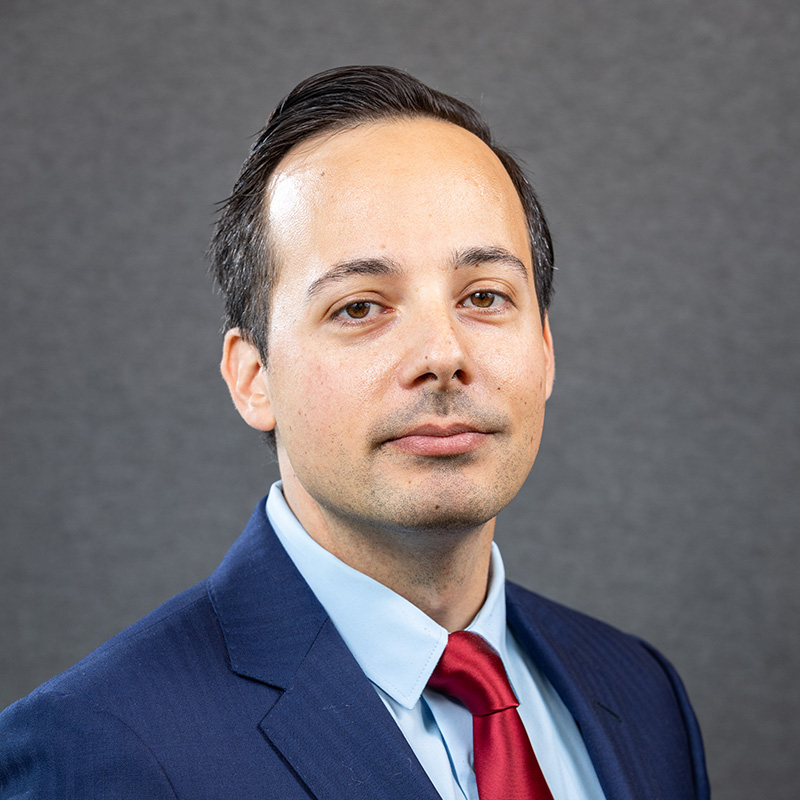
Sean Dennisمشاهده پروفایل
دانشیار
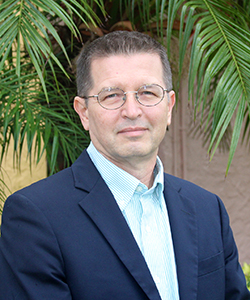
Sean Dennis serves as an Associate Professor of Accounting at the Kenneth G. Dixon School of Accounting, University of Central Florida, a position held since 2019 following prior faculty service at the University of Kentucky. His professional background includes audit practice experience at KPMG serving financial services clients like Wachovia and Wells Fargo. His academic credentials include: Bachelor of Business Administration (BBA) and Master of Science (MS) in Accountancy from the University of Notre Dame Doctor of Philosophy (Ph.D.) in Accounting from the University of Wisconsin-Madison Dennis's research investigates how auditors preserve value in financial reporting through enhanced judgment and decision-making, with specialized focus on artificial intelligence applications for complex estimates, fraud brainstorming dynamics, auditor reporting, and liability considerations. His work has been published in premier journals including The Accounting Review, Journal of Accounting Research, and Accounting, Organizations and Society. Analysis of his 2015-2025 publications reveals a pronounced shift toward AI integration in auditing, particularly for complex estimate validation and fraud detection systems. His scholarly output consistently engages with regulatory frameworks through formal comment letters to standard-setting bodies like the PCAOB and IAASB, demonstrating dual expertise in academic research and practical standard implementation. No formal scientific awards are documented in available materials, though Dennis maintains active Certified Public Accountant licenses in Florida and North Carolina with research presented internationally. His teaching emphasizes undergraduate auditing pedagogy focused on critical questioning and analytical reasoning skills. While specific graduate student mentorship details are unreported, his role as Associate Professor implies academic advising responsibilities. His industry background and regulatory engagement reflect practice-oriented research approaches, though no dedicated laboratories or formal research teams are mentioned in the source materials.