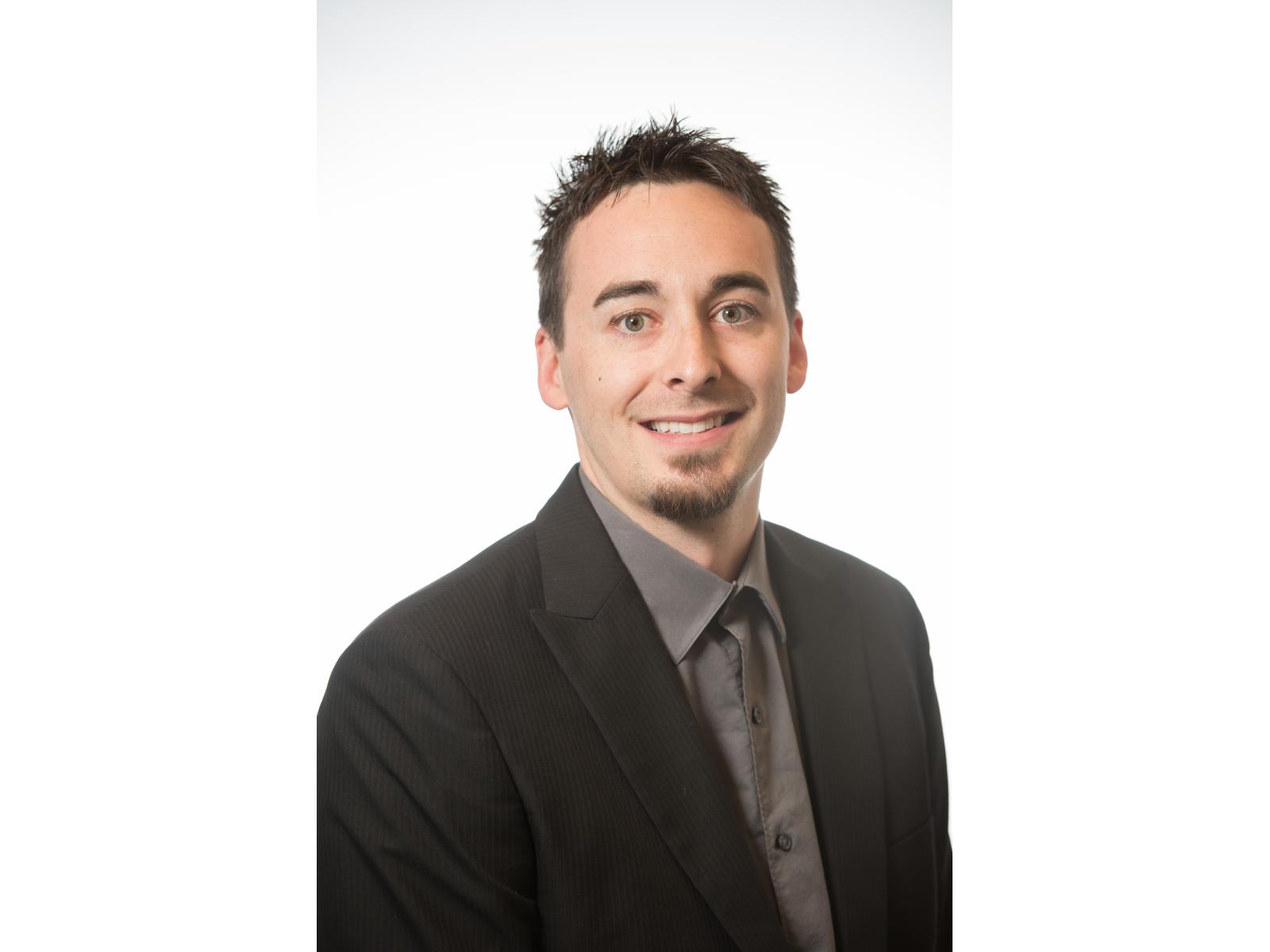
Martin Weih is a Full Professor at the Swedish University of Agricultural Sciences (SLU), specializing in plant ecology and eco-physiology. He leads the Plant Ecology Group, which includes post-docs, PhD students, and researchers. His affiliations span roles such as President of the International Commission on Poplars (2012–2024), Head of Department at SLU (2010–2016), and editorial positions for journals including Agriculture and Plant and Soil . Weih's research centers on sustainable agriculture, with emphasis on: Plant genotype-environment interactions to improve crop yield and resource efficiency. Nitrogen use dynamics in cereals and legumes. Biomass production systems using willow and poplar. Ecological sustainability of intercropping and mixed forestry. His work integrates field experiments, molecular biology, and ecological modeling to address climate resilience. Recent publications (2024–2025) focus on: Tree diversity impacts on soil carbon and ecosystem services. Economic and ecological benefits of intercropping. Root architecture adaptations to drought in wheat. Salix genotypes for biomass and carbon sequestration. These studies highlight trends in sustainable agroforestry, climate adaptation, and circular bioeconomy solutions. He actively supervises PhD students and secures grants from Formas, the EU, and Swedish Energy Agency. His lab explores future directions in perennial crop breeding and low-input farming systems.
Lisa Ciadamidaro is a Lecturer at the UMR 6249 Chrono-environment unit of the University of Franche-Comté (France). Her research focuses on the dynamics of Trace Elements (TE) and Persistent Organic Pollutants (POP) in soil-plant-microorganism systems. Key areas include biogeochemical process identification, remediation strategies using physiological and molecular tools, and long-term management of contaminated soils through phytomanagement approaches. Projects: ECOPOLIS, COSMiC, SIRAM, EDAPHOS Collaborations: with international researchers (Switzerland, China, Serbia, Czech Republic) Her work integrates mycorrhizal inoculation to enhance poplar biomass production on contaminated sites, with studies on associated fungal diversity and bioremediation efficiency . Recent publications emphasize trace element bioavailability, poplar microbiome analysis, and marginal land rehabilitation strategies. She actively participates in conferences (e.g., SETAC, ICOBTE, International Phytotechnologies Conference) and contributes to book chapters on phytoremediation.
Philippe Binet is a Professor at the University of Franche-Comté affiliated with the Chrono-environment laboratory (UMR 6249). His research focuses on plant-microorganism associations, mycorrhizal symbioses, and their responses to anthropogenic disturbances including pollution and climate change. Research axes: contaminant fate in ecosystems Climate change impacts on peatlands/forests Key sites: SNO Tourbières (Frasne), Living Lab Phytomanagement (Vieux-Charmont), Franche-Comté forests His work combines interdisciplinary approaches with emphasis on environmental monitoring systems and carbon flux analysis in temperate peatlands. Current projects include ECOPOLIS for industrial wasteland rehabilitation using phytomanagement strategies. Scientific contributions demonstrate expertise in: Atmospheric pollutant translocation Plant-microbe-metal interactions Climate change simulation experiments Peatland hydrology and biogeochemistry Microbial community dynamics
Wolfram Weckwerth is a Full Professor at the University of Vienna, Austria, and Head of the Department of Ecogenomics and Systems Biology since 2013. He founded the Vienna Metabolomics Center (VIME) in 2015, integrating environmental, biotechnological, and biomedical research. His work spans plant, microbial, and human systems, focusing on genotype-environment-phenotype relationships using metabolomics, proteomics, and systems biology.
Niculina Musat is Scientific Head of the Centre for Chemical Microscopy (ProVIS) at the Helmholtz Centre for Environmental Research - UFZ since April 2012. Her work bridges microbial ecology , biogeochemistry , and innovative imaging across marine, freshwater, and agricultural systems. Research Pillars Microbial nutrient interactions in aquatic and rhizosphere systems Advanced correlative microscopy (FISH, CARD-FISH, NanoSIMS, ToFSIMS) Antibiotic impact on environmental microbiomes and biodegradation pathways Multi-species symbiotic associations and metabolic mapping Publication Trends Her recent work focuses on single-cell metabolic tracking using stable isotopes, plant-microbe rhizosphere dynamics , and cross-kingdom symbiotic systems in both marine and clinical contexts. Collaborative studies with the Isotope Biogeochemistry Department emphasize environmental applications.
Helena Korpelainen is a Docent at the Department of Agricultural Sciences, University of Helsinki, Finland. She serves as a supervisor in three doctoral programs: Plant Sciences, Sustainable Use of Renewable Natural Resources, and Wildlife Biology. Her research focuses on molecular ecology, population genetics, and plant-soil-microbe interactions, particularly in dioecious species. Institution : University of Helsinki, Department of Agricultural Sciences Supervisory roles : Plant Sciences, Renewable Resources, Wildlife Biology doctoral programs Her work examines sex-specific nutrient acquisition strategies, microbial community dynamics in rhizospheres, and stress responses in poplar and tea plantations. Recent publications explore selenium's role in plant nutrition and circadian microbial rhythms in tea crops. She collaborates extensively through the Viikki Plant Science Centre (ViPS) and has secured funding from foundations like the Emil Aaltionen Foundation and Kone Foundation . Media engagements include topics on evolution perceptions and date palm stress tolerance.
Dr. Ljiljana (Lili) Paša-Tolić is a distinguished Lab Fellow and Lead Scientist for Visual Proteomics at Pacific Northwest National Laboratory (PNNL), where she works within the Environmental Molecular Sciences Division and the Environmental Molecular Sciences Laboratory (EMSL) user program. She brings world-leading expertise in native-state and top-down proteomics, mass spectrometry, and the Biomolecular Pathways Integrated Research Platform, combining these with Functional Bioimaging and Cell Signaling platforms to develop transformational capabilities for dynamic spatio-temporally resolved proteomic imaging in cells. Shipley Capturing Federal Business Course (2013) Emerging Leader Program (2012) Management Skills Development Program (2003) Postdoc, National High Magnetic Field Laboratory (1995–1997) Postdoc, PNNL (1993–1995) PhD in Chemistry, University of Zagreb (1992) MS in Theoretical and Physical-Organic Chemistry, University of Zagreb (1989) BS in Chemistry, University of Zagreb (1986) Dr. Paša-Tolić specializes in developing sophisticated analytical methods with emphasis on Fourier transform mass spectrometry and micro-separations. Her research focuses on applying these techniques to accurately quantify spatiotemporal changes in protein (metabolite) abundance, identity, and activity. Her work bridges the gap between advanced instrumentation development and biological applications, particularly in environmental systems, microbial communities, and plant-microbe interactions. She has pioneered approaches for single-cell metabolomics, top-down proteomics, and mass spectrometry imaging that have transformed how researchers study complex biological systems at unprecedented resolution. The trend in Dr. Paša-Tolić's recent publications demonstrates her leadership in advancing mass spectrometry technologies while applying them to increasingly complex biological questions. Her work spans environmental science, microbiology, plant biology, and immunology, showing how fundamental advances in analytical methodology can be leveraged across diverse research domains. Key themes include single-cell analysis, interlaboratory standardization, top-down proteomics, and the development of novel instrumentation approaches that push the boundaries of detection sensitivity and spatial resolution. The Analytical Scientist Power List (2019) Spectrometry Global Impact Award (2015) Director's Award, EMSL (2010) Systems Biology Fellows Mentor Award (2007) Outstanding Merit Award, International Immunology (2007) Key Contributor Award, PNNL (2002, 2003) Outstanding Performance Award, PNNL (1998, 1999, 2000) International Institute of Quantum Chemistry and Solid-State Theory Award (1988) As a leader in her field, Dr. Paša-Tolić has served in numerous professional capacities including Treasurer of the American Society for Mass Spectrometry (2020–2022), Editorial Board Member for the Journal of the American Society for Mass Spectrometry (2017–Present), and Member at Large on the Board of Directors for the Consortium for Top-Down Proteomics (2012–Present). She has organized and lectured at the 'Mass Spectrometry in Biology and Medicine' summer school in Dubrovnik, Croatia since 2007, demonstrating her commitment to training the next generation of scientists. Her research has been supported by multiple federal agencies including the Department of Energy, National Institutes of Health, and National Science Foundation. Dr. Paša-Tolić leads a dynamic research team at PNNL focused on visual proteomics, which combines advanced mass spectrometry with imaging techniques to study biological systems at unprecedented resolution. Her group works at the intersection of the Functional and Systems Biology group, the Biomolecular Pathways Integrated Research Platform, and the Functional Bioimaging platform, creating a synergistic environment for innovation. The team has developed novel capabilities for single-cell analysis, top-down proteomics, and mass spectrometry imaging that are being applied to diverse research areas from environmental systems to human health.
Erica Teixeira Prates is a Computational Systems Biologist at Oak Ridge National Laboratory (ORNL), working within the Biological and Environmental Systems Science Directorate's Biosciences Division. She leads computational research in the Computational and Predictive Biology Group and Biocomputing and Information Section, focusing on integrating molecular dynamics simulations with multi-omics data to study protein structure-function relationships. Her research spans three major domains: Bioenergy (CBI projects on plant-microbe interfaces and cellulose biosynthesis) Plant-Microbe Interactions (modeling receptor-ligand pairing in Populus systems) Viral Pathogenesis (SARS-CoV-2 protease mechanisms and antiviral strategies) She develops computational protocols for proteome-wide modeling, virtual screening, and enhanced sampling techniques to bridge molecular biophysics with systems-level biological traits. Publication analysis reveals consistent focus on structural bioinformatics (47% of articles), with growing emphasis on AI-driven approaches since 2020. Her work connects quantum biology with CRISPR optimization, metabolite-GWAS networks in plants, and opioid addiction genetics through meta-multiomics integration. Professional contributions include key projects: Plant-Microbe Interfaces (PMI) initiative for bioenergy crops COVID-19 research on NEMO cleavage and bradykinin storms Development of explainable AI models for viral mutation tracking
Zhangli Thomsen Zuo serves as Assistant Professor in the Department of Biology (Functional Genomics section) and Department of Plant and Environmental Sciences (Section for Plant and Soil Sciences) at the University of Copenhagen's Faculty of Science. With dual appointments reflecting interdisciplinary expertise, Zuo operates from campus locations at Ole Maaløes Vej 5 in Copenhagen N and Thorvaldsensvej 40 in Frederiksberg C. Research focuses on molecular mechanisms governing plant development and stress responses, particularly mRNA decapping pathways in Arabidopsis thaliana . Key interests include: mRNA decay machinery in developmental regulation Plant-pathogen interactions involving viral infection Drought tolerance mechanisms through microbiome interactions Stress-responsive gene expression via post-transcriptional control Recent publications (2018-2024) demonstrate consistent focus on PAT/LSM1 decapping factors, revealing their critical roles in apical hook formation, lateral root development, osmotic stress adaptation, and viral susceptibility. Work integrates molecular genetics, transcriptomics, and microbiome analysis to dissect plant-environment interactions. Zuo maintains active collaboration with the Petersen research group, evidenced by co-authorship across all publications. The research program shows strong translational potential for improving crop stress resilience through fundamental insights into mRNA regulation pathways.
Rute Andreia Rodrigues da Fonseca serves as an Associate Professor at the Section for Biodiversity within the Globe Institute at the University of Copenhagen. Her academic profile demonstrates significant contributions to evolutionary biology, population genomics, and conservation science through her extensive research portfolio of 55 publications spanning journal articles, reviews, and letters. Dr. da Fonseca's research interests encompass population genomics, evolutionary biology, conservation genetics, phylogenetics, ancient DNA analysis, marine biology, and plant genomics. Her work integrates molecular techniques with ecological and historical perspectives to understand biodiversity patterns across diverse taxa. She investigates both contemporary population dynamics and historical evolutionary processes, bridging fundamental science with practical applications in conservation and sustainable agriculture. Her approach combines field studies with advanced genomic analyses to address complex biological questions. Analysis of her publication record reveals a strong methodological focus on genomic approaches applied across diverse biological systems. Her research spans from high-impact studies on avian evolution published in Nature to practical applications in crop improvement for quinoa. She demonstrates particular expertise in analyzing population structure, historical connectivity, and adaptive processes across marine, terrestrial, and agricultural systems. This breadth of research while maintaining scientific rigor characterizes her scholarly contributions. Multiple papers picked up by 21-79 news outlets Research blogged about and widely shared across social media platforms Work on avian evolution in Nature received significant citations (110 in Scopus) and media attention Research referenced in policy sources and Wikipedia pages Dr. da Fonseca maintains an active collaborative network, working with researchers worldwide as evidenced by her multi-author publications with international teams. While specific grant information isn't detailed in the provided text, her extensive publication record suggests successful funding acquisition to support her research program. Her work bridges basic science with practical applications in conservation and agriculture, demonstrating the real-world impact of genomic research. Her research has established connections between historical ecology and contemporary conservation, particularly through her ancient DNA work on marine resources, while also advancing crop improvement through plant genomics research. This dual focus on understanding evolutionary processes and applying genomic knowledge to practical challenges characterizes her comprehensive approach to biodiversity science.
Ryan Renslow serves as a Chemical Engineer at Pacific Northwest National Laboratory (PNNL) and holds a Research Associate Professor position at Washington State University's Gene and Linda Voiland School of Chemical Engineering and Bioengineering. His interdisciplinary work bridges computational modeling, advanced imaging, and experimental biology to address complex challenges in metabolomics and microbial systems. Education BS in Chemical Engineering, Washington State University MS in Chemical Engineering, Washington State University PhD in Chemical Engineering, Washington State University Linus Pauling Distinguished Postdoctoral Fellowship, Pacific Northwest National Laboratory Renslow's research centers on identifying novel metabolites in complex biological samples, deciphering microbial community structure-function relationships, and understanding emergent properties in multispecies systems. He employs computational mathematics, machine learning, and high-resolution imaging techniques including mass spectrometry and nuclear magnetic resonance. His work spans diverse applications from human health diagnostics and bioenergy production to ecological monitoring and national defense solutions, with particular emphasis on biofilm dynamics and metabolite characterization in challenging environments. Analysis of his recent publications reveals a strong trend toward integrating ion mobility spectrometry with computational modeling for metabolite identification, developing in silico libraries for small molecule annotation, and applying machine vision to biological systems. His work consistently demonstrates cross-cutting applications across energy, environmental science, and biomedical research through sophisticated data analysis frameworks. Scientific Awards: No awards listed in available documentation. Renslow's collaborative research program involves extensive partnerships across PNNL's Environmental Molecular Sciences Laboratory and Washington State University. His work receives institutional support through DOE-funded initiatives focused on chemical biology and exposure science, with emphasis on developing advanced analytical capabilities for complex sample analysis. While specific grant details aren't provided, his publication record indicates consistent funding for interdisciplinary projects combining experimental and computational approaches. At PNNL, Renslow contributes to the Chemical Biology and Exposure Science group within the Biological Sciences division. He leverages specialized facilities including high-field mass spectrometers, nuclear magnetic resonance microimaging systems, and biofilm reactors to investigate microbial community dynamics. His research team integrates expertise from chemical engineering, microbiology, and computational science to develop novel approaches for characterizing complex biological systems at multiple scales.
Professor Eva H. Stukenbrock is a Max Planck Fellow at the Max Planck Institute for Evolutionary Biology in Plön, Germany, and a professor at the Christian-Albrechts University of Kiel. She heads the Max Planck Fellow Group Environmental Genomics, which is jointly hosted by both institutions. Her research focuses on the evolutionary genomics of plant-pathogenic fungi, particularly the genus Zymoseptoria, using integrated genomic, transcriptomic, and experimental approaches. Her research interests include: Evolutionary mechanisms of host-pathogen interactions Genomic architecture and accessory chromosome dynamics in fungal pathogens Adaptive evolution and diversification of plant pathogens Epigenetic regulation in pathogen genomes Population genomics of emerging pathogens Professor Stukenbrock's recent publications reveal a strong emphasis on accessory chromosome evolution, horizontal gene transfer, and host specialization mechanisms in fungal pathogens. Her work demonstrates how chromosomal rearrangements and epigenetic modifications drive pathogen adaptation to agricultural environments. The research spans from fundamental evolutionary mechanisms to practical implications for disease management in crops. She has made significant contributions to understanding how fungal pathogens evolve in response to crop domestication and agricultural practices, with publications in high-impact journals including Nature Communications, PNAS, and New Phytologist. Her work on horizontal chromosome transfer between asexual fungi has challenged conventional understanding of pathogen evolution. Professor Stukenbrock has supervised numerous graduate students across PhD, Master's, and Bachelor's levels, with her students conducting research on diverse aspects of fungal genomics and evolution. Her laboratory maintains active collaborations with international research groups and participates in major scientific conferences focused on plant-microbe interactions and evolutionary biology.
Scott T. Retterer is a Distinguished Staff Scientist at Oak Ridge National Laboratory (ORNL), where he serves as Director of the Center for Nanophase Materials Sciences (CNMS) and Section Head for Nanomaterial Synthesis and Nanofabrication. His interdisciplinary work bridges the Physical Sciences Directorate and Biological and Environmental Systems Science Directorate, focusing on nanoscale interfaces with biological systems. His research explores: Nanoscale structure and molecular transport in biological processes Microfluidic/nanofluidic integration for functional assays Materials development for controlling cellular microenvironments Advanced nanofabrication techniques for device prototyping Biofilm dynamics and microbial interactions with surfaces Recent publications demonstrate strong emphases on: Nanoscale materials editing (2D materials, thin films) Microfluidic platforms for biological sampling Biofilm characterization and quantification Novel electrode and polymer designs Plant-microbe interactions in engineered systems Honors and awards include: NIH Review Panels (2015, 2008-2009) Battelle Multi-Scale Toxicology Initiative (2009) Harold A. Simon Memorial Award (1999) Leadership in Tau Beta Pi and Pi Tau Sigma honor societies He leads the Nanofabrication Research Laboratory and oversees CNMS user facilities that support national and international collaborations in nanoscience.
Courtney Horn Herms serves as a Research Fellow within the Department of Plant and Environmental Sciences at the University of Copenhagen's Faculty of Science, where she is actively engaged with the Microbial Ecology and Biotechnology research group. Her institutional affiliation places her at the forefront of agricultural microbiome research in Scandinavia. Dr. Herms earned her Ph.D. from the University of Copenhagen in 2025 with her dissertation "Decoding the impact of root morphological traits on microbial colonization and activity in the wheat rhizosphere at single-strain and whole-community levels," establishing her expertise in plant-microbe interface dynamics. Her research program systematically investigates how root architectural features mediate microbial community assembly and function, with particular emphasis on wheat-rhizosphere systems and bacterial genera like Pseudomonas. Her scholarly contributions demonstrate exceptional focus on translating microbial ecology principles into agricultural applications. Key publications reveal a consistent methodology examining cultivar-specific interactions, functional trait expression (e.g., viscosin production), and disease resistance mechanisms. The highly cited 2022 Environmental Microbiology review (109 citations) crystallized her conceptual framework linking root morphology to beneficial microbial partnerships, while subsequent work in Applied Soil Ecology (2025) and mSphere (2024) advanced mechanistic understanding of bacterial microdiversity and colonization dynamics. This body of work positions her at the intersection of fundamental microbial ecology and sustainable crop development. Within the university ecosystem, Dr. Herms operates through the Microbial Ecology and Biotechnology group, utilizing controlled soil system methodologies to dissect plant genotype effects on microbial communities. Her collaborative network includes prominent researchers like M. H. Nicolaisen and R. C. Hennessy, reflecting strong integration within Copenhagen's agricultural science community. Current research trajectories suggest continued exploration of microbial functional traits for enhancing crop resilience, with potential implications for reducing chemical inputs in cereal production.
Davide Bulgarelli serves as a Reader (Teaching and Research) in Plant Sciences at the James Hutton Institute, with collaborative ties to the University of Dundee. His role spans research leadership in plant-microbe interactions and active public engagement through national science initiatives. Research focuses on rhizosphere microbiome dynamics , particularly how host genetics shape microbial communities in barley and rotational crops. His work bridges fundamental microbiology with climate-resilient agriculture, emphasizing nitrogen cycling and pathogen protection mechanisms. Recent publications reveal strong trends in microbiome engineering ( Annual Review of Phytopathology 2023) and climate adaptation strategies ( Plant and Soil 2024). Award highlights include: The Dorothy Jones Prize (2022) for microbiome research excellence Science For All Badge (2023) for public engagement Associated Fellow status (AFHEA, 2024) Bulgarelli secures substantial funding through the €10M+ Roots2Resilience EU project and BSPP bursaries, supporting translational research with 20+ institutional partners. His mentorship spans undergraduate bursary students to postdoctoral researchers, with emphasis on field phenotyping and microbiome analysis. Public engagement activities like 'Magnificent Microbes' exhibitions and school visits demonstrate commitment to science communication.