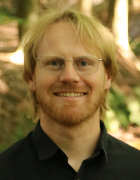
Prof. Richard L. Peters is a Professor and Head of the Chair of Tree Growth and Wood Physiology at the Technische Universität München (TUM) since 2024. His research focuses on tree physiology, wood formation, and climate-forest interactions. He holds a doctorate summa cum laude from the University of Basel (2018) and has conducted postdoctoral research at the Swiss Federal Institute for Forest Science (WSL) and Ghent University. His work integrates forest ecology, dendrochronology, and ecophysiology to address climate change impacts on forests. Education: B.Sc./M.Sc. in Biology at Utrecht University, Ph.D. from University of Basel (2018). Key career steps include a Swiss National Science Foundation (SNSF) fellowship at Ghent University and coordination of the Swiss Canopy Crane II project (2021). Research Interests: Tree water-use strategies, drought tolerance mechanisms, carbon allocation dynamics, and the physiological basis of tree growth. He leads interdisciplinary projects to monitor forest responses to environmental stress using tools like the TreeNet network. Awards: Early Postdoc Mobility Fellowship (SNSF, 2019), Doctorate summa cum laude (2018). Contributions: Authored >180 publications, co-developed the datacleanr R package for ecological data processing, and pioneered methods linking tree-ring data with climate models. His work emphasizes the need for better observational data to improve vegetation models.
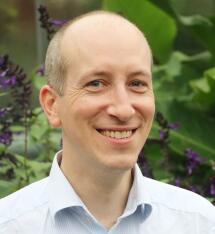
Prof. Dr. Markus Schwarzländer leads the Arbeitsgruppe for Plant Energy Biology at the Institute for Plant Biology and Biotechnology (WWU Münster) . His research focuses on mitochondrial physiology, redox signaling, and biosensor development in Arabidopsis thaliana and other plant species, integrating molecular biology with systems-level analyses to understand energy regulation. Key Research Areas: Mitochondrial-NAD(P)H dynamics Redox-regulated signaling networks Organelle communication Stress-adaptive metabolism Recent work highlights Golgi-localized mitochondrial uncoupling proteins , chloroplast-mitochondria redox coupling , and mitochondrial calcium uniporter function . His group employs cutting-edge fluorescent biosensors and proteomic approaches to dissect energy physiology. Students benefit from hands-on training in bioimaging , metabolic modeling , and organelle biology through iMoPLANT and Life Sciences programs. Scientific Awards: DAAD Fellowship (2019) As an active member of the Faculty of Biology , he collaborates with international institutions including University of São Paulo , CEA France , and Siberian Institute of Plant Physiology , while maintaining a robust publication record in top journals like Plant Cell and Nature . His teaching emphasizes integrative plant sciences and advanced biosensing techniques for B.Sc. and M.Sc. students.
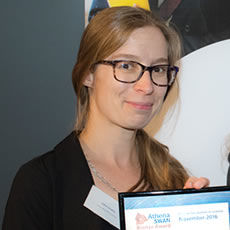
Alison Slinskey Legg, Ph.D., is a Teaching Professor and Center Director at the University of Pittsburgh, specializing in expanding access to STEM education through large-scale interventions. She founded the Broadening Equity in STEM Center, a collective impact initiative bridging academic and professional sectors, and serves as Principal Investigator for the $10 million NSF INCLUDES ALLIANCE: STEM PUSH Network. Developed national network of pre-college STEM programs using improvement science Pioneered accreditation model for out-of-school STEM programs Created cross-program research on STEM student enrollment trends Her outreach initiatives include Pitt-Kits curriculum, mobile laboratories serving 10,000+ students annually, and teacher professional development programs. She co-created the PBS pilot Science Mission 101 , winning Pennsylvania Excellence in Broadcasting Award (2010). Recent research focuses on racial equity in STEM spaces, program quality standards, and pandemic-era educational continuity. Her work spans STEM education, equity frameworks, and interdisciplinary curriculum development. Notable awards include: Pennsylvania Excellence in Broadcasting Award for Children’s Programming (2010) Dr. Legg’s lab initiatives include the STEM PUSH Network, Gene Team summer research program, and a tri-state mobile laboratory network. She advocates for evidence-based practices in pre-college STEM education through scholarly publications and practitioner collaborations.
Pamela Ronald is a Distinguished Professor of Plant Pathology at the University of California, Davis, affiliated with the Department of Plant Pathology within the College of Agricultural and Environmental Sciences. Her research focuses on understanding and enhancing crop resilience, particularly in rice, through genetic and molecular mechanisms. Key areas include plant immunity against pathogens, climate adaptation, and sustainable agricultural practices. Education and Background: Details on her academic qualifications are not explicitly mentioned in the provided text, but her career trajectory suggests advanced training in plant genetics and pathology. Research Interests: Ronald’s work centers on engineering disease-resistant crops, studying plant-microbe interactions, and developing climate-resilient varieties. Notably, she has contributed to identifying genes like XA21 that confer resistance to bacterial infections and pioneered methods to reduce methane emissions in rice. Her studies also explore the role of sulfated peptides in pathogen virulence and host defense mechanisms. Publications Trends: Her recent articles emphasize molecular mechanisms of plant immunity, genetic engineering applications, and sustainability challenges. Themes include directed evolution of immune receptors, machine learning in genotype-phenotype prediction, and mitigation of agricultural greenhouse gases. Awards and Recognition: While specific awards are not listed here, her leadership in plant genetics and advocacy for evidence-based biotechnology policies reflect significant recognition in her field. Grants and Advising: Ronald has led projects funded by agencies like the U.S. Department of Energy, focusing on bioenergy crops like switchgrass. She collaborates globally on initiatives such as the Rice Protein Tagging Project and the AI Institute for Next Generation Food Systems. Labs and Teams: She directs the Crop Genetics Innovation Lab at UC Davis, fostering interdisciplinary research in crop improvement and sustainable agriculture.
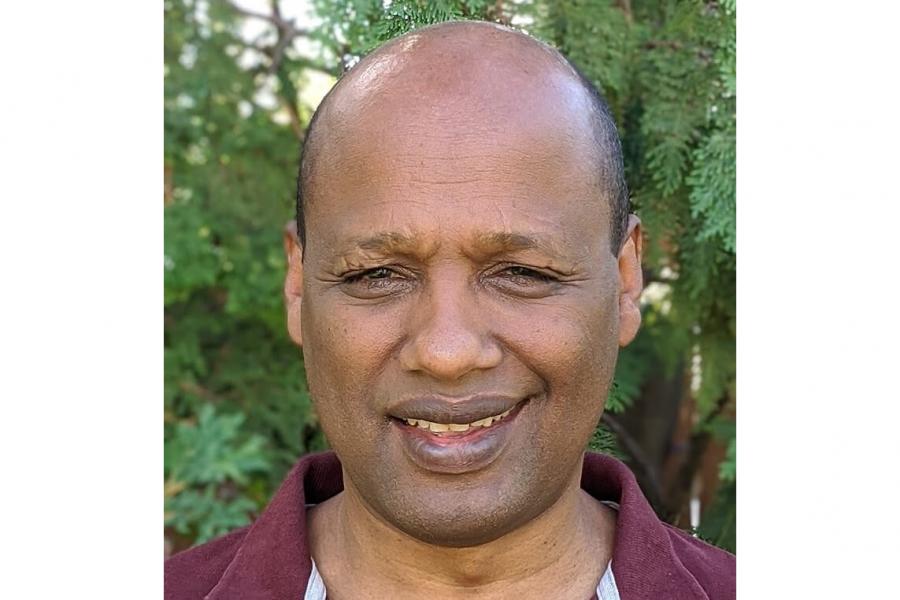
Feng Feng is an Assistant Professor in the Department of Biochemistry and Molecular Biology at Oklahoma State University, where he has been employed since August 2020. His research focuses on understanding how plants interact with microbial communities in their rhizosphere under various environmental conditions. Dr. Feng received his Ph.D. in Plant Molecular Biology from Tsinghua University in Beijing, China (2008-2012), followed by an M.S. in Microbiology and B.S. in Biotechnology from Henan Agricultural University in Zhengzhou, China. Ph.D., Plant Molecular Biology, Tsinghua University, Beijing, China (2008-2012) M.S., Microbiology, Henan Agricultural University, Zhengzhou, China (2005-2008) B.S., Biotechnology, Henan Agricultural University, Zhengzhou, China (2001-2005) Dr. Feng's research interests center on plant-microbe interactions, particularly how plants balance immunity and symbiosis signaling pathways when encountering both pathogenic and beneficial microbes in the rhizosphere. His work examines how environmental conditions affect plant decisions to promote or inhibit microbial colonization, with the goal of developing cropping systems that require less chemical fertilizer and are more resilient to climate change. Using molecular, cell biology, genetic, and biochemical approaches, his lab investigates how abiotic environmental factors regulate plant-microbe interactions and how immunity and symbiosis signaling pathways influence broader microbial communities. Dr. Feng's scholarly output shows a consistent focus on plant immunity and symbiosis mechanisms, particularly involving LysM receptor-like kinases and their role in distinguishing between pathogenic and symbiotic microbial signals. His recent work has increasingly emphasized the ecological context of plant-microbe interactions and the potential applications for sustainable agriculture. Dr. Feng serves as an Associate Editor for Frontiers in Microbiology (since 2022) and has editorial roles with several other journals including Frontiers in Plant Science, Horticultural Plant Journal, and iMeta. Associate Editor, Frontiers in Microbiology (2022-present) Editorial Board, Frontiers in Plant Science (2021-present) Editorial Board, Horticultural Plant Journal (2021-present) Editorial Board, iMeta (2021-present) Dr. Feng actively mentors graduate students and postdoctoral researchers, with his lab currently recruiting Ph.D. students and postdocs interested in plant-microbe interactions. He has secured multiple research grants including funding from the U.S. Department of Agriculture and the Oklahoma Center for the Advancement of Science and Technology (OCAST). His laboratory investigates the molecular mechanisms by which plants regulate their interactions with rhizosphere communities, with particular focus on how environmental conditions influence the balance between immunity and symbiosis signaling pathways.
Professor Alexander J. Hartemink holds dual appointments in the Department of Computer Science and Department of Biology at Duke University, Trinity College of Arts & Sciences. He is also a Bass Fellow in Computer Science. His research focuses on computational biology, machine learning, and systems biology, with applications to genomics, epigenomics, and transcriptional regulation. Hartemink leads the Duke Office of University Scholars and Fellows and has directed the Computational Biology and Bioinformatics graduate program. He earned a PhD from MIT (2001), MPhil from the University of Oxford (1996), and BS from Duke (1994). Research Interests His work integrates computational methods to study chromatin dynamics, transcriptional networks, and epigenetic mechanisms. Key areas include modeling chromatin accessibility, predicting transcription factor binding, and understanding cell-cycle regulation. Techniques employed include Bayesian networks, dynamic systems modeling, and machine learning algorithms. Publications & Trends Recent work emphasizes single-cell multi-omics integration, chromatin occupancy modeling (RoboCOP framework), and transcriptional regulation in response to genetic perturbations. Themes include epigenetic plasticity, disease-associated enhancers, and systems-level analysis of gene expression. Awards & Grants Hartemink has received the Sloan Research Fellowship (2005) and NSF CAREER Award (2004). Active grants include NIH funding for chromatin-transcription interplay studies and NSF support for regulatory genome research. He collaborates on projects like the Data+ initiative, promoting interdisciplinary data science. Affiliations & Labs Associated with Duke’s Center for Genomic and Computational Biology and Center for Advanced Genomic Technologies. His lab develops computational tools for genomic analysis, including software for chromatin modeling and epigenetic data integration.
Dr. Douglas Lobner is a Research Professor in the Department of Biomedical Sciences at Marquette University, College of Health Sciences. His research focuses on neurodegenerative disease mechanisms, environmental toxin interactions, and dental material toxicity. He investigates how environmental factors like mercury, pesticides, and BMAA interact with genetic predispositions to cause neurodegenerative diseases such as Alzheimer’s, Parkinson’s, and ALS, particularly through the cystine/glutamate transporter (system xc-). His work also explores dental pulp capping materials, emphasizing growth factor-enhanced repair mechanisms and system xc- regulation to prevent root canal procedures. Key collaborations involve studies on glutamate signaling, neurotoxicant synergy, and drug-induced neuroplasticity. Published research includes over 14 studies from 2009–2014, emphasizing system xc- regulation by growth factors, neurotoxin synergies (e.g., methylmercury and BMAA), and dental material toxicity mitigation strategies. His lab contributes to the Neuroscience Collaboratory and Integrative Neuroscience Research Center at Marquette.
Gregory Michael Peck is an Associate Professor and Director of Undergraduate Studies for the Plant Sciences Major at Cornell University's School of Integrative Plant Science, Horticulture Section. His research focuses on sustainable tree-fruit production, particularly in organic apple systems , cider apple germplasm evaluation , and crop-load management through pollen tube growth modeling . Award-winning educator (2021 Cornell Teaching, Advising & Mentoring Award) 2018 Grower Advocate of the Year (American Cider Association) Active in outreach through field days, extension publications, and social media Peck's work spans tree-fruit physiology , soil health , and mechanization of orchard practices . He co-teaches Cornell's popular cider appreciation course with microbiologist Kathy Arnink, combining apple production science with fermentation expertise. His research explores phenolic development , nitrogen management , and yeast interactions in cider production systems. Recent publications highlight collaborations in rootstock effects , compost applications , and fermentation chemistry . Peck's career has included work in California, Washington, New York, and Virginia, with training spanning horticulture, plant physiology, soil science, and agricultural economics.
Dr. Belay Ayele is a Professor in the Department of Plant Science at the University of Manitoba's Faculty of Agricultural and Food Sciences. His research focuses on molecular mechanisms of plant hormones, seed biology, and abiotic stress tolerance in cereal crops. Education: PhD from University of Alberta; Postdoctoral Fellow at RIKEN Plant Science Center (Japan) and Iowa State University (USA) Research interests include: Elucidating hormonal regulation of seed dormancy and germination Molecular basis of preharvest sprouting resistance Genomic approaches to improve cereal stress tolerance Transcriptional regulation of plant growth under environmental challenges His recent work explores hormonal crosstalk in cereal crops (wheat, barley), emphasizing ABA/GA balance, jasmonate signaling, and stress adaptation. Publications span plant molecular biology, genomics, and bioenergy applications.
Dr Juliet Coates is an Associate Professor in Plant Molecular Genetics at the University of Birmingham, School of Biosciences, working part-time. Her research focuses on plant development, evolution, and cell biology, particularly the transition of plants to land. She advocates strongly for inclusion and diversity in academia, holding roles such as Quality Assurance and Enhancement (QAE) lead and APP lead. She earned her PhD from University College London and undergraduate degree from the University of Cambridge, specializing in Natural Sciences. Her teaching spans undergraduate and postgraduate levels, including courses on plant science, molecular genetics, and communication skills. Recent research projects include investigating submergence tolerance in seaweeds, MYB93 protein function in Arabidopsis and tomatoes, and DELLA proteins in moss. She has been awarded the University of Birmingham’s Excellent Practice Award and a Royal Society-Leverhulme Trust fellowship. Coates collaborates widely, including with artists and on public engagement projects like the 'Kelp Road' exhibition. Key roles: QAE Lead, APP Lead, Equality & Diversity Champion Research Themes: Plant evolution, environmental adaptation, and molecular genetics Grants: BBSRC, Gatsby Foundation, EU-Marie Skłodowska Curie Outreach: STEM ambassador, author of popular science, radio features
Jenn Brophy is an Assistant Professor of Bioengineering at Stanford University, developing technologies for genetic engineering of plants and microbes to address environmental stress resilience and agricultural sustainability. Her lab focuses on synthetic genetic circuits for plant root reprogramming and stress response optimization. B.S. in Bioengineering, UC Berkeley (2010) Ph.D. in Biological Engineering, MIT (2016) Postdoctoral Fellow, Stanford University (Biology) Research spans synthetic biology, plant genetics, and microbiome engineering, emphasizing climate adaptation and sustainable biotechnology. Current projects include: Plant-microbe interaction engineering Stress-responsive biosensors High-throughput genetic tool development Plant cell atlas integration Sustainable laboratory practices Her recent publications highlight advances in recombinase circuits, root architecture engineering, and plant cell mapping, with applications in climate resilience and microbiome design. Collaborators include José Dinneny (Stanford) in plant synthetic biology research.
Christian Messier is a Professor at the University of Quebec in Outaouais (UQO) in the Department of Natural Sciences and at the University of Quebec in Montreal (UQAM) in the Department of Biological Sciences. He serves as Scientific Director of the Institute of Temperate Forest Sciences (ISFORT) and holds two prestigious research chairs: the Canada Research Chair on Tree Resilience to Global Changes and the NSERC/Hydro-Québec Chair on Tree Growth Control. His academic career spans over three decades since completing his Ph.D. in forest sciences from the University of British Columbia in 1991. Dr. Messier's research focuses on two primary areas: the complex functioning of managed natural forest systems to develop management approaches that promote resilience in the face of global changes, and the study of trees and urban forests to reconcile the needs of minimizing negative impacts of trees on human infrastructure while maximizing ecosystem services. His work integrates field studies, simulation modeling, and network theory to address pressing challenges in forest ecology and management. His recent publications demonstrate a strong emphasis on urban forest resilience, functional diversity in forest ecosystems, and nature-based solutions for climate adaptation. The research shows a clear trajectory toward more applied, solution-oriented approaches that bridge fundamental ecological understanding with practical forest management applications across diverse spatial scales from individual trees to entire landscapes. Francqui Foundation Chair (Belgium) - 2020 Member of The Royal Society of Canada - 2019 Personality of the Year 'Radio-Canada/Le Droit' - 2017 Humboldt Research Award - 2016 Prix Acfas – Michel-Jurdant - 2010 Canadian Forestry Scientific Achievement Award - 2006 Dr. Messier has supervised over 40 graduate students throughout his career and currently leads multiple major research projects including the Canada Research Chair on Forest Resilience, the NSERC/Hydro-Québec Chair on Tree Growth Control, and the SylvCIT project for urban forest immunization against global change. His research has been supported by significant grants from NSERC, Canada Research Chairs program, Hydro-Québec, and other major funding agencies. He directs the Messier lab with research assistants Kim Bannon and Fanny Maure, and collaborates with numerous researchers across Canada and internationally. His team studies diverse aspects of forest ecology including soil dynamics, functional composition of tree communities, nature-based solutions for climate adaptation, and ecophysiology of maple water flow. The lab maintains strong connections with the International Diversity Experiment Network with Trees (IDENT) and other major forest research initiatives.
Kimberly Keil Stietz is an Assistant Professor in the Department of Comparative Biosciences at the University of Wisconsin-Madison School of Veterinary Medicine. Her research focuses on environmental toxicology, neurotoxicology, and urology, particularly examining how developmental exposure to polychlorinated biphenyls (PCBs) affects urinary function. Education: B.S. in Biology, St. Norbert College (2010) Ph.D. in Comparative Biosciences, University of Wisconsin-Madison (2014) Postdoctoral research in neurotoxicology, University of California-Davis (2015-2019) Stietz's lab investigates the effects of environmental contaminants on the lower urinary tract, emphasizing PCB exposure during development. Using in vitro and in vivo mouse models, the lab studies disruptions in bladder epithelium organization, nerve fiber patterning, inflammation, and peripheral-central nervous system crosstalk. Key projects include analyzing PCB impacts on bladder barrier function, innervation patterns, inflammatory responses, and dorsal root ganglia signaling. Recent publications highlight her work on PCB effects across multiple domains: adult female bladder contractility (2023), prostatic collagen changes (2023), machine learning-aided metabolite analysis (2023, 2022), and developmental PCB exposure links to voiding physiology (2022). Her 2021 studies explored behavioral phenotypes in PCB-exposed mice, dendritic effects, and bladder inflammation, while 2019 work included host-microbe interactions and open-source uroflowmetry tools.
Dorota Kawa is an Assistant Professor at the Faculty of Science, Utrecht University , specializing in Plant Stress Resilience and Experimental and Computational Plant Development . Her research focuses on plant-microbiome interactions, root development under stress, and bioinformatics approaches to enhance crop sustainability. Education : PhD in Plant Physiology and Cell Biology (2017, University of Amsterdam) MSc in Plant Biotechnology (2011, Warsaw University of Life Sciences) BSc in Biotechnology (2010, Warsaw University of Life Sciences) Research Interests span plant adaptation to abiotic stresses, microbiome-driven root cell modifications, and computational modeling of development. She investigates how microbial communities and genetic pathways regulate root metabolomes and cellular traits, particularly under salt and drought stress. Publication Trends show her work centers on Striga resistance in cereal crops, stress-induced root architecture changes , and microbiome-root interactions . She explores auxin-independent signaling and mRNA decay mechanisms to improve multi-stress resilience. Teaching includes courses on plant development and research design at Utrecht University. Her work contributes to Pathways to Sustainability and Future Food initiatives.
Cornelius Barry is an Associate Professor in the Department of Horticulture at Michigan State University, with affiliations to the Plant Breeding, Genetics and Biotechnology program, AgBioResearch, and the Molecular Plant Sciences Graduate Program. He joined MSU in July 2007 with a 75% research and 25% teaching appointment. Education: PhD and BSc from the University of Nottingham and University College of Wales Current roles: Director of NSF REU Site: Plant Genomics @ MSU His research focuses on the evolution of biochemical diversity within the Solanaceae family , particularly specialized metabolites like terpenoids, flavonoids, and alkaloids. He investigates their roles in plant defense, pollinator attraction, and human applications through genomics, metabolite profiling, and synthetic biology. Recent publications show expertise in alkaloid biosynthesis , trichome chemistry , and metabolic pathway engineering . Key collaborations include teams at Boyce Thompson Institute, Texas A&M, and University of Nottingham. He advises graduate students in Genetics , Biochemistry & Molecular Biology , and Molecular Plant Sciences programs.