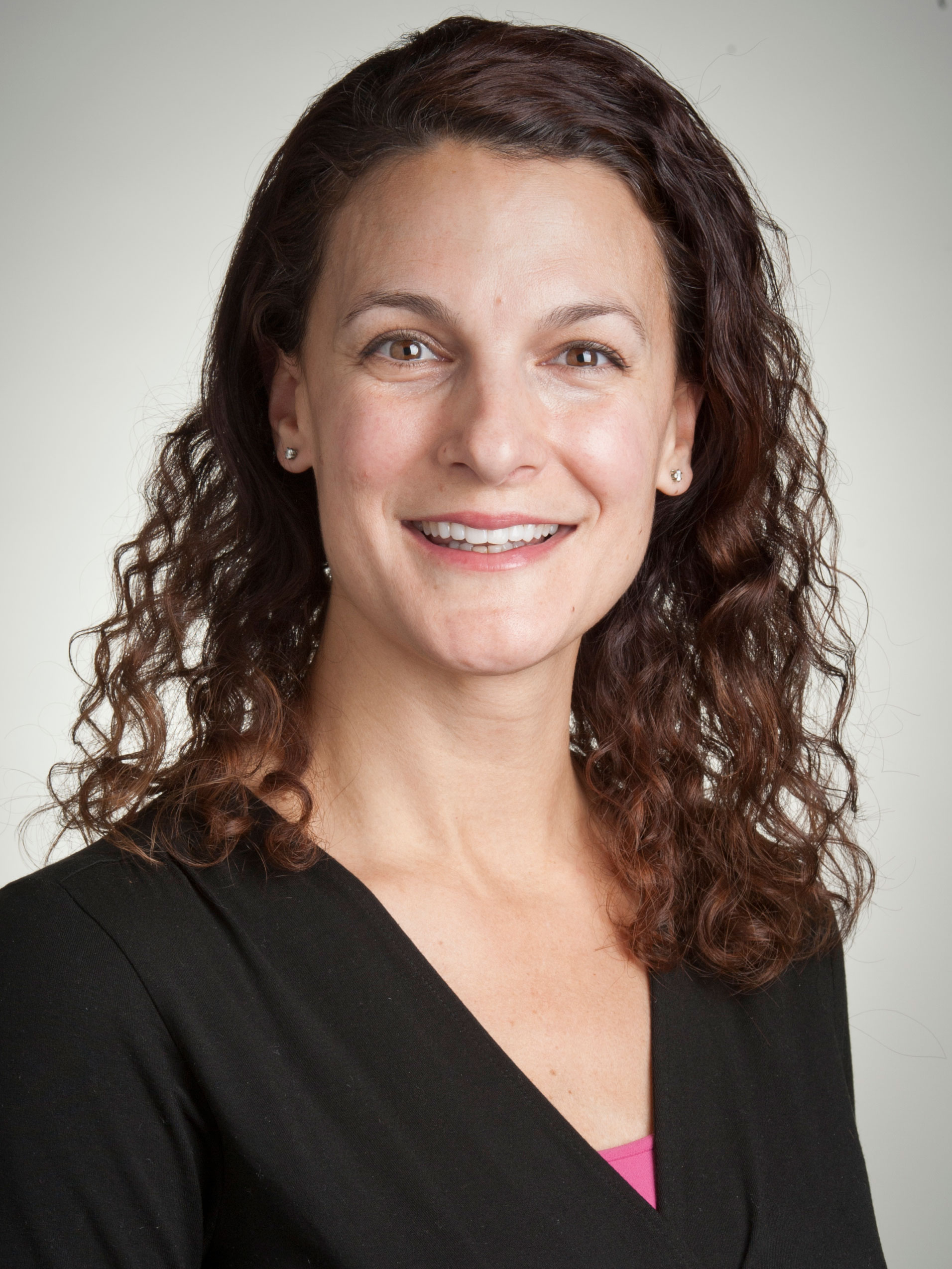
Tim Q. Duong, Ph.D., is a Professor at Albert Einstein College of Medicine, affiliated with the Departments of Radiology, Biochemistry, Ophthalmology & Visual Sciences, and Neuroscience. His research focuses on medical imaging, MRI, image analysis, machine learning, and predictive modeling for studying diseases like COVID-19 , neurodegeneration (Alzheimer's, multiple sclerosis), brain injuries , and breast cancer . Develops AI-driven MRI techniques for early disease detection Investigates neuroplasticity in glaucoma and diabetic retinopathy Leads grants from NIH and National Eye Institute Research Trends : Recent publications emphasize AI integration in medical imaging, long-term effects of SARS-CoV-2, and advanced MRI applications for ocular and neurological disorders. Grants include multiple R01 awards for diabetic retinopathy and glaucoma studies. Training Opportunities : Actively recruits postdocs, research coordinators, and faculty. Offers research positions for graduate, medical, and high school students, including Regeneron Scholar programs. Labs & Teams : Leads the Duong Lab at Montefiore Medical Center, focusing on translational research for clinical imaging solutions.
Clinical Associate Professor Keith Ong is affiliated with the University of Sydney’s Northern Clinical School, specifically within the Department of Clinical Ophthalmology & Eye Health. His clinical specialty is Ophthalmology, with a focus on corneal endothelial health, glaucoma surgery outcomes, and cataract surgical techniques. His research addresses critical areas such as postoperative ocular toxicity, intraocular lens calculations, and infection control in eye surgeries. Dr. Ong’s publications (2011–2023) consistently explore topics like corneal endothelial changes post-trabeculectomy, refractive error management post-cataract surgery, and antibiotic prophylaxis strategies. Recent work emphasizes optimizing surgical techniques to reduce complications, such as BAK-induced corneal toxicity and IOL power calculation accuracy in LASIK patients. His work demonstrates a focus on improving surgical safety and precision, with studies evaluating alternative antibiotic delivery methods and laser therapy impacts. No awards or grants are explicitly noted in the provided text, but his contributions to clinical practice and surgical protocols are evident through his publication record.
Professor David Ackerley (Victoria University of Wellington) is a leading microbiologist and enzyme engineer specializing in directed evolution of bacterial enzymes for biotechnological applications. As Biotechnology Programme Director since 2006, he lectures in foundational courses like BTEC101 and BTEC201. Academic rank: Professor of Biotechnology Institutional affiliation: Victoria University of Wellington Research focus areas: Microbial Biotechnology, Drug Discovery, Synthetic Biology His research employs Darwinian evolutionary principles to engineer enzymes with enhanced activities, particularly targeting non-ribosomal peptide synthetases and nitroreductases for antibiotic development and cancer therapy. Recent work explores metagenomic domain substitution in pyoverdine biosynthesis and Purpuramine R from marine sponges. Key publications demonstrate innovations in metagenomic library construction , CRISPR screening for regeneration genes, and structural characterization of engineered enzymes. His team has developed NTR 2.0 , a high-efficacy nitroreductase for targeted cell ablation. Current research projects include: Clean solutions from dirty genes: Plastic-degrading enzyme discovery Engineering enzymes for CAR T-cell-chemotherapy synergy Repurposing niclosamide against Gram-negative superbugs Grants from the Health Research Council of New Zealand, Royal Society of New Zealand, and Cancer Society of NZ support his work. Collaborations span biomedical research, synthetic biology, and environmental applications.
Guojun Chen is an Assistant Professor at the Department of Biomedical Engineering and a member of the Rosalind & Morris Goodman Cancer Institute (GCI) at McGill University . His research focuses on engineering intelligent biomaterials for precision medicine , with emphasis on non-viral genome editing , cold atmospheric plasma (CAP) therapy , and biomaterials-mediated immunotherapy . The lab operates in a multidisciplinary environment , integrating principles from materials science , chemistry , biology , and health sciences . Education : Ph.D. from University of Wisconsin-Madison (2017), Postdoc at UCLA (2020) Research Themes : Genome Editing Delivery : Designing non-viral vectors for efficient CRISPR/Cas9 delivery in vivo. CAP-mediated Immunotherapy : Developing portable cold plasma devices to synergize with immune checkpoint blockade and study CAP’s immunological mechanisms. Biomaterials-based Immunotherapy : Reprogramming tumor microenvironments using bioresponsive materials to enhance immune responses. Publication Trends : Recent work spans responsive nanomaterials , genomic editing systems , and plasma oncology , with a focus on cancer immunotherapy , diabetes diagnostics , and bioinspired medical devices . Scientific Awards : Canada Research Chair (2024, 2025) McGill's President's Prize for Emerging Researchers (2025) FRQS Chercheurs-boursiers (2022) Chinese Association for Biomaterials Young Investigator Award (2022) NSERC Discovery Grant (2021) Advising & Grants : Supervises 14 current graduate and undergraduate students. Secured $5M+ in funding from CIHR , NSERC , CCS , and CFI , including multi-institutional collaborations with Dr. Morag Park , Dr. Réjean Lapointe , and Dr. Ian Watson .
Dr. Ling Zhu is an Associate Professor and Senior Research Fellow at the Save Sight Institute, University of Sydney. He holds dual affiliations with the Centre for Drug Discovery Innovation and the University of Sydney Nano Institute. His research focuses on retinal diseases, including diabetic retinopathy, age-related macular degeneration, and macular telangiectasia type 2, combining clinical and basic research approaches. Dr. Zhu leads a lab with a postdoc, two research assistants, and one HDR student, emphasizing innovative techniques like human retinal explant culture and nanomedicine. Dr. Zhu obtained his PhD in Biochemistry from Rutgers University (USA) in 2008. His work has attracted over $2 million in research funding in the past five years and includes 93 publications (3590 citations, H-index 34). He is a major author in leading journals like eLife and Ophthalmology . Current research projects include preclinical RNA-LNP therapy for retinal degeneration, targeting retinal metabolism for macular diseases, and developing a 'Macula-on-a-Chip' drug screening platform. His expertise spans biochemistry, molecular biology, and translational nanomedicine. Key achievements include establishing human retinal explant models and advancing lipid nanoparticle-based drug delivery systems. Dr. Zhu collaborates widely, with projects addressing unmet clinical needs in ophthalmology and drug discovery.
Ehud Gazit is a distinguished Professor in the Department of Molecular Microbiology and Biotechnology at Tel Aviv University's Faculty of Life Sciences. He holds the Chair for Nano-Biology and serves as Vice President for Research and Development at Tel Aviv University. Professor Gazit has held numerous prestigious visiting appointments including at Umeå University, Fudan University, and Cambridge University. His academic journey began with a B.Sc. (summa cum laude) from Tel Aviv University's Special University Program for Outstanding Students in 1991, followed by a Ph.D. (with distinction) from the Weizmann Institute of Science in 1997, and postdoctoral training at MIT from 1997-2000. Professor Gazit's research focuses on molecular structure and self-assembly at the nano-scale, particularly examining protein folding, unfolding, and misfolding phenomena. His laboratory investigates the mechanisms and significance of protein unfolding and misfolding, with experimental systems including bacterial toxin-antidote systems, type II diabetes-related amyloidogenic proteins, and the VHL tumor suppressor protein. His work bridges fundamental biochemistry with nanotechnology applications, exploring how molecular self-assembly can be harnessed for technological innovation. His recent publications demonstrate a strong trajectory in peptide-based nanomaterials, with particular emphasis on amyloid formation mechanisms, peptide self-assembly for functional materials, and therapeutic applications targeting neurodegenerative diseases. His work spans multiple disciplines including biochemistry, nanotechnology, materials science, and biomedical engineering, showing increasing integration of fundamental research with practical applications. Professor Gazit has received numerous prestigious awards including: 2020 Landau Prize in Sciences and Arts in the Field of Healthy Aging 2019 Rappaport Prize for Excellence in Biomedical Research 2018 Foreign Fellow of the National Academy of Sciences, India 2016 ERC Advanced Grant from the European Research Council 2015 Elected Member of the European Molecular Biology Organization (EMBO) Professor Gazit has been actively involved in mentoring students and researchers, as evidenced by his extensive publication record with numerous collaborators. He has secured significant research funding including an ERC Advanced Grant. His professional activities include editorial board memberships for journals including Journal of Peptide Science, Nanoscience & Nanotechnology - Asia, and Amyloid. He previously served as Chief Scientist of the Ministry of Science and Technology (2012-2014). His laboratory has developed innovative approaches to studying molecular self-assembly, with particular expertise in peptide nanostructures. The research team has made significant contributions to understanding amyloid formation mechanisms while simultaneously developing novel biomaterials with applications ranging from electronics to medicine. They have established strong collaborations with research groups worldwide, creating a dynamic interdisciplinary research environment focused on the intersection of biology and nanotechnology.
Dr. David Sarraf is a full-time Professor at the Stein Eye Institute, University of California, Los Angeles (UCLA), specializing in retinal disorders and ophthalmic genetics. He practices at the Doris Stein Eye Research Center and is affiliated with Ronald Reagan UCLA Medical Center . Education: MD from University of Toronto Faculty of Medicine (1990) Certifications: Board certified in Ophthalmology (American Board of Ophthalmology, 1998) Training: Residency at University of Chicago Hospitals (1996), Fellowships at Moorfields Eye Hospital (1997) and UCLA (1993), Internship at Toronto Hospital (1991) Research Focus: Clinical research in retinal diseases, particularly Age-related Macular Degeneration (AMD) , Diabetic Retinopathy , and Retinal Imaging . His work explores OCT applications, imaging biomarkers, and therapeutic outcomes for anti-VEGF agents. Publications: Over 60 peer-reviewed papers, reviews, and book chapters, with recent studies on Multimodal Imaging in Uveitis (MUV) guidelines, OCT biomarkers in diabetic macular edema, and novel retinal disease classifications. Scientific Recognitions: LuEsther T Mertz Lectureship (2018) Mark J Daily Keynote Lecture (2018) American Academy of Ophthalmology Secretariat Award AAO Honor Awards Leadership: Associate Editor for Retinal Cases and Brief Reports , director of community ophthalmology courses, and active member in the Retina Society , Macula Society , and American Society of Retinal Specialists .
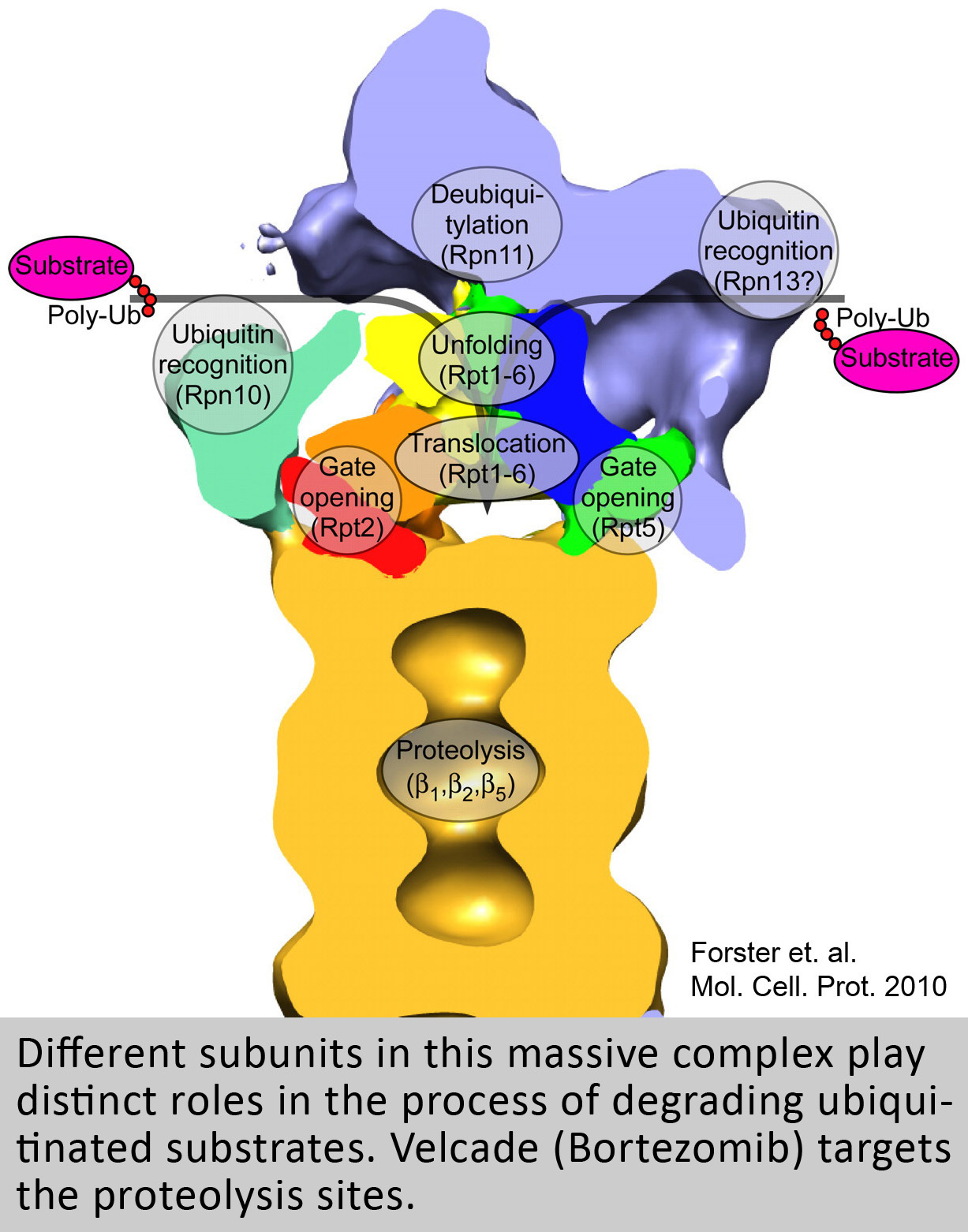
David M. Smith is a Professor at the West Virginia University School of Medicine , holding dual appointments in the Biochemistry and Molecular Medicine and Neuroscience departments. He is also a member of the WVU Cancer Institute and affiliated with the Rockefeller Neuroscience Institute . PhD from the University of South Florida School of Medicine Postdoctoral training at Harvard Medical School Research Focus : Molecular mechanisms of proteasome function, including substrate recognition, unfolding, and degradation. His work bridges fundamental enzymology with translational applications in cancer therapy and neurodegenerative diseases like Alzheimer's and Parkinson's. Key Article Trends : Recent publications emphasize proteasome activation mechanisms , neurodegenerative disease models , and structural insights into ATPase function . Grants : NIH R01 GM107129 (Mechanisms regulating proteasomal degradation), NIH R01 AG064188 (Proteasome function in Alzheimer's), and collaborations on projects like Protein-unfolding chaperones for blindness treatment . Lab Personnel : Includes graduate students Thomas Bradley, David Salcedo-Tacuma, Giovanni Howells, and Md Qamrul Islam, along with research technicians and undergraduates. Training emphasizes biochemical, biophysical, and computational techniques.
Brenda L Bohnsack, MD, PhD is Associate Professor of Ophthalmology (Pediatric Ophthalmology) and Pediatrics at Northwestern University Feinberg School of Medicine, where she serves as Chief of Pediatric Ophthalmology in the Department of Ophthalmology. She also holds the Lillian Sherman Cowen Reiger and Harold L.S. Cowen Research Professorship of Pediatric Ophthalmology. Dr. Bohnsack practices at Ann & Robert H. Lurie Children's Hospital of Chicago. Her educational background includes: BA from Northwestern University (1999) PhD from Baylor College of Medicine (2004) MD from Baylor College of Medicine (2006) Transitional Year Intern at Oakwood Hospital (2007) Residency in Ophthalmology at University of Michigan (2010) Chief Residency in Ophthalmology at University of Michigan (2010) Postdoctoral Fellowship in Orbital and Ocular Development at University of Michigan (2011) Fellowship in Pediatric Ophthalmology and Adult Strabismus at Duke University (2012) As an academic pediatric ophthalmologist and developmental biologist, Dr. Bohnsack focuses on the clinical aspects and underlying basic science of congenital eye diseases. Her clinical expertise includes the medical and surgical management of complex pediatric eye conditions such as primary congenital glaucoma, Peters Anomaly, Axenfeld-Rieger syndrome, aniridia, microphthalmia, and congenital ectropion uvea. Her research spans both clinical and basic science domains, with clinical research concentrating on identifying new genes associated with congenital eye diseases and outcomes in affected individuals, while her basic science research utilizes zebrafish and human embryonic stem cell models to study ocular neural crest cells and their role in eye development. Analysis of Dr. Bohnsack's most recent publications reveals a strong focus on pediatric ocular conditions with particular emphasis on Stickler syndrome, pediatric glaucoma management, and complications of systemic treatments in children. Her work spans clinical studies, surgical technique evaluations, systematic reviews, and investigations into the genetic basis of pediatric eye diseases. The publications demonstrate her commitment to improving diagnostic approaches, surgical outcomes, and understanding the molecular mechanisms underlying congenital eye disorders. Dr. Bohnsack has received numerous scientific awards and honors throughout her career: Honor Award, American Association of Pediatric Ophthalmology and Strabismus (2025) Secretariat Award, American Academy of Ophthalmology (2024) Academic Leadership Development Program, Association of University Professors of Ophthalmology (2024) Alpha Omega Alpha (2023) Gunter von Noorden Young Investigator Award (2022) Dr. Bohnsack actively participates in multi-center research collaborations focusing on the genetics of childhood glaucomas, long-term outcomes of myopia control, socioeconomic influences on eye disease outcomes, and health disparities in global myopia management. Her laboratory research focuses on molecular regulation of neural crest migration and differentiation in the anterior segment of the eye, with applications for understanding and potentially treating congenital eye disorders. She leads research efforts utilizing both in vivo (zebrafish) and in vitro (human embryonic stem cells) systems to model eye diseases, with particular attention to ocular neural crest cells and their contribution to corneal, iris, and aqueous humor drainage system development. Her work bridges basic science discoveries with clinical applications to improve understanding and treatment of blinding diseases in children.
Dean R. Tolan is a Professor of Biology and Director of Undergraduate Studies at Boston University. His research focuses on the biochemical and genetic mechanisms underlying sugar metabolism, particularly the glycolytic enzyme aldolase and its role in hereditary fructose intolerance (HFI). He leads a laboratory investigating aldolase structure-function relationships, moonlighting functions in cell motility, and the pathophysiology of HFI using mouse models. His work integrates structural biology (X-ray crystallography, electron microscopy), genetic analysis, and metabolomics. Key research themes include: (1) Structural basis of aldolase isoforms' catalytic differences; (2) Genetic defects causing HFI and their clinical manifestations; (3) Evolutionary adaptation of aldolase moonlighting roles. He teaches core biochemistry courses (BI108, BB421/422, MB722). Notable achievements include pioneering studies on aldolase B knockout mice mimicking human HFI, and discoveries linking fructose metabolism to metabolic syndrome, cancer, and neurodegenerative diseases. His lab collaborates internationally on projects funded by NIH and other agencies.
Rebecca L. Carrier is a Distinguished Professor in the Department of Chemical Engineering at Northeastern University and affiliated faculty in Bioengineering and Biology. Her research focuses on biological systems-material interactions, spanning intestinal tissue engineering, retinal regenerative medicine, and oral drug delivery. Education: PhD in Chemical Engineering from MIT (2000), BS from Rensselaer Polytechnic Institute (1995) Research Interests: Carrier’s work advances understanding of compound transport in biological systems and develops biomimetic biomaterials. Key areas include lipid impact on oral absorption, mucus barrier mechanics, and retinal/intestinal tissue engineering. The Advanced Drug Delivery Research Lab employs engineering principles to create disease models and therapeutic delivery systems. Publication Trends: Recent articles highlight interdisciplinary approaches to drug transport modeling, mucosal barrier engineering, and biomaterials for organoid culture. Studies integrate chemical engineering, microbiology, and biomedical applications. Scientific Awards: Fellow, Controlled Release Society (2024) Distinguished Faculty Award (2024) AIMBE Fellow (2018) Søren Buus Outstanding Research Award (2017) NSF CAREER Award (2008) Advising & Grants: Carrier advises PhD and capstone design students, including Ronak Ansaripour’s award-winning team. She secured NIH grants for lipid absorption studies and a Spark Fund award for algorithm-driven drug delivery optimization. Collaborations include research with University College Dublin (2024). Labs & Teams: The Advanced Drug Delivery Research Lab (ADDRES) investigates retinal cell transplantation, gut microbiome interactions, and mucosal barrier dynamics. Lab values emphasize diversity, anti-racism, and ethical scientific collaboration.
Subramaniam Ganesh is a Professor at the Department of Biological Sciences and Bioengineering, Indian Institute of Technology Kanpur (IITK). His research focuses on neurodegenerative disorders, particularly Lafora disease, and the molecular genetics of protein misfolding and autophagy. Education: BSc (1988), MSc (1990) from University of Madras, PhD (1996) from Banaras Hindu University Professional Affiliations: IITK (2002–present), RIKEN Brain Science Institute (1998–2002), Indian Institute of Science (1997–1998) Research Interests: Dr. Ganesh's work spans three main areas: (1) molecular pathology of Lafora disease through genetic screening and cellular models, (2) mechanisms of disorders caused by amino acid repeat expansions with focus on polyglutamine toxicity, and (3) genetic determinants of complex disorders like stroke and asthma. His group employs clinical genetics, cell biology, and biochemical approaches to uncover shared mechanisms in neurodegenerative diseases. Publication Trends: Recent articles highlight his work on glycogen metabolism in neurodegeneration, autophagy regulation in Lafora disease, and cross-disciplinary studies linking diabetes to Alzheimer's pathology. Keywords across 15 most recent papers include Neuroscience , Genetics , Biochemistry , and Pharmacology , with sub-fields spanning Protein degradation , Metabolic stress , and Neuroinflammation . Scientific Awards: National Bioscience Award for Career Development (2008) Scopus Young Indian Scientists Award (2008) B.M. Birla Science Prize (2008) DAE-SRC Outstanding Research Investigator Award (2010) CDRI Award (2012) ICMR Basanti Devi Amir Chand Prize (2014) OPPI Scientist Award (2016) Advising & Collaborations: Mentored 30+ PhD/MSc students since 2002. Collaborated with institutions like RIKEN, IISc Bangalore, and CDRI Lucknow. Editorial roles include Chief Editor of IITK Directions and Associate Editor of Journal of Genetics . Laboratory & Team: Head of the Ganesh Laboratory at IITK, overseeing 20+ researchers including postdoctoral fellows, PhD students, and technical staff. Key projects involve molecular pathways in Lafora disease, protein quality control, and neurodegenerative therapeutics.
William Newman is a Clinical Professor of Translational Genomic Medicine at the University of Manchester and Honorary Consultant at Manchester University NHS Foundation Trust. He serves as President of the European Society of Human Genetics (2024-25) and Clinical Director of the NW Genomic Medicine Service Alliance. His roles include co-leading the BRC Theme on Rare Conditions and leading the NHSE Network of Excellence in Pharmacogenetics and Medicines Optimisation. Education: BSc (hons) Experimental Immunology and Oncology MB ChB (hons) from the University of Manchester PhD in genetics from the Wellcome Trust Cell Matrix Centre MA in Healthcare Ethics and Law Research Interests: Rare Conditions : Discovery of genetic causes using next-generation sequencing, focusing on Perrault syndrome, lower urinary tract disorders, and infection-triggered neuropathies. Pharmacogenetics : Clinical implementation of genetic testing to optimize medication responses, including the PALOH study for gentamicin-induced hearing loss prevention. Lower Urinary Tract Malformations : Studies on HPSE2 and LRIG2 genes in urofacial syndrome and bladder exstrophy, supported by the MRC-NIHR Rare Disease Node (REOLUT). Genetics of Perrault Syndrome : Identification of CLPP, MRPL49, PRORP, and DAP3 genes, exploring mitochondrial dysfunction mechanisms. Spliceosomal Disorders : Investigating craniofacial syndromes like Burn McKeown syndrome using mouse and stem cell models. Key Awards: New Statesman Healthcare Positive Impact Award 2022 Times Higher Education (THE) Research Project of the Year: STEM Award 2024 Teaching and Collaborations: Established MSc in Genomic Medicine and PGCert in Clinical Genetics with international partners. Collaborates with institutions like Newcastle University, UCL, and Cambridge on rare disease projects. Leadership in European Society of Human Genetics training programs for cardiac genetics professionals. Labs and Platforms: Manchester Centre for Genomic Medicine, Manchester Regenerative Medicine Network, and the Lydia Becker Institute.
Jessica D. Rosarda PhD is an Assistant Professor in the Department of Anatomy, Physiology and Genetics at the Uniformed Services University (USU) of the Health Sciences School of Medicine in Bethesda, MD. She leads a research laboratory focused on cellular stress mechanisms in military-relevant disorders. PhD in Chemical and Biological Sciences, The Scripps Research Institute (2023) MSc in Pharmacy, University of Florida (2013) BSc in Biology, Washington and Lee University (2010) Dr. Rosarda's research centers on cellular stress response pathways, particularly how cells respond to stress through signaling mechanisms that can either protect or damage tissues. Her work spans chemical biology, molecular medicine, neuroscience, and molecular/cell biology with a focus on proteostasis, unfolded protein response, and stress signaling dynamics in disease contexts. She investigates how imbalances in these pathways contribute to conditions ranging from retinal degeneration to traumatic brain injury, with particular relevance to military medicine. Analysis of Dr. Rosarda's publication record reveals a strong focus on stress response pathways, particularly the unfolded protein response and integrated stress response. Her work demonstrates how perturbations in proteostasis contribute to diverse pathologies including neurodegeneration, amyloidosis, and inflammatory conditions. She employs chemical biology approaches to develop therapeutic strategies targeting these pathways, with several publications on pharmacological modulators of stress responses. Dr. Rosarda maintains an active research program with numerous publications in high-impact journals including Nature Communications, Cell Chemical Biology, and ACS Chemical Biology. Her work frequently involves collaborations with the Wiseman laboratory and other researchers in the fields of proteostasis and stress response. Dr. Rosarda's laboratory at USU focuses on defining stress pathway signaling dynamics in military-relevant disorders, determining the metabolic factors that govern these stress responses, and identifying novel approaches for resolving toxic stress involved in both acute and chronic conditions.
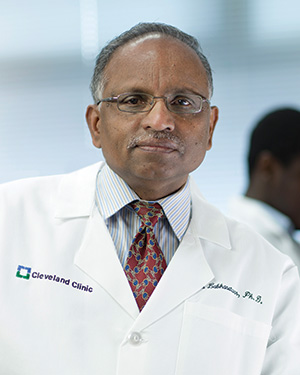
Vinod Labhasetwar, PhD, is a Professor at the Cleveland Clinic Lerner College of Medicine and Staff in the Department of Biomedical Engineering at the Lerner Research Institute. He serves as Director of the Cancer Nanomedicine Program and leads pioneering research in nanomedicine for cancer, cardiovascular diseases, and CNS injuries. His work spans translational applications, including drug delivery, epigenetic therapy, and neuroprotection. Professor, Cleveland Clinic Lerner College of Medicine Staff, Biomedical Engineering, Lerner Research Institute Director, Cancer Nanomedicine Program Dr. Labhasetwar’s laboratory focuses on nanotechnology for treating drug-resistant cancers, metastasis, stroke, spinal cord injuries, and retinal degeneration. Key projects include: Epigenetic nanotherapy for breast cancer stem cells Neuroprotective nanoparticles to prevent reperfusion injury Balloon-based nanocarrier delivery for peripheral artery disease Biophysical approaches to tumor drug resistance Recent publications highlight nanocarrier design for stroke , bone metastasis , and spinal cord repair , with funding from NIH and Department of Defense. His team has generated over 20 patents in nanomedicine. Current work explores dual-action nanoparticle therapies and biophysical mechanisms of cellular uptake.