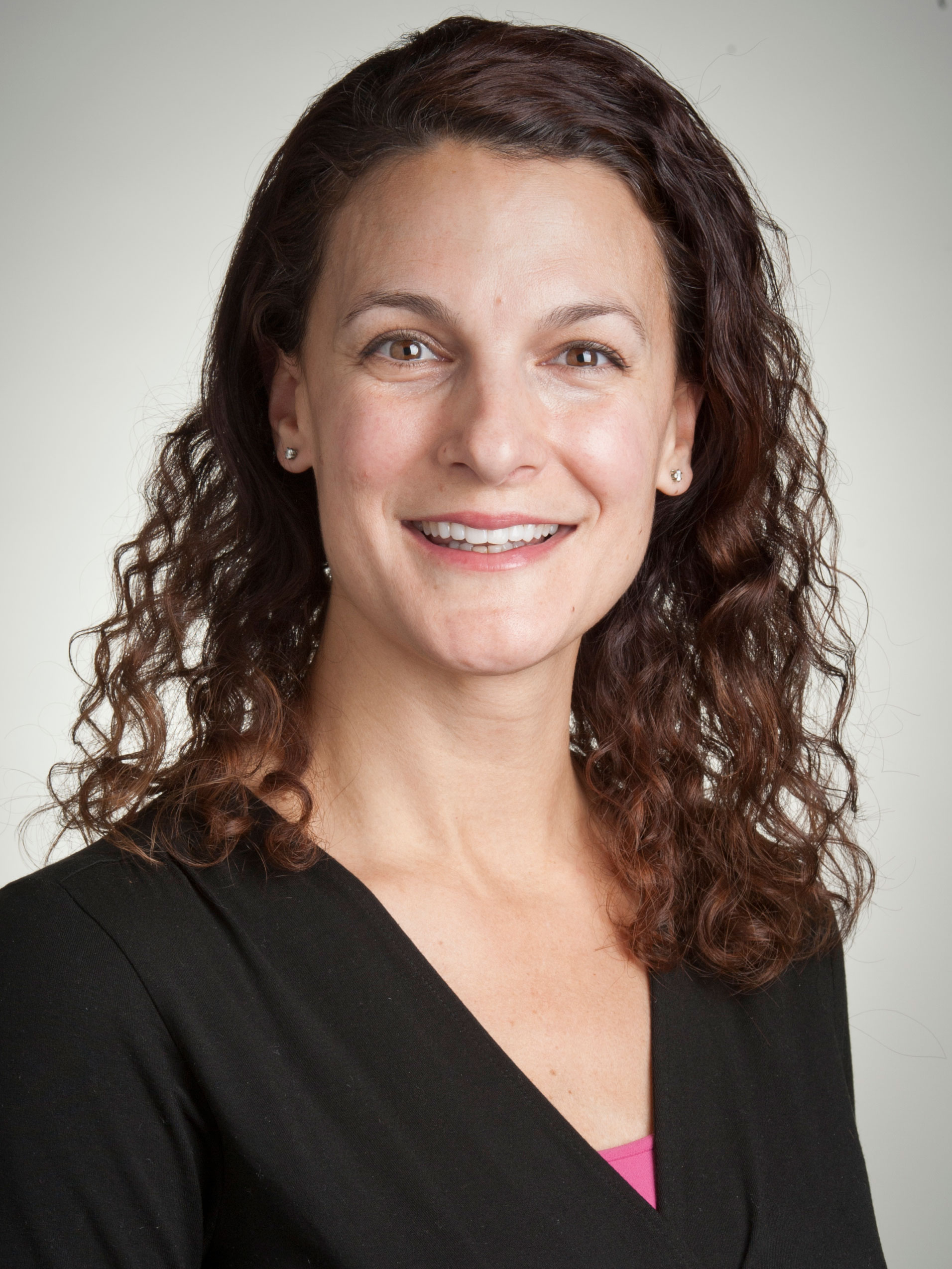
Rebecca L. Carrier is a Distinguished Professor in the Department of Chemical Engineering at Northeastern University and affiliated faculty in Bioengineering and Biology. Her research focuses on biological systems-material interactions, spanning intestinal tissue engineering, retinal regenerative medicine, and oral drug delivery. Education: PhD in Chemical Engineering from MIT (2000), BS from Rensselaer Polytechnic Institute (1995) Research Interests: Carrier’s work advances understanding of compound transport in biological systems and develops biomimetic biomaterials. Key areas include lipid impact on oral absorption, mucus barrier mechanics, and retinal/intestinal tissue engineering. The Advanced Drug Delivery Research Lab employs engineering principles to create disease models and therapeutic delivery systems. Publication Trends: Recent articles highlight interdisciplinary approaches to drug transport modeling, mucosal barrier engineering, and biomaterials for organoid culture. Studies integrate chemical engineering, microbiology, and biomedical applications. Scientific Awards: Fellow, Controlled Release Society (2024) Distinguished Faculty Award (2024) AIMBE Fellow (2018) Søren Buus Outstanding Research Award (2017) NSF CAREER Award (2008) Advising & Grants: Carrier advises PhD and capstone design students, including Ronak Ansaripour’s award-winning team. She secured NIH grants for lipid absorption studies and a Spark Fund award for algorithm-driven drug delivery optimization. Collaborations include research with University College Dublin (2024). Labs & Teams: The Advanced Drug Delivery Research Lab (ADDRES) investigates retinal cell transplantation, gut microbiome interactions, and mucosal barrier dynamics. Lab values emphasize diversity, anti-racism, and ethical scientific collaboration.
Prof. Dr. Orhan Aktas is a faculty member at the Department of Neurology , Heinrich-Heine-University Düsseldorf , leading the Molecular Neurology Research group. His work bridges clinical and experimental neuroimmunology. Research Focus: Multiple Sclerosis (MS), Neuromyelitis Optica Spectrum Disorders (NMOSD), MOG Antibody-Associated Disorders (MOGAD). Labs/Collaborations: Collaborates with the Albrecht group (visual pathway research), Thiology group (redox signaling), and Neuromyelitis Optica Study Group (NEMOS) . Clinical Work: Specializes in investigator-initiated trials (IITs) and novel therapy strategies for CNS inflammatory diseases. Experimental Work: Investigates redox-dependent histone deacetylases (sirtuins), neural progenitor cell homeostasis, and mechanisms of CNS regeneration using experimental autoimmune encephalomyelitis (EAE) models. Research Trends: His recent publications highlight biomarker development, therapeutic strategies for NMOSD/MOGAD, neurodegeneration mechanisms, and global epidemiology of rare CNS disorders.
Xinyan Zhang is a Researcher in the Department of Cell Biology at Yale School of Medicine, Yale University. Her research focuses on understanding the molecular mechanisms of viral infections, particularly cytomegalovirus (CMV), and their interactions with host cellular processes such as autophagy and apoptosis. She investigates how viral infections trigger inflammatory responses and contribute to pathologies in organs like the retina and liver. Her work includes studies on the role of caspase-12 in retinal cell death during CMV retinitis, the impact of autophagy inhibition on viral replication, and the long-term ocular pathologies caused by neonatal CMV infection in mice models. She also explored adipokine involvement in Kawasaki disease and meta-inflammation in obese children during her graduate studies. Zhang collaborates with mentors Dr. Feng Fang (pediatric infectious disease expert) and Dr. Ming Zhang, contributing to interdisciplinary projects at the Su Lab. Her research integrates molecular biology, immunology, and clinical insights to address translational challenges in virology and infectious diseases.
Dr. Faith Kwa is a Senior Lecturer and Course Director for the seven Bachelor of Health Science degrees at Swinburne University of Technology's School of Health Sciences. Her teaching interests include Research Methods, Pathology, and Molecular Biology. She leads the Drug Discovery for Chronic Diseases Laboratory and has been recognized as one of Australia's leading educators, receiving the 2024 citation for Outstanding Contributions to Student Learning by the Australian Awards for University Teaching. Her educational background includes: Doctor of Philosophy from The University of Melbourne, Australia Graduate Certificate in Tertiary Teaching and Learning from RMIT University, Australia Bachelor of Biomedical Science from The University of Melbourne, Australia Bachelor of Science (Honours - First Class) from The University of Melbourne, Australia Fellow of the Higher Education Academy, United Kingdom (2020-present) Dr. Kwa is a molecular biologist whose research focuses on drug discovery for chronic diseases, particularly in the areas of epigenetic medicine, molecular mechanisms of action, and chronic disease prevention and management. Her laboratory has made significant contributions to understanding treatment strategies for leukemia, posterior eye diseases, and Friedreich's ataxia using natural compounds with epigenetic properties. She has made novel observations regarding low doses of epigenetic modifiers in combination therapies that potentiate cytotoxicity in leukemia cells resistant to conventional chemotherapeutic drugs. Her work with sulforaphane (a broccoli-derived compound) has shown therapeutic benefits across multiple disease models, particularly for neurodegenerative and ocular conditions. Analysis of her recent publications reveals a strong focus on neurodegenerative disorders (particularly Friedreich's ataxia), ophthalmic diseases, and molecular approaches to disease treatment. Her work consistently bridges basic science with clinical applications, often examining epigenetic mechanisms and oxidative stress pathways. A recurring theme across her research is the therapeutic potential of natural compounds like sulforaphane, which appears in multiple disease contexts from mitochondrial myopathies to posterior eye diseases. Her scientific recognition includes: 2024 citation for Outstanding Contributions to Student Learning by the Australian Awards for University Teaching 2023 Vice-chancellor's Award for Teaching Excellence (Higher Education - Individual) 2023 School of Health Science Teaching Excellence Award Fellow of the Higher Education Academy in the UK 18 other teaching accolades throughout her academic career Dr. Kwa supervises PhD and Master's students in areas related to molecular mechanisms of disease and therapeutic interventions. She has coordinated and taught eleven different subjects with student numbers ranging from 20 to over 300. As a Chief Investigator, she has secured various learning and teaching grants from Australian universities. Currently, she holds funding for 'Pre-clinical investigations on sulforaphane to advance the cure for Friedreich's ataxia' from the University of Melbourne (2022-2025). She is passionate about developing pedagogical methods to enhance teaching and learning environments and has received positive student feedback throughout her career. Dr. Kwa leads the Drug Discovery for Chronic Diseases Laboratory, where her team investigates potential treatments for various chronic disorders. She also serves as the Swinburne Women Academic Network Leader in the Career Development Team, where she develops programs supporting women academics in progressing their careers. Her laboratory work utilizes pre-clinical disease models to evaluate therapeutic approaches, with a particular emphasis on targeted therapies with superior efficacy for treating human diseases.
Jessica D. Rosarda PhD is an Assistant Professor in the Department of Anatomy, Physiology and Genetics at the Uniformed Services University (USU) of the Health Sciences School of Medicine in Bethesda, MD. She leads a research laboratory focused on cellular stress mechanisms in military-relevant disorders. PhD in Chemical and Biological Sciences, The Scripps Research Institute (2023) MSc in Pharmacy, University of Florida (2013) BSc in Biology, Washington and Lee University (2010) Dr. Rosarda's research centers on cellular stress response pathways, particularly how cells respond to stress through signaling mechanisms that can either protect or damage tissues. Her work spans chemical biology, molecular medicine, neuroscience, and molecular/cell biology with a focus on proteostasis, unfolded protein response, and stress signaling dynamics in disease contexts. She investigates how imbalances in these pathways contribute to conditions ranging from retinal degeneration to traumatic brain injury, with particular relevance to military medicine. Analysis of Dr. Rosarda's publication record reveals a strong focus on stress response pathways, particularly the unfolded protein response and integrated stress response. Her work demonstrates how perturbations in proteostasis contribute to diverse pathologies including neurodegeneration, amyloidosis, and inflammatory conditions. She employs chemical biology approaches to develop therapeutic strategies targeting these pathways, with several publications on pharmacological modulators of stress responses. Dr. Rosarda maintains an active research program with numerous publications in high-impact journals including Nature Communications, Cell Chemical Biology, and ACS Chemical Biology. Her work frequently involves collaborations with the Wiseman laboratory and other researchers in the fields of proteostasis and stress response. Dr. Rosarda's laboratory at USU focuses on defining stress pathway signaling dynamics in military-relevant disorders, determining the metabolic factors that govern these stress responses, and identifying novel approaches for resolving toxic stress involved in both acute and chronic conditions.
Dr. Harold A. Singer is a Professor and Chair in the Department of Molecular and Cellular Physiology at Albert Einstein College of Medicine. His research focuses on calcium signaling mechanisms in vascular smooth muscle cells, particularly the role of CaMKII isoforms in regulating gene transcription and vascular remodeling. Research spans vascular biology , signal transduction , and cardiovascular pathophysiology Key interests include CREB phosphorylation , CaMKIIδ function , and vessel injury responses His recent work examines CaMKII-endothelium interactions in re-endothelialization and angiogenesis . Grants from the NIH (R01 HL049426, R01 HL092510) support his investigations into vascular remodeling and disease mechanisms .
Gregory H. Taylor, MD is a Professor in the Department of Family & Community Medicine at the University of Maryland School of Medicine with a secondary appointment in Medicine. He serves as Associate Director of the Evelyn Jordan Center and maintains clinical practice at 22 S. Greene St., Suite 300, Baltimore, specializing in HIV and Hepatitis C care for over two decades. His academic foundation includes: B.S. in Biology from Virginia Tech M.D. from University of Maryland School of Medicine Residency in Family Medicine at University of Maryland Dr. Taylor's research centers on HIV comorbidities, particularly tobacco-related pulmonary pathology in women, HPV-associated diseases, and Hepatitis C integration into primary care. His work bridges laboratory investigations, epidemiological studies, and clinical interventions to address health disparities in urban HIV populations. As an educator certified by the American Academy of HIV Medicine, he trains medical students through community physicians. Analysis of his 13 publications (2000-2016) reveals evolving focus from virology fundamentals to community-based implementation science. Early work examined opportunistic infections (CMV, Parvovirus) while recent studies address lung cancer screening in HIV smokers and anal cancer prevention, demonstrating progression toward population health solutions. His scientific recognition includes: Faculty Award for Outstanding Service (1994, 1997, 1999) Alpha Omega Alpha election (2000) Chairman's Community-Based Teaching Award (2001-2002) Community Preceptor Award (2003, 2010) Dr. Taylor has served as PI/co-PI on multiple NIH-funded studies and currently leads the Maryland Community-based Programs to Test and Cure Hepatitis C (Maryland DHMH grant). Through the Evelyn Jordan Center, he collaborates with multidisciplinary teams serving vulnerable populations affected by HIV and substance use disorders.
Dr. Reena Kartha is an Associate Professor in the Department of Experimental and Clinical Pharmacology at the University of Minnesota College of Pharmacy, where she also serves as the Associate Director of Translational Pharmacology. Her research focuses on rare diseases, particularly investigating the pathophysiological role of oxidative stress and inflammation in rare disorders occurring due to inherited errors of metabolism. Dr. Kartha directs the Center for Orphan Drug Research and leads multiple translational research projects with pharmaceutical industry partners including Sanofi, Takeda, and Pfizer. Dr. Kartha's educational background includes: Molecular and Cellular Biology from Indian Institute of Science, Bangalore, India Biotechnology from Tamil Nadu Agricultural University, India Agriculture from Kerala Agricultural University, India Dr. Kartha's research program is dedicated to deciphering the pathophysiological role of oxidative stress and inflammation in rare disorders, particularly those caused by inherited metabolic errors. Her laboratory conducts studies to elucidate the mechanism of action of drugs using cellular and animal models, with the long-term goal of developing new therapies or optimizing existing treatments for rare diseases. A significant focus of her work involves the identification of novel protein- or miRNA-based biomarkers for early diagnosis, prognosis, and treatment response using patient-derived samples. Her expertise spans molecular pharmacology, biomarker analysis, and rare inherited metabolic disorders, particularly Gaucher disease and adrenoleukodystrophy. Analysis of Dr. Kartha's recent publications reveals a strong focus on rare diseases, particularly Gaucher disease and related lysosomal storage disorders. Her work consistently explores the role of oxidative stress and inflammation in these conditions, and investigates potential therapeutic interventions such as N-acetylcysteine. There is a clear progression from basic mechanistic studies to clinical applications, with an increasing emphasis on biomarker discovery and validation. Her research demonstrates significant collaboration with clinical teams and pharmaceutical industry partners, reflecting the translational nature of her work. Dr. Kartha has received numerous awards and recognitions for her contributions to research and mentorship: CTSI Outstanding Junior Mentor of the Year (2017) NIH Rare Disease Clinical Research Network (RDCRN) Certificate Training Scholar (2016-17) Lysosomal Disease Network Clinical Fellow (2016-18) Senior Research Fellowship from Council for Scientific and Industrial Research, New Delhi, India M.S. Swaminathan award for best scholar in Biotechnology, Coimbatore, India Merit scholarship from Department of Biotechnology, New Delhi, India Dr. Kartha is actively involved in mentoring students and junior researchers, as evidenced by her CTSI Outstanding Junior Mentor award. She leads multiple significant research projects funded by pharmaceutical companies including Sanofi, Takeda, and Pfizer, with a focus on translational pharmacology for rare diseases. Her current projects include investigating extracellular vesicles as potential biomarkers and therapeutic targets in Gaucher disease, and exploring the use of antioxidant or anti-inflammatory medications to mitigate oxidative stress in Type 1 Gaucher Disease. Dr. Kartha directs research activities at the Center for Orphan Drug Research within the Department of Experimental and Clinical Pharmacology. Her laboratory collaborates with multiple research teams across the University of Minnesota and with external partners in the pharmaceutical industry. Her work frequently involves interdisciplinary teams including pharmacologists, biochemists, clinicians specializing in rare diseases, and bioinformaticians for biomarker analysis.
Dr. Wolfgang Hübner is a Researcher at the Faculty of Physics at University of Bielefeld, Germany, affiliated with the Biomolecular Photonics Group. His work focuses on advanced optical imaging techniques applied to cellular and molecular structures. He maintains an active research program as evidenced by numerous publications from 2023-2025. His research interests center on photonics, biophotonics, optical microscopy, super-resolution imaging techniques, cellular biophysics, and molecular imaging. Dr. Hübner's work bridges physics and biology, developing and applying cutting-edge microscopy methods to address biological questions at the nanoscale level. His recent publications demonstrate a strong focus on super-resolution microscopy techniques, particularly structured illumination microscopy, fluorescence lifetime imaging, and correlative imaging approaches. His research investigates cellular structures like liver sinusoidal endothelial cells, dystroglycan mutants, and mitochondrial dynamics, revealing how advanced optical methods can visualize biological processes at unprecedented resolution. Dr. Hübner's research shows consistent development in both methodological advances in optical imaging and biological applications. His work spans from fundamental optical engineering to biomedical applications, demonstrating interdisciplinary expertise across physics, engineering, and cell biology.
Deeksha Katoch is a Clinical Fellow in Pediatric Hematology-Oncology at Yale School of Medicine, specializing in benign hematology and bleeding disorders with a focus on improving patient care in resource-limited settings. She is actively engaged in research and clinical practice within Yale's Department of Pediatric Hematology & Oncology. Her educational background includes: MHS in Clinical Informatics and Data Science from Yale School of Medicine (2026) Chief Residency at SUNY Downstate Health Science University (2023) Residency at SUNY Downstate Health Science University (2022) MBBS from Government Medical College, Jammu Board Certified in General Pediatrics by the American Board of Pediatrics (2022) Dr. Katoch's research spans pediatric hematology-oncology, retinal disorders, and bleeding disorders, with particular interest in sickle cell disease, hematopoietic cell transplantation, and diabetic retinopathy. Her work combines clinical practice with innovative research approaches, including the application of GIS to assess healthcare access impacts on bleeding disorder outcomes. Her publications demonstrate expertise in both clinical research and the intersection of ophthalmology with hematology. Her significant scientific recognitions include: Dataset Research Engagement and ATHN Mentorship (DREAM) award from Hemostasis & Thrombosis Research Society/American Thrombosis and Hemostasis Network Member of American Society of Pediatric Hematology-Oncology Travel Grant Award from American Society of Transplantation and Cellular Therapies Abstract Achievement Award from American Society of Hematology Patient Care Trust Fund (PCTF) Award from Committee of Interns and Residents/NYC Health & Hospitals Dr. Katoch is actively involved in professional organizations including the American Academy of Pediatrics, American Society of Hematology, American Society of Pediatrics Hematology-Oncology, and American Society of Transplantation and Cellular Therapies. Her clinical fellowship combines her previous military medical experience as a Medical Officer in the Indian Air Force with advanced pediatric hematology-oncology training. She maintains active research collaborations with Yale colleagues including Dr. Lakshmanan Krishnamurti, Dr. Nitya Bakshi, and Jingchen Liang.
Craig J. Chaya, MD , is Associate Professor (Clinical) of Ophthalmology at the University of Utah and serves as Division Chief of Global Ophthalmology at the John A. Moran Eye Center. He practices anterior segment ophthalmology and surgery across multiple clinical sites including the University of Utah flagship campus, Redwood and Midvalley Health Centers, Salt Lake Veterans Medical Center, and Primary Children’s Medical Center. Education & Training: MD – Loma Linda University School of Medicine, Loma Linda, CA BS – La Sierra University, Riverside, CA (Human Biology) Residency – Internal Medicine, West Los Angeles VA Medical Center Residency – Ophthalmology, Texas Tech University Health Sciences Center Fellowship – Glaucoma, University of Utah / John A. Moran Eye Center Fellowship – International Ophthalmology, Himalayan Cataract Project/Freedom Foundation (Kathmandu & Hetauda, Nepal) Clinical & Research Focus Dr. Chaya specializes in the medical and surgical management of complex cataracts and glaucoma, emphasizing micro-invasive glaucoma surgery (MIGS) and novel surgical devices. He is deeply engaged in global ophthalmology, directing international outreach and blindness-prevention programs across Guam, Micronesia, Ghana, Haiti, Thailand, and Nepal. His research portfolio includes prospective surgical outcome studies, epidemiologic analyses of exfoliation syndrome, and innovative techniques such as gonioscopy-assisted transluminal trabeculotomy (GATT). Selected Publication Themes Recent peer-reviewed work spans three major domains: (1) refinement of trabeculotomy and cyclodialysis techniques to improve safety and efficacy in glaucoma surgery, (2) epidemiologic and genetic investigations into exfoliation syndrome and glaucoma among underserved populations, and (3) development of global ophthalmology training curricula and COVID-19-adapted outreach models. Scientific & Professional Recognition Board Certified, American Board of Ophthalmology Associate Professor (Clinical), University of Utah Department of Ophthalmology & Visual Sciences Division Chief, Global Ophthalmology, John A. Moran Eye Center Teaching & Mentorship Dr. Chaya supervises residents and fellows in complex anterior segment surgery and global ophthalmology rotations. He contributes to Moran CORE educational videos and lectures on MIGS techniques and international surgical outreach.
Patrick Czorlich is a Senior physician and Medical Specialist in Neurosurgery at the University Medical Center Hamburg-Eppendorf (UKE), working within the Head and Neurocenter Department of Neurosurgery. He holds dual qualifications as a Prüfarzt (clinical trial physician) for both medicinal products and medical devices under German law. His clinical expertise spans neurosurgery with a specialized focus on neurosurgical intensive care. Dr. Czorlich's research interests are extensive within neurosurgical domains, with particular emphasis on traumatic brain injury, subarachnoid hemorrhage, neurocritical care, cerebrospinal fluid dynamics, and intracranial hemorrhage management. His work demonstrates a strong translational approach, bridging clinical practice with research to improve patient outcomes in complex neurosurgical cases. He has developed expertise in areas such as shunt dependency prediction, Terson Syndrome, and the management of complications following aneurysmal subarachnoid hemorrhage. Analysis of his recent publications (2023-2025) reveals a consistent research trajectory focused on improving outcomes in neurocritical care patients. His work spans clinical trials (including the FINISHER trial), predictive analytics using machine learning, management of complications following subarachnoid hemorrhage, and innovative approaches to neurosurgical interventions. Notably, his research often incorporates interdisciplinary collaboration, particularly with ophthalmology for Terson Syndrome studies and with critical care specialists for comprehensive patient management. His scientific contributions demonstrate expertise in both clinical neurosurgery and research methodology, with publications appearing in high-impact journals across neurosurgery, critical care, and related specialties. The consistent output of research and clinical studies indicates active engagement in advancing neurosurgical practice and patient care protocols.
Professor Achim Göpferich holds the Chair of Pharmaceutical Technology at the University of Regensburg , Faculty of Chemistry and Pharmacy. He has led this position since 1997 and maintains active research in nanoparticle-based drug delivery systems. 1997: Habilitation at Friedrich-Alexander University Erlangen-Nuremberg 1991-1993: Postdoctoral work at MIT 1987-1991: Doctorate at Ruprecht-Karls-University Heidelberg 1982-1987: Pharmacy degree at Heidelberg University His research focuses on pharmaceutical technology , particularly: Nanoparticle design for targeted drug delivery Hydrogel-based controlled release systems Enzyme-activated delivery mechanisms Biodistribution and cellular uptake dynamics Clinical applications in ophthalmology and oncology Surface modification of nanocarriers Recent work emphasizes smart nanomaterials that respond to biological triggers, with applications in inflammatory diseases and cancer therapy. His group has developed innovative techniques for radiolabeling and characterizing nanoparticles. As head of the Pharmaceutical Technology chair, he leads a team exploring: Novel polymer hydrogels Lipid nanocapsule formulations Peptide-conjugated delivery systems Enzymatic activation of therapeutic cargos
Andrew Charles, M.D., is a Professor at the Department of Neurology within the David Geffen School of Medicine at UCLA. He holds the Meyer and Renee Luskin Chair in Migraine and Headache Studies and serves as Director of the UCLA Goldberg Migraine Program. His research focuses on migraine pathophysiology, cortical spreading depression, and CGRP-targeting therapies. Member, Brain Research Institute Hatos Center for Neuropharmacology Research Interests span migraine mechanisms, neurovascular coupling, headache disorders, and cortical excitability. His work integrates in vivo imaging, pharmacology, and clinical trial data to advance headache therapeutics. Article Trends show sustained focus on migraine mechanisms (particularly cortical spreading depression), CGRP-based therapies, neurovascular imaging, and translational models for headache disorders. Scientific Awards : Meyer and Renee Luskin Chair in Migraine and Headache Studies Member, Brain Research Institute
Fran Aweeka is a Professor and Vice Chair of Research at the Department of Clinical Pharmacy, University of California San Francisco (UCSF) School of Pharmacy . She directs the Drug Research Unit (DRU) and serves as the Pharmacology Core Lead for the UCSF Center for AIDS Research . Her research focuses on pharmacokinetic and pharmacodynamic studies of HIV, malaria, and tuberculosis drugs, particularly in vulnerable populations in Africa and the U.S. She actively contributes to the PharmD degree program as a co-director of the Inquiry component and mentors students in pharmacology and international research. As a clinical pharmacologist with over 25 years of experience, Dr. Aweeka investigates drug interactions in co-infected patients, pharmacokinetics in pregnancy and pediatric populations, and mechanisms of HIV-associated inflammation. Her work includes PI roles on NIH R01 grants and leadership in global health initiatives like seasonal malaria chemoprevention studies in Uganda. The DRU under her direction provides advanced analytical techniques for drug quantification in plasma and target tissues, supporting over 30 NIH studies. Her recent research trends include pharmacokinetic-pharmacodynamic modeling of antimalarial and antiretroviral combinations, microvolume plasma assays , and drug exposure-response relationships in resource-limited settings. Publications from 2021–2025 reflect these areas, with emphasis on pregnancy pharmacokinetics , pediatric dosing , and global health pharmacology . Dr. Aweeka holds a PharmD from UCSF (1985) and a BS in Biological Sciences from USC (1981). She is a licensed pharmacist in California and has completed leadership programs like the Mentor Development Program . Her lab supports collaborative projects across national and international institutions, focusing on drug quantification in plasma, dried blood spots, and target cells.