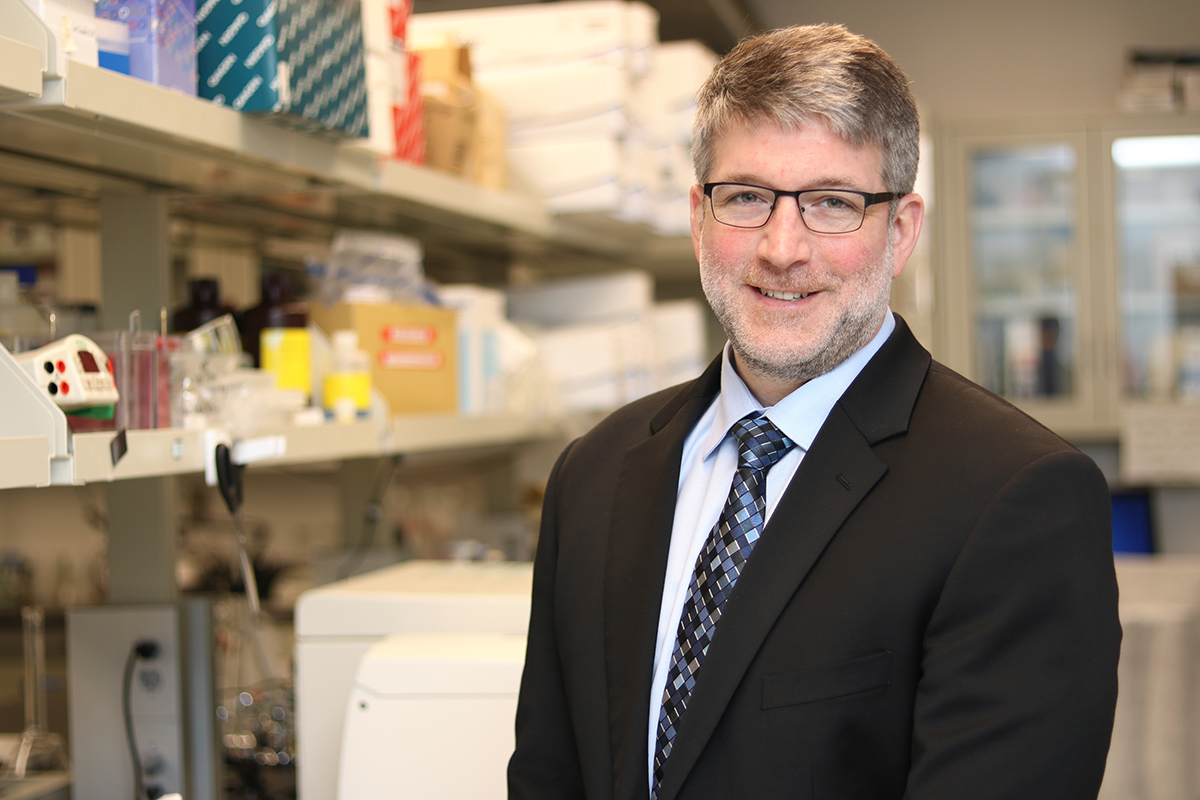
University of Illinois Urbana-ChampaignUnited States
Som G Nanjappa is an Associate Professor in the Department of Pathobiology at the University of Illinois. His academic background includes a Ph.D. in Immunology from the University of Wisconsin-Madison (2009). He specializes in T cell biology, fungal infections, and vaccine development, with a focus on CD8+ T cells, Tc17 cells, and their roles in combating fungal pathogens like Blastomyces dermatitidis and Cryptococcus neoformans. His research explores mechanisms of vaccine-induced immunity, particularly in immunocompromised hosts, and investigates how T cell responses contribute to protection against fungal pneumonia. Recent work highlights the role of GM-CSF+ Tc17 cells in vaccine efficacy and the importance of molecules like sialophorin in CD8+ T cell activation. Collaborations span immunology, oncology, and microbiology, with studies on 27-hydroxycholesterol’s impact on breast cancer progression and T cell dysfunction. Publications emphasize fungal vaccine strategies, immune memory persistence, and the interplay between innate and adaptive immunity. His findings have been featured in journals like Cell Reports, PLoS Pathogens, and Frontiers in Immunology, with impactful contributions to understanding antifungal immunity and T cell plasticity.
Patrick M. Tarwater is a Professor in the Department of Epidemiology & Biostatistics at Texas A&M University, with research spanning infectious disease epidemiology, traumatic brain injury rehabilitation, sleep science, biostatistical methods, and environmental health impacts on child development. His work integrates clinical, laboratory, and computational approaches to address complex public health challenges. His educational foundation includes: PhD in Biometry from University of Texas Health Science Center at Houston (1999) MS in Mathematics from Texas Tech University (1992) BA in Mathematics from Texas Tech University (1990) Tarwater's research in Infectious Disease Epidemiology features extensive work on HIV/SIV pathogenesis using non-human primate models, SARS-CoV-2 variant dynamics, and microbial risk assessment in environmental settings. His Traumatic Brain Injury and Sleep research includes innovative interventions like the OSABI sleep hygiene protocol and objective sleep monitoring methodologies for rehabilitation patients. The Environmental Health focus centers on the ECHO program's investigation of maternal nutrition and child health outcomes, alongside risk assessments for oil spill contaminants and recreational water safety. Analysis of his 2018-2024 publications reveals three dominant trajectories: (1) viral pathogenesis mechanisms using advanced animal models, (2) neuroimmunological consequences of infections and injuries, and (3) environmental exposure risk modeling. His work consistently employs sophisticated biostatistical techniques and translational approaches bridging laboratory findings to clinical applications. While no specific awards are documented in the source material, Tarwater's prolific publication record in high-impact journals demonstrates significant scholarly contributions. His teaching portfolio includes foundational courses in epidemiology and biostatistics, plus advanced instruction in cohort analysis and epidemiologic inference.
Lubo Zhang, PhD, is a Professor in the Pharmacology Division at Loma Linda University School of Medicine, serving as Director of the Center for Perinatal Biology. With over 386 publications and 13 NIH-funded projects, his work focuses on hypoxia adaptation, epigenetic programming, and maternal-fetal cardiovascular interactions. Education: PhD in Biology from Iowa State University (1990) Research Interests: Zhang's research investigates hypoxia-induced vascular dysfunction, microRNA regulatory mechanisms in pulmonary hypertension, and epigenetic modifications from prenatal exposures. His team explores calcium signaling pathways in uterine artery adaptation and mitochondrial oxidative stress in pregnancy complications. Recent Publications: 2024-2025 work highlights hypoxia's role in maternal vascular tone, microRNA-210's regulation of mtROS in pulmonary hypertension, and epigenetic consequences of maternal e-cigarette exposure. Key findings connect prenatal nicotine to adult cardiovascular vulnerability and identify TET2 as a critical mediator of hypoxia responses. Awards: Recipient of the Loma Linda University Adventist Health Sciences Center Centennial Vanguard Award (2006) Funding: Research funded by NIH (NICHD, NHLBI), National Science Foundation (MRI acquisition), and institutional grants. Projects include multi-omics approaches to fetal hypoxia adaptation and development of advanced imaging techniques for neonatal brain injury.
Jack R. Harkema is a University Distinguished Professor and holder of the Albert C. and Lois E. Dehn Endowed Chair in Veterinary Medicine at Michigan State University's College of Veterinary Medicine. He serves as Director of the Laboratory for Environmental & Toxicologic Pathology and the Mobile Air Research Laboratories (AirCARE 1 and 2). His research focuses on understanding how environmental and occupational air pollutants cause respiratory, cardiovascular, and autoimmune diseases using laboratory animal models. B.S. in Biology/Chemistry, Calvin College (1975) M.S. in Physiology, Michigan State University (1977) D.V.M., Michigan State University (1980) Postdoctoral Fellowship, Lovelace Respiratory Research Institute (1980-82) Residency in Veterinary Anatomic Pathology, UC Davis (1982-85) Ph.D. in Comparative Pathology, UC Davis (1985) Dr. Harkema's research interests center on environmental & occupational health with emphasis on air pollution effects. He investigates cellular and molecular targets for interventions against pollutant-induced diseases, focusing on ozone , particulate matter , and silica dust . His work explores how chronic diseases affect susceptibility to environmental toxins and develops dietary interventions for autoimmune conditions. Recent publications highlight his expertise in inhalation toxicology with studies on AHR pathway disruptions in hepatotoxicity, antiviral protein design for MERS-CoV inhibition, and autoimmune disease modulation through nutritional approaches. His article trends show strong emphasis on environmental health policy , inflammatory pathways , and translational research across toxicology and veterinary medicine. Career Achievement Award, Society of Toxicologic Pathology Val Vallyathan Award, American Thoracic Society Fellow of American Thoracic Society Board Certification, American College of Veterinary Pathologists As an educator, Dr. Harkema teaches general pathology , comparative pathology , and respiratory pathobiology . His service roles include past membership in US EPA's Clean Air Science Advisory Committee and leadership positions in the Environmental Health Policy Committee of the American Thoracic Society. The laboratory he directs develops mobile research platforms for community-based exposure studies, including Navajo Nation collaborations.
Dr. Shubhada K Chothe serves as a Research Assistant Professor in the Department of Infectious Diseases and Microbiology at the University of Pittsburgh, joining the faculty in 2023. She is an active member of the Kuchipudi research group, specializing in respiratory viral pathogenesis and countermeasure development. Her academic credentials include: PhD in Pathobiology from Pennsylvania State University (2018) MVSc in Veterinary Microbiology from Guru Angad Dev Veterinary and Animal Sciences University (2012) BVSc & AH from Pondicherry University (2010) Dr. Chothe's research program centers on zoonotic viral threats, with emphasis on influenza A virus and SARS-CoV-2 cross-species transmission. Her work integrates molecular virology, receptor biology, and host-pathogen interactions to develop diagnostic platforms and mRNA-based vaccine candidates. She maintains expertise in BSL2/BSL3 containment operations for high-consequence pathogens. Publication analysis reveals consistent focus on bat reservoir virology and respiratory disease mechanisms, particularly receptor compatibility studies for influenza and coronaviruses across species boundaries. Her work bridges veterinary and human health through comparative pathogenesis models. Scientific recognition includes: Professional Development Award from Penn State Bosworth Grier Scholarship from Penn State Young Scientist Award from European Scientific Working Group on Influenza Brenda Love Memorial Award from American Society for Virology No student advising or grant portfolio details were provided in source materials. Current laboratory activities involve collaborative investigations of viral entry mechanisms and vaccine efficacy testing within the Kuchipudi research group's BSL3 facility.
Jennifer Rudd is an Assistant Professor in the Department of Veterinary Pathobiology at Oklahoma State University's College of Veterinary Medicine. A fully licensed veterinarian with specialization in infectious diseases, she earned her DVM from Oklahoma State University in 2011, practiced small animal medicine for several years, then returned to complete her PhD in Comparative Biomedical Sciences in 2018 with emphasis on innate immune responses to pandemic influenzas and bacterial coinfections. She became an Assistant Professor in 2021 after serving as a Lecturer from 2018-2021. Dr. Rudd's research interests focus on translational animal models of acute SARS-CoV-2 infection, innate immune response and dysfunction after viral pneumonia, influenza pneumonias and bacterial coinfection, Johne's Disease in small ruminants, bovine respiratory disease complex, and scholarship of teaching and learning. Her work demonstrates expertise in veterinary bacteriology, immunology, and virology, with particular emphasis on neutrophil responses to viral infections. Analysis of her 15 most recent publications reveals a strong focus on SARS-CoV-2 research using feline models, with particular attention to variant-specific immune responses, neutrophil dynamics, and metabolic changes during infection. Her work spans virology, immunology, and comparative medicine, consistently emphasizing translational applications for human and animal health. Class of 2023 Outstanding Class Teaching Award (2021) Zoetis Distinguished Veterinary Teacher Award (2021) Class of 2022 Outstanding Class Teaching Award (2020) Class of 2021 Outstanding Class Teaching Award (2019) OSU Graduate Commencement Marshal (2018) Distinguished Graduate Fellowship recipient (2017-2018) Dr. Rudd actively supervises graduate students through PhD Research and Dissertation courses and teaches Veterinary Bacteriology and Mycology to veterinary students. She serves on multiple committees including the OSU CVM Curriculum Revision Committee and Instructional Resources Committee. Her research is supported by significant funding including NIH grants for the Oklahoma Center for Respiratory and Infectious Diseases and projects on Johne's Disease diagnostics in small ruminants.
Francesca Polverino, MD, PhD, is the Lester and Sue Smith Full Professor and tenured Professor of Medicine at Baylor College of Medicine (Houston, Texas), leading the COPD translational research program. She previously held roles at Harvard Medical School (Boston, MA) and the University of Arizona (Tucson, AZ). Her research focuses on COPD pathobiology, emphasizing precision medicine approaches to identify therapeutic targets for COPD subphenotypes. She holds dual medical and pharmaceutical degrees from Italian universities, with advanced training including postdoctoral work at Harvard and fellowships across Europe. Education & Training MD: University of Naples (2006) PharmD: University of Parma (2017) Residency: University of Messina (2011) Postdoctoral Fellowship: Harvard Medical School (2011–2015) Research Focus Dr. Polverino’s work addresses COPD’s multifactorial origins, including environmental, genetic, and developmental contributors. Key areas include B cell dysregulation in emphysema-predominant COPD, spatial transcriptomics for disease biomarker discovery, and preclinical validation of therapies like metformin. She pioneered the use of non-human primate models for COPD and identified protective molecules such as CC16 and ADAM8. Awards & Recognition 2023 Parker B Francis Award (American Thoracic Society) 2022 European Respiratory Society COPD GOLD Medal 2019 Medal of Honor for Scientific Merits (Italian Republic) 2017 Rising Star of Research Award (American Thoracic Society) Lab & Funding Her Polverino Lab at Baylor integrates omic platforms (radiomics, transcriptomics) to dissect COPD mechanisms. Major funders include NIH/NHLBI (R01 grants), VICTORY Houston, and industry partnerships. She co-leads the COPDiNET international research consortium, advancing global COPD translational efforts. Contact Laboratory: Methodist Neurosensory Center, Houston, TX Phone: (617) 306-8999
Steven T. Haller is an Associate Professor of Medicine at the University of Toledo College of Medicine and Life Sciences. He serves as Director of the Jacobson Center for Clinical and Translational Research and Co-Director of the Women & Philanthropy Genetic Analysis Center. His work focuses on molecular mechanisms of end-stage renal disease and health impacts of cyanotoxin exposure. Education : B.S. in Biology/Chemistry (2003), M.S. in Molecular Basis of Disease (2005), Ph.D. in Biomedical Sciences (2012) - all from University of Toledo/Medical University of Ohio. Research Interests center on CD40 receptor signaling in renal inflammation/fibrosis and cyanotoxin effects in vulnerable populations. His lab develops therapeutic inhibitors for renal disease and investigates toxin impacts on respiratory/liver systems. Scientific Awards include American Heart Association Postdoctoral Fellowship (2013-2015), European Society of Hypertension Travel Awards (2014), and Young Investigator Award finalist status (2014). Publications highlight CD40 disruption in renal disease models, Na/K-ATPase signaling mechanisms, and environmental toxin impacts across multiple organ systems (2022-2025). His work bridges clinical nephrology, molecular cardiology, and environmental health. Collaborations span cardiovascular medicine, genetic analysis, and environmental research centers. Funded by Abbott, Inc., he maintains transparency regarding clinical research independence.
Weihua Guan, PhD, is a Professor at the University of Minnesota's School of Public Health , specifically in the Division of Biostatistics & Health Data Science. With a career focused on statistical genetics and genomic data analysis , she develops methodologies for high-throughput genetic studies. Education : PhD in Biostatistics (University of Michigan, 2010), MS in Statistics (Texas A&M University), BS in Chemistry (Peking University) Her research centers on genetic determinants of complex diseases , specializing in DNA methylation analysis , proteomic biomarker discovery , and multi-omics integration . Recent work includes proteomic aging clocks and inflammation-related epigenetic signatures. Key publication trends show expertise in cardio-respiratory disease genetics , psychiatric disorder GWAS , and high-dimensional data methods . She contributes to genomic epidemiology through large-scale consortia collaborations. Scientific Honors : Member of Delta Omega Honorary Society in Public Health
Susan Fielder is a Clinical Associate Professor in the Veterinary Pathobiology department at Oklahoma State University's College of Veterinary Medicine . With over a decade of service at OSU (since 2015), she specializes in clinical pathology , cytology , and endocrine/exotic animal diagnostics . DVM, Oklahoma State University (2003) Diplomate, American College of Veterinary Pathologists (2007-present) Oklahoma Veterinary License (2017-present) Research interests include: Genomic analysis of canine cancers Diagnostic accuracy of splenic mass sampling Endocrine disease in exotic species Comparative hematologic disease Cytological diagnostics across species Teaching roles focus on clinical pathology and cytology for veterinary students, including: Foundational Clinical Pathology (1st-2nd year students) Advanced Cytology Electives (3rd year) Ultrasound/Clinical Pathology rotations (4th year) Service & outreach includes committee memberships in admissions, equity & diversity, academic affairs, and institutional animal care. She has served as reviewer for multiple journals and participated in educational workshops.
Clinton Jones is a Professor of Veterinary Pathobiology at Oklahoma State University, where he has maintained a faculty position since 1996. He also holds the distinguished title of Sitlington and Regents Professor, an appointment he has held since June 30, 2015. Previously, he served as a Professor at the University of Nebraska-Lincoln from October 1, 1987 to July 30, 2015, and as an Assistant Professor at the University of Mississippi Medical Center from May 1, 1987 to October 1, 1989. Dr. Jones received his PhD in Microbiology from the University of Kansas in 1984, followed by postdoctoral training at the Linus Pauling Institute of Science and Medicine in Palo Alto, California. His undergraduate education was completed at Bethany College-Kansas, where he earned a Bachelor of Arts in Biology in 1978. Dr. Jones' research primarily focuses on the latency and reactivation mechanisms of alpha-herpesviruses, with particular emphasis on Bovine Herpesvirus 1 (BHV-1) and Herpes Simplex Virus Type 1 (HSV-1). His work has significantly advanced our understanding of how stress triggers viral reactivation through glucocorticoid receptor signaling pathways. He has made notable contributions to identifying cellular transcription factors that regulate viral gene expression during latency and reactivation cycles, including discovering that latent gene products inhibit apoptosis and identifying cellular transcription factors in sensory neurons induced by dexamethasone. Analysis of Dr. Jones' recent publications reveals a consistent focus on the molecular mechanisms of herpesvirus latency and reactivation, with particular attention to how glucocorticoid receptor and stress-induced transcription factors like Krüppel-like factors (KLF4, KLF15) and specificity proteins (Sp1, Sp3) cooperatively transactivate key viral promoters. His research spans both veterinary and human virology, with important implications for developing interventions to prevent viral reactivation and transmission in both animal and human health contexts. Dr. Jones has received several prestigious awards including: Regents Distinguished Research Award (2021) Zoetis Outstanding Researcher (2018) Top 25 reviewer for Journal of Virology (2016-2019) As an educator, Dr. Jones has supervised numerous PhD students through dissertation research and teaches advanced courses in Molecular Virology and Veterinary Virology. His service activities include extensive peer review for NIH study sections including NIAID and National Institute of Aging, USDA National Institute of Food and Animal Agriculture, and editorial work for journals including Journal of Virology and Journal of NeuroVirology. He has also served on various committees including the International Herpesvirus Workshop and Veterinary Herpesvirus Workshop. Dr. Jones leads a research team investigating herpesvirus pathogenesis with a focus on neuronal infection and reactivation mechanisms. His laboratory employs molecular, cellular, and animal model approaches to study viral gene regulation and host-virus interactions during latency and reactivation, with particular interest in how stress pathways trigger viral reactivation from neuronal latency.
Nikki Johnston, PhD, is a Professor in the Departments of Otolaryngology & Communication Sciences and Microbiology & Immunology at the Medical College of Wisconsin. She holds dual appointments reflecting her interdisciplinary research in airway biology and gastrointestinal pathophysiology. Dr. Johnston earned her PhD in Molecular and Cellular Pathology (University of Dundee, 2002) and BS in Anatomical Sciences (University of Dundee, 1999). Her research focuses on pepsin’s role in extraesophageal reflux diseases, including its effects on laryngeal and esophageal epithelia, carcinogenesis mechanisms, and novel therapeutic development. Key areas include pepsin as a diagnostic biomarker, its involvement in laryngopharyngeal cancers, and translational studies on protease inhibitors like amprenavir. Dr. Johnston has authored over 50 peer-reviewed publications and contributed to clinical consensus guidelines such as the Dubai Definition for Laryngopharyngeal Reflux. Her work bridges basic science and clinical practice, with recent emphasis on inhalation therapies and middle ear cell models for otitis media. Notable awards include multiple Broyles-Maloney Awards (2008–2013), the Charles Ferguson Clinical Research Prize (2013), and inclusion in Marquis Who’s Who in Medicine. She actively contributes to professional societies like the American Association for Cancer Research and the American Broncho-Esophagological Association. Her research lab investigates both diagnostic and therapeutic innovations, including sodium alginate protection mechanisms and aerosolized drug delivery systems. Current projects explore pepsin’s role in epithelial-mesenchymal transition and Barrett’s esophagus progression.
Hadi T. Nia is an Assistant Professor in the Department of Biomedical Engineering and Division of Materials Science and Engineering at Boston University. He holds a PhD from MIT (2013) and leads the Nia Lab, focusing on mechanobiology, tumor microenvironment, and pulmonary pathogenesis. His work integrates physical sciences, molecular biology, and immunology to study cancer metastasis, aging, and lung diseases. Key innovations include the 'Crystal Ribcage' platform for ex vivo lung research, enabling real-time optical imaging and functional analysis. Research interests span mechanobiology, mechano-immunity, tumor microenvironment dynamics, and lung resilience mechanisms. Awards include the 2024 Sloan Research Fellowship, NSF CAREER Award (2023), and NIH Director’s New Innovator Award (2022). He is affiliated with the Center for Multiscale and Translational Mechanobiology (CMTM), Pulmonary Center, and Synthetic Biology programs at BU. Publications emphasize interdisciplinary approaches, with recent work addressing lung mechanics, cancer solid stress, and imaging technologies. His grants and awards reflect sustained support for mechanistic studies in disease and aging.
Jonathan Mansbach is a Professor at Boston Children's Hospital , where he serves as Chief of Hospital Medicine and Associate Chief of the Division of General Pediatrics. He holds the Mark A. Schuster Chair in Pediatrics and leads translational research on bronchiolitis, respiratory viruses, the respiratory microbiome, and the transition to childhood asthma. Currently, he is Principal Investigator for the NIH-funded Multicenter Tracheostomy Research Collaboration (MyTRaCh) study. Education : Haverford College (1991), Duke University School of Medicine (1996), Harvard School of Public Health (MPH). Dr. Mansbach’s research integrates multi-omics approaches to study pathobiology of acute respiratory infections in children, focusing on viral etiology, microbiome interactions, and metabolic pathways. His work includes collaborations in the United States and Finland, with over 130 publications. His recent publications highlight trends in bronchiolitis severity , host-pathogen interactions, and the role of microbiome diversity and vitamin D status in respiratory outcomes. He has contributed to understanding discrepancies in pulmonary function test interpretation and vaccination rates in ventilated children. Grants : NIH-funded MyTRaCh study.
Dr. Natalie Manginsay is an Associate Clinical Professor of Avian Medicine at Mississippi State University's College of Veterinary Medicine, affiliated with the Department of Pathobiology & Population Medicine. She supervises the Poultry Serology and AGID sections at the Poultry Research & Diagnostic Laboratory, providing diagnostic support to Mississippi's poultry industry. Education: Ph.D. in Veterinary and Biomedical Sciences, University of Georgia (2014) Master of Avian Medicine, University of Georgia (2010) BVSc in Veterinary Science, University of Pretoria, South Africa (2004) Research Focus: Dr. Manginsay specializes in avian mycoplasmosis, poultry disease diagnostics, and epidemiological investigations. Her work emphasizes improving disease detection methods and developing practical solutions for poultry health management, with field-based research on pathogens like Mycoplasma gallisepticum , Clostridium, and avian reoviruses. Publications: Her recent works (2020–2023) predominantly address emerging challenges in poultry health, including novel disease presentations, vaccine efficacy, and wild turkey mortality. Common themes include diagnostic innovations, pathogen surveillance, and industry-focused disease mitigation strategies. Honors: Diplomate, American College of Poultry Veterinarians Professional Activities: She actively trains veterinary/graduate students through field trips and classroom instruction, contributes to the Veterinary and Biomedical Science Master’s program, and presents regularly at conferences (e.g., AAAP, AAVLD). She also develops workshops on mycoplasma diagnostics for the National Poultry Improvement Plan.